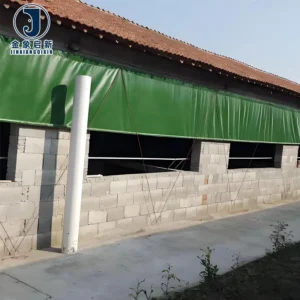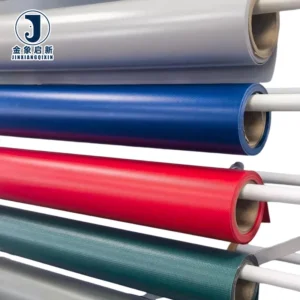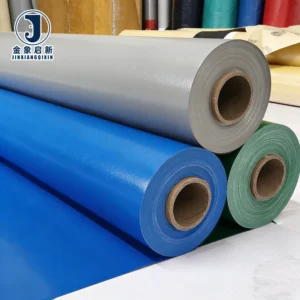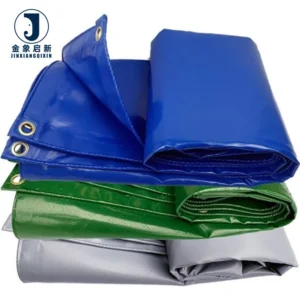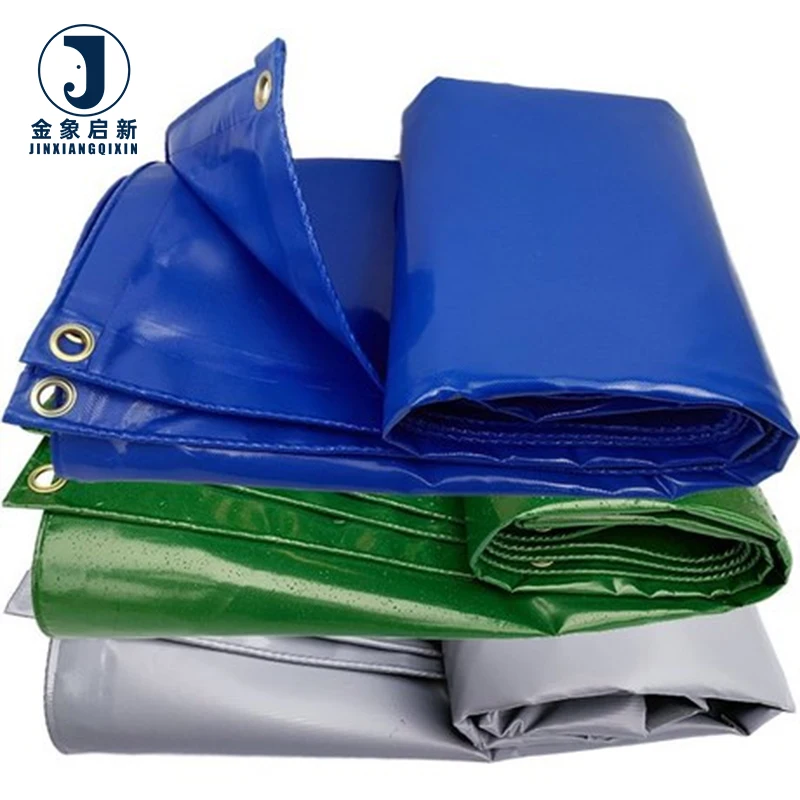
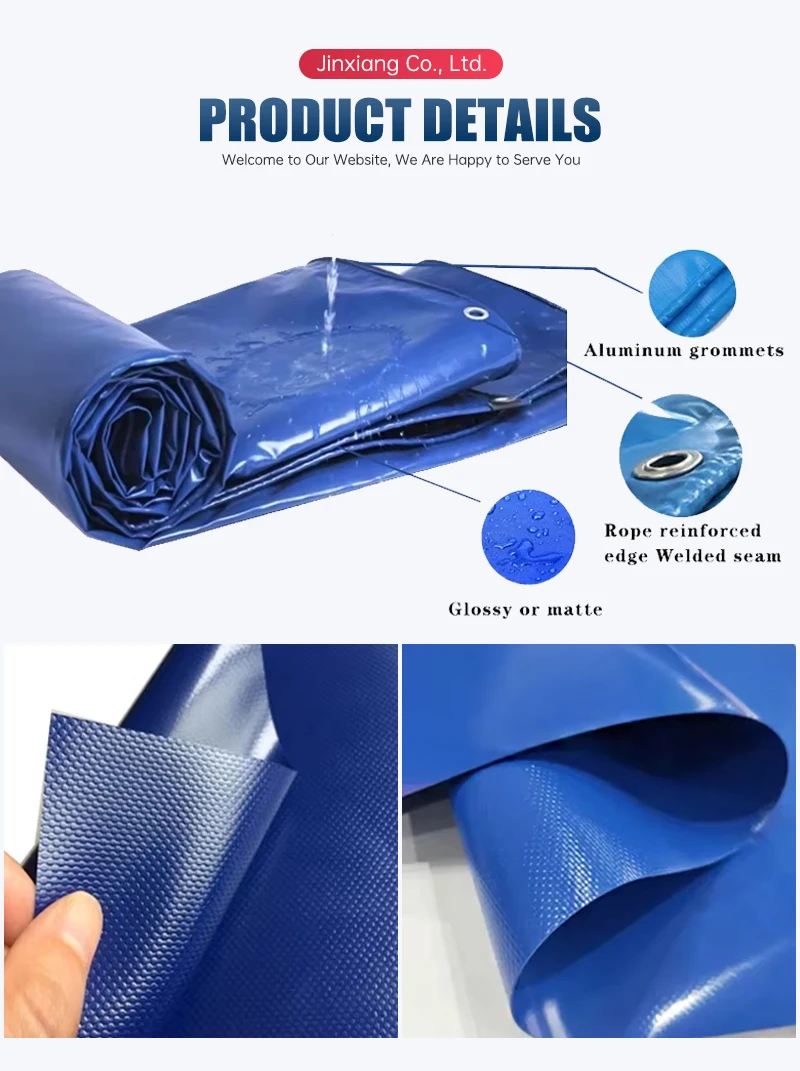
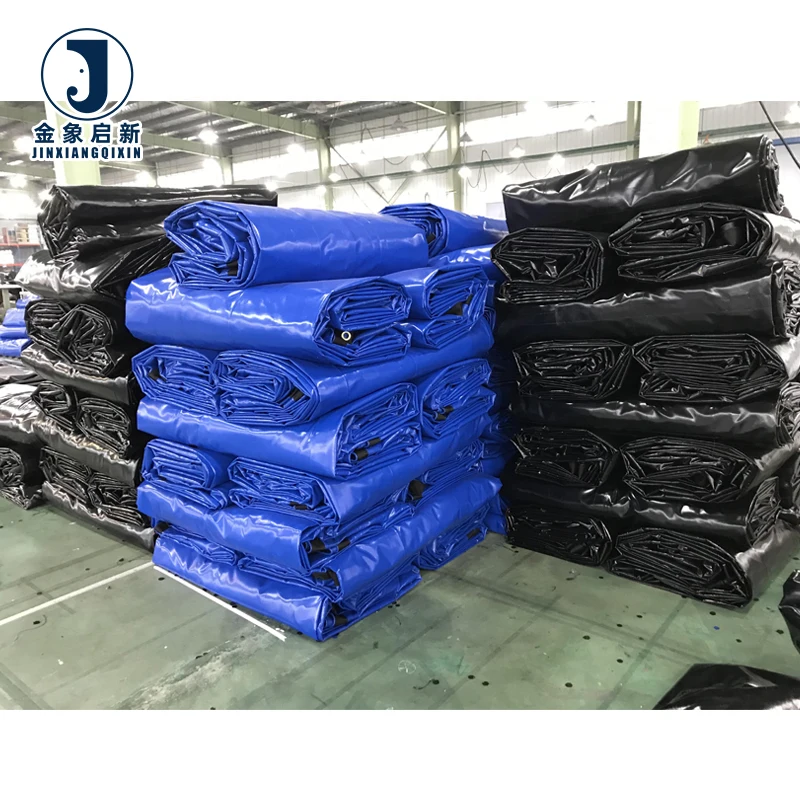
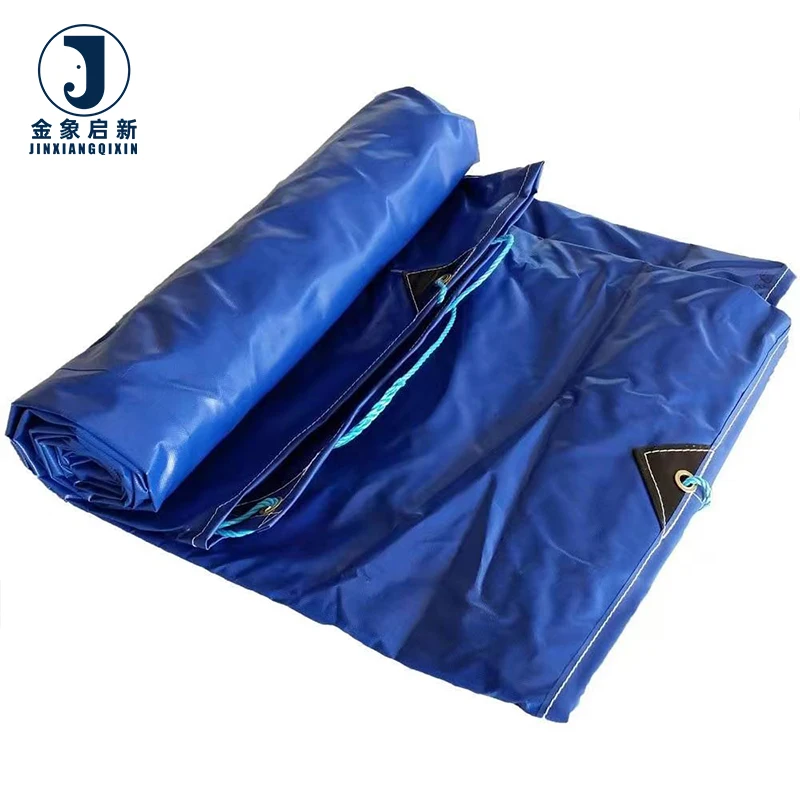
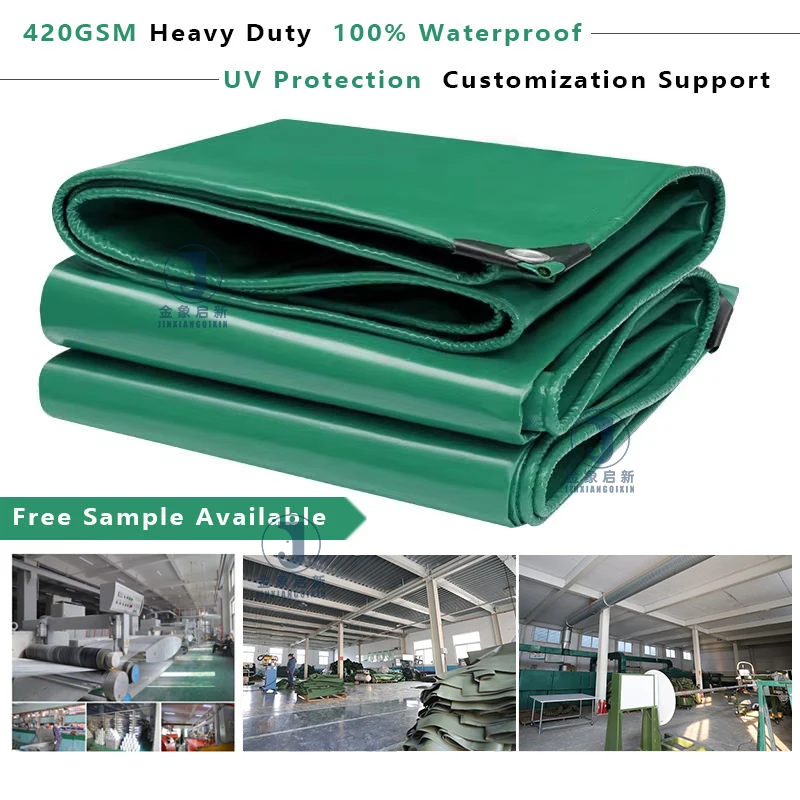
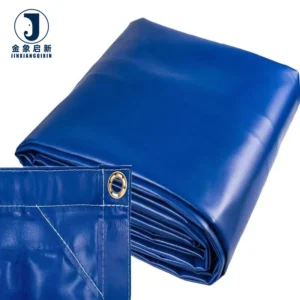
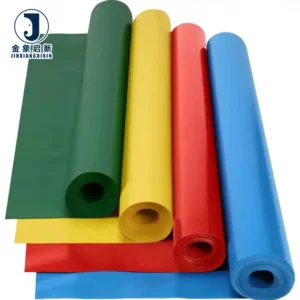
650gsm PVC Tarpaulin Roll — 100% high tenacity polyester base, hot-melt coated, waterproof, cold crack and anti-mildew resistant.
- Full custom range: width, colour, flame retardant and anti-static treatments, pattern printing and branding handled in-house.
- Hot-melt coating delivers strong adhesion and reliable heat-welded seams for fabricators building covers, tents and inflatable structures from roll stock.
Backed by 36 sets of professional equipment and 100% pre-shipment inspection across every production stage.
Description
Nearly 30 years of coated fabric process control — every 650gsm roll is produced under dedicated QA/QC with 100% pre-shipment inspection, giving buyers complete PVC tarpaulin range coverage from design through to delivery with verified weight and specification on arrival.
Technical Specifications
| Parameter | Value |
|---|---|
| Product Type | PVC Tarpaulin Roll |
| Specification | 650gsm |
| Base Fabric | 100% high tenacity polyester yarns |
| Coating Material | PVC |
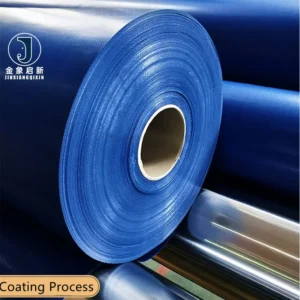
| Coating Technology | Laminated technology & Hot-melt Coating technology |
| Weight | 650gsm |
| Waterproof | Yes |
| Cold Crack Resistance | Yes |
| Anti-Mildew | Yes |
| Key Features | Anti-static, flame retardant, anti-cold, UV stable grades available — confirm the grade required for your market |
| Outdoor Life Assurance | 3-5 years (verify against manufacturer catalog) |
| Color Fastness | Best color fastness (test basis not stated in source) |
Application Suitability
| Application | Exposure & Requirement |
|---|---|
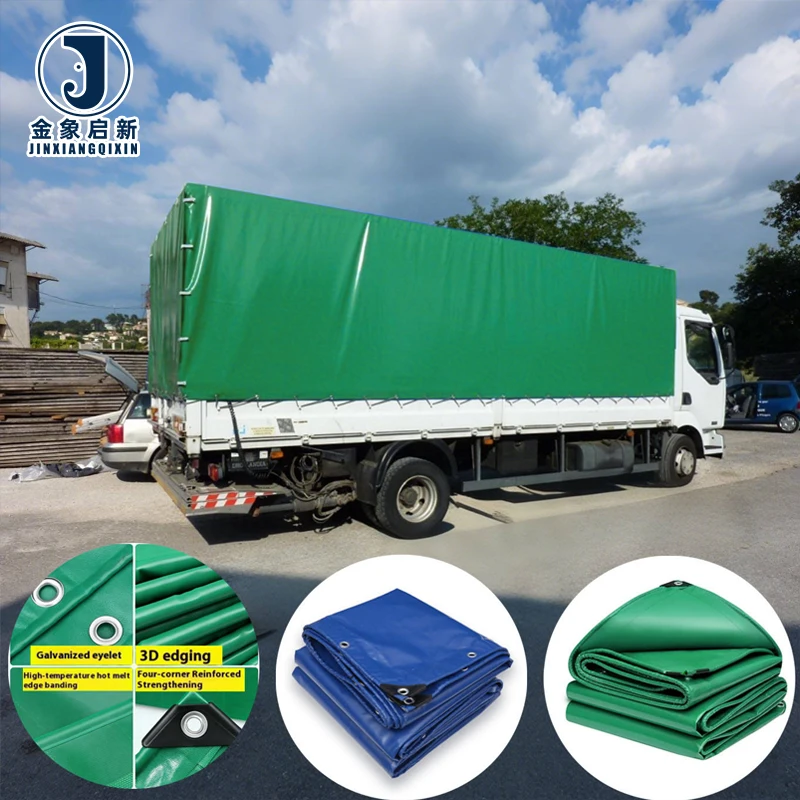
| Truck and trailer side curtains | Constant flexing at hinges, road debris abrasion, UV and rain exposure, high-frequency winding and unwinding |
| Construction site and equipment covers | Prolonged sun and rain exposure, wind uplift on large flat panels, contact with alkaline dust and mortar |
| Tent and awning fabric | Tension loading across span, UV degradation from permanent installation, seasonal temperature swings |
| Inflatable and membrane structure fabric | Internal air pressure stress, continuous UV load, requirement for airtight weld seams |
| Pond and reservoir liners | Permanent water immersion, soil chemistry contact, puncture risk from substrate irregularities |
Why a Quoted GSM Does Not Guarantee the Weight You Receive
Specifying a 650gsm PVC coated tarpaulin manufacturer custom order is only the first step — the weight stated on a quotation must be verified on every roll before it leaves the factory floor.
GSM is a process outcome, not a paper claim. When coating weight drifts during production, rolls arrive lighter than agreed, and the deficit shows up as early tearing at stress points or reduced service life under UV load. [NEED_CITE:]
I have seen heavy-grade coated rolls fail at the weld line because the coating was too thin to bond properly during heat welding. The base fabric carried the correct denier, but the PVC layer lacked the adhesion strength needed for a lasting seam. Without in-process QA catching the coating weight at each stage, the defect passes through to the finished product. Buyers then face the cost of re-making panels or, worse, a load exposed on the highway.
One Source for the Complete PVC Tarpaulin Range
When a distributor or fabricator sources PVC coated fabric, PE tarpaulin, truck covers and ventilation duct material from separate suppliers, colour matching becomes impossible and documentation arrives in fragments. Jinxiang produces the complete PVC tarpaulin range under one roof, so a buyer specifying 650gsm for truck curtains can add pond liner and tent fabric to the same container with consistent documentation and a single point of accountability.
Custom Width, Colour and Treatment Under One Production Run
The in-house 10-person R&D team handles material selection, pattern printing, custom sizing and sample development directly against buyer specifications. A PVC Coated Tarpaulin manufacturer custom order can include non-standard widths, Pantone-matched colours and treatment combinations — flame retardant, anti-static, anti-cold or anti-mildew — developed as samples within days so the buyer approves the exact material before bulk production begins. [NEED_CITE:]
What Coating Technology Means for Weld Strength and Fabric Hand
The 650gsm grade uses both laminated and hot-melt coating technology, and the choice between them changes how the fabric behaves in fabrication. Hot-melt coating drives PVC into the polyester weave under heat and pressure, producing higher adhesion strength between coating and base fabric — this directly improves tear resistance at welded seams, which is where most field failures originate. Laminated technology bonds a pre-formed PVC film to the base cloth, yielding a smoother surface that suits applications requiring printed branding or a specific finish. Both methods rely on the 100% high tenacity polyester base to carry tensile loads; the coating protects and seals but does not replace structural yarn strength. Cold crack resistance and anti-mildew treatment extend the usable temperature and humidity range, while colour fastness — verified per production batch — prevents visible shade differences when panels are installed side by side.
The Hidden Cost of Skipping Pre-Shipment Weight Verification
When rolls arrive underweight, the consequences compound through fabrication. Panels cut to size carry less material than engineered, and welded seams bear higher stress relative to the coating thickness available for bonding. A truck side curtain that flexes thousands of times per journey will show weld-line cracking long before a correctly weighted panel would. [NEED_CITE:]
Colour variation between rolls in the same shipment is equally costly. Once panels are fabricated and installed, a shade shift across adjacent sections forces either a full replacement or an accepted visual defect — neither outcome protects the fabricator’s reputation with the end customer.
Why Fabricators and Distributors Source This Range Here
Three full production lines and 36 sets of professional equipment support bulk capacity with on-time delivery, so large container orders ship on schedule without splitting across factories.
Dedicated QA/QC at every production stage with 100% inspection before shipment means GSM, colour and treatment are checked per roll, not sampled from a batch.
Samples for custom width, colour or treatment are developed within days by the in-house R&D team, allowing buyer sign-off before the production run commits material.
Full documentation — material spec sheets, test reports, packing lists and certificates of origin — ships with every order, reducing customs delays and audit friction at destination. [NEED_CITE:]
ISO and CE certified production ensures that buyers exporting to regulated markets have the compliance framework already in place.
Documentation & Verification
- Material specification sheet stating exact 650gsm weight, polyester base fabric and PVC coating type per roll
- Pre-shipment inspection record confirming GSM, colour reference and treatment verification before dispatch
- Test reports for flame retardant and UV stable grades supplied where applicable — no claims without documentation
- Roll packing list detailing roll count, individual roll weight and batch number for receiving verification
- Certificate of origin and customs documentation supporting smooth clearance at destination port
Fabrication, Handling & Storage
- Heat welding parameters should be adjusted for the hot-melt or laminated coating type to optimise adhesion at 650gsm seams
- Store 650gsm rolls upright on pallets to prevent flat-spot deformation that affects unrolling and cutting accuracy
- Use compatible PVC-based repair tape for field patching — solvent-based adhesives suit both coating technologies
- Allow cold-stored rolls to reach ambient temperature before unrolling to avoid coating micro-cracking
- Plan panel layout to minimise cross-direction seams where the 650gsm polyester weave carries lower tear resistance
Requesting a Specification Match for Your Application
To receive an accurate recommendation, share the end-use environment — UV exposure level, temperature range, and any fire safety or anti-static compliance requirements for your market. Specify the required roll width, annual volume and whether you need the material as stock rolls or pre-cut panels with hemming and eyelets. If colour matching or printed branding is part of the project, provide Pantone references or artwork files so the R&D team can develop a sample for your approval before production.
Frequently Asked Questions
Q: How is GSM verified and what documentation confirms the weight of each roll?
A: Every roll undergoes dedicated QA/QC at each production stage. A pre-shipment inspection record confirms the 650gsm weight per roll, and a material specification sheet stating exact GSM, base fabric and coating type accompanies each shipment for your receiving team to verify against the physical roll.
Q: What special treatments are available and how are flame retardant claims supported?
A: Available treatments include flame retardant, anti-static, anti-cold and anti-mildew grades. Where a specific grade is required for your market, confirm the standard before production. Test reports for applicable grades are included in the shipment documentation pack — no performance claims are made without supporting data.
Q: How do you ensure colour consistency across multiple rolls in a single order?
A: Roll-to-roll colour consistency is enforced through in-process QA with colour reference checks at each coating stage. The 100% pre-shipment inspection verifies shade match across all rolls in the order, so fabricated panels installed side by side show no visible variation.
Q: What custom sizing, width and print options are available, and how fast are samples?
A: Custom width, length, colour, eyelet spacing, reinforced hems and pattern printing are handled by the in-house 10-person R&D team. Samples for new specifications are developed within days, allowing buyer approval before the bulk production run begins — reducing the risk of specification mismatch on large orders.
Q: How do laminated and hot-melt coating methods differ for welding and adhesion?
A: Hot-melt coating drives PVC into the polyester weave for higher adhesion strength, benefiting applications with frequent flexing and heat-welded seams. Laminated technology produces a smoother surface suited to printing and specific finish requirements. Both methods are available in the 650gsm grade — your fabrication method determines the best choice.
Related products
-
PVC Coated Tarpaulin Outdoor Poly Tarp Plastic Canvas Tarpaulin Roll 650 Gsm for Truck Tent. Roof Cover
¥2.70 Add to cart -
Custom Reinforced Edges Rip-Stop Rubberized PVC Tarpaulin Industry Covering Vinyl Coated Polyester Tarps for Trucks
¥8.00 Select options This product has multiple variants. The options may be chosen on the product page -
Custom Reinforced Edges Rip-Stop Rubberized PVC Tarpaulin Industry Covering Vinyl Coated Polyester Tarps for Trucks
¥8.00 Select options This product has multiple variants. The options may be chosen on the product page -
PVC Tarpaulin Glossy 650GSM 1000D*1000D 23*23 1.50*50M/R for Multi-purpose Cover SAMPLE FREE
¥2.70 Add to cart