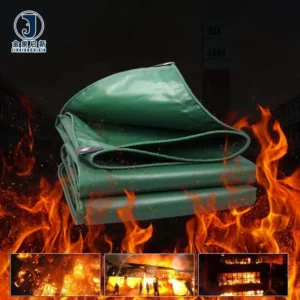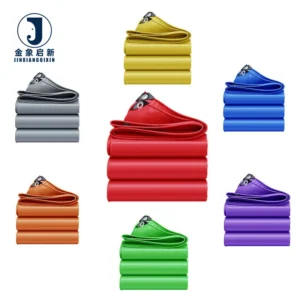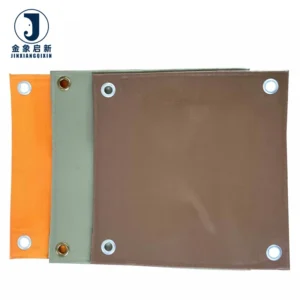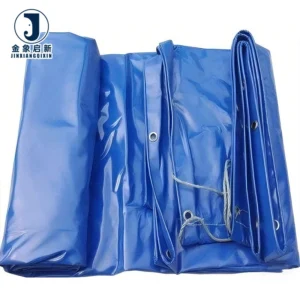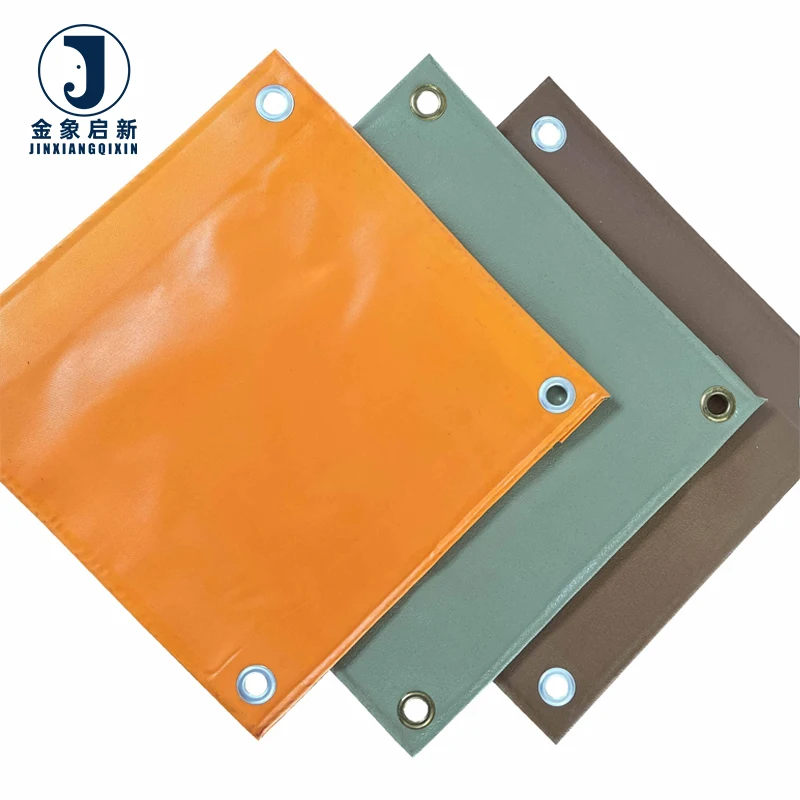
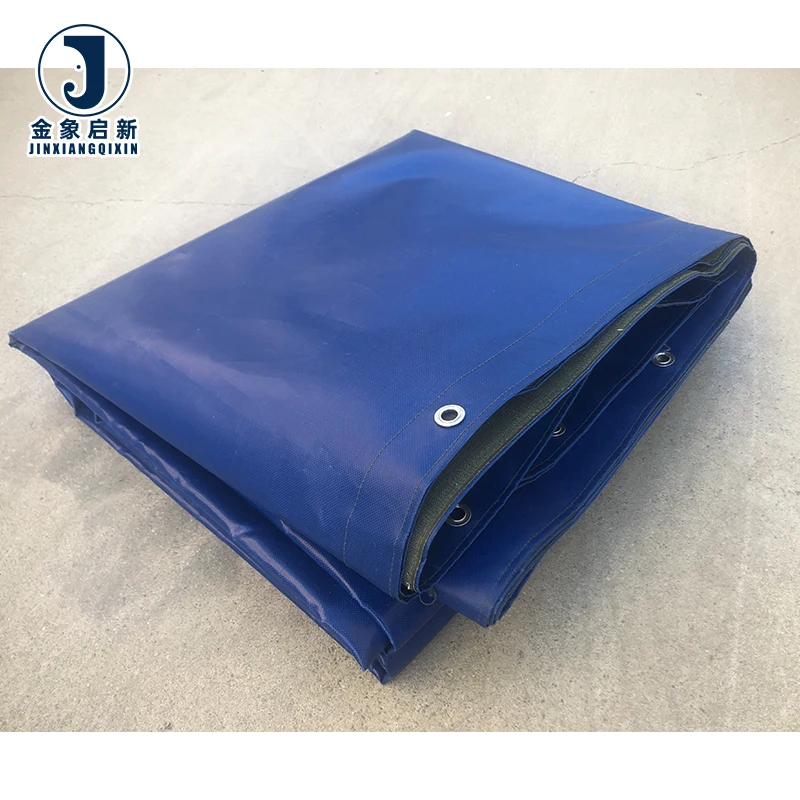
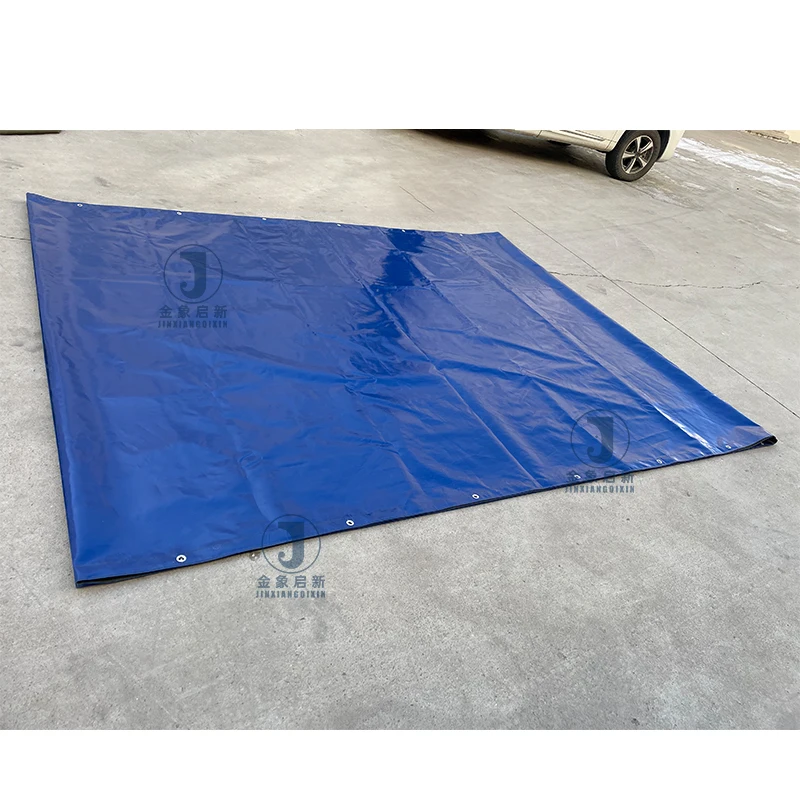
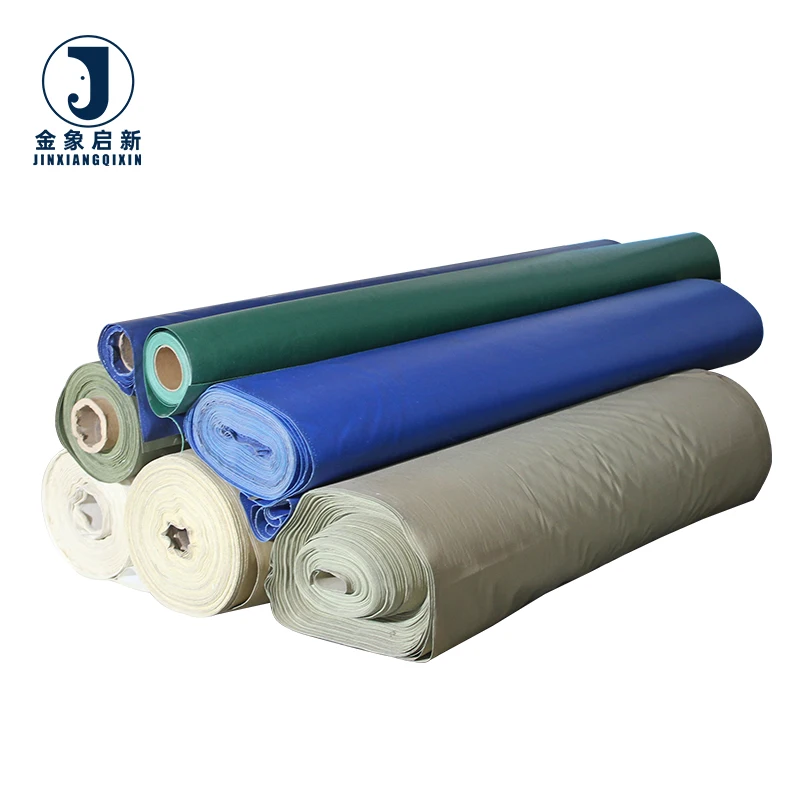
Anti-Static Printable PVC Coated Tarpaulin — 100% high toughness polyester yarn base with PVC hot melt coating, 0.35-1.5 mm thickness, 400-1500 g/m² weight range.
- Lamination and hot melt coating technology ensures consistent GSM control roll to roll, matching tensile strength to base fabric denier (500D-2000D) for exhibition backdrop and event signage applications.
- Anti-static treatment applied with test documentation; cold crack resistant to -30°C and waterproof for indoor and outdoor event environments.
Backed by nearly 30 years of coated fabric process control and 100% pre-shipment inspection on every roll.
Description
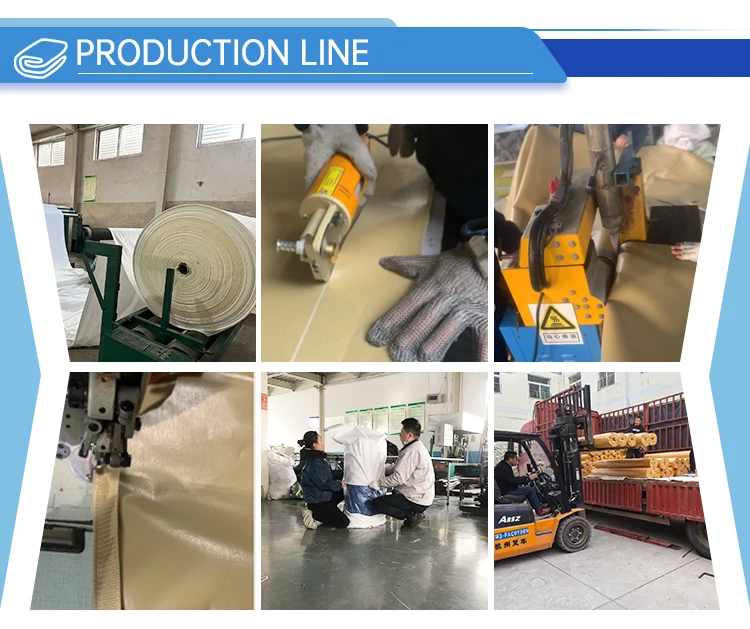
Precision Coating Control — three full production lines and 36 sets of equipment maintain GSM consistency across every roll of anti-static printable PVC coated tarpaulin, with 100% pre-shipment inspection verifying weight, colour and treatment before dispatch.
Technical Specifications
| Parameter | Value |
|---|---|
| Product Type | PVC Coated Tarpaulin |
| Base Fabric | 100% high toughness polyester yarn |
| Coating Material | PVC |
| Coating Method | Lamination technology and hot melt coating technology |
| Base Fabric Denier Options | 500D / 1000D / 500D–2000D |
| Total Thickness Range | 0.35–0.45 mm / 0.70–1.0 mm / 1.2–1.5 mm |
| Tensile Strength (N/5cm) | Warp 1500–3000 / Weft 1200–2800 (varies by grade) |
| Cold Crack Resistance | -30°C |
| Waterproof | Yes |
| Anti-Mildew | Yes |
| Anti-Static | Treatment available — confirm the grade required for your market |
| Flame Retardant | Treatment available — confirm the grade required for your market |
| UV Treatment | Available — confirm the grade required for your market |
| Color Fastness | High grade |
| Printing Option | Printable surface |
| Outdoor Weather Resistance | 3–5 years |
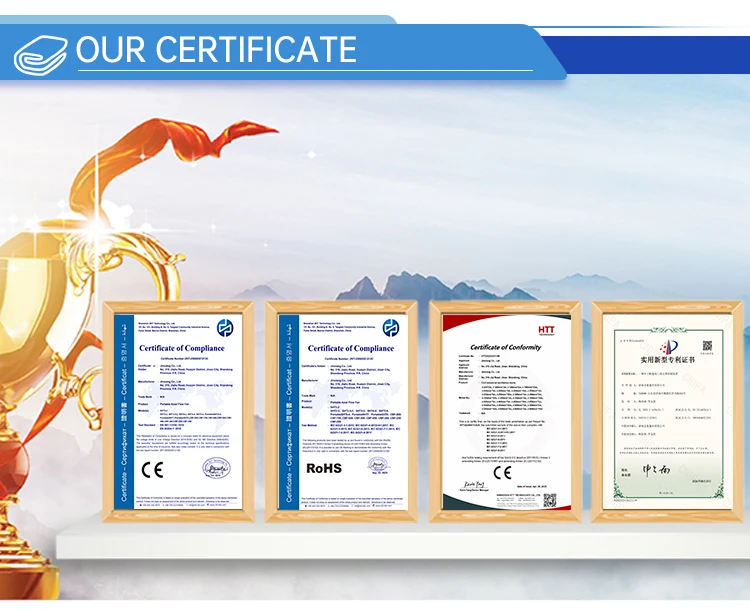
| Certification | ISO, CE |
Application Suitability
| Application | Exposure & Requirement |
|---|---|
| Exhibition booth backdrop | Indoor lighting, frequent assembly and teardown, print-ready surface for branding |
| Trade show signage panels | Close-range viewing, colour accuracy, flat tension without creasing |
| Event tent and inflatable structure fabric | Temporary outdoor exposure, anti-static environment requirements, structural tension |
| Tensioned membrane installations | Sustained tensile load, welded seam integrity, indoor fire compliance |
| Truck tarpaulin | Road abrasion, UV exposure, constant flexing at tie-down points |
| Industrial pipe canopy | Weather exposure, chemical contact, long-term waterproofing |
Why GSM Alone Does Not Tell You How Strong the Fabric Is
Coating weight and base fabric denier must be evaluated together to predict real-world tensile and tear behaviour.
Many buyers specify PVC coated tarpaulin by GSM and assume higher weight means a stronger panel. In practice, a 900 GSM fabric woven from 500D yarn with loose knit density can tear more easily than a 750 GSM fabric built on 1000D yarn with tight weave construction. The coating adds mass but does not compensate for a weak base fabric grid. When sourcing an Anti-Static Printable PVC Coated Tarpaulin for exhibition structures or tensioned backdrops, the denier and weave density determine how the material behaves under sustained load and at welded seams [NEED_CITE: tensile and tear test methods for coated fabrics per ISO 1421].
Hot Melt Coating and Adhesion at the Seam
The lamination and hot melt coating technology used on this anti-static printable PVC coated tarpaulin creates a mechanical bond between the PVC layer and the polyester base fabric. This bond strength directly affects how the material performs when heat-welded. Strong adhesion means the weld line resists peeling under tension, which matters for backdrop panels hung from aluminium frames and inflatable structures under internal pressure.
Printable Surface for Exhibition and Event Graphics
The printable coating surface accepts solvent, eco-solvent and UV-curable inks used in wide-format printing. For exhibition booth backdrops and trade show signage, this means colour reproduction and edge sharpness depend on the coating formulation rather than a secondary treatment layer. Anti-static treatment reduces dust attraction during printing and installation, keeping large-format graphics clean in busy venue environments [NEED_CITE: anti-static standards for indoor exhibition materials].
Reading the Denier and Weight Matrix Correctly
The 500D, 1000D and 500D–2000D denier options correspond to different load-bearing roles. A 500D base at 400–500 GSM produces a lightweight, flexible fabric suited to roll-up banners and temporary indoor signage. Moving to 1000D at 700–1000 GSM increases tear resistance for tensioned booth walls that must hold flat under frame tension. The 500D–2000D super-heavy range at 1100–1500 GSM addresses permanent membrane structures and heavy truck covers where puncture and sustained tensile loads dominate. Thickness values from 0.35 mm to 1.5 mm track with these weight classes. The cold crack resistance rating of -30°C ensures the PVC coating remains flexible during winter transport and outdoor installation without surface micro-cracking at fold lines.
The Hidden Cost of Specifying the Wrong Grade
Ordering a lighter GSM grade to save on material cost creates downstream losses that exceed the initial saving. A backdrop panel that sags under its own weight requires re-tensioning or replacement before the event opens. A truck cover that tears at the flex point fails mid-route, exposing the load and triggering an insurance claim. When anti-static treatment is specified without a test report, the fabric may pass visual inspection but fail venue compliance checks on the day of installation [NEED_CITE: fire and static compliance requirements for temporary exhibition structures]. Batch colour inconsistency across rolls forces installers to rearrange panels on-site, delaying the build schedule.
Why Source This Fabric Here
Dedicated QA and QC inspection runs at every production stage, with 100% pre-shipment verification covering GSM, colour consistency and treatment application on every roll of anti-static printable PVC coated tarpaulin.
Three full production lines and 36 sets of professional equipment support bulk roll orders with consistent coating weight from the first roll to the last in a single batch.
A 10-person R&D team handles custom colour matching, pattern printing specifications and cut-to-size panel development, producing samples within days for buyer approval before bulk production begins.
Deep process control over coating weight and adhesion, built across nearly 30 years of coated fabric production, ensures the hot melt coating bond meets the demands of heat welding and long-term tension.
Full documentation packages ship with every order, so buyers receive the material verification they need before the fabric reaches the installation site.
Documentation & Verification
- Material specification sheet confirming GSM, denier, coating method and colour reference per roll
- Anti-static and flame retardant test reports supplied where treatment grades are confirmed at order
- Pre-shipment inspection record documenting 100% roll inspection before dispatch
- Roll packing list with individual roll weights and dimensions for receiving verification
- Certificate of origin and customs documentation for cross-border shipment
Fabrication, Handling & Storage
- Heat-weld seams using hot air at temperatures matched to the PVC coating thickness for full bond penetration
- Store rolls horizontally on padded racks to prevent permanent creasing across the printable surface
- Allow cold-shipment rolls to acclimate to room temperature before unrolling to avoid coating micro-crack damage
- Use compatible PVC adhesive for field repairs on anti-static treated panels without compromising surface treatment
- Plan panel cutting layout to minimise waste, accounting for the available wide-width roll format
- Clean printed surfaces with mild, non-abrasive cleaners to preserve the anti-static treatment layer
What to Include in Your Inquiry
Specify the exhibition or event environment, including whether the installation is indoor or outdoor, and any fire or anti-static compliance standards required by the venue. Confirm the roll width and total linear metres needed, along with colour references or print files if custom branding is required. Indicate whether you need full rolls, cut-to-size panels, or finished panels with welded hems and eyelets. Request a sample for print testing and colour approval before committing to the bulk order.
Frequently Asked Questions
Q: How is GSM verified on arrival and what documentation do you provide?
A: Every roll is weighed and measured during pre-shipment inspection. You receive a material specification sheet stating the exact GSM, base fabric denier and coating method. On arrival, you can cross-check against the inspection record. If the actual weight deviates from the stated value, the documentation provides the basis for a claim.
Q: What anti-static standard does the fabric meet and can you supply the test report?
A: Anti-static treatment is available in different grades depending on the end-use environment. Specify the standard required by your venue or market — such as surface resistivity range — at the inquiry stage. A test report confirming the treatment grade ships with the order documentation once the grade is confirmed and production is complete.
Q: How do you handle colour matching and sampling for custom-printed backdrop panels?
A: Provide your Pantone or RAL colour reference along with print files. The R&D team produces a sample panel with your specified coating colour and print treatment within days. You approve the sample for colour accuracy and print adhesion before bulk production begins, ensuring the final rolls match your approved standard.
Q: How do you ensure colour consistency across multiple rolls for a single exhibition installation?
A: Production runs for a single order are scheduled as one continuous batch. The QA team checks colour against the approved reference at each production stage. The 100% pre-shipment inspection verifies that every roll in the order matches, and the inspection record documents this verification before the rolls are packed and dispatched together.
Related products
-
Waterproof Custom 1000D 550GSM/900GSM Self Clean PVC Coated Tarpaulin for Truck. Tent. Roof Cover Flood Barrier
¥0.99 Select options This product has multiple variants. The options may be chosen on the product page -
Factory Direct Sale Flatbed Trailer Tarps Black Heavy Duty Lumber Pe Tarp Flatbed Truck Transportation Tarpaulin Roll Sheet
¥1.25 Select options This product has multiple variants. The options may be chosen on the product page -
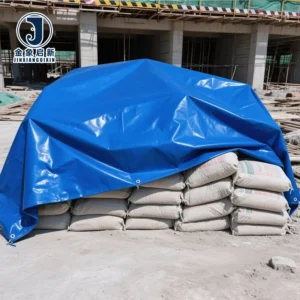
Wholesale Pvc Tarpaulin Wear-resistant Waterproof Multi-purpose Heat-resistant Tarpaulin
¥2.00 Add to cart -
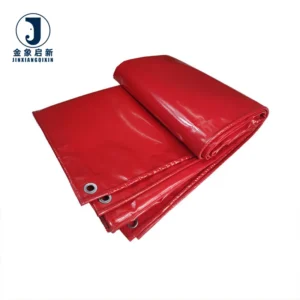
Tarpaulin Hot Selling 30M X 30M Finished PVC Tarpaulin for Farming Tarpaulin
¥1.48 Add to cart