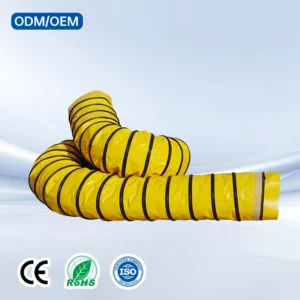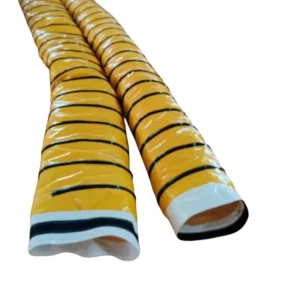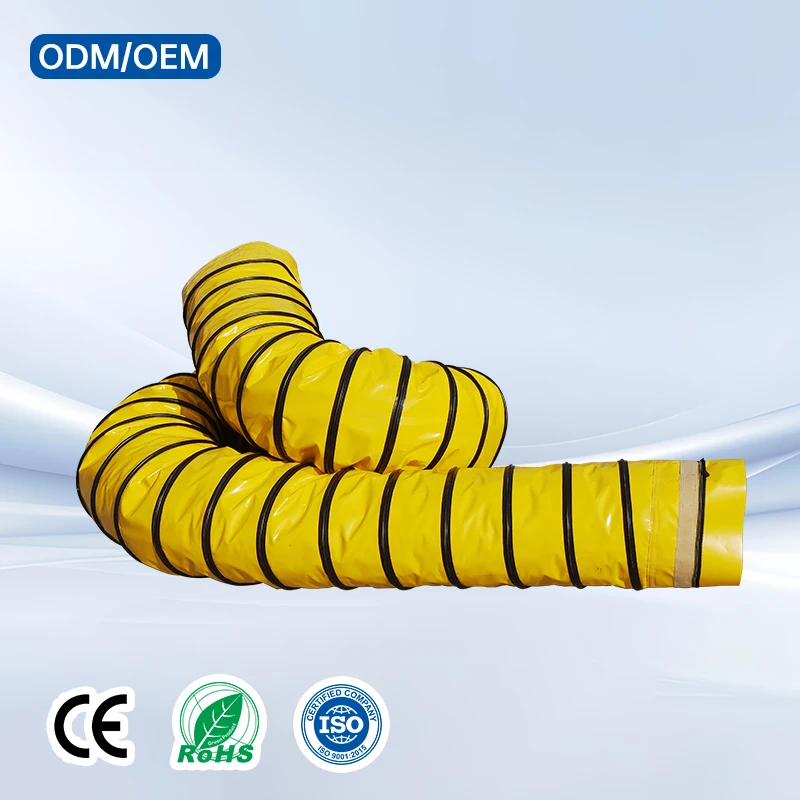
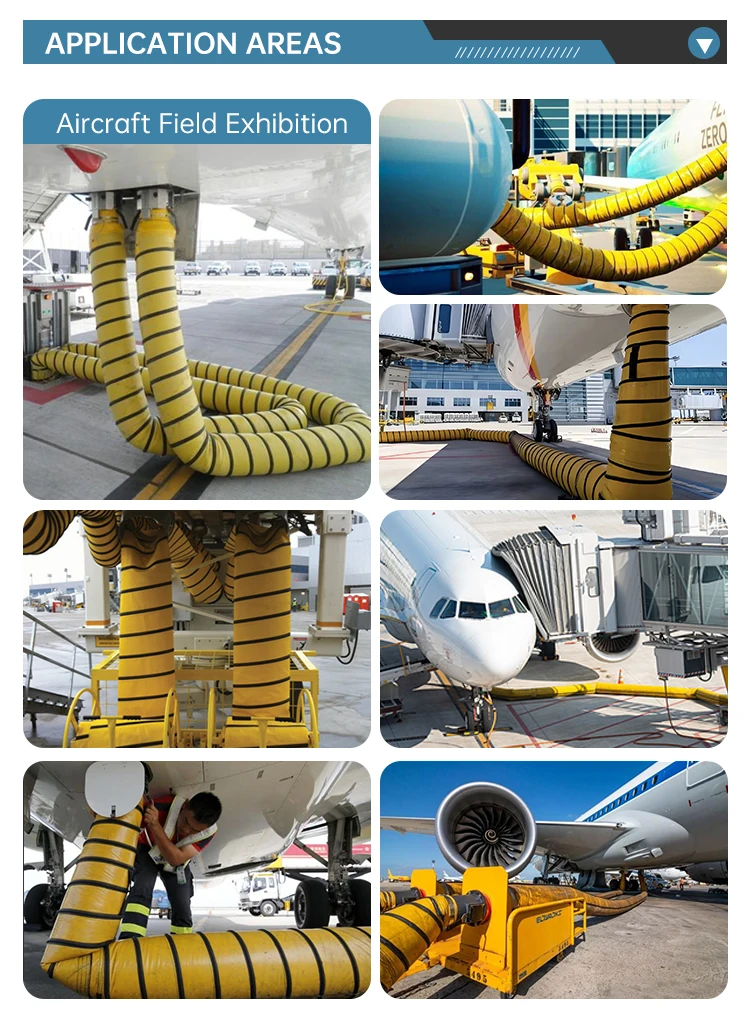
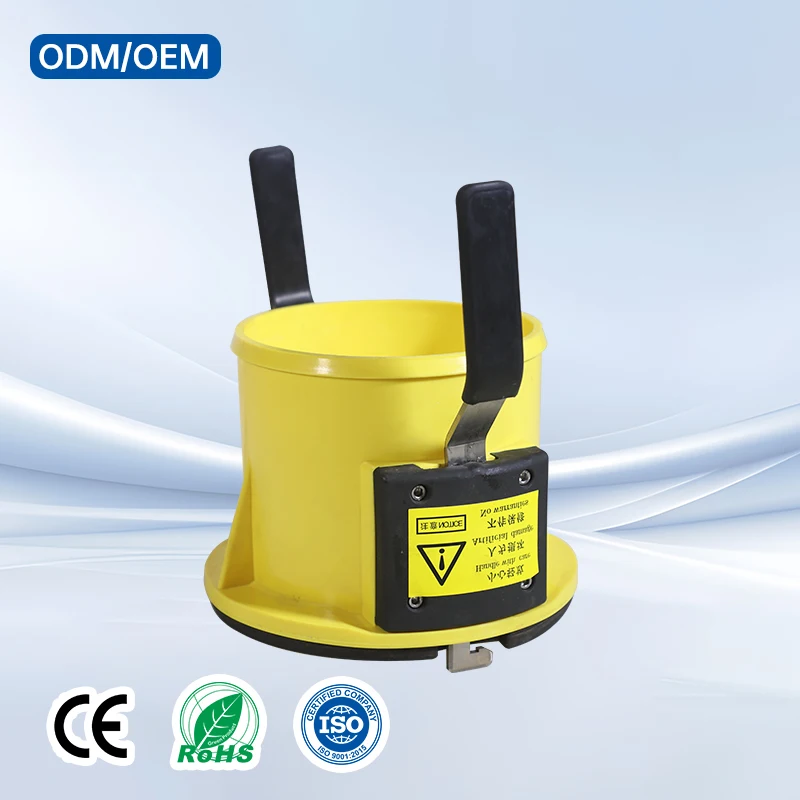
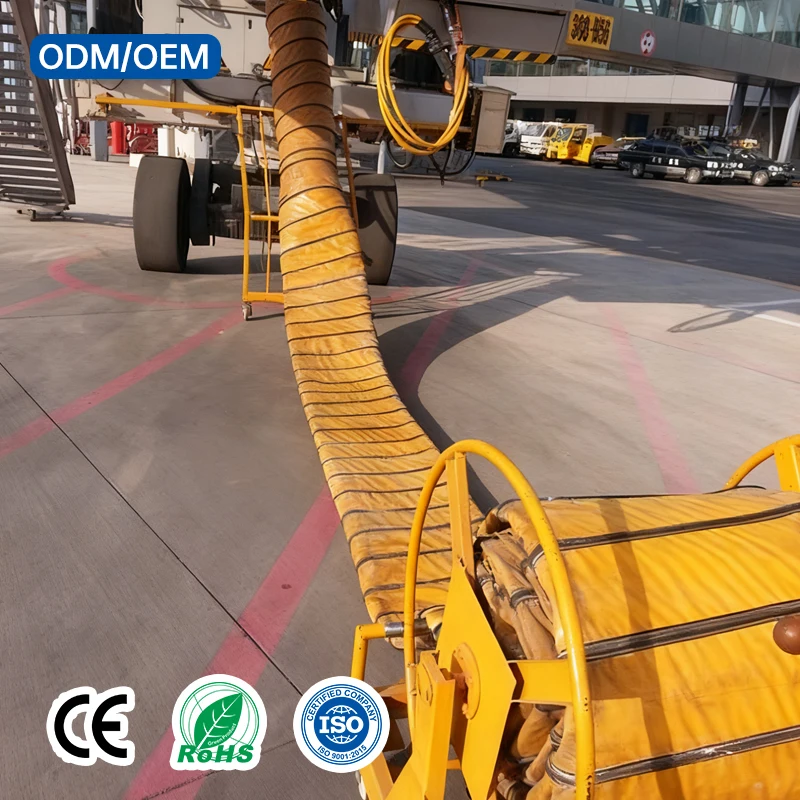
Aircraft PCA Hose for Ground Air Conditioning — PVC coated fabric with aluminum foil bubble insulation, zipper and Velcro connection, -30°C to 150°C operating range.
Generic duct sizing rarely matches your specific ground support equipment interface. This hose transmits pre-conditioned air from PCA units to aircraft cabins with thermal insulation that maintains air temperature across the apron, while the high-visibility yellow-black outer layer supports safety compliance.
- Mildew and water resistant construction for outdoor apron use
- Custom diameter and length available to fit your PCA unit interface
- Rapid deployment and compact storage via zipper-Velcro system
Developed by a 10-person R&D team handling custom sizing and sample turnaround within days for aviation ducting requirements.
Description
Thermal insulation mastery — every Aircraft PCA Hose we build is validated against pre-conditioned air supply standards, ensuring cabin cooling or heating performance is never compromised by duct wall losses.
Technical Specifications
| Parameter | Value |
|---|---|
| Product Type | Air Conditioning Hose |
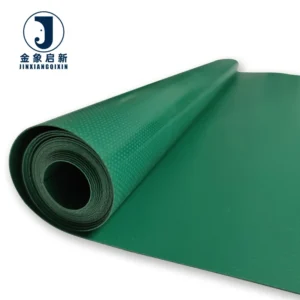
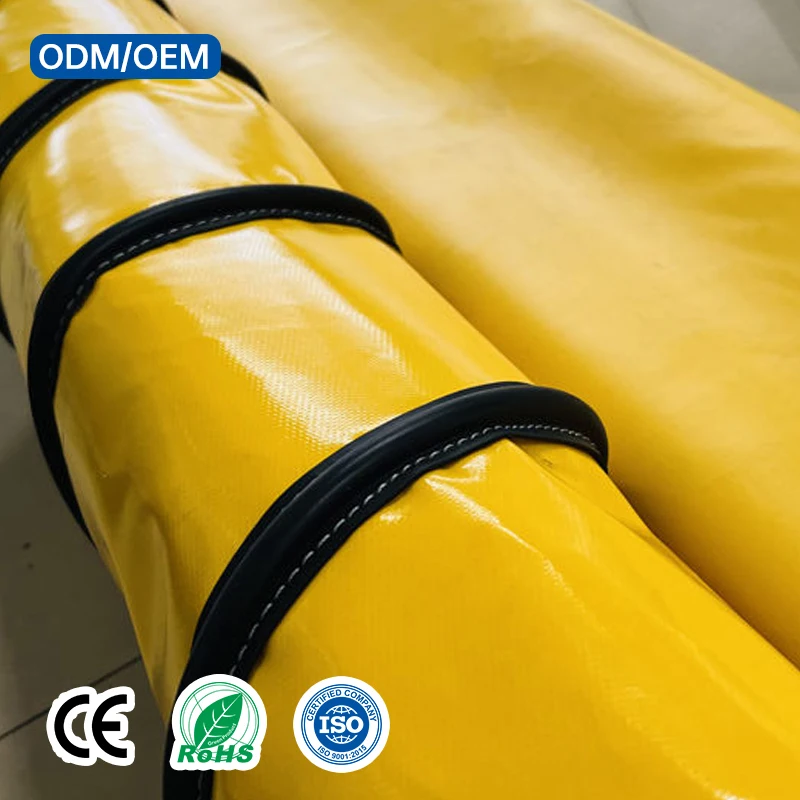
| Material | PVC coated cloth with aluminum foil bubble film insulation layer |
| Temperature Range | -30°C to 150°C |
| Characteristic | Mildew resistance, water resistance, high strength, strong tension |
| Construction | Fabric-reinforced layer with insulation, zipper and Velcro connection |
| Outer Layer | Yellow-black alternating protective coloring for high visibility |
| Logo Customization | Support MOQ100 |
| Pattern Customization | Support MOQ100 |
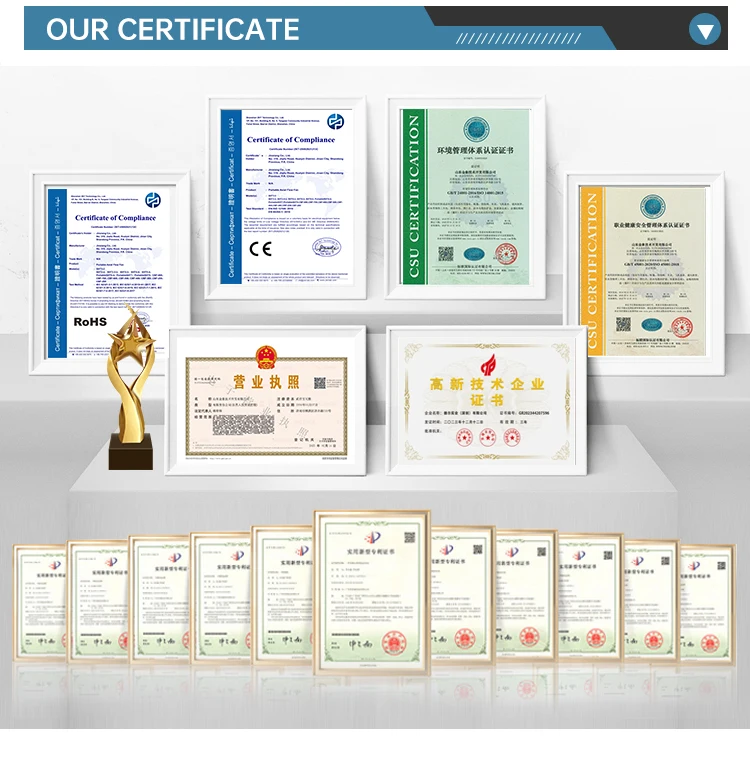
| Standards | ISO, CE |
Application Suitability
| Application | Exposure & Requirement |
|---|---|
| Airport apron ground air supply | Continuous flexing, jet blast debris, fuel and de-icing fluid contact, thermal shock from PCA unit output |
| Aircraft cabin air conditioning interface | Rapid temperature transitions, tight bend radius around landing gear, repeated coupling and uncoupling |
| Pre-conditioned cold or warm air transmission | Sustained internal pressure, condensation management, insulation integrity under UV exposure on tarmac |
| Aircraft maintenance facility ventilation | Extended deployment periods, abrasion against hangar floors, chemical exposure from maintenance solvents |
Why Generic Duct Sizing Fails on the Apron — And What an Aircraft PCA Hose Aftermarket Supplier Must Guarantee
A hose that does not match your PCA unit flange diameter will leak conditioned air before it ever reaches the cabin.
Ground support equipment operators often receive ventilation ducting specified by nominal diameter, only to find the coupling interface does not seat properly on their specific PCA unit model. The result is conditioned air escaping at the connection point, forcing the unit to run longer and consume more energy while cabin temperatures remain outside the required range [NEED_CITE: pre-conditioned air delivery efficiency standards for airport ground support equipment]. I have watched entire apron crews struggle with hoses that collapse at the bend point behind the tow tractor because the fabric-reinforced layer was too light for the internal pressure generated by high-capacity PCA units. An Aircraft PCA Hose aftermarket supplier who does not ask for your exact equipment model and operating pressure is selling you a guess, not a solution.
Thermal Insulation That Holds Up Between the PCA Unit and the Aircraft Door
The aluminum foil bubble film insulation layer in this Aircraft PCA Hose is designed to maintain air temperature across the full distance from the ground unit to the cabin connection point. On a hot tarmac, ambient surface temperatures can exceed what the duct exterior experiences, making insulation performance critical for delivering air at the specified temperature. The PVC coated outer shell protects that insulation layer from physical damage, fuel spills, and the abrasive contact that occurs when ground crews drag the hose across concrete aprons.
Rapid Deployment and Storage Without Compromising the Connection
The zipper and Velcro connection system allows ground handlers to couple and uncouple the hose from the PCA unit without tools, reducing turnaround time between aircraft. When not in use, the hose can be disconnected, folded, and stored on the equipment cart without the connectors suffering deformation. This is a practical requirement on busy aprons where the same ground support unit may serve multiple aircraft types in a single shift, each requiring different hose lengths or diameters.
Reading the Material Construction Against Your Operating Environment
The PVC coated cloth base provides the structural strength and water resistance the hose needs when deployed outdoors in rain or de-icing conditions. The fabric-reinforced layer works together with the coating to resist internal pressure and prevent the hose from collapsing under its own weight when extended across the apron. Mildew resistance matters for hoses stored in humid conditions between shifts, particularly at tropical or coastal airports where moisture trapped inside a folded hose can degrade untreated materials over time [NEED_CITE: coated fabric mildew resistance testing for aviation ground equipment]. The temperature range of -30°C to 150°C covers operations from winter aprons in northern climates to the hot air output of PCA heating modes, though buyers should verify that the specific temperature extremes at their airport fall within this boundary before specifying.
What Happens When the Duct Material Does Not Match the Apron Reality
When a ground support operator installs a hose built for general ventilation on an aircraft PCA application, the failures appear quickly. The outer surface degrades under jet fuel exposure, the insulation compresses and loses thermal performance after repeated folding, and the connection points tear at the seam because the material cannot handle the coupling stress [NEED_CITE: common failure modes in airport pre-conditioned air ducting]. I have seen hoses sent to airports without the high-visibility coloring requirement, only to be rejected during the safety audit because apron regulations mandate yellow-black alternating patterns for equipment deployed near taxiways. These are not warranty claims — they are full batch rejections with the cost of return freight added on top.
Why Procurement Teams Come Back for Repeat Orders
Deep process control over the coating weight and insulation layer adhesion means the hose performs consistently from the first unit to the hundredth. Three full production lines with 36 sets of professional equipment allow us to deliver bulk orders for airport ground support fleet upgrades without extended delays. A 10-person R&D team handles custom diameter, length, and branding requirements, developing samples within days so buyers can validate fitment on their specific PCA units before committing to production. Every hose undergoes 100% inspection before shipment, with connection integrity and insulation continuity verified on each unit. ISO and CE certification documentation accompanies every dispatch, giving airport compliance teams the paperwork they need without chasing the supplier after delivery.
Documentation & Verification
- Material specification sheet stating PVC coating weight, base fabric construction, and insulation layer composition
- Test report confirming temperature range performance for both heating and cooling modes
- ISO and CE certificates included with each shipment for airport compliance filing
- Pre-shipment inspection record covering dimensional accuracy and connection system function
- Certificate of origin provided for customs clearance in destination country
Fabrication, Handling & Storage
- Zipper and Velcro connections should be inspected for alignment before each deployment to prevent air leakage at the coupling point
- Avoid dragging the yellow-black outer layer across sharp concrete edges to prevent PVC coating abrasion
- Store folded hoses in dry conditions to maintain mildew resistance properties of the PVC coated cloth
- Do not place heavy equipment on stored hoses, as compression damages the aluminum foil bubble film insulation layer
- Clean exterior surfaces with mild detergent only, as aggressive solvents degrade the PVC coating and high-visibility coloring
Requesting a Quotation That Actually Fits Your Equipment
Tell us the exact PCA unit model you operate, the diameter and length you need, and whether your airport authority requires specific fire-retardant or safety certifications beyond ISO and CE. If you are equipping a fleet, provide the number of units and whether each ground support position requires identical or varied hose lengths. Confirm whether logo or pattern customization is needed for your ground handling brand, noting that custom branding orders require a minimum quantity of 100 units.
Frequently Asked Questions
Q: What diameter options are available for different aircraft models?
A: Diameter is matched to your specific PCA unit flange and aircraft connection interface. Provide your ground support equipment model and the aircraft types you service, and we will recommend the correct diameter. Custom diameters are available outside standard ranges, subject to minimum order quantities for production setup.
Q: Can the hose length be customized for specific apron layouts?
A: Yes, hose length is produced to your specification based on the distance between your PCA unit parking position and the aircraft door connection point. Provide the maximum reach required, and we will configure the hose accordingly. Multiple shorter hoses can also be supplied with compatible connectors for flexible apron configurations.
Q: What certifications are included for airport safety compliance?
A: Each Aircraft PCA Hose ships with ISO and CE certification documentation. If your airport authority requires additional fire-retardant or safety standards specific to aviation ground equipment, provide the exact standard reference during inquiry so we can confirm material compliance before production.
Q: How does the insulation perform in extreme temperature conditions?
A: The aluminum foil bubble film insulation layer is designed for a temperature range of -30°C to 150°C, covering both pre-conditioned cold air and heated air delivery. For airports operating outside these boundaries, provide your recorded extreme temperatures so we can verify suitability or recommend an alternative insulation configuration.
Q: What is the typical lead time for custom configurations?
A: Lead time depends on the diameter, length, and customization scope of your order. Standard configurations ship faster, while custom branding and non-standard diameters require additional production setup. Request a quotation with your full specifications for a confirmed delivery schedule.