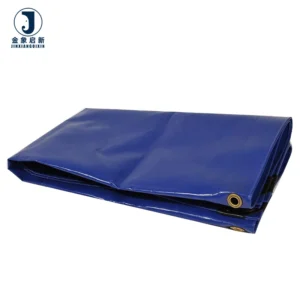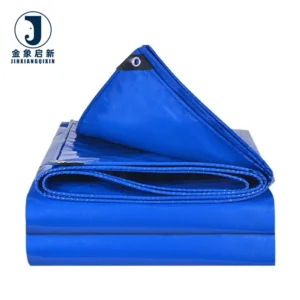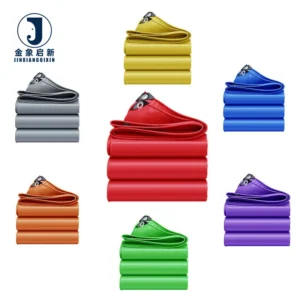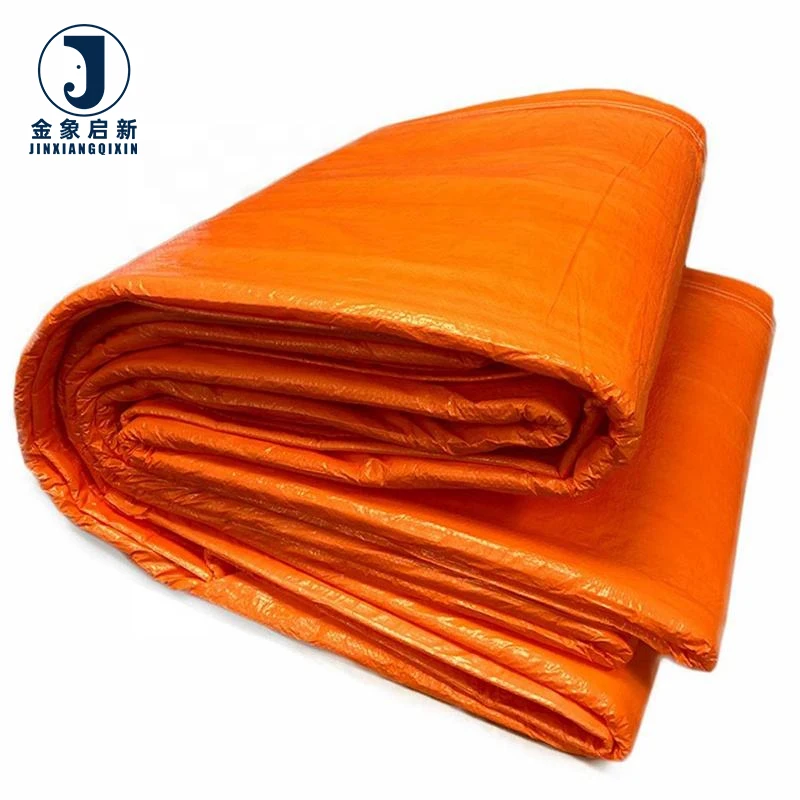
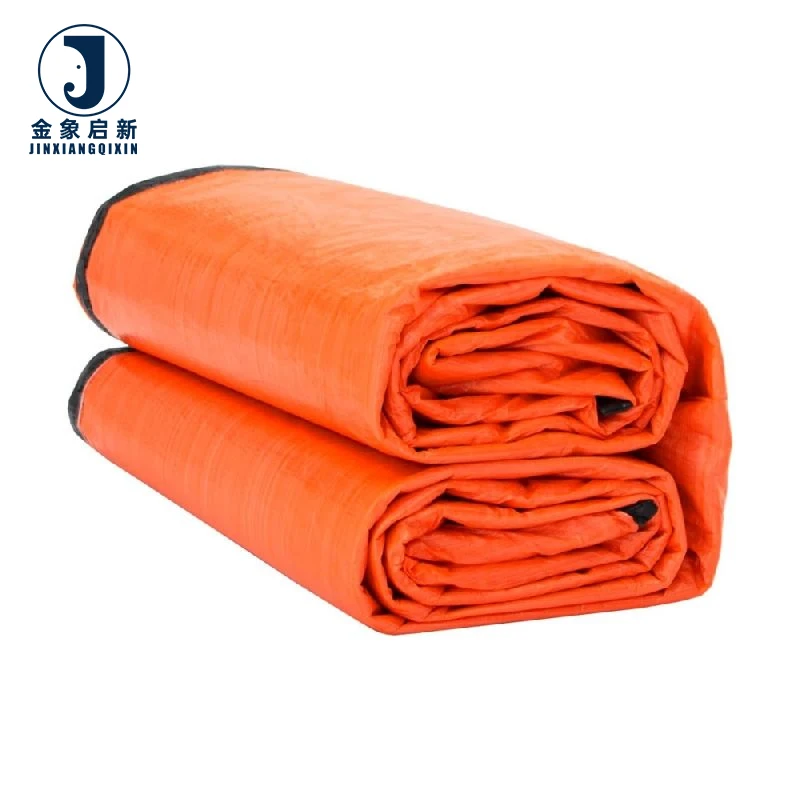
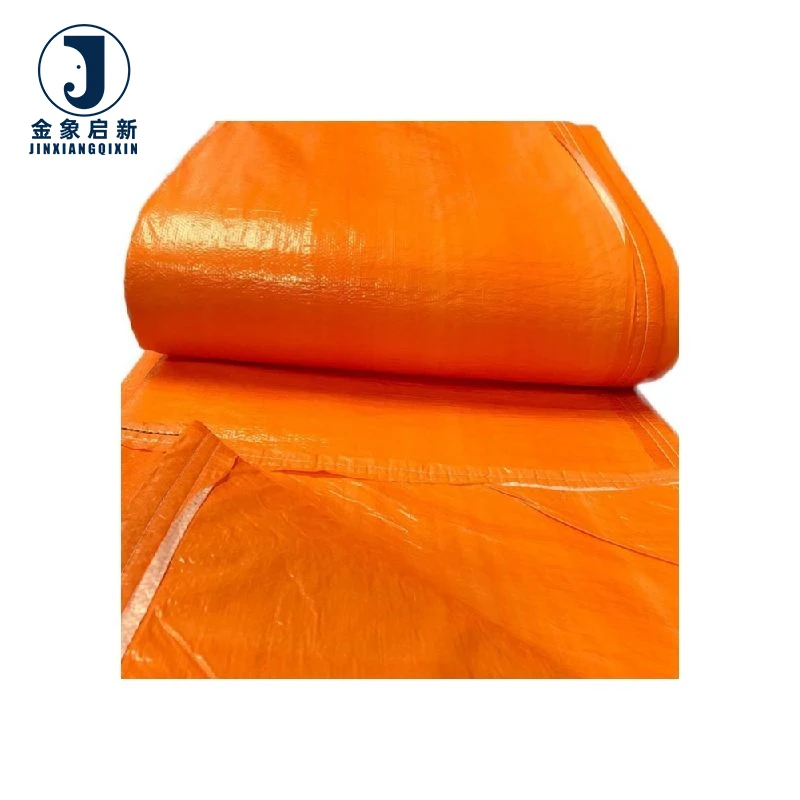
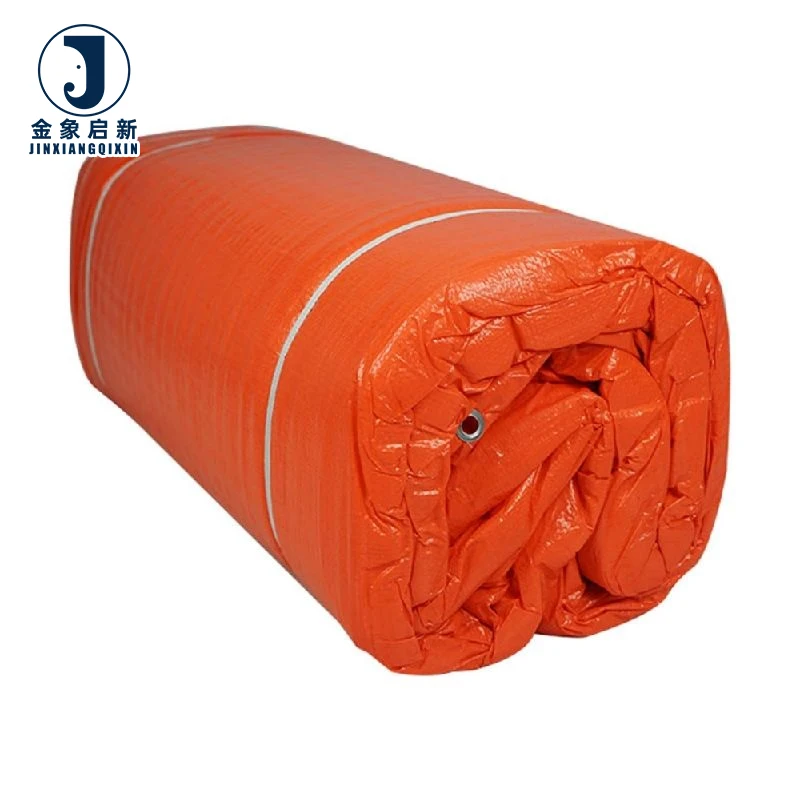
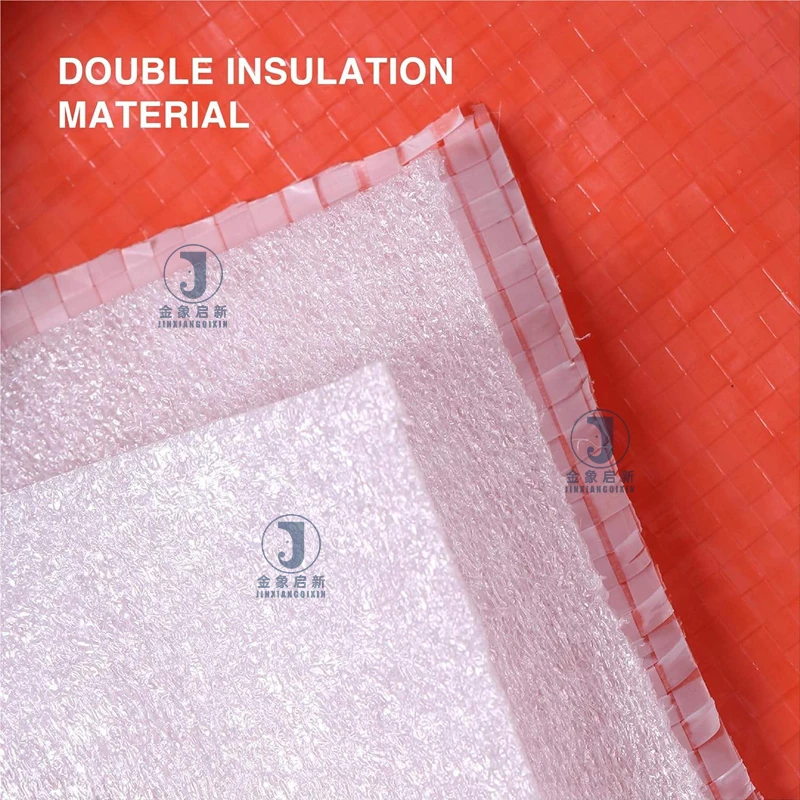
Heat-Insulation Cement Blanket Concrete Curing Insulated Blanket — 2x2mm to 12mm PE foam core, dual-side waterproof PE cloth, aluminum grommets at 61cm and 91.5cm spacing.
- Closed-cell foam structure traps heat for cold-weather concrete curing and heated enclosures
- Reinforcement stitching at stress points resists wind load on site frames
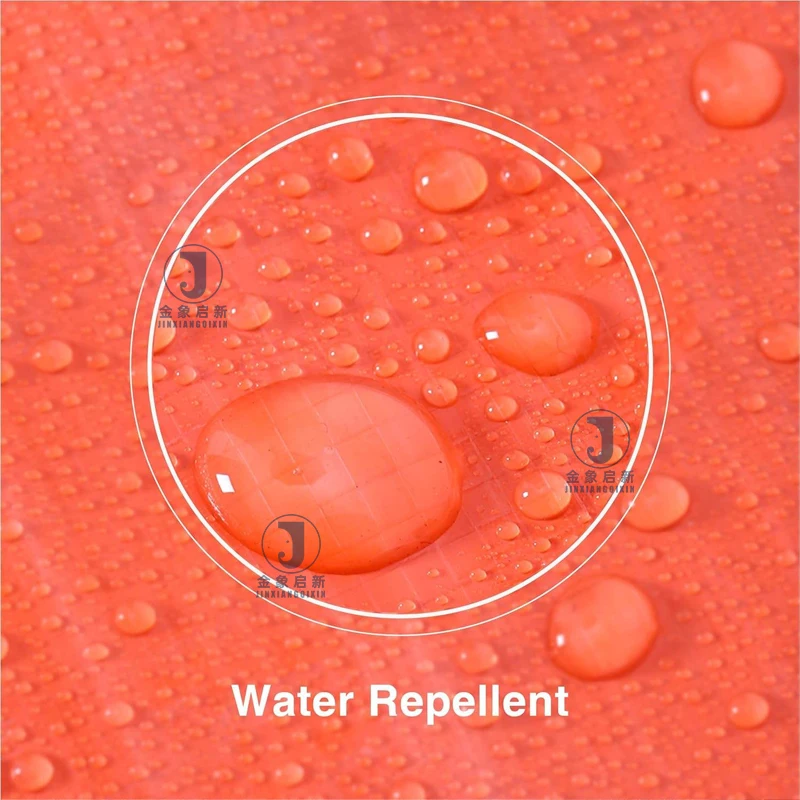
- UV and water resistant surface for extended outdoor exposure
10-person R&D team handles custom size, thickness and color development with samples ready in days.
Description
Proven Coating Control — Thirty years of focused work on coated fabrics gives us the process stability to hold thickness, core density and edge finish within tight tolerances across every insulated blanket we produce.
Technical Specifications
| Parameter | Value |
|---|---|
| Product Type | Insulated Tarpaulin |
| Dimensions | 6ftx24ft / 8ftx25ft / 12ftx20ft / 12ftx24ft |
| Total Thickness | 2x2mm / 3×1.5mm / 1x4mm / 5mm / 6mm / 8mm / 12mm |
| Material Structure | PE cloth + closed cell PE foam core + PE cloth |
| Color Options | Orange / Black / White / Silver / Customized color |
| Grommet Configuration | Aluminum grommets, hole distance 61cm and 91.5cm |
| Edge Finish | Reinforcement stitch, rust-proof brass grommets |
| Surface Treatment | UV resistant, waterproof, mildew resistant (test basis not stated) |
| Flame Retardant Grade | Available in flame retardant grades — confirm the grade required for your market |
Application Suitability
| Application | Exposure & Requirement |
|---|---|
| Concrete curing blanket | Low ambient temperature, moisture exposure, repeated lay-flat and roll-up handling |
| Heated enclosure insulation | Prolonged heat contact, wind-driven rain, scaffolding frame tie-down loads |
| Vertical wind block | Constant lateral wind pressure, UV exposure, daily installation and removal |
| Building enclosure wrap | Extended outdoor weathering, puncture risk from site debris, thermal retention demand |
Why "Insulated" Is Not Enough Without Verified Core Thickness
Generic tarps lose heat fast because the insulation core is thinner than the label suggests. When you specify an insulated concrete curing blanket for a cold-weather pour, the entire pour schedule depends on the blanket holding a stable thermal envelope overnight. If the closed-cell PE foam core arrives compressed or below the stated thickness, the slab temperature drops faster than anticipated and the curing window narrows. [NEED_CITE: thermal performance requirements for cold-weather concrete curing per ACI 306]
I have seen site crews double-layer blankets to compensate for underperforming insulation, which doubles the material cost and still leaves cold spots at the overlaps. The issue is rarely the outer PE cloth — it is the foam core that was quoted at one thickness and delivered at another. Our pre-shipment inspection confirms core thickness on every blanket before it leaves the production floor.
Closed-Cell Foam Core Built for Temperature Retention
The three-layer PE cloth + closed cell PE foam + PE cloth construction is designed so that the outer faces handle abrasion and water ingress while the inner core traps still air for insulation. Closed-cell foam resists moisture absorption, meaning the thermal performance does not degrade after repeated exposure to rain or wet concrete surfaces. Multiple thickness options allow you to match the blanket to the specific temperature differential your curing operation demands.
Grommet Layout Matched to Standard Enclosure Frames
The aluminum grommet spacing at 61 cm and 91.5 cm aligns with typical scaffolding and enclosure frame intervals, reducing the need for adapter ties on site. Rust-proof brass grommets at the reinforced edges handle the tie-down loads that generic plastic eyelets cannot sustain in high-wind conditions. [NEED_CITE: wind load calculation methods for temporary construction enclosures] When an insulated tarpaulin pulls away from the frame at night, the entire heated enclosure loses its thermal envelope within minutes.
Reading the Thickness Options Against Your Curing Requirement
The available thickness range from 2×2 mm up to 12 mm covers scenarios from light frost protection to deep-winter heated enclosure lining. Thinner grades suit applications where the blanket is deployed and removed daily, while heavier grades stay in place for extended curing cycles. The PE cloth outer layers are waterproof, so the foam core remains dry even when the blanket sits on a freshly poured slab with standing water. Choosing the right thickness is not about picking the heaviest option — it is about matching the expected temperature drop and exposure duration to the insulation value the core can deliver.
What Happens When Grommet Spacing Does Not Match the Frame
When grommets are spaced too far apart for the enclosure frame, the fabric billows between attachment points and wind gets underneath. This creates a pumping action that accelerates edge fatigue and eventually tears the reinforcement stitching. [NEED_CITE: common failure modes of temporary enclosure fabrics on construction sites] Batch color inconsistency across multiple blankets also becomes visible once they are installed side by side on a building wrap, making the entire site look unplanned. These are avoidable problems that surface only after installation.
Procurement Backed by Process Control, Not Just Promises
Our 10-person R&D team develops samples within days when you need a custom size or color beyond the standard cut dimensions. Dedicated QA/QC runs at every production stage, with 100% inspection before shipment documented in a pre-shipment inspection record. Three full production lines and 36 sets of professional equipment support bulk orders without the lead time stretching unpredictably. Every insulated concrete curing blanket ships with a material specification sheet stating the exact core structure, thickness and color reference so that what arrives on site matches what was approved in the sample.
Documentation & Verification
- Material specification sheet confirming core structure, thickness grade and color reference per order
- Pre-shipment inspection record verifying grommet spacing and reinforcement stitch integrity
- UV and flame retardant test reports provided where the specified grade requires documented evidence
- Roll packing list with blanket count, dimensions and weight for site receiving verification
- ISO and CE certificates covering the production facility quality management system
Fabrication, Handling & Storage
- Reinforcement stitching at all edges must be inspected before deployment to confirm no thread pull-out at grommet points
- Store folded blankets flat and avoid stacking heavy loads on top to prevent permanent compression of the PE foam core
- Clean PE cloth surfaces with mild detergent only — solvent-based cleaners may degrade the waterproof surface treatment
- When cutting blankets to fit around formwork, seal cut edges to prevent moisture ingress into the exposed foam core
- Deploy blankets with the grommet side facing the prevailing wind direction to reduce uplift stress on the brass fittings
Requesting a Quote That Matches Your Site Conditions
To size an insulated tarpaulin correctly, we need the expected low temperature, the duration of the curing or enclosure period, and the frame dimensions where the blanket will be attached. If your market requires a specific flame retardant grade for building enclosures, state the standard upfront so we can confirm availability and provide the matching test documentation. For custom colors or non-standard dimensions, share the target quantity and delivery window so we can confirm production scheduling.
Frequently Asked Questions
Q: How do I verify insulation thickness and core density on arrival?
A: Use a caliper to measure total thickness at multiple points across the blanket, comparing against the material specification sheet provided with your shipment. Core density can be estimated by weight-per-area calculation. Our pre-shipment inspection record documents these values before dispatch so any discrepancy is caught early.
Q: What supports the UV resistance claim for extended outdoor exposure?
A: The PE cloth outer layers carry UV resistant treatment, though the specific test basis is not stated in standard documentation. For projects requiring verified UV performance data, request the applicable test report during the quotation stage so the evidence is confirmed before production begins.
Q: Can I order custom sizes beyond the four listed dimensions?
A: Yes, custom sizing is available with sample development completed within days for approval. Minimum order requirements vary by dimension and color. Share your target sizes and quantities during the inquiry so we can confirm feasibility and lead time for your insulated concrete curing blanket order.
Q: What grommet spacing should I specify for high-wind installations?
A: The standard 61 cm spacing suits most scaffolding frames, while 91.5 cm works for wider frame intervals. For sites with sustained high-wind exposure, closer spacing distributes the tie-down load more evenly across the reinforcement stitching, reducing the risk of edge failure during storms.
Q: How do I ensure color consistency across multiple blankets?
A: State the color reference at the quotation stage and request a pre-production sample for approval. Our in-process QA checks color at every production stage, and the 100% pre-shipment inspection verifies that all blankets in the order match the approved sample before packing.
Related products
-
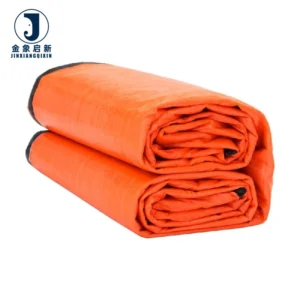
Factory 12ftx20ft Construction Cold Weather Insulated Pe Tarps Poly Tarp Heavy Duty Concrete Curing Blanket Tarpaulin Roll Sheet
¥0.66 Add to cart -
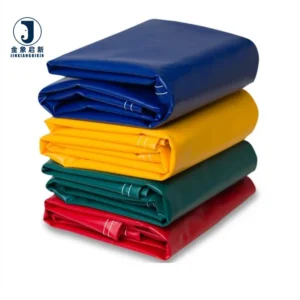
Heavy Duty Truck Tarpaulin 1000d Pvc Tarp Waterproof Pvc Canvas
¥1.20 Add to cart -
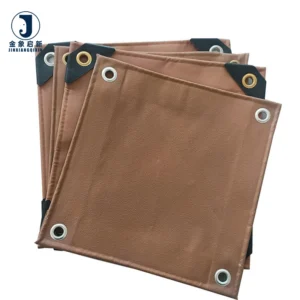
JX Fireproof 500gsm 600gsm Customizable PVC Tarpaulin Waterproof Truck Cargo Cover
¥0.79 Select options This product has multiple variants. The options may be chosen on the product page -
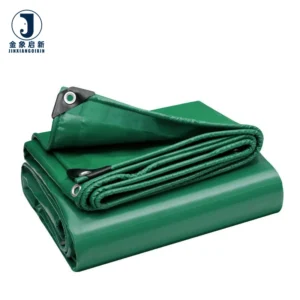
Factory Direct 20×30 Feet 13mil Heavy-Duty Vinyl Tarps PVC Tarpaulin for Firewood Roof Camping Patio Pool Boat Dump Trailer
¥2.60 Add to cart