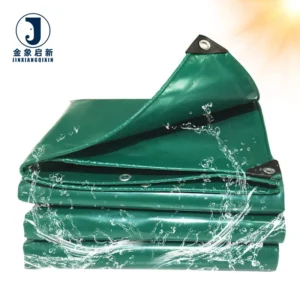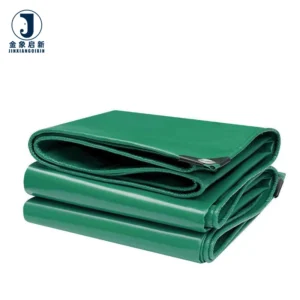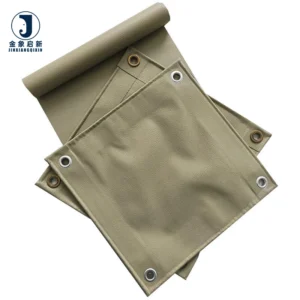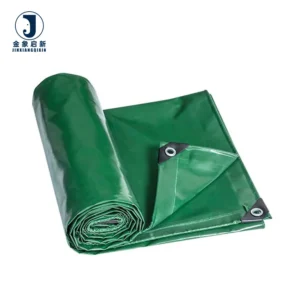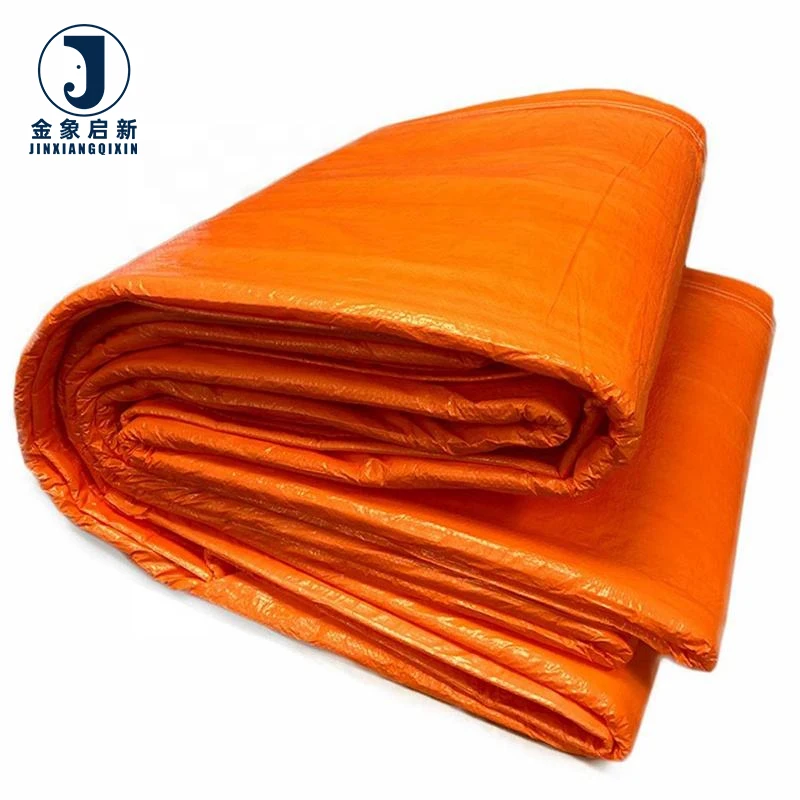
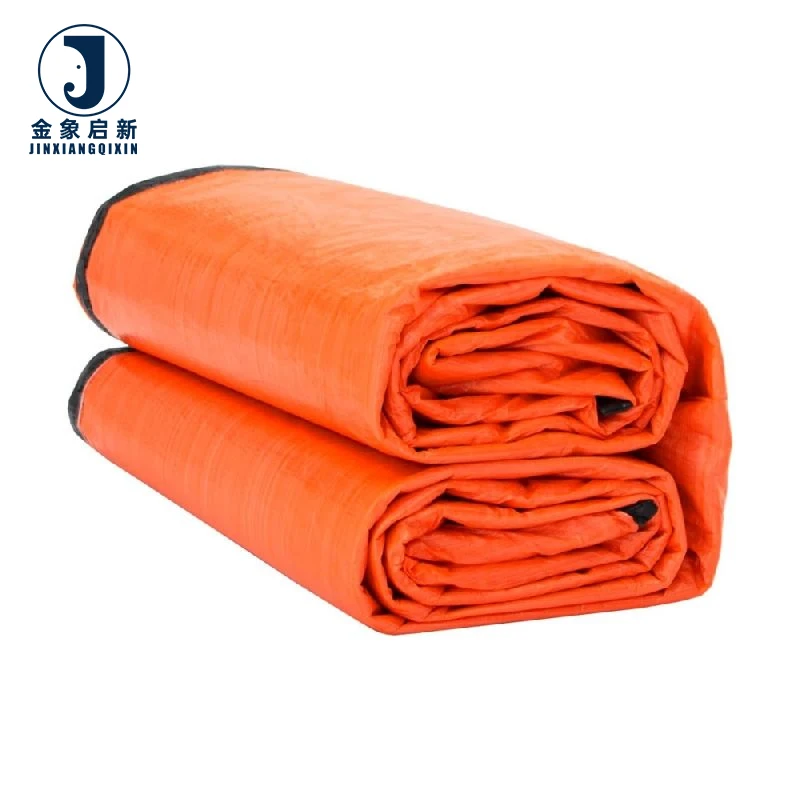
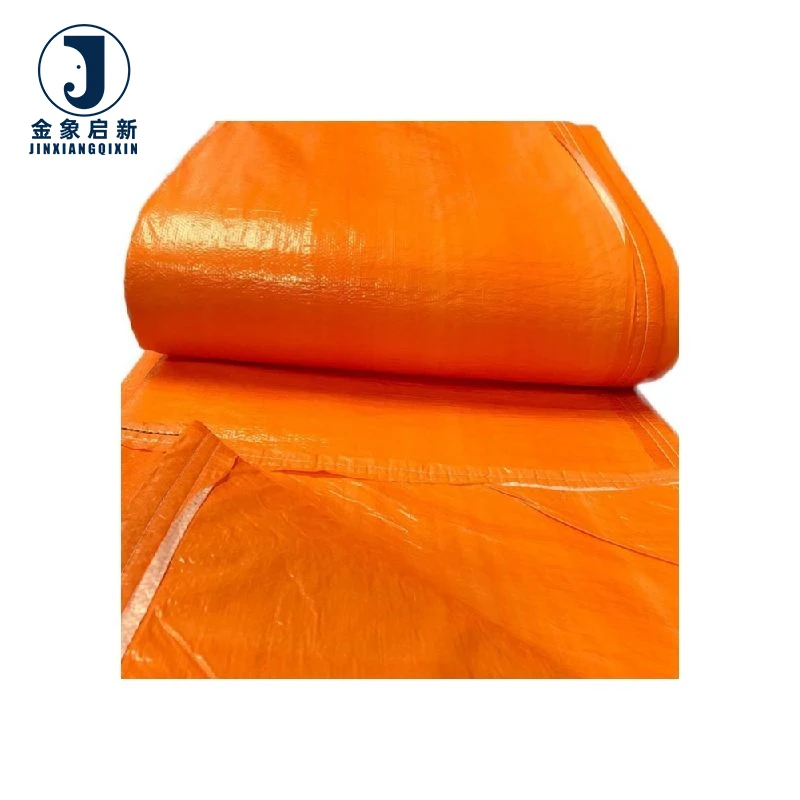
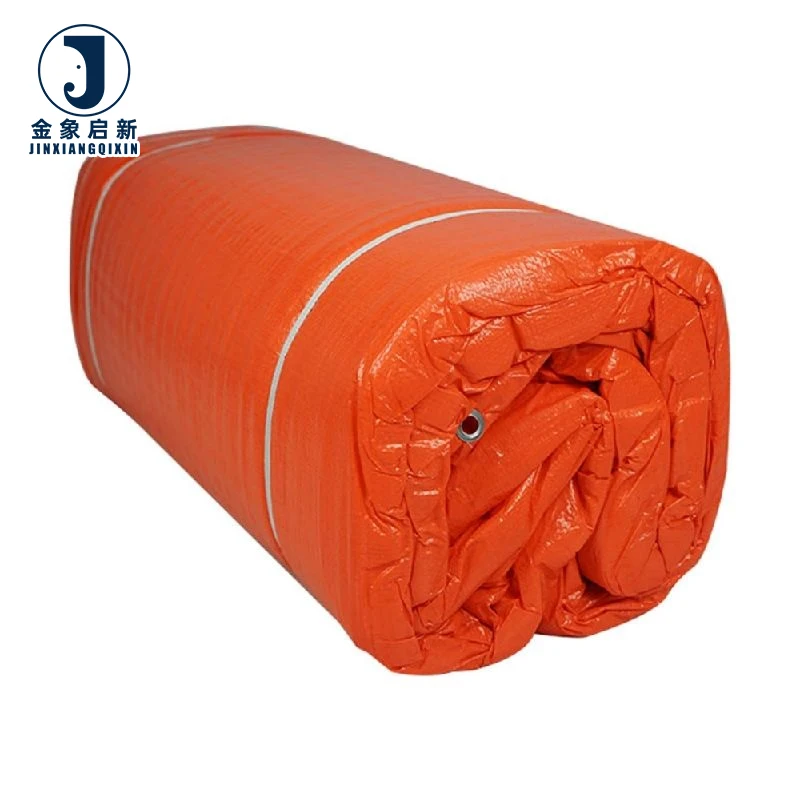
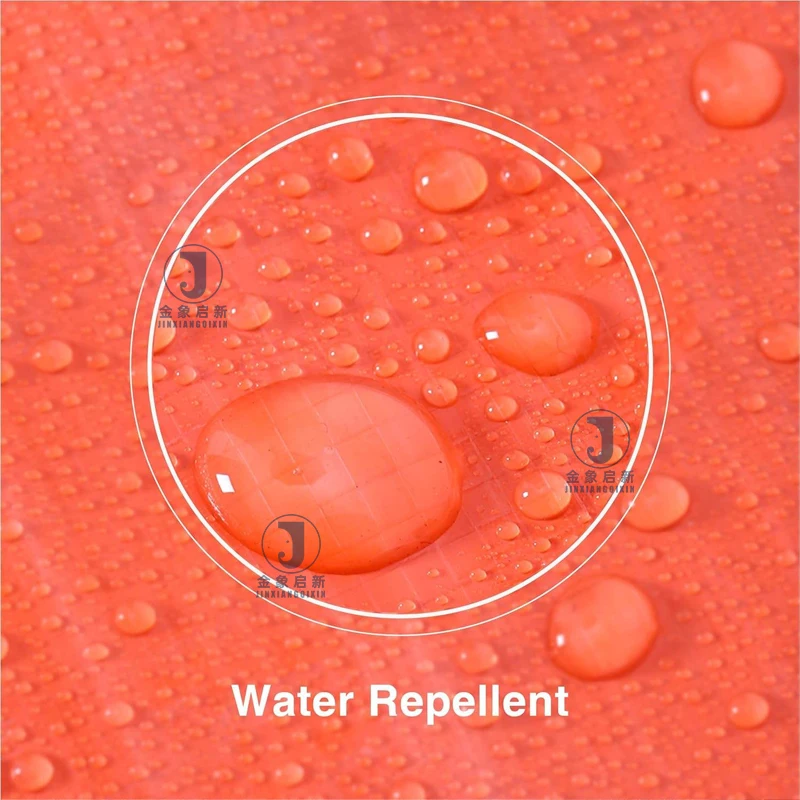
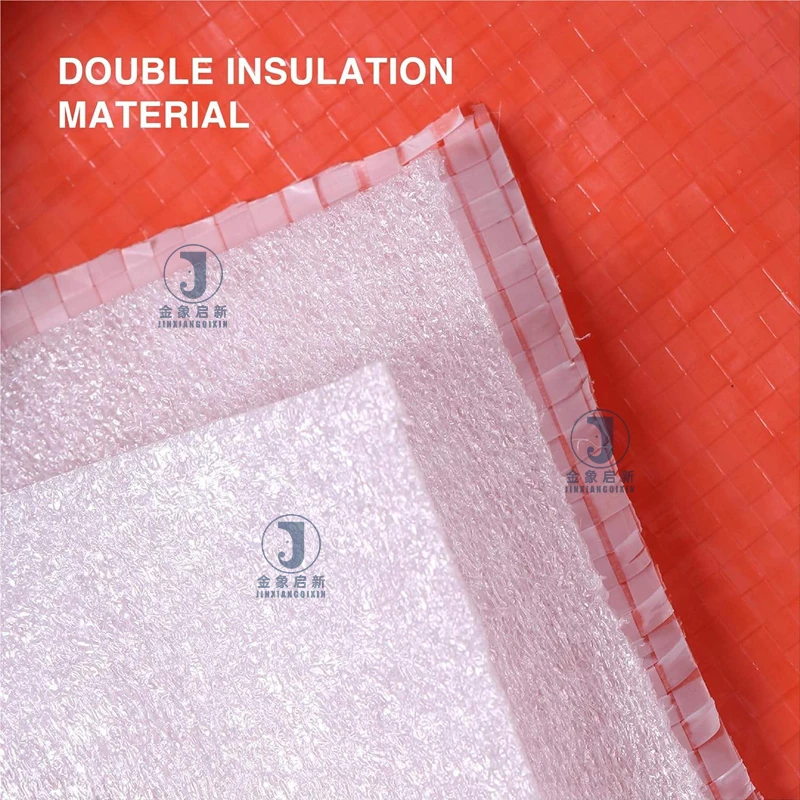
Heat-Insulation Cement Blanket Concrete Curing Insulated Blanket in 2x2mm, 3×1.5mm, and up to 12mm thickness — three-layer PE cloth with closed-cell PE foam core for thermal retention in concrete curing and heated enclosures.
- Waterproof surface with UV-resistant base fabric and rust-proof brass grommets at 61cm and 91.5cm spacing
- Custom sizes (6ftx24ft, 8ftx25ft, 12ftx24ft) and colors available for project-specific enclosures and wind block applications
- Thickness selectable to match thermal retention needs and site wind exposure
Supported by 30 years of coated fabric process control, dedicated QA at every stage, and a 10-person R&D team handling sample development within days.
Description
Proven Fabric Engineering — Nearly 30 years of coated fabric process control applied to insulated tarpaulin blankets, ensuring every roll meets stated thickness, core density, and dimensional tolerances before it leaves the factory.
Technical Specifications
| Parameter | Value |
|---|---|
| Product Type | Insulated Tarpaulin / Concrete Curing Blanket |
| Dimensions Available | 6ft x 24ft, 8ft x 25ft, 12ft x 20ft, 12ft x 24ft |
| Thickness Options | 2x2mm, 3×1.5mm, 1x4mm, 5mm, 6mm, 8mm, 12mm |
| Material Structure | PE cloth + closed-cell PE foam core + PE cloth |
| Grommet Configuration | Aluminum grommets, 61cm and 91.5cm spacing |
| Edge Finish | Reinforcement stitch, finished stitched edges |
| Color Options | Orange, Black, White, Silver, Customized color |
| Waterproof | Yes (source value — verify against manufacturer catalog) |
| UV Treatment | Treatment basis not stated — confirm required grade |
| Mildew Resistance | Claimed (grade not stated in source) |
| Certification | ISO / CE |
Application Suitability
| Application | Exposure & Requirement |
|---|---|
| Cold-weather concrete curing | Continuous ground contact, moisture exposure, thermal retention to maintain pour temperature |
| Heated enclosure lining | Elevated internal temperature, repeated installation and removal, flexing at attachment points |
| Vertical wind block on site | Sustained wind load, UV exposure, tie-down stress at grommets |
| Building enclosure wrap | Long-term outdoor weathering, abrasion from scaffolding and structural contact |
| Temporary temperature-controlled zones | Heat loss prevention, condensation management, frequent repositioning |
Why Thickness Alone Does Not Guarantee Insulation Performance
When a blanket claims to be "insulated" but the foam core density and closed-cell structure are not verified, thermal retention drops off fast once wind and moisture hit the surface. Closed-cell PE foam trapped between two waterproof PE cloth layers is what actually holds the heat in — and the thickness grade you select must match both the temperature gap and the wind load on site.
I have seen insulated covers that look substantial on arrival but compress under their own weight when hung vertically, leaving the thinnest points doing most of the thermal work. The difference between a 5mm and a 12mm core is not just about material volume; it determines whether the blanket can hold a curing temperature through a cold night or simply slow the heat loss for a few hours [NEED_CITE: thermal resistance testing methods for insulated construction blankets]. Choosing the right grade starts with knowing your lowest expected ambient temperature and the duration the blanket must hold heat without an active heat source.
Matching Blanket Thickness to Curing Duration and Ambient Conditions
A 5mm or 6mm insulated tarpaulin blanket works for short overnight curing cycles where daytime temperatures recover. For multi-day pours in sustained sub-zero conditions, the 8mm and 12mm options provide the thermal mass needed to bridge the gap between heat cycles. The Insulated Tarpaulin Blanket custom manufacturer range covers both ends of this spectrum, so the decision rests on your project’s minimum temperature and hold duration rather than simply picking the heaviest option available.
Grommet Spacing and Edge Reinforcement Under Wind Load
Aluminum grommets spaced at 61cm and 91.5cm intervals give you two tie-down densities depending on how the blanket is deployed. Vertical wind block installations face sustained lateral force that tests every grommet and stitch line; the reinforcement stitching along finished edges distributes that load rather than concentrating it at individual attachment points. When you need closer spacing for high-wind zones, the custom capability allows adjustments — confirm the spacing required for your tie-down method before committing to bulk production [NEED_CITE: wind load calculations for temporary construction enclosures].
Reading the Specification Sheet Beyond the Thickness Number
The three-layer PE cloth and closed-cell PE foam core structure matters more than a single thickness figure. The outer PE cloth layers provide waterproof protection and abrasion resistance, while the closed-cell foam core prevents moisture absorption that would compromise insulation over time. Thickness options range from 2x2mm lightweight grades to 12mm heavy-duty panels, and each grade changes the balance between flexibility and thermal retention. A 12mm blanket holds more heat but is stiffer to handle and fold, which affects how well it conforms to irregular concrete surfaces or wraps around scaffolding joints. The closed-cell structure is what prevents the core from compressing permanently after repeated use — open-cell foams lose thickness after a few installation cycles, reducing their thermal value each time.
The Hidden Cost of Specifying the Wrong Insulation Grade
Ordering a thickness that looks adequate on paper but cannot hold temperature through the actual coldest night on site means the concrete fails to cure properly — and the rework cost dwarfs the blanket price difference. Similarly, choosing a heavier grade than necessary adds handling weight and makes the blanket harder to position accurately over formwork, increasing installation time and the risk of gaps at overlaps. Batch inconsistency between rolls compounds these problems; if one blanket in a set compresses faster than the others, the thermal envelope has a weak point that is invisible until you measure surface temperatures the next morning [NEED_CITE: concrete curing failure modes related to thermal blanket performance].
Why Source Insulated Blankets Through This Supply Chain
Direct factory control over the PE foam lamination process means core thickness is verified during production, not just claimed on the quotation. The 10-person R&D team develops custom size and color samples within days, so you can confirm drape, weight, and grommet placement before bulk runs begin. Three full production lines support volume orders with consistent batch quality across every blanket in the shipment. Dedicated QA/QC inspection at each production stage — from foam core bonding to final edge stitching — ensures the blanket you receive matches the approved sample. The ISO and CE certified facility has been focused on coated and laminated fabric for nearly 30 years, bringing process maturity to a product category where many suppliers are simply trading generic stock.
Documentation & Verification
- Material specification sheet stating exact thickness, foam core type, and PE cloth weight per layer
- Pre-shipment inspection record confirming grommet count, spacing, and edge stitch integrity per blanket
- ISO and CE certificates included with customs and export documentation
- Color reference sheet confirming batch consistency across the full order quantity
- Test documentation for UV and mildew resistance claims — request before order confirmation
Fabrication, Handling & Storage
- Reinforcement stitch along all edges requires compatible thread tension when field-repairing torn grommet holes
- Aluminum grommets at 61cm spacing suit standard bungee tie-downs; confirm spacing matches your attachment hardware
- Closed-cell PE foam core resists moisture absorption, allowing wet-site storage without insulation degradation
- Fold blankets along original crease lines to avoid permanent compression marks on the foam core
- Custom color blankets should be stored out of direct sunlight to prevent differential fading before installation
- Thicker grades (8mm, 12mm) require larger storage volume — confirm container loading capacity by blanket count
What We Need to Quote Your Insulated Blanket Order
Provide the lowest ambient temperature your site will experience and how many hours the blanket must hold curing heat without active heating. Confirm whether you need the Insulated Tarpaulin Blanket custom manufacturer to produce finished sizes with grommets or supply roll stock for your own fabrication. Specify color requirements and whether multiple colors in one order need to be batch-matched for visual consistency on adjacent installations.
Frequently Asked Questions
Q: How do I choose the right thickness for my insulation requirement?
A: Thickness selection depends on your lowest expected ambient temperature, the duration the blanket must hold heat, and whether an active heat source supplements the insulation. Thinner grades suit short overnight holds with daytime recovery, while 8mm and 12mm options bridge multi-day cold spells. Share your site conditions and we recommend the grade that matches.
Q: Can the blanket be custom-sized to fit a specific enclosure or curing area?
A: Yes. Beyond the standard size options listed, custom dimensions are produced to your drawings with matching grommet spacing and edge reinforcement. The R&D team develops a sample within days so you can verify fit, drape, and attachment compatibility before approving the full production run.
Q: What grommet spacing options are available and can they be customized?
A: Standard configuration is aluminum grommets at 61cm and 91.5cm intervals with reinforcement stitching. For high-wind vertical installations, closer spacing or additional reinforcement at stress points can be specified. Confirm your tie-down method and expected wind load so the spacing matches your site hardware.
Q: Is the product UV and mildew resistant for extended outdoor use?
A: UV resistance and mildew resistance are claimed for this insulated tarpaulin range, though specific test grades and standards are not stated in the source documentation. Request test reports for both properties before order confirmation, especially for multi-season outdoor installations where certification may be required by site specification.
Q: What documentation ships with the order?
A: Each shipment includes a material specification sheet, pre-shipment inspection record, ISO and CE certificates, packing list, and certificate of origin. Test reports for UV and mildew claims are available on request — confirm your documentation requirements at the inquiry stage so all paperwork is prepared before dispatch.
Related products
-
Hotsale Custom China Supplier Super Strength Industrial Grade 680GSM RIPSTOP PVC Tarpaulin for Builders Roof Tarp and Sheeting
¥2.80 Add to cart -
PVC Coated Tarpaulin PVC Fabric Tarpaulinheavy duty fire retardant waterproof pvc coated tarpaulin rolling pvc tarp
¥1.00 Select options This product has multiple variants. The options may be chosen on the product page -
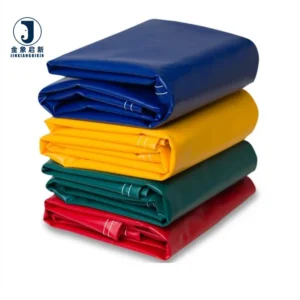
Heavy Duty Truck Tarpaulin 1000d Pvc Tarp Waterproof Pvc Canvas
¥1.20 Add to cart -
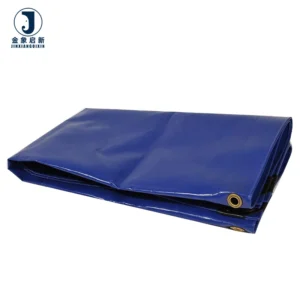
900GSM Heavy Duty PVC Coated Tarpaulin Panama Tarpaulin Curtains for Lorries
¥7.78 Add to cart