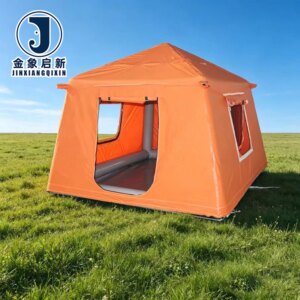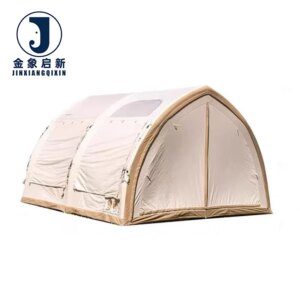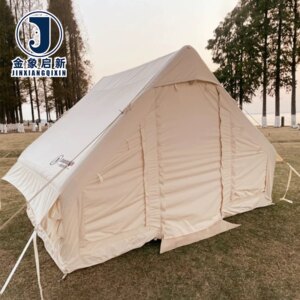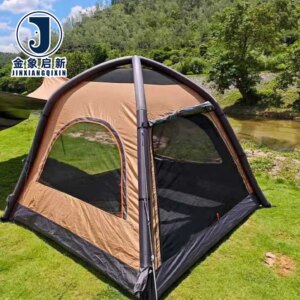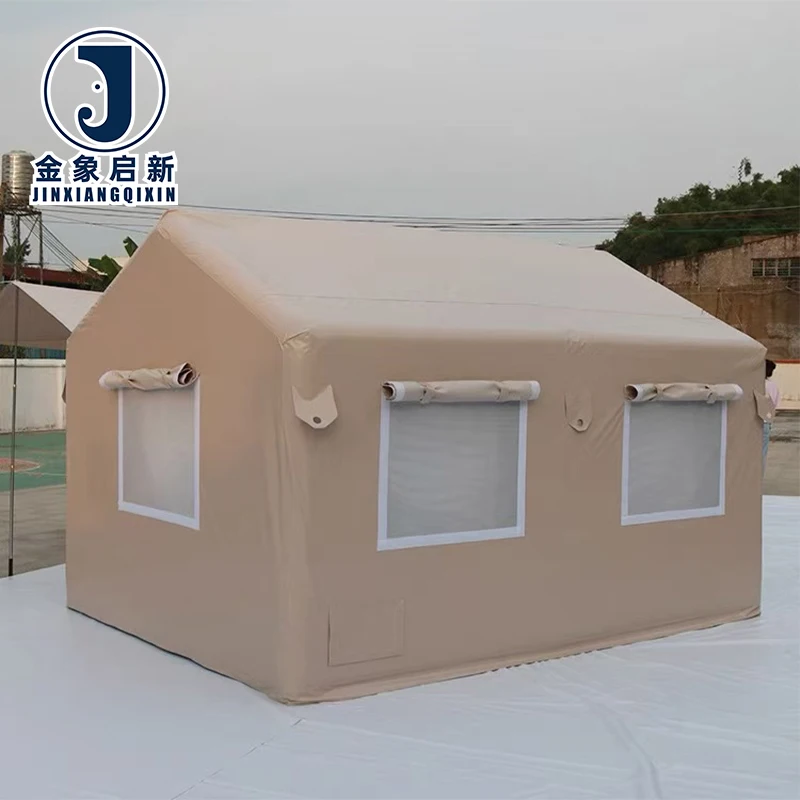
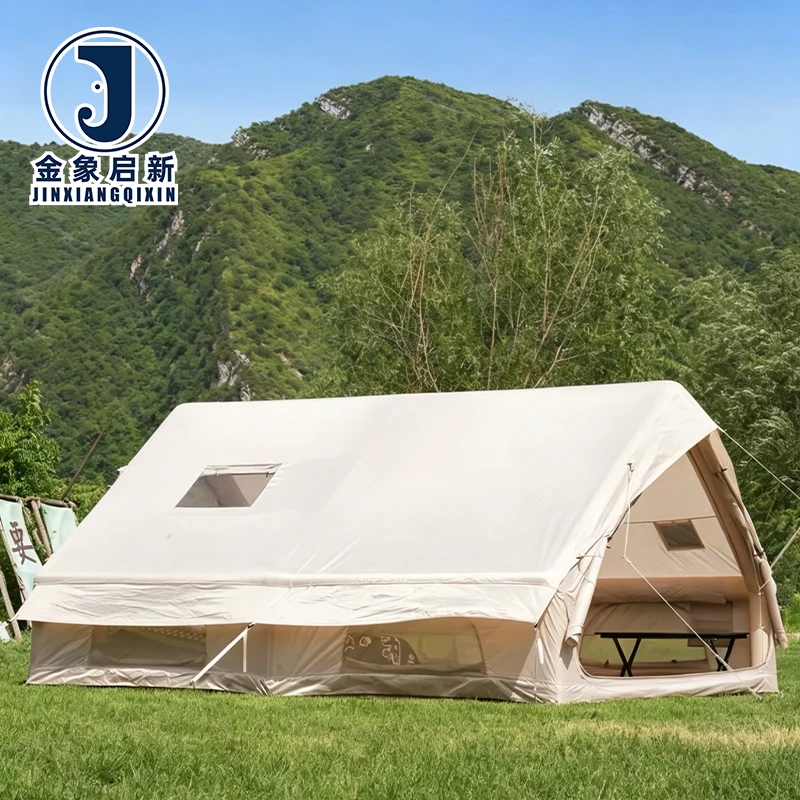
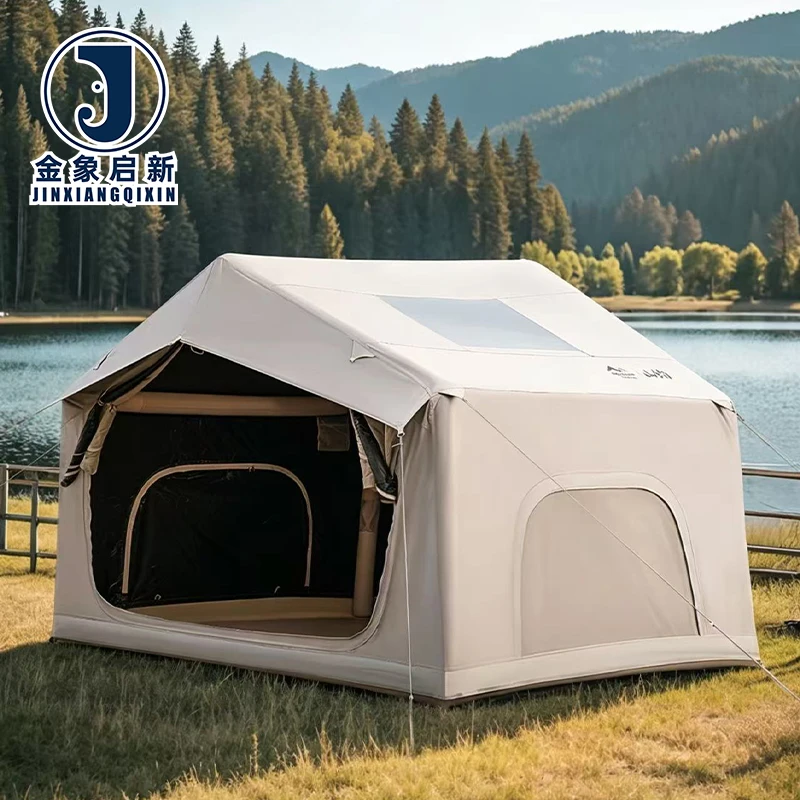
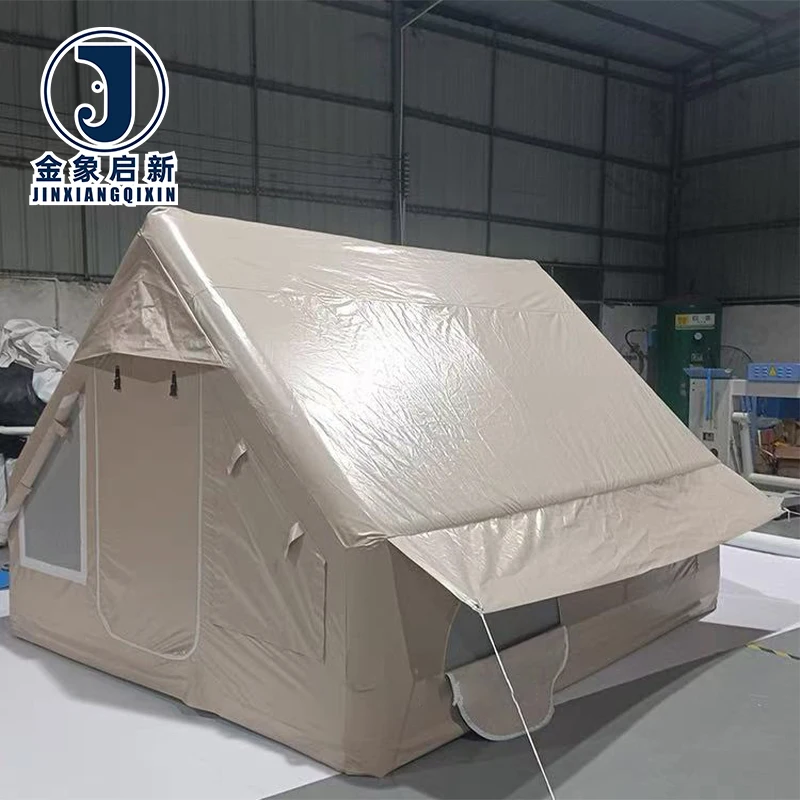
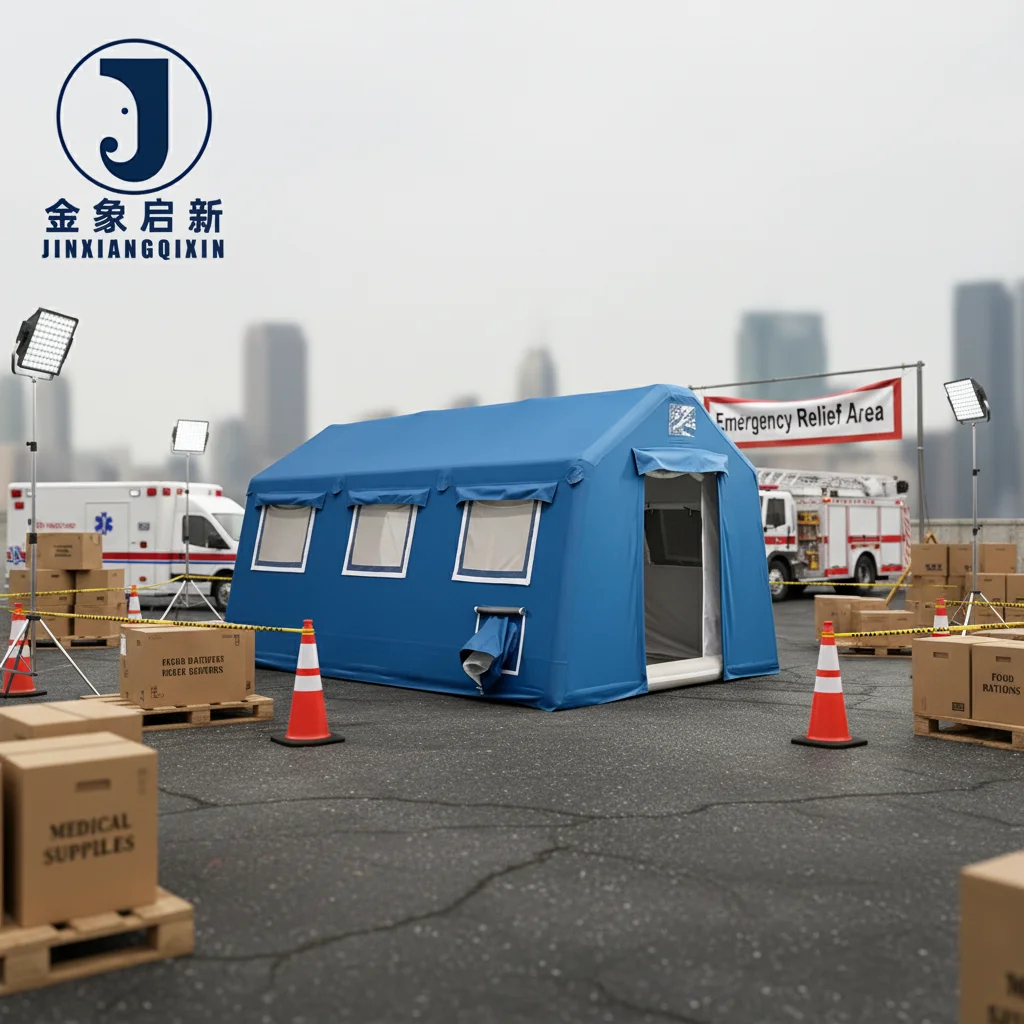
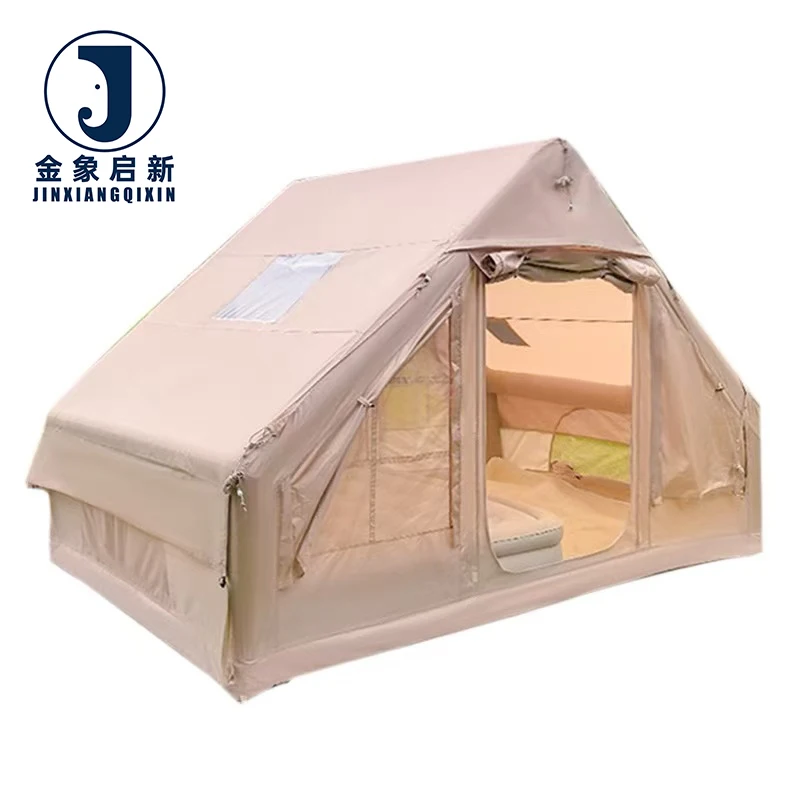
Inflatable Tent PVC Waterproof Four-Season Outdoor Air Tent — engineered with heat-sealed seams and multi-layered PVC tarpaulin construction for reliable air retention across variable weather conditions.
- Anti-UV treatment prevents material degradation during prolonged outdoor exposure
- 8-point pressure testing on every unit verifies structural stability before dispatch
- Quick automatic opening system enables rapid field deployment
Backed by nearly 30 years of coated fabric process control, our 10-person R&D team delivers custom sizing and sample development within days, with 100% pre-shipment inspection ensuring every tent meets specification before it leaves our facility.
Description
Near-Three-Decade Process Control — Every roll of Inflatable Tent Fabric leaves our facility with verified GSM, coating adhesion data, and heat-seam integrity records, not just a label claim.
Technical Specifications
| Parameter | Value |
|---|---|
| Product Type | Inflatable Tent Fabric |
| Core Material | PVC tarpaulin |
| Construction | Single layer |
| Key Performance | Waterproof, quick automatic opening, four-season design |
| Anti-UV Treatment | Yes (test basis not stated — confirm required exposure standard) |
| Structural Integrity | Heat-sealed seams, multi-layered waterproof coating |
| Testing Protocol | 8-point pressure testing for air retention and structural stability |
| Quality Control | Full-process quality inspection with dedicated QA&QC staff |
| Customization | OEM & ODM (sample customization, pattern printing) |
| Production Facility | 9,180 m² with 3 full production lines and 36 sets of professional equipment |
| R&D Team Scale | 10 technicians |
| Standards | ISO9001, ISO14001, ISO45001, CE |
Application Suitability
| Application | Exposure & Requirement |
|---|---|
| Construction site field offices | Wind-driven rain, UV degradation, daily thermal expansion of air beams |
| Outdoor event infrastructure | Rapid deployment, repeated inflation cycles, public safety compliance |
| Expedition base camps | Sub-zero thermal contraction, high altitude UV, snow load on inflated structure |
| Emergency response staging areas | 24/7 weather exposure, fast pack-and-redeploy cycles, hygiene demands |
| Mobile commercial operations | Road vibration during transport, frequent assembly, branding visibility |
What "Anti-UV" Really Means When No Test Report Follows the Claim
Specifying UV protection without a named standard is purchasing hope, not performance.
Buyers routinely see "anti-UV" printed on quotation sheets for inflatable tent fabric, yet the shipment arrives with no third-party test document to confirm how long the formulation resists solar degradation. The result is a membrane that yellows and embrittles within a single summer season. Field experience shows that UV failure on PVC structures rarely appears evenly across the surface — it concentrates at heat-sealed seams and areas under highest tension, precisely where structural failure carries the greatest consequence [NEED_CITE: UV degradation test methods for PVC coated fabrics]. Confirming the exact test basis before production begins avoids costly replacement mid-project.
Coating Chemistry Behind All-Season Reliability
The multi-layered waterproof coating applied to this Inflatable Tent Fabric is engineered to maintain flexibility across the thermal swings that define four-season operation. When temperatures drop, standard PVC films stiffen and crack at stress points; the formulation used here retains plasticiser stability to keep the membrane pliable. This matters most at the junction where air beams meet the ground sheet — a zone subjected to both internal pressure and external ground moisture simultaneously.
Rapid Deployment Without Sacrificing Structural Integrity
The quick automatic opening system relies entirely on the air retention capacity of the PVC membrane and the strength of every heat-sealed seam. Our 8-point pressure testing protocol verifies that each inflated chamber holds target pressure under simulated load before the unit is cleared for dispatch. For emergency response teams and event organisers, this means deployment time is measured in minutes rather than hours, and the structure does not sag or deform once the blowers are switched off.
Reading Beyond the Specification Sheet
The single-layer construction of this Inflatable Tent Fabric places the entire waterproofing and gas-retention burden on one PVC coating system. Base fabric denier and weave density determine how well the coating bonds mechanically — a loose weave allows air migration through microscopic channels even when the coating itself is intact [NEED_CITE: tensile and tear test methods for coated fabrics per ISO 1421]. The heat-sealed seams must achieve peel strength equal to or exceeding the parent material; otherwise the seam becomes the first failure point under inflation pressure. Buyers evaluating this material should request seam peel test data alongside the base fabric specification to understand the complete performance picture.
The Cost of Overlooking Seam Adhesion Data
When heat-sealed seams on inflatable structures are set at incorrect temperature or pressure, the bond fails before the fabric does — usually at the exact point where the air beam flexes under wind load. The consequence is not a slow leak but a sudden deflation that collapses the entire shelter. Sourcing teams who skip the seam peel verification step often discover the problem only during the first real storm, long after the material has left the factory and the supplier’s liability window has closed [NEED_CITE: heat-seam adhesion failure modes in inflated PVC structures].
Why Procurement Teams Source This Material Here
Our 10-person R&D team develops custom samples for inflatable tent fabric within days, allowing buyers to validate material behaviour under their own inflation equipment before committing to production volume. Three full production lines and 36 sets of professional equipment ensure that colour and coating weight remain consistent from the first roll to the last across a multi-container order. Every batch undergoes full-process quality inspection with dedicated QA&QC staff, meaning the 8-point pressure test is applied to finished units, not sampled from a batch. The near-30-year focus on PVC coated fabric translates into process control that holds GSM within tolerance and prevents the adhesion drift that causes delamination in the field.
Documentation & Verification
- Material specification sheet stating GSM, base fabric, coating type, and colour reference for each roll
- ISO9001, ISO14001, ISO45001, and CE certificates provided per shipment for compliance clearance
- Pre-shipment inspection record with 8-point pressure test results traceable to each production batch
- UV and waterproof test reports supplied where applicable to the specified treatment grade
- Roll packing list and certificate of origin included to support customs documentation
Fabrication, Handling & Storage
- Heat-seal temperature must match the multi-layered PVC coating formulation to prevent seam delamination under pressure
- Store rolls upright in climate-controlled space to avoid permanent creasing in the single-layer PVC construction
- Use compatible PVC adhesive for field repairs to maintain waterproof integrity across the coated surface
- Pattern printing must employ inks formulated for the specific PVC coating chemistry to prevent adhesion loss
- Inflate to full working pressure during fabrication testing to verify seam strength before final assembly
What to Include with Your Enquiry
Provide the target deployment environment — including expected temperature range and UV exposure duration — so we can confirm the appropriate coating formulation. Specify whether you require finished tent units or roll stock for your own fabrication line, along with the roll width and colour reference. Share any fire safety or building compliance standards applicable in your destination market so that treatment grades can be matched before sampling begins.
Frequently Asked Questions
Q: What customization options are available for size, colour, and branding?
A: We offer full OEM and ODM services including custom sizing, pattern printing, and colour matching. Our 10-person R&D team develops pre-production samples for buyer approval before mass production begins, ensuring the final Inflatable Tent Fabric matches your design and performance requirements exactly.
Q: How is air retention verified before each shipment?
A: Every finished inflatable tent unit undergoes an 8-point pressure test to verify air retention and structural stability. Test results are recorded and included in the pre-shipment inspection documentation, providing traceable proof that each chamber holds pressure before dispatch.
Q: Can this fabric withstand four-season weather including UV and rain?
A: The PVC tarpaulin core with multi-layered waterproof coating and anti-UV treatment is designed for all-season exposure. We recommend confirming the specific UV test basis applicable to your region and intended service duration so the correct formulation is applied.
Q: What documentation is included with each order?
A: Each shipment includes a material specification sheet, ISO and CE compliance certificates, pre-shipment inspection records with pressure test data, a roll packing list, and certificate of origin. Additional test reports are supplied based on the treatment grades specified at order placement.
Q: What is the sample approval process for custom orders?
A: Submit your size, colour, and performance requirements. Our R&D team produces a custom sample within days for your evaluation. Once the sample is approved in writing, full production begins with dedicated QA&QC oversight at every stage.
Related products
-
Inflatable Camping Tent Waterproof PVC Outdoor Air Tent Easy Setup Family Camping Shelter Four-Season >3000mm Waterproof Quick
Read more -
خيمة فاخرة قابلة للنفخ من PVC للتخييم الفاخر في الهواء الطلق مقاومة للماء مع تصميم سريع الفتح التلقائي قابل للطي لجميع الفصول ومضخة
Read more -
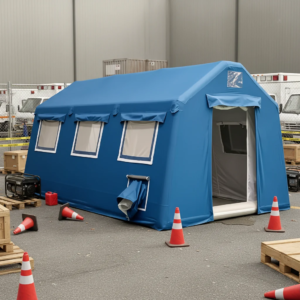
Outdoor Waterproof Inflatable Tent for Camping Portable Air Camping Tent Shelter
Read more -
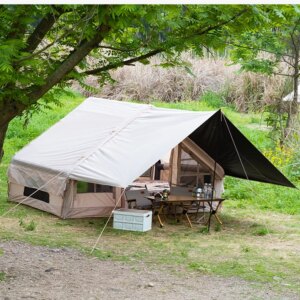
خيمة تخييم قابلة للنفخ من مادة PVC، مقاومة للماء والأشعة فوق البنفسجية، لجميع الفصول، فتح تلقائي سريع، قابلة للتخصيص، تتسع لـ 2-3 أشخاص
Read more