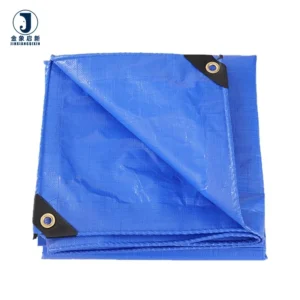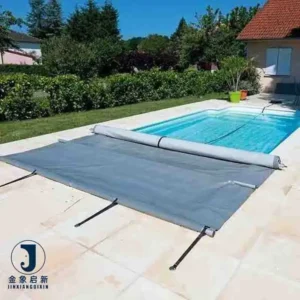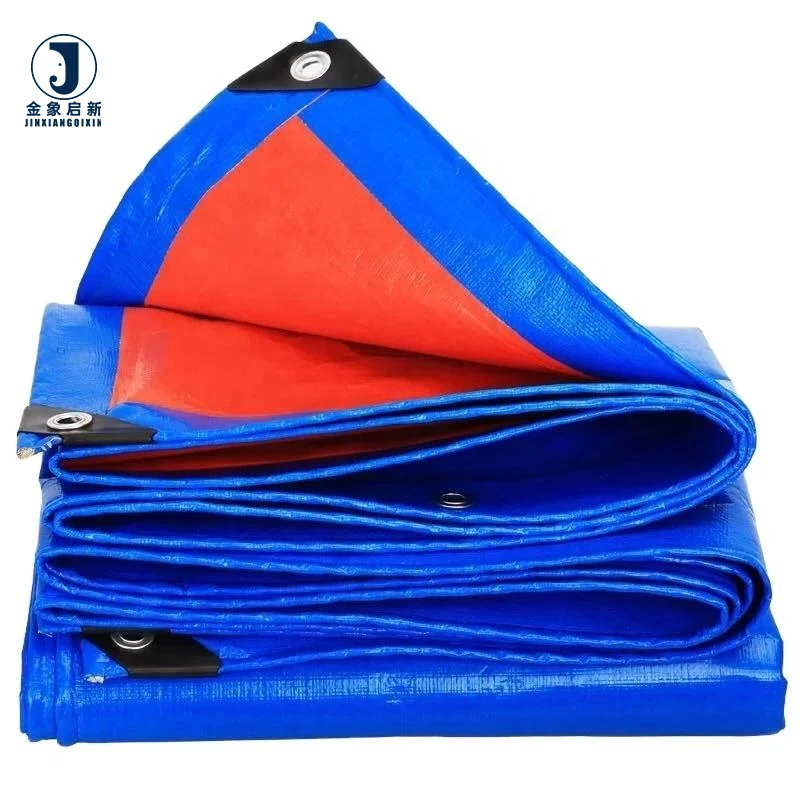
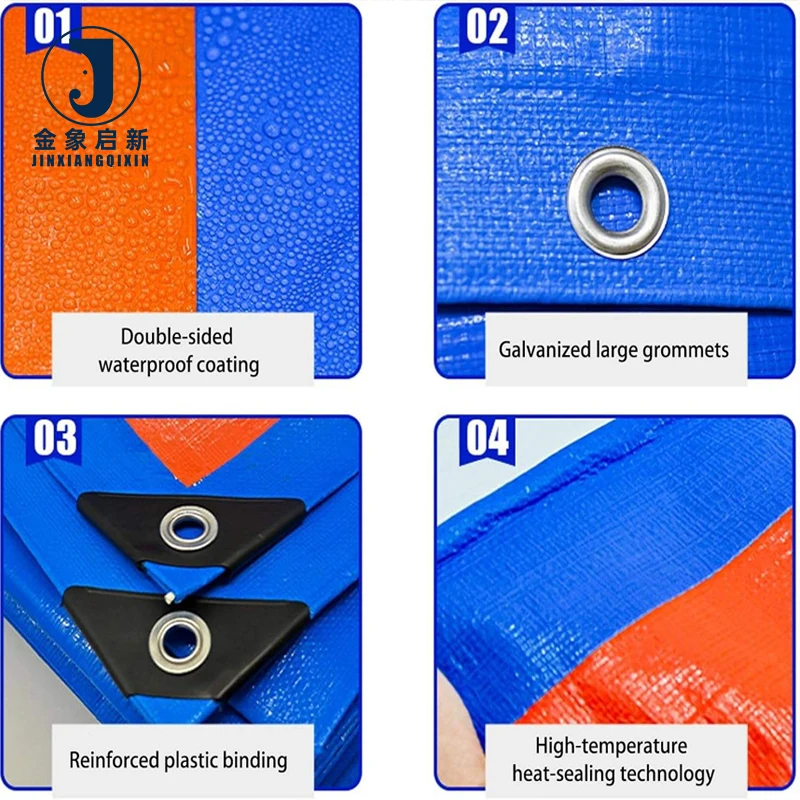
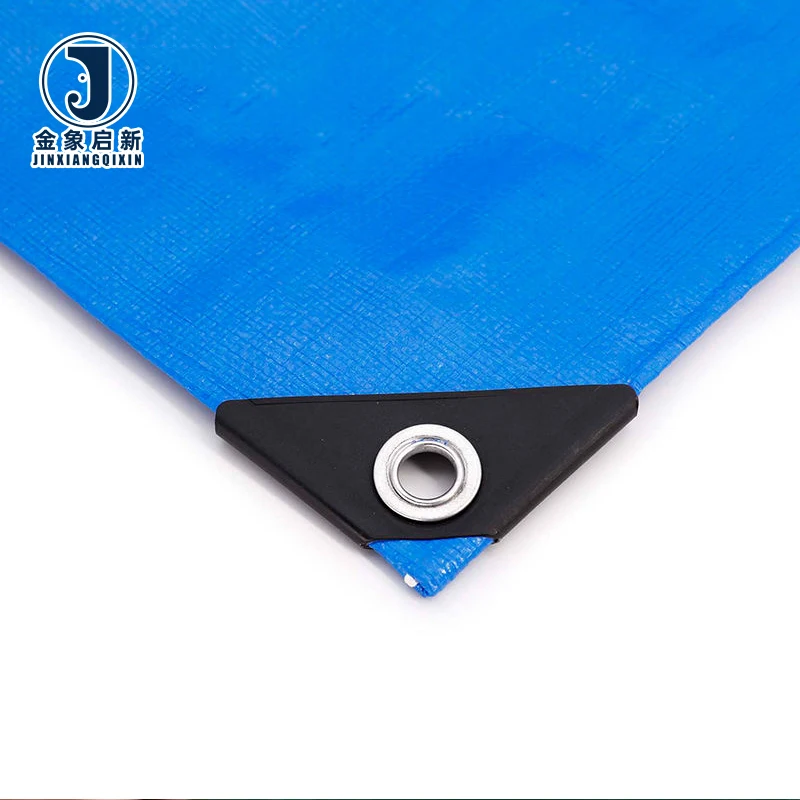
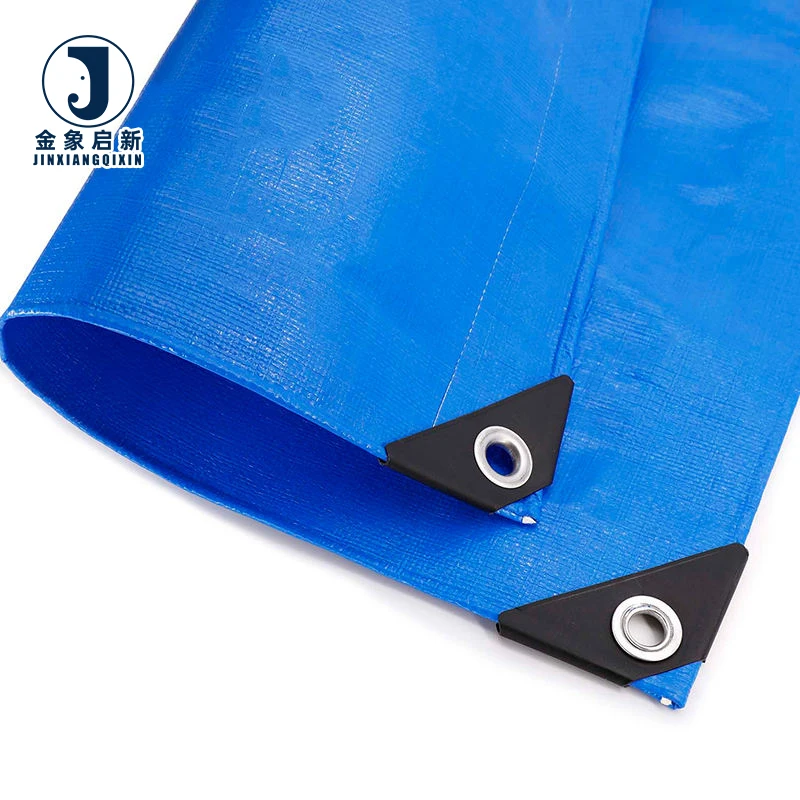
Heavy Duty PE Tarpaulin — HDPE woven with LDPE lamination, 50–220 GSM, UV treated, reinforced PP rope hems and galvanized eyelets every 3ft. Rolls and cut-to-size sheets available for scaffolding, site enclosure and transport covers.
- GSM verified by cut-and-weigh before bulk release, with material spec sheet and roll packing list provided for each shipment.
- Custom colour, width and branding on the same line, managed by masterbatch dosing for roll-to-roll consistency.
- 100% pre-shipment inspection covering eyelet pull-out, colour reference and roll count, with certificate of origin included.
Description
Established Process Control — nearly 30 years focused on coated fabric production, with deep command over HDPE weaving density and LDPE lamination weight to deliver the exact PE tarpaulin specification you order.
Technical Specifications
| Parameter | Value |
|---|---|
| Product Type | PE Tarpaulin Roll / Finished PE Tarpaulin |
| Base Material | HDPE weaving with LDPE lamination on both sides |
| Weight Range | 50gr/m² ~ 220gr/m² (confirm the grade for your application) |
| Total Thickness | 0.2–0.4 mm / 8 mil–16 mil / Custom |
| Roll Width Options | 6ft, 8ft, 10ft, 12ft / 2m, 4m, 6m |
| Roll Length Options | 100 yards, 100 meters, or custom |
| Finished Size Options | 2×2 m up to 8×10 m and beyond, custom dimensions available |
| Edge Construction | All four edges reinforced with PP rope in hem |
| Eyelet Spacing | Galvanized eyelets every 3ft or 1 meter interval |
| Corner Reinforcement | Reinforced plastic corners |
| Colour Options | Blue, Blue/Orange, Green, Grey, Black, Clear, Grey/Green, Orange, or custom |
| UV Treatment | UV treatment available (test basis not stated — request documentation) |
| Anti-Mildew | Mildew proof and anti-aging claimed (grade not stated — confirm for your market) |
| Key Features | Waterproof, washable, tear resistant, corrosion resistance (acid and alkali resistance) |
| Printing | Custom brand printing on products accepted |
| Standards | ISO and CE certified production |
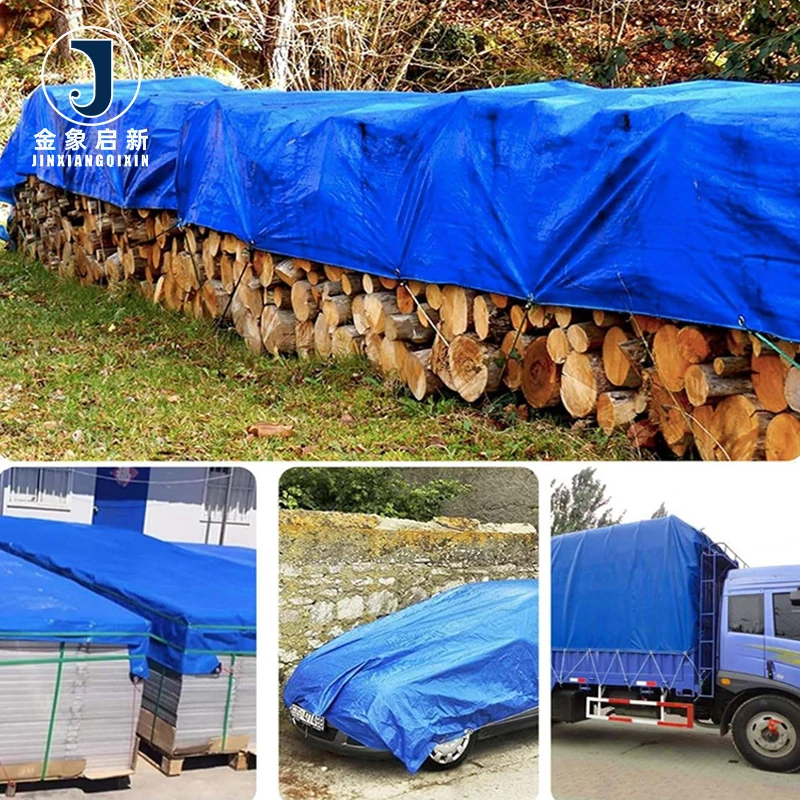
Application Suitability
| Application | Exposure & Requirement |
|---|---|
| Scaffolding enclosure | Continuous UV and rain exposure, wind uplift on eyelets, abrasion against scaffold tubes |
| Construction site cover | Heavy foot traffic contact, mud and alkaline mortar splash, puncture risk from debris |
| Agricultural stockpile cover | Prolonged sun exposure, moisture ingress risk, acidic organic vapour contact |
| Aquaculture pond lining | Permanent water immersion, soil chemistry, mechanical stress during installation |
| General outdoor equipment wrap | Seasonal weather cycling, UV degradation, tie-down strap compression at edges |
| Transport load protection | Road spray and wind-driven rain, friction against cargo surfaces, flex at tie-down points |
Why Colour Consistency Across Rolls Matters More Than You Expect
Batch-to-batch colour drift turns a straightforward site installation into a patchwork that clients reject on sight.
When multiple PE tarpaulin sheets are installed side by side on scaffolding or across a stockpile, even minor hue variation between rolls becomes immediately visible. Distributors reselling finished sheets face the same issue — customers notice when one panel looks noticeably different from the next [NEED_CITE: colour measurement standards for woven laminated fabrics]. This is not a cosmetic concern for premium markets; it is a contractual specification failure. Masterbatch dosing during extrusion must be controlled per production run, and each roll should carry the same colour reference code so that reorder consistency is maintained across shipments.
How HDPE Weave Density and LDPE Lamination Define Field Performance
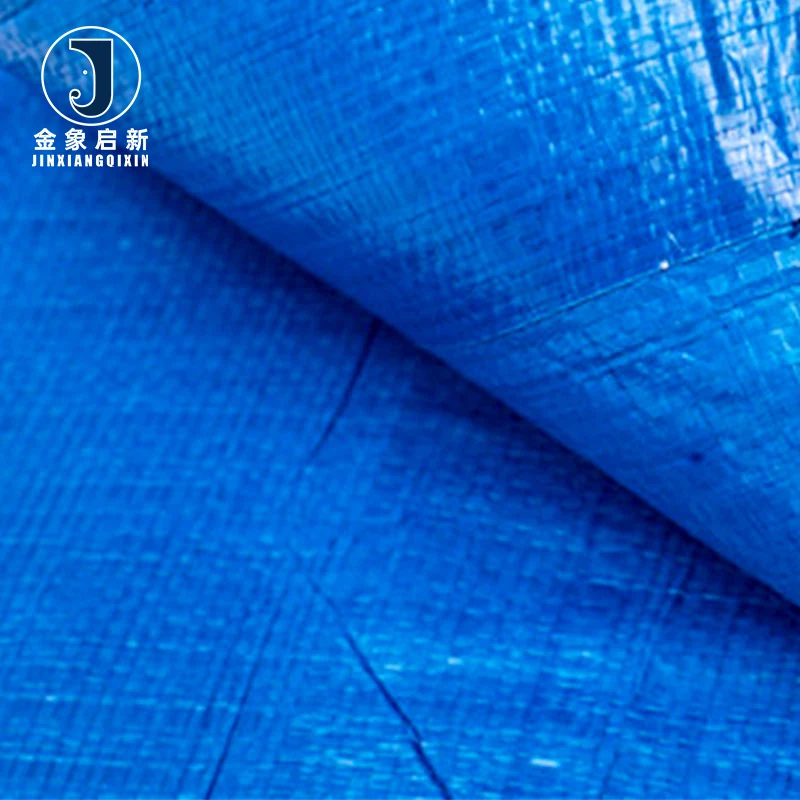
The structural core of every PE tarpaulin is the high-density polyethylene woven base. A tighter weave delivers higher tensile values in both warp and weft directions, which matters when scaffolding sheets face sustained wind loads. The double-side LDPE lamination seals the weave, providing waterproof integrity while adding body to the sheet. Choosing the right combination of weave count and coating weight determines whether a sheet handles installation tension without stretching or deforming at the eyelet line.
Edge Construction Determines Where Failure Starts
Most field failures on PE tarpaulin sheets begin at the edges, not in the body of the fabric. PP rope inserted into a folded hem spreads tie-down load across a broader area of the laminated weave, preventing the concentrated stress that causes eyelet pull-through. Galvanized eyelets set at regular intervals — every 3ft or 1 meter — match typical tie-down spacing on scaffolding frames and transport loads [NEED_CITE: tie-down load distribution standards for flexible covers]. Reinforced plastic corners add a secondary failure buffer at the highest-stress points where two edges meet and wind uplift concentrates.
Reading the Specification Sheet: What Each Parameter Actually Controls
Understanding PE tarpaulin specifications requires looking beyond a single number. The GSM value reflects the combined weight of HDPE base fabric and both LDPE lamination layers — it correlates with overall durability but does not isolate tensile or tear performance on its own. A heavier sheet with a loose weave may weigh more yet tear more easily than a lighter sheet with a dense base. Total thickness, ranging from 0.2 mm to 0.4 mm in this range, indicates the lamination build and influences puncture resistance and handling stiffness. Roll width selection — from 2 m to 6 m — directly affects on-site coverage efficiency: wider rolls reduce the number of overlap joints needed, which is critical when waterproofing large scaffolding faces or stockpile areas. Colour options span standard stock shades and custom matches, where the latter requires masterbatch formulation and minimum-run commitment.
The Real Cost of Ordering on Price Alone
Procurement decisions based solely on quoted GSM without verifying delivery weight regularly result in material that underperforms on site. Sheets specified at a given weight but delivered lighter will show reduced tear resistance and earlier UV breakdown, particularly in regions with intense solar exposure. Similarly, accepting UV treatment claims without requesting a test report means there is no documented basis for the sheet’s outdoor exposure life — and no grounds for a claim when premature embrittlement appears [NEED_CITE: UV degradation test methods for polyethylene laminated fabrics]. Batch colour inconsistency forces re-sorting or partial rejection of shipments, adding delay and cost that erodes any unit price saving.
Why Sourcing From a Dedicated PE Tarpaulin Manufacturer Changes the Outcome
Three full production lines and 36 sets of professional equipment support high-volume roll output with consistent scheduling, reducing the risk of split batches across different production dates. The 10-person R&D team handles colour matching, custom sizing, and brand printing development in-house, meaning sample approval happens before bulk commitment rather than after. Dedicated QA/QC at every stage — from incoming HDPE yarn through weaving, lamination, hemming, and final packing — ensures that the finished PE tarpaulin leaving the facility matches the specification sheet you approved. Nearly 30 years of continuous coated fabric production means process parameters are not being learned on your order.
Documentation & Verification
- Material specification sheet stating exact GSM, base fabric type, and colour reference for each PE tarpaulin order
- Pre-shipment inspection record covering roll count, dimensional check, and eyelet pull-out spot test
- Test reports for UV treatment available on request — confirm the test basis required for your market before ordering
- Certificate of origin and roll packing list included for customs clearance
- ISO and CE certificates documenting the production facility quality management system
Fabrication, Handling & Storage
- Heat-seal the laminated LDPE surfaces at moderate temperature to avoid melt-through on lighter GSM grades
- Position eyelets within the PP rope hem zone to distribute load and prevent laminate tearing at puncture points
- Store rolls upright on pallets in shaded areas to prevent compression creasing of the LDPE lamination layer
- Allow cold-transported rolls to reach ambient temperature before unrolling to avoid cracking stiffened laminate
- Clean with mild detergent only — harsh solvents will degrade the LDPE surface and reduce waterproof integrity
- Plan cut layouts from wider rolls to minimise waste and reduce the number of field joints required
What to Include in Your PE Tarpaulin Enquiry
Provide the specific application, exposure environment, and any compliance requirements for your target market so the correct grade and treatment package can be recommended. Specify whether you need roll stock or finished cut-to-size sheets, along with your preferred roll width, colour, and eyelet spacing. If brand printing is required, share artwork and confirm acceptable lead time for sample approval before bulk production.
Frequently Asked Questions
Q: How do I verify that the GSM I ordered is the GSM I receive?
A: Every shipment includes a material specification sheet stating the exact GSM. We conduct 100% pre-shipment inspection with cut-and-weigh verification against the stated value, and the inspection record travels with your documentation package so you can cross-check on arrival.
Q: What UV treatment grades are available for outdoor-exposed PE tarpaulin?
A: UV treatment is available across the range, but the specific additive package and test basis depend on your exposure requirements. Request the test report before placing your order so you can confirm the treatment grade matches your market’s outdoor durability expectations.
Q: Can I order mixed colours and widths in a single container?
A: Yes, mixed specifications are possible within production scheduling constraints. Colour consistency is managed per production run, so each colour-variant roll carries its own colour reference code to ensure traceability and reorder matching across shipments.
Q: What is the minimum order for custom colour or printed branding on PE tarpaulin?
A: Custom colours require a minimum run to justify masterbatch formulation, and printed branding involves artwork setup before sample approval. Share your volume and print requirements during enquiry so we can confirm feasibility, lead time, and sampling steps.
Q: How are finished PE tarpaulin sheets packed to prevent damage during transit?
A: Finished sheets are folded and baled or rolled depending on size, with attention to avoiding sharp crease lines that could stress the LDPE lamination. Each pack is wrapped for moisture protection during sea freight or overland transport.
Related products
-
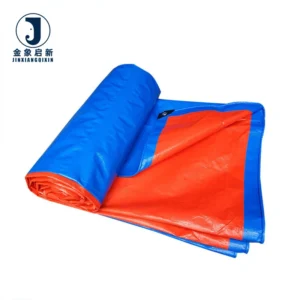
France Hot Sales Blue Color Polyethylene PE Tarpaulin Waterproof Sheet for Truck Canopy and Outdoor Awning
¥0.66 Select options This product has multiple variants. The options may be chosen on the product page -
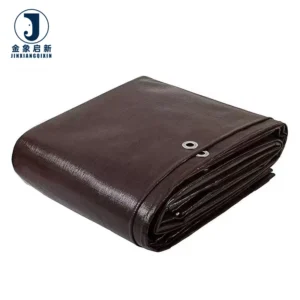
Custom PE Tarpaulin for Industrial Use – Full Range
Read more -
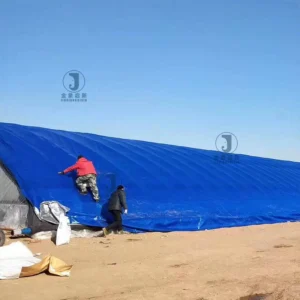
Wholesale Organic Breathable PVC Waterproof Oilcloth Blackout Fabric Sun Protection Tarpaulin Outdoor Awning Industrial Tent
¥0.89 Select options This product has multiple variants. The options may be chosen on the product page -
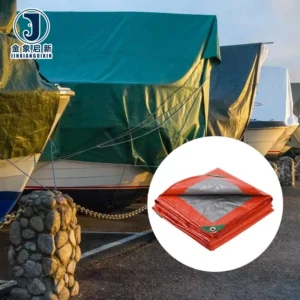
PE Coated Blackout Tarpaulin Poly Tarp with UV Protection Standard Size Fabric Sheet for Agriculture & Industrial Use
¥0.35 Select options This product has multiple variants. The options may be chosen on the product page