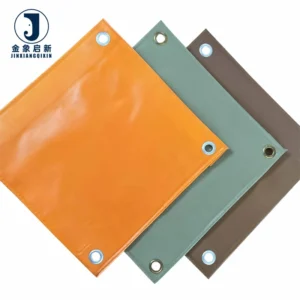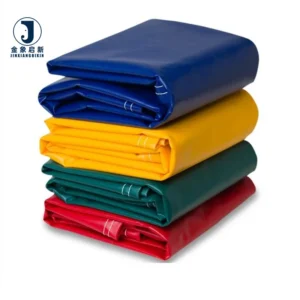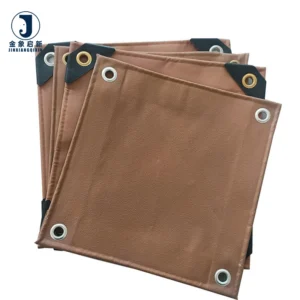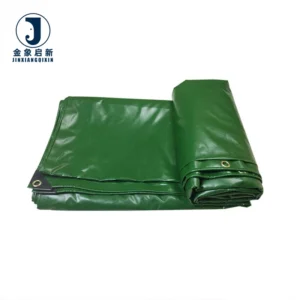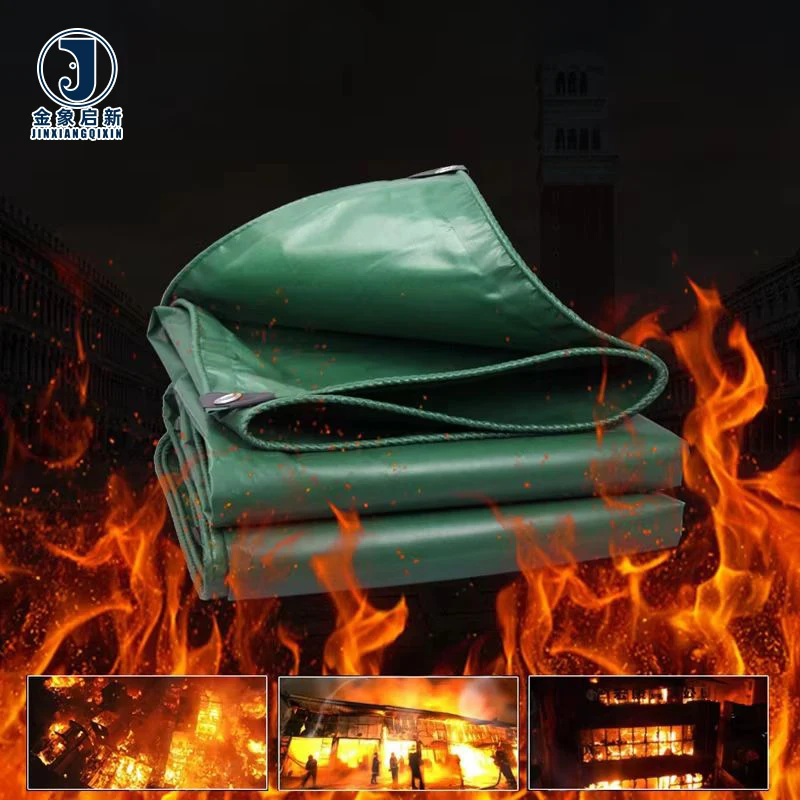
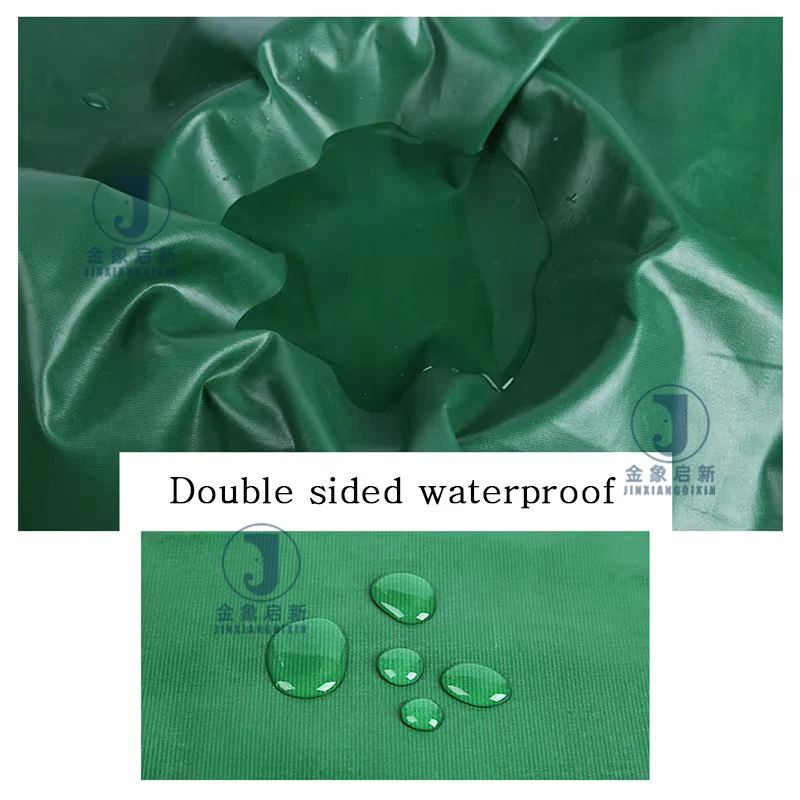
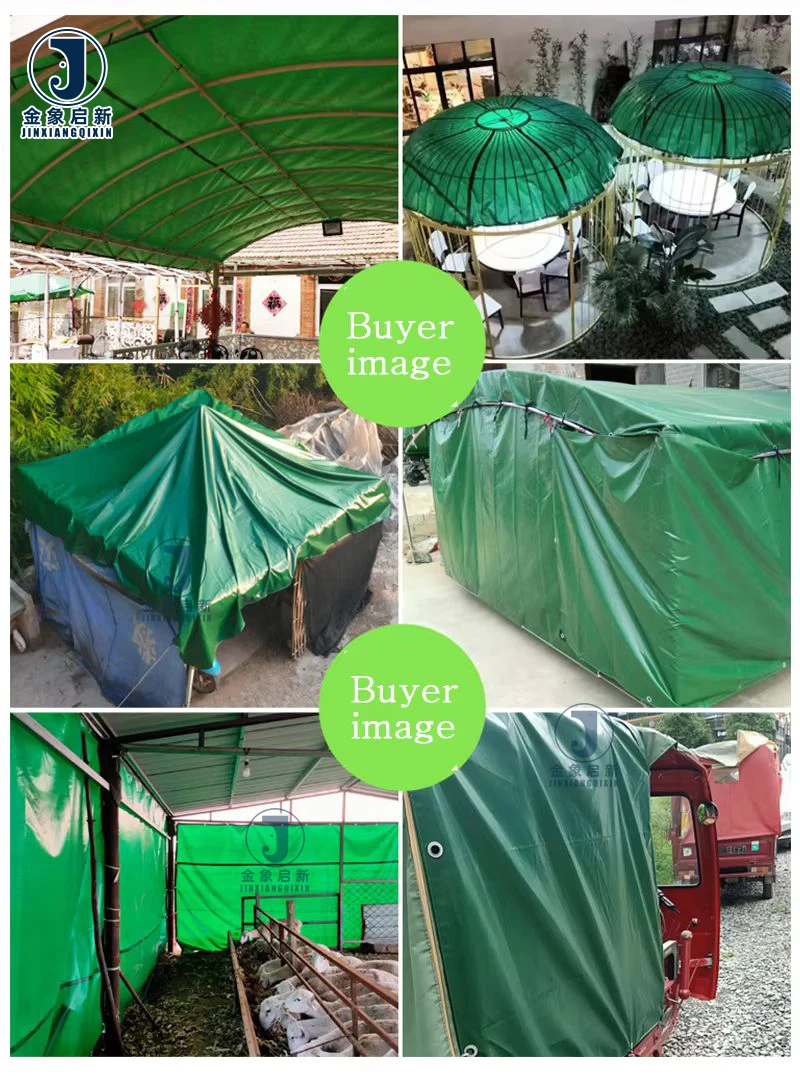
PVC Coated Tarpaulin with woven base fabric and minimum 450 gsm coating weight, delivered in custom-cut sizes for precise coverage.
- Waterproof PVC vinyl surface withstands rain, snow and prolonged outdoor exposure
- Custom sizing eliminates field trimming and gaps at load edges
- Reinforced hems and eyelet options secure tie-downs at high-stress flex points
- Batch colour consistency verified across all rolls and cut pieces in one order
Every roll undergoes coating-weight and adhesion checks at each production stage, backed by 100% pre-shipment inspection from a facility with nearly 30 years of coated-fabric process control.
Description
Precision Coating Control — Every roll of PVC coated waterproof sheeting undergoes in-process weight verification and adhesion testing across all three production lines before it leaves the facility.
Technical Specifications
| Parameter | Value |
|---|---|
| Product Type | PVC Coated Tarpaulin Roll |
| Base Fabric | Woven Fabric, 1000×1000 Denier |
| Coating Material | PVC Vinyl |
| Coating Method | Knife Coated |
| Weight (GSM) | At least 450 grams |
| Waterproof | Yes |
| Finish Options | Banner coated / black back coated |
| UV Treatment | Anti-UV coated tarpaulin (test basis not stated in source) |
| Custom Size | Available |
| Standards | ISO, CE |
Application Suitability
| Application | Exposure & Requirement |
|---|---|
| Industrial and construction site covers | Continuous outdoor UV exposure, mechanical abrasion from equipment contact, wind-driven rain |
| Truck and trailer load protection | Road debris impact, constant flexing at load edges, weather exposure during transit |
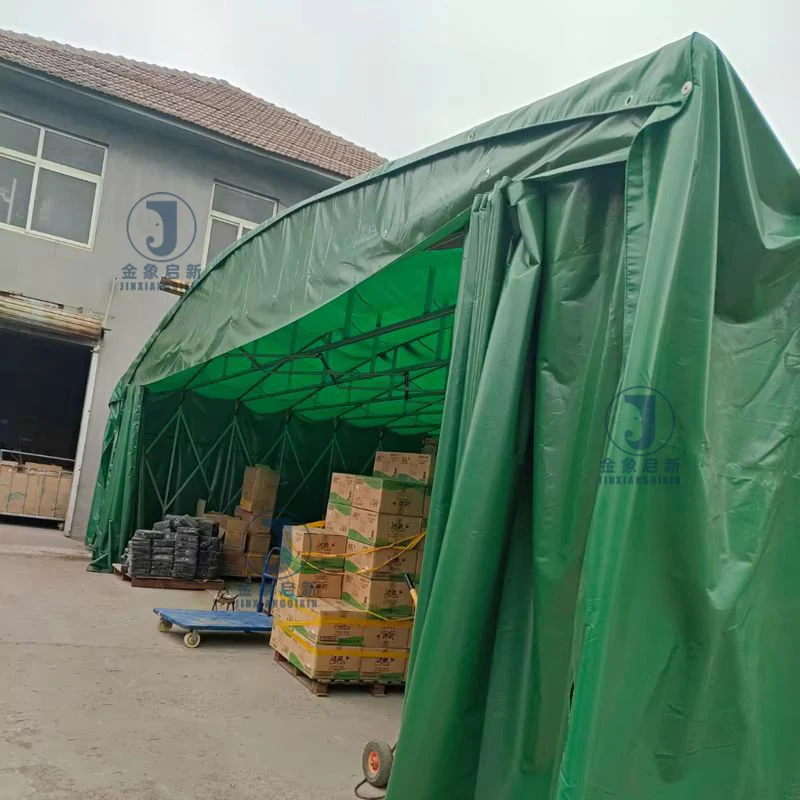
| Outdoor tent and temporary shelter fabric | Prolonged sunlight, rain pooling on horizontal surfaces, repeated assembly and teardown stress |
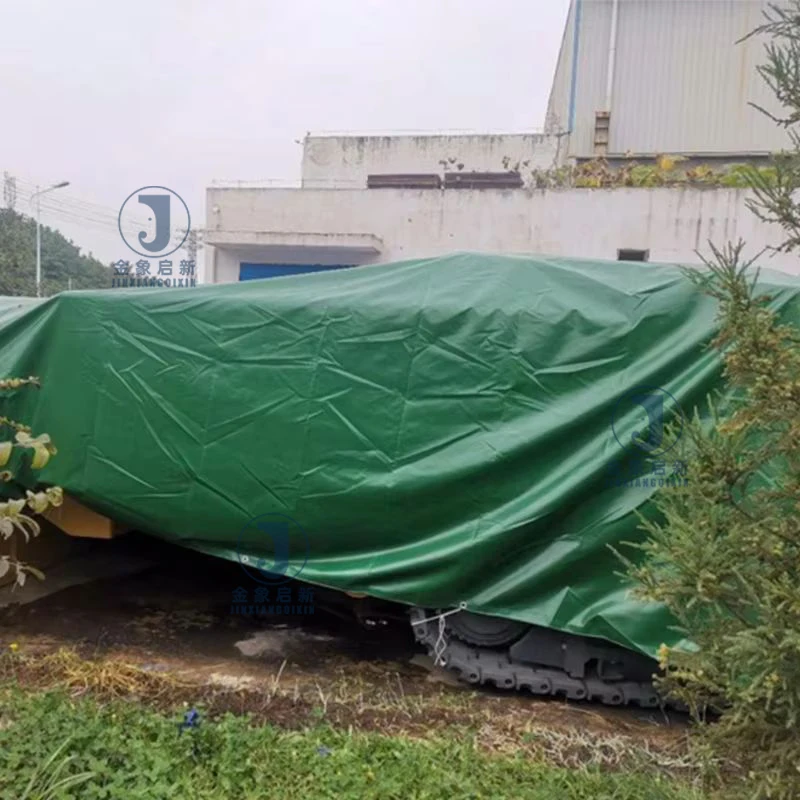
| Vehicle and equipment covers | Dust and moisture ingress prevention, UV degradation resistance, contact with oils and greases |
| Structure coverings | Wind uplift tension, thermal expansion and contraction cycles, long-term weathering |
Why Quoted GSM and Delivered GSM Often Disagree on PVC Coated Tarpaulin
Coating weight drift during production is the most common reason received fabric feels lighter than specified.
When a PVC coated tarpaulin manufacturer runs long production cycles, the knife gap and paste viscosity shift gradually. Without dedicated in-process monitoring, a roll that started at the agreed coating weight can drift lower by the end of the run. Buyers who only check total roll weight on arrival cannot separate base fabric mass from coating mass, so the shortfall goes unnoticed until the material underperforms in the field [NEED_CITE: tensile and tear test methods for coated fabrics per ISO 1421]. This is especially problematic for custom orders where replacement lead times are measured in weeks rather than days.
Knife Coated Construction and What It Means for Fabric Integrity
The knife coated method forces PVC paste directly into the woven base fabric under controlled pressure. This creates a mechanical bond between coating and yarn that is stronger than simple laminating or calendering processes. For a PVC coated tarpaulin manufacturer producing material that will be heat-welded into truck covers or site enclosures, this bond strength determines whether the weld line or the fabric body fails first under tension.
Finish Selection and Its Practical Consequences
Available in banner coated or black back coated options, the surface finish affects both appearance and functional behaviour. A banner coated face offers a smooth surface suited to printed branding and signage applications. A black back coating prevents light transmission through the fabric, which matters for temporary shelters and tent structures where interior darkness is required. Selecting the right finish at the specification stage avoids costly field workarounds like adding separate blackout liners.
Reading the Specification Sheet Beyond the GSM Number
A 1000×1000 denier woven base fabric provides the structural skeleton of this PVC coated waterproof sheeting. The denier value indicates yarn thickness in both warp and weft directions, and when combined with the weave density, it governs how the material resists tear propagation. GSM alone tells you the total mass per square metre but does not reveal how that mass is distributed between base fabric and coating [NEED_CITE: relationship between base fabric denier and tear strength in coated technical textiles]. A heavier coating on a lighter base fabric may achieve the same GSM as a lighter coating on a heavier base, yet perform very differently when a puncture starts to spread. Knife coating, as used here, embeds the PVC into the weave rather than sitting on top, which improves peel strength at heat-welded seams — a critical factor when fabric panels are joined to form large covers.
The Hidden Cost of Specifying on Price Per Square Metre Alone
When buyers select PVC coated tarpaulin based primarily on cost, the supplier has incentive to reduce coating weight or switch to a lower denier base fabric while maintaining the quoted GSM through filler loading. The material arrives looking correct and weighing correct on a scale, but the coating lacks flexibility at low temperatures and cracks along fold lines during the first winter [NEED_CITE: low-temperature flexibility failure modes in plasticised PVC coated fabrics]. Batch-to-batch colour variation is another consequence of cost-driven production — when pigment dosing is not tightly controlled, adjacent panels on the same truck or structure show visible shade differences once installed in sunlight.
Why Procurement Teams Source This PVC Coated Tarpaulin from Jinxiang
The 10-person R&D team handles material selection, pattern requirements, custom sizing, and sample development in-house, meaning specification changes do not require third-party coordination. Three full production lines and 36 sets of professional equipment provide capacity for bulk orders while maintaining coating consistency across rolls. Dedicated QA/QC operates at every production stage with 100% inspection before shipment, catching coating weight drift before it becomes a field problem. The facility maintains ISO and CE certification, supporting buyers who need documented compliance for their own supply chain audits.
Documentation & Verification
- Material specification sheet stating exact GSM, 1000×1000 denier base fabric, and knife coated method
- Pre-shipment inspection record with roll-by-roll weight verification against quoted specification
- UV treatment test documentation where anti-UV grades are specified at inquiry stage
- ISO and CE certificates included with each dispatch for compliance records
- Roll packing list detailing dimensions, weight, and batch reference per unit
Fabrication, Handling & Storage
- Heat welding parameters should be adjusted to the at least 450 GSM weight and knife coated construction for optimal seam peel strength
- Store rolls upright on a flat surface to prevent permanent creasing in the woven base fabric
- Unroll and allow the PVC coated sheeting to relax before cutting to avoid dimensional distortion
- Use compatible PVC-based adhesives for field repairs on the knife coated surface
- Avoid dragging material over abrasive surfaces during installation to protect the coated face
What to Include in Your PVC Coated Tarpaulin Inquiry
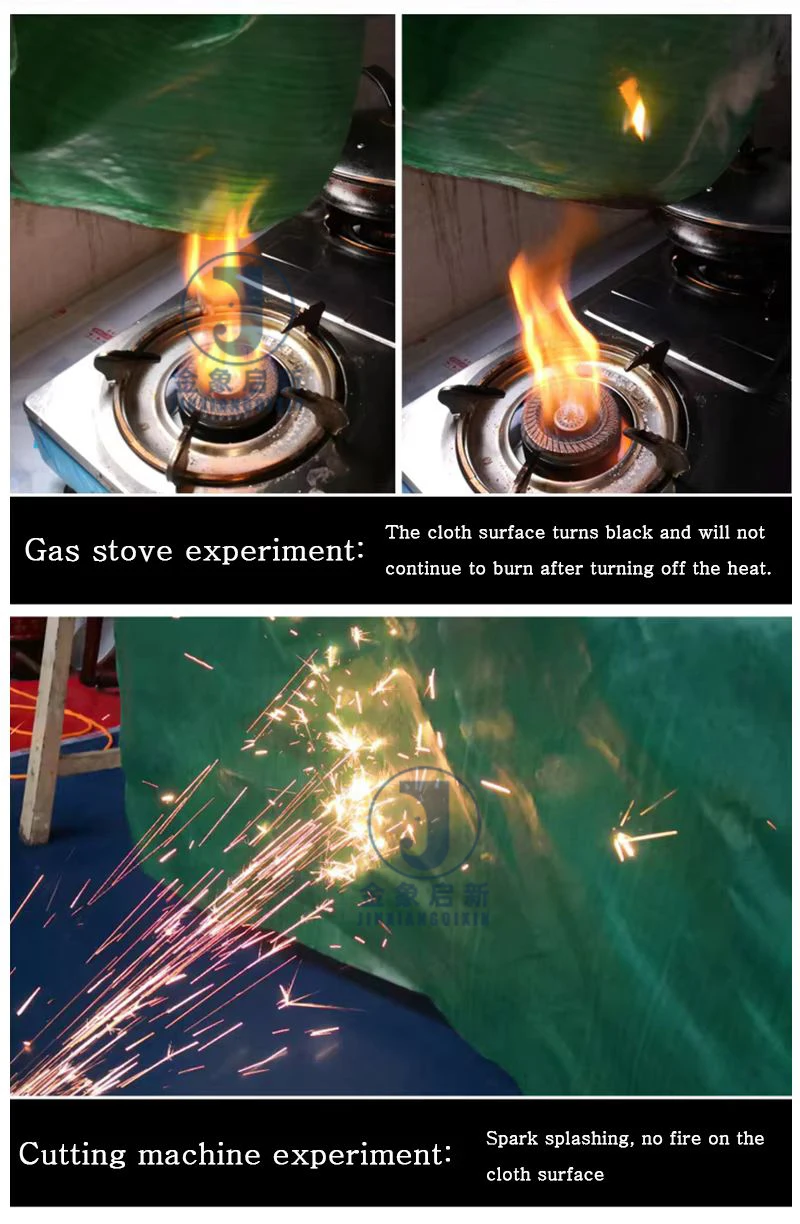
Provide your end-use application, the environmental conditions the fabric will face, and any regulatory requirements your market imposes — particularly fire classification or UV performance grades. Specify whether you need rolls in stock widths or custom cut sizes with finished edges and eyelets. If colour consistency across multiple rolls matters for your installation, state the total quantity and reference colour so the production team can plan a single batch run. Request samples before committing to a production order when specifying custom finishes or treatments.
Frequently Asked Questions
Q: How do you verify GSM on arrival matches the quoted specification?
A: Our QA team measures coating weight and total fabric mass at multiple points during each production run. Every roll is weighed and recorded on the pre-shipment inspection report before dispatch. This roll-by-roll verification ensures the at least 450 grams specification is maintained throughout the batch, and the inspection record ships with your order for your own verification.
Q: What width and roll length options are available, and what are the MOQs for custom sizes?
A: Standard widths are available from stock, and custom widths can be produced to match your fabrication requirements. Minimum order quantities depend on whether you need a standard specification or a custom colour, finish, or treatment. The R&D team develops samples within days so you can confirm dimensions and performance before the full production run begins.
Q: How is batch-to-batch colour consistency controlled across multiple rolls?
A: Pigment formulation is locked after sample approval, and all rolls for a single order are scheduled within one production campaign to minimise variation. The coating lines use controlled paste mixing to maintain shade uniformity. If your project requires panels installed side by side, specify this at inquiry so the team plans production accordingly.
Q: How does the sampling process work for custom colour, print, or treatment requirements?
A: Submit your colour reference, treatment grade, and any print artwork with your inquiry. The R&D team produces a physical sample showing the exact coating weight, finish, and colour on the 1000×1000 denier woven base. You review and approve the sample before full production starts, avoiding costly rework on a committed order.
Related products
-
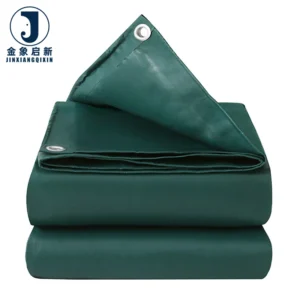
Secure Green PVC Coated Blackout Tarpaulin Truck Tent Cover Anti-Aging Waterproof Folding Design Breathable Woven Technics
¥0.83 Select options This product has multiple variants. The options may be chosen on the product page -
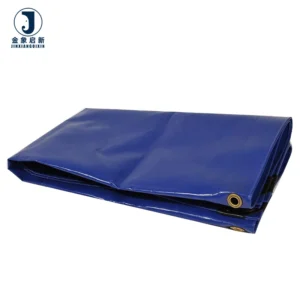
900GSM Heavy Duty PVC Coated Tarpaulin Panama Tarpaulin Curtains for Lorries
¥7.78 Add to cart -
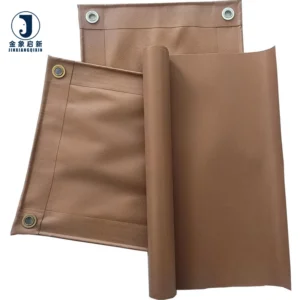
Waterproof Custom 1000D 550GSM/900GSM Self Clean PVC Coated Tarpaulin for Truck. Tent. Roof Cover Flood Barrier
¥0.99 Select options This product has multiple variants. The options may be chosen on the product page -
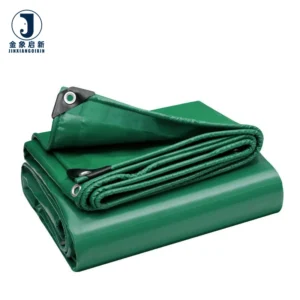
Factory Direct 20×30 Feet 13mil Heavy-Duty Vinyl Tarps PVC Tarpaulin for Firewood Roof Camping Patio Pool Boat Dump Trailer
¥2.60 Add to cart