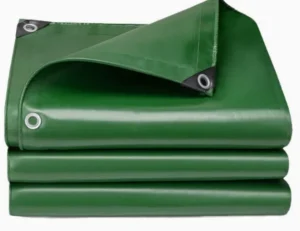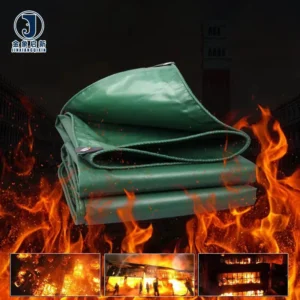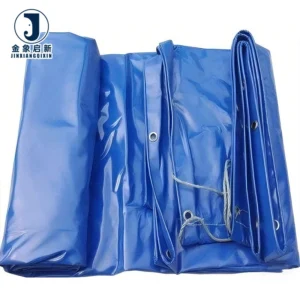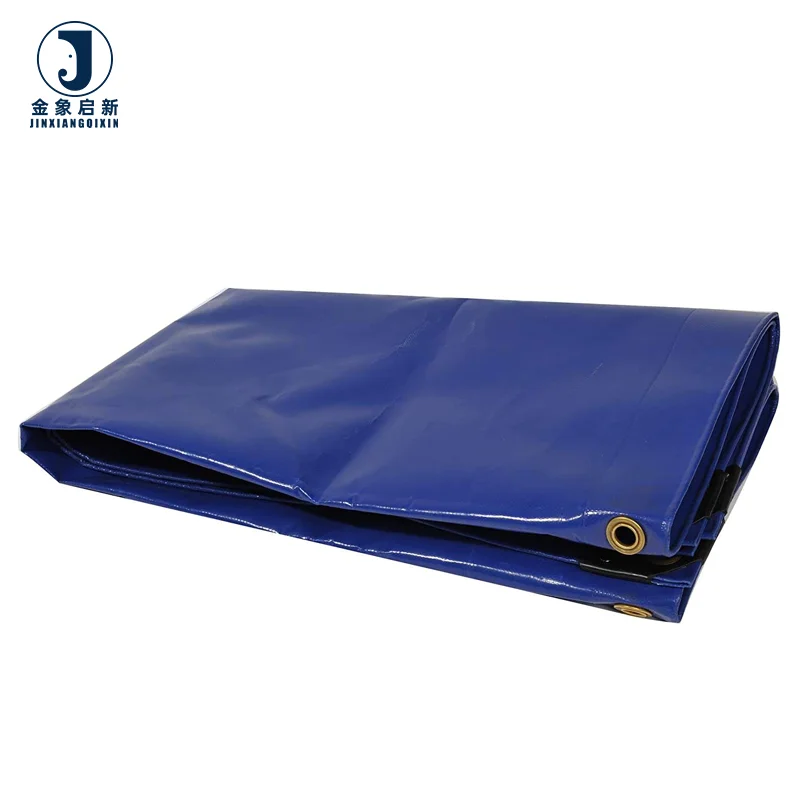
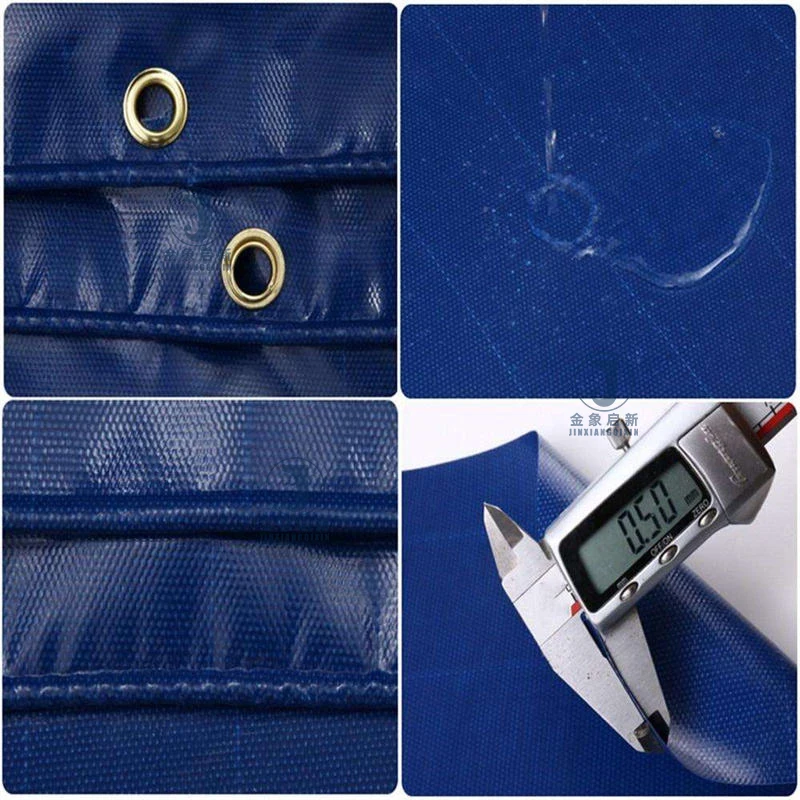
Heavy Duty PVC Coated Tarpaulin Curtains — 250gsm-1500gsm, 200D×300D to 1000D×1000D denier options with waterproof, UV, FR and anti-fungal treatments
- Multiple weight grades and base fabric constructions to match specific tensile and tear requirements for different load applications
- Custom width, length, color matching, and pattern printing capability from design through delivery
- Complete range for surveying options before specifying material weight, treatment requirements, and dimensional tolerances
30 years focused on coated fabric with deep process control over coating weight and adhesion, ensuring consistent quality across production runs.
Description
Deep process control over coating weight and adhesion — nearly 30 years focused on coated fabric with every production stage monitored to match GSM and treatment specifications across roll stock and cut sizes.
Technical Specifications
| Parameter | Value |
|---|---|
| Product Type | PVC Coated Tarpaulin |
| Weight Range | 250gsm–1500gsm |
| Base Fabric Denier | 200D×300D, 500D×500D, 840D×840D, 1000D×1000D |
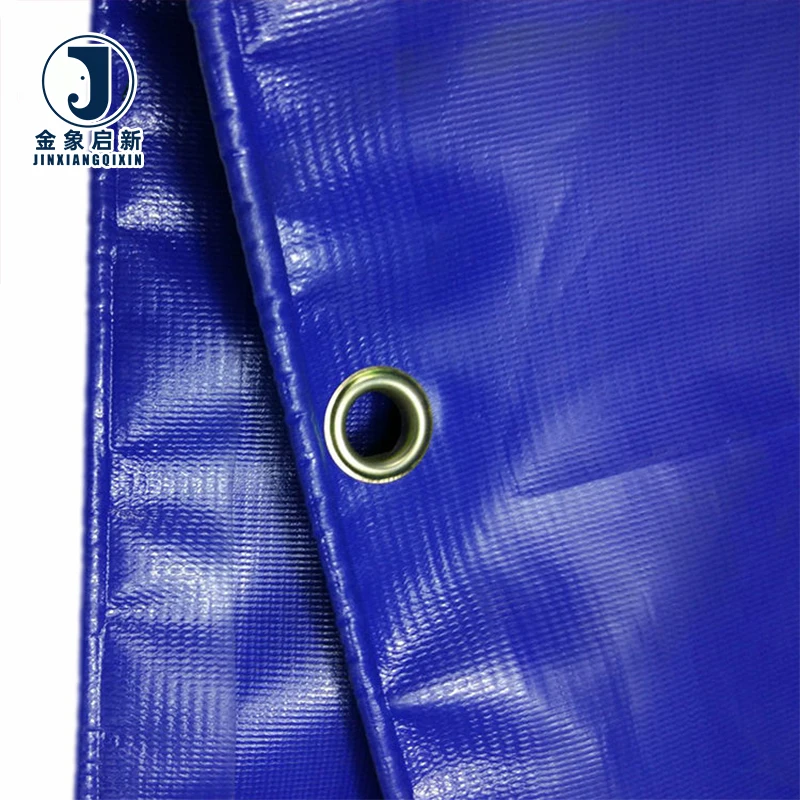
| Surface Finish | Glossy or matte |
| Colour Options | Blue, yellow, black, green, white, or custom |
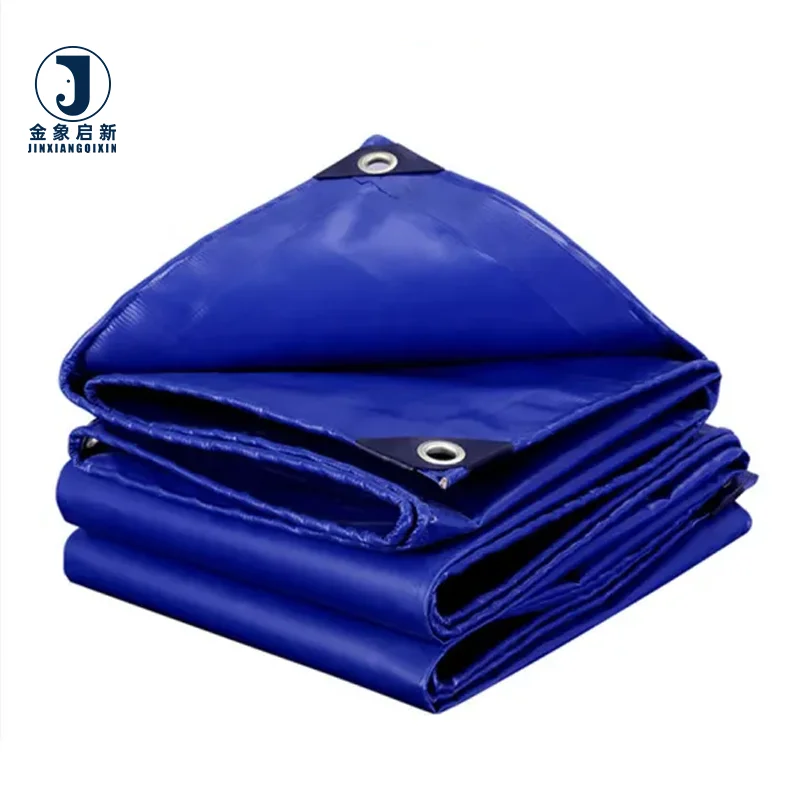
| Size Formats | 3×4m, 6×8m, 8×10m, 10×12m, or custom cut |
| Operating Temperature | -15°C to 70°C |
| Treatment Options | Waterproof, UV, flame retardant, anti-fungal |
| UV Treatment | Customized |
| Environmental Profile | Eco-friendly formulation |
| Key Features | Waterproof, rain-resistant, tear-resistant, flexible, high adhesion strength, abrasion-resistant |
| Certification Basis | ISO, CE |
Application Suitability
| Application | Exposure & Requirement |
|---|---|
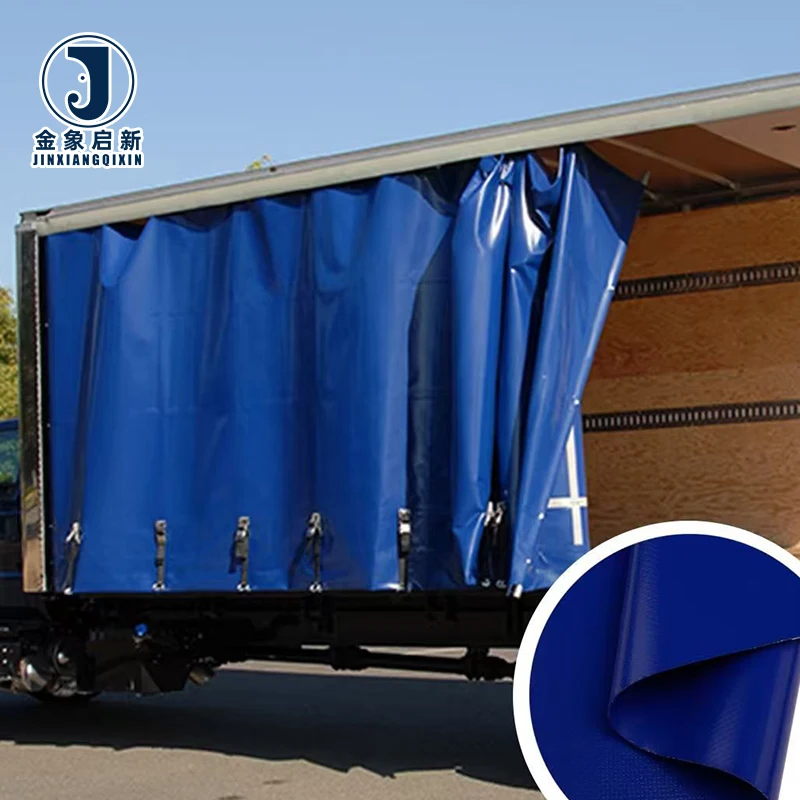
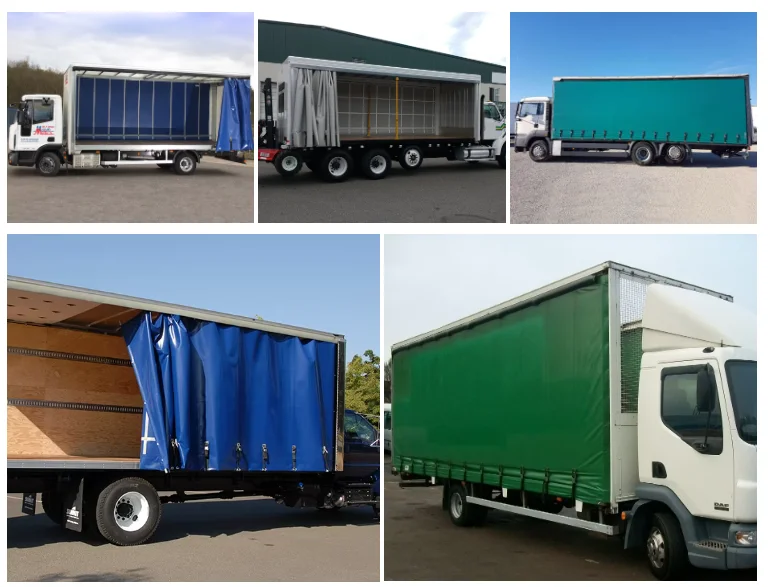
| Truck side curtains and lorry covers | Constant flexing at tie-down points, road debris abrasion, sustained UV exposure, weather cycling |
| Trailer and flatbed load enclosures | Wind load at highway speed, seam stress at load flex points, repeated rolling and tensioning |
| Construction site and equipment covers | Standing water contact, UV degradation, puncture risk from sharp-edged machinery |
| Agricultural stock and feed protection | Moisture ingress, UV fading, animal contact, wind uplift on open-sided structures |
| Tent and awning fabrication | Roll consistency for multi-panel cutting, colour matching across production runs, print surface adhesion |
Why Stated GSM Does Not Guarantee the Strength You Specified
Coating weight and base fabric denier must be read together — GSM alone tells you nothing about how the curtain will behave at the weld line under load.
A buyer once specified a heavy-grade PVC coated tarpaulin for truck curtains based on a quotation that listed the correct GSM. When the fabric arrived, the weight checked out on the scale, but the base fabric was a lighter denier with a thicker coating layer to compensate. The material tore at the flex point where the curtain meets the roller mechanism within the first season. GSM measures total mass per square metre — it does not distinguish between a dense, high-denier base fabric carrying a thinner coating and a loosely woven base buried under excess plastisol. Only when both the denier construction and the coating weight are documented can you predict how the fabric handles tensile stress at seams and eyelet reinforcements [NEED_CITE: tensile and tear test methods for coated fabrics per ISO 1421].
Matching Denier Construction to Load Stress on Moving Vehicles
When selecting PVC coated tarpaulin curtains aftermarket supplier stock for fleet vehicles, the base fabric denier is the first variable to examine. A 1000D×1000D weave provides a dense yarn structure that distributes tension across the warp and weft, reducing the risk of tear propagation at high-stress zones such as buckle contact points and roller-bar clamps. Lower denier options like 200D×300D serve lighter enclosure applications where the fabric does not bear mechanical load from tie-down straps or wind deflection at speed.
Surface Finish Selection for Print Adhesion and Field Maintenance
A glossy surface sheds road grime and resists dirt embedment, which matters for curtains that need to stay legible with branded fleet livery. A matte finish reduces glare and provides a more receptive surface for solvent-based ink adhesion during pattern printing. The choice between glossy and matte is not purely aesthetic — it affects how the PVC coated tarpaulin behaves through the printing press and how easily the installed curtain can be washed down at a depot between trips.
Reading the Weight-Denier Relationship for Curtain Panel Performance
Coating weight and base fabric density work together to determine how a panel handles the combined stress of wind load and mechanical flexing. A heavier coating on a mid-range denier base delivers waterproofing and abrasion resistance but may sacrifice the internal tear strength that the yarn structure provides. Conversely, a high-denier base with a thinner coating layer offers structural integrity at the weave level but may lack the surface durability needed for daily contact with loading dock edges and forklift tines.
The Cost of Specifying Weight Without Checking the Weld Window
Every PVC formulation has a specific thermal softening range, and the heat-seal temperature must match that range precisely. When the coating compound varies between batches — even within the same stated GSM — the weld line can become the weakest point on the entire curtain panel. I have seen heavy-grade coated rolls fail at the weld line while the fabric body remained intact, because the heat-seal operator used parameters from the previous batch without running a test strip first. The result is a curtain that passes visual inspection but delaminates at the seam under the first sustained wind load on the motorway [NEED_CITE: thermal bonding parameters for PVC coated polyester fabrics].
Why Production Consistency Matters More Than Unit Cost on Fleet Orders
When a transport company orders curtain panels for a mixed fleet, even a slight colour shift between rolls becomes visible once the curtains are hung side by side on adjacent trailers. Batch inconsistency in coating thickness also affects how panels fold and roll on the curtain mechanism — a stiffer panel puts extra load on the roller spring and wears the tracking rail faster. These are not cosmetic complaints. They generate callback labour, replacement dispatch costs, and vehicle downtime that outweighs any per-metre saving on the initial purchase.
What the Production Lines Deliver for This Range
Three full production lines and 36 sets of professional equipment run the PVC coated tarpaulin range from lightweight enclosure grades through to heavy-duty truck curtain weights, supporting bulk container orders with consistent lead times. A 10-person R&D team handles custom width requests, colour matching to Pantone or RAL references, and pattern artwork layout before the first roll goes into production. Dedicated QA and QC checkpoints at each production stage catch coating weight drift and colour variation before the material reaches the packing bench. Every roll undergoes inspection against the order specification before dispatch.
Documentation & Verification
- Material specification sheet confirming GSM, base fabric denier, and coating type per roll
- UV and flame retardant test reports supplied with applicable grades on request
- Pre-shipment inspection record documenting roll-by-roll weight and visual check
- Colour reference card matching the approved sample for multi-run consistency
- Certificate of origin and customs documentation for cross-border shipment
- ISO and CE certification copies included with first shipment documentation pack
Fabrication, Handling & Storage
- Heat-seal test strip run before every panel to confirm weld parameters match the batch coating formulation
- Glossy surface rolls stored flat or upright to prevent crease marks that telegraph through the finish
- Matte finish panels cleaned with mild detergent only — solvents may degrade the surface treatment layer
- Custom cut sizes folded with interleaving tissue to prevent coating transfer between contact faces
- Rolls conditioned to workshop temperature before unrolling to avoid low-temperature cracking below -15°C
- Reinforced hem tape applied at strap contact zones to distribute load across the base fabric weave
How to Build a Clear Enquiry for This Range
Specify the vehicle type or structure the curtain will cover, the typical operating climate, and whether the panels will be tensioned on a roller mechanism or fixed in place. State the target GSM range and the base fabric denier you need — or describe the load and wind conditions so we can recommend a construction. Confirm whether you require finished cut panels with hems and eyelets, or roll stock for your own fabrication shop. If colour matching or branded printing is part of the project, send the reference codes and the quantity per colour so we can confirm batch feasibility.
Frequently Asked Questions
Q: What weight and denier combination suits my truck curtain application?
A: Side curtains on articulated trailers typically use a mid-to-heavy GSM range on a 1000D×1000D base for tear resistance at strap and roller contact points. Lighter enclosures on rigid vans or agricultural trailers can use lower denier constructions. Send us the vehicle type, curtain mechanism, and tie-down arrangement so we can recommend the right weight-denier pairing.
Q: Can you match specific colours across multiple production runs?
A: Yes. We work to Pantone, RAL, or physical swatch references and produce a lab dip for approval before the full run. For fleet orders placed over multiple shipments, we retain the colour formula on file to maintain consistency. Request a sample panel from the first batch to confirm the match under your installation lighting conditions.
Q: What treatment certifications are available for UV and flame retardant grades?
A: UV-stabilised and flame retardant treatments are available across the range, with test reports provided for the grades we supply. The specific certification your market requires — whether building code, transport regulation, or site safety standard — determines which grade we formulate. State your compliance requirement at enquiry stage so we can confirm coverage.
Q: How are custom sizes and widths handled for roll stock orders?
A: Custom widths and lengths are produced to order across the full GSM and denier range. Minimum order quantities apply and vary by specification. Custom widths are slit on-line to your required dimension, and roll lengths can be set to minimise waste at your fabrication bench. Confirm the width, roll length, and total metres needed for a lead time estimate.
Q: What is the sample development process for custom requirements?
A: Once we receive your specification — including GSM, denier, colour, treatment, and finish — the R&D team prepares a sample within days. The sample is shipped for your evaluation of weight, hand feel, weld behaviour, and colour accuracy. After your approval, production proceeds on the agreed lead time with the approved sample held as the quality benchmark.
Related products
-
Factory Direct Sale Flatbed Trailer Tarps Black Heavy Duty Lumber Pe Tarp Flatbed Truck Transportation Tarpaulin Roll Sheet
¥1.25 Select options This product has multiple variants. The options may be chosen on the product page -
PVC-coated Waterproof Heavy-duty Vinyl Industrial Outdoor Reinforced Tarpaulins for Tents and Truck Covers
¥1.45 Add to cart -
Factory 12ftx20ft Construction Cold Weather Insulated Pe Tarps Poly Tarp Heavy Duty Concrete Curing Blanket Tarpaulin Roll Sheet
¥0.66 Add to cart -
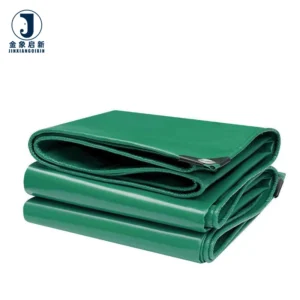
450gsm Green Heavy-duty Waterproof Tarps & Groundsheets Pvc Tarpaulin
¥1.25 Select options This product has multiple variants. The options may be chosen on the product page