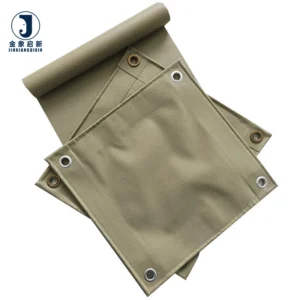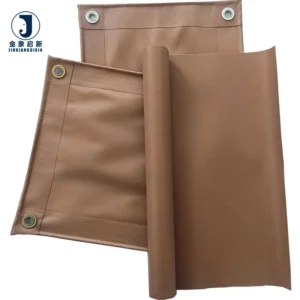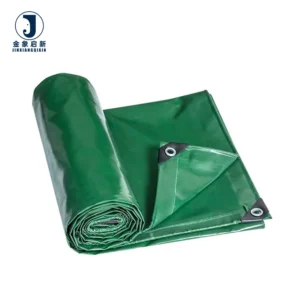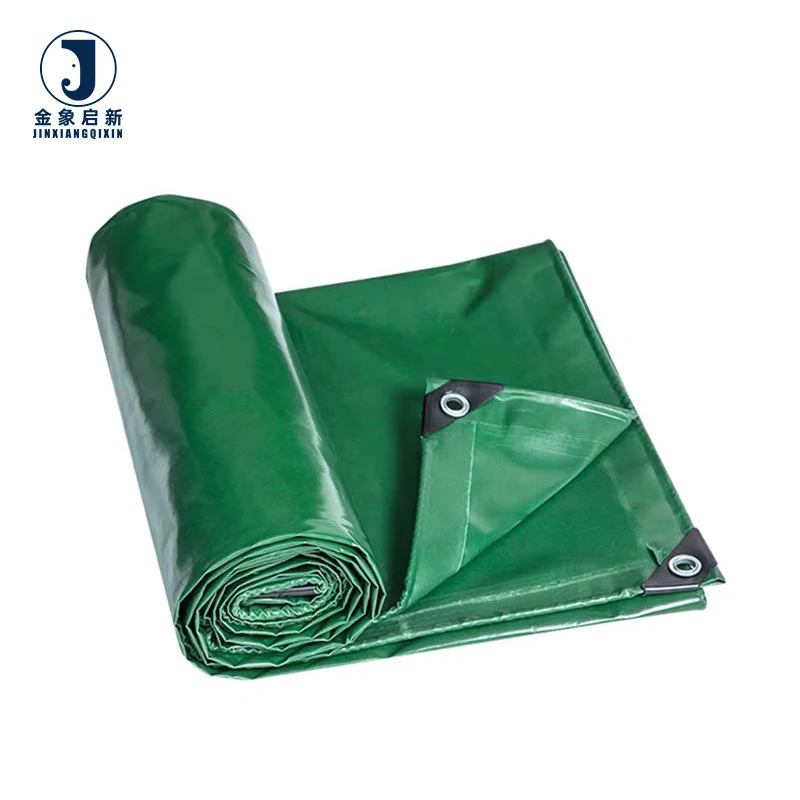
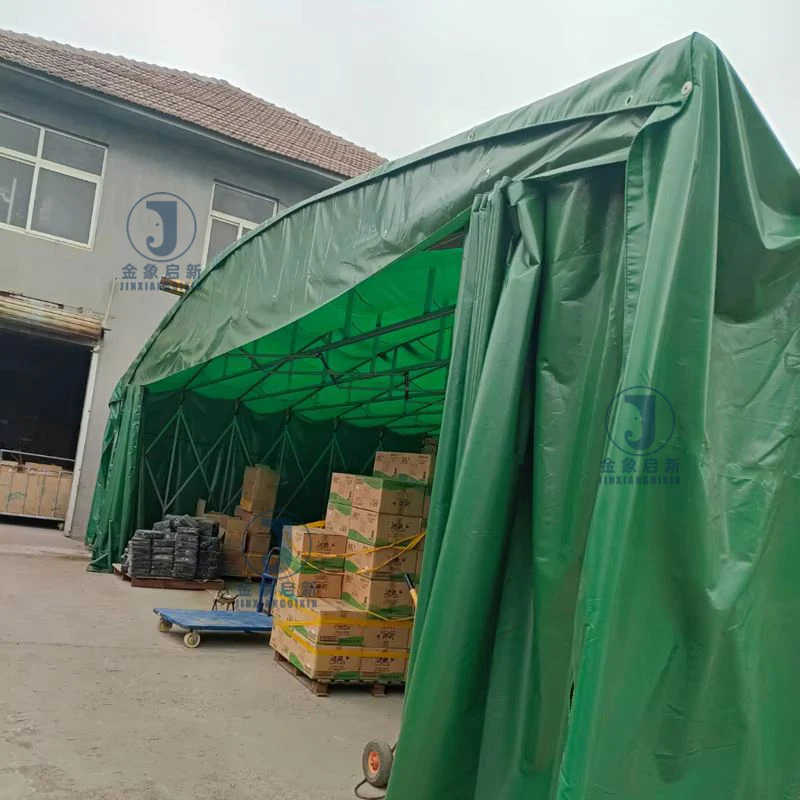
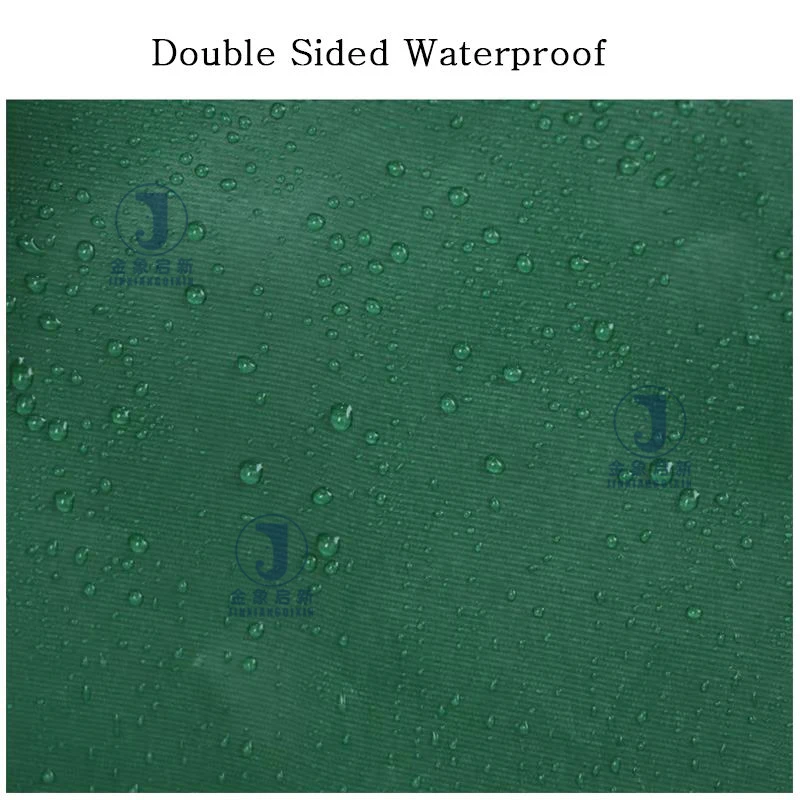
PVC Coated Tarpaulin for Membrane Structure and Stadium Roof — 100% high toughness polyester yarn base, 400–1500 g/m² weight range, 0.35mm–1.5mm thickness, hot melt coating and lamination technology for high adhesive strength at welded seams.
- Full GSM spectrum across three duty tiers — medium (400–500 GSM), heavy (700–1000 GSM) and super heavy (1100–1500 GSM) — covering membrane structures, stadium roofs, industrial pipe canopies and tensioned structural fabric
- Coating weight and base yarn denier (500D–2000D) together determine tensile performance; hot melt lamination delivers reliable seam integrity at flex points under load
- Custom width, roll length, colour matching and pattern printing handled in-house by a 10-person R&D team supporting full specification from sample to container-load delivery
Three full production lines with 36 sets of professional equipment and dedicated QA/QC at every production stage ensure batch colour consistency and on-time roll dispatch with complete documentation.
Description
Proven Process Control — nearly three decades focused on PVC coated fabric production, delivering documented GSM, verified treatment options, and batch-consistent rolls for membrane structures and industrial covers from a single facility.
Technical Specifications
| Parameter | Value |
|---|---|
| Product Type | PVC Coated Tarpaulin Fabric |
| Material | 100% high toughness polyester yarn with PVC coating |
| Coating Technology | Lamination / Hot melt coating |
| Weight Range | 400 g/m² – 1500 g/m² (medium / heavy / super heavy tiers available) |
| Thickness Range | 0.35 mm – 1.5 mm |
| Base Yarn Denier | 500D – 2000D |
| Tensile Strength (Warp) | 1500 – 3000 N/5cm |
| Tensile Strength (Weft) | 1200 – 2800 N/5cm |
| Welding Tear Strength | Excellent (verify against test report) |
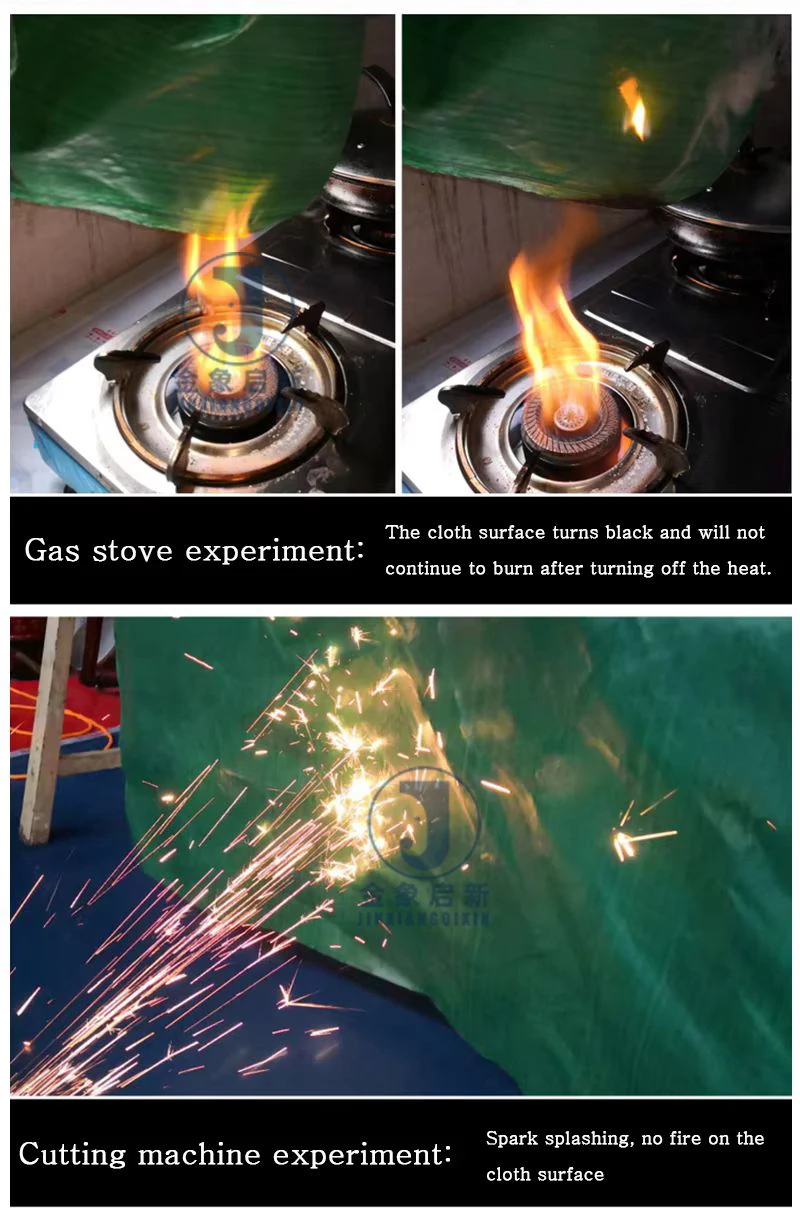
| Surface Treatment Options | Flame retardant / Anti-static / Cold resistant / Mold proof / UV resistant (grades available — confirm the grade required for your market) |
| Weather Resistance | 3–5 years outdoor service (test basis not stated — request supporting documentation) |
| Color Fastness | Best grade (test standard not stated — confirm on request) |
| Standard Width / Length | Customizable |
| Certification | ISO and CE (specific certificate numbers not stated) |
Application Suitability
| Application | Exposure & Requirement |
|---|---|
| Membrane structures and stadium roofs | Continuous UV exposure, high wind loading, tensioned stress across welded seams, long service life expected |
| Industrial pipe canopies | Chemical-laden atmosphere, thermal cycling, permanent outdoor installation requiring dimensional stability |
| Tensioned structural fabric | Biaxial stress under pre-tension, weld integrity at connection points, fire safety compliance for enclosed spaces |
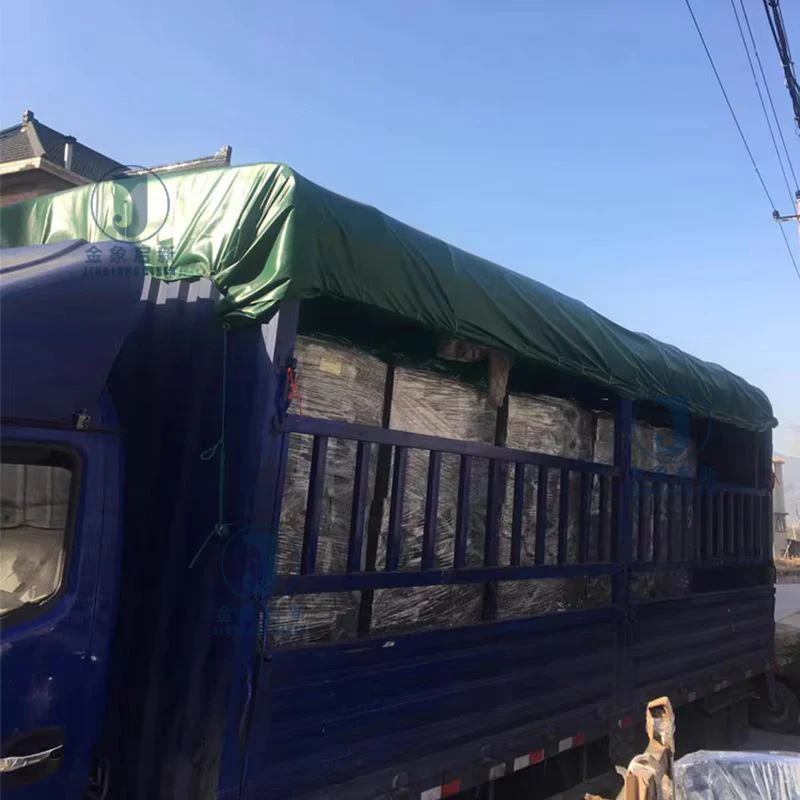
| Heavy truck tarpaulins | Road abrasion, constant flexing at tie-down points, weather and debris impact during transit |
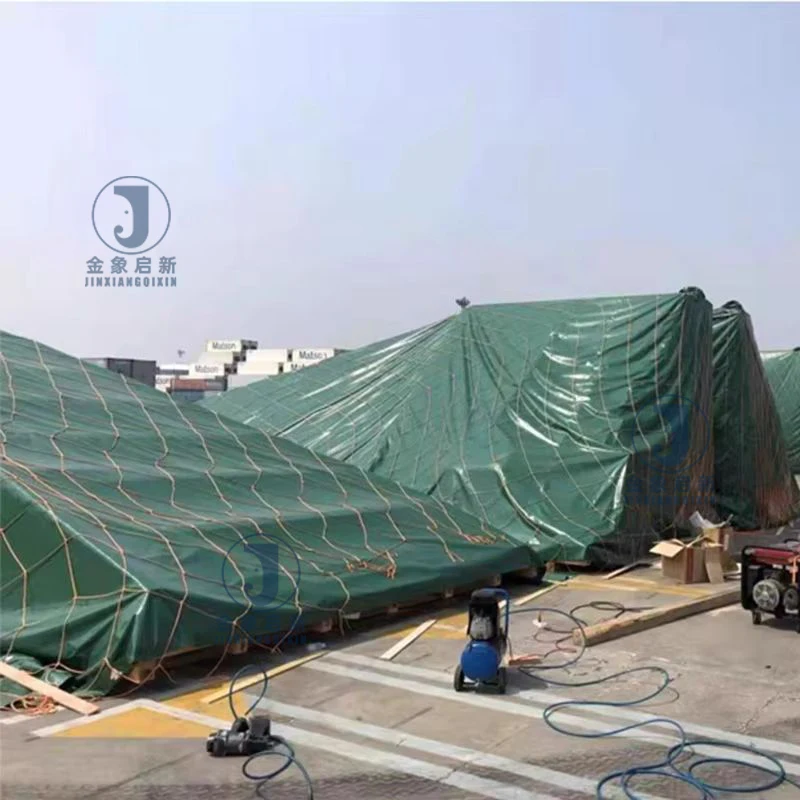
| Engineering protective covers | Puncture risk from equipment edges, outdoor storage exposure, repeated handling and folding |
Why Stated Flame Retardancy Without a Grade Creates Compliance Risk
A quotation line that reads "flame retardant" does not satisfy a building inspector, a mine safety auditor, or a port authority.
When sourcing PVC coated tarpaulin fabric for membrane structures or enclosed industrial spaces, the fire classification your project requires depends entirely on the jurisdiction. A fabric labeled flame retardant without a cited grade — such as B1 per DIN 4102 or M2 per NF P 92-507 — leaves the buyer carrying the compliance risk. [NEED_CITE: fire classification standards for architectural membrane fabrics vary by region and application]
I have reviewed project specifications where the fabric passed initial sourcing but failed site acceptance because the test report referenced a standard that the local authority did not recognize. The cost is not just material replacement — it is schedule delay, reinstallation labor, and damaged contractor reputation. Always request the test report before committing to roll production, and verify the cited standard matches your market’s fire safety code.
Matching the Duty Tier to Your Structural Load
The PVC coated tarpaulin fabric range covers three distinct duty tiers. Medium-weight grades around 400–500 g/m² with 500D base yarn suit temporary covers, light truck tarpaulins, and awning applications where flexibility and ease of handling matter more than ultimate tensile values. Heavy-duty grades at 700–1000 g/m² with 1000D yarn serve side curtains, equipment covers, and medium-span membrane structures where sustained wind load and abrasion resistance are required.
Super heavy-duty fabric from 1100–1500 g/m² with yarn up to 2000D is specified for permanent membrane structures, stadium roofs, and large-span tensioned canopies. At this tier, the base fabric density and coating weight together determine how the material behaves under biaxial pre-tension and at welded connection details. [NEED_CITE: relationship between base yarn denier and biaxial tensile performance in architectural membrane fabrics]
Hot Melt Coating and the Weld Line Integrity
Lamination and hot melt coating technology control how the PVC layer bonds to the polyester base fabric. Strong adhesion between coating and yarn is what allows welded seams to perform at flex points — when the seam is heat-welded, the PVC layers fuse together, and if the coating-to-yarn bond is weak, the weld tears before the fabric body does.
This matters most in membrane structures where every panel is joined by welded seams that carry structural load. A coating process that delivers consistent thickness across the full roll width ensures predictable weld parameters during fabrication. Inconsistent coating weight forces fabricators to adjust temperature and dwell time panel by panel, introducing variability into every seam on the project.
Reading the Specification Sheet Beyond GSM
GSM alone tells you how much material is in each square meter, but it does not tell you how that weight is distributed between base fabric and coating. Two rolls at the same GSM can perform very differently: one may have a heavier base yarn delivering higher tensile and tear strength, while the other carries more coating weight for surface durability but less structural contribution from the yarn.
The base yarn denier — ranging from 500D to 2000D across this product family — directly affects tear propagation resistance. Higher denier yarns in the warp and weft create a base fabric that resists tear extension once a puncture or cut occurs. Tensile strength values from 1500 N/5cm in lighter grades to 3000 N/5cm in super heavy grades reflect the combined contribution of yarn count, weave density, and coating adhesion. [NEED_CITE: tensile and tear test methods for coated fabrics per ISO 1421]
Coating method also shapes fabrication behaviour. Hot melt coated fabric typically delivers higher peel strength at the coating-to-yarn interface compared to standard lamination, which translates to better weld performance during panel joining. For membrane structure fabricators, this means fewer rejected seams and more consistent structural performance across the installed canopy.
The Hidden Cost of Colour Variance Across Rolls
When multiple rolls of PVC coated tarpaulin fabric arrive for a single membrane structure or stadium roof project, even slight colour variation between rolls becomes visible once panels are welded side by side overhead in natural light. This is not a cosmetic concern on a truck cover hidden at the back of a trailer — on a tensile roof over a public concourse, colour inconsistency is immediately apparent to the client and the architect.
Batch colour control depends on pigment dosing precision and coating temperature consistency across the production run. When a supplier cannot guarantee roll-to-roll colour matching within a single order, the buyer faces the choice of accepting a visible panel mismatch or rejecting rolls and delaying the installation schedule. [NEED_CITE: colour consistency measurement standards for architectural coated fabrics]
Why Buyers Source This Range From One Facility
Three full production lines and 36 sets of professional equipment support bulk capacity with reliable delivery across the complete PVC coated tarpaulin fabric range — from lightweight truck cover grades to super heavy-duty membrane structure rolls.
A 10-person R&D team handles material selection, custom width development, colour matching, and sample production, enabling buyers to approve a sample roll before committing to container-load quantities.
Dedicated quality control at every production stage includes coating weight verification and 100% pre-shipment inspection, so GSM and colour consistency are confirmed before rolls leave the facility.
Hot melt coating and lamination processes are controlled in-house, giving the production team direct command over coating adhesion and thickness uniformity across each roll.
Samples for custom width, treatment combination, and colour requirements are developed within days, reducing the gap between initial inquiry and confirmed specification.
Documentation & Verification
- Material specification sheet stating exact GSM, base fabric denier, coating method, and colour reference per roll
- Test reports for flame retardant and anti-static treatments supplied where applicable to support market compliance
- Pre-shipment inspection record confirming weight, colour consistency, and surface quality before dispatch
- Roll packing list with individual roll weights and dimensions for customs and receiving verification
- Certificate of origin and customs documentation included with every international shipment
- ISO and CE certification available to support project submittal requirements
Fabrication, Handling & Storage
- Hot weld super heavy-duty grades at verified temperature and dwell time to maintain coating adhesion at structural seams
- Store rolls upright on pallets to prevent flat-spot deformation on the PVC coating surface
- Allow cold-weather rolls to acclimatize before unrolling to avoid coating crack on heavy-duty grades
- Use compatible PVC-based cleaners only to protect the surface treatment on UV-resistant and flame retardant rolls
- Plan panel cutting layout to minimize waste and welded seams across the full width of each roll
- Reinforce tie-down and eyelet areas with additional PVC patches where heavy-grade fabric meets hardware
What to Include With Your Inquiry
Provide the application type and exposure conditions — whether the fabric will be tensioned in a permanent membrane structure, used as a removable truck cover, or installed as an industrial canopy. Specify any fire safety classification or anti-static requirement mandated by your local authority or project specification. Include the target colour, required roll width, and estimated annual volume so the production team can confirm capability and lead time against your project schedule.
Frequently Asked Questions
Q: What GSM and denier do I need for a membrane structure versus a truck side curtain?
A: Membrane structures typically require super heavy-duty fabric in the 1100–1500 g/m² range with higher denier base yarn for tensile load and tear resistance. Truck side curtains perform well with heavy-duty grades at 700–1000 g/m² where flexibility and abrasion resistance balance against weight. Confirm the exact grade with your structural engineer or vehicle specification.
Q: Can flame retardant and anti-static treatment be combined on the same roll?
A: Both treatments are available and can be applied during the coating stage on a single roll. Because the specific flame retardant grade and anti-static standard depend on your market requirements, provide the target compliance codes with your inquiry so the correct treatment combination is confirmed before production begins.
Q: How do you guarantee colour consistency across multiple rolls in one order?
A: Every production run is monitored for pigment dosing and coating temperature to maintain colour uniformity. A pre-shipment inspection record documents the colour check across all rolls in your order. For projects where panels are installed adjacent to one another, request a sample panel from the production batch for visual approval before the full order ships.
Q: What documentation ships with each roll order?
A: Each shipment includes a material specification sheet with GSM, denier, and coating details, test reports for any claimed treatments such as flame retardancy or UV resistance, a pre-shipment inspection record, a roll packing list with weights and dimensions, and a certificate of origin. ISO and CE certificates are available for project submittal packages.
Related products
-
JX Fireproof 500gsm 600gsm Customizable PVC Tarpaulin Waterproof Truck Cargo Cover
¥0.79 Select options This product has multiple variants. The options may be chosen on the product page -
900GSM Heavy Duty PVC Coated Tarpaulin Panama Tarpaulin Curtains for Lorries
¥7.78 Add to cart -

450gsm Green Heavy-duty Waterproof Tarps & Groundsheets Pvc Tarpaulin
¥1.25 Select options This product has multiple variants. The options may be chosen on the product page -
Wholesale Pvc Tarpaulin Wear-resistant Waterproof Multi-purpose Heat-resistant Tarpaulin
¥2.00 Add to cart