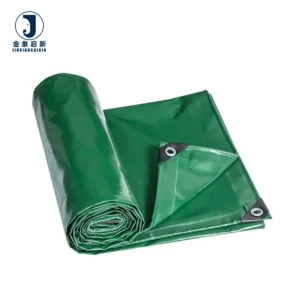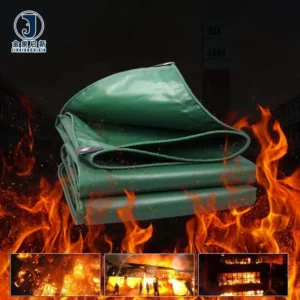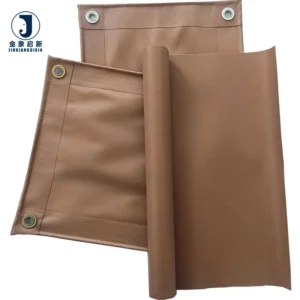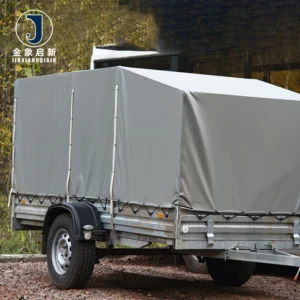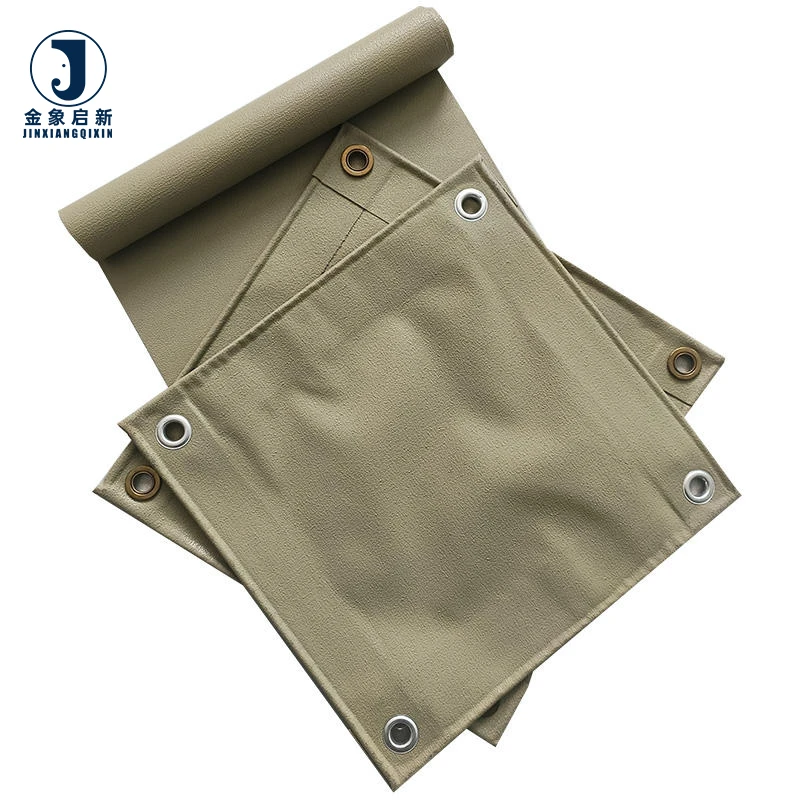
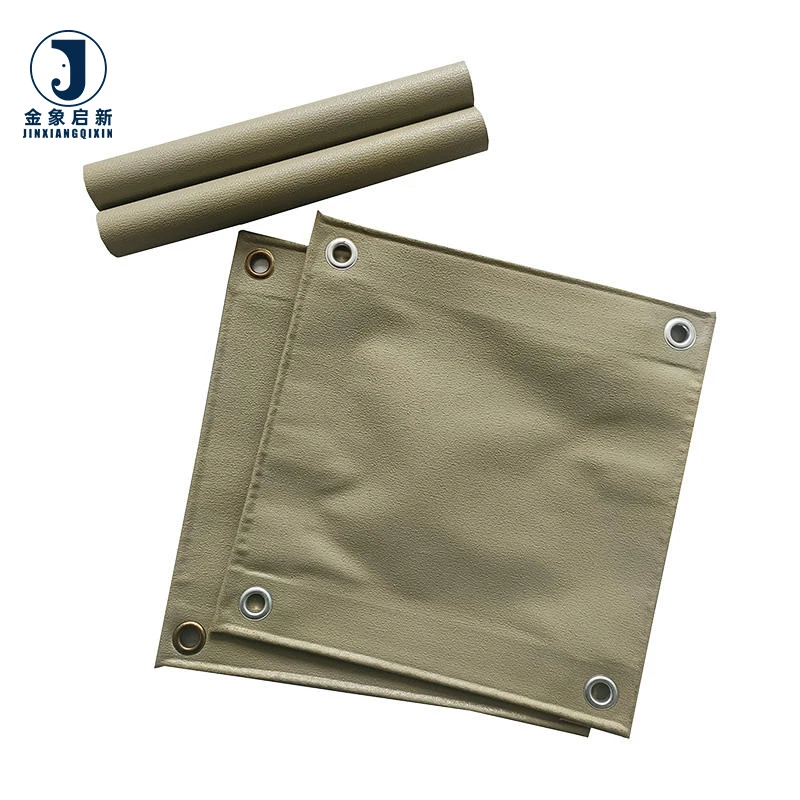
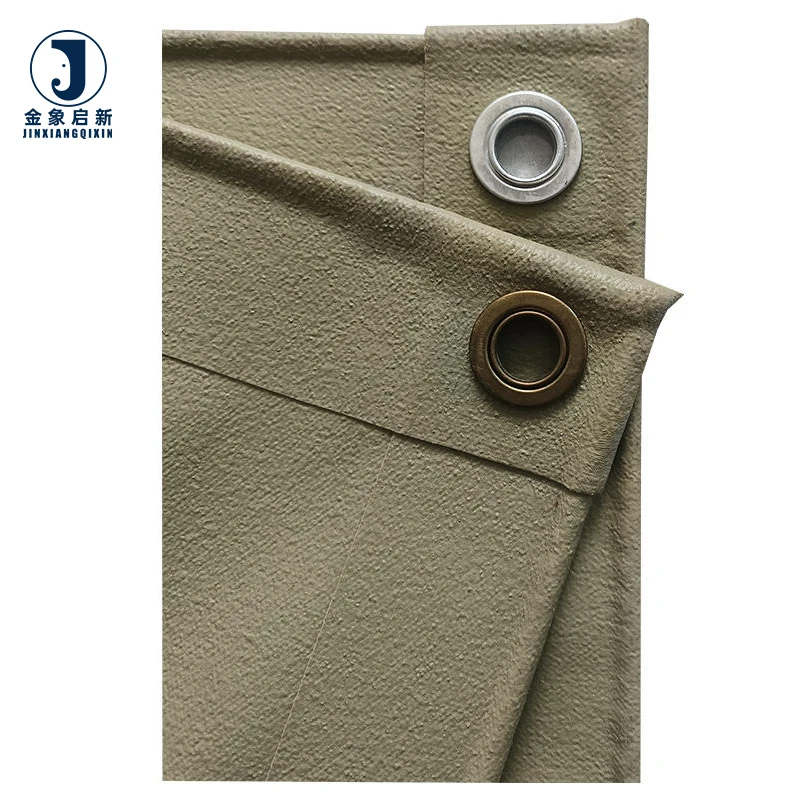
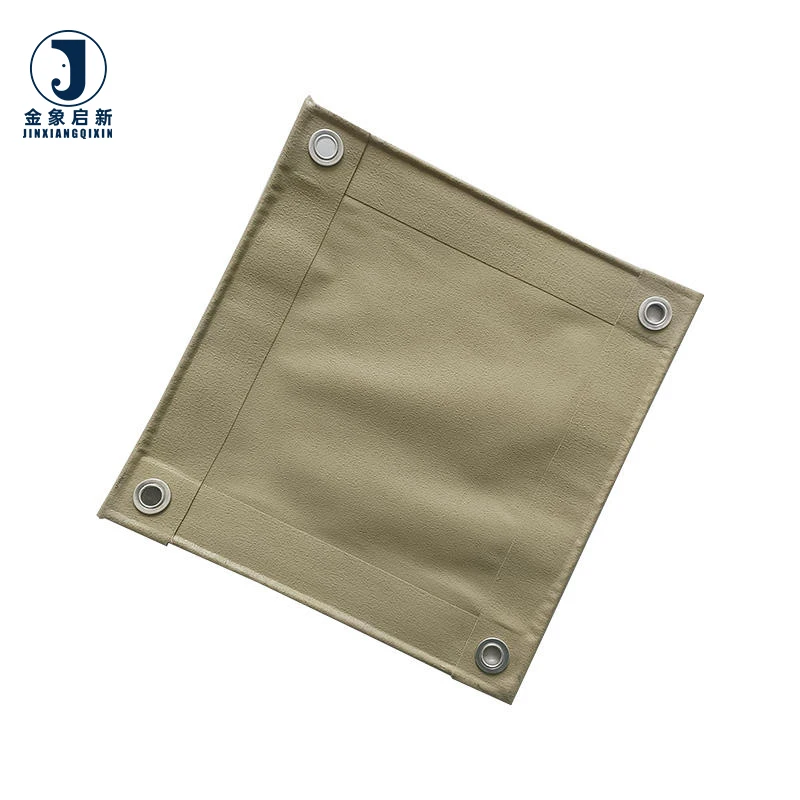
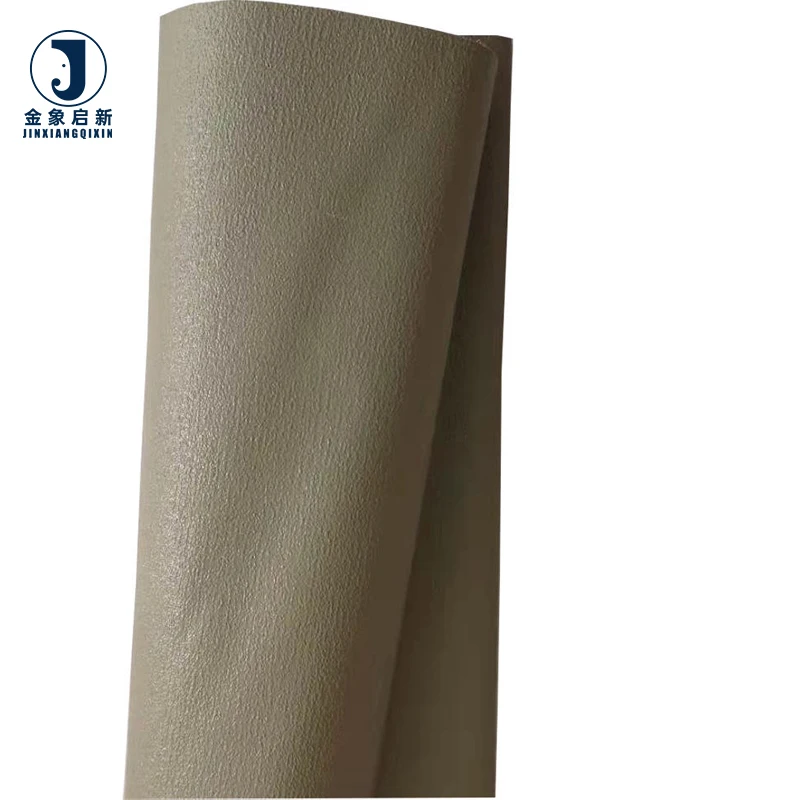
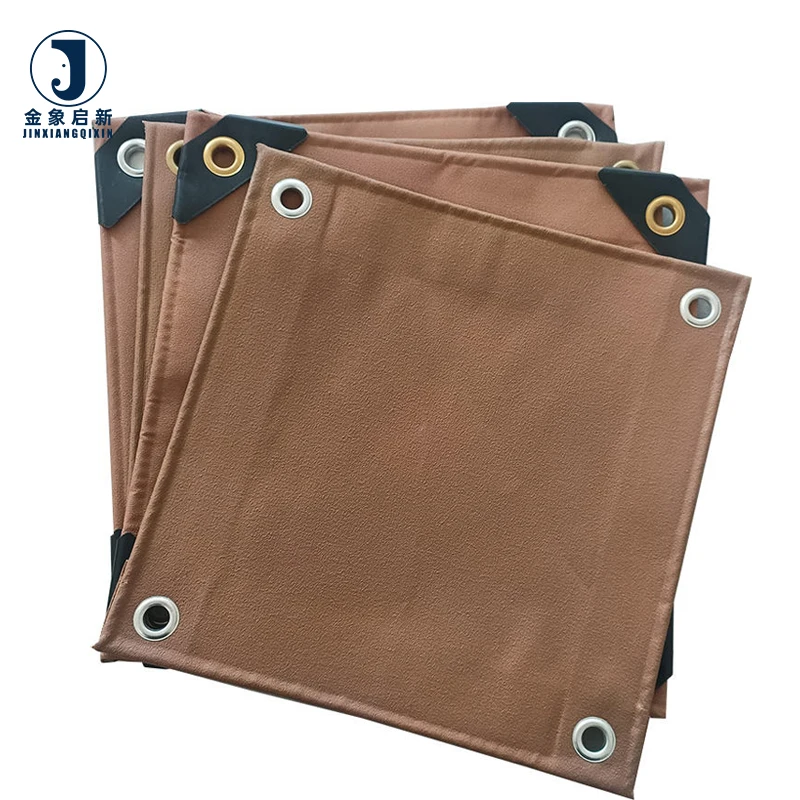
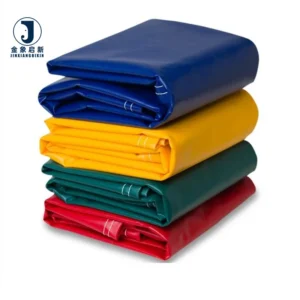
PVC Coated Tarpaulin Truck Cargo Cover — available in 700gsm, 850gsm, and 900gsm weights with flame retardant, anti-static, anti-cold, and anti-mildew treatment options.
- Designed for transport fleet operations where seam integrity at flex points determines cover lifespan
- Weight grade selection balances tensile strength against handling ease during daily rigging
- High-strength construction reduces installation damage across repeated use cycles
- Weather resistance rated for 1-3 years outdoor exposure
Supported by dedicated QA inspection at every production stage with full pre-shipment verification against your specification sheet.
Description
Coating Adhesion Mastery — Nearly 30 years of coating process control ensures consistent PVC adhesion across every roll, preventing delamination under load flex and road vibration.
Technical Specifications
| Parameter | Value |
|---|---|
| Product Type | PVC Coated Tarpaulin |
| Material | PVC Coated Fabric |
| Weight Options | 700gsm / 850gsm / 900gsm |
| Available Treatments | Flame Retardant / Anti-Static / Anti-cold / Anti-mildew (grade not stated) |
| Weather Resistance | 1–3 years outdoor life assurance |
| High Strength Construction | Yes — designed to resist installation damage |
| Surface Finish | Glossy or matte (confirm requirement) |
| Application | Truck Cargo Cover |
Application Suitability
| Application | Exposure & Requirement |
|---|---|
| Flatbed trailer cargo cover | Wind load, tie-down abrasion, UV exposure, road spray |
| Curtainsider side curtain | Constant flexing at pleat points, friction against load edges |
| Construction equipment cover | Debris impact, prolonged sun, repeated folding and unfolding |
| Agricultural cargo weather protection | Moisture ingress, mildew risk in humid storage, seasonal deployment |
What GSM Alone Does Not Tell You About Truck Cover Durability
GSM measures weight, not weld integrity — the seam is where most truck covers fail first.
When a PVC coated tarpaulin aftermarket supplier quotes 850gsm, the number refers to the combined weight of base fabric and coating per square metre. A heavy-coat, low-density base fabric can hit the same GSM as a lighter-coat, high-density weave, yet behave completely differently under the cyclic tension a truck cover endures. The welded seams — where two panels meet at high-flex zones — rely on coating adhesion and base fabric interlock, not simply total weight. A cover that passes the scale check can still split at the weld within months if the base fabric lacks the denier and weave density to hold the seam under load shift. [NEED_CITE: tensile and tear test methods for coated fabrics per ISO 1421]
Weight Grade Selection for Fleet-Specific Demands
The three available weight options — 700gsm, 850gsm, and 900gsm — serve different fleet operating profiles. A 700gsm PVC coated tarpaulin suits light-duty seasonal covers deployed for short-haul or indoor storage protection, where the material sees limited flex cycles and moderate UV exposure. The 850gsm grade balances handling weight with durability for long-haul curtainsiders that endure daily pleat folding and tie-down stress. The 900gsm option targets heavy-equipment covers and oversized load protection, where the added mass provides resistance against debris impact and edge abrasion. Choosing the correct grade avoids both under-specification and unnecessary handling fatigue.
Treatment Specifications Must Match the Operating Environment
Flame retardant, anti-static, anti-cold, and anti-mildew treatments are available, but the specific grade required depends entirely on the regulatory jurisdiction and the operating environment of the fleet. A truck cover operating in a mining concession may require a documented anti-static rating; a cover used on a construction site near hot-work zones may need a specific flame retardant classification. Request the test documentation for the treatment grade you specify before confirming the order — a claim on a quotation without a supporting test report is a compliance risk waiting to materialise at the job site. [NEED_CITE: DIN 4102 fire classification for building materials]
How Coating Weight and Base Fabric Density Interact
GSM is the sum of base fabric weight and PVC coating weight, but these two components contribute differently to performance. Base fabric denier and weave density determine tensile strength and tear propagation resistance — the structural backbone that keeps a truck cover intact when wind loads the panel or a sharp load edge concentrates stress. The PVC coating provides waterproofing, UV screening, and the thermal bonding surface that makes welded seams possible. A 900gsm fabric with a low-density base and thick coating will resist water and abrasion well but may tear easily once the coating is scored. Conversely, a tighter base weave at a lower total GSM can outperform a heavier, loosely woven alternative at the weld line — which is precisely where truck cargo covers experience peak stress during transport.
The Cost of Specification Errors in Truck Cover Procurement
Colour variation between rolls in a single shipment becomes immediately visible once multiple panels are installed side by side on a fleet of trailers — forcing either acceptance of a mismatched appearance or a full reorder. Welded seams that fail before the fabric body does leave the cargo exposed at exactly the point where aerodynamic load is highest, typically along the rear quarter of a curtainsider panel. Undocumented flame retardant or anti-static treatments that cannot be presented at a site safety audit result in the cover being rejected outright, leaving cargo unprotected and the fleet non-compliant. These failures are specification and verification failures, not material failures. [NEED_CITE: common failure modes in welded PVC tarpaulin seams]
Why Source This PVC Coated Tarpaulin Here
Three full production lines with 36 sets of professional equipment support bulk roll output with on-time dispatch, reducing the procurement risk for fleet operators managing multi-trailer deployments. A 10-person R&D team handles custom sizing, pattern printing development, and sample approval — enabling covers cut to specific trailer models rather than generic dimensions that leave gaps at the corners. Dedicated QA/QC inspection at every production stage, with 100% pre-shipment checking, catches coating weight deviation and colour drift before rolls are packed. ISO and CE certification provides a documented quality baseline that satisfies fleet compliance auditors. Sample development within days allows side-by-side comparison against existing covers before a production commitment is made.
Documentation & Verification
- Material specification sheet stating exact GSM, base fabric denier, and coating weight for each roll
- Test report for flame retardant or anti-static treatment citing the specific grade and test standard
- Weight verification per roll against the stated GSM before dispatch
- Pre-shipment inspection record covering seam integrity and colour consistency
- Certificate of origin and customs documentation for cross-border fleet procurement
Fabrication, Handling & Storage
- Heat-weld seams at temperatures matched to the selected 700gsm, 850gsm, or 900gsm coating weight to prevent delamination
- Reinforce tie-down eyelet zones with additional PVC patches to distribute load across the base fabric weave
- Store rolls upright on pallets to prevent flat-spot creasing that weakens the coating at fold lines
- Allow cold-stored rolls to reach ambient temperature before unfolding to avoid coating crack in anti-cold treated grades
- Clean with mild detergent only — solvent-based cleaners degrade the PVC surface and compromise anti-mildew treatment
- Plan panel cutting layout to minimise transverse welds across high-flex zones on curtainsider applications
Request a Specification Match for Your Fleet
Provide the truck or trailer model, the operating climate, and any site-specific compliance requirements such as flame retardant classification or anti-static rating. Specify whether you need finished covers cut to vehicle dimensions or roll stock for in-house fabrication, and indicate your annual volume to support batch colour consistency planning.
Frequently Asked Questions
Q: How do I verify the actual GSM matches what was quoted?
A: Every roll ships with a weight verification record checked during pre-shipment inspection. On receipt, you can conduct a cut-sample weigh test on any roll — a 10cm × 10cm sample from a 850gsm roll should weigh 8.5 grams. Discrepancies should be flagged immediately against the dispatch documentation provided.
Q: What test documentation comes with flame retardant or anti-static treatments?
A: Each treated batch ships with a test report citing the specific grade and the test standard used. Before confirming your order, specify the exact classification your market or site requires — our team will confirm whether the available grade meets that standard and provide the supporting documentation.
Q: Can I order custom sizes for specific truck trailer models?
A: Yes. The R&D team develops samples cut to your exact trailer dimensions, accounting for eyelet placement, overlap allowances, and reinforcement zones at high-stress points. Samples are typically ready within days, allowing physical fitment checks before full production begins.
Q: How do you ensure colour consistency across multiple rolls?
A: Production runs for a single order are scheduled consecutively on the same line with the same coating batch. In-process QA checks compare each roll against the approved colour reference under standardised lighting, and the pre-shipment inspection covers roll-to-roll consistency before dispatch.
Q: What is the typical lead time for custom width or colour orders?
A: Custom specifications require dedicated production scheduling on one of three available lines. Lead times depend on the complexity of the colour match, treatment requirements, and order volume — confirm your timeline during the quotation stage so production can be sequenced accordingly.
Related products
-
JX PVC Waterproof Fabric High-strength Sheeting for Industrial and Outdoor Coverings
¥1.90 Select options This product has multiple variants. The options may be chosen on the product page -
PVC Fabric Material Woven Tarpaulin Waterproof Woven Fabric Tarpaulin
¥0.50 Add to cart -
Heavy Duty Waterproof PVC Tarpaulin Roll Cover for Truck Tent Outdoor Storage and Industrial Use
¥1.48 Add to cart -

450gsm Green Heavy-duty Waterproof Tarps & Groundsheets Pvc Tarpaulin
¥1.25 Select options This product has multiple variants. The options may be chosen on the product page