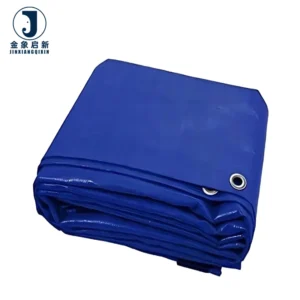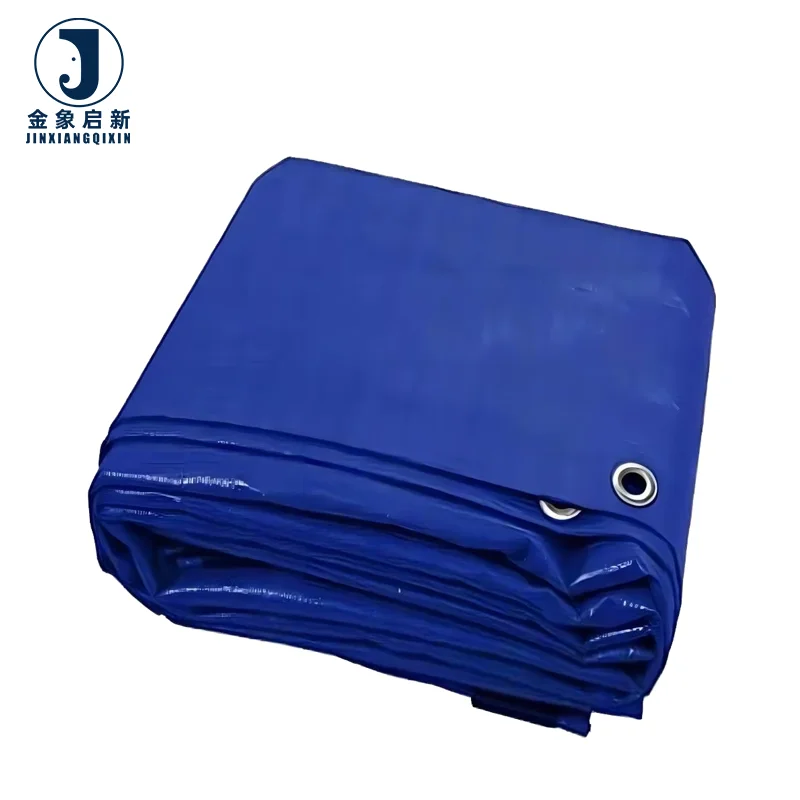
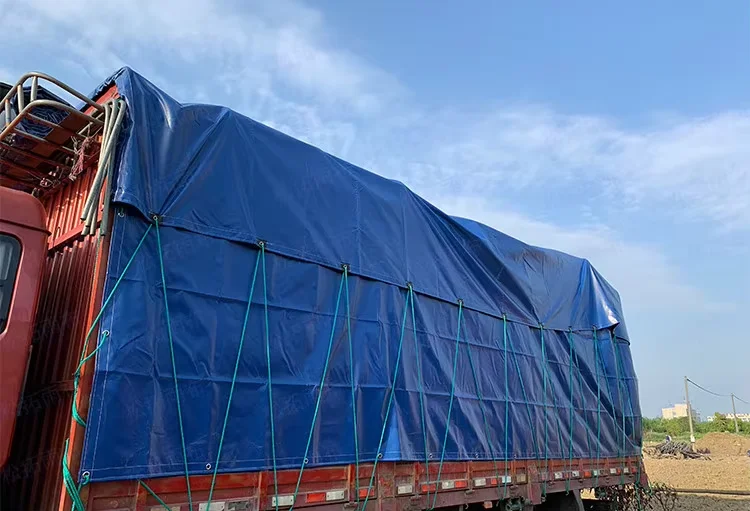
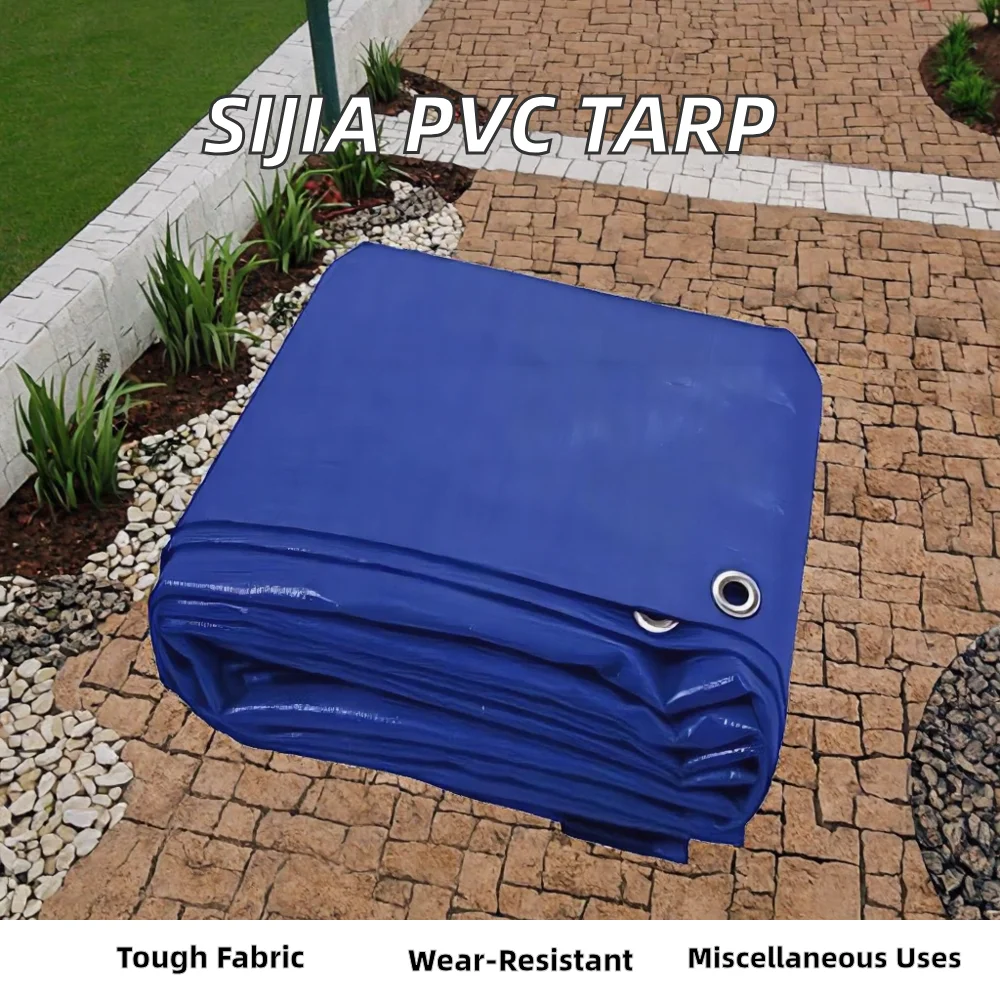
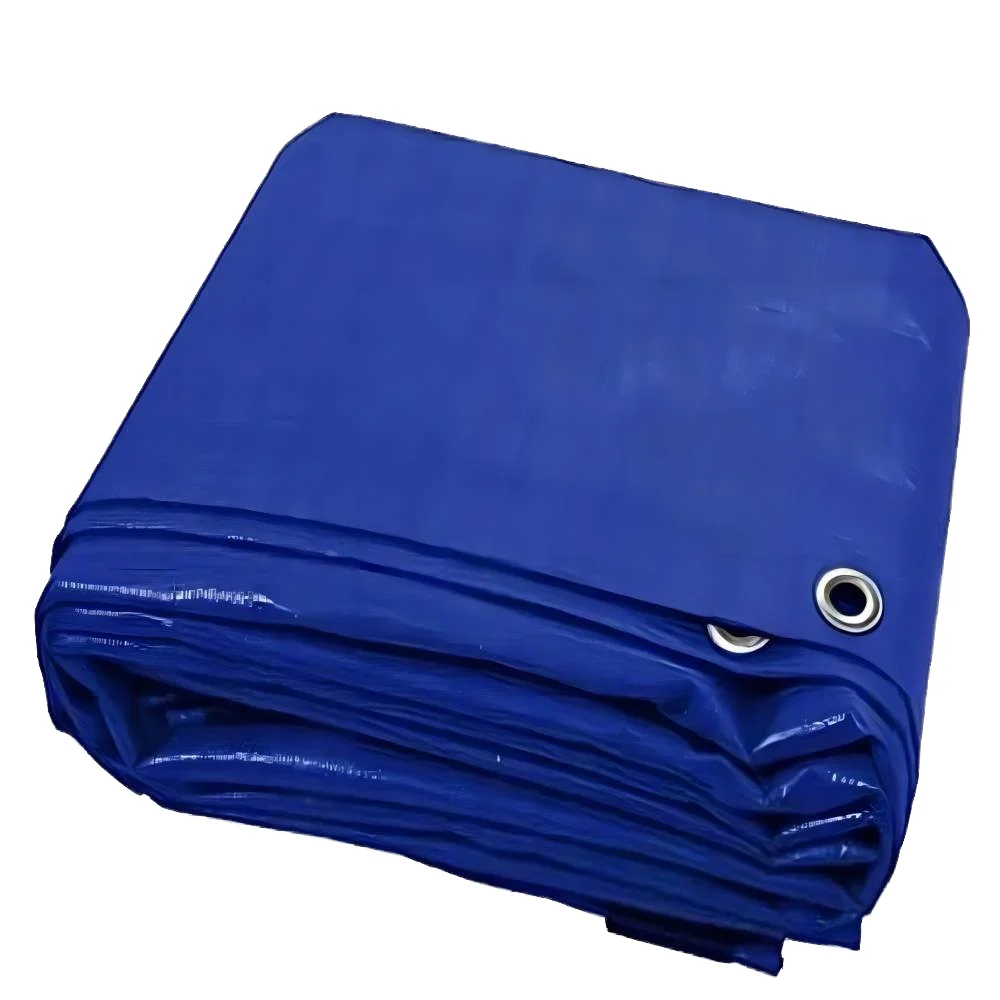
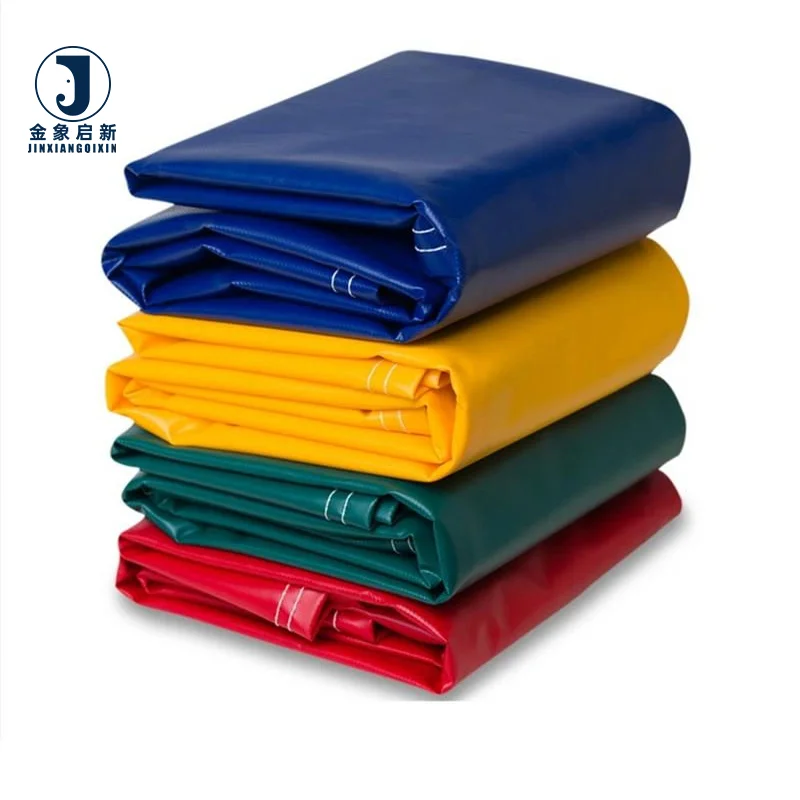
Waterproof Heavy Duty PVC Truck Tarpaulin Cover with high-strength polyester mesh, hot-melt PVC coating, and cold crack resistance for demanding transport environments.
- Knife-coated construction ensures reliable GSM consistency and strong adhesion between coating and base fabric across every roll
- Full customization available for width, length, color, eyelets, reinforced hems, and pattern printing to match specific trailer models
- Multiple weight options from 350 gsm to 750 gsm with corresponding thickness from 0.32 mm to 0.65 mm
Dedicated QA/QC at every production stage with 100% pre-shipment inspection ensures specifications match your quotation.
Description
Precision-coated fabric at verified weight — every roll of FLFX 650 Gsm 630 Gsm is inspected against its stated GSM before leaving the line, eliminating the mismatch between quotation and arrival that plagues transport fabric procurement.
Technical Specifications
| Parameter | Value |
|---|---|
| Product Type | PVC Coated Tarpaulin |
| Material | PVC + High-strength polyester mesh fabric |
| Weight (GSM) | 350 gsm / 420 gsm / 500 gsm / 550 gsm / 600 gsm / 750 gsm |
| Total Thickness | 0.32 mm / 0.35 mm / 0.4 mm / 0.45 mm / 0.5 mm / 0.65 mm |
| Roll Width | 2 m / 2.1 m |
| Roll Length | 75 m (2 m width) / 50 m (2.1 m width) |
| Coating Technology | Laminated technology & Hot-melt coating technology |
| Key Features | Waterproof, anti-mildew, cold crack resistance, anti-static treatment (grade not stated), UV treatment (test basis not stated) |
| Color | Blue / Red / Yellow / Light blue / Grey (Customizable) |
| Finish Product Size | Custom sizes per customer requirements or sold by inventory |
| Standards | ISO, CE |
Application Suitability
| Application | Exposure & Requirement |
|---|---|
| Truck and trailer side curtains | Constant flexing at load points, road spray, wind abrasion, tie-down stress at eyelets |
| Cargo ship deck covers | Saltwater exposure, heavy wind load, prolonged UV contact, puncture risk from cargo edges |
| Tent and temporary structure covers | Repeated assembly and teardown, weather exposure, seam stress at frame contact points |
| Logistics fleet load protection | Daily roll and fold cycles, friction against cargo surfaces, temperature fluctuation across regions |
Why Stated GSM Rarely Matches What Arrives on the Dock
Verified weight per roll is the only way to confirm you received what you paid for.
When buyers specify a heavy-grade PVC coated tarpaulin for truck covers, the quotation lists one GSM value while the material on arrival often weighs less. The difference may not be visible until the fabric is under load, where lighter coating fails at stress points that the specified weight was meant to handle. A PVC coated tarpaulin manufacturer must control coating weight at every production stage, not just at the sample stage, to ensure the bulk order matches the agreed specification. [NEED_CITE: coating weight variance in PVC tarpaulin production runs]
Coating Weight and Adhesion Across the Full Product Range
The range from 350 gsm to 750 gsm covers light-duty temporary covers through to heavy-duty side curtains for long-haul transport. Each grade uses the same high-strength polyester mesh base with PVC coating applied through laminated or hot-melt methods. The coating process determines how thoroughly the PVC penetrates the mesh, which directly affects peel strength and the fabric’s behaviour during high-frequency welding. Hot-melt coating typically delivers deeper penetration into the yarn structure, producing stronger adhesion between the coating and the base fabric.
Batch Consistency for Multi-Roll Orders
When a logistics fleet orders custom truck tarpaulin covers across several rolls, colour must match from the first roll to the last. Visible differences appear when two panels hang side by side on adjacent trailers. The production process controls pigment dosing and coating temperature to maintain colour consistency across an entire batch. Roll-to-roll weight variation is monitored so that a 600 gsm specification does not drift toward 580 gsm on later rolls in the same production run. [NEED_CITE: colour fastness and batch consistency standards for coated textiles]
How Coating Method Affects Welding and Fabrication
Laminated and hot-melt coating technologies each produce different surface characteristics that influence downstream fabrication. Laminated PVC coated tarpaulin tends to have a more uniform surface thickness, which helps when welding long seams on truck side curtains where consistent heat transfer matters. Hot-melt coated fabric often shows higher peel strength, meaning the coating is less likely to separate from the polyester base when the welded seam flexes under load. Fabricators should adjust welding temperature and dwell time to match the specific coating method and GSM grade they are working with.
Reading GSM, Thickness, and Base Fabric Together
GSM alone does not define the mechanical performance of a PVC coated tarpaulin. A 650 gsm fabric with a dense 1000-denier base yarn will outperform a 650 gsm fabric built on a lighter 500-denier mesh, because the tensile and tear resistance depend on the yarn structure beneath the coating. Thickness readings between 0.32 mm and 0.65 mm reflect both the coating weight and the base fabric density combined. For truck cover applications where the fabric flexes and folds daily, the base fabric’s tear propagation resistance matters more than surface thickness alone. Cold crack resistance ensures the coating remains flexible in low-temperature transport routes, preventing brittle cracking at fold lines. [NEED_CITE: tensile and tear test methods for coated fabrics per ISO 1421]
The Hidden Cost of Underspecified Material
When the coating weight falls short of the quoted GSM, the first failure typically appears at welded seams where load flexing concentrates stress. A truck cover that should last through years of daily use instead develops seam splits within months. Anti-mildew treatment that was claimed but not applied means stored fabric develops mildew before it reaches the end user. Cold crack resistance that is absent from the actual material causes the PVC surface to fracture during winter transport in cold climates, leaving the cargo exposed. These failures trace back to gaps between what was specified and what was produced. [NEED_CITE: common failure modes in PVC truck tarpaulin covers]
Why Procurement Teams Source This Range Here
Three full production lines equipped with 36 sets of professional equipment handle bulk roll orders with consistent output quality across the 350 gsm to 750 gsm range. The 10-person R&D team develops samples within days for custom width, colour, or treatment requirements before committing to full production. A dedicated QA/QC process inspects every roll at each production stage rather than sampling only the first and last. Material specification sheets ship with every order stating the exact GSM, base fabric construction, and coating weight for traceability. ISO and CE certified production supports compliance documentation for buyers in regulated transport markets.
Documentation & Verification
- Weight verification record per roll confirming GSM matches the purchase order before dispatch
- Material specification sheet stating base fabric denier, coating weight, and colour reference
- Test reports for UV and flame-retardant grades supplied where applicable to your market
- ISO and CE certificates available for compliance submission to transport authorities
- Pre-shipment inspection record covering surface quality, weight, and dimensional accuracy
- Certificate of origin and customs documentation for international roll shipments
Fabrication, Handling & Storage
- Hot-melt coated grades require adjusted welding temperature settings compared to laminated grades for clean seam formation
- Anti-mildew treated rolls should be stored in ventilated areas to preserve treatment effectiveness before fabrication
- Cold crack resistant material must still be unrolled at moderate temperatures to avoid creasing during installation
- Custom width rolls at 2 m or 2.1 m should be cut with allowance for hem folding and eyelet reinforcement zones
- PVC surface on glossy or matte finish grades responds differently to solvent-based cleaners during maintenance
- Welded seams on 750 gsm heavy-duty grades require longer dwell time to achieve full coating fusion at the joint
What to Include in Your Inquiry
Specify the end-use application and the environmental exposure the fabric will face, including temperature range and UV contact duration. State the required GSM grade, roll width preference, and whether you need finished cut-to-size covers or roll stock for your own fabrication. Indicate any colour matching, fire-retardant grade, or anti-static treatment your market regulations require so the correct formulation is selected from the start.
Frequently Asked Questions
Q: How can I verify the GSM weight matches my quotation when the rolls arrive?
A: Every order ships with a material specification sheet and pre-shipment inspection record that documents the measured weight per roll. You can confirm the GSM on arrival using a calibrated scale and compare it directly against the documented value. Discrepancies are addressed before dispatch through the 100% inspection process, so the material reaching your facility matches the agreed specification.
Q: Can you produce custom-sized truck covers to fit specific trailer models?
A: Custom sizing is available across the full PVC coated tarpaulin range. Provide the trailer dimensions, eyelet spacing, and any reinforcement requirements at the inquiry stage. The R&D team develops a sample for approval before bulk production begins, ensuring the finished cover matches the vehicle profile without generic sizing compromises.
Q: How do you maintain colour consistency across multiple rolls in one order?
A: Pigment dosing and coating temperature are controlled throughout the production run to prevent shade variation between rolls. When panels from different rolls are installed side by side on adjacent trailers, the colour match must hold. Batch consistency checks are part of the in-process QA protocol for every order.
Q: What documentation accompanies fire-retardant or anti-static treated material?
A: Fire-retardant grades ship with the applicable test report confirming the classification achieved. Anti-static treatment is available — confirm the grade required for your market and the corresponding standard. All compliance documentation, including ISO and CE certificates, is included in the dispatch package for regulatory submission.
Related products
-
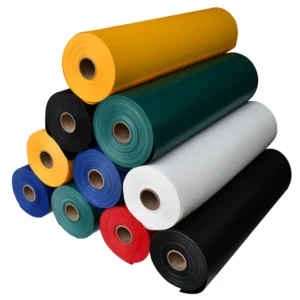
Waterproof Woven PVC Coated Medium Weight PVC Tarpaulin Fabric for Awning and Tents UV Resistant Plain Style 62/63 Width
¥1.13 Select options This product has multiple variants. The options may be chosen on the product page -
Custom Made Collapsible PVC Rain Barrel for Garden Water Storage
Read more -
Industrial Axial Flow Fan with Flexible Duct – Manufacturer
Read more -
Custom Made PVC Waterproof Fabric Rain Tank for Irrigation – Manufacturer
Read more