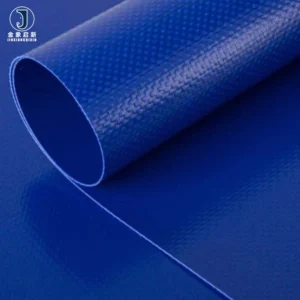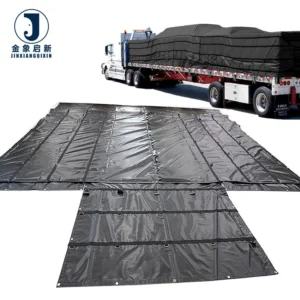
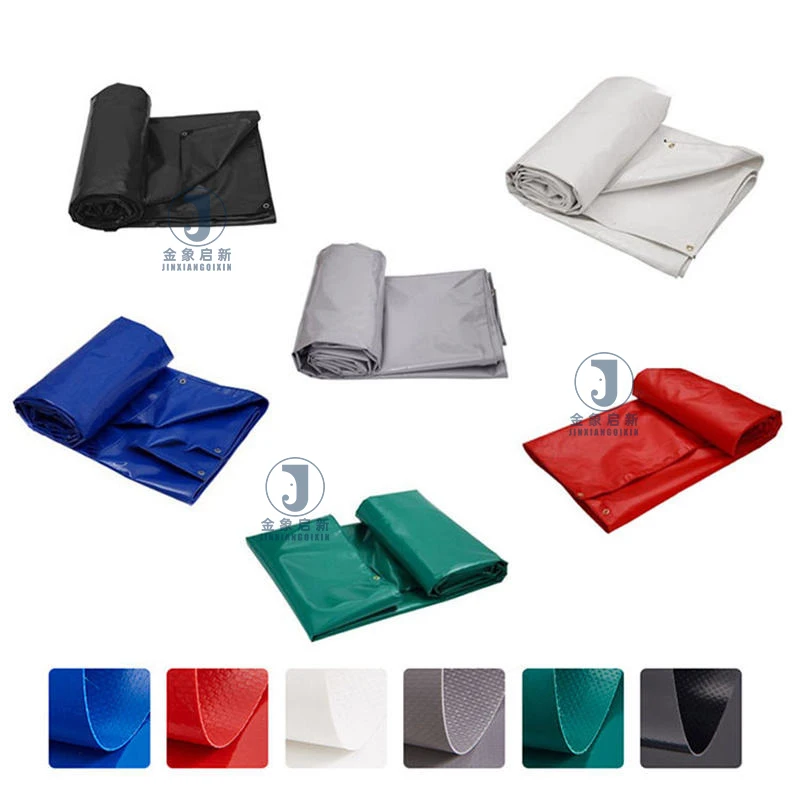
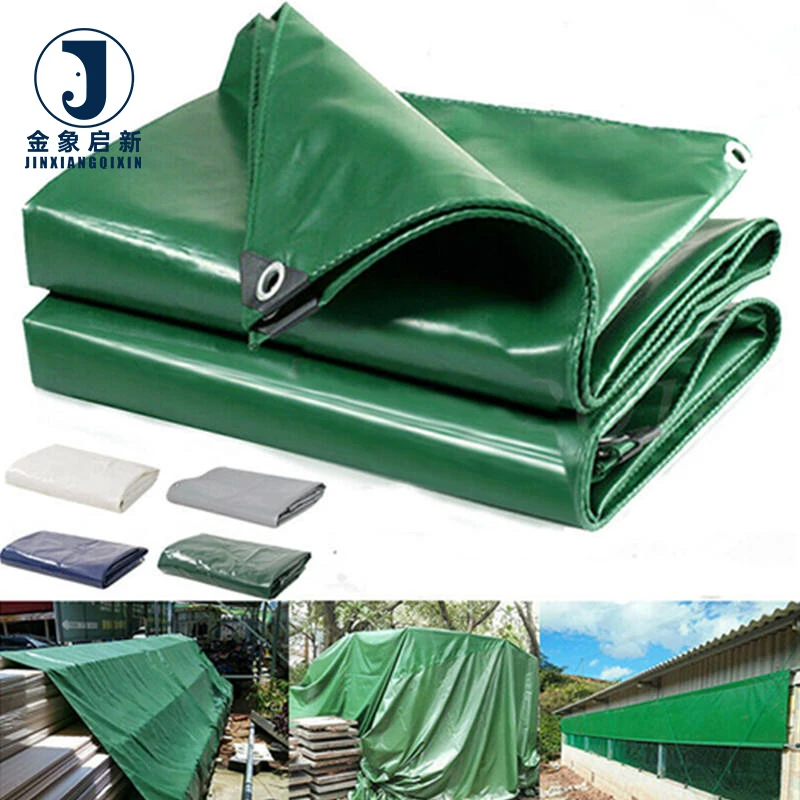
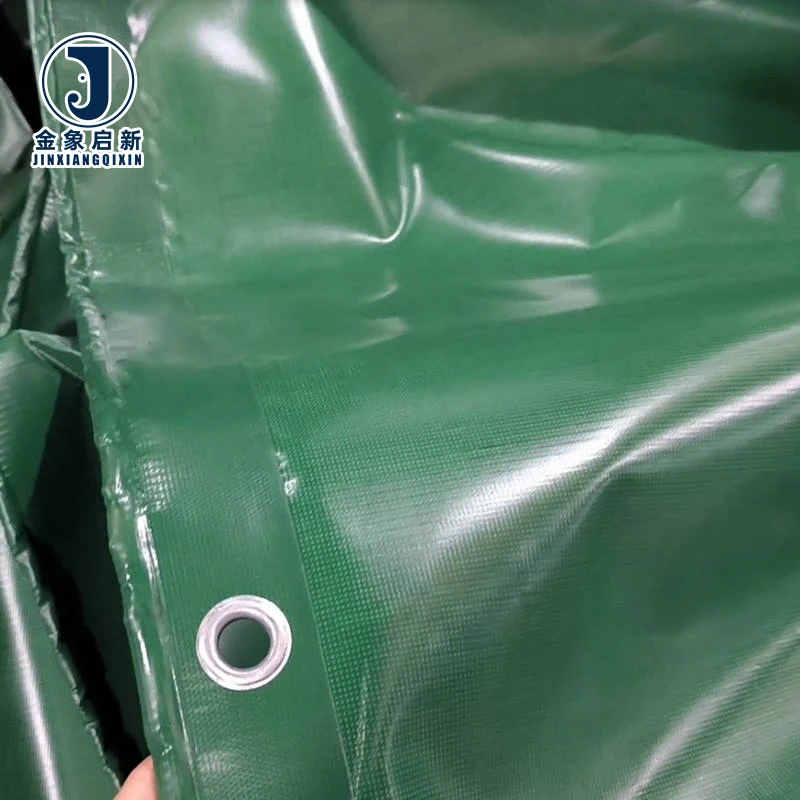
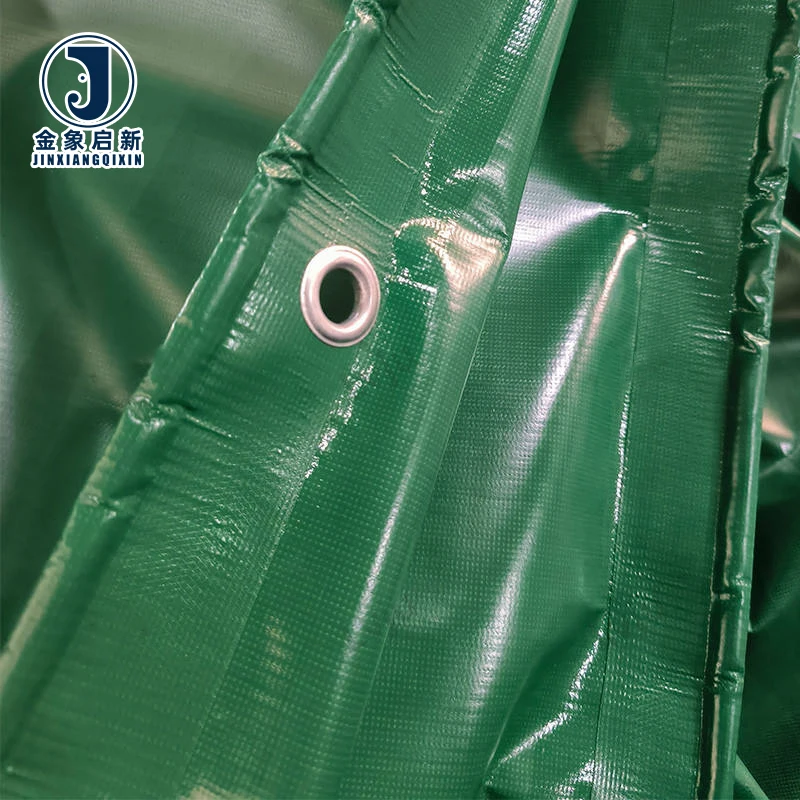
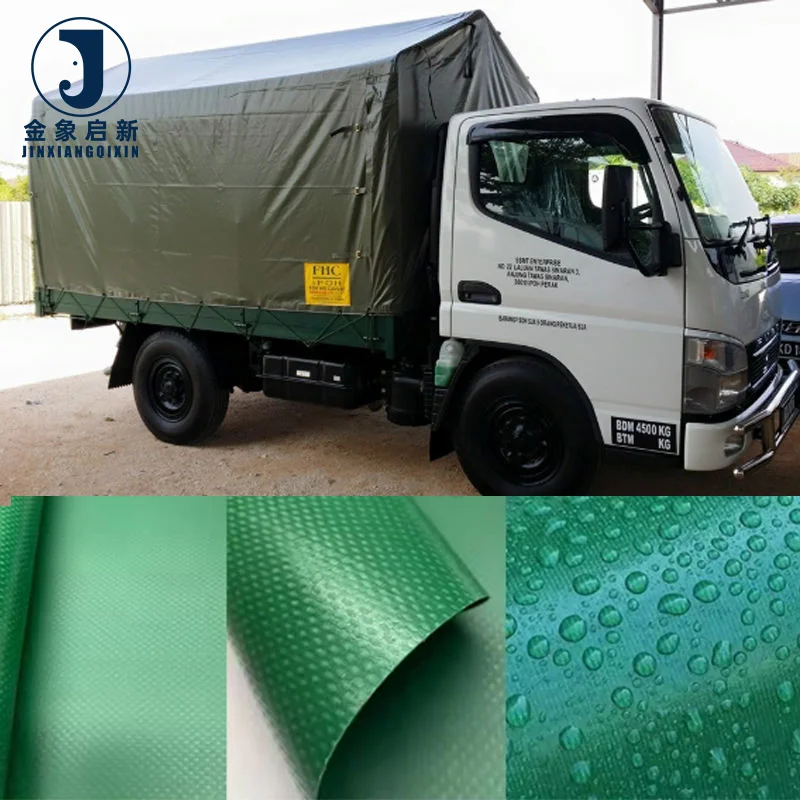
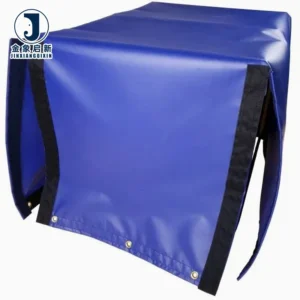
PVC Truck Cover Tarps — 50gr/m2 ~ 220gr/m2 weight range, 0.2-0.4mm thickness, with PP rope-reinforced hems and galvanized eyelets at 1m intervals.
Our full catalogue covers every tarpaulin option and customisation path, so you can specify exact widths, lengths, colours and reinforcement details for truck and trailer covers that fit specific vehicle models rather than settling for generic sizes.
- Waterproof, tear resistant, mildew proof and UV treatment available
- Custom single or double-side colour, glossy or matte finish
- Cut-to-size or roll stock with pattern printing and branding
Supported by a 10-person R&D team developing samples within days, 100% pre-shipment inspection, and full material documentation including GSM verification and test reports.
Description
Full-Range Custom Capability — A dedicated R&D team handles material selection, pattern printing, custom sizing, and sample development within days for PVC truck cover tarpaulin orders, ensuring the finished product matches your fleet’s exact trailer dimensions and exposure conditions.
Technical Specifications
| Parameter | Value |
|---|---|
| Product Type | PVC Coated Tarpaulin / Truck Cover |
| Weight (GSM) | 50gr/m2 ~ 220gr/m2 |
| Thickness | 0.2-0.4mm / 8 mil-16 mil / Custom |
| Width Options | 6ft, 8ft, 10ft, 12ft, 2m, 4m, 6m |
| Length Options | 100 yards, 100 meters, or custom |
| Color Options | Blue, Blue/Orange, Green, Grey, Black, Clear, Grey/Green, Orange, or custom |
| Key Features | Waterproof, washable, tear resistant, weather proof, mildew proof, anti-aging |
| Edge Reinforcement | PP rope reinforced hem on all four edges |
| Eyelet Spacing | Galvanized eyelets every 3ft or 1 meter |
| Corner Treatment | Reinforced plastic corners |
| UV Treatment | Available — confirm specific grade required for your application |
| Certifications | ISO, CE |
Application Suitability
| Application | Exposure & Requirement |
|---|---|
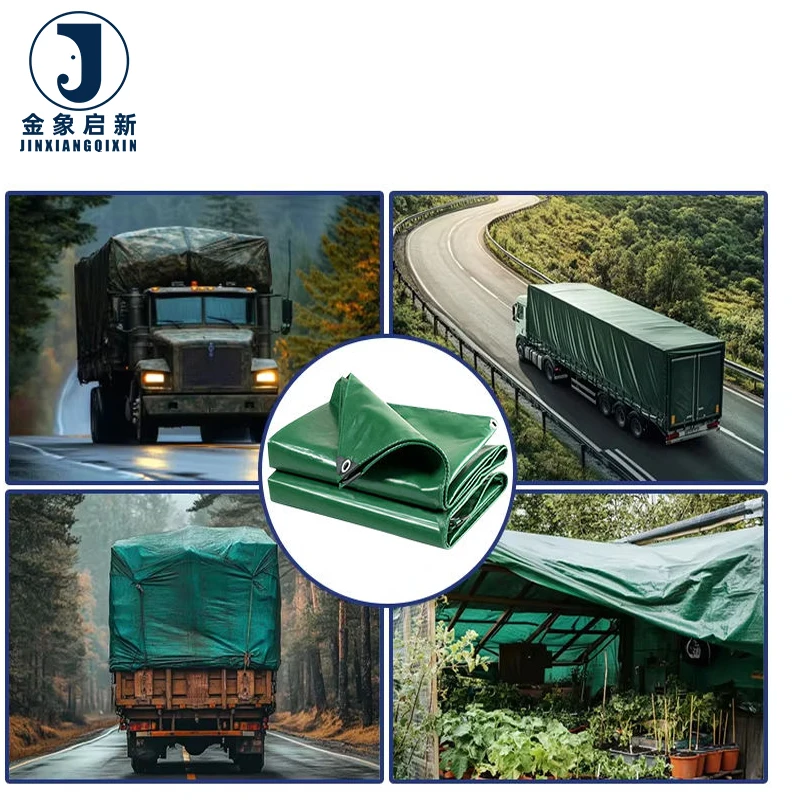
| Flatbed truck and trailer load covering | Wind uplift, road debris impact, constant UV exposure, tie-down tension at eyelets |
| Lumber and building material transport | Moisture ingress prevention, abrasion from rough-sawn timber edges, flex fatigue at folds |
| Steel coil and heavy equipment covers | Concentrated load pressure, sharp corner puncture risk, outdoor yard storage between trips |
| Construction site equipment protection | Ground moisture, dust and mortar splatter, UV degradation during long-term static parking |
Why Generic Truck Covers Fail Where Trailer Geometry Gets Complex
A PVC truck cover tarpaulin cut to a standard rectangle will pull, gap, and split at the corners the moment it meets a trailer with non-standard side rails or a refrigerated unit profile.
The mistake I see repeatedly is buyers ordering a batch of covers based on a single nominal size, only to find their fleet runs two or three different trailer models on the same route. One fleet I worked with mixed flatbeds with side-stanchion rigs, and the generic covers caught on the stanchion brackets, tearing within a few weeks at the exact stress points where the fabric routed around the hardware. [NEED_CITE: tension concentration at geometric interference points on coated fabrics]. A PVC truck Cover Tarps aftermarket supplier worth working with will ask for your trailer drawings before cutting a single panel.
Mapping the Trailer Before the Fabric Gets Cut
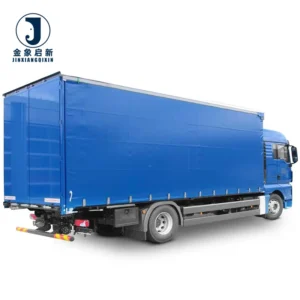
The entire value of a PVC Truck Cover Tarpaulin aftermarket supplier sits in how accurately the cover maps to the vehicle it protects. A side curtain on a curtain-sider trailer flexes thousands of times per trip; the fabric must drape cleanly without catching on track hardware, and the bottom hem needs enough weight to stay seated in the rail without flapping loose at highway speed. For flatbeds carrying irregular loads like machinery or pre-cast concrete, the cover has to span protrusions without bridging and creating water pockets.
This is where the custom sizing capability matters most. Widths from 6ft to 6m and lengths on 100-meter rolls or cut-to-order allow the R&D team to build a cutting pattern that accounts for every tie-down point, access hatch, and tail-lift clearance on your specific trailer configuration rather than forcing a universal panel to work everywhere.
Where Edge Reinforcement Takes the Real Load
The hem and eyelet zone is where most truck covers fail first, not the field of the fabric. The PP rope inserted into a folded hem distributes tie-down strap tension across the full edge rather than concentrating it at individual eyelet holes. Galvanized eyelets spaced at 3ft or 1-meter intervals give multiple attachment points so no single eyelet carries disproportionate load when the cover is tensioned across a load that shifts in transit [NEED_CITE: edge reinforcement tensile load distribution for coated tarpaulins per ISO 1421].
Reinforced plastic corners address the second highest failure point — the corners where two hems meet and the geometry forces the fabric into a tight radius. Without that local reinforcement, the corner eyelet will pull through the fabric under sustained tension, leaving a tear that spreads into the body of the cover.
Reading Between the Numbers on a Specification Sheet
GSM weight and thickness alone do not tell you how a PVC Truck Cover Tarpaulin aftermarket supplier’s product will perform under load. A 50gr/m2 material may suffice for short-haul, light-load covering where the cover is removed and stored after each delivery. A 220gr/m2 grade, by contrast, is built for continuous outdoor exposure and heavier abrasion from loads like steel or rough timber. The relationship between the base fabric weave density and the coating weight determines how the material behaves when flexed — a dense weave with a well-bonded coating resists delamination at fold lines far better than a heavy coating on a loose base fabric.
Edge hemming with PP rope works effectively across this entire weight range because the rope diameter can be matched to the hem fold width. The galvanized eyelet choice matters in corrosive environments like coastal routes or winter roads treated with de-icing salt, where mild steel eyelets would corrode and stain the surrounding fabric within a single season. Mildew-proof and anti-aging treatments are particularly relevant for covers that stay fitted to trailers parked outdoors between rotations, where trapped moisture at the fabric-to-load interface promotes fungal growth and accelerates polymer breakdown.
The Hidden Cost of Ignoring Specification Consistency Across Rolls
When a transport fleet orders fifty covers and the GSM varies between rolls, the lighter covers will age faster, show different levels of sag, and fail earlier than the heavier ones — yet the buyer often does not discover the inconsistency until covers start coming back from different routes in different states of wear. Colour drift between rolls in the same shipment is equally damaging when covers are used side by side at a logistics yard, where the visual difference signals inconsistent quality to anyone inspecting the fleet [NEED_CITE: batch-to-batch colour and weight consistency standards for coated fabric production].
Welded seams failing before the fabric itself is another specification-driven problem. If the heat-seal temperature is set for a heavier GSM grade but applied to a lighter one, the coating burns through at the seam and the weld has no structural integrity. The seams must be calibrated to the exact material grade being joined.
What Distinguishes This Supply Capability
Three full production lines with 36 sets of professional equipment allow PVC truck cover tarpaulin orders to run in volume without sacrificing the coating adhesion quality that prevents delamination at hem and weld lines. The 10-person R&D team does not just recommend a grade from a catalog; they build a material specification around your trailer drawings, exposure conditions, and fastening method, developing samples within days so you can test the fit before committing to a production run.
Dedicated QA/QC at every production stage, culminating in 100% inspection before shipment, catches GSM drift, eyelet misplacement, and hem inconsistencies before they leave the facility. The custom width and length range means you are not forced to buy standard roll sizes and waste material on cutting — the cover arrives sized to your trailer, not to the nearest stock dimension.
Documentation & Verification
- Material specification sheet stating exact GSM, base fabric denier, coating type, and colour reference per order line
- UV and flame-retardant test reports provided where applicable, matched to the grade specified on your purchase order
- Pre-shipment inspection record verifying roll weight, cut dimensions, eyelet count, and spacing against the approved sample
- ISO and CE certificates included with dispatch documentation for customs and compliance filing
- Certificate of origin and full packing list to support international freight forwarding and import clearance
Fabrication, Handling & Storage
- Heat-seal temperature must be matched to the specific GSM grade — 50gr/m2 and 220gr/m2 require different weld settings to avoid burn-through or poor adhesion
- PP rope hem diameter should be checked against the folded edge width to ensure the rope seats fully without creating a raised ridge that catches on trailer hardware
- Store rolls upright on their cores in a dry, shaded area; laying heavy-grade rolls flat can create permanent crease marks in the coating that weaken at the fold line
- When deploying covers in cold conditions, allow the PVC material to acclimatise before unfolding — cold-stiffened coating is prone to cracking at the eyelet zone if forced open
- Clean mildew-proof treated surfaces with mild detergent and soft brush only; aggressive solvents will strip the treatment layer and void the anti-aging protection
- Field repairs on minor tears can be heat-patched using offcuts from the same GSM grade to maintain coating compatibility and colour match
How to Frame Your Next Enquiry
To get an accurate specification recommendation and sample for your PVC truck cover tarpaulin requirements, share your trailer model drawings or overall dimensions, the typical cargo type and loading method, and the climate exposure your fleet operates in. If your market requires specific UV or fire-retardant grades for compliance, state the standard upfront so the test documentation can be prepared alongside your sample. Indicate whether you need finished cut-and-hemmed covers or roll stock for your own fabrication facility.
Frequently Asked Questions
Q: How do you verify the GSM of my truck covers matches what was quoted?
A: Every roll is weighed and measured during the pre-shipment inspection stage. The inspection record provided with your documentation confirms the actual GSM against the specification sheet, so you can cross-reference the weight on arrival against the agreed grade before the covers enter service.
Q: Can truck covers be cut to fit my specific trailer models instead of a generic size?
A: Yes. The R&D team works from your trailer drawings or dimensional surveys to build a cutting pattern that accounts for side rails, tail-lift clearances, and tie-down hardware locations. Samples are developed within days so you can verify the fit before the production run is authorised.
Q: What documentation supports UV and flame-retardant treatment claims?
A: Where UV or flame-retardant grades are specified on your order, the corresponding test reports are included in the dispatch documentation. These reports reference the specific grade and test method applied to your batch, giving you verifiable evidence for compliance audits and site safety requirements.
Q: How consistent is colour across multiple rolls in the same shipment?
A: Colour matching is controlled at the coating stage with batch-to-batch reference checks. The pre-shipment inspection includes a visual comparison of all rolls in the order against the approved colour standard, and any roll falling outside tolerance is replaced before dispatch.
Q: What is the sample timeline for a custom width, colour, or printed truck cover?
A: Custom samples are typically developed within days, covering the requested width, GSM grade, colour, and any reinforcement or printing specifications. Once the sample is approved, the production run proceeds using the same material and process parameters confirmed during sampling.
Related products
-
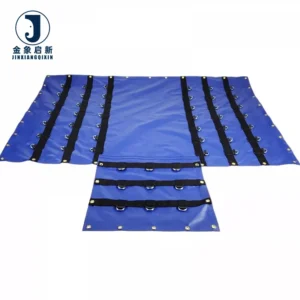
PVC Lumber Tarpaulin 24′ X 27′ with 8ft Drop – Custom Made
Read more -
Custom PVC Truck Cover for Transport Fleets – Manufacturer
Read more -
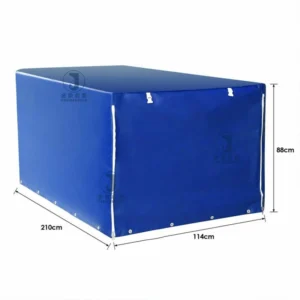
Custom PVC Truck Cover for Trailer – Manufacturer
Read more -
Custom Logo PVC Tarpaulin Flame Retardant Waterproof Poly Tarp PVC Coated Plastic Truck Cover Trailer Cover Outdoor Cover
¥1.40 Add to cart