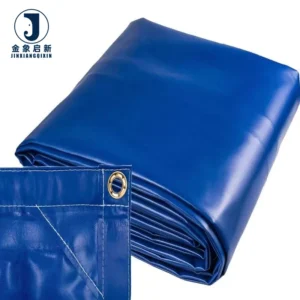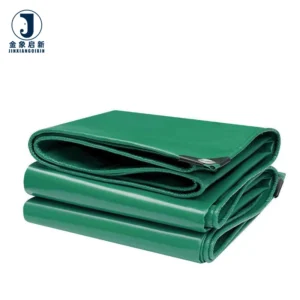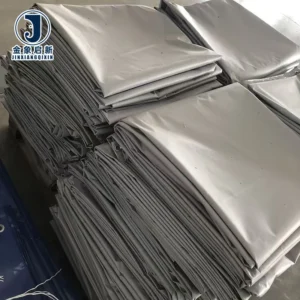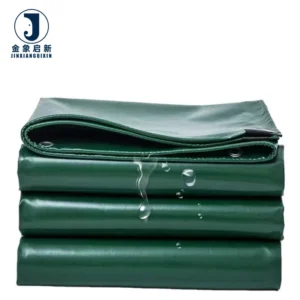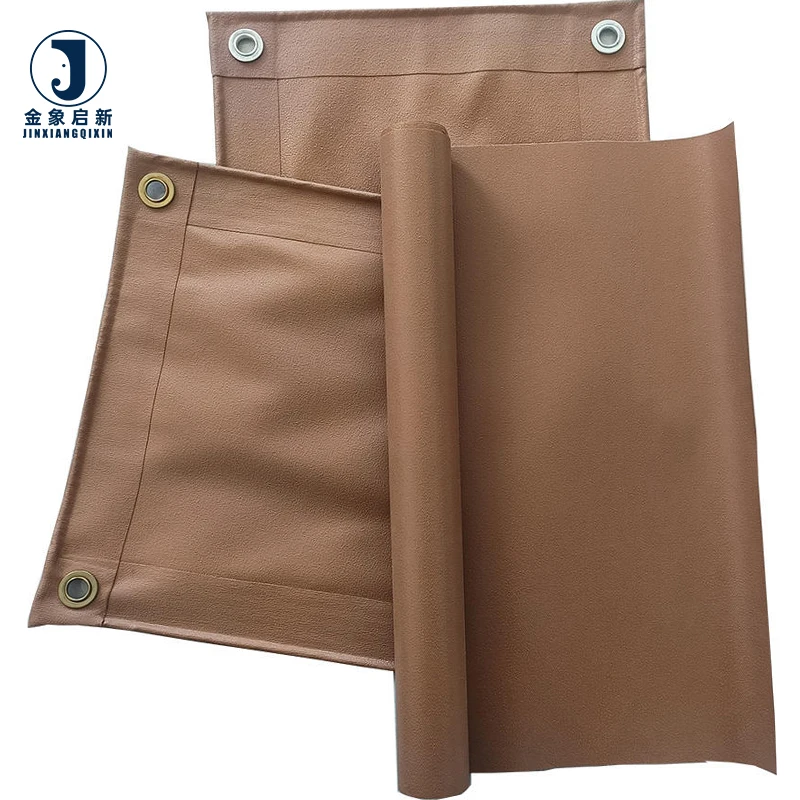
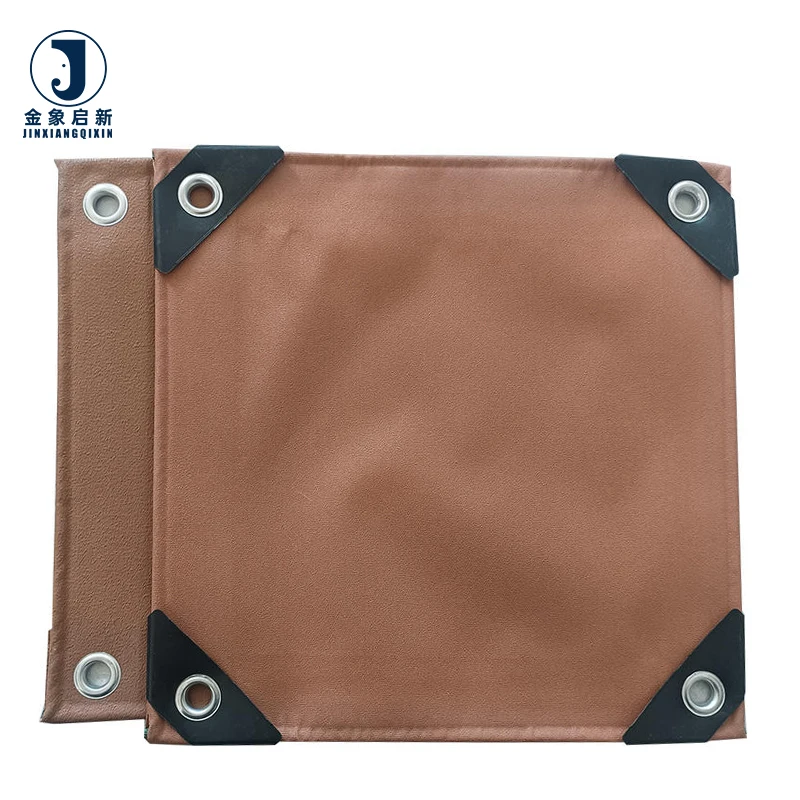
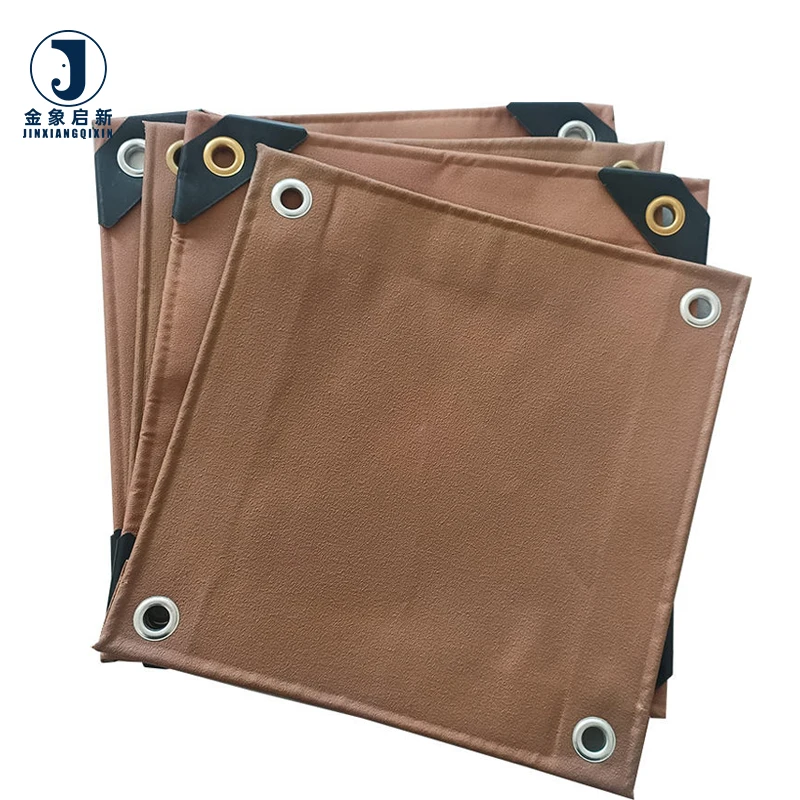
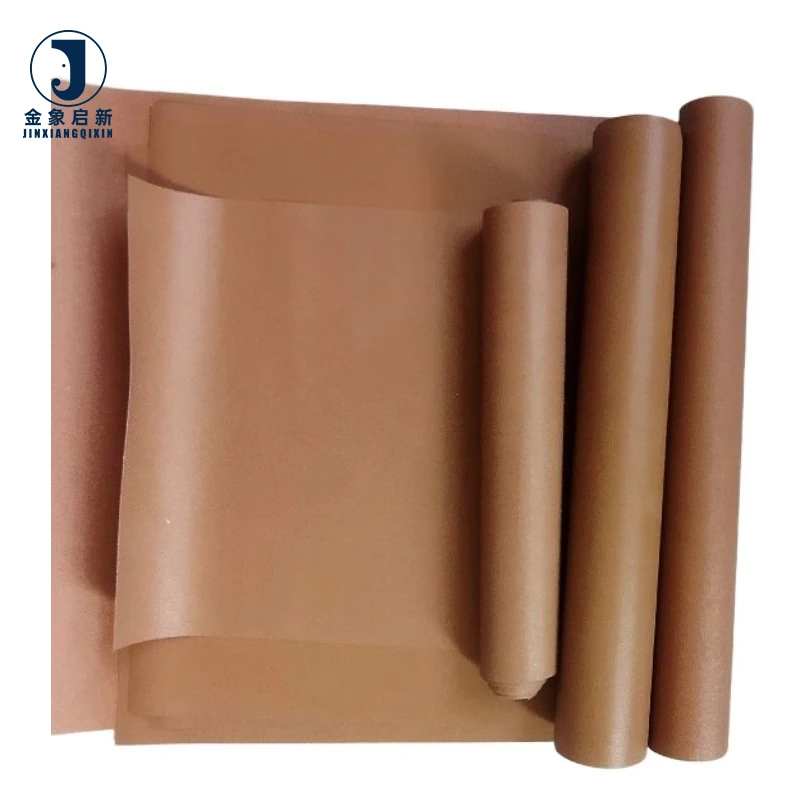
PVC Coated Tarpaulin 550GSM/900GSM, 1000D Base, Anti-UV & Flame Retardant — engineered for truck covers, tents and roof applications requiring verified weight and consistent roll quality.
- Multiple surface treatments including anti-mildew and anti-static to match site-specific demands
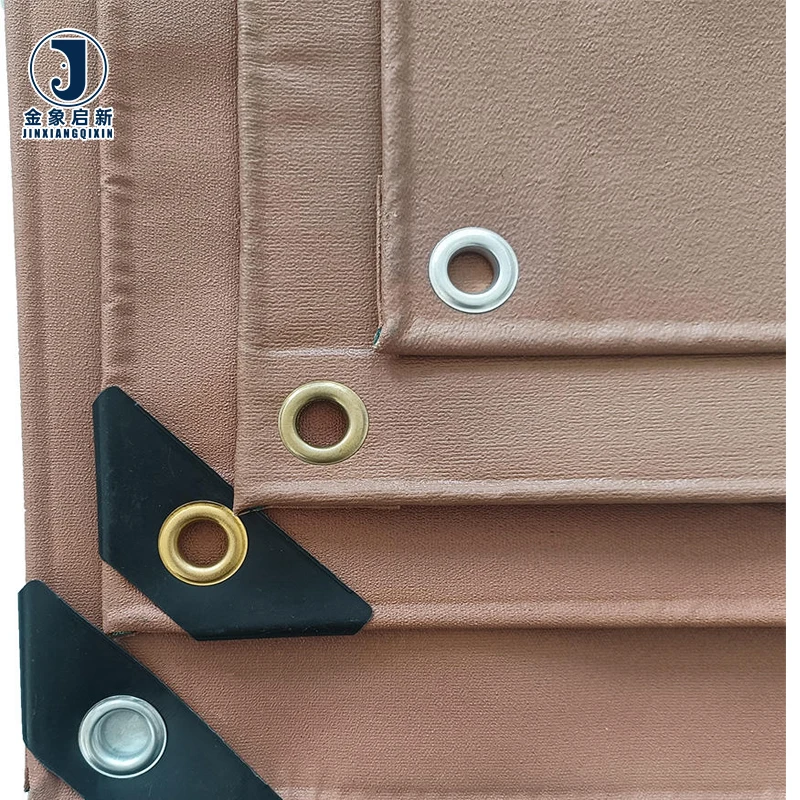
- Self-clean finish with reinforced hems and custom eyelet placement for precise vehicle fitment
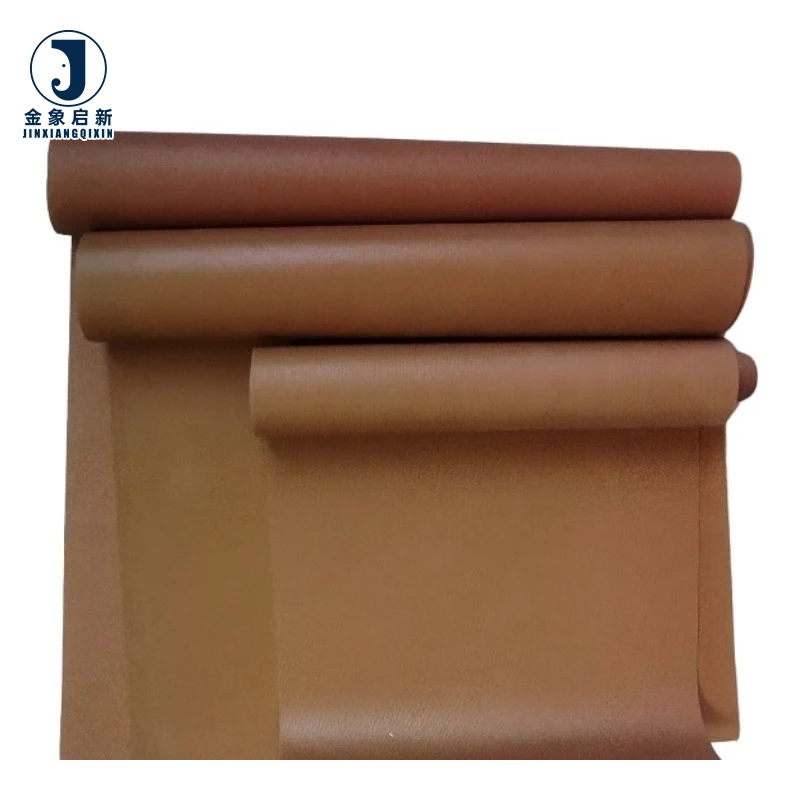
- Roll or cut-to-size format with batch colour consistency across the full order
Backed by 30 years of coating process control, 100% pre-shipment inspection, and dedicated QA at every production stage.
Description
Proven coating weight control — Nearly 30 years of process discipline over PVC coating formulation ensures every roll of PVC Coated Tarpaulin leaves the line at the exact GSM stated on your purchase order.
Technical Specifications
| Parameter | Value |
|---|---|
| Product Type | PVC Coated Tarpaulin |
| Base Fabric Denier | 1000D |
| Weight (GSM) | 550GSM / 900GSM |
| Coating Material | PVC |
| Waterproof Rating | Waterproof |
| Flame Retardant | Available in flame retardant grades — confirm the grade required for your market (grade not stated) |
| Anti-Static | Available in anti-static grades — confirm the standard required for your application (standard not stated) |
| Anti-Mildew | Anti-mildew treated |
| UV Treatment | Available with anti-UV treatment — confirm test basis for your climate zone (test basis not stated) |
| Temperature Range | Anti-cold treatment available |
| Key Features | Waterproof, Self-clean surface, High tensile strength, Weather resistant |
Application Suitability
| Application | Exposure & Requirement |
|---|---|
| Truck and trailer cover | Constant flexing at load points, road debris abrasion, prolonged UV and weather exposure, tie-down stress at hems |
| Tent and temporary structure | Wind load on seams, repeated folding and deployment, UV degradation over seasons, waterproofing under sustained rain |
| Roof cover and flood barrier | Standing water contact, thermal cycling between sun and frost, puncture risk from substrate irregularities |
| Outdoor equipment protection | Abrasion from contact surfaces, dust and moisture ingress, long-term UV exposure in open storage yards |
Why the GSM Figure on Your Quotation May Not Reflect What Arrives
GSM only matters when verified roll by roll before the fabric leaves the factory floor.
Buyers regularly report that the tarpaulin delivered weighs less than what was specified in the purchase order. A roll quoted at a given GSM can arrive lighter because coating weight was reduced during production to cut material cost, or because the base fabric denier was substituted without notice. When you specify a PVC coated tarpaulin at a certain weight, you are paying for tensile mass and coating thickness that directly determine how the fabric performs under tension, abrasion and thermal stress [NEED_CITE: ISO 1421 test methods for tensile properties of rubber or plastics coated fabrics]. Without in-process weight checks and pre-shipment inspection at the roll level, the number on the invoice becomes a starting estimate rather than a guaranteed specification.
What 1000D Base Fabric Delivers Under Load
The 1000 denier yarn in this PVC coated tarpaulin provides the structural backbone that determines how the fabric resists tensile pull and tear propagation. When a truck cover flexes at the load edge or a tent panel catches sustained wind, the base fabric carries the mechanical stress while the PVC coating protects against water and UV ingress. Higher denier yarns resist tear initiation and slow the rate at which a nick or puncture grows into a full panel failure.
Treatment Options That Must Match Your Market Requirements
This PVC coated tarpaulin is available with flame retardant, anti-static, anti-UV, anti-cold and anti-mildew treatments, but each treatment must be specified against the compliance standard your end market demands. A construction site in Europe may require a specific flame retardant classification, while a mining ventilation application may mandate anti-static certification to a defined threshold. Confirming the grade and test basis before production ensures the fabric you receive carries documentation accepted by your site inspector or regulatory body [NEED_CITE: fire classification standards for temporary structural membranes].
How Weight, Denier and Coating Interact in Practice
The 550GSM and 900GSM grades within this product family represent different positions on the strength-to-weight balance. The 550GSM option suits applications where the fabric must be handled, folded and deployed frequently — tent structures, temporary covers and light transport applications. The 900GSM option adds coating mass that increases abrasion resistance and dimensional stability for permanent or semi-permanent installations such as truck side curtains, roof membranes and flood barriers. However, GSM alone does not define performance: a 550GSM fabric woven from 1000D yarn with tight weave density can outperform a heavier fabric built on a lower-denier base. The coating method — whether knife-over-roll, calendered or laminated — determines peel strength between the PVC layer and the base fabric, which directly affects how well welded seams hold under cyclic loading. Surface finish also plays a role; a self-clean surface reduces dirt accumulation on truck covers and tent panels, cutting maintenance cycles in the field.
The Hidden Cost of Specifying on Weight Alone
When buyers focus only on GSM and skip verification of the base fabric denier, coating adhesion and treatment documentation, the failures that emerge are expensive and difficult to trace. Welded seams can part before the fabric body fails if the coating formulation does not support consistent heat-weld parameters across the roll batch. Colour drift between rolls in the same shipment becomes visible once panels are installed side by side on a structure or vehicle fleet [NEED_CITE: colour consistency standards in coated fabric batch production]. Anti-UV treatment claimed without a supporting test report leaves the buyer exposed when the fabric degrades faster than expected in high-irradiance climates. These failures are not random defects — they are the predictable result of treating a coated fabric specification as a single number rather than a system of interlocking parameters.
What This Supply Source Brings to Your Specification
Three full production lines and 36 sets of professional equipment support bulk roll output with consistent coating weight across the run. A 10-person R&D team handles material selection, custom sizing and sample development so you can verify the specification before committing to volume. Dedicated QA/QC at every production stage includes in-process weight checks and 100% pre-shipment inspection, meaning each roll is measured against the quoted GSM before packing. Samples are developed within days for custom width, colour or treatment requirements, cutting the lead time between initial enquiry and confirmed specification.
Documentation & Verification
- Material specification sheet stating exact 550GSM or 900GSM, 1000D base fabric and PVC coating weight
- Test reports for flame retardant and anti-UV grades supplied when the specific grade is confirmed at order
- Pre-shipment inspection record with per-roll weight verification against quoted GSM
- Roll packing list with batch reference for colour consistency traceability
- Certificate of origin and customs documentation for cross-border shipment
Fabrication, Handling & Storage
- Heat-weld parameters should be tested on a sample piece of the 550GSM or 900GSM grade before setting production line temperatures
- Reinforced hem tape should match the PVC coating formulation to ensure bond integrity at tie-down points
- Rolls should be stored upright on a flat surface to prevent permanent creasing in the 1000D base fabric
- Allow cold-stored rolls to reach ambient temperature before unrolling to avoid cracking the anti-cold treated PVC surface
- Use only PVC-compatible cleaning agents on the self-clean surface to preserve the coating finish
How to Structure Your Enquiry for a Fast, Accurate Quote
Provide the intended application, the environmental exposure conditions and any flame retardant or anti-static grade your site or market requires. Specify whether you need rolls at standard width or custom-cut panels with hem and eyelet reinforcement. If colour matching or batch consistency across multiple rolls is critical, state the colour reference and annual volume so production can be planned around a single coating run.
Frequently Asked Questions
Q: How can I confirm the GSM weight matches what was quoted once the rolls arrive?
A: Every roll undergoes in-process weight checks during production and 100% inspection before dispatch. On arrival, you can take a measured sample cut from the roll and weigh it on a calibrated scale. The pre-shipment inspection record supplied with your order documents the verified GSM per roll.
Q: What flame retardant grade do I need for my market?
A: The required grade depends on your local fire safety regulations and the end-use environment — construction, mining, public events and transport all carry different classifications. Confirm the specific standard with your site inspector or regulatory body, and we will supply the fabric with the matching treatment and test report.
Q: Can I order custom widths or cut-to-size panels?
A: Custom widths and cut sizes are available. Provide your required dimensions, hem reinforcement preference and eyelet placement. Samples are developed within days so you can confirm the specification, fit and finish before full production runs.
Q: How is colour consistency controlled across multiple rolls in one order?
A: Production is planned so that all rolls in a single order are coated within the same batch run, using matched pigment formulation. The packing list carries a batch reference for traceability, and rolls are inspected side by side before dispatch.
Q: What information determines whether 550GSM or 900GSM is right for my application?
A: The choice depends on mechanical load, handling frequency and installation duration. Frequently deployed structures like tents suit the lighter 550GSM, while permanent truck covers, roof membranes and flood barriers benefit from the added coating mass of 900GSM. Share your application details and we will recommend the appropriate grade.
Related products
-
630 Gsm Blue/Grey/Orange Pvc Tarpaulin Roll Pvc Tarpaulin Truck Tarpaulin Pvc Coated Tarpaulin
¥1.66 Add to cart -
PVC Coated Tarpaulin PVC Fabric Tarpaulinheavy duty fire retardant waterproof pvc coated tarpaulin rolling pvc tarp
¥1.00 Select options This product has multiple variants. The options may be chosen on the product page -
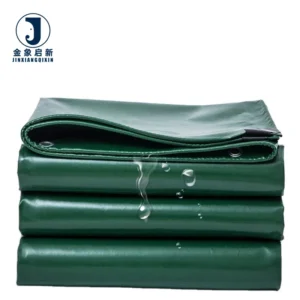
Factory Direct Sale Flatbed Trailer Tarps Black Heavy Duty Lumber Pe Tarp Flatbed Truck Transportation Tarpaulin Roll Sheet
¥1.25 Select options This product has multiple variants. The options may be chosen on the product page -
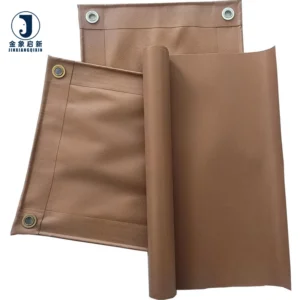
Waterproof Custom 1000D 550GSM/900GSM Self Clean PVC Coated Tarpaulin for Truck. Tent. Roof Cover Flood Barrier
¥0.99 Select options This product has multiple variants. The options may be chosen on the product page