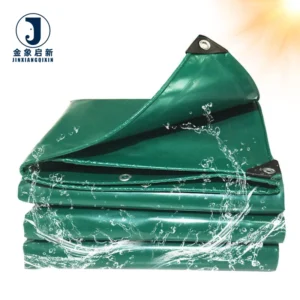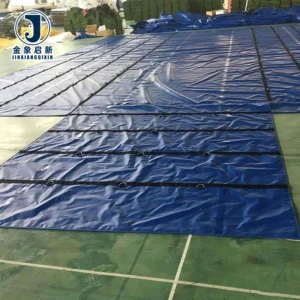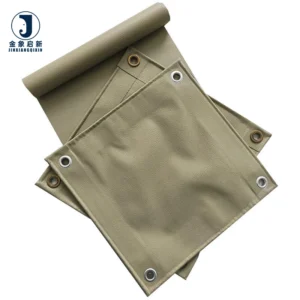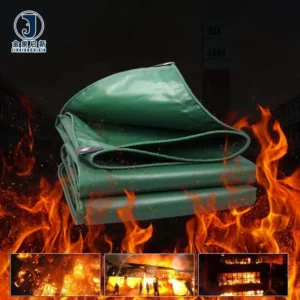
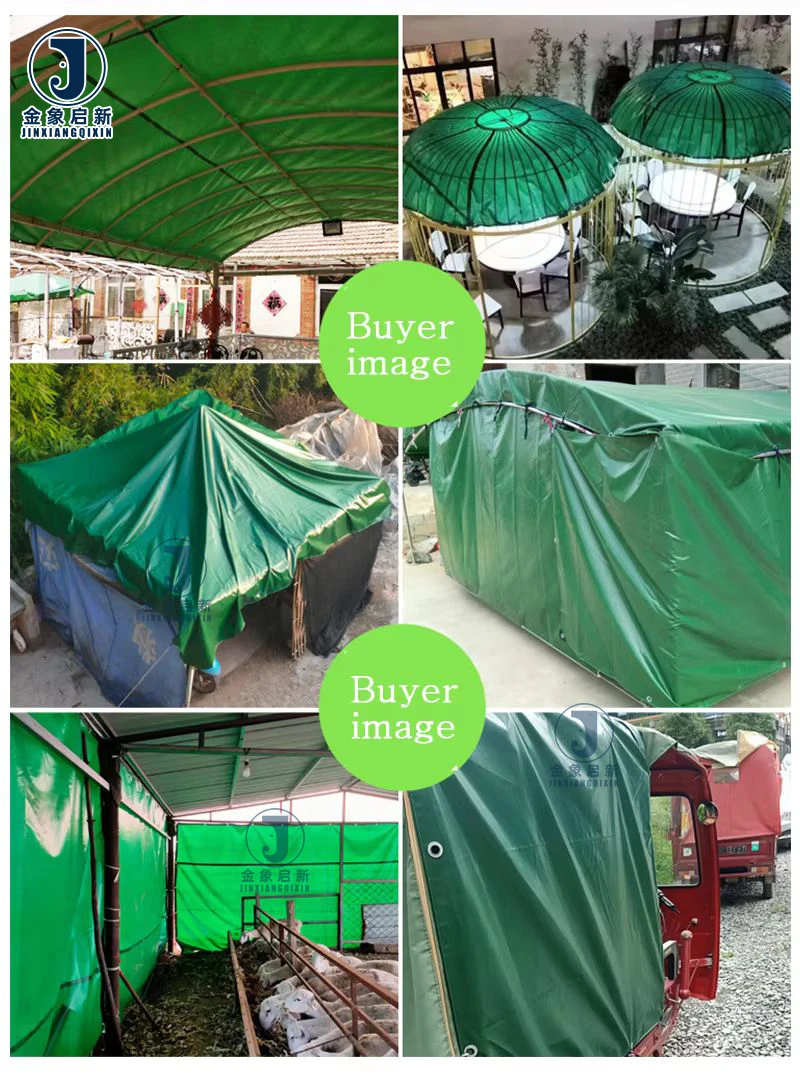
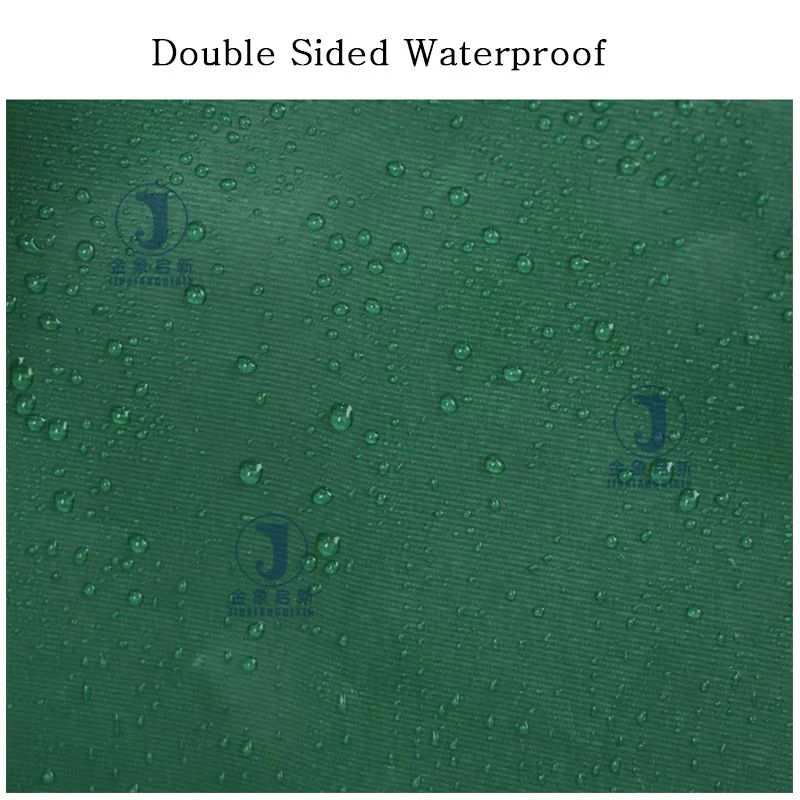
PVC Coated Tarpaulin Truck Cargo Cover, 700gsm / 850gsm / 900gsm — available with flame retardant, anti-static, anti-cold and anti-mildew treatments for transport fleet and cargo protection applications.
Full custom capability from roll stock to finished truck covers, covering material selection, sizing, treatment specification and pattern printing to match your trailer model and fleet requirements.
- Three production lines with 36 equipment sets ensure batch consistency across rolls
- 10-person R&D team handles custom sizing, treatment selection and sample development within days
- 100% pre-shipment inspection with dimensional checks and treatment test documentation included
Description
Process Control Over Coating Weight — every roll of PVC coated tarpaulin is weighed and cross-checked against the quoted 700gsm, 850gsm or 900gsm specification before it leaves the facility, ensuring the material you ordered is the material you receive.
Technical Specifications
| Parameter | Value |
|---|---|
| Product Type | PVC Coated Tarpaulin |
| Material | PVC Coated Fabric |
| Weight Grades | 700gsm / 850gsm / 900gsm |
| Coating | PVC |
| Waterproof | Yes |
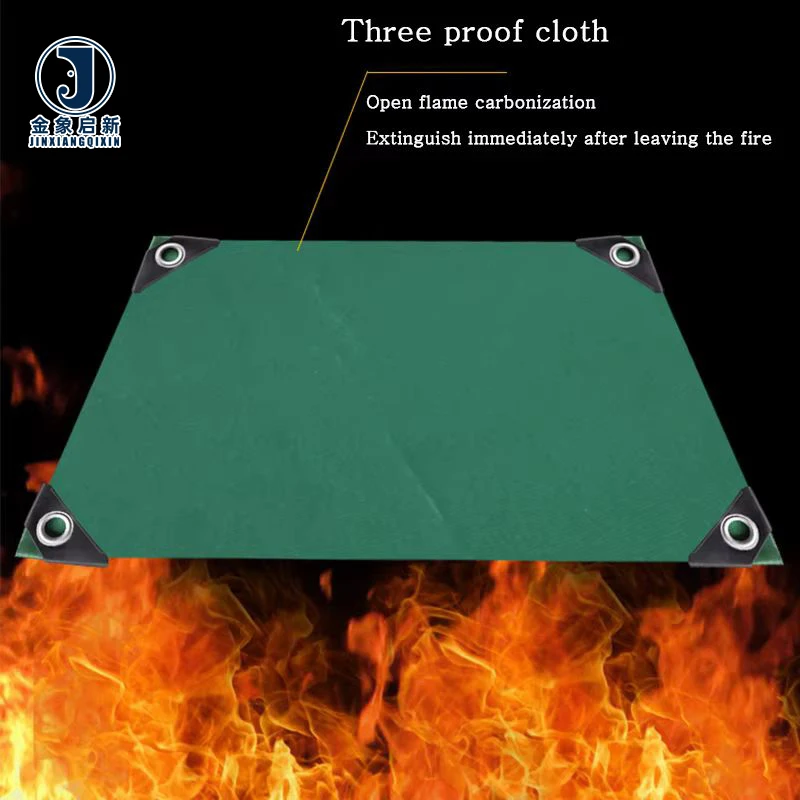
| Flame Retardant | Available (confirm grade required for your market) |
| Anti-Static | Available (confirm standard required for your market) |
| Anti-Cold | Available |
| Anti-Mildew | Available |
| Weather Resistance | Suited to extended outdoor exposure |
| Customization | Size, color, treatment, printing |
| Certifications | ISO, CE |
Application Suitability
| Application | Exposure & Requirement |
|---|---|
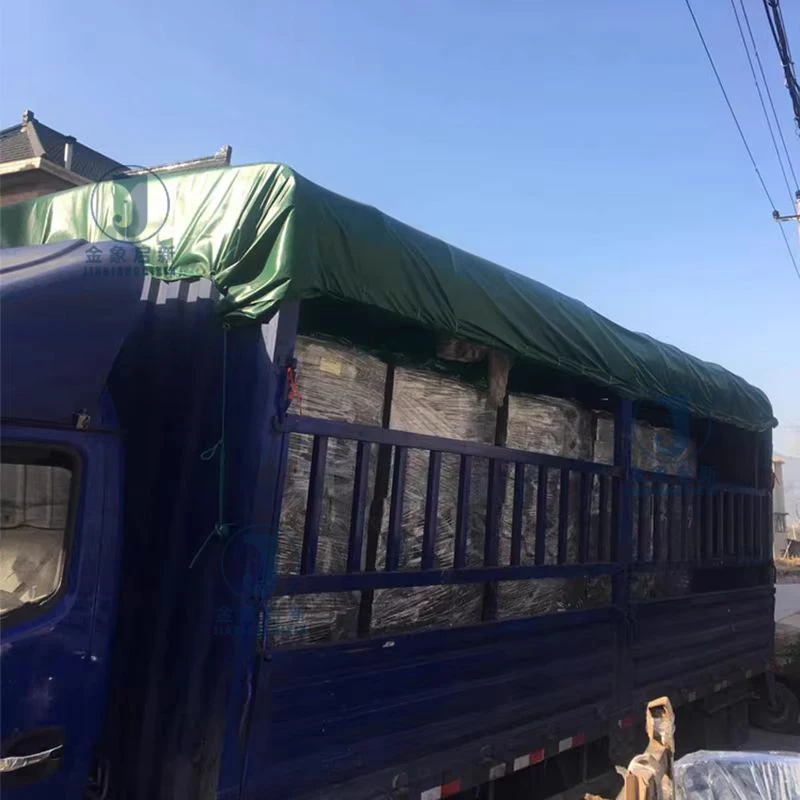
| Truck and trailer cargo covers | Constant road vibration, weather exposure, flexing at load points, UV and rain |
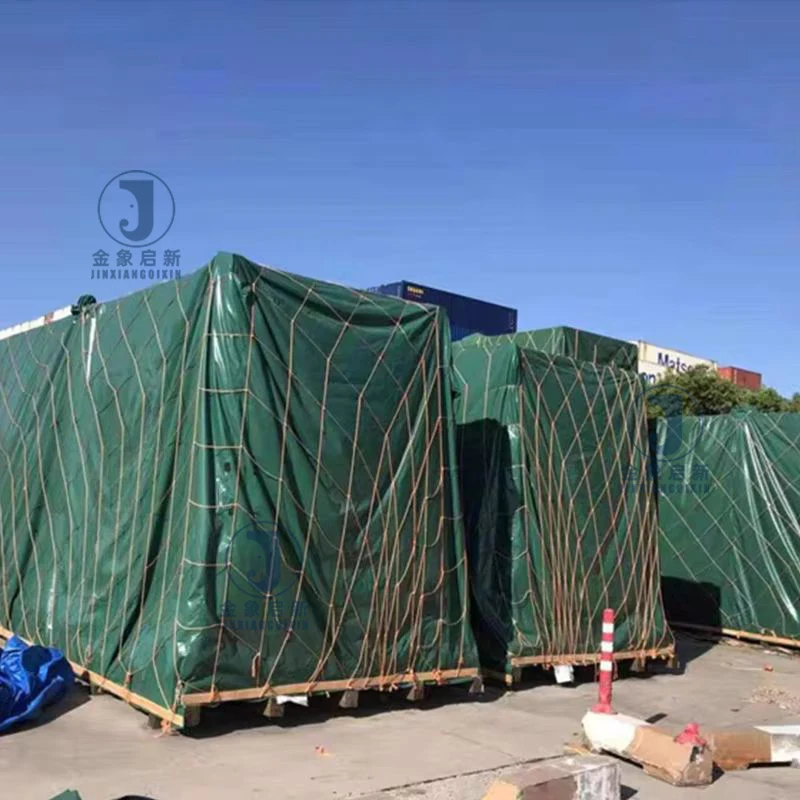
| Construction site and equipment covers | Prolonged outdoor storage, abrasion from wind-blown debris, water ingress prevention |
| Transport fleet load securing | Repeated tie-down tension, friction against cargo edges, highway speed wind load |
| Outdoor machinery protection | Moisture, dust, temperature fluctuation, mildew in humid climates |
Why the Stated GSM Is Only Half the Story for Truck Cover Fabric
A quoted weight that never reaches the roll is a specification on paper, not a product you can use.
Fleet operators have received PVC tarpaulin that felt noticeably lighter than the sample approved weeks earlier. When the material is weighed on arrival, the actual GSM falls below the quotation, and the cover tears under routine tie-down tension within months. The problem is not always deliberate short-weighting; it can be inconsistent coating application across the production line. A PVC coated tarpaulin custom manufacturer that controls coating weight at every stage eliminates this gap between the quote and the delivered roll [NEED_CITE: tensile and tear test methods for coated fabrics per ISO 1421].
How Coating Weight Control Affects Real-World Cover Performance
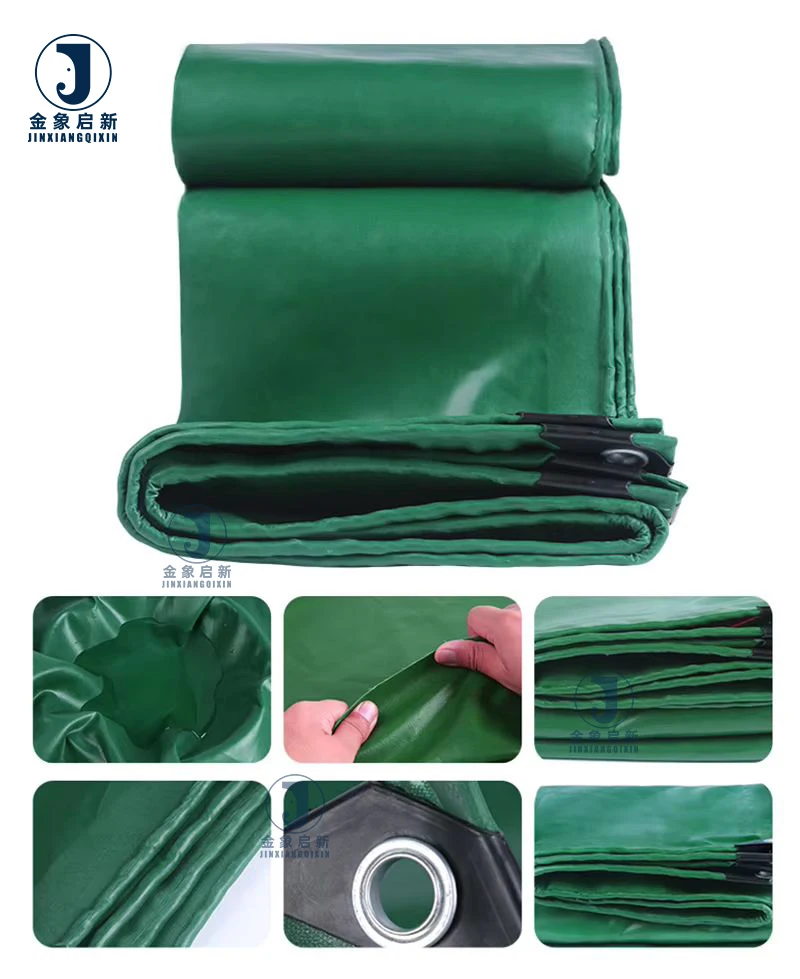
The difference between 700gsm and 900gsm is not just a number on a data sheet. Heavier coating fills the base fabric weave more completely, reducing the chance that water finds a path through pinholes at thread intersections. For truck covers that face daily rain at highway speed, the PVC coated tarpaulin must maintain a continuous coating layer across every square metre, including the edges where most production variability occurs.
What Treatment Verification Looks Like Before Dispatch
Claiming flame retardant or anti-static properties without supporting test documentation leaves the buyer carrying the compliance risk. When a site inspector asks for proof that the truck cover meets the fire safety standard in effect, a verbal assurance is insufficient. We provide treatment options including flame retardant, anti-static, anti-cold and anti-mildew grades, and the relevant test reports are available on request so you can confirm the grade matches your target market’s regulatory requirements before production begins [NEED_CITE: fire classification standards for flexible PVC in transport applications].
Reading Between the GSM Numbers
GSM alone does not predict how a PVC coated fabric will perform under load. The base fabric denier and weave density determine how much force the material can absorb before a tear propagates, while the coating weight governs waterproofing and surface durability. A 700gsm fabric with a dense, high-denier base can outperform a 900gsm fabric built on a loose, low-denier weave in tear resistance. The coating method also matters: knife-coated fabrics typically show stronger adhesion between the PVC layer and the base fabric compared to laminated alternatives, which directly affects how the material behaves when welded at seams. Understanding this relationship lets buyers select the grade that matches the actual mechanical demand of the application rather than choosing the heaviest option by default.
The Cost of Specifying the Wrong Grade or Treatment
Ordering a 700gsm cover for a heavy-duty long-haul fleet because the quotation was lower often results in premature failure at stress points where tie-down straps concentrate load. Similarly, specifying flame retardant fabric without confirming the exact grade means the material may pass one standard but fail the one enforced at the destination terminal. Batch color variation across rolls in a single order becomes visible once multiple covers are installed side by side on a fleet, forcing partial rejection or a full re-order. These are not hypothetical risks; they are recurring complaints from buyers who did not lock down the full specification before production [NEED_CITE: common causes of premature tarpaulin failure in fleet applications].
Why Buyers Source This PVC Tarpaulin Range Here
Three full production lines and 36 sets of professional equipment mean that bulk orders for 700gsm, 850gsm and 900gsm grades run on dedicated capacity, reducing lead-time variability.
A 10-person R&D team handles custom size, color matching, pattern printing and treatment selection, developing samples within days so you can verify the material before committing to a production run.
Dedicated QA and QC checkpoints at every production stage ensure coating weight, color consistency and dimensional accuracy are verified in process, not just at the final roll.
Pre-shipment inspection covers every roll against the agreed specification, with a documented record provided so you know exactly what was checked and passed before dispatch.
Nearly 30 years of focused experience in PVC coated fabric means the process controls that prevent common failures — coating weight drift, seam weakness, batch color shift — are embedded in the production routine, not added as an afterthought.
Documentation & Verification
- Material specification sheet stating exact GSM, base fabric type and coating weight for each roll
- Test reports for flame retardant and anti-static grades matched to the treatment selected for your order
- Pre-shipment inspection record confirming weight, dimensions and color consistency per roll
- ISO and CE certificates covering the production facility and quality management system
- Certificate of origin and customs documentation supporting international shipment clearance
Fabrication, Handling & Storage
- Hot-air welding temperature should be adjusted to the specific PVC coating thickness of the selected GSM grade to avoid under- or over-melting at seam lines.
- Eyelet placement along hems must account for the base fabric weave direction to distribute tie-down load across multiple yarns rather than pulling through a single course.
- Store rolls upright on a flat surface in a shaded area to prevent flat-spot deformation that transfers into the finished cover after cutting.
- When unrolling in cold conditions, allow the PVC coated fabric to reach ambient temperature before folding or welding to prevent coating micro-cracks.
- Clean with mild detergent and water; avoid solvent-based cleaners that can degrade the PVC coating surface and reduce weather resistance over time.
What to Include in Your Inquiry
To receive an accurate specification recommendation and sample, provide the truck or trailer model dimensions, the typical load type and securing method, and the climate or regulatory conditions at the destination. If your market requires a specific flame retardant or anti-static standard, state the reference so we can confirm which treatment grade applies. Indicate whether you need finished cut-to-size covers with hem and eyelet details, or roll stock for your own fabrication, along with the color and any printing requirements.
Frequently Asked Questions
Q: How is the GSM verified on arrival and what documentation supports it?
A: Every roll undergoes weight verification against the stated 700gsm, 850gsm or 900gsm specification before dispatch. A pre-shipment inspection record documenting the actual measured weight per roll is provided with the shipment, so you can cross-check on arrival without relying solely on the label.
Q: What flame retardant grade is available and does it meet my market standard?
A: Flame retardant treatment is available in multiple grades. The specific grade must be confirmed against the fire safety standard enforced in your target market or application site. Provide the standard reference in your inquiry, and the matching test report will be supplied with the sample for your approval before bulk production.
Q: How is color consistency controlled across multiple rolls in one order?
A: All rolls within a single production batch are checked for color uniformity during in-process quality control. If your order spans multiple batches, we flag this in advance and provide color comparison samples so you can approve any variation before the remaining rolls are coated and dispatched.
Q: What customization options are available for finished truck covers?
A: Covers can be cut to specific truck or trailer model dimensions with custom hem reinforcement, eyelet spacing, and treatment selection. Printing and branding options are also available. A sample is developed within days for your dimensional and visual approval before the full order enters production.
Q: What is the sample and approval process before bulk production?
A: After your inquiry, we recommend a specification based on your application and produce a sample reflecting the selected GSM, color and treatment. You review and approve the sample, then bulk production begins with in-process QA checkpoints and a full pre-shipment inspection before dispatch.
Related products
-
Heavy Duty Waterproof PVC Tarpaulin Roll Cover for Truck Tent Outdoor Storage and Industrial Use
¥1.48 Add to cart -
PVC Fabric Material Woven Tarpaulin Waterproof Woven Fabric Tarpaulin
¥0.50 Add to cart -
Tarpaulin Hot Selling 30M X 30M Finished PVC Tarpaulin for Farming Tarpaulin
¥1.48 Add to cart -
630 Gsm Blue/Grey/Orange Pvc Tarpaulin Roll Pvc Tarpaulin Truck Tarpaulin Pvc Coated Tarpaulin
¥1.66 Add to cart