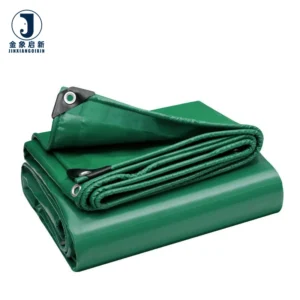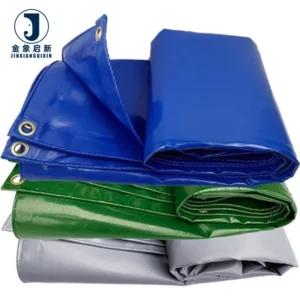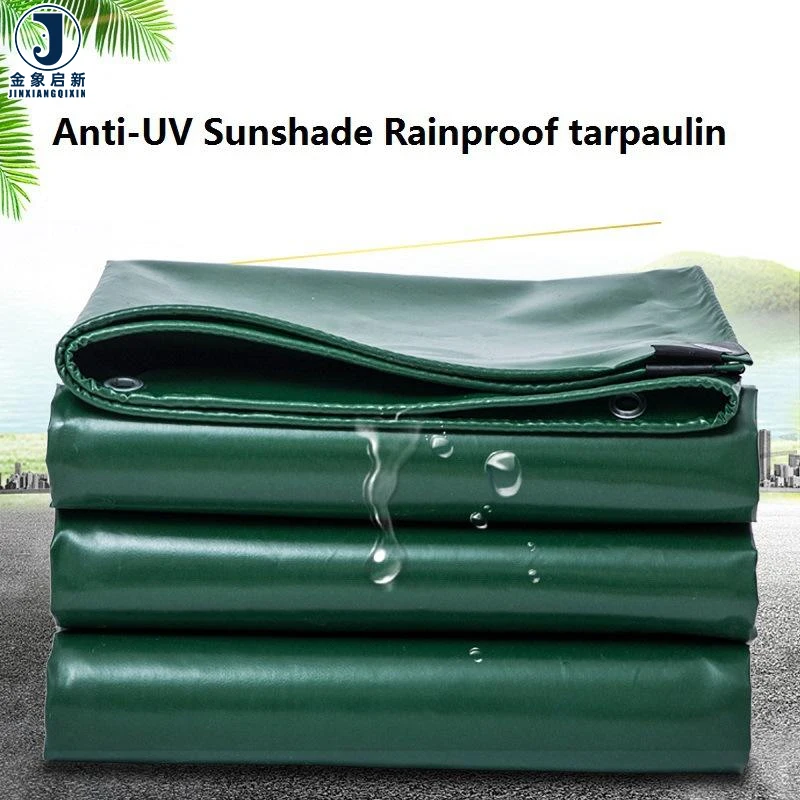
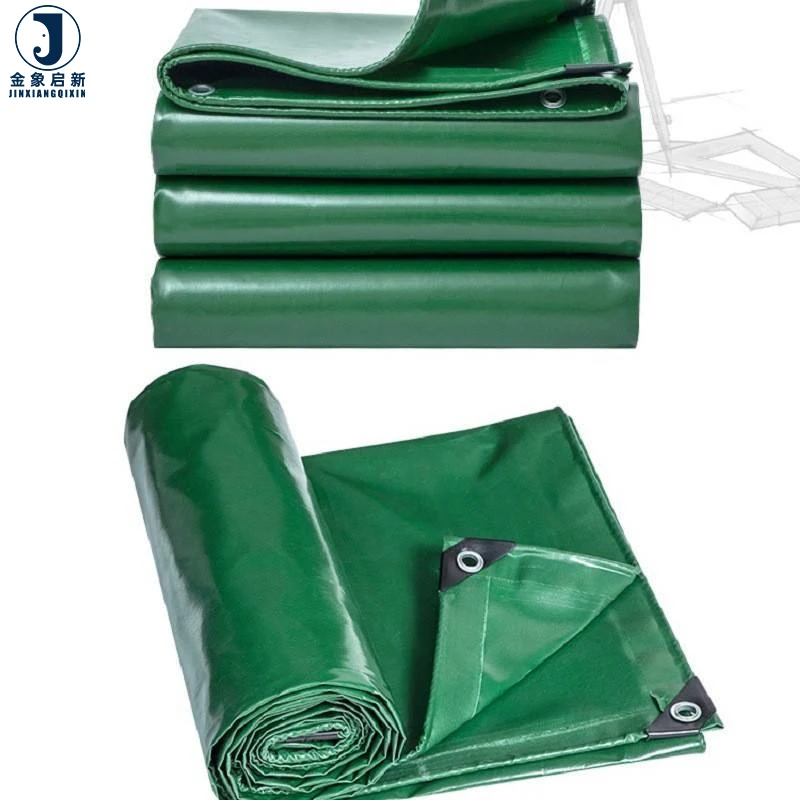
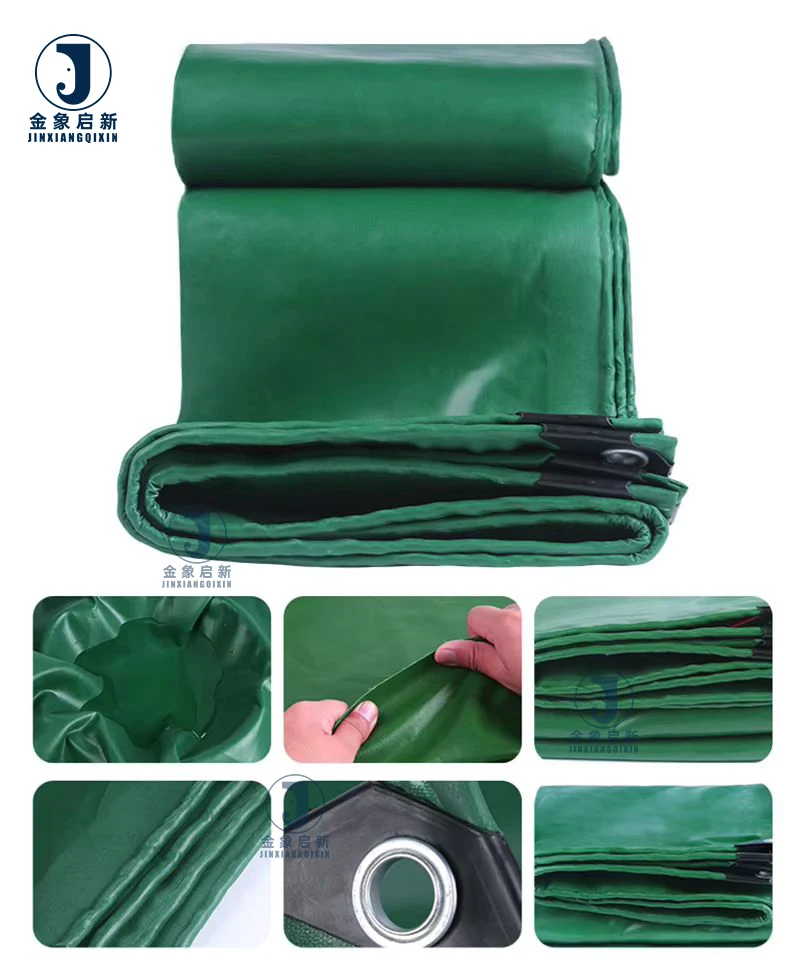
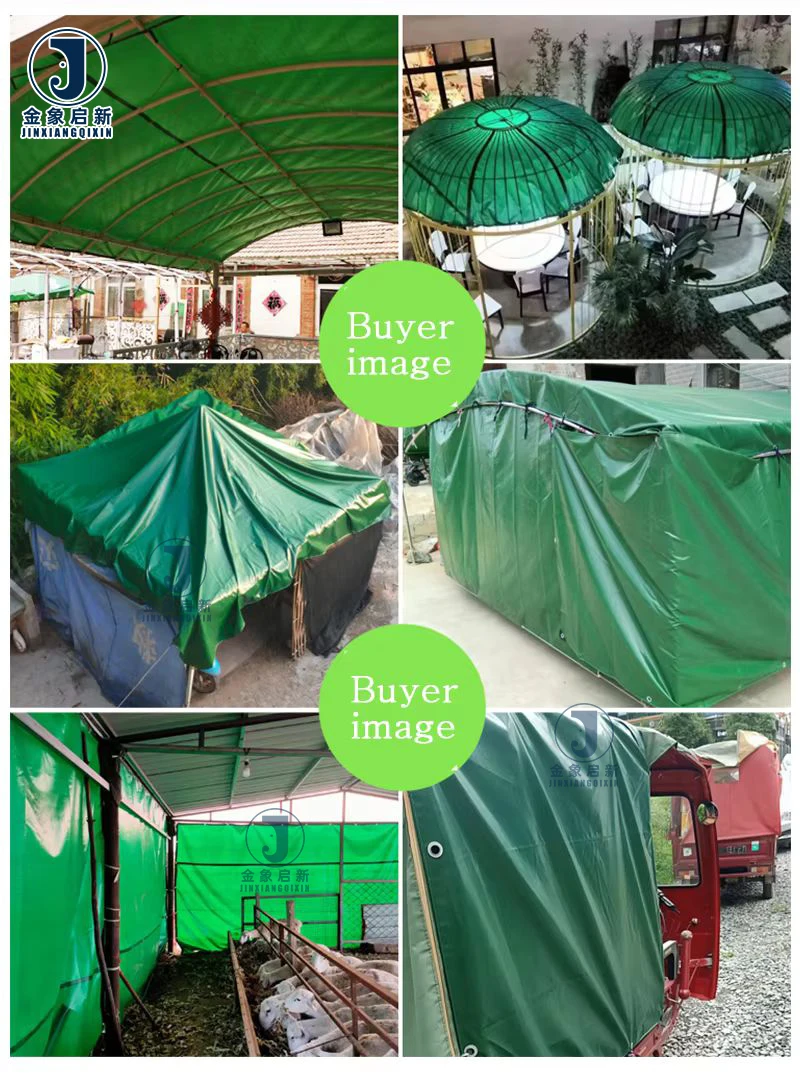
Custom PVC Coated Tarpaulin — Waterproof Fire Retardant PVC Tarpaulin Cover with 500D-500D polyester base, anti-UV treatment and roll or cut-size formats for truck, trailer and industrial covers.
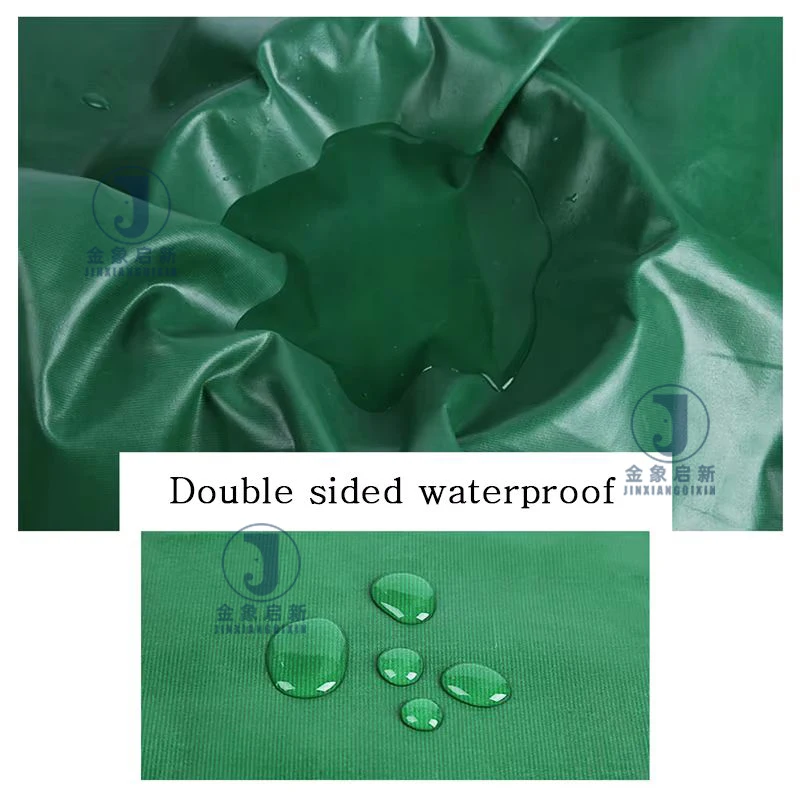
- Double-sided PVC coating on woven polyester for waterproof sealing and flex-point durability
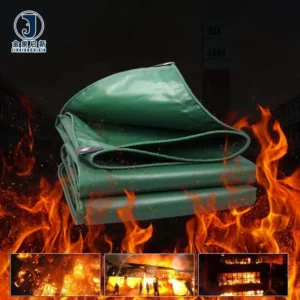
- Flame retardant and anti-UV options with test documentation on request
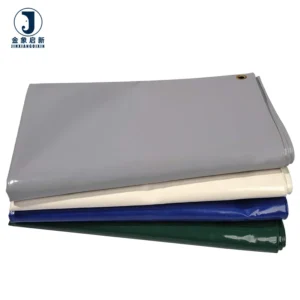
- Custom width, length, colour and pattern printing with reinforced hems and eyelets
Backed by 30 years of coated fabric process control, 100% pre-shipment inspection, and a 10-person R&D team handling full sample development.
Description
Coating Process Control — Three full production lines maintain exact GSM across every roll of PVC coated tarpaulin, backed by 100% pre-shipment inspection and documented weight verification before dispatch.
Technical Specifications
| Parameter | Value |
|---|---|
| Product Type | PVC Coated Tarpaulin |
| Base Fabric Denier | 500D-500D |
| Coating Material | Double-Sided PVC Coating on Polyester Base |
| Weight Range | 450-900 g/m² (confirm the grade for this item) |
| Surface Characteristics | Smooth and soft surface with a leather-like texture |
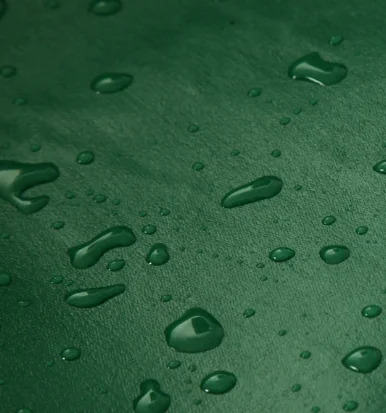
| Waterproof Performance | Fully waterproof coated construction |
| Flame Retardancy | Available in flame retardant grades — confirm the grade required for your market |
| UV Resistance | Anti-UV treatment available — confirm test basis for your application |
| Abrasion Resistance | Very strong |
| Repairability | Hot air weldable for field seam and flex-point repair |
| Features | Water resistant, flame retardant (grade to be confirmed), waterproof, anti-UV (test basis to be confirmed) |
| Usage | Truck / Car / Trailer / Machine / Wood Cover / Awning / Tent |
| Standards | ISO, CE |
Application Suitability
| Application | Exposure & Requirement |
|---|---|
| Truck and trailer load covering | Constant road abrasion, wind flex, UV exposure, weather ingress at seams |
| Car and machine covers | Outdoor weathering, puncture from sharp edges, repeated handling |
| Wood stock and construction site covers | Prolonged rain exposure, ground moisture, heavy material contact |
| Awning fabrication | Tension stress, sun exposure, colour fade resistance, weld integrity at seams |
| Tent manufacturing | Fold storage, repeated deployment, waterproof demand at panel joins |
Why GSM Alone Does Not Tell You How Strong This PVC Coated Tarpaulin Is
A quoted weight means nothing without coating adhesion data and base fabric density to back it up.
Many buyers have received rolls that matched the stated GSM on paper but tore at the first flex point under load. The reason is often a lighter base fabric compensated by excess filler in the coating, which adds weight without adding tear resistance [NEED_CITE: tensile and tear test methods for coated fabrics per ISO 1421]. When you source a PVC coated tarpaulin manufacturer for transport or construction covers, asking for the base fabric denier alongside the GSM is the minimum due diligence step.
Coating Adhesion and What It Means for Field Life
The double-sided PVC coating on this PVC coated tarpaulin is applied to a 500D-500D polyester base, creating a bonded composite that resists delamination under flex stress. Poorly adhered coatings separate at the fold line after repeated deployment, exposing the base yarn to moisture and UV degradation. The leather-like surface finish here is a result of controlled coating weight applied evenly across both faces, not a cosmetic layer that peels away from the substrate.
Selecting Flame Retardant and Anti-UV Grades for Your Market
Flame retardant treatments and anti-UV stabilisers are available across the product range, but each market enforces different fire codes and exposure classifications [NEED_CITE: DIN 4102 fire classification for building materials]. Confirming the specific grade your end application requires before sampling avoids costly re-specification after delivery. The R&D team can develop sample panels with the exact treatment package needed, allowing you to submit for local compliance testing before committing to a production run.
How Base Fabric Denier Drives Tear Propagation
The 500D-500D polyester yarn construction determines how far a puncture or cut will spread under tension. Higher denier yarns in both warp and weft directions arrest tear propagation at the damaged point rather than allowing it to zip across the panel. This matters most for truck side curtains and awning panels where wind load concentrates stress at eyelet and hem points. Weight alone — whether 450 g/m² or 900 g/m² — only reflects the combined mass of base fabric plus coating, so two fabrics at the same GSM can perform very differently depending on how that weight is distributed.
The Hidden Cost of Specifying on Weight Without Verification
Receiving a roll that measures lighter than the quoted GSM means the coating was applied thin or the base fabric was downgraded to a lower denier. In transport covers, this shows up as premature cracking at weld lines where the fabric flexes most during transit [NEED_CITE: weld seam integrity testing for coated fabric applications]. In awning and tent fabrication, an underweight roll produces visible colour variation when installed alongside panels from a heavier batch. Specifying weight is only half the job — verifying it on arrival with documented inspection records closes the loop.
Why Buyers Source This PVC Coated Tarpaulin Here
Three full production lines with 36 sets of professional equipment handle bulk roll output without sacrificing coating weight consistency across the run.
A 10-person R&D team supports sample development within days for custom width, colour, and treatment combinations, letting you validate before committing to volume.
Dedicated QA/QC runs at every production stage, with 100% pre-shipment inspection documented in a written record included in your dispatch.
Deep process control over coating weight and adhesion, built across nearly 30 years focused exclusively on coated fabric, ensures the PVC coated tarpaulin you specify is the PVC coated tarpaulin you receive.
Material specification sheets accompany every order, stating exact GSM, base fabric denier, coating type, and colour reference so your receiving team can verify on the dock.
Documentation & Verification
- Material specification sheet stating GSM, 500D-500D base fabric denier, and coating type per roll
- UV and flame retardant test reports issued for the specific grade produced
- Pre-shipment inspection record documenting weight and visual check results
- Roll packing list detailing quantities and roll dimensions for receiving verification
- Certificate of origin included for customs clearance in destination markets
Fabrication, Handling & Storage
- Hot air welding suits the double-sided PVC coating for strong, flexible seams
- Reinforced hems distribute tie-down load across the 500D polyester base fabric
- Store rolls upright on pallets to prevent flat spots on the leather-like surface
- Avoid dragging cut panels across abrasive ground to protect the PVC coating face
- Clean with mild detergent only; solvents may soften the PVC coating layer
- Field repairs use hot air welding to bond patches directly to the PVC surface
What to Include in Your Enquiry
Specify the end application and exposure conditions so the correct flame retardant and anti-UV treatment package can be recommended. State your required width, colour, and whether you need finished cut sizes or raw roll stock. If your market enforces a particular fire code or compliance standard, include that reference so the team can match the grade to your documentation needs. Request sample panels if batch colour consistency or surface finish must be approved before production.
Frequently Asked Questions
Q: How do I verify the GSM on arrival matches what was quoted?
A: Every roll ships with a material specification sheet stating exact GSM, base fabric denier, and coating weight. The pre-shipment inspection record documents the measured weight per roll. On arrival, you can weigh a measured sample cut and compare it against the documented value to confirm no deviation occurred during production.
Q: Which flame retardant grades are available and how do they align with market fire codes?
A: Flame retardant treatments are available across the range, but the specific grade must match your destination market’s fire code requirements. Share your compliance standard in the enquiry, and the R&D team will formulate the treatment and supply a test report for the grade produced.
Q: How is anti-UV treatment supported with test documentation?
A: Anti-UV stabilisers are integrated into the PVC coating during production. The test basis and exposure rating depend on the grade selected for your order. Request the test report for the specific anti-UV package applied to confirm it meets your outdoor service life requirements.
Q: What is the lead time and minimum for custom width or colour?
A: Custom width, colour, and print requirements carry lead times and minimums that vary by specification complexity. The team provides a confirmed lead time and minimum order quantity in the quotation after reviewing your exact requirements, so you can plan procurement accurately.
Q: How is colour consistency controlled across multiple rolls in one order?
A: All rolls in a single production run are manufactured under continuous process control with in-line colour checks. The 100% pre-shipment inspection includes a visual comparison across rolls before packing, documented in the inspection record, so panels installed side by side match once deployed.
Related products
-
Pvc Coated Waterproof Tarpaulin Heavy Duty Tarp for Tent Roof Stocklot Lumber
¥1.60 Add to cart -
Waterproof Heavy Duty Tarpaulin Water Proof Cover Tarpaulin Manufacturer
¥1.48 Add to cart -
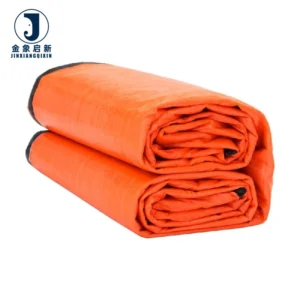
Factory 12ftx20ft Construction Cold Weather Insulated Pe Tarps Poly Tarp Heavy Duty Concrete Curing Blanket Tarpaulin Roll Sheet
¥0.66 Add to cart -
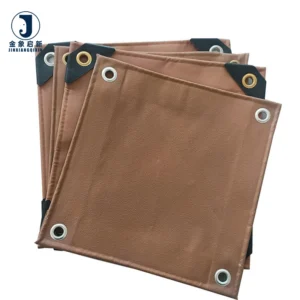
JX Fireproof 500gsm 600gsm Customizable PVC Tarpaulin Waterproof Truck Cargo Cover
¥0.79 Select options This product has multiple variants. The options may be chosen on the product page