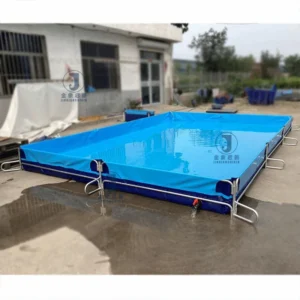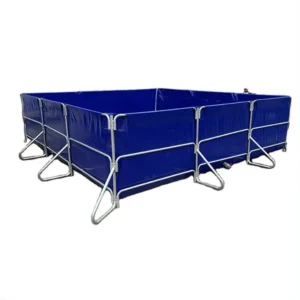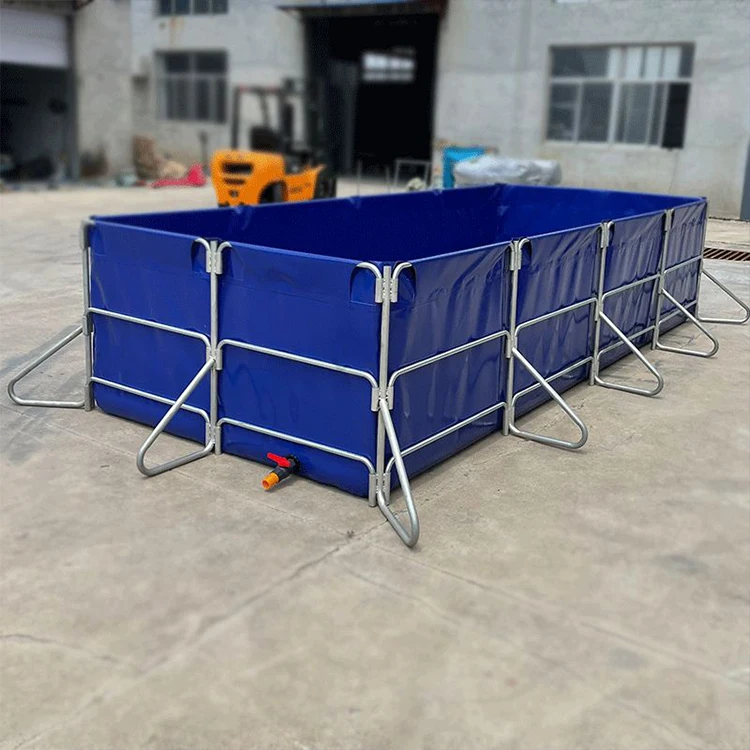
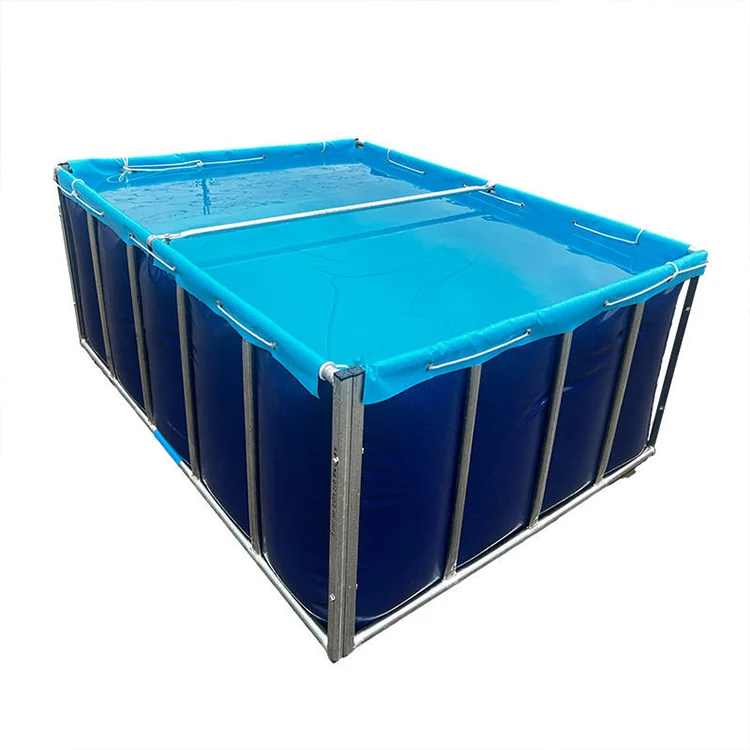
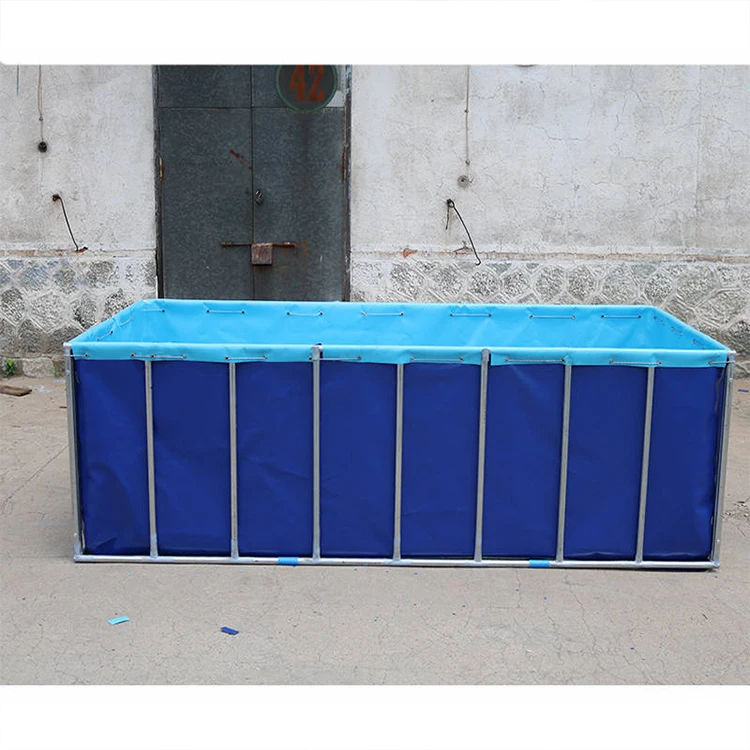
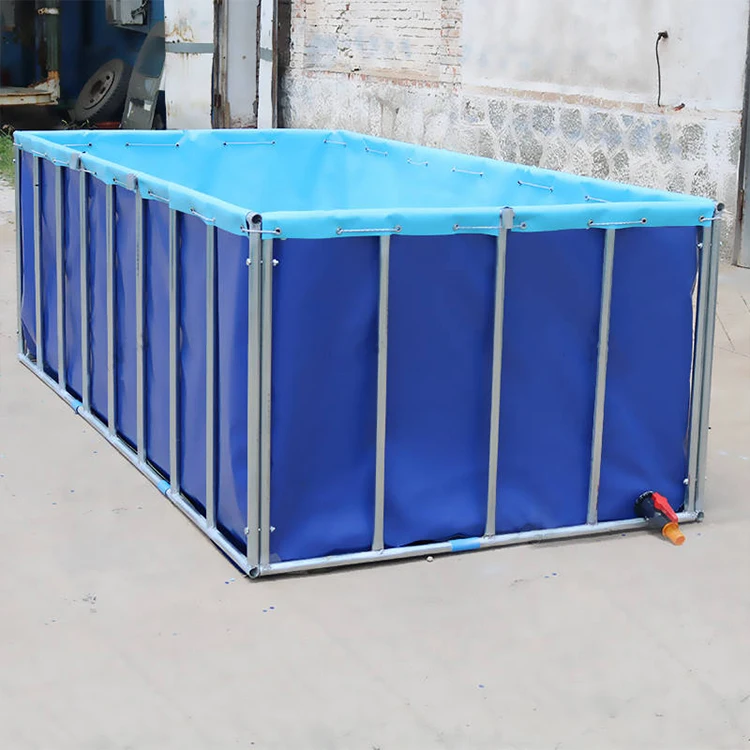
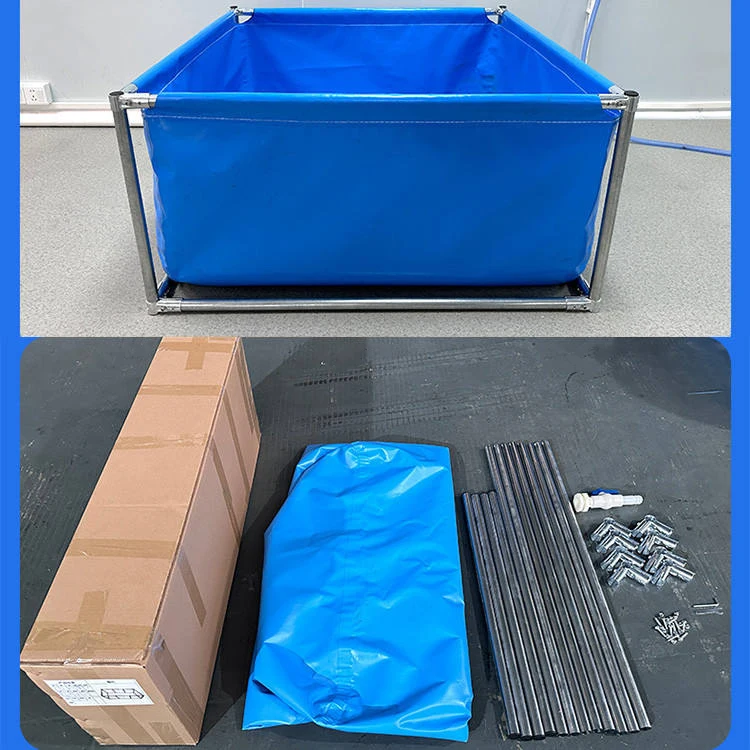
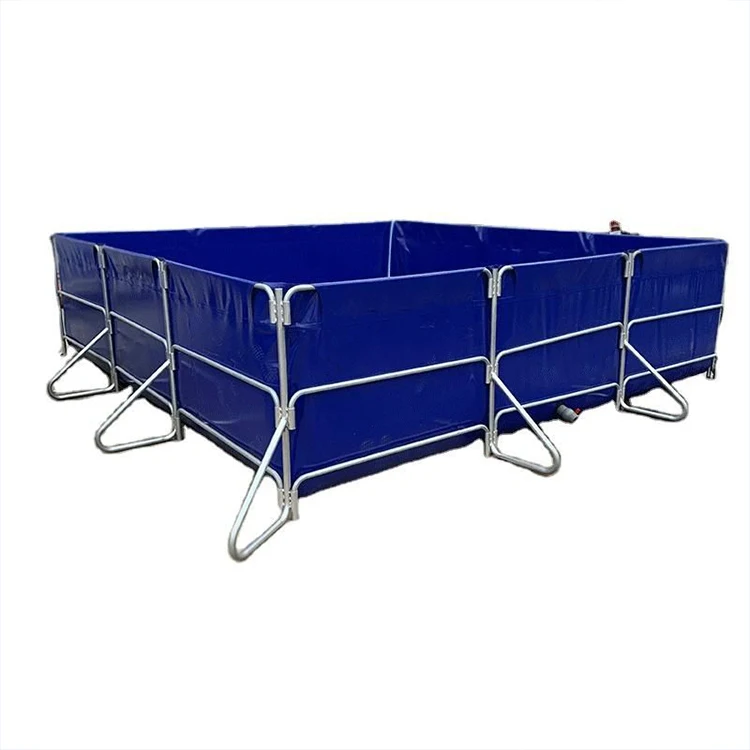
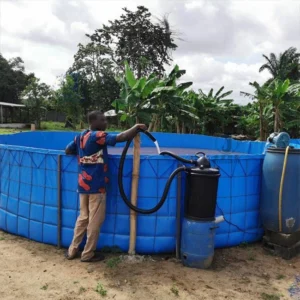
Foldable PVC Tarpaulin Fish Pond Liner, Circular & Rectangular Shapes — engineered for aquaculture operators requiring reliable water containment across hatchery basins, grow-out ponds, and temporary farming setups.
- Heat-welded seams withstand hydrostatic pressure at fold and flex points where glued alternatives fail
- Custom-cut to your exact pond dimensions with reinforced hems and eyelets for secure anchoring
- UV treatment rated for continuous outdoor exposure in open-air aquaculture sites
Backed by 100% pre-shipment inspection and dedicated QA at every production stage, with material spec sheets verifying GSM and coating weight against your quotation.
Description
Deep Process Control Over Coating Weight — Every roll of PVC tarpaulin fish pond liner we ship carries a verified GSM reading taken on the production floor, not just a number copied from a quotation template.
Technical Specifications
| Parameter | Value |
|---|---|
| Product Type | PVC Tarpaulin Fish Pond Liner |
| Material | PVC coated polyester fabric |
| Shape Options | Circular / Rectangular |
| Feature | Foldable for transport and storage |
| Application | Fish tank, fish pond, hatchery basin, water storage |
| Surface Finish | Available in glossy or matte finish (grade not stated) |
| UV Treatment | Available in UV-treated grades — confirm the grade required for your market |
| Flame Retardant | Available in flame retardant grades — confirm the grade required for your market |
| Seam Construction | Heat-welded |
| Edge Reinforcement | Reinforced hems with eyelets for anchoring |
| Certification | ISO, CE |
Application Suitability
| Application | Exposure & Requirement |
|---|---|
| Circular grow-out ponds for shrimp and tilapia | Permanent water contact, hydrostatic pressure on seams, continuous outdoor UV exposure |
| Rectangular nursery and hatchery tanks | Controlled breeding environment, frequent cleaning, chemical contact from water treatments |
| Portable and foldable pond setups | Repeated folding and unfolding, seasonal installation and removal, transport abrasion |
| Agricultural water storage basins | Long-term water containment, soil chemistry interaction, puncture risk from substrate |
Why a Liner That Looks Correct on Paper Fails at the Weld Line
A PVC tarpaulin fish pond liner is only as reliable as its weakest seam, and most seam failures trace back to inconsistent coating weight at the weld zone.
I spent months on aquaculture sites across North Africa watching pond liners fail. The fabric itself held water fine — the problem was always the seams. When the coating weight varies even slightly across a welded joint, the heat seal grabs unevenly. One section bonds fully while the adjacent section barely fuses. Under hydrostatic pressure from several tonnes of water, that weak point peels open. The buyer sees a leak and blames the material, but the real issue was process control during welding. [NEED_CITE: tensile and tear test methods for coated fabrics per ISO 1421]
Coating Adhesion and What It Means for Pond Integrity
The bond between the PVC coating and the polyester base fabric determines whether your liner survives its first season. When adhesion is weak, water pressure pushes the coating away from the yarn structure, creating blisters that eventually crack. Our PVC tarpaulin fish pond liner uses a coating process controlled at every stage to maintain consistent adhesion across the full roll width.
Heat-Welded Seams That Match the Fabric Strength
A welded seam should never be the first thing to fail on a pond liner. We set weld parameters based on the specific coating formulation and fabric weight of each production run. The heat-welded seams on our circular and rectangular pond liners are inspected before shipment, with records included in the pre-shipment QA documentation. [NEED_CITE: weld strength testing standards for PVC coated fabrics]
Reading the Specifications Beyond the GSM Number
GSM tells you the total weight per square metre, but it does not tell you how that weight is distributed between the base fabric and the coating. A liner with a heavy coating on a light base fabric may weigh the same as one with a lighter coating on a denser weave — but the tensile and tear performance will differ substantially. The base fabric denier and weave density determine how well the liner resists puncture from rocks or roots beneath the pond. The coating weight determines waterproofness and chemical resistance. When evaluating a PVC tarpaulin fish pond liner aftermarket supplier, request the full material specification sheet that breaks down base fabric and coating separately, not just a single GSM figure. The relationship between these two components defines how the liner behaves under the sustained hydrostatic pressure of a full pond, especially at fold points where the material is stressed during installation.
What Happens When Coating Weight Is Lower Than Quoted
I once stood at a port in the Middle East while a buyer inspected a container of foldable pond liners. The quotation stated a specific GSM, but the material on arrival felt noticeably lighter. We cut samples and weighed them — the coating was below the agreed weight. The buyer rejected the entire shipment. That experience taught me to verify every roll before it leaves the yard. When coating weight falls short, the liner loses waterproofness first, then UV protection, then structural integrity at the seams. For aquaculture operators running circular grow-out ponds or rectangular hatchery tanks, a liner that fails mid-season means losing stock, losing water, and losing time. [NEED_CITE: quality inspection standards for coated fabric shipments]
Why Aquaculture Operators Source From This Production Line
Our 10-person R&D team handles material selection and sample development specifically for aquaculture applications, matching coating weight and base fabric denier to your pond depth and water volume. Three full production lines with 36 sets of professional equipment support bulk orders with consistent roll-to-roll quality, so every liner in a multi-pond installation performs identically. Dedicated QA and QC staff inspect every stage of production, and we run 100% inspection before any pond liner ships — GSM readings, seam integrity, and visual checks on every piece. Custom width, length, and shape cutting means your circular or rectangular liner arrives ready to install, not requiring on-site trimming that risks damaging the material.
Documentation & Verification
- Material specification sheet stating GSM, base fabric denier, and coating weight for each pond liner order
- UV and leak-resistance test reports provided when applicable treatment grades are specified
- Welded seam inspection record included with every pre-shipment QA package
- Roll packing list with piece count, dimensions, and weight for container loading verification
- Certificate of origin and customs documentation for international aquaculture shipments
- Colour and thickness consistency confirmation across all liners within a single order
Fabrication, Handling & Storage
- Heat-weld seams at manufacturer-recommended temperature settings matched to the PVC coating formulation on your pond liner
- Anchor reinforced eyelets with corrosion-resistant hardware to prevent pull-through under water load
- Store folded liners in dry, shaded conditions to prevent crease damage to the PVC coating surface
- Allow cold-stored liners to reach ambient temperature before unfolding to avoid coating crack at fold lines
- Clean pond liner surfaces with mild detergent only — harsh solvents degrade the PVC coating layer
- Repair minor punctures on-site using compatible PVC patches heat-welded to the liner surface
What We Need to Quote Your Pond Liner Project
Tell us the exact dimensions of each pond — diameter for circular setups, length and width for rectangular tanks — along with the planned water depth. Specify whether the liner will sit on compacted soil, sand, or a concrete base, as this affects puncture risk and may influence the base fabric denier we recommend. Let us know if your market requires specific UV treatment or flame retardant grades so we can match the correct formulation. Confirm whether you need the liner shipped flat-cut or prefolded, and the total quantity per installation.
Frequently Asked Questions
Q: What GSM do I need for my pond depth and water volume?
A: The right GSM depends on water depth, substrate conditions, and whether the pond is circular or rectangular. Deeper ponds exert higher hydrostatic pressure on seams and require a heavier base fabric with adequate coating weight. We provide a material specification sheet breaking down base fabric and coating separately so you can match the specification to your operating conditions. Share your pond dimensions and we will recommend the appropriate grade.
Q: Can you cut to my exact circular or rectangular dimensions?
A: Yes. Our production lines cut PVC tarpaulin fish pond liners to your specified diameter, length, and width. We reinforce hems and install eyelets at anchoring points based on your installation method. Custom sizing eliminates on-site cutting that risks damaging the liner edge. Provide your excavation or frame dimensions and we will confirm the cutting pattern before production begins.
Q: How do welded seams compare to glued seams for long-term pond use?
A: Heat-welded seams fuse the PVC coating layers together, creating a bond that matches the fabric strength. Glued seams rely on adhesive that can degrade under continuous water contact and UV exposure. For aquaculture ponds holding water for extended periods, welded construction provides more reliable containment at fold and flex points where water pressure concentrates.
Q: Is the liner material safe for fish and shrimp contact?
A: PVC tarpaulin is widely used in aquaculture for fish and shrimp farming. The coating formulation we use for pond liners is selected for water containment applications. If your operation requires compliance with specific food-contact or aquaculture material regulations in your market, share those requirements with us so we can confirm suitability before production.
Q: How do I anchor and install the liner — do you supply eyelets and reinforcement strips?
A: We install reinforced eyelets along the hem at spacing intervals matched to your anchoring method. Reinforcement strips are added at high-stress points where the liner folds over the pond edge. Share your anchoring system details — whether you use ground stakes, batten bars, or weight-based edge retention — and we will configure the edge treatment accordingly.
Related products
-
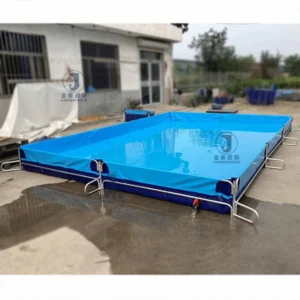
Custom Made PVC Tarpaulin Fish Pond Liner for Aquaculture
Read more -
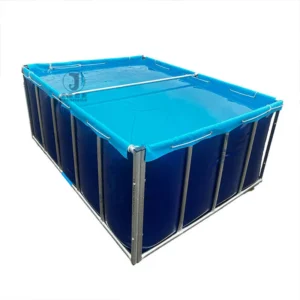
Coated PVC Laminated Tarpaulin Above Ground Swimming Pool Metal Frame High Tensile Foldable Tarp
¥1.00 Select options This product has multiple variants. The options may be chosen on the product page -
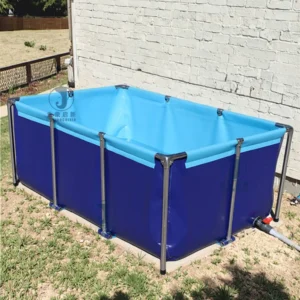
PVC Tarpaulin Roll for Fish Pond – Custom Made
Read more -
PVC Tarpaulin 0.65mm Industrial Woven Fabric Plain Style Waterproof Coating for Fish Pond Tank Pool From Vietnam
¥0.50 Add to cart