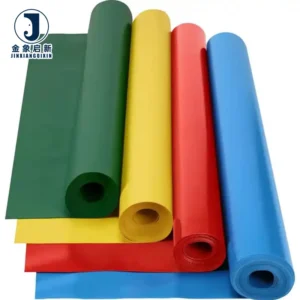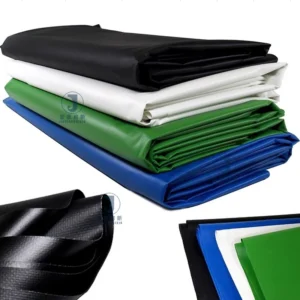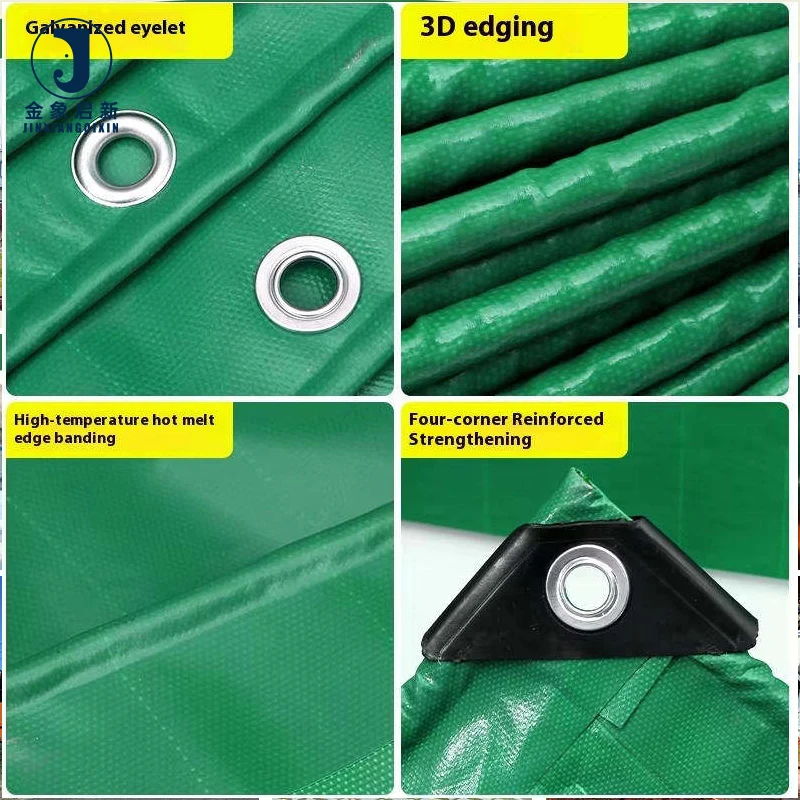
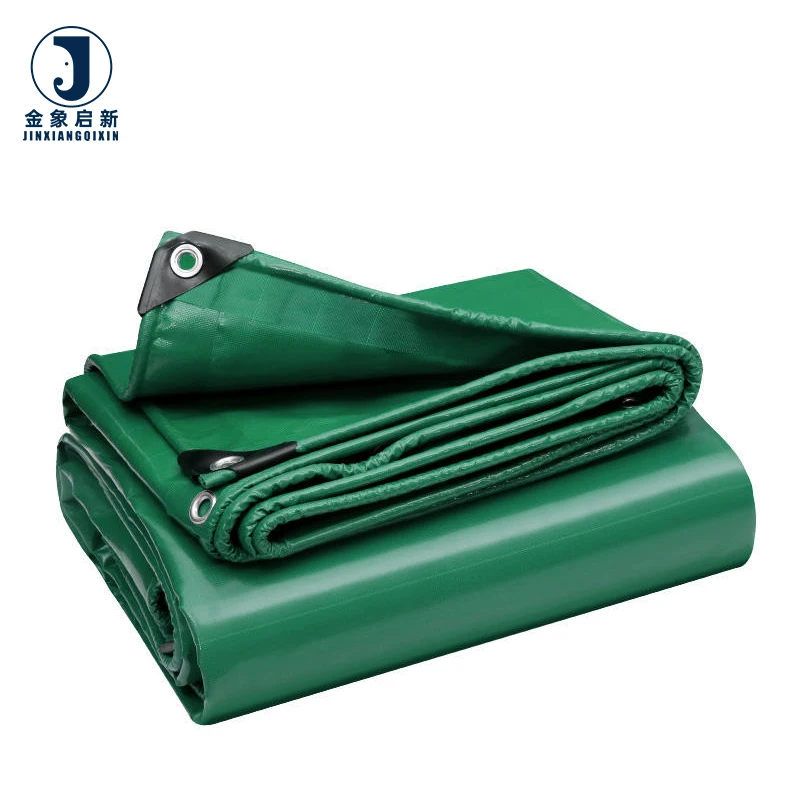
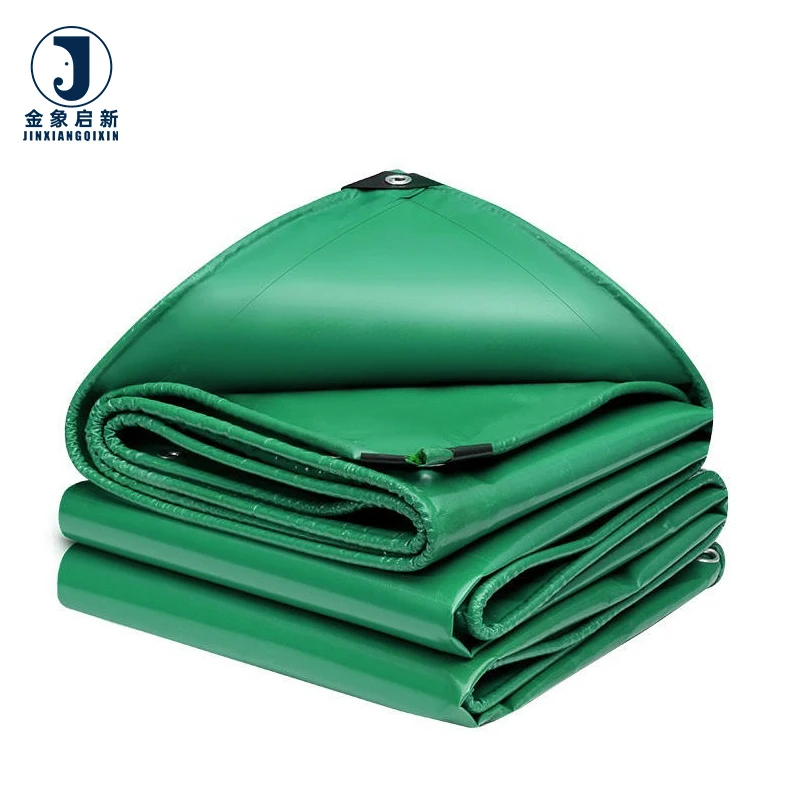
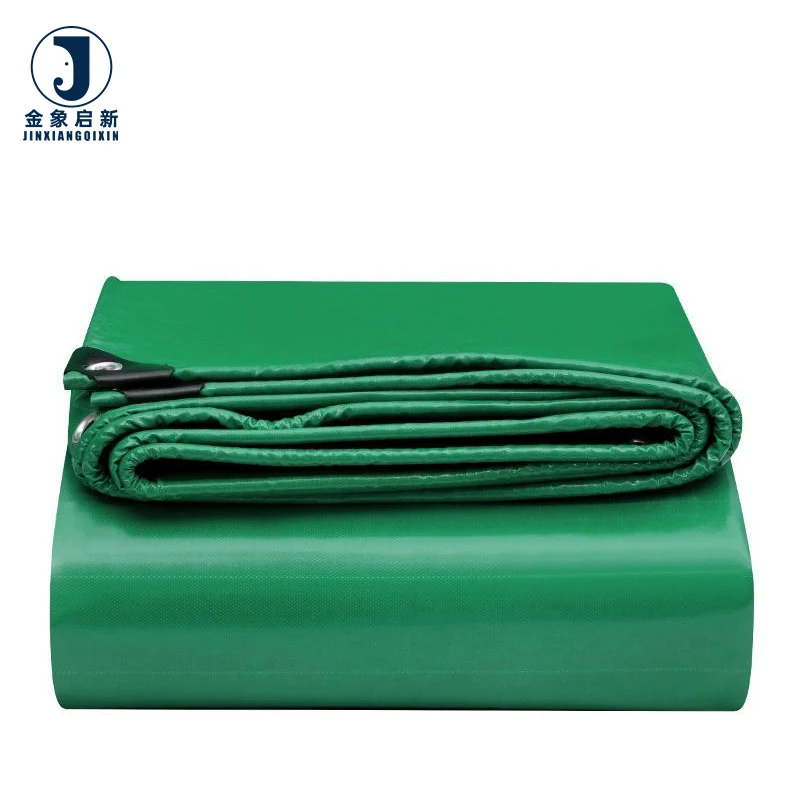
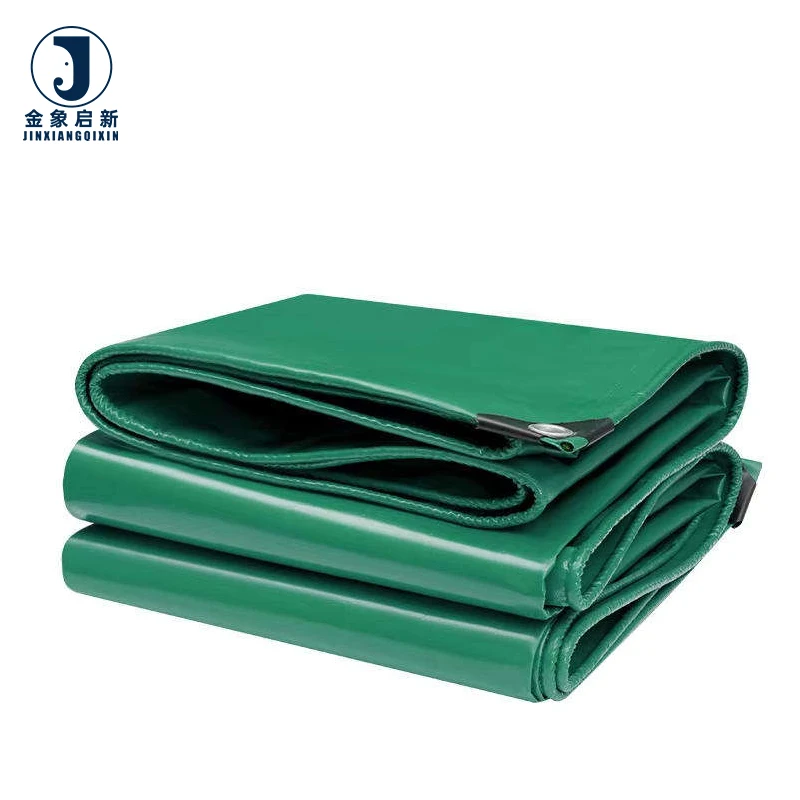
PVC Coated Tarpaulin Roll — 500–800 g/m², waterproof ≥20KPa, low-temperature flexibility to -30°C, flame retardant ≤10 seconds.
- High-frequency heat combined surface for reliable welding at seams and flex points
- Custom width, colour and pattern print with roll-to-roll consistency verified before dispatch
Deep process control across three full production lines ensures coating weight and adhesion meet specification on every roll, backed by 100% pre-shipment inspection and full test documentation.
Description
Coated Fabric Expertise — Three full production lines handle PVC coated tarpaulin roll batches with verified GSM, adhesion control, and 100% pre-shipment inspection before container loading.
Technical Specifications
| Parameter | Value |
|---|---|
| Product Type | PVC Coated Tarpaulin |
| Weight | 500 to 800 g/m² |
| Waterproof Performance | anti-permeable ≥20KPa |
| Flame Retardant | ≤10 seconds |
| Low-Temperature Flexibility | not fractured at -30°C |
| Surface Treatment | High-frequency heat combined |
| Material | PVC coated polyester fabric |
| Assembly State | Roll stock |
| Standards | ISO, CE |
Application Suitability
| Application | Exposure & Requirement |
|---|---|
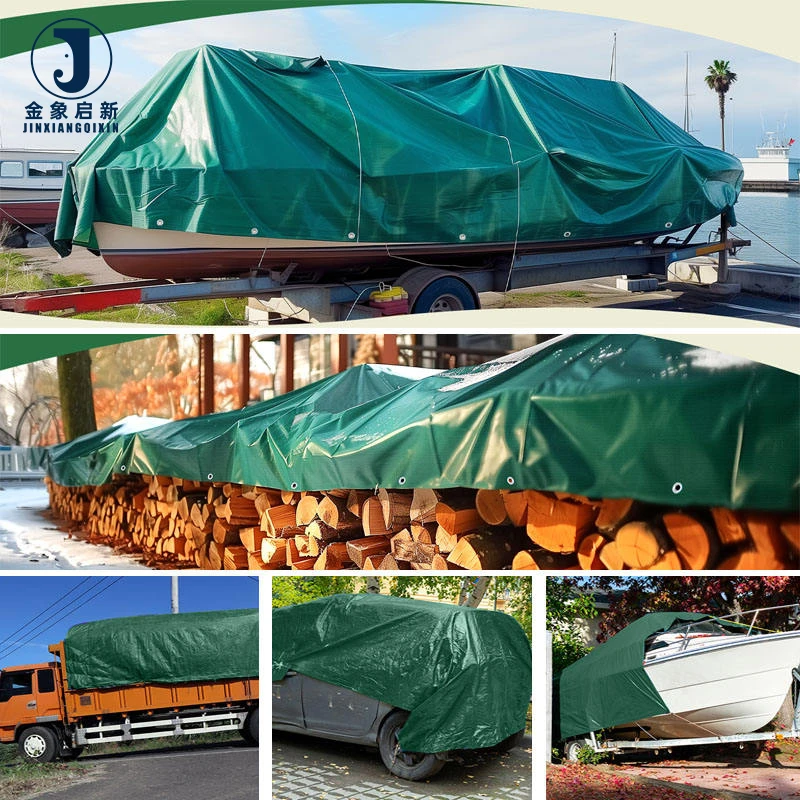
| Truck and trailer covers | Constant road vibration, UV exposure, wind flap, tie-down abrasion at edges |
| Construction site covers | Sun, rain, dust, puncture from debris, repeated handling and repositioning |
| Outdoor equipment protection | Long-term UV and moisture exposure, thermal cycling, fitting over irregular shapes |
| Agricultural and aquaculture pond liners | Permanent water contact, soil chemistry, biological growth, ground settlement |
| Tent and awning fabric | Frequent folding and unfolding, wind load, UV degradation, colour consistency across panels |
| Industrial ventilation duct material | Flame retardant and anti-static requirements, airflow pressure, abrasion at bends |
Why Stated GSM Does Not Guarantee Fabric Performance
PVC Coated Tarpaulin Roll buyers often receive material that meets the quoted weight but still fails in the field because GSM alone ignores base fabric density and coating adhesion.
Coating weight and base fabric construction together determine real-world strength, not the number on the spec sheet.
I have seen heavy-grade coated rolls fail at the weld line while lighter-grade material from a different line held up under the same conditions. The issue was not weight — it was how the coating bonded to the polyester scrim under thermal stress. When you source PVC coated tarpaulin, ask for the base fabric denier and weave count alongside the GSM. A 500 to 800 g/m² range covers many possible constructions, and the right one depends on whether your priority is tear resistance, weld integrity, or drape flexibility [NEED_CITE: tensile and tear test methods for coated fabrics per ISO 1421].
What the PVC Coating Layer Actually Does
The PVC coating on this PVC Coated Tarpaulin Roll seals the polyester scrim against water ingress and provides the surface that takes UV exposure, abrasion, and cleaning chemicals. Coating weight directly affects how the fabric handles during fabrication — heavier coatings resist puncture better but can stiffen in cold weather, while lighter coatings drape more easily but may show wear sooner at high-friction points.
The high-frequency heat combined surface treatment prepares the coating layer for reliable heat welding, which matters when you are joining panels for truck side curtains or large tent structures. Poor adhesion between coating and scrim shows up first at welded seams, where the heat penetrates through the coating into the base fabric [NEED_CITE: peel strength testing methods for PVC coated polyester].
Reading the Flame Retardant and Low-Temperature Specs
The ≤10 seconds flame retardant result tells you the fabric self-extinguishes within that window, but the applicable test standard must match your market’s fire safety code — confirm the grade required for your end use before placing an order. Similarly, the -30°C low-temperature flexibility rating means the coating will not fracture when folded or flexed at that temperature, which is critical for transport covers operating through winter or for pond liners installed in cold climates.
Glossy and matte finish options are available depending on your application — glossy surfaces shed water and dirt more easily, while matte finishes reduce glare and accept printing ink with better adhesion. Colour is consistent roll-to-roll within a confirmed batch.
The Cost of Specifying on Weight Alone
When a distributor buys PVC coated tarpaulin based only on quoted GSM, they often discover batch-to-batch weight variation only after the material arrives at their warehouse. Rolls that test light still pass through if no in-process verification catches them early. The result is covers that tear at stress points months sooner than expected, and warranty claims that trace back to insufficient base fabric denier rather than the coating itself [NEED_CITE: common failure modes in PVC tarpaulin field use].
Colour drift between rolls is another hidden cost — two rolls ordered together but produced in different batches can show visible shade differences once installed side by side on a tent or awning structure. This forces selective panel matching or outright rejection, adding labour and delay that no quotation accounts for.
What This Supply Chain Actually Delivers
Coating weight and adhesion are controlled across three full production lines, meaning your PVC Coated Tarpaulin Roll order is not dependent on a single line’s capacity or downtime schedule. The 36 sets of professional equipment on site handle coating, laminating, and finishing in sequence without outsourcing intermediate steps.
A dedicated QA/QC process checks GSM, colour reference, and coating adhesion at every production stage, with 100% pre-shipment inspection before any roll is cleared for container loading. The 10-person R&D team develops samples for custom width, colour, and print requirements within days, so you can verify the material before committing to a full production run.
Documentation & Verification
- Material specification sheet listing GSM, base fabric denier, and coating type for each roll
- Flame retardant and UV test reports matched to the specific batch being shipped
- Pre-shipment inspection record with roll-by-roll packing list and colour reference
- ISO and CE certificates included with every container dispatch
- Certificate of origin and customs documentation for cross-border shipments
Fabrication, Handling & Storage
- Heat-weld at temperatures suited to PVC coated polyester; test seam peel strength before full production
- Store rolls upright on pallets to prevent flat-spot creases across the coating surface
- Allow rolls to acclimatise before unrolling in cold conditions to avoid coating fracture at -30°C limits
- Use compatible PVC-based adhesives for patch repairs; solvent-based cleaners may soften the coating
- Plan panel layouts to minimise weld seams at high-flex zones where the load shifts during transport
What to Include with Your Inquiry
Specify your end application, the environmental exposure the fabric will face, and the flame retardant grade your local code requires. Provide the target GSM range, preferred roll width, and estimated annual volume so we can confirm availability and batch scheduling. Let us know whether you need roll stock only or cut-to-size panels, and whether a sample approval is needed before full production.
Frequently Asked Questions
Q: What GSM grades are available and how is weight verified on arrival?
A: PVC coated tarpaulin rolls are supplied in the 500 to 800 g/m² range. Each roll is weighed and recorded during the pre-shipment inspection, and a weight verification sheet ships with the packing list so you can cross-check on arrival.
Q: Can I get a test report for UV resistance and flame retardancy with my order?
A: Yes. Test reports are batch-specific and included with shipment documentation. Confirm the flame retardant grade your market requires at inquiry stage so we match the correct production batch to your order.
Q: What is the minimum order for custom width, colour or pattern print?
A: Minimum quantities depend on the specific customisation. Custom widths and colours typically require a minimum run to maintain coating consistency. Contact us with your specifications for a confirmed minimum and lead time.
Q: How do you ensure colour consistency across multiple rolls in one order?
A: All rolls within a single order are produced from the same coating batch and verified against a shared colour reference during the 100% pre-shipment inspection. Rolls from different batches are never mixed in one shipment.
Q: What documentation ships with the container?
A: Each shipment includes a material specification sheet, applicable UV and flame retardant test reports, pre-shipment inspection record, roll packing list, ISO and CE certificates, certificate of origin, and customs support documentation.
Related products
-
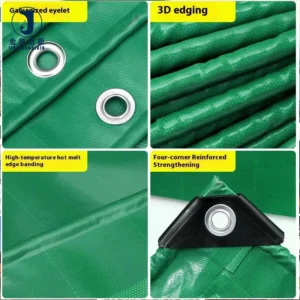
PVC Tarpaulin Waterproof Triangular Tarpaulin Folha De Tarpaulina Truck Tarpaulin
¥0.90 Select options This product has multiple variants. The options may be chosen on the product page -
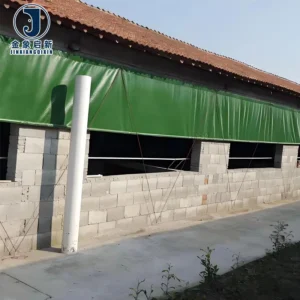
JX PVC Coated Tarpaulin/Cover for Farm Waterproof Warp Knitted Tent Pig Broiler Sheep Chicken Farm Plain Style
¥1.40 Add to cart -
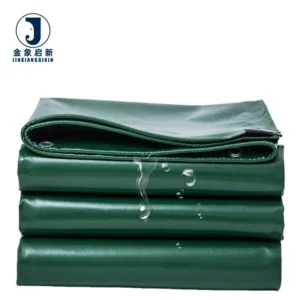
PVC Tarpaulin Industry Fabric PVC Tarpaulin 620gsm for Fish Pond Factory Swimming Pools Cover PE Tarpaulin
¥0.90 Select options This product has multiple variants. The options may be chosen on the product page -
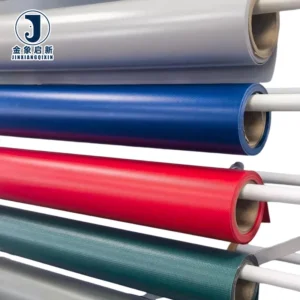
PVC Tent Fabric Shelter Blackout Anti-UV PVC Tarpaulins 1000D for Tent Fabric for Event Exhibition Shade Tents
¥1.45 Select options This product has multiple variants. The options may be chosen on the product page