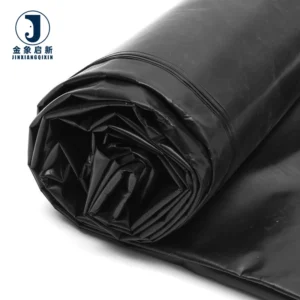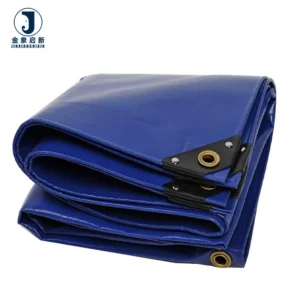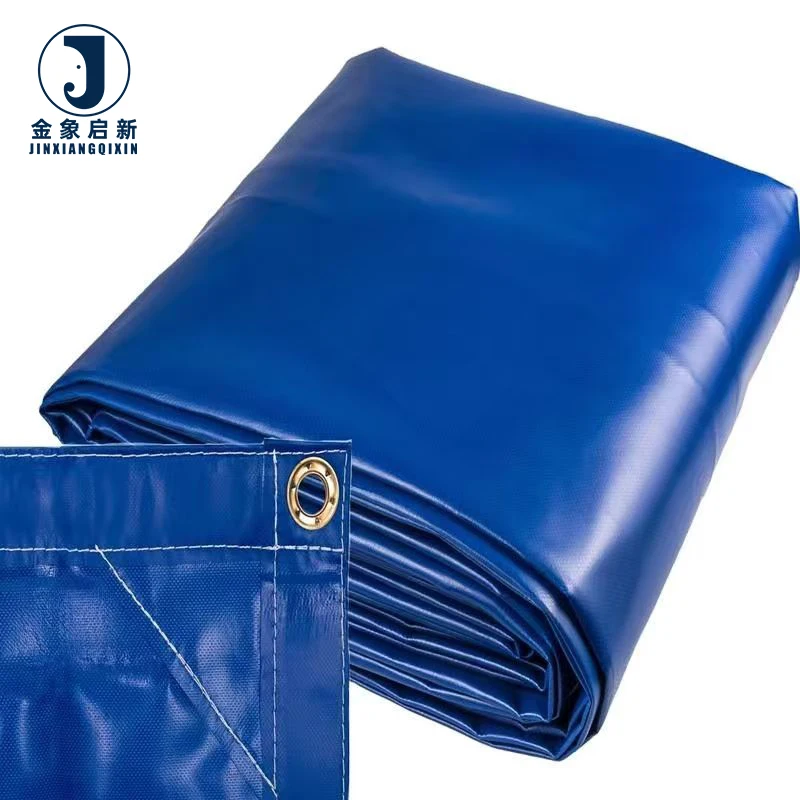
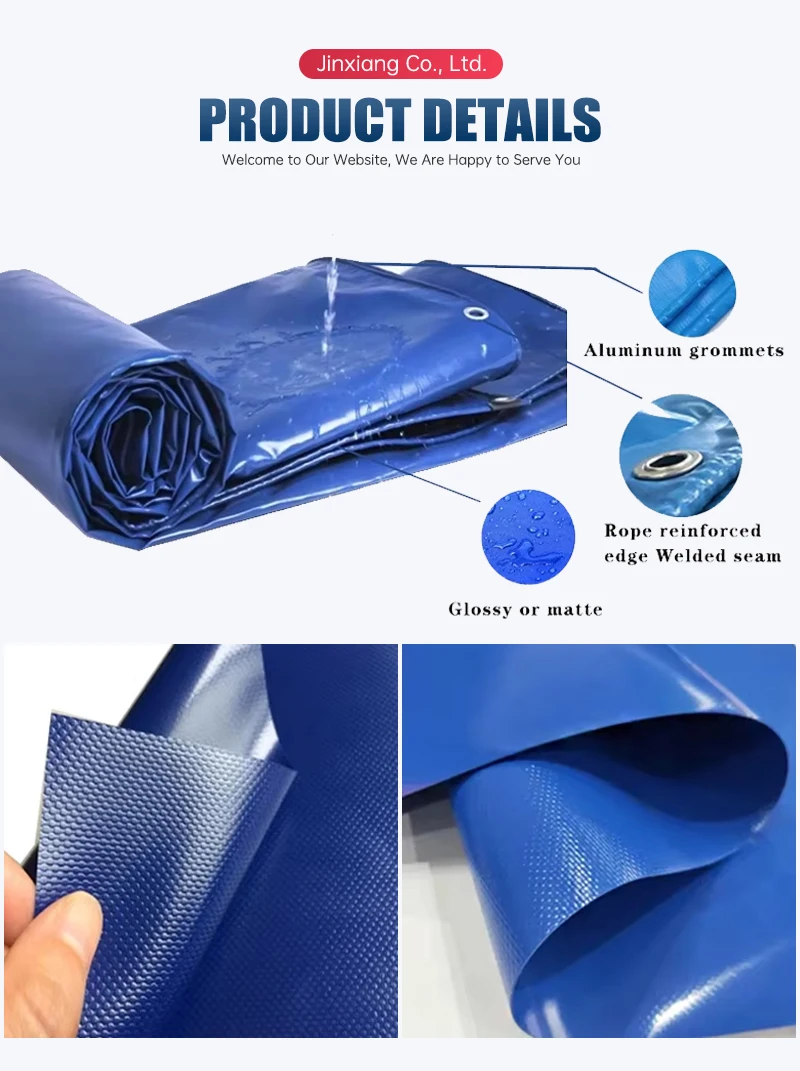
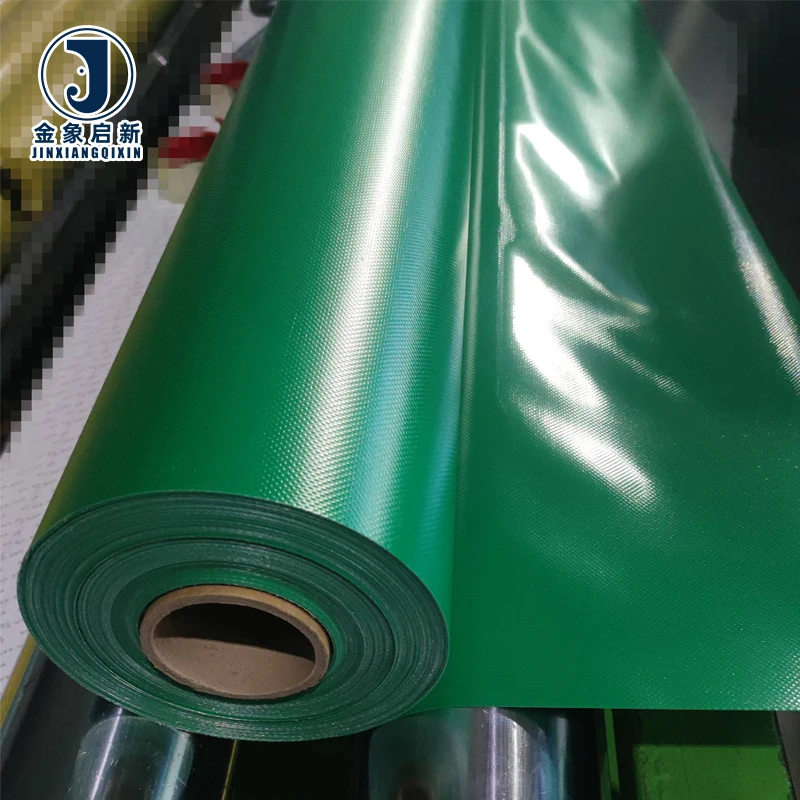
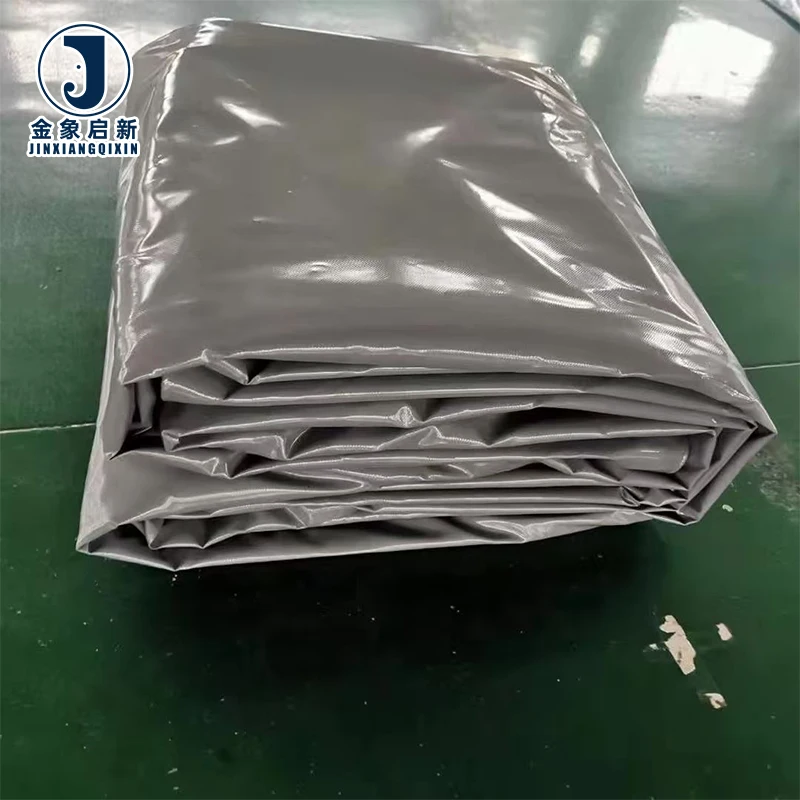
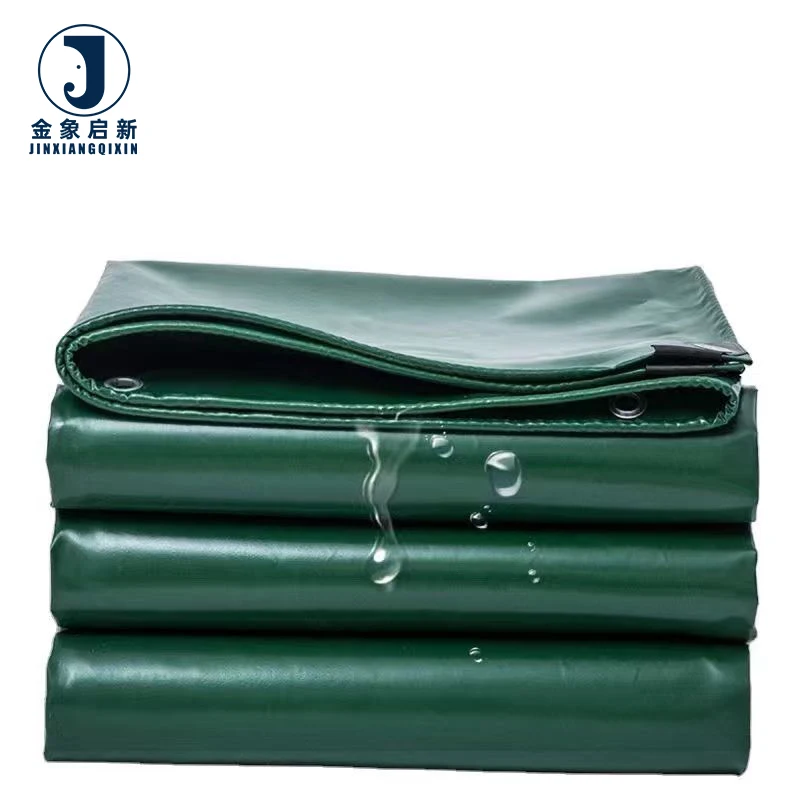
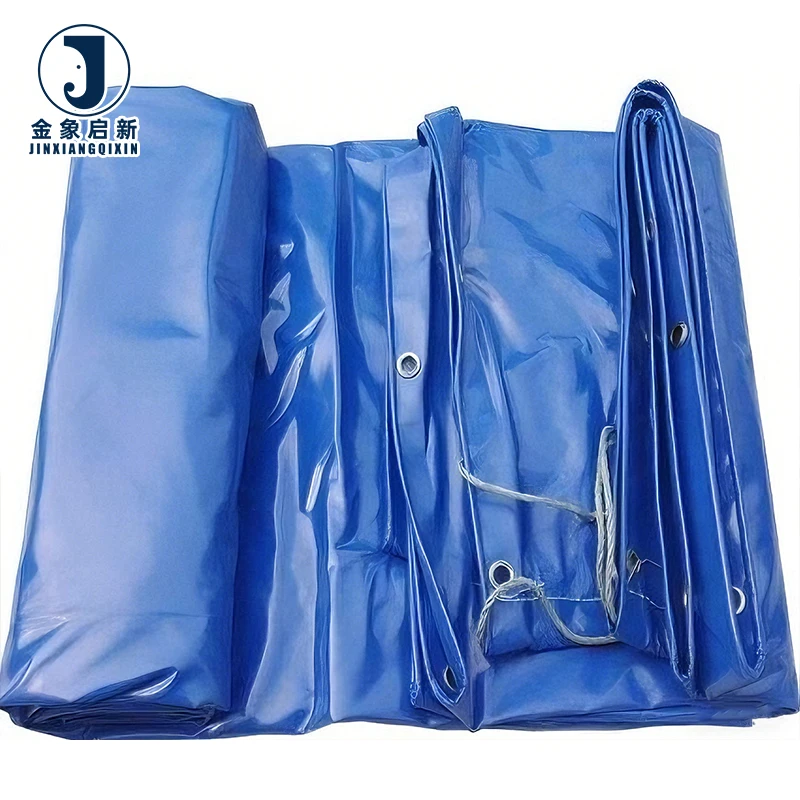
PVC Tarpaulin Roll, 500–800 g/m², Flame Retardant ≤10s, -30°C Flex — high-frequency heat combined coating for consistent adhesion and waterproof performance ≥20KPa across every roll.
- Engineered for transport and industrial covering where flex-point integrity matters; coating weight and base fabric adhesion are controlled across all three production lines to eliminate seam failure before fabric wear.
- Surface treatments backed by test reports on request, with reinforced hems and eyelet options for heavy-duty tie-down loads.
Batch-to-batch colour and weight consistency verified through 100% pre-shipment roll inspection.
Description
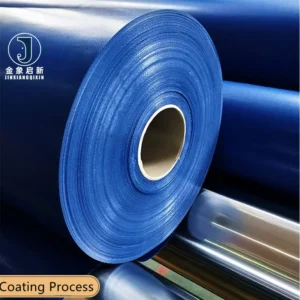
Coating Process Control — every roll of PVC coated tarpaulin is weighed and verified against the spec sheet at each production stage before dispatch, ensuring the gsm you ordered is the gsm you receive.
Technical Specifications
| Parameter | Value |
|---|---|
| Product Type | PVC Coated Tarpaulin Roll |
| Coating Material | PVC coated (vinyl coated polyester) |
| Weight (GSM) | 500 to 800 g/m² (confirm grade for your application) |
| Waterproof Rating | Anti-permeable ≥20KPa |
| Flame Retardant Grade | ≤10 seconds (grade not stated in source) |
| Low-Temperature Flexibility | Will not fracture under pliers at -30°C |
| Coating Method | Heat combined with high-frequency welding |
| Tensile Strength | High strength of tensile (test standard not stated in source) |
| Chemical Resistance | Acid, alkali, brine corrosion resistance |
| Anti-Mildew | Mildew proofing properties stated (test basis not stated in source) |
| Water Absorption | Almost no water absorption, quick drying after rain |
| UV Treatment | Available in anti-UV grades — confirm requirement for your market |
| Anti-Static | Not confirmed in source |
Application Suitability
| Application | Exposure & Requirement |
|---|---|
| Truck and trailer load covering | Constant flexing, road abrasion, UV exposure, weather contact — requires heat-sealed seams and reinforced edges |
| Outdoor industrial equipment covering | Chemical splash, prolonged weather exposure, mechanical handling stress — demands corrosion resistance and dimensional stability |
| Open-air cargo protection on transport fleets | Rain ingress risk, wind flap, tie-down strap abrasion — requires anti-permeable barrier and low water absorption |
Why Quoted GSM Rarely Tells the Full Story for PVC Coated Tarpaulin Rolls
Weight on paper means nothing if the coating adhesion fails before the fabric does.
Many buyers have received rolls that matched the quoted gsm on a scale but delaminated within months because the coating weight was achieved with poor adhesion rather than proper bonding. A heavier roll is not necessarily a stronger roll when the base fabric denier and weave density are underspecified. [NEED_CITE: tensile and tear test methods for coated fabrics per ISO 1421]. When sourcing PVC coated tarpaulin for fleet or industrial use, the relationship between base fabric construction and coating weight determines real-world performance far more than gsm alone.
How We Build a PVC Coated Tarpaulin Custom Manufacturer Relationship Around Verifiable Output
We treat every order as a specification contract, not a commodity transaction. The material specification sheet issued with your PVC coated tarpaulin roll states the exact gsm, base fabric denier, coating weight and colour reference — not a product family range. Our 10-person R&D team develops samples within days so you can confirm the material before bulk production begins, eliminating the guesswork that leads to rejected shipments.
The Difference Between Claimed Performance and Tested Performance
Flame retardant and anti-UV treatments are frequently stated on quotations without supporting documentation. [NEED_CITE: DIN 4102 fire classification for building materials]. We supply test reports for flame-retardant and UV grades where applicable, so your compliance team has documentation that matches the material on site. If your market requires a specific classification, we confirm the grade before production rather than making undocumented claims.
Understanding Coating Weight, Base Fabric and Seam Integrity
The tensile performance of a PVC coated tarpaulin roll depends on the interplay between base fabric denier, weave density and coating weight. A lighter base fabric with heavy coating may reach the target gsm but will lack the structural tear resistance needed at flex points. The high-frequency heat-sealed seam method used in our production fuses the coating layers at molecular level, creating a bond that matches the fabric strength rather than relying on thread that cuts through the weave.
Low-temperature flexibility validated to -30°C without fracture matters directly in cold-climate transport where the fabric must fold and unfold repeatedly without cracking. Chemical resistance to acid, alkali and brine corrosion extends service life in industrial environments where splash exposure is routine. [NEED_CITE: test standards for chemical resistance of PVC coated polyester fabrics]. The anti-permeable ≥20KPa rating combined with near-zero water absorption ensures cargo stays dry even under prolonged rain exposure, and quick-dry behaviour prevents mildew build-up during storage.
What Happens When Seam Specification Is Overlooked
The most common failure point on a truck cover is not the fabric itself but the seam where the load flexes most. Stitched seams create needle holes that compromise waterproof integrity and concentrate stress at the thread line, leading to tearing under road vibration and wind load. High-frequency welding eliminates perforation and distributes stress across the full seam width, but only if the welding parameters match the coating weight and thickness of the specific roll. [NEED_CITE: comparative performance of heat-welded versus stitched seams on coated fabrics].
Batch-to-batch colour variation between rolls in the same order becomes immediately visible once installed side by side on a fleet. This is not a cosmetic issue — it signals inconsistent coating formulation that may also affect UV and flame-retardant performance. Colour consistency is controlled through formulation discipline at the mixing stage, not adjusted after the fact.
Why Transport and Industrial Buyers Source PVC Coated Tarpaulin Here
Three full production lines and 36 sets of professional equipment provide the capacity to deliver bulk roll orders on schedule without compromising in-process quality checks. Dedicated QA/QC at every production stage means each roll is inspected before packing, not sampled at random from a finished batch.
The 10-person R&D team handles material selection, custom width development and sample production, enabling rapid turnaround on specification changes. ISO and CE certified processes ensure traceability from raw material through to the pre-shipment inspection record that accompanies every dispatch. Samples are developed within days for custom requirements, allowing you to verify colour, weight and hand-feel before committing to full production volume.
Documentation & Verification
- Material specification sheet per order stating exact GSM, base fabric denier and coating weight for each roll
- Test reports for flame-retardant and UV grades supplied where applicable to support market compliance
- Pre-shipment inspection record with roll-by-roll weight verification against the stated specification
- Roll packing list detailing roll count, dimensions, net and gross weight for logistics planning
- Certificate of origin and customs documentation supporting international shipment clearance
Fabrication, Handling & Storage
- High-frequency heat welding requires matched frequency and dwell time settings to the 500–800 g/m² coating weight range
- Reinforced hems should distribute tie-down load across the full edge width to prevent tear initiation at eyelet points
- Store rolls upright on end caps to prevent flat-spot deformation and permanent creasing of the PVC coating
- Allow rolls to acclimatise before unrolling in cold conditions to prevent low-temperature stiffness cracking at fold lines
- Use neutral pH cleaners on the anti-permeable surface to preserve coating integrity and chemical resistance properties
- Field repairs require compatible PVC welding adhesive matched to the coating formulation for lasting bond strength
Specifying the Right PVC Coated Tarpaulin for Your Application
Provide your target application, expected exposure conditions and any flame-retardant or anti-UV classification required by your market regulations. Confirm whether you need roll stock in standard widths or custom dimensions, along with estimated annual volume. If colour consistency across multiple rolls is critical for fleet appearance, request a sample approval stage before bulk production commences.
Frequently Asked Questions
Q: How is GSM verified on arrival and what inspection documentation do you provide?
A: Each roll is weighed individually during pre-shipment inspection against the stated specification on the material sheet. We provide a roll-by-roll inspection record with the dispatch, so you can cross-reference the weight data on receipt. Any deviation outside tolerance is flagged before shipment rather than discovered at your warehouse.
Q: What flame-retardant grades are available and which test standards do they meet?
A: Flame-retardant treatment is available in multiple grades depending on your target market requirements. We confirm the specific classification needed — such as DIN 4102 or NFPA 701 — before production and supply the corresponding test report. Specify your compliance requirement at inquiry stage so the correct formulation is applied.
Q: How do you control batch-to-batch colour consistency across multiple rolls in one order?
A: Colour formulation is locked at the mixing stage using measured pigment ratios, and each batch is checked against the approved reference before coating. The pre-shipment inspection includes visual comparison of rolls side by side. For critical fleet colour matching, we recommend a sample approval step before full production.
Q: How does high-frequency heat-sealed seam performance compare to stitched seams under load flex?
A: Heat-sealed seams fuse the coating layers without perforating the base fabric, distributing stress across the full weld width rather than concentrating it at stitch holes. This prevents water ingress through needle points and resists tear initiation at flex zones where load movement is greatest during transport.
Related products
-
PVC Tarpaulin Glossy 650GSM 1000D*1000D 23*23 1.50*50M/R for Multi-purpose Cover SAMPLE FREE
¥2.70 Add to cart -
PVC Tarpaulin Industry Fabric PVC Tarpaulin 620gsm for Fish Pond Factory Swimming Pools Cover PE Tarpaulin
¥0.90 Select options This product has multiple variants. The options may be chosen on the product page -
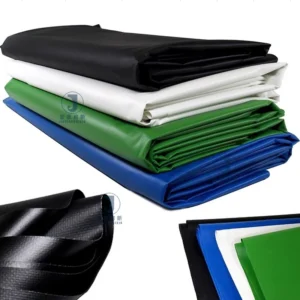
Best Quality 650gsm Waterproof Polyester Heavy Duty Bache PVC Tarpaulin Manufacturer
¥1.25 Select options This product has multiple variants. The options may be chosen on the product page -
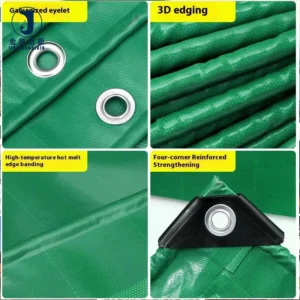
PVC Tarpaulin Waterproof Triangular Tarpaulin Folha De Tarpaulina Truck Tarpaulin
¥0.90 Select options This product has multiple variants. The options may be chosen on the product page