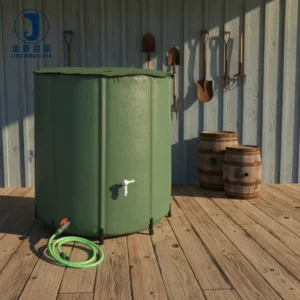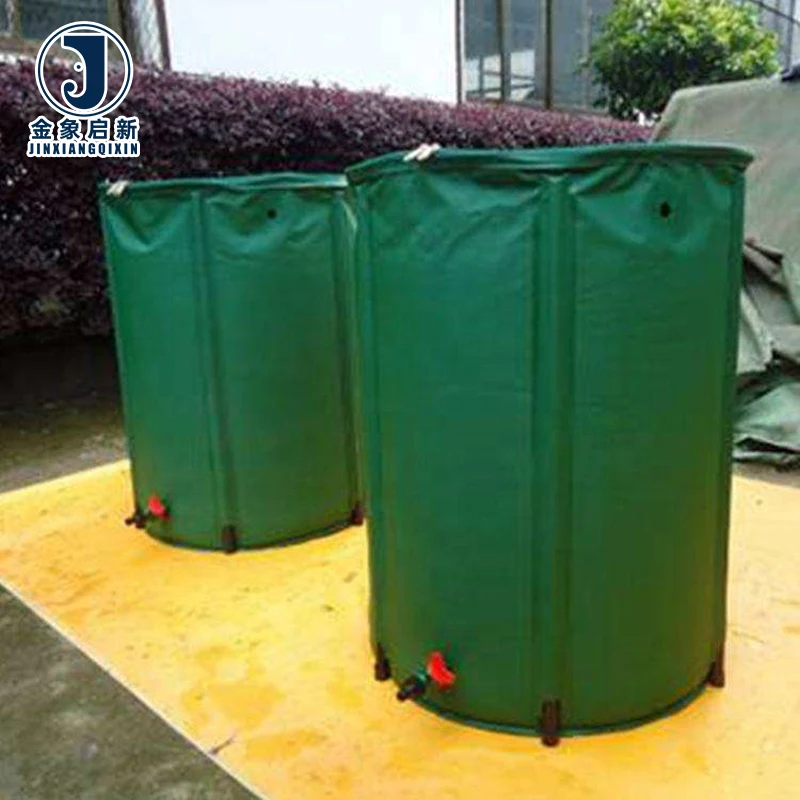
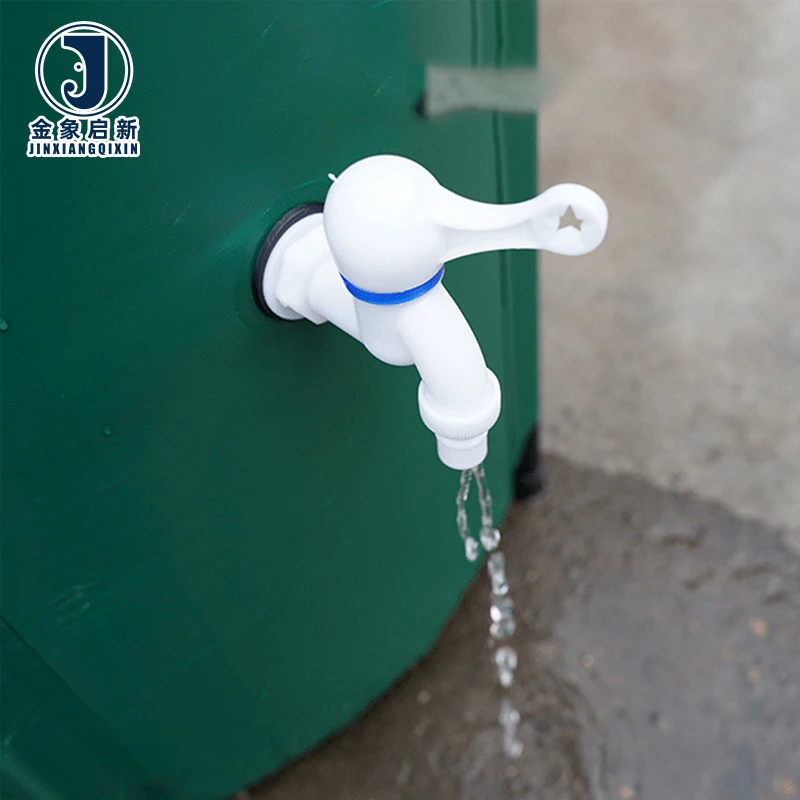
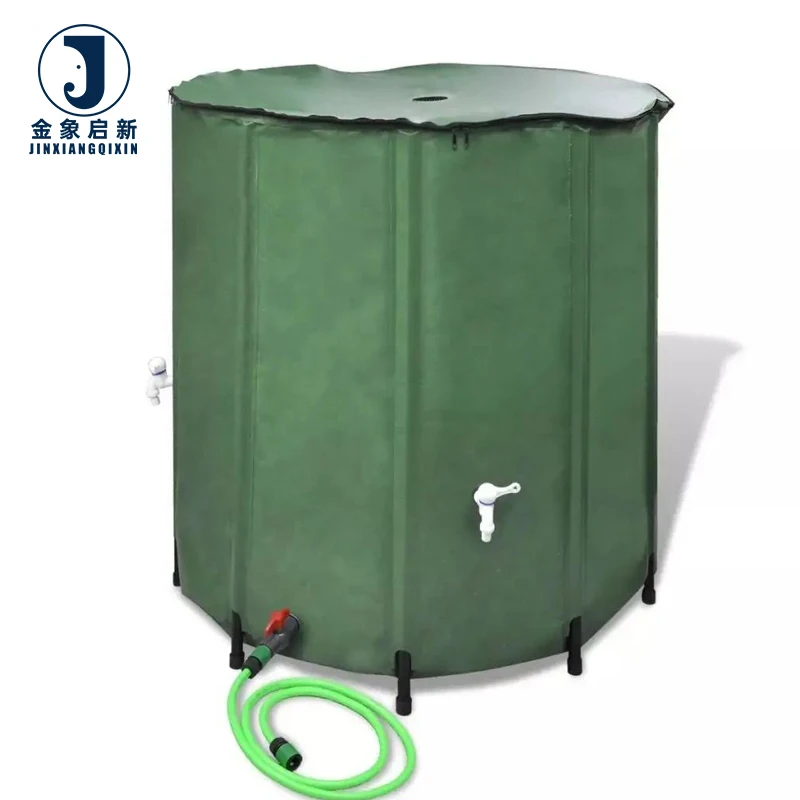
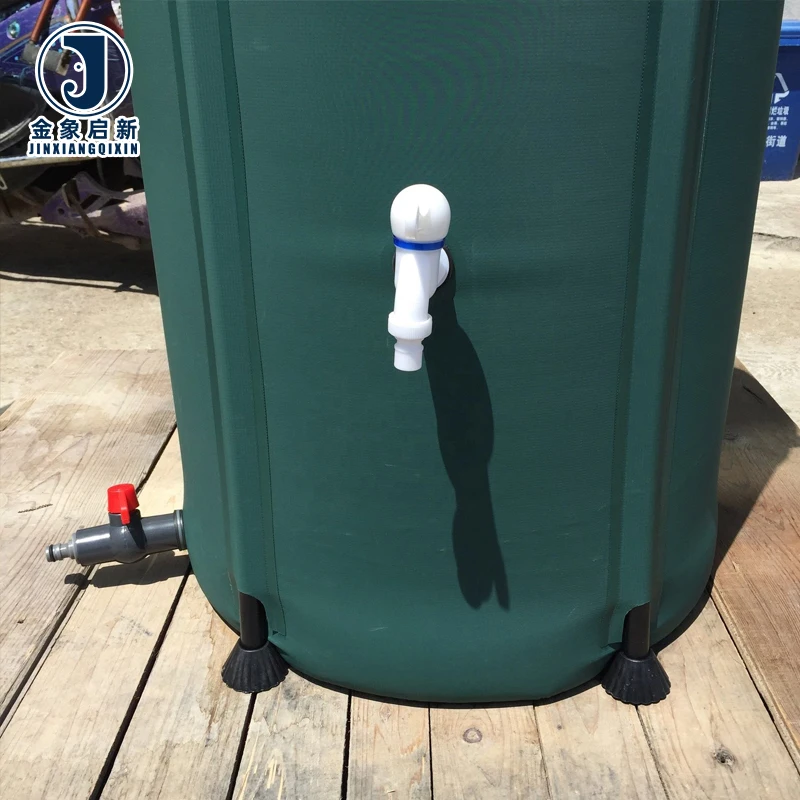
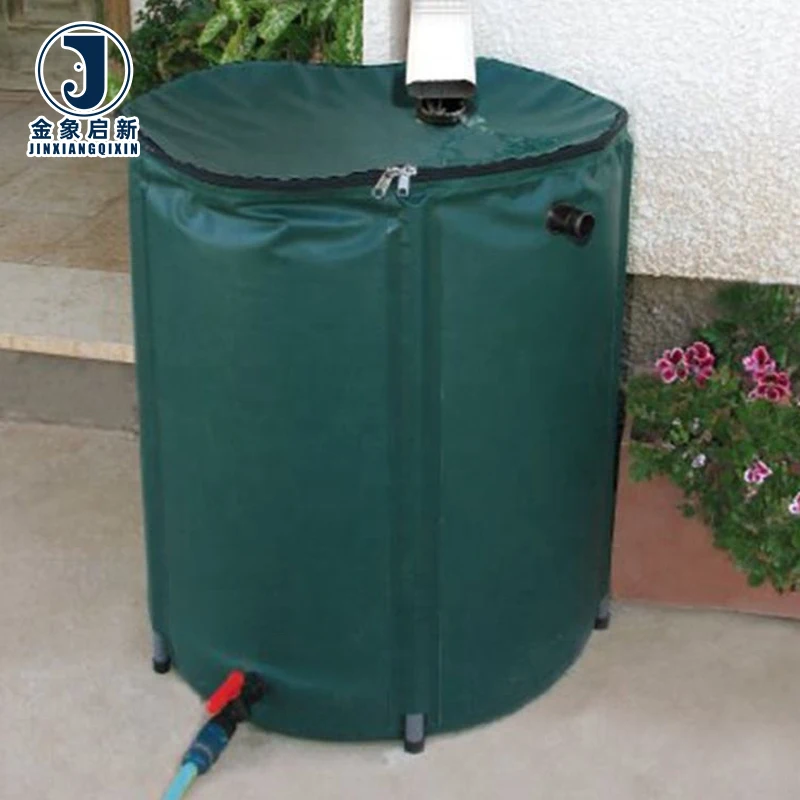
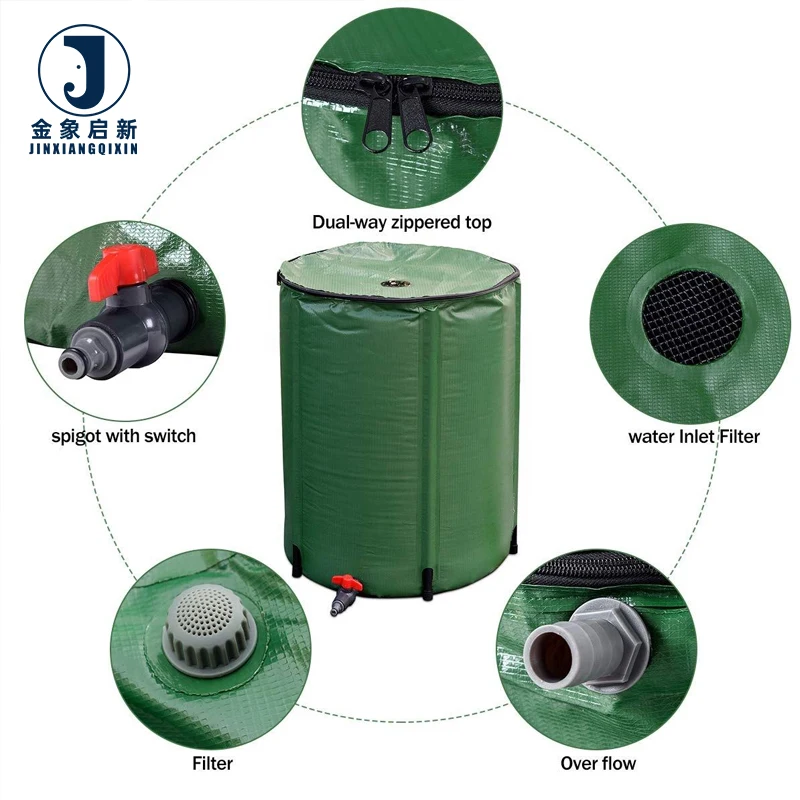
Flexible PVC Tarpaulin Water Storage Tank — collapsible design from 100L to 1000L for rainwater harvesting, irrigation, and hydroponic reservoirs.
Heat-welded seams follow reinforced hem standards across our tarpaulin range, preventing leaks at flex and valve points. UV-resistant and mildew-proof fabric holds up in continuous outdoor exposure without cracking or degradation.
- Waterproof PVC coated construction with controlled GSM and coating weight
- Flat-pack shipping reduces freight cost and on-site storage space
- Custom valve placement and fitting configuration available
Supported by a 10-person R&D team handling sample development, sizing, and material selection for each project requirement.
Description
Full custom water tank fabrication — every Flexible PVC Tarpaulin Water Tank is built from verified coated fabric stock with pre-shipment inspection records confirming dimensions, seam integrity, and material weight against the agreed specification.
Technical Specifications
| Parameter | Value |
|---|---|
| Product Type | PVC Tarpaulin Water Tank |
| Capacity Options | 100L / 225L / 250L / 750L / 1000L |
| Base Material | PVC Tarpaulin |
| Waterproof Construction | Fully waterproof coated fabric |
| UV Treatment | UV-resistant (test basis available on request) |
| Mildew Protection | Mildew-proof fabric treatment |
| Structural Design | Flexible, collapsible when empty |
| Seaming Method | Heat-welded seams |
Application Suitability
| Application | Exposure & Requirement |
|---|---|
| Rainwater harvesting systems | Permanent outdoor UV exposure, standing water contact, algae prevention |
| Garden and landscape irrigation | Seasonal deployment, frequent fill-and-drain cycles, soil contact at base |
| Hydroponic water reservoirs | Continuous water immersion, nutrient solution exposure, indoor humidity |
| Industrial temporary water storage | Job-site relocation, flat-pack transport between projects, abrasion on rough ground |
| Agricultural and aquaculture use | High-volume irrigation supply, pond-side deployment, livestock water access |
Why a Quoted GSM Does Not Guarantee a Reliable PVC Tarpaulin Water Tank
Material weight on paper means nothing if the coating adhesion and seam construction are not verified before dispatch.
Buyers regularly receive PVC tarpaulin water tanks that match the quoted capacity and dimensions but arrive with fabric noticeably lighter than the specification sheet stated. The coating weight is where suppliers cut corners — a thinner PVC layer saves cost per roll but leaves the base fabric exposed to hydrostatic pressure at the seams. [NEED_CITE: coating weight and adhesion test methods for PVC coated fabrics per ISO 1421] When a collapsible water tank is filled to capacity, the welded joints bear the full lateral load. If the coating is underweight, heat-welded seams delaminate before the fabric itself reaches its tensile limit. The failure is not a slow leak — it is a sudden split at the weld line, typically at the lowest point where pressure concentrates. I have seen tanks fail at the base seam within the first fill cycle because the coating lacked the thickness to form a proper weld bond.
Collapsible Design That Packs Flat Between Deployments
Unlike rigid plastic barrels or metal tanks, a PVC tarpaulin water tank folds down to a fraction of its deployed footprint when empty. This matters for construction contractors moving between job sites, agricultural operators who only need seasonal irrigation storage, and logistics companies managing return tra*ufacturer builds each unit from coated fabric that rolls or folds without cracking the coating layer — provided the material formulation includes appropriate plasticiser content for repeated flex cycles. The collapsible design also reduces warehouse footprint for distributors stocking multiple capacity options.
Seam Engineering Under Hydrostatic Load
A filled 1000L tank exerts sustained lateral pressure on every welded seam, with the greatest force concentrated at the base and lower corners. Heat-welding PVC tarpaulin requires precise temperature control — too cool and the bond is superficial, too hot and the coating blisters or weakens. [NEED_CITE: hydrostatic pressure resistance and seam strength testing for flexible liquid containment] Jinxiang applies the same reinforced hem and weld standards used across its truck cover and industrial tarpaulin range to every water tank seam. Valve and fitting penetration points receive additional welded reinforcement patches because these are the locations where stress concentrates during filling and draining cycles.
Reading the Specification Sheet Beyond the GSM Number
Capacity and waterproof rating are the obvious line items, but the behaviour of a PVC tarpaulin water tank in service depends on how those numbers interact. The base fabric denier and weave density determine tear resistance — a higher denier yarn in a tight ripstop weave stops a puncture from propagating across the tank wall. The PVC coating weight must be sufficient to fully encapsulate the base fabric, not just sit on the surface, because partial encapsulation leaves wicking paths for water to reach the inner yarn structure. UV-resistant treatment and mildew-proof finishing are applied during the coating stage and must penetrate the full coating thickness rather than sitting as a surface dressing that washes away after the first few fill cycles. The relationship between coating weight and plasticiser formulation also governs how the tank handles temperature swings — a formulation that stays flexible in cool conditions may soften excessively in direct summer sun if not balanced correctly.
The Real Cost of Skipping Pre-Shipment Verification
When a PVC tarpaulin water tank arrives underweight or with unverified UV treatment, the buyer faces a choice between accepting a product that will degrade faster than expected or initiating a return that delays the project by weeks. Underweight coating shows up first at the weld lines — the seams look intact on visual inspection but lack the peel strength to survive repeated fill-and-drain pressure cycles. [NEED_CITE: common failure modes in flexible liquid containment bladders] UV treatment that was claimed but not tested manifests as surface chalking and embrittlement after a single season of outdoor exposure, turning the tank wall brittle at fold points. Mildew-proof treatment that was omitted leaves the interior surface colonised by biofilm within weeks, contaminating stored water and requiring chemical cleaning that further degrades the coating.
Why Source Water Tanks From a Coated Fabric Manufacturer
Nearly 30 years of PVC coating process control means the fabric used in every water tank starts with known coating weight and adhesion values — not a generic roll purchased on the spot market. Three full production lines and 36 sets of professional equipment support capacity for bulk orders without the typical scheduling bottlenecks that delay custom-sized tanks. The 10-person R&D team develops custom capacity, valve placement, and fitting configurations based on the buyer’s existing pipe layout rather than forcing a standard tank into a non-standard installation. Dedicated QA/QC at every production stage ensures seam integrity is checked during fabrication, not just at final inspection. Samples for custom sizes and fitting layouts are developed within days, letting buyers verify dimensions and weld quality before committing to a full production run.
Documentation & Verification
- Material specification sheet confirming base fabric denier, coating type, and verified weight for the exact tank batch
- Pre-shipment inspection record documenting tank dimensions, weld seam continuity, and leak test results
- UV and mildew-resistance test reports provided where treatment has been specified in the purchase order
- ISO and CE certificates included for buyer compliance submissions in regulated agricultural and industrial applications
Fabrication, Handling & Storage
- Heat-weld all seams at temperatures matched to the specific PVC coating formulation to prevent delamination under hydrostatic pressure
- Reinforce valve and fitting penetration points with additional PVC tarpaulin patches welded over the base layer
- Store collapsed tanks in a dry, shaded area to prevent mildew formation on folded surfaces before deployment
- Avoid dragging the tank base across abrasive ground during deployment — place on a prepared surface or ground sheet
- Clean interior with mild detergent only; solvents and strong alkalis degrade the PVC coating and compromise waterproof integrity
What to Include in Your Enquiry
To receive an accurate specification and lead time for a custom PVC tarpaulin water tank, provide the intended application and whether the tank will be deployed indoors, outdoors, or moved between sites. Confirm the required capacity, preferred valve and fitting positions relative to your pipe layout, and whether UV or mildew treatment is needed for your operating environment. If you have a target market with specific compliance or documentation requirements, state these up front so the correct test reports and certificates are prepared before dispatch.
Frequently Asked Questions
Q: What PVC tarpaulin specification is used for different tank capacities?
A: Larger capacity tanks require heavier base fabric and thicker coating to withstand higher hydrostatic pressure at the seams. The R&D team recommends the appropriate fabric weight and construction based on your specified capacity, and provides a material specification sheet confirming the exact base fabric and coating used before production begins.
Q: Can valve positions and fittings be customised to existing pipe layouts?
A: Yes — the 10-person R&D team configures inlet, outlet, and overflow fittings to match your site piping. Custom valve placement is developed as a sample first, so you can verify position and weld reinforcement before the full order is produced. Provide your pipe layout drawing with your enquiry.
Q: How is the water tank shipped — flat-packed or inflated?
A: Every PVC tarpaulin water tank ships collapsed and folded, drastically reducing transport volume and cost compared to rigid tanks. The tank is packed with protective interleaving to prevent coating adhesion between folded layers during transit and storage before deployment.
Q: Are UV-resistant and mildew-proof treatments applied to every tank?
A: UV-resistant and mildew-proof treatments are applied during the coating process based on the specification confirmed in your order. Request the relevant test reports before committing to bulk production — treatment claims are backed by documented test results, not generic statements.
Q: What is the typical lead time for custom capacity sizes?
A: Custom capacity tanks require pattern development, sample approval, and production scheduling across the three-line facility. Lead times vary with order volume and customisation complexity — the quotation includes a confirmed dispatch date based on current production capacity at the time of your enquiry.
Related products
-
Garden Flexible 750L PVC Waterproof Fabric Rain Tank Irrigation Rainwater Harvesting Industrial Fabric Large Water Storage Tank
¥15.70 Add to cart -
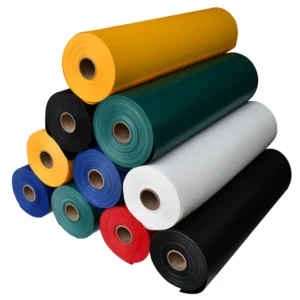
PVC Coated Tarpaulin Fabric for Awning and Tents – Custom Made
Read more -
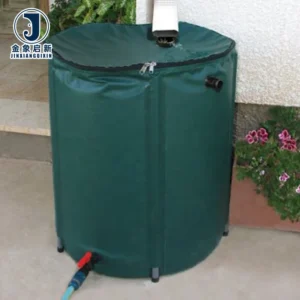
NST Green 50 Gallon Collapsible Rain Barrel Rainwater Collection System Portable Garden Water Storage Tank Water Catcher
¥15.70 Add to cart -
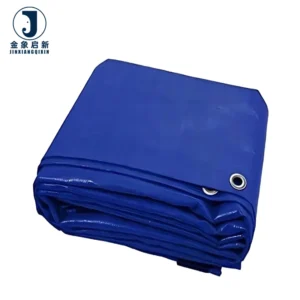
PVC Tarpaulin 650 Gsm 630 Gsm for Truck Cover – Custom Made
Read more