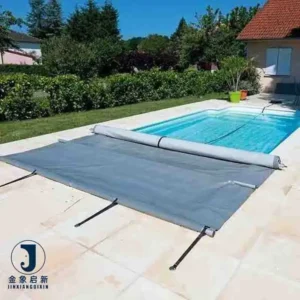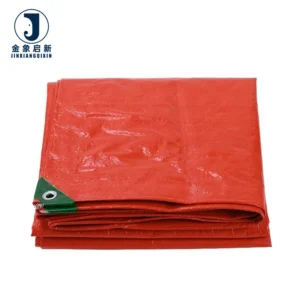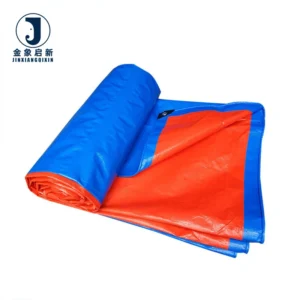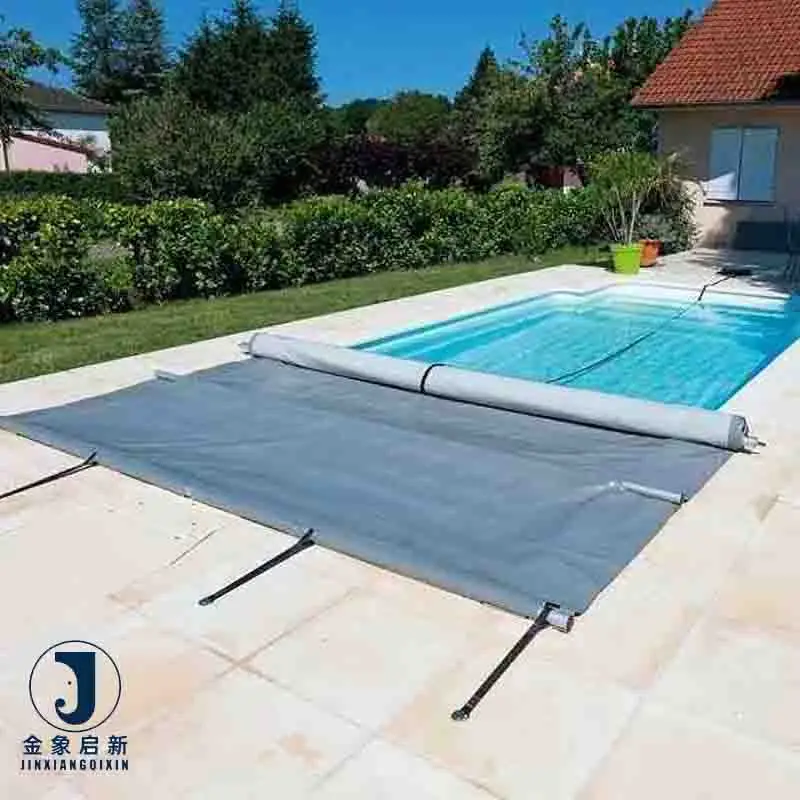
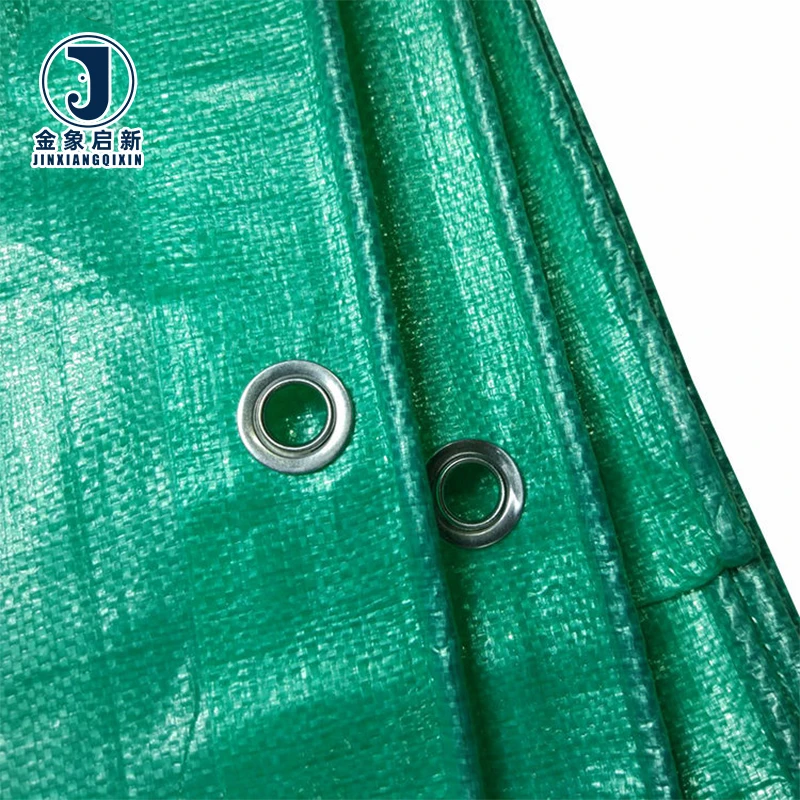
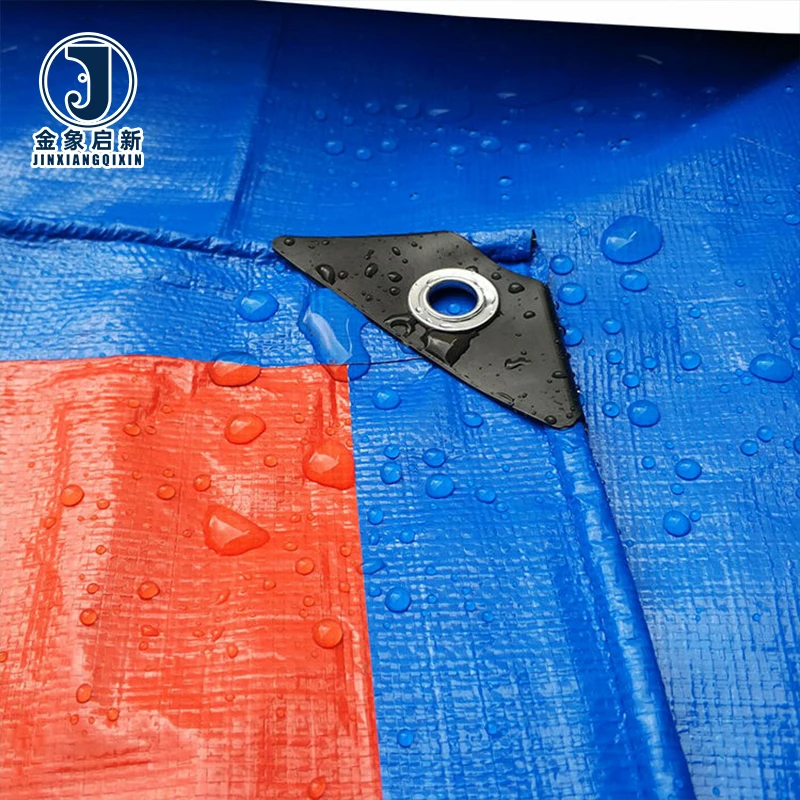
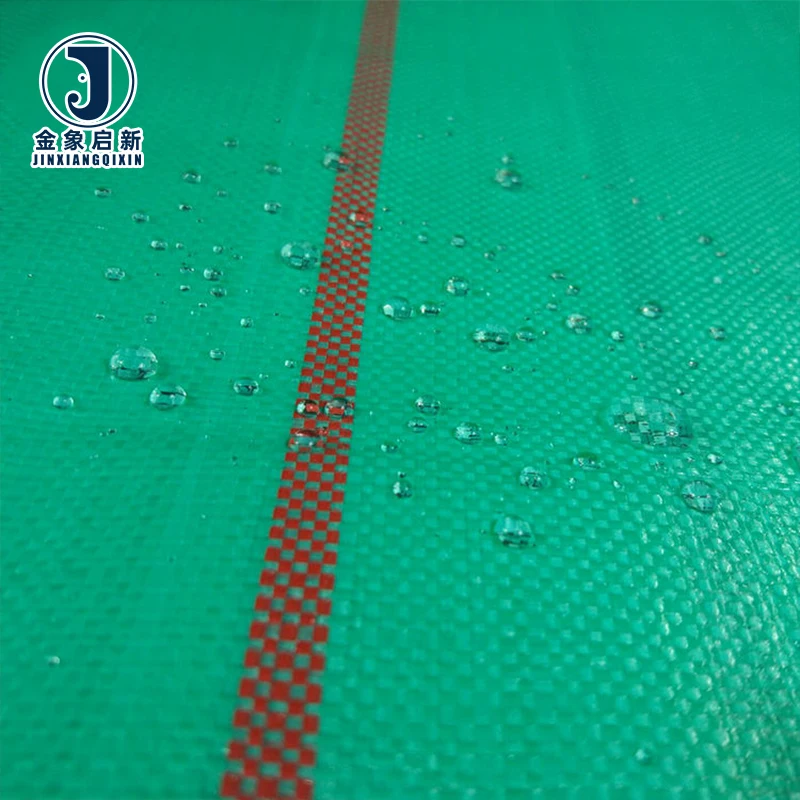
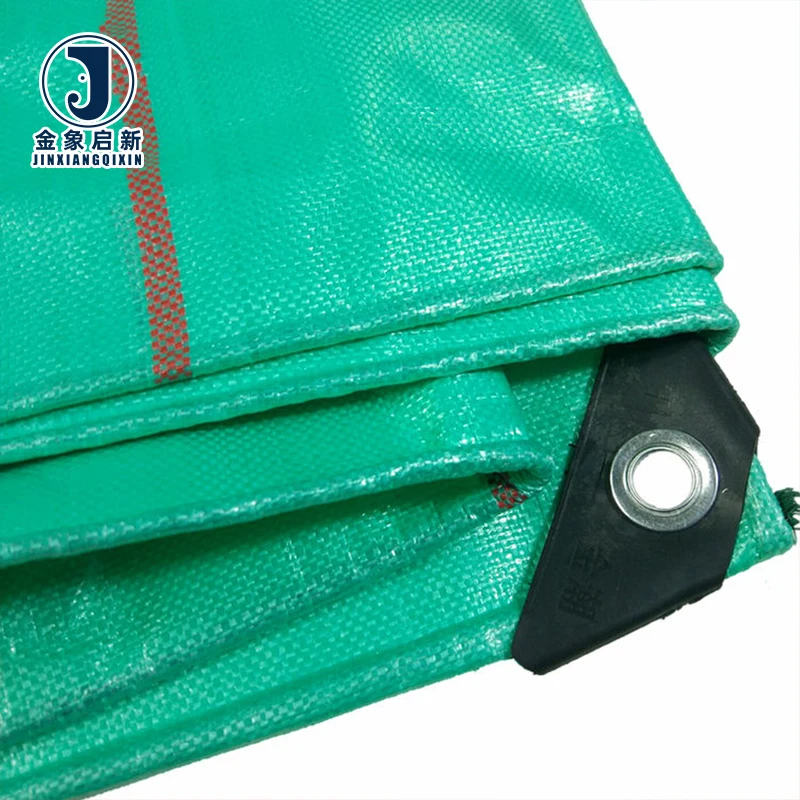
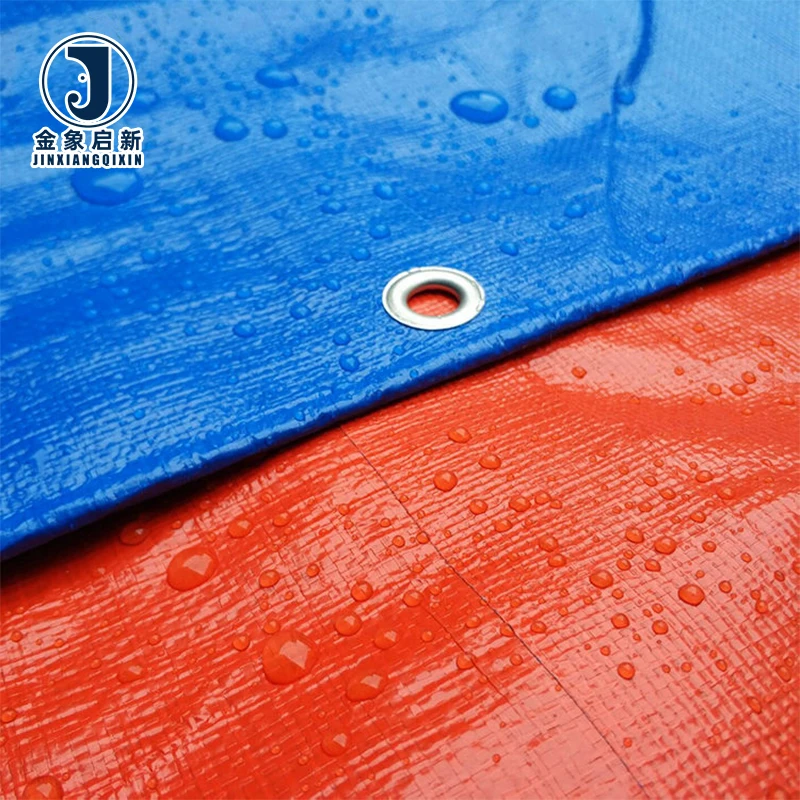
PE Tarpaulin 50–300 gr/m², HDPE Woven / LDPE Laminated — available in 11 weave densities from 6×6 to 14×16, supplied as roll stock or finished sheets with PP rope hems and galvanized eyelets every 3 ft.
- Double-sided LDPE lamination locks coating weight and adhesion across the full roll width.
- Choose UV treatment, mildew resistance or anti-aging formulation, each backed by test documentation.
Full pre-shipment inspection with 100% roll-by-roll verification and dedicated QA at every production stage.
Description
Precision-Coated Fabric Sourcing — Every roll is weighed and documented at our QA stage so the PE tarpaulin you order matches the quotation, supported by in-process coating control and pre-shipment GSM verification across production runs.
Technical Specifications
| Parameter | Value |
|---|---|
| Product Type | PE Tarpaulin Roll / Finished PE Tarpaulin |
| Material | HDPE woven base with LDPE double-side lamination |
| Weight Range | 50 gr/m² ~ 300 gr/m² (grade-dependent) |
| Thickness | 0.2 mm – 0.4 mm / 8 mil – 16 mil |
| Mesh Count Options | 6×6, 6×7, 7×7, 7×8, 8×8, 9×9, 8×10, 10×10, 12×12, 14×14, 14×16 |
| Roll Width | 6 ft, 8 ft, 10 ft, 12 ft / 2 m, 4 m, 6 m |
| Roll Length | 100 yards, 100 meters, or custom |
| Finished Sheet Sizes | 2×2 m through 8×10 m (16 standard dimensions) and custom cuts |
| Colour Options | Blue, Blue/Orange, Green, Grey, Black, Clear, Grey/Green, Orange, or custom Pantone |
| Edge Reinforcement | PP rope hem on all four sides |
| Eyelets | Galvanized, spaced at 3 ft or 1 m intervals |
| Corner Treatment | Reinforced plastic corners |
| Waterproof | Yes — fully laminated construction |
| UV Treatment | Available — confirm grade required for your market |
| Flame Retardant | Available — confirm the grade required for your market |
| Standards | ISO, CE |
Application Suitability
| Application | Exposure & Requirement |
|---|---|
| Pond and reservoir lining | Permanent water contact, soil chemistry, puncture from substrate irregularities, UV exposure on exposed edges |
| Agricultural crop and hay covers | Extended outdoor weathering, wind uplift on large spans, moisture ingress prevention |
| Truck and trailer load covers | Road abrasion, constant tie-down tension at eyelets, flex fatigue at fold points |
| Construction scaffolding wrap | Wind-driven rain, UV degradation on exposed faces, tear propagation from scaffold tube contact |
| Garden and furniture covers | Repeated folding and unfolding, UV and mildew exposure, weight of pooled water on flat surfaces |
Why Quoted GSM Seldom Matches What Arrives on the Dock
Weight verification at production is the only control that matters — not the number on the invoice.
Sourcing PE tarpaulin often means discovering that the rolls received weigh less than what was quoted. The gap is rarely accidental. Lighter coating application, thinner base yarn, or lower mesh density all reduce cost at the factory while leaving the quoted GSM unchanged on paper. For buyers covering ponds or transport loads, the difference between a 140 gsm specification and a 110 gsm delivery shows up as early tearing at eyelets or coating delamination within the first season of use. [NEED_CITE: GSM deviation tolerance in woven tarpaulin procurement]
From Mesh Density to GSM — Mapping the PE Tarpaulin Matrix
The relationship between weave density and fabric weight is not linear. A 6×6 mesh structure with fine yarns can produce 50 gsm fabric suitable for light temporary covers, while a 14×14 weave using heavier denier yarns reaches the 150–250 gsm range demanded by heavy-duty applications. Our PE Tarpaulin manufacturer custom capability covers this full matrix, allowing buyers to select the mesh count that matches their mechanical and environmental requirements rather than settling for a generic mid-range grade.
Roll Stock or Finished Sheets — One Production Source
Juggling separate suppliers for PE tarpaulin roll stock and finished cut-to-size sheets introduces colour drift and weight inconsistency between batches. Consolidating both formats within a single production run ensures that the LDPE lamination formulation, pigment batch, and GSM remain identical whether the material ships as 6-metre-wide rolls or as pre-cut 4×6 m finished tarps with welded hems and eyelets.
Weave Density, Coating Weight, and the Strength Misconception
GSM alone tells you nothing about tear resistance. A 200 gsm PE tarpaulin woven at 8×8 with thick yarns will resist tearing differently from one woven at 14×14 with finer yarns at the same weight. The HDPE base fabric carries the structural load; the LDPE lamination provides waterproofing and UV screening. Double-side lamination adds coating weight that inflates GSM without proportionally improving tensile performance. Buyers specifying for pond liners or truck covers should evaluate mesh count alongside GSM — and request tear and tensile data to confirm suitability. [NEED_CITE: tensile and tear test methods for coated fabrics per ISO 1421]
The Hidden Cost of Specifying on Price Per Kilogram
When PE tarpaulin is sourced on cost per kilogram rather than verified GSM and mesh density, the factory absorbs margin pressure by reducing coating weight or substituting lighter base yarn. The result arrives looking correct — same colour, same labelling — but the fabric fails at the eyelet under tie-down load or the lamination peels at the hem after repeated folding. For pond applications, a thinner lamination layer permits water permeation through micro-cracks that develop under UV exposure, compromising containment long before the expected service life. [NEED_CITE: coating adhesion failure modes in laminated polyethylene fabrics]
Why Buyers Consolidate PE Tarpaulin Orders Here
Our production facility runs dedicated coating lines with calibrated lamination equipment, controlling LDPE application weight across the full roll width. The 10-person R&D team develops colour matches and print layouts before bulk production, with samples dispatched for approval. A 100% pre-shipment inspection verifies GSM, colour consistency, and edge construction against the order specification — not a sampling protocol. Roll widths up to 6 m and finished sheets in over 16 standard dimensions ship from the same facility, eliminating cross-supplier variation. Container loading plans are calculated by roll, bale, or carton format to maximise payload within weight limits.
Documentation & Verification
- Material specification sheet stating exact GSM, HDPE weave density, and LDPE coating weight per roll
- Pre-shipment inspection record confirming GSM and colour consistency across the order
- UV treatment test documentation where applicable — confirm grade for your application
- Roll packing list with net weight, roll count, and dimensional breakdown per container
- Certificate of origin and customs documentation prepared for destination market
Fabrication, Handling & Storage
- Heat-weld seams at the PP rope hem using temperature settings matched to LDPE lamination thickness
- Galvanized eyelets at 1 m intervals distribute tie-down load — reinforce corners with plastic patches on heavy-grade rolls
- Store rolls upright on pallets to prevent permanent creasing of the laminated surface
- Unfold finished sheets fully before tensioning to avoid concentrated stress at fold lines
- Clean with mild detergent; avoid solvents that degrade the LDPE lamination bond
- Cut with sharp blades to prevent fraying the HDPE woven base at raw edges
Before You Request a Quote
Provide your application scenario and exposure conditions — pond containment, transport cover, or construction wrap each demand different mesh densities and lamination weights. Specify whether you need roll stock in a particular width or finished sheets in cut dimensions, along with colour requirements and any pattern printing. If your market requires fire classification or UV treatment documentation, state the applicable standard so we can confirm grade availability before sampling.
Frequently Asked Questions
Q: How is GSM verified before shipment and what documentation supports it?
A: Every roll is weighed and measured during our pre-shipment inspection. The inspection record states the verified GSM alongside the quoted specification, and this document ships with the order. We do not rely on batch-average sampling — each roll is checked individually to catch coating weight drift before it reaches your dock.
Q: Can I order roll stock and finished cut-to-size sheets in the same shipment?
A: Yes. Both formats are produced on the same coating lines using identical base fabric and LDPE lamination, ensuring colour and weight consistency across your entire order. This eliminates the variation that typically occurs when roll stock and finished tarps are sourced from separate suppliers.
Q: What UV treatment options are available and how are they documented?
A: UV treatment is available across the PE tarpaulin range. The specific formulation and test basis depend on the grade selected. Request the UV test documentation applicable to your market’s requirements during the sampling stage so the correct treatment is confirmed before production begins.
Q: How do I choose the right mesh count and GSM for pond lining applications?
A: Pond liners require puncture resistance from the substrate and long-term waterproofing under UV exposure. Heavier GSM with tighter mesh counts such as 12×12 or 14×14 provide the structural integrity needed. Share your pond dimensions and substrate conditions so we can recommend the appropriate grade and send samples for evaluation.
Q: What custom widths, colours, and printing options are available?
A: Roll widths up to 6 m are available, along with standard and custom Pantone colour matching. Pattern printing and branding are handled by our R&D team with samples produced for approval before bulk runs. Minimums and lead times vary by specification — provide your requirements for a detailed proposal.
Related products
-
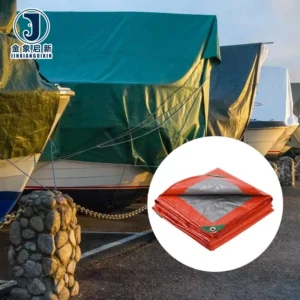
PE Coated Blackout Tarpaulin Poly Tarp with UV Protection Standard Size Fabric Sheet for Agriculture & Industrial Use
¥0.35 Select options This product has multiple variants. The options may be chosen on the product page -
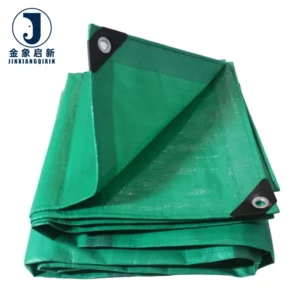
Waterproof Organic Blackout PE Coated Medium Duty All-Purpose Truck Tarpaulin for Outdoor Use Boys
¥6.81 Select options This product has multiple variants. The options may be chosen on the product page -
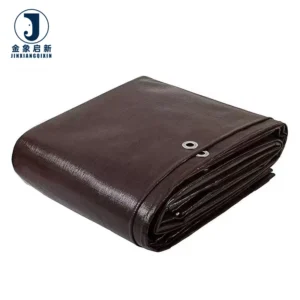
Multi Use Organic Breathable Plain Water Resistant PE Coated Blackout Heavy Duty Woven Canvas Tarpaulin UV Resistant Industrial
¥0.40 Select options This product has multiple variants. The options may be chosen on the product page -
Wholesale Organic Breathable PVC Waterproof Oilcloth Blackout Fabric Sun Protection Tarpaulin Outdoor Awning Industrial Tent
¥0.89 Select options This product has multiple variants. The options may be chosen on the product page