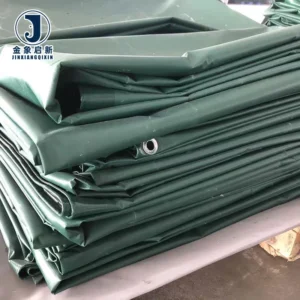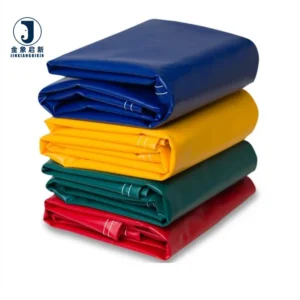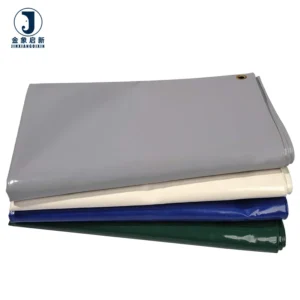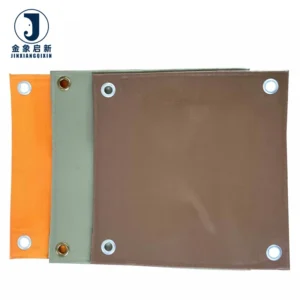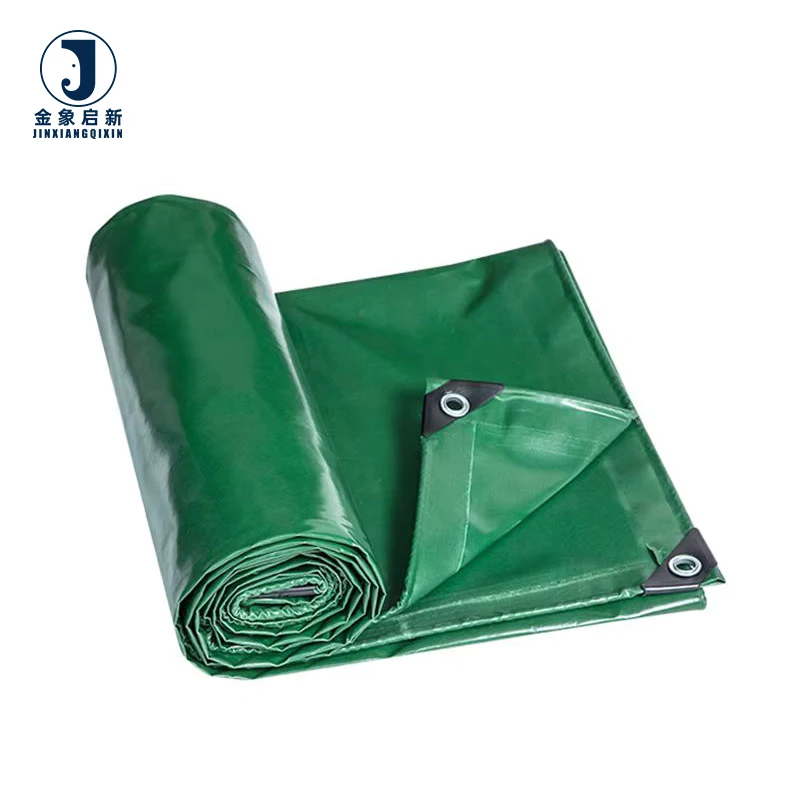
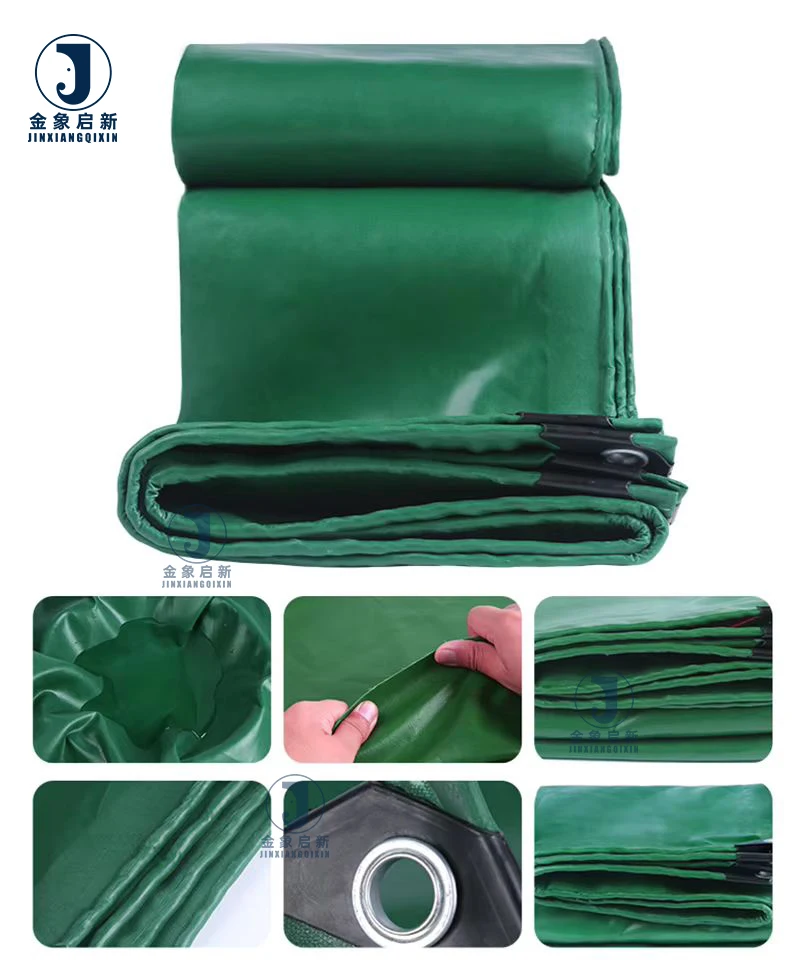
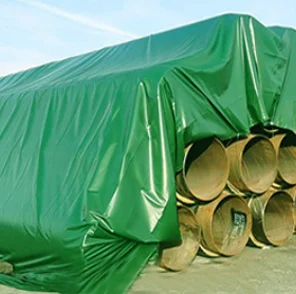
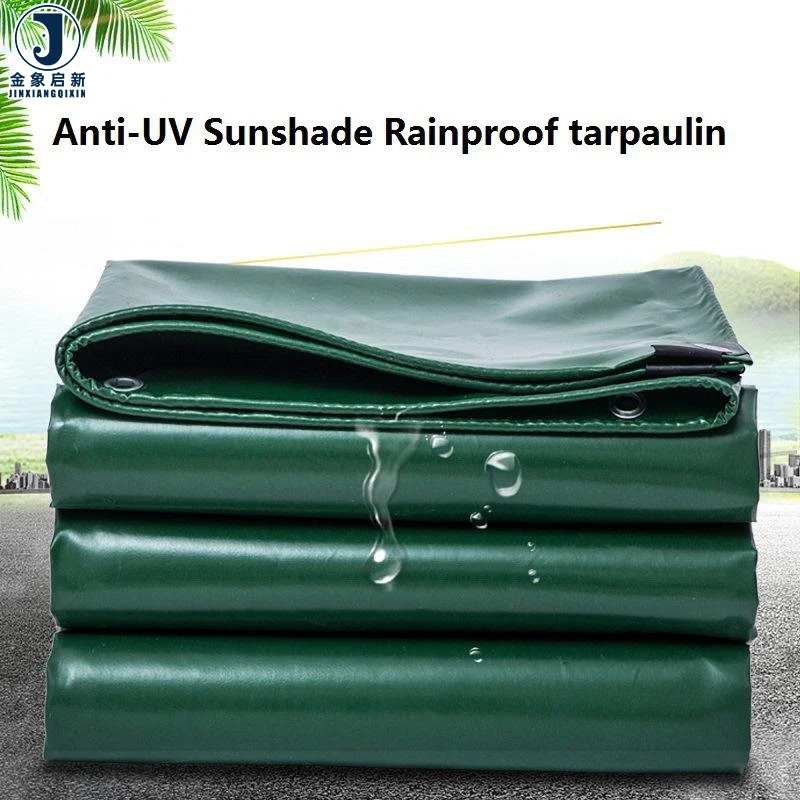
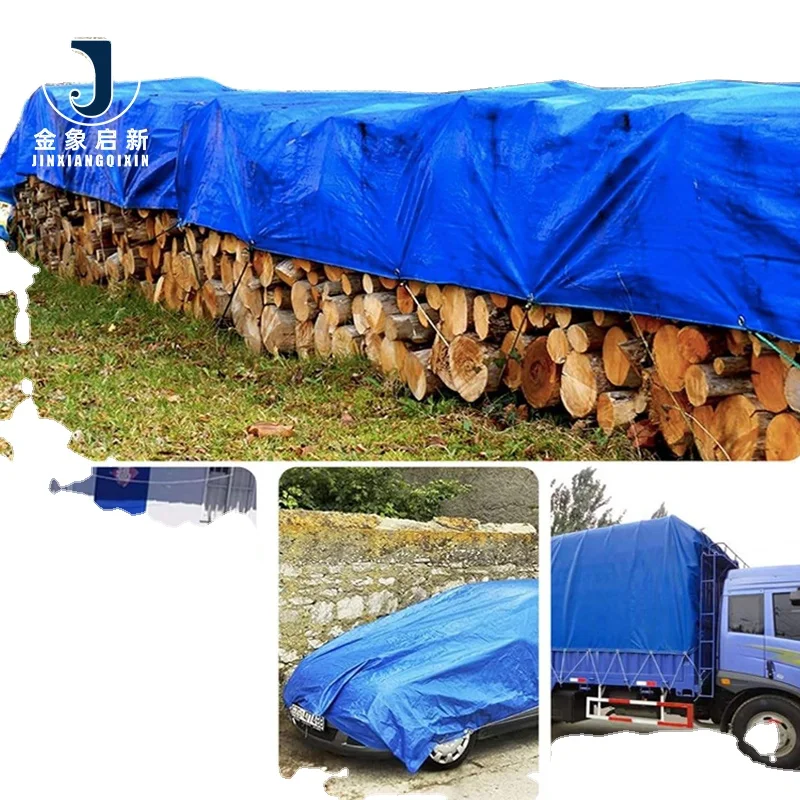
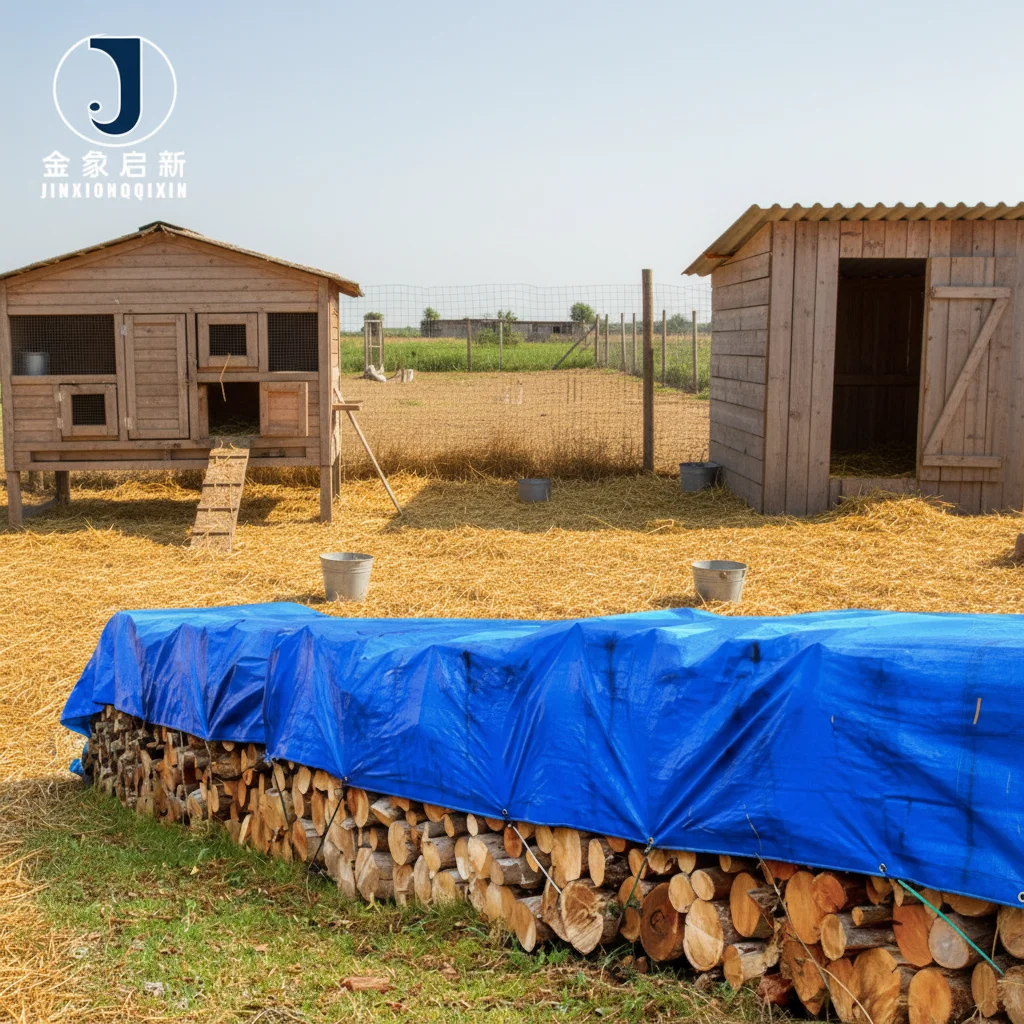
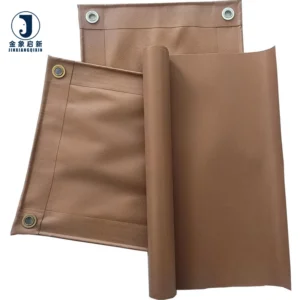
PVC Coated Tarpaulin Fabric — knife coated over 1000×1000 woven base with waterproof, anti-UV and tear-resistant treatment for truck covers, outdoor tents and industrial protection.
- Coating weight and base fabric density together determine tensile and tear performance — matched to flex and load conditions
- Full custom sizing, colour and treatment handled by in-house R&D with samples developed within days
100% pre-shipment inspection with material specification sheet and roll packing list included per order.
Description
Process Control Over Coating Adhesion — Every roll of PVC coated tarpaulin fabric undergoes knife-coating weight checks and 100% pre-shipment inspection before dispatch, ensuring the GSM and adhesion you ordered are what arrives at your dock.
Technical Specifications
| Parameter | Value |
|---|---|
| Product Type | PVC Coated Tarpaulin Fabric |
| Material | PVC Coated / Woven Fabric |
| Weight | At least 450 g/m² |
| Coating Method | Knife Coated |
| Finish Options | Banner coated / Black back coated |
| Base Fabric | 1000×1000 |
| Key Features | Waterproof, Anti-UV (grade not stated), Oilproof, Tear-Resistant |
| Customization | Custom size available |
Application Suitability
| Application | Exposure & Requirement |
|---|---|
| Truck and trailer side curtains | Constant flexing at load points, road debris abrasion, continuous UV exposure |
| Outdoor tents and awnings | Seasonal weather cycles, wind loading on seams, prolonged sun exposure |
| Vehicle and equipment covers | Standing water, dust ingress, repeated deployment and folding |
| Industrial and construction site covers | Impact from falling materials, chemical splash, UV degradation on exposed sites |
| Structure protection sheeting | Long-term weathering, wind-driven rain, thermal expansion and contraction |
Why Stated GSM Means Nothing Without a Verified Roll Weight
A quoted gsm figure is only as reliable as the inspection that backs it.
Sourcing PVC coated tarpaulin fabric often comes down to a single number on the quotation — the stated gsm. Yet buyers repeatedly find that the rolls arriving at their warehouse sit well below the agreed weight, with coating density thin enough to compromise tear strength and weld integrity. [NEED_CITE: common discrepancies between quoted and actual coated fabric GSM] When coating weight drops, the base fabric carries less protection and seams become the first failure point under load. I have seen heavy-grade coated rolls fail at the weld line because the coating thickness was insufficient to hold a clean heat-weld bond, leaving the buyer to absorb the cost of re-fabrication and a missed delivery window.
Full Customization from Specification to Dispatch
The PVC coated tarpaulin fabric range covers banner-grade weights through heavy-duty industrial sheeting, with knife-coated construction delivering consistent adhesion across the full roll width. Buyers specifying for truck side curtains or structural covers can request custom width, length, and colour matching handled by the in-house R&D team. Samples are developed within days so that coating weight, colour reference, and treatment can be confirmed before bulk production runs begin.
Treatment Transparency and Test-Report Support
Waterproof and oilproof treatments are standard across the range, while anti-UV and flame-retardant options are available in specific grades — confirm the grade required for your market before placing the order. [NEED_CITE: ISO and regional test standards for UV stability and flame retardancy in coated fabrics] Requesting a test report with your shipment means the treatment claim is backed by a verifiable result, not just a line on the quotation. This matters especially for construction and mining applications where site inspectors demand documented proof of fire classification before the material is unrolled.
Reading the Base Fabric and Coating Together
The 1000×1000 base fabric designation tells you the denier count in both warp and weft directions — a balanced weave that resists tear propagation in any direction the fabric is stressed. Knife coating, as opposed to lamination or calendering, forces PVC paste directly into the weave interstices, creating a mechanical bond that holds up to repeated flexing and heat-welding. This coating method directly influences peel strength: a well-penetrated knife coat will not delaminate at the weld line the way a surface-laminated film can when the substrate flexes under load. [NEED_CITE: knife coating versus lamination adhesion mechanics in PVC coated fabrics per ISO 1421] A 1000×1000 base combined with adequate coating weight gives you a material that tears rather than unzips, which is critical when a truck side curtain catches crosswind or a tent panel bears snow load. Surface finish — whether banner coated or black back coated — affects both print adhesion and the way dirt and water interact with the installed surface.
The Hidden Cost of Specifying on Price Per Kilogram Alone
Choosing a supplier on the lowest price per kilogram almost always means accepting lower coating weight or a thinner base fabric, and the shortfall reveals itself after installation, not at the dock. [NEED_CITE: coating weight reduction as the primary method of cost cutting in PVC tarpaulin production] Rolls that arrive underweight produce welds that fail before the fabric does, colour batches that shift visibly when two panels hang side by side, and UV-treated surfaces that chalk and crack within one season because the stabiliser loading was insufficient. The buyer ends up paying twice — once for the material that failed and again for the replacement, plus the labour and downtime in between. Batch colour consistency across multiple rolls in one order requires process control at the coating stage, not a promise on the invoice.
Why Production Control Matters for Your PVC Coated Tarpaulin Fabric Order
Three full production lines and 36 sets of professional equipment support bulk capacity with reliable on-time delivery, meaning your container is not delayed because one line went down. The 10-person R&D team handles material selection, pattern printing, custom sizing, and sample development in-house, so specification changes do not require a third-party detour. Dedicated QA/QC runs at every production stage, with 100% inspection before shipment catching GSM drift, colour deviation, and coating defects before rolls are packed. Nearly 30 years focused on coated fabric gives the production team deep process control over coating weight and adhesion — the variables that most directly affect how the material performs once installed. [NEED_CITE: process control variables in industrial PVC coating operations]
Documentation & Verification
- Material specification sheet stating GSM, base fabric denier, and coating method per order
- Anti-UV or flame-retardant test report supplied with applicable grades on request
- Pre-shipment inspection record confirming roll count, weight, and colour consistency
- Roll packing list with individual roll dimensions for container loading planning
- Certificate of origin and customs documentation included with every export shipment
Fabrication, Handling & Storage
- Heat-weld temperature must match the knife-coated PVC layer to avoid delamination at seams
- Store rolls upright on end cores to prevent flat-spot creasing in the 450 g/m² fabric
- Allow cold-stored rolls to reach ambient temperature before unrolling to prevent coating crack
- Use compatible PVC-based cleaners; solvent-based agents can soften the banner-coated finish
- Plan cut layouts around custom roll widths to minimise offcut waste on large panels
- Reinforce eyelet and tie-down zones with additional PVC patches to spread load at stress points
What to Include in Your Fabric Inquiry
Send the application scenario and the environmental exposure the material will face — UV load, chemical contact, flexing frequency — so the correct treatment and weight can be recommended. Specify whether you need finished cut sizes with welded hems and eyelets, or roll stock for your own fabrication line. If your market requires a particular fire classification or UV stability standard, state the grade up front so the matching formulation is selected from the start.
Frequently Asked Questions
Q: What GSM range is available and how is weight verified before shipment?
A: The range starts at 450 g/m² and extends through heavy-duty industrial grades. Every roll is weighed and inspected against the quoted specification before packing. A material specification sheet accompanies each shipment showing the confirmed GSM, base fabric denier, and coating method so you can verify on arrival.
Q: Can I get anti-UV or flame-retardant treatment with a supporting test report?
A: Both treatments are available in specific grades. Anti-UV and flame-retardant formulations are matched to your market requirements, and test reports are supplied with the applicable grades on request. Confirm the classification your site inspector or local regulation demands so the correct grade is produced.
Q: What is the minimum order for custom width, colour or printed branding?
A: Custom width, colour matching, and pattern printing are handled by the in-house R&D and production teams. Minimums vary depending on the colour formulation and roll width requested. Samples are developed within days for approval before bulk production, so custom requirements can be confirmed without committing to a full container.
Q: How do you ensure colour consistency across multiple rolls in one order?
A: Colour matching is controlled at the coating stage using referenced colour standards. The pre-shipment inspection includes a visual consistency check across all rolls in the order. Rolls showing deviation from the approved reference are held back before packing, preventing visible variation once panels are installed side by side.
Q: What documentation ships with the fabric?
A: Each order ships with a material specification sheet, roll packing list, pre-shipment inspection record, and certificate of origin. Test reports for anti-UV or flame-retardant grades are included where applicable. Customs support documentation is provided for export shipments to streamline clearance at destination.
Related products
-
JX Fireproof 500gsm 600gsm Customizable PVC Tarpaulin Waterproof Truck Cargo Cover
¥0.79 Select options This product has multiple variants. The options may be chosen on the product page -
630 Gsm Blue/Grey/Orange Pvc Tarpaulin Roll Pvc Tarpaulin Truck Tarpaulin Pvc Coated Tarpaulin
¥1.66 Add to cart -
Waterproof Custom 1000D 550GSM/900GSM Self Clean PVC Coated Tarpaulin for Truck. Tent. Roof Cover Flood Barrier
¥0.99 Select options This product has multiple variants. The options may be chosen on the product page -

450gsm Green Heavy-duty Waterproof Tarps & Groundsheets Pvc Tarpaulin
¥1.25 Select options This product has multiple variants. The options may be chosen on the product page