Backed by dedicated QA at every production stage, 100% pre-shipment inspection, and a 10-person R&D team handling material selection and sample development for your project requirements.
Description
Proven Coating Expertise — Nearly three decades focused on PVC coated fabric production, with dedicated QA at every coating stage ensuring batch-to-batch consistency across roll stock orders.
Technical Specifications
| Parameter | Value |
|---|---|
| Product Type | PVC Coated Tarpaulin |
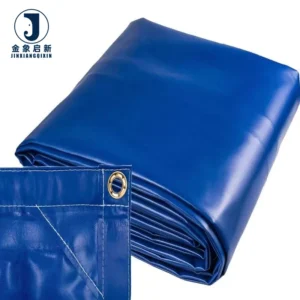
| Material | PVC Coated Polyester Fabric |
| Coating Method | Knife Coated |
| Surface Treatment Options | Flame Retardant; Anti-Static; Anti-cold; Anti-mildew; Anti-UV |
| Application Life | 3-5 years outdoor |
| Custom Options | Custom size, color, weight (GSM) |
| Certifications | ISO, CE |
Application Suitability
| Application | Exposure & Requirement |
|---|---|
| Truck cover | Constant road vibration, flexing at load points, UV and weather exposure, abrasion from tie-down straps |
| Outdoor tent | Prolonged sun exposure, wind loading, rain ingress prevention, repeated assembly and teardown stress |
| Car cover | UV degradation, dust and moisture ingress, surface abrasion from wind-blown debris |
| Industrial covers | Chemical splash, mechanical abrasion, outdoor storage conditions, heavy equipment contact |
Why the Quoted GSM Rarely Tells the Full Story for PVC Coated Tarpaulin Fabric
GSM only becomes meaningful when verified against the base fabric denier, weave density, and coating weight as a complete system.
When a roll arrives lighter than the quotation stated, the shortfall usually hides in the coating layer. The base fabric might meet spec, but a thinner PVC coat reduces waterproof integrity and weld strength. I have traced field failures back to rolls where the GSM looked acceptable on paper, yet the coating adhesion was compromised because the line speed was pushed too fast during production. For any PVC coated tarpaulin fabric aftermarket supplier, the real test is whether the material performs at the seam under load, not just on the scale [NEED_CITE: tensile and tear test methods for coated fabrics per ISO 1421].
Full Catalogue Range with Custom Configuration
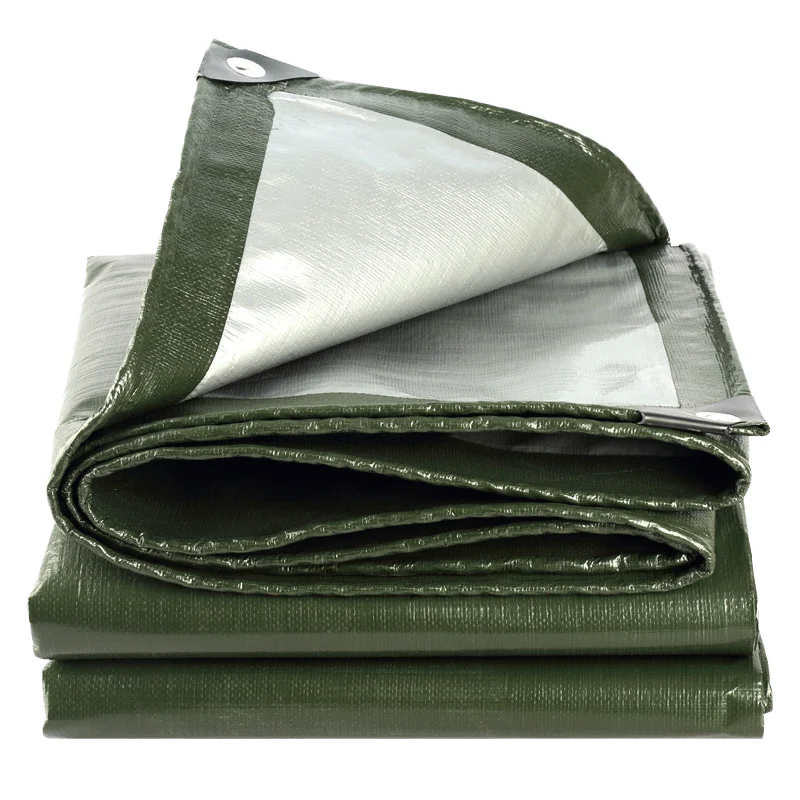
Our PVC coated tarpaulin range covers the complete spectrum from lightweight covers to heavy-duty transport fabrics, with every roll produced on dedicated knife coating lines. Buyers specifying for truck side curtains, tent structures, or industrial equipment protection can select from glossy or matte finish options, single or double side colour, and treatment packages that match their market compliance requirements. Pattern printing and branding are available for distributors who need identifiable product lines.
Coating Process Control and Batch Consistency
Consistency across rolls in a single shipment matters most when the fabric gets installed side by side on a fleet of trailers or a large tent structure. Colour variation between rolls is one of the most visible failures a buyer can face. Our three full production lines run with controlled coating weight parameters, and the ten-person R&D team develops samples within days so buyers can approve colour and finish before bulk production starts. This sample-first approach eliminates surprises on the production floor [NEED_CITE: colour consistency standards for coated textiles].
How Base Fabric and Coating Weight Interact in Practice
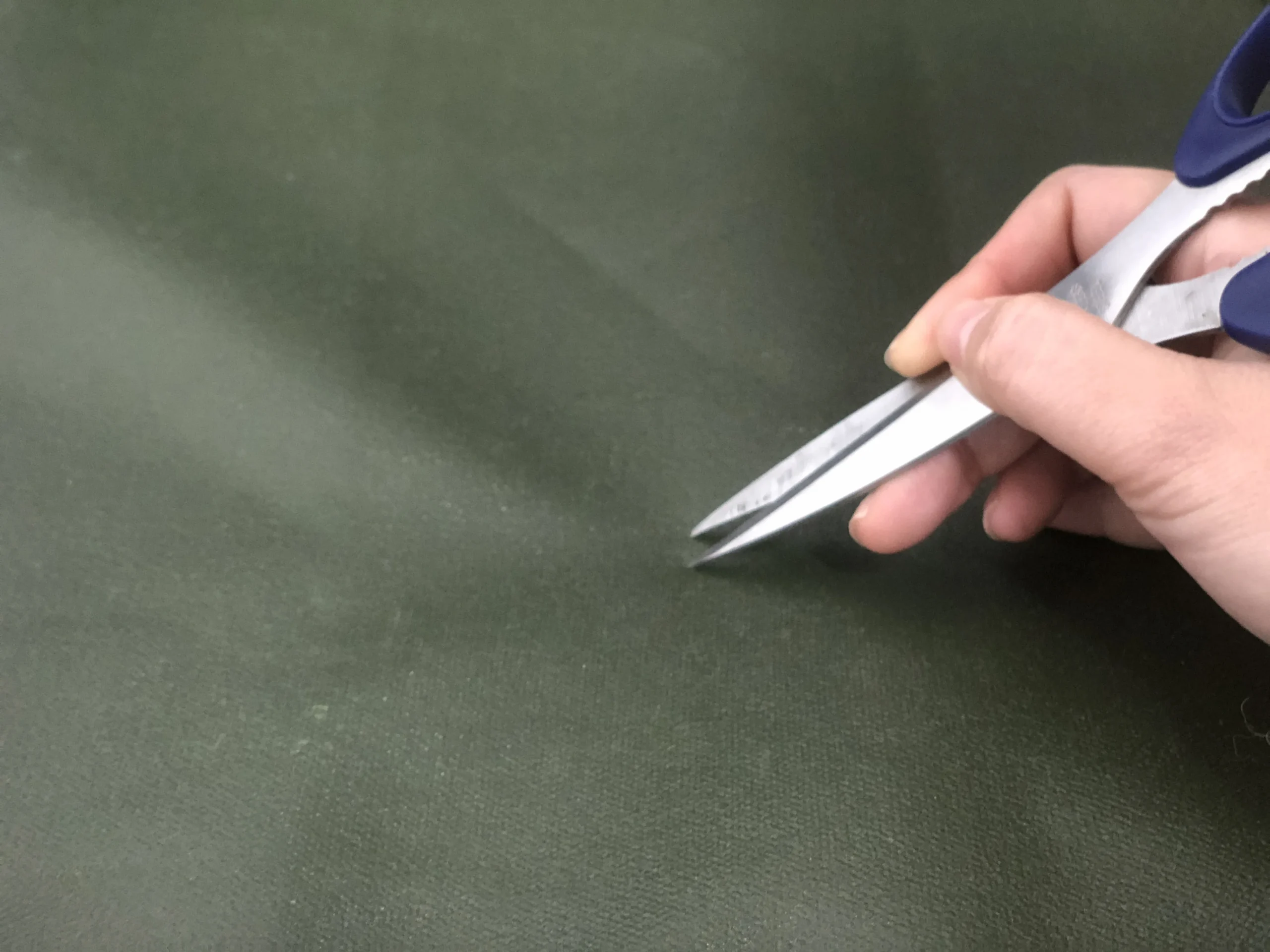
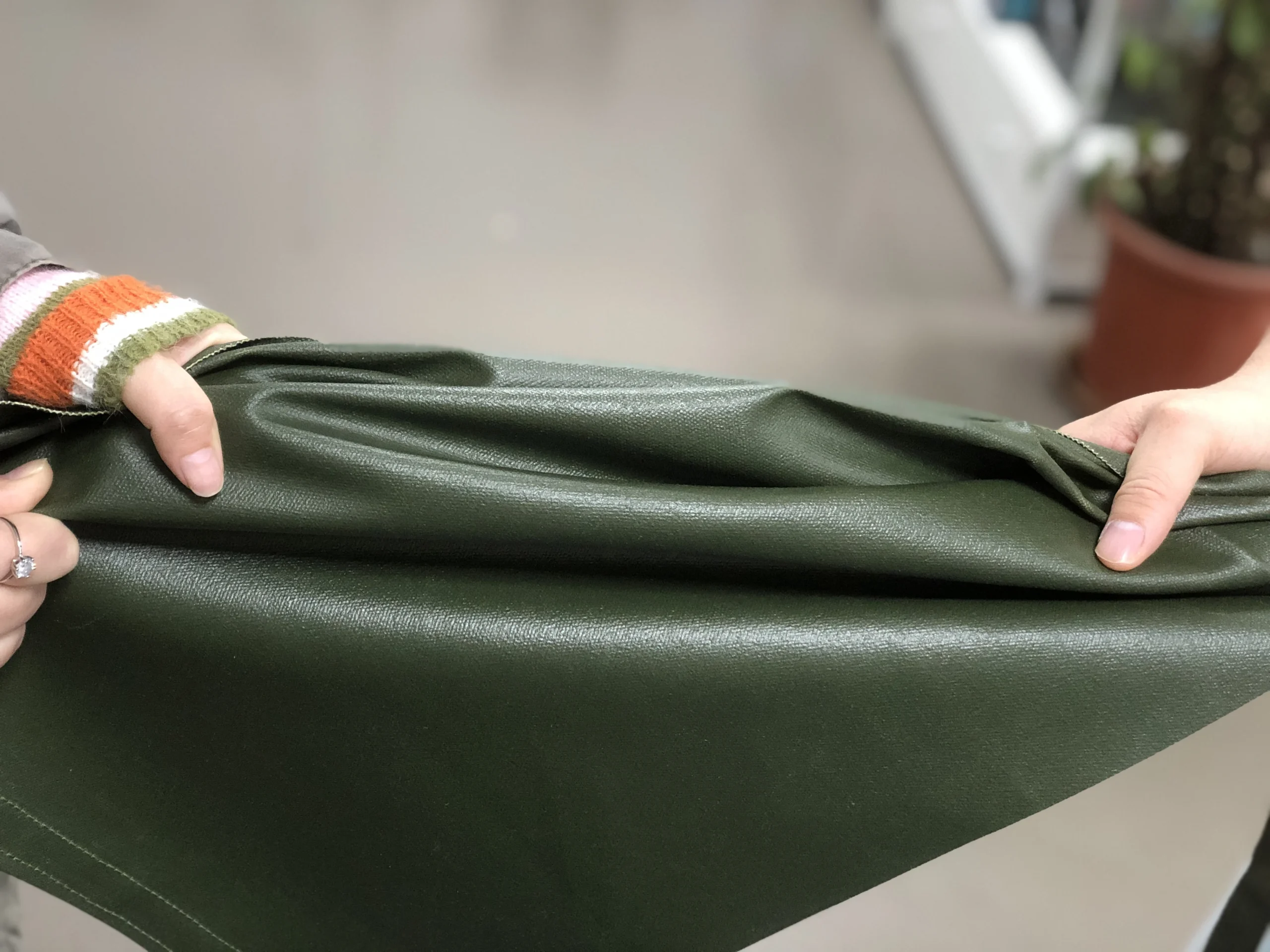
Knife coating deposits PVC paste directly onto the polyester base fabric, creating a mechanical bond that determines peel strength and long-term durability. The base fabric denier and weave density set the tensile and tear baseline, while the coating weight adds waterproof integrity, UV protection, and surface abrasion resistance. A high GSM achieved through heavy coating on a light base fabric will feel substantial but tear more easily than a lower GSM fabric built on a dense, high-denier weave. This is why material selection must consider the complete construction rather than weight alone. Flame retardant and anti-static treatments are integrated into the coating formulation where specified, and available in grades that should be confirmed against your market’s regulatory requirements before ordering.
The Hidden Cost of Specification Shortcuts
When welded seams fail before the fabric itself does, the root cause is often a mismatch between the heat-sealing parameters and the actual coating thickness. A batch with inconsistent coating weight will weld unevenly — some sections bond properly while others delaminate under the first significant load. Similarly, flame retardant treatment claimed without a supporting test report creates compliance risk at the installation site, especially for tents and ventilation structures where fire certification is inspected. Colour drift between production runs forces distributors to absorb returns when installed panels show visible mismatch [NEED_CITE: common failure modes in coated fabric welding].
Why Buyers Source This Range Through Us
Three dedicated production lines with 36 sets of professional equipment give us the capacity to fulfil bulk roll orders while maintaining coating parameter control on every batch. The ten-person R&D team handles material selection, custom sizing, and sample development, turning around proofs within days rather than weeks. Every roll undergoes dedicated QA/QC inspection at each production stage, with 100% pre-shipment checking that catches GSM deviation and surface defects before dispatch. Our coating process expertise, built over nearly 30 years, translates directly into reliable weld performance and consistent colour across your order.
Documentation & Verification
- Material specification sheet listing verified GSM, base fabric denier, and coating weight for each batch
- Test reports for UV resistance and flame retardant grades where treatments are specified
- Pre-shipment inspection record confirming 100% quality check before container loading
- ISO and CE certification documentation included with every international shipment
- Roll packing list with individual roll weights and dimensions for receiving verification
Fabrication, Handling & Storage
- Heat-seal parameters must match the specific PVC coating thickness to prevent seam delamination under load
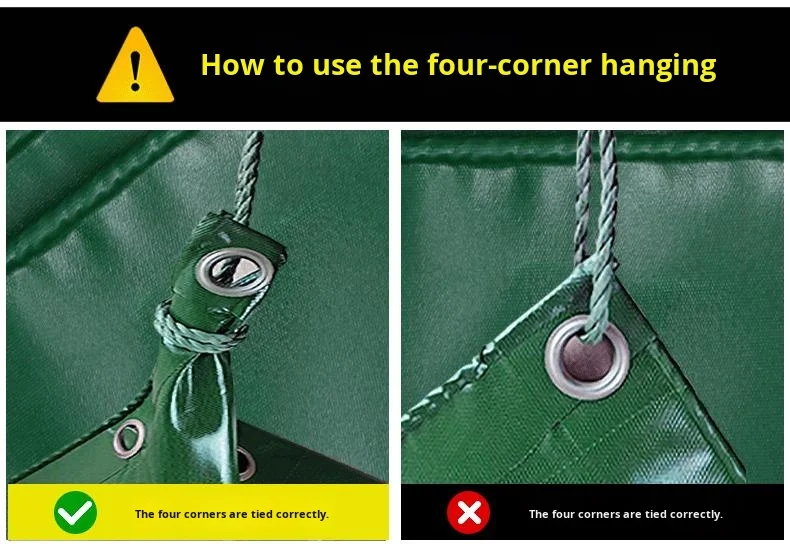
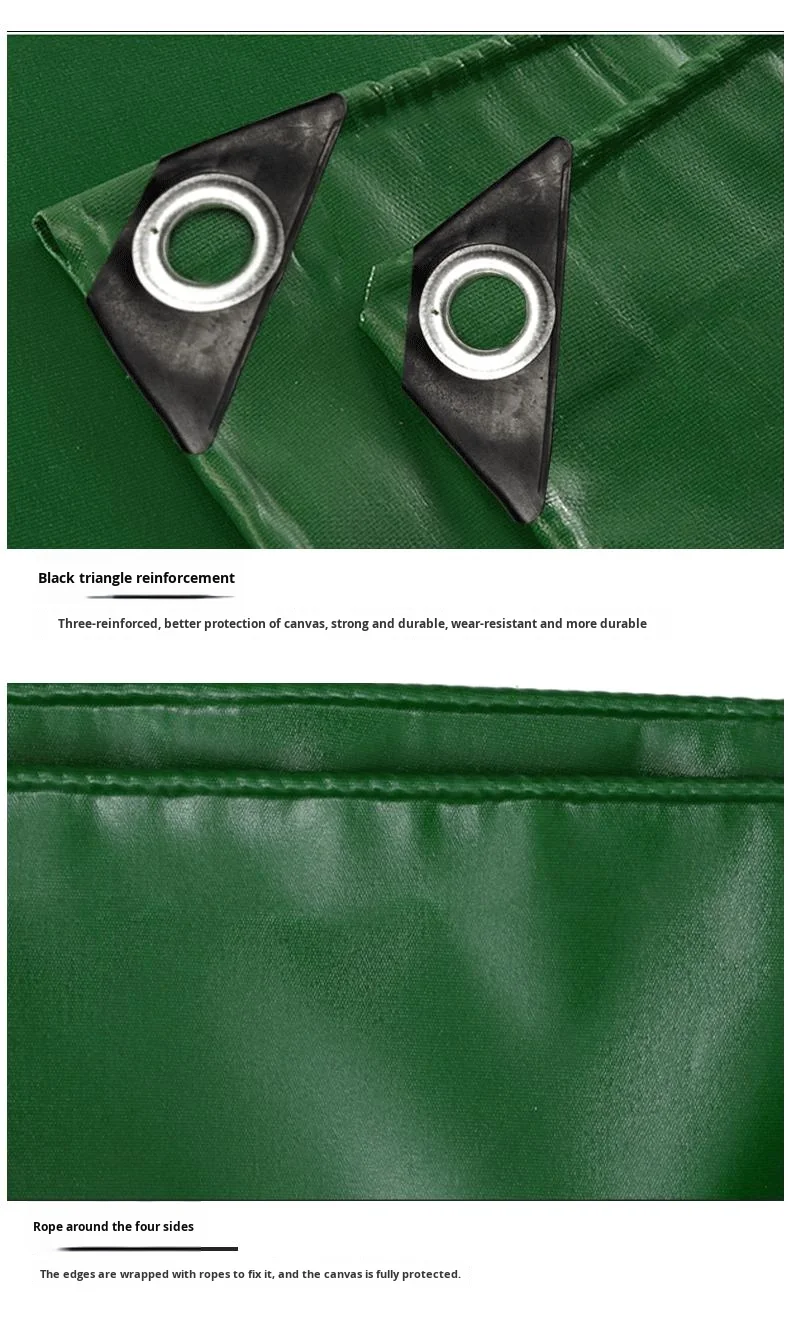
- Eyelet placement at stress points requires reinforced hems to distribute tie-down forces across the coated fabric
- Store rolls upright on pallets to prevent permanent creasing that weakens the knife coated surface layer
- Allow cold-stored PVC coated polyester fabric to reach ambient temperature before unrolling to avoid coating crack
- Use mild detergent for cleaning; solvent-based cleaners can degrade the anti-UV and flame retardant surface treatment
- Field repairs with PVC-compatible adhesive patches maintain waterproof integrity at puncture points
How to Specify Your Requirement
Tell us the end-use application, the environmental exposure conditions, and the treatment certifications your market requires. Specify whether you need full roll stock for your own fabrication line or finished cut sizes with eyelets and reinforced hems. If colour matching or pattern printing is part of your product identity, request a sample panel for approval before we schedule bulk production.
Frequently Asked Questions
Q: How do you verify GSM matches the quotation on delivery?
A: Every batch is weighed and recorded during production. Our pre-shipment inspection includes GSM verification per roll against the stated specification. The material specification sheet provided with your shipment documents the base fabric denier, coating weight, and total GSM, so you can confirm the material received matches what was quoted.
Q: What test reports are available for flame retardant and UV treatments?
A: Test reports are issued for the specific grade applied to your order. Available in flame retardant and anti-UV grades — confirm the grade required for your market when placing the inquiry. Reports document the test standard used and the classification achieved, supporting your compliance submissions at the installation site.
Q: Can you match colour consistency across multiple rolls in one order?
A: Yes. All rolls in a single order are produced within the same coating run using controlled formulation parameters. We develop sample panels for your approval before bulk production begins, and our 100% pre-shipment inspection checks colour uniformity roll by roll to prevent visible variation when panels are installed side by side.
Q: What is the lead time for custom width or printed fabric?
A: Custom widths, colours, and printed patterns involve dedicated line setup and sample approval before production scheduling. Typical lead times depend on the complexity of the customisation and current production capacity. Request a quotation with your specific requirements for a confirmed schedule.
Q: Do you provide samples before bulk production?
A: Yes. Our R&D team develops samples within days for custom requirements including specific GSM, colour, treatment, and printing. Buyers review and approve the sample before we schedule bulk production, ensuring the final delivery matches your exact specification without compromise.
Related products
-
Wholesale Pvc Tarpaulin Wear-resistant Waterproof Multi-purpose Heat-resistant Tarpaulin
¥2.00 Add to cart -
Pvc Coated Waterproof Tarpaulin Heavy Duty Tarp for Tent Roof Stocklot Lumber
¥1.60 Add to cart -
JX Fireproof 500gsm 600gsm Customizable PVC Tarpaulin Waterproof Truck Cargo Cover
¥0.79 Select options This product has multiple variants. The options may be chosen on the product page -
Heavy Duty Outdoor Tarpaulin Thickened for Outdoor Waterproof Large Tarpaulin with 3 Meter Width
¥7.78 Add to cart