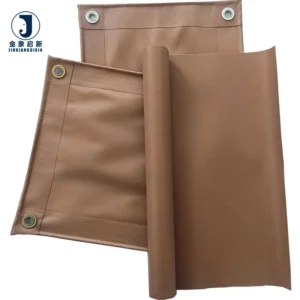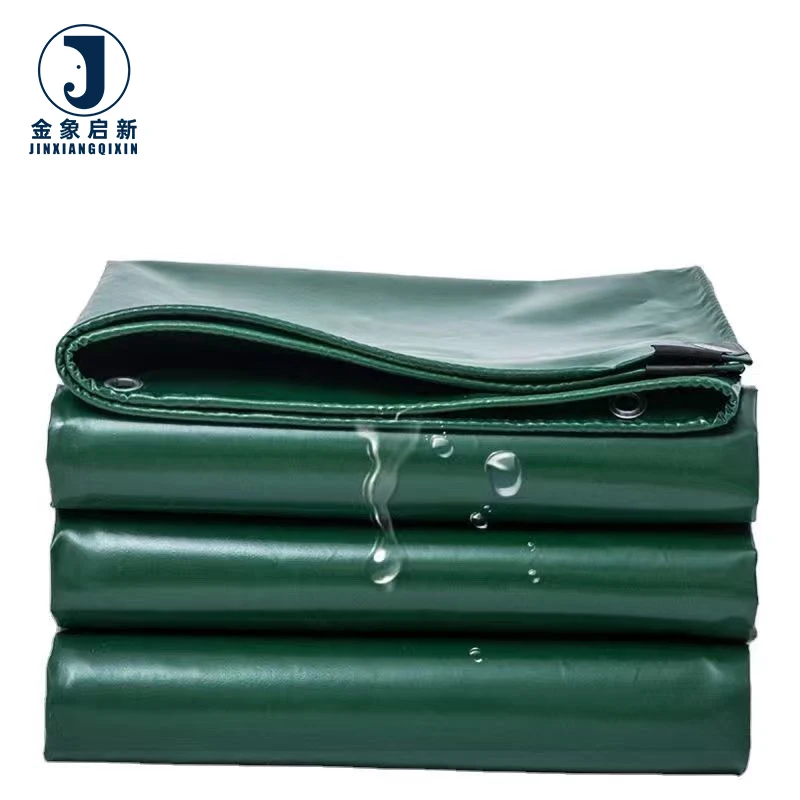
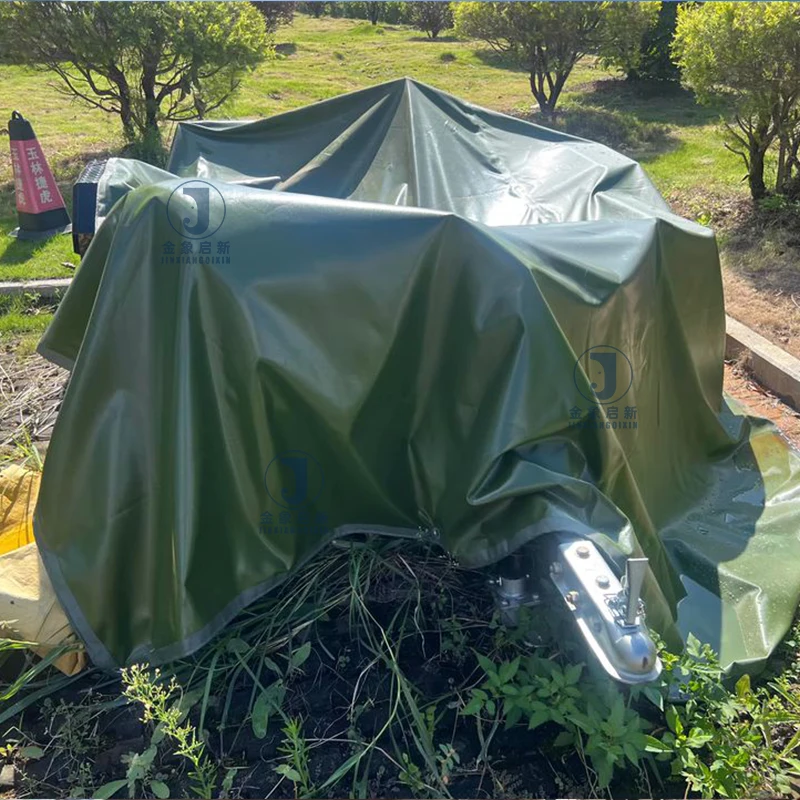
PVC Coated Tarpaulin with 250gsm–1500gsm range, 1000D×1000D base fabric and glossy or matte surface — waterproof, UV and FR treated for tent roofing and outdoor covers. Cut sizes or roll stock, with eyelets and reinforced hems customised to your panel dimensions. Every roll ships with a material specification sheet confirming GSM, denier and colour reference, backed by 100% pre-shipment inspection.
Description
Deep Process Control — coating weight and adhesion verified at every production stage with 100% pre-shipment inspection, ensuring the PVC coated tarpaulin you ordered is the PVC coated tarpaulin you receive.
Technical Specifications
| Parameter | Value |
|---|---|
| Product Type | PVC Coated Tarpaulin |
| Weight Range | 250gsm–1500gsm (confirm the grade for this item) |
| Base Fabric Denier | 200DX300D, 500DX500D, 840DX840D, 1000DX1000D |
| Coating Material | PVC |
| Surface Finish | Available in glossy or matte |
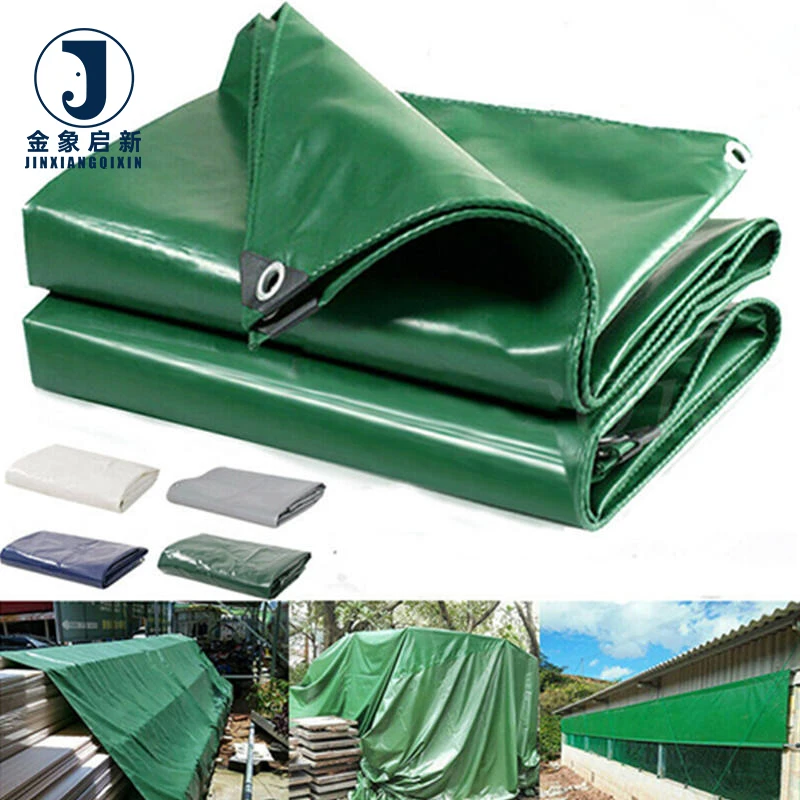
| Color Options | Blue, yellow, black, green, white, or custom |
| Standard Cut Sizes | 3x4m, 6x8m, 8x10m, 10x12m or custom made |
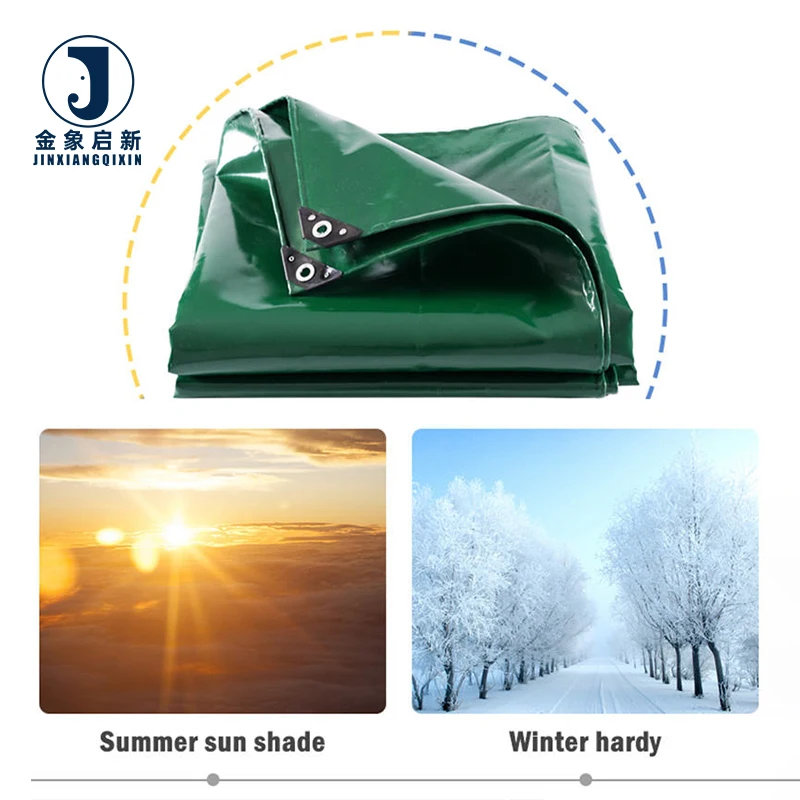
| Temperature Range | -15ºC to 70ºC |
| UV Treatment | Customized (test basis not stated in source) |
| Flame Retardant | Treated (grade not stated in source) |
| Anti-Fungal | Treated |
| Waterproof | Yes |
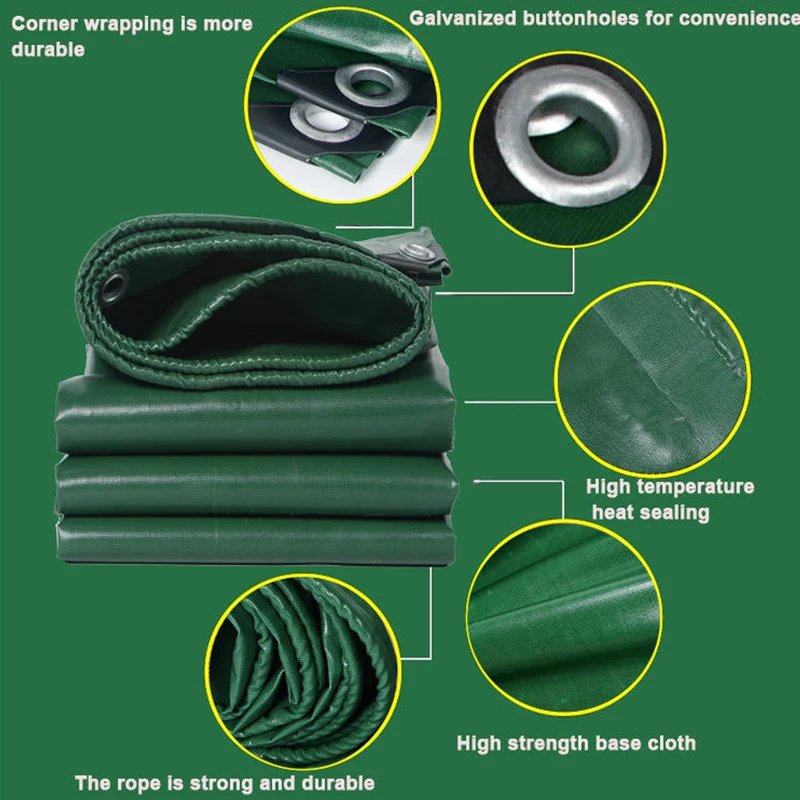
| Key Features | Water-proof, rain-resistant, tear-resistant, durable, good flexibility, good abrasion resistance, eco-friendly coating |
| OEM/ODM | Warmly welcomed |
Application Suitability
| Application | Exposure & Requirement |
|---|---|
| Tent roof panels | Sustained UV exposure, wind loading, rain ingress prevention, seasonal assembly and teardown flex |
| Lumber and stocklot covering | Abrasive timber surfaces, prolonged outdoor weathering, moisture barrier for stored materials |
| Construction site covers | Debris impact, dust containment, temporary weather protection for exposed structures |
| Agricultural and aquaculture pond lining | Continuous water contact, soil chemistry exposure, puncture risk from substrate |
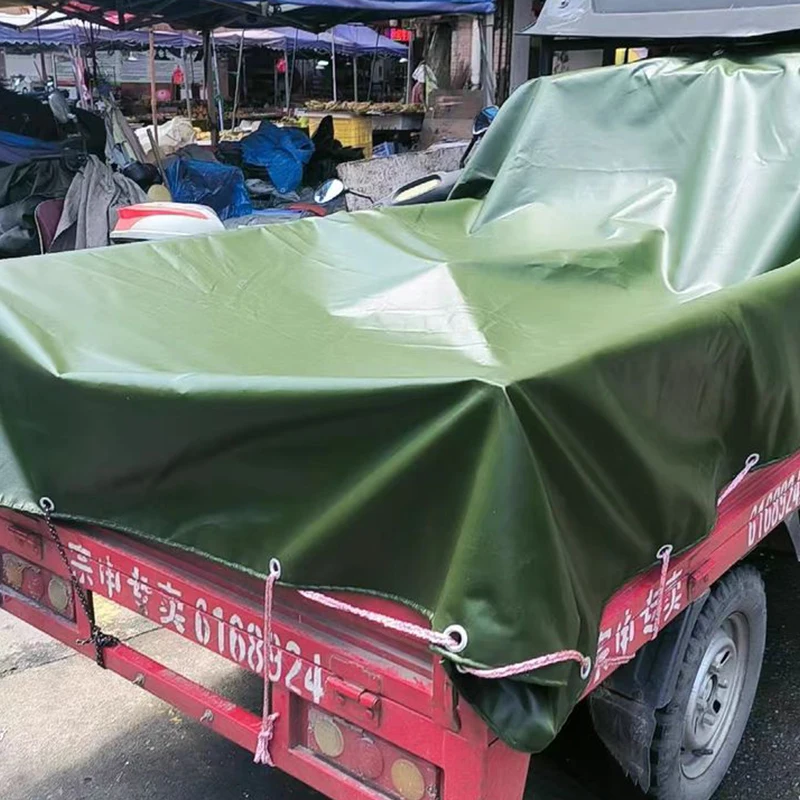
| Truck and trailer covers | Road abrasion, constant flexing at load points, UV and weather exposure during transit |
Why the Weight on the Quote Is Not the Whole Story
GSM tells you mass per square metre, not how that fabric will perform once it is cut, welded, and tensioned on a frame.
Buyers regularly receive PVC coated tarpaulin rolls that match the stated GSM on paper yet behave differently on the production floor. The base fabric denier, the weave density, and the coating adhesion together determine whether a panel holds its shape under wind load or whether a welded seam separates before the fabric itself shows wear. Sourcing teams that rely on GSM alone often discover performance gaps only after the material has been fabricated and installed — by which point replacement costs far exceed the original material savings. [NEED_CITE: tensile and tear test methods for coated fabrics per ISO 1421]
Selecting the Right Denier for Your End Use
The base fabric denier is the first decision point when specifying a custom PVC tarpaulin. A 200DX300D construction suits lighter applications such as temporary event covers or short-term stocklot protection, where handling weight and flexibility matter more than sustained mechanical load. Moving to 840DX840D or 1000DX1000D brings substantially higher tensile and tear resistance for tent roofs that must span wider unsupported areas or construction covers exposed to site traffic and debris impact.
Treatment Validation Before You Commit
UV and flame-retardant treatments are available across the PVC coated tarpaulin range, but the grade must match your market’s regulatory framework. A tent roof destined for a European festival site may require a specific fire classification, while a lumber cover shipped to North America may need UV stabilization verified by a recognised test method. Requesting the test report before production starts — rather than after the container arrives — is the step that separates a reliable supply chain from a costly dispute. [NEED_CITE: DIN 4102 fire classification for building materials]
How GSM, Denier, and Coating Weight Interact
GSM measures total mass, but two fabrics at the same GSM can behave very differently depending on how that weight is distributed between base fabric and coating. A heavier base fabric with a lighter coating will show higher tensile strength but reduced surface abrasion resistance, while a lighter base with a thicker coating layer may feel substantial yet tear more easily under point loads. The denier selection — 500DX500D versus 1000DX1000D — directly affects how a tear propagates once initiated: tighter, heavier yarns resist tear spread, which is critical for panels under constant tension such as tent roofs. The glossy or matte surface finish also plays a functional role; glossy surfaces shed water and dirt more readily, while matte finishes reduce glare and can improve adhesion for subsequent printing or lamination steps. Temperature performance spanning -15ºC to 70ºC means the PVC coating remains flexible in cold-weather installation and resists softening on hot roofing structures during summer months.
The Hidden Cost of Specifying on Price Alone
When a lighter-grade material is substituted without the buyer’s knowledge, the first signs appear at stress concentration points — welded seams, eyelet perimeters, and hem folds. A truck cover that flexes thousands of times during transit will reveal coating delamination or seam failure long before the fabric body shows damage. Similarly, colour inconsistency between rolls in the same order becomes visible only once panels are installed side by side on a tent structure, forcing partial teardown and replacement. These failures are not defects in the raw material; they are consequences of specifying without requiring documentation that ties each roll to its quoted performance. [NEED_CITE: weld seam failure analysis in coated fabric structures]
What Three Decades of Coated Fabric Focus Delivers
Nearly thirty years of continuous PVC coated fabric production has built process control that covers coating weight consistency, base fabric adhesion, and batch-to-batch colour matching across the full product family. Three full production lines and 36 sets of professional equipment provide the capacity to fulfil bulk roll orders and custom cut-size panels within the same production cycle. A 10-person R&D team handles material selection, pattern development, and sample creation, allowing buyers to approve a physical sample before full production begins. Dedicated QA/QC runs at every stage — incoming base fabric inspection, in-process coating weight checks, and 100% pre-shipment roll inspection — so the specification sheet you receive matches the material on the pallet. ISO and CE certified processes underpin every order, whether it is a single custom-colour roll or a container-load of stock-grade PVC coated tarpaulin.
Documentation & Verification
- Material specification sheet stating GSM, base fabric denier, and coating type for every roll
- Pre-shipment inspection record confirming weight and visual quality before dispatch
- Test report for UV and flame-retardant grades provided where applicable to the order
- ISO and CE certificates on file and available with each shipment
- Roll packing list and certificate of origin supporting customs clearance
- Colour reference documented to ensure batch consistency across the order
Fabrication, Handling & Storage
- Heat-weld parameters must match the specific GSM and coating thickness of the selected grade
- Reinforced hems and eyelet placement should account for the denier and expected tension loads
- Store rolls upright on pallets to prevent flat-spotting and permanent creasing of the coating
- Allow cold-stored rolls to reach ambient temperature before unrolling to avoid coating cracking below -15ºC
- Use mild, non-solvent cleaners on glossy or matte surfaces to preserve coating integrity
- Lay out cut panels flat before final welding to release tension and ensure seam alignment
Before You Request a Quote
Share the end-use application and the environmental conditions the fabric will face — sustained UV exposure, wind loading, chemical contact, or fire classification requirements. Specify whether you need rolls at a particular width or pre-cut panels at finished dimensions, along with any colour or printing requirements. Confirming these details at inquiry stage allows the sample development team to produce a representative swatch for your approval before production commitment.
Frequently Asked Questions
Q: How is GSM verified before shipment and what inspection documentation is provided?
A: Every roll undergoes weight verification during the pre-shipment inspection process. A material specification sheet accompanies each order, stating the confirmed GSM, base fabric denier, and coating type. The inspection record is included with dispatch documentation, giving buyers full traceability from quotation to delivery.
Q: Which denier and GSM combination suits my tent roof versus a lumber cover?
A: Tent roofs generally benefit from higher denier base fabrics such as 840DX840D or 1000DX1000D to resist wind-load tension and tear propagation across unsupported spans. Lumber covers may use mid-range denier at higher GSM for puncture and abrasion resistance. Requesting a sample at your target specification allows practical evaluation before committing to volume.
Q: What UV treatment test basis supports the outdoor working life claim?
A: UV treatment is customised to the buyer’s requirement and the intended exposure environment. The specific test method and result depend on the grade selected. Buyers should confirm the test standard required by their market at inquiry stage so the appropriate treatment and documentation can be included with the order.
Q: How is colour consistency maintained across multiple rolls in the same order?
A: Colour reference is documented at the sampling stage and carried through production. In-process QA checks monitor shade consistency across the batch. The pre-shipment inspection includes visual comparison between rolls, and any deviation outside the agreed tolerance is flagged before the order is released for packing.
Q: What custom sizing, printing, and packaging options are available, and what are the minimums?
A: Custom cut sizes, pattern printing, and branded packaging are all handled in-house by the R&D and production team. Standard cut sizes include 3x4m, 6x8m, 8x10m, and 10x12m, with bespoke dimensions available. Minimum order quantities depend on the level of customisation required and are confirmed at the quotation stage.
Related products
-

Hotsale Custom China Supplier Super Strength Industrial Grade 680GSM RIPSTOP PVC Tarpaulin for Builders Roof Tarp and Sheeting
¥2.80 Add to cart -
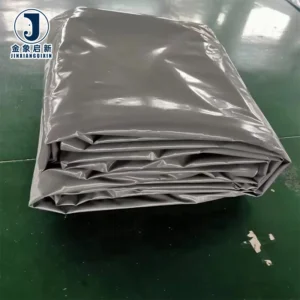
630 Gsm Blue/Grey/Orange Pvc Tarpaulin Roll Pvc Tarpaulin Truck Tarpaulin Pvc Coated Tarpaulin
¥1.66 Add to cart -
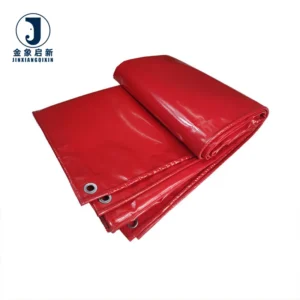
Tarpaulin Hot Selling 30M X 30M Finished PVC Tarpaulin for Farming Tarpaulin
¥1.48 Add to cart -

450gsm Green Heavy-duty Waterproof Tarps & Groundsheets Pvc Tarpaulin
¥1.25 Select options This product has multiple variants. The options may be chosen on the product page