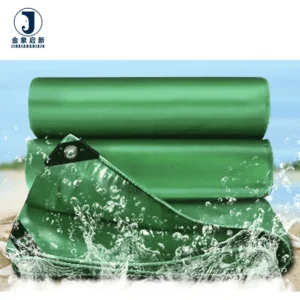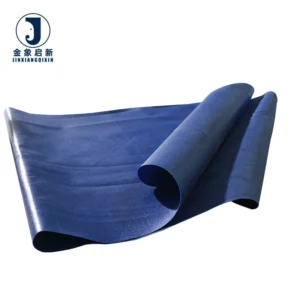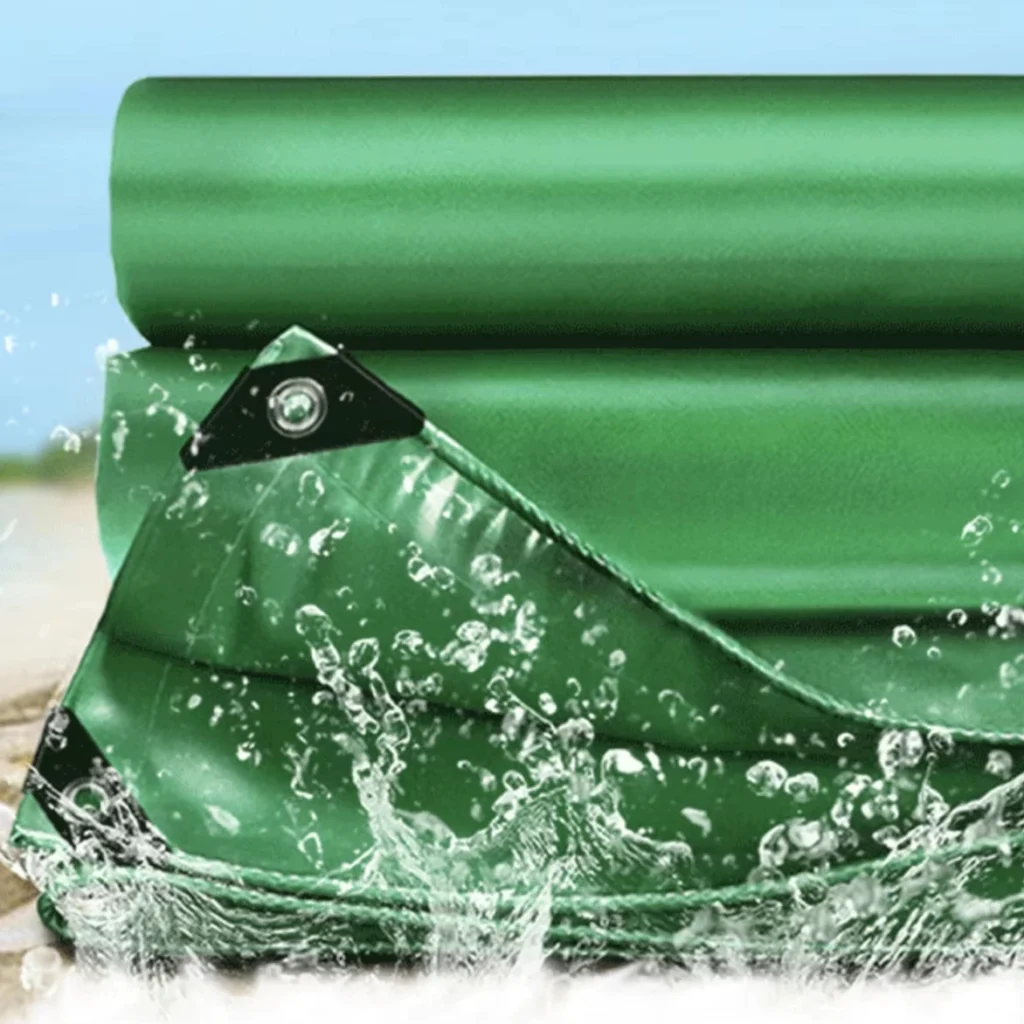
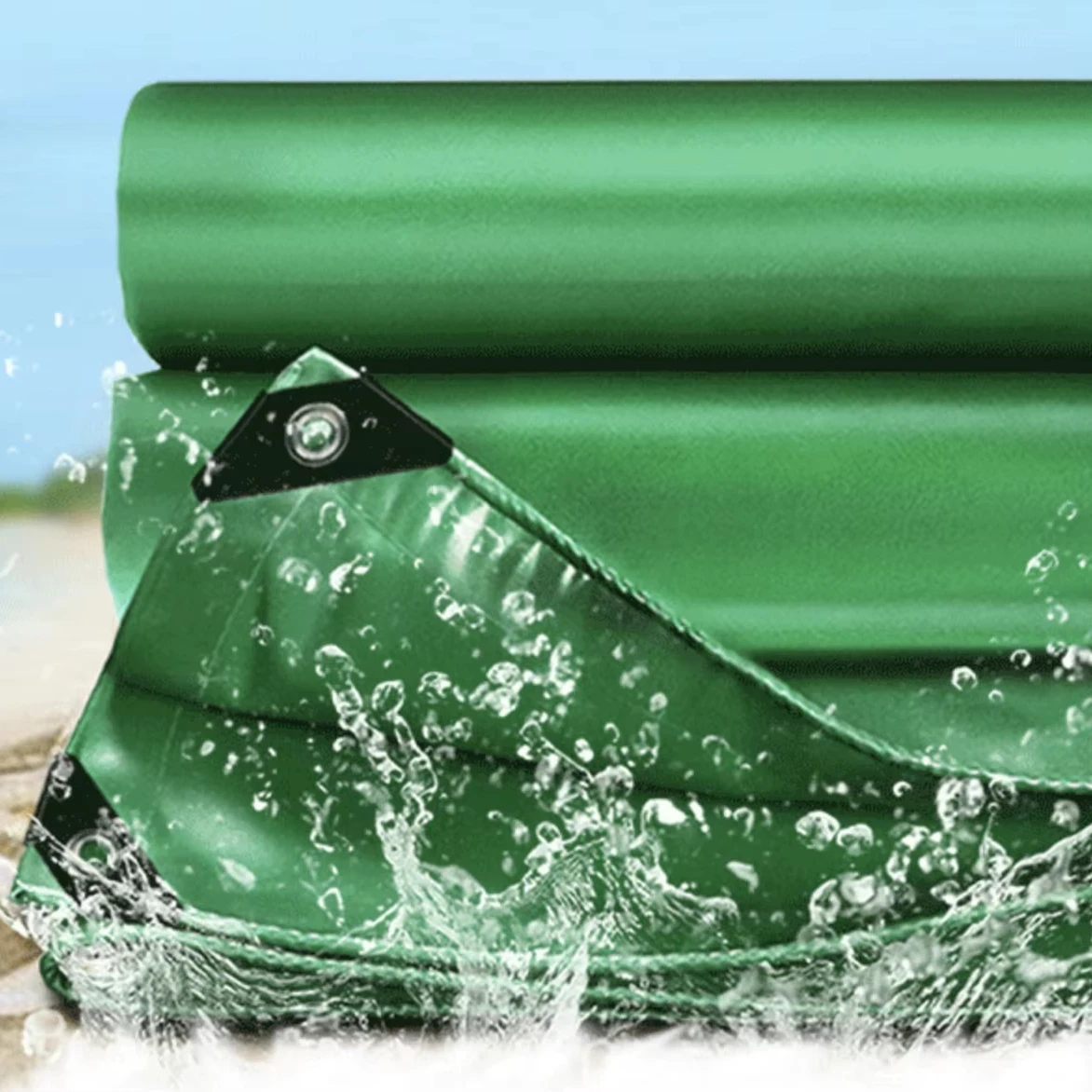
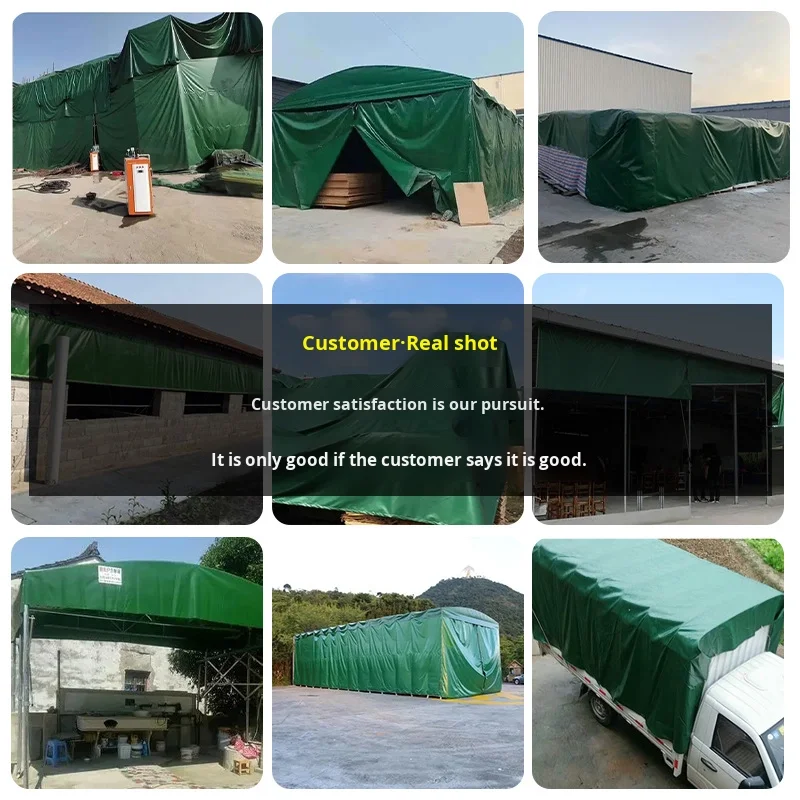
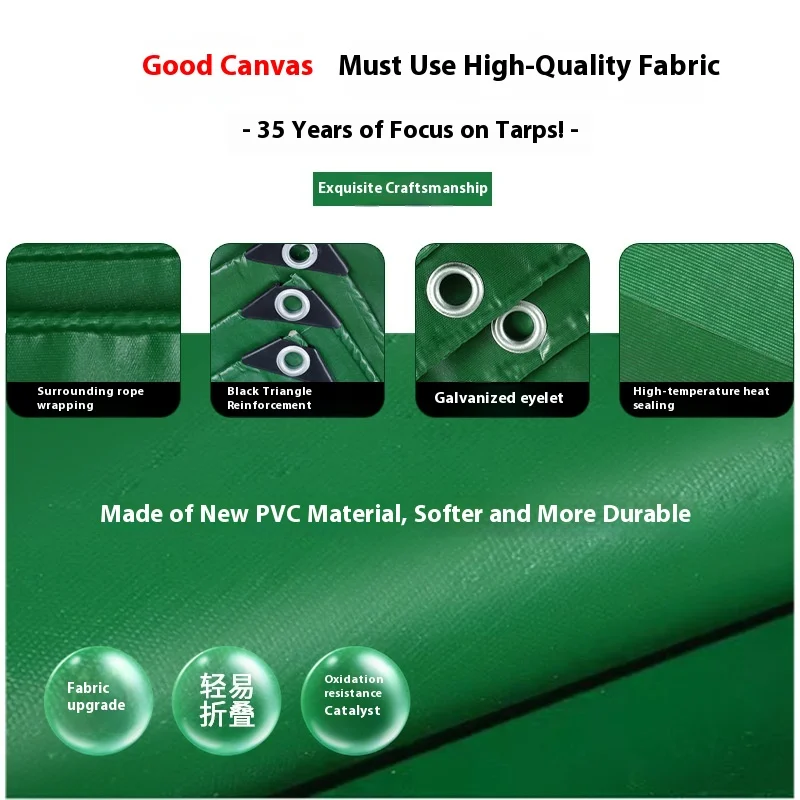
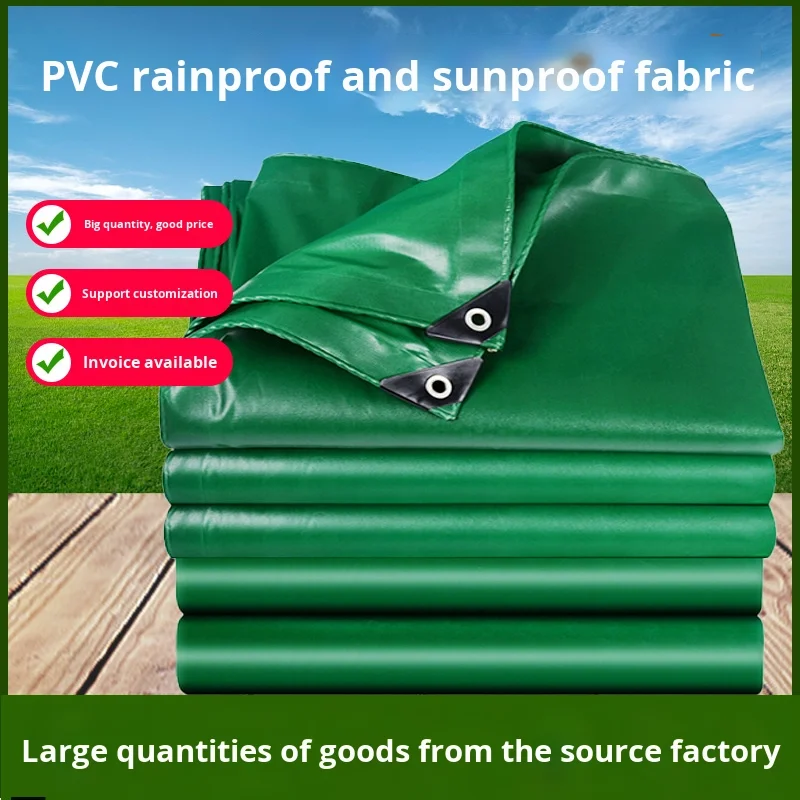
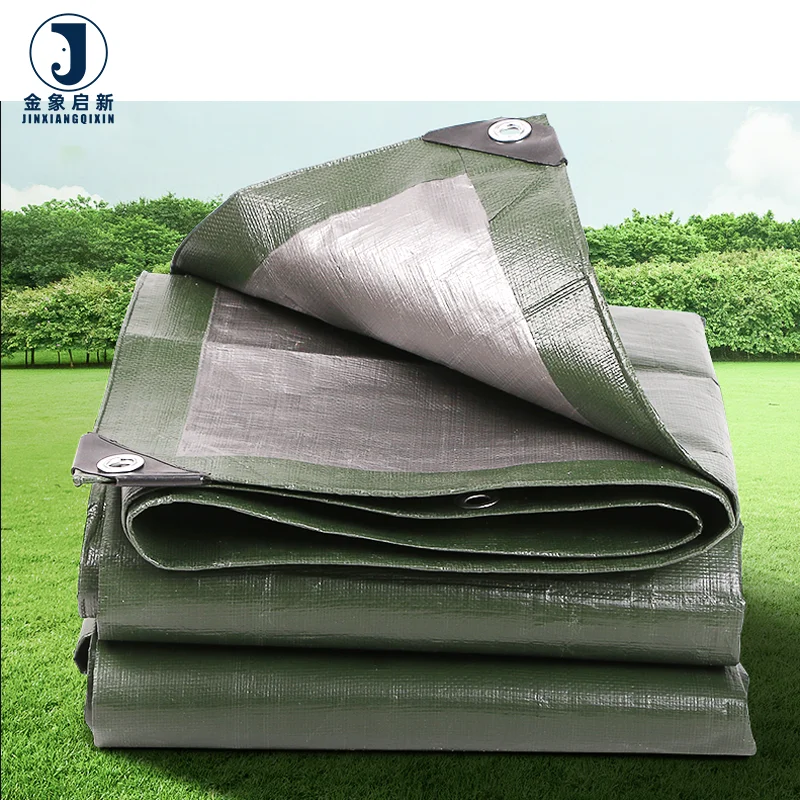
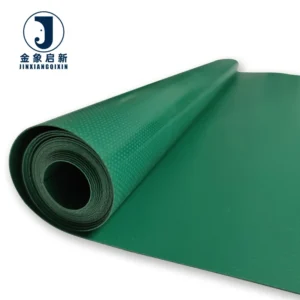
PVC Coated Tarpaulin Roll, 500D-500D Polyester Base — double-sided PVC coating with water resistant, flame retardant and anti-UV treatment options for truck, trailer and industrial cover fabrication.
- Knife coating process with controlled adhesion between the 500D base fabric and PVC layers, delivering consistent peel strength across the full roll length for reliable heat welding at seams.
- Custom width, length and colour available with pattern printing, supporting tent manufacturers and fleet operators who need batch-to-batch colour uniformity.
Nearly 30 years of coated fabric production with 100% pre-shipment inspection on every roll.
Description
Deep Coating Adhesion Control — every 400g roll undergoes stage-gate coating weight verification, ensuring the 0.3mm PVC layer bonds uniformly to the 500D×500D polyester base across the full production run.
Technical Specifications
| Parameter | Value |
|---|---|
| Specification | 0.3mm 400g |
| Product Type | PVC Coated Tarpaulin Roll |
| Material | PVC & Polyester |
| Base Fabric Yarn | 500D × 500D |
| Total Thickness | 0.3mm |
| Weight | 400 GSM |
| Color | Blackout |
| Water Resistance | Water Resistant / Waterproof |
| Key Features | Flame retardant (grade not stated in source), anti-UV (test basis not stated in source) |
| Surface Finish | Available in glossy or matte finish |
| Certifications | ISO, CE |
Application Suitability
| Application | Exposure & Requirement |
|---|---|
| Tent and awning fabrication | Direct sunlight, wind loading, light-blocking requirement, repeated assembly and teardown |
| Truck and trailer covers | Road vibration, flexing at load points, weather exposure, abrasion from cargo movement |
| Industrial machine and wood covers | Dust and moisture ingress, UV exposure during yard storage, handling and forklift contact |
| Temporary construction enclosures | Wind pressure, rain exposure, site debris impact, short-to-medium term deployment |
Why the 400 GSM Mark Matters More Than the Number Itself
A quoted 400g PVC coated tarpaulin roll that arrives lighter than specified fails before it leaves the receiving dock.
Buyers routinely discover that the GSM stated on a quotation does not match what the scale reads at incoming inspection. With mid-weight grades like this 0.3mm PVC coated tarpaulin, the margin between adequate performance and premature failure is narrow — a coating applied too thin reduces waterproofing and weld integrity, while an underweight base fabric sacrifices tear resistance under load. The only way to close this gap is with documented, roll-level weight verification before the material ships [NEED_CITE: incoming material verification methods for coated textiles].
What Blackout Construction Changes for Tent and Awning Makers
The blackout layer in this PVC coated tarpaulin roll blocks light transmission through the fabric, a requirement for tent linings, exhibition structures and awning canopies where internal light control matters. This is achieved through an opaque middle layer within the PVC coating, not through surface printing or pigment density alone. Manufacturers cutting and sewing tent panels need the blackout performance to be consistent across every roll in a batch — a panel that transmits light next to one that does not creates a visible and functional defect once installed.
How Coating Weight and Base Fabric Work Together
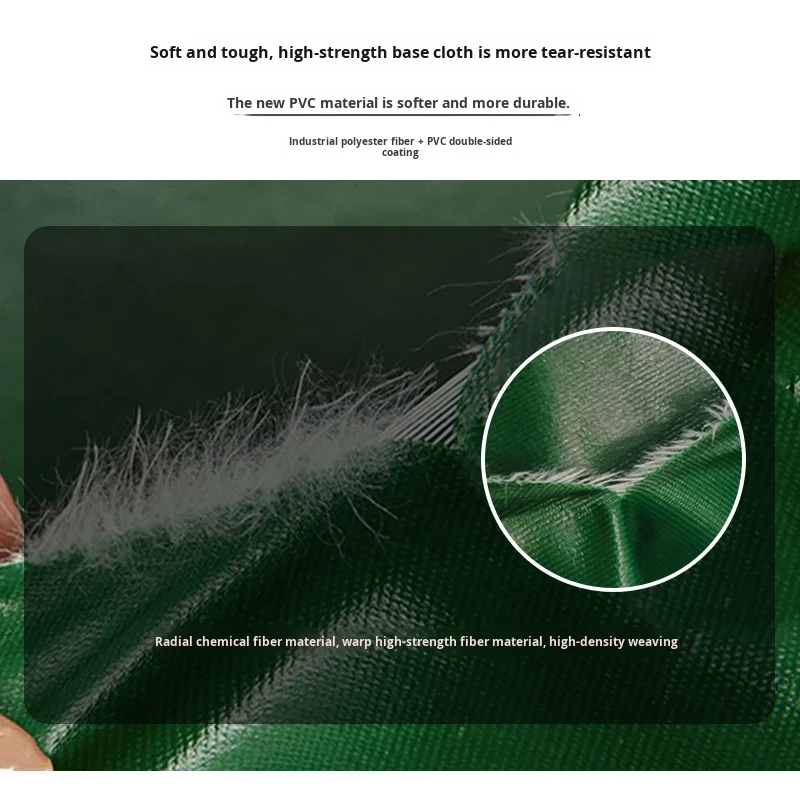
The 500D×500D polyester base fabric provides the tensile backbone, while the double-sided PVC coating at 0.3mm total thickness seals the weave and delivers waterproofing. Tensile strength in a PVC coated tarpaulin is a function of both the yarn denier and the coating that locks the weave in place — without adequate coating adhesion, individual yarns pull out at stress points rather than sharing load across the fabric plane. This balance is why a 400g specification at 500D×500D sits in a practical range for mid-duty covers: light enough to handle and fold, yet built with enough yarn mass to resist tearing at grommet and seam lines [NEED_CITE: relationship between base fabric denier and tensile performance in PVC coated polyester].
Decoding the 0.3mm / 400g / 500D Combination
Total thickness of 0.3mm at 400 GSM tells you how much PVC sits on each side of the 500D×500D base. At this weight, the coating fills the weave completely and provides a continuous waterproof barrier, while the 500-denier yarns in both warp and weft give balanced tear propagation resistance — meaning a puncture or cut does not easily zip across the fabric. The blackout core adds opacity without requiring a separate liner fabric, which simplifies cut-and-sew operations for tent and awning fabricators. When the specification calls for flame retardant or anti-UV treatment, those additives are compounded into the PVC during coating — available in flame retardant grades and UV-stabilised formulations, but confirm the specific grade and test standard required for your market before committing to production.
The Cost of Overlooking Batch Consistency
When multiple rolls in a single order vary in colour, weight or coating thickness, the defect often only becomes visible after the material is cut, sewn and installed side by side. A tent panel from one roll may appear slightly darker or lighter than its neighbour, forcing the fabricator to sort and match rolls manually — a process that wastes time and material. With PVC coated tarpaulin rolls ordered in volume for fleet covers or construction enclosures, a batch-to-batch GSM variation also means some panels will be weaker than others, creating unpredictable failure points in the field [NEED_CITE: impact of roll-to-roll colour and weight variation on fabrication yield].
Why Buyers Source This Grade Through Jinan Jinxiang
Three full production lines and 36 sets of professional equipment support consistent output at this 400g specification, with coating weight monitored at each stage rather than only at final inspection. The 10-person R&D team develops samples within days when a buyer needs a custom width, colour or print on this 0.3mm base — allowing verification before bulk production begins. A dedicated QA/QC process checks every roll against the material specification sheet before dispatch, so the GSM, base fabric denier and colour reference you receive match what was agreed at order. ISO and CE certifications back the production system, and every shipment includes the documentation needed for import clearance.
Documentation & Verification
- Material specification sheet per order stating 400 GSM, 500D×500D base, 0.3mm thickness and blackout colour reference
- Flame retardant and anti-UV test reports supplied where grades are specified and confirmed at inquiry stage
- Pre-shipment inspection record with roll-level weight check included in dispatch pack
- Certificate of origin and customs documentation prepared per destination country requirements
- Roll packing list with individual roll identification for incoming warehouse verification
Fabrication, Handling & Storage
- Heat-weld seams at manufacturer-recommended temperature settings for this 0.3mm PVC coating to achieve full bond strength
- Allow blackout rolls to acclimatise to workshop temperature before unrolling to prevent creasing in the PVC layer
- Store rolls upright on end caps to avoid flat-spotting the 500D base fabric under its own weight
- Use PVC-compatible cleaners only — solvents can soften the coating and compromise waterproofing at this 400g weight
- Plan cut layouts to maximise yield from standard roll widths and reduce the number of welded seams in finished panels
What to Specify When Requesting a Quotation
Provide the end-use application and exposure conditions — whether the 400g PVC coated tarpaulin will be used for tent fabrication, truck covers or site enclosures — so the correct flame retardant grade and UV treatment can be recommended. State the roll width and length you need, along with any colour or print requirements, and confirm whether you require finished cut sizes or roll stock only. Request a sample for approval before bulk production to verify the blackout opacity and surface finish against your specification.
Frequently Asked Questions
Q: How do I verify the GSM on arrival against the quotation?
A: Every shipment includes a material specification sheet stating the exact 400 GSM, base fabric denier and coating details for your order. We recommend weighing a sample from each roll at receiving and comparing it against this document. A pre-shipment inspection record with roll-level weight verification is included in the dispatch documentation for cross-reference.
Q: What flame-retardant grades are available and which test standards do they meet?
A: Flame retardant treatment is available in multiple grades depending on your market requirements. The specific grade and corresponding test standard — such as B1, M2 or NFPA 701 — must be confirmed at inquiry stage so the correct formulation is applied during coating. Test reports documenting the grade and standard are supplied with the shipment.
Q: How is batch-to-batch colour consistency controlled across multiple rolls?
A: Colour reference is recorded on the material specification sheet at order confirmation. Production uses matched pigment batches for each order run, and in-process QA checks verify shade consistency before rolls are packed. If your project requires panels installed side by side, request roll sequencing to further minimise any visible variation.
Q: What documentation ships with each order for import clearance?
A: Each dispatch includes a material specification sheet, pre-shipment inspection record, roll packing list, certificate of origin and any applicable test reports for flame retardant or anti-UV treatments. ISO and CE certificates are available to support customs and compliance requirements in your destination market.
Related products
-
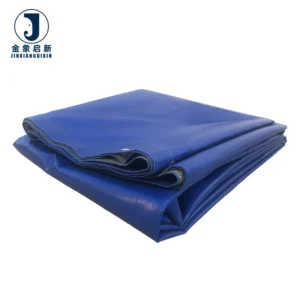
Hot Selling Heavy Duty Waterproof Large Camping Tarp Outdoor Use 500gsm Pvc Laminated Tarpaulin Tent
¥3.20 Add to cart -
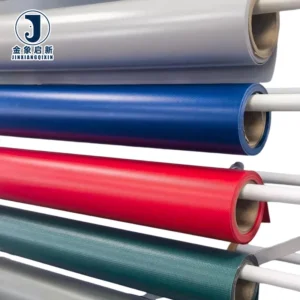
PVC Tent Fabric Shelter Blackout Anti-UV PVC Tarpaulins 1000D for Tent Fabric for Event Exhibition Shade Tents
¥1.45 Select options This product has multiple variants. The options may be chosen on the product page -
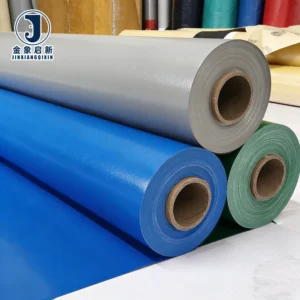
Tarp Factory 610gsm 650gsm 800gsm Awnings Tent PVC Coated Fabric Waterproof Bache Lona PVC Tarpaulin Roll
¥1.45 Select options This product has multiple variants. The options may be chosen on the product page -
Wholesale Pricehigh Quality Outdoor Waterproof Tarp Customized Pvc Tarpaulin Roll
¥1.20 Add to cart