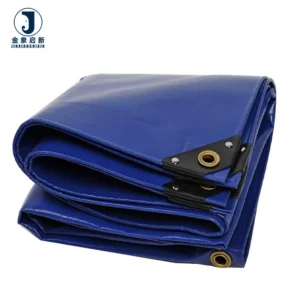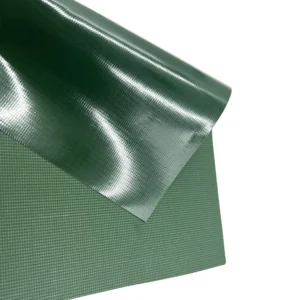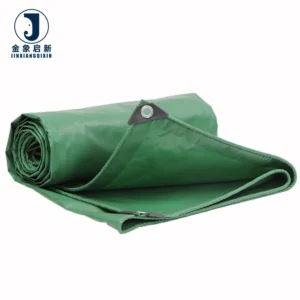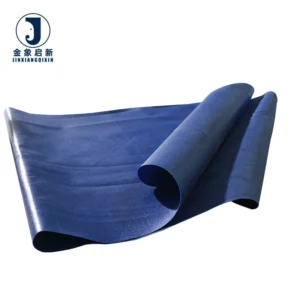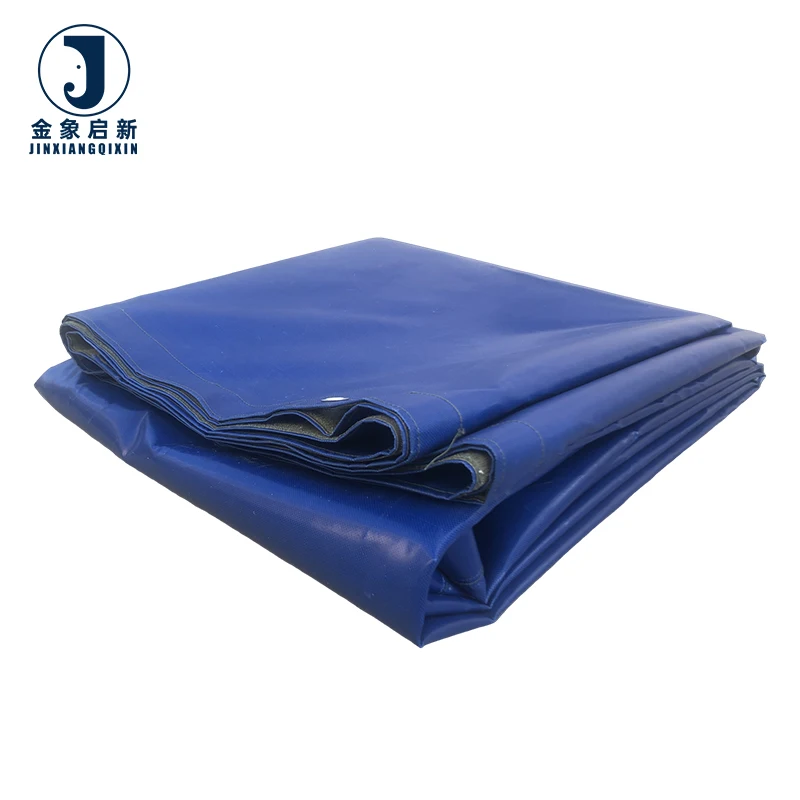
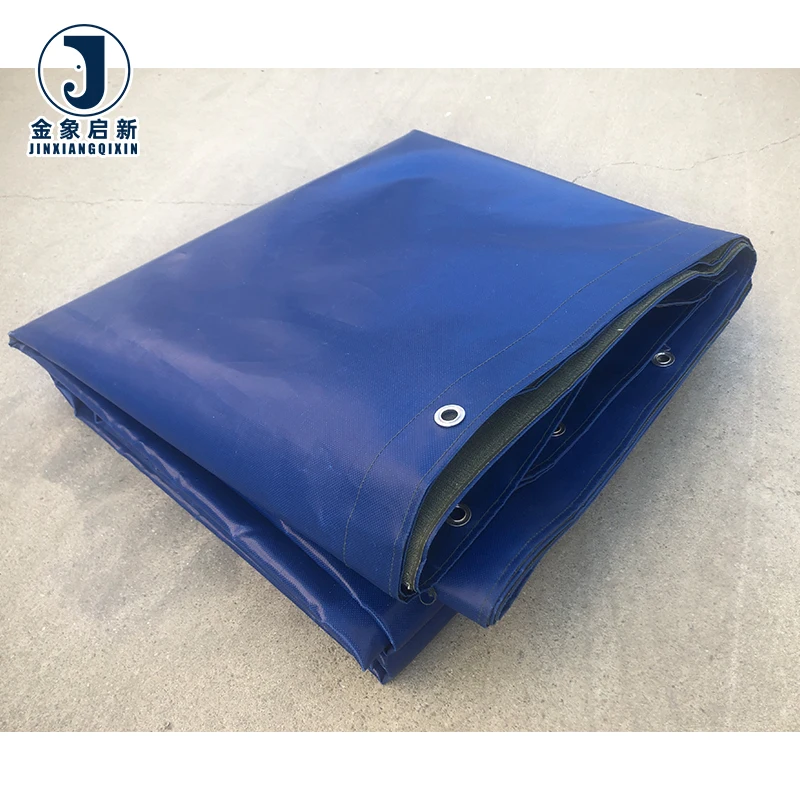
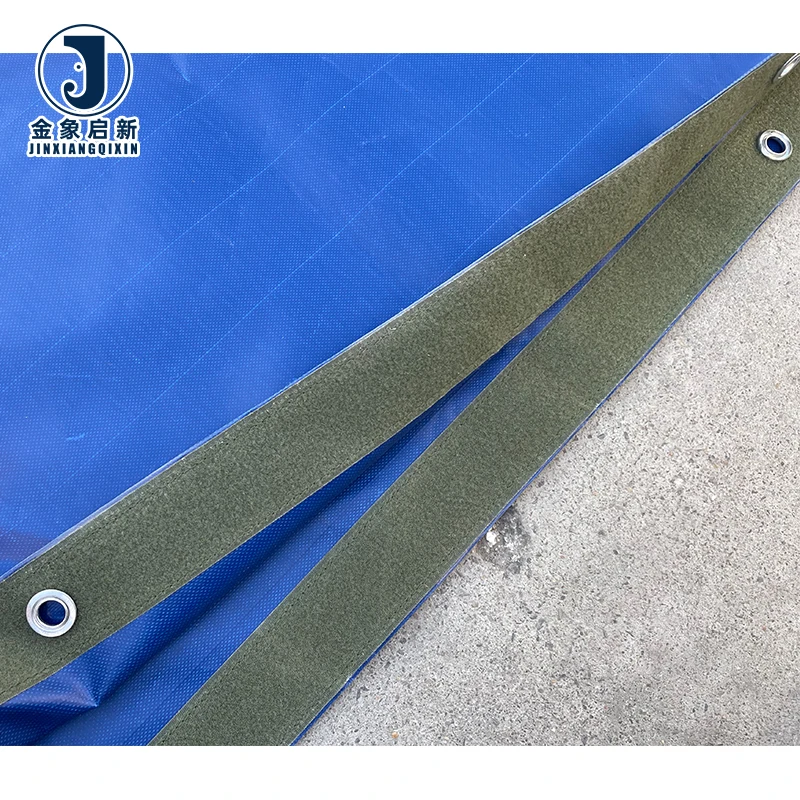
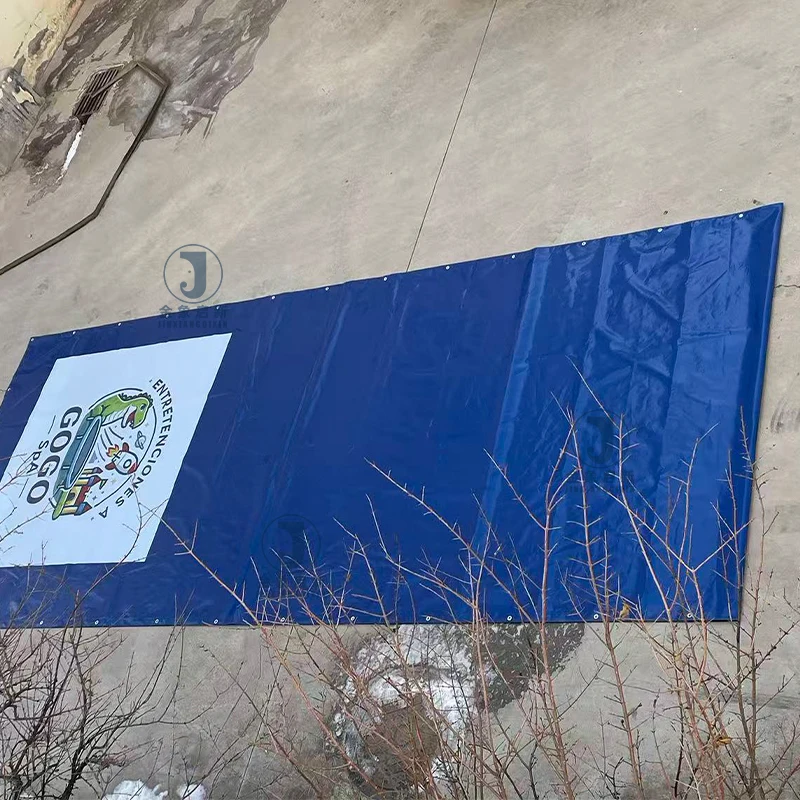
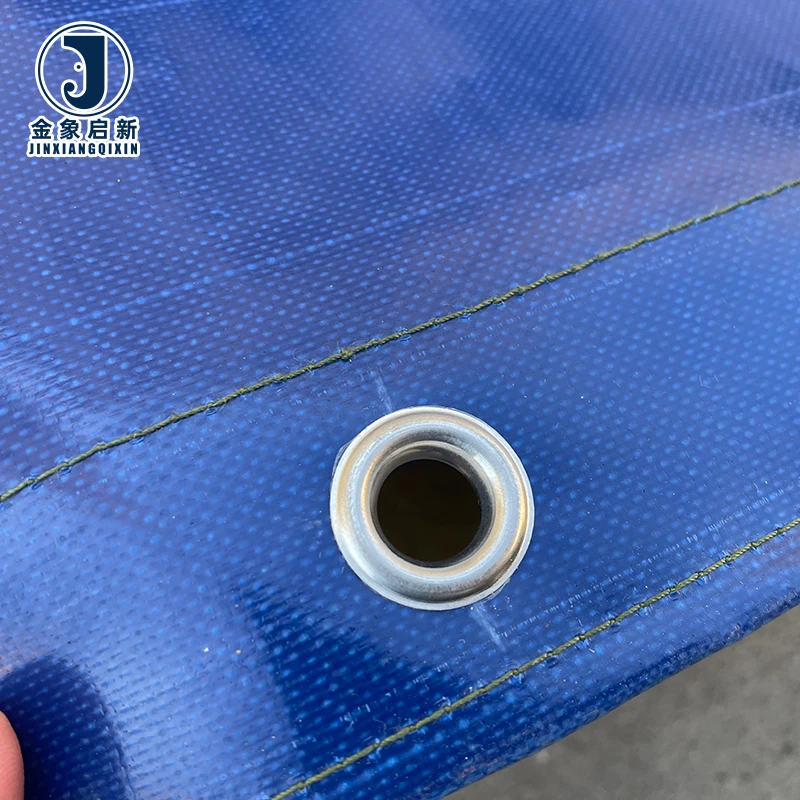
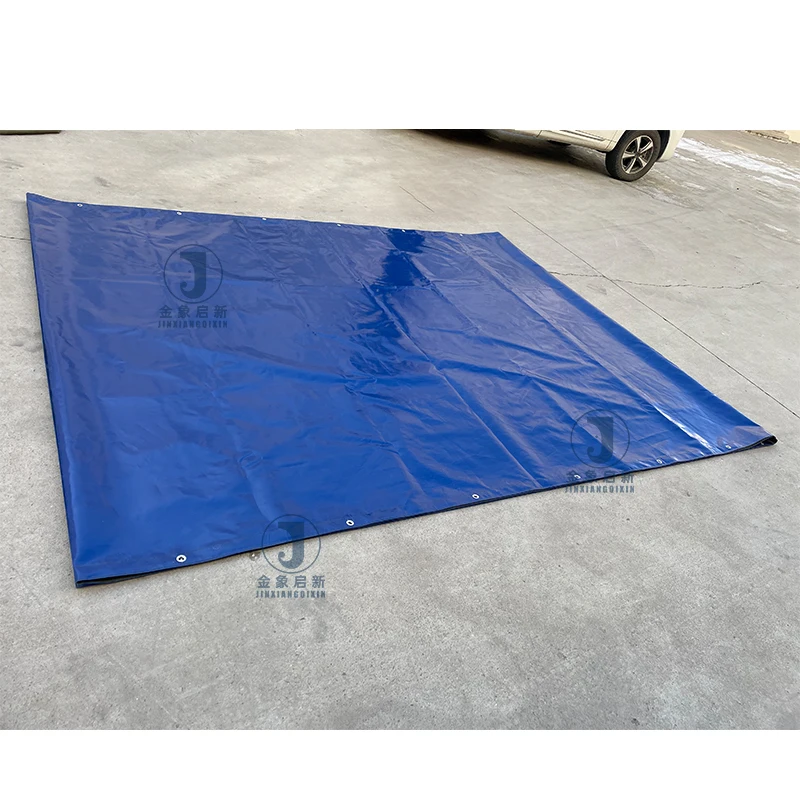
PVC Coated Tarpaulin Roll — 500gsm, 1000D base fabric, PVC laminated with high-frequency heat combined. Available in matte or glossy surface, custom width and length with eyelets and reinforced hems.
- Waterproof rating anti-permeable ≥20KPa, flame retardant ≤10 seconds, low-temperature flexibility not fractured at -30℃
- Roll-to-roll colour consistency and verified GSM against specification sheet, with pre-shipment inspection record supplied
Nearly 30 years focused on coated fabric with deep process control over coating weight and adhesion, supported by 100% inspection before shipment.
Description
Batch Consistency You Can Prove — every roll of this 500gsm PVC coated tarpaulin leaves the line with a recorded GSM check and a signed inspection sheet, because near 30 years of coated fabric production has taught us that what arrives must match what was quoted.
Technical Specifications
| Parameter | Value |
|---|---|
| Product Type | PVC Coated Tarpaulin Roll |
| Weight | 500gsm |
| Base Fabric | 1000D |
| Waterproof Rating | anti-permeable ≥20KPa |
| Flame Retardant | ≤10 seconds |
| Low-Temperature Flexibility | not fractured at -30℃ |
| Coating Method | PVC laminated / high-frequency heat combined |
| Surface Options | matte / glossy |
| Custom Width and Length | available |
| Eyelets and Reinforced Hems | available |
| Certification | ISO, CE |
Application Suitability
| Application | Exposure & Requirement |
|---|---|
| Tent and awning fabrication | repeated assembly and teardown, UV exposure, wind load on seams, colour consistency across panels |
| Truck and trailer cover | constant flexing at load points, road spray, abrasion from tie-down straps, low-temperature handling |
| Boat and carport cover | prolonged water contact, mildew risk, solar heating and thermal cycling |
| Outdoor shelter and roof cover | wind uplift, rain pooling, thermal expansion and contraction, long-term weathering |
| Inflatable and membrane structure | air pressure stress, welded seam integrity, fabric stiffness and fold memory |
Why a Quoted GSM Can Still Let You Down on Site
A stated weight means nothing unless it is checked on the roll you actually receive.
Over the years I have watched fabric buyers approve a sample, place a bulk order, and then discover the delivered PVC Coated Tarpaulin Roll feels lighter in the hand. When the scale confirms the gap, the entire shipment sits on the dock while emails fly back and forth [NEED_CITE: common tarpaulin disputes over weight discrepancy]. The problem is rarely dishonesty — it is usually an uncontrolled coating process where the line speed or paste viscosity drifts during a long run. What protects you is a documented weight check tied to your specific roll numbers, not a blanket claim on a quotation.
How Coating Weight and Base Fabric Work Together
Tensile strength does not come from the PVC layer alone. The 1000D yarns in the base fabric carry the structural load, while the 500gsm coating locks those yarns in place and provides waterproofing. If the coating is too thin, yarns shift under tension and the fabric loses dimensional stability. If it is too thick without the right adhesive bond, the coating peels away at flex points. The laminated process used here presses the PVC film onto the woven base under heat, creating a bond that resists delamination even where the fabric bends repeatedly — such as at a truck side curtain hem or a tent ridge line.
What the Flame-Retardant Figure Actually Tells You
The ≤10 seconds result means a test flame applied to this PVC coated tarpaulin self-extinguishes within that window. That figure matters when your end market requires documented fire performance — for a public event tent, a mining ventilation curtain, or a temporary warehouse [NEED_CITE: flame retardant test methods for coated fabrics]. The key is that the test report ships with the batch, so you can hand it to the site safety officer or the local inspector without waiting for the mill to dig it out. Always confirm the exact fire classification your project specifies before ordering, because different markets reference different standards.
Reading the Specification Sheet Like a Fabricator
The 1000D base fabric gives the roll its tear resistance; a lower denier would mean a nick from a sharp edge propagates faster across the panel. The ≥20KPa hydrostatic rating tells you the coating is fully impermeable to standing water, which matters for pond liners or flat roof covers where water pools after rain. Low-temperature flexibility to -30℃ means the PVC compound stays pliable in winter — a plier fracture test at that temperature confirms the plasticiser system does not become brittle. Meanwhile, the surface finish choice between matte and glossy affects more than appearance: a glossy face sheds dirt more easily, while a matte face reduces glare and can improve ink adhesion if printed branding is required.
The Hidden Cost of Getting the Specification Wrong
I once saw a container of coated fabric rejected on the dock because the buyer specified a lighter grade to save cost, only to find the finished truck covers tore at the eyelet line within the first season. The carrier had not changed — the load and the tie-down tension were identical — but the fabric could not handle the concentrated stress. In another case, a tent maker lost a contract renewal because panels from different rolls showed a visible colour shift when installed side by side at a festival site [NEED_CITE: batch colour consistency in coated fabric production]. Both failures were specification problems, not manufacturing defects, and both could have been caught at the sample stage.
Why Source This Fabric Here
Three full production lines and 36 sets of professional equipment mean your roll order is scheduled on a line dedicated to coated fabric, not squeezed between unrelated products. The 10-person R&D team develops custom widths, colours, and printed samples within days, locking the specification before bulk runs begin. Dedicated QA and QC checkpoints at every stage — coating weight, adhesion, colour — feed into a 100% pre-shipment inspection so that what leaves the gate matches the approved sample. Nearly 30 years focused on coated fabric has produced deep process control over coating weight and adhesion, which is why the GSM on the label is the GSM on the scale.
Documentation & Verification
- Material specification sheet stating 500gsm, 1000D base fabric, coating type, and colour reference for every roll
- Flame-retardant test report showing ≤10 seconds result supplied with applicable batch
- Pre-shipment inspection record with GSM verification signed off before dispatch
- ISO and CE certificates included in the shipping documentation package
- Roll packing list with individual roll numbers for traceability
- Certificate of origin and customs documentation provided for export shipments
Fabrication, Handling & Storage
- High-frequency welding suits the 500gsm laminated construction — adjust dwell time to avoid burning through the PVC face
- Reinforced hems at eyelet points distribute tie-down load across the 1000D base fabric weave, preventing pull-through
- Store rolls upright on a flat surface to prevent flat spots that show as visible lines when unrolled on site
- Allow cold-stored rolls to reach ambient temperature before unrolling to avoid cracking the PVC coating below -30℃
- Use mild detergent for cleaning; solvent-based cleaners can soften the plasticiser in the glossy or matte surface
- Plan cut panels to minimise off-cuts, especially on custom widths where rejoining short pieces adds weld lines
What We Need to Quote You Accurately
Tell us the end use and the environment the fabric will face — outdoor weather, chemical exposure, or fire-code compliance requirements. Confirm the roll width and length you need, the surface finish preference, and whether you want finished cut-size covers with eyelets and reinforced hems or roll stock only. If colour matching or printed branding is required, share the reference so we can develop a sample for your approval before production.
Frequently Asked Questions
Q: How is GSM verified on arrival, and what documentation ships with the roll?
A: Every roll is weighed and recorded during the pre-shipment inspection against the stated 500gsm specification. The inspection record, material specification sheet, and packing list ship with the consignment, so you can verify weight and trace each roll back to its production batch without delay.
Q: Can I get flame-retardant or UV test reports for the specific batch I receive?
A: Yes. When your order includes flame-retardant or anti-UV grades, the corresponding test reports are generated for that production run and included in your documentation package. Confirm the grade and standard your market requires at the inquiry stage so the correct formulation is scheduled.
Q: What is the lead time and minimum for custom width, colour, or printed branding?
A: Custom widths, colours, and printed branding typically require multi-week lead times depending on order volume and complexity. The R&D team produces a physical sample for your approval before bulk production begins, locking the specification so the full run matches the approved reference.
Q: How do you ensure colour consistency across multiple rolls in one order?
A: All rolls in a single order are produced under the same coating batch with in-process colour checks at each stage. The 100% pre-shipment inspection includes a visual comparison across rolls, and any roll that falls outside the agreed tolerance is held back before packing.
Q: Do you supply finished cut-size covers with eyelets and reinforced hems, or roll stock only?
A: Both options are available. You can order roll stock by the roll for your own fabrication line, or specify finished cut-size covers with eyelet spacing, reinforced hems, and custom dimensions agreed at the sample stage before production begins.
Related products
-
PVC Tent Fabric Shelter Blackout Anti-UV PVC Tarpaulins 1000D for Tent Fabric for Event Exhibition Shade Tents
¥1.45 Select options This product has multiple variants. The options may be chosen on the product page -
Custom Reinforced Edges Rip-Stop Rubberized PVC Tarpaulin Industry Covering Vinyl Coated Polyester Tarps for Trucks
¥8.00 Select options This product has multiple variants. The options may be chosen on the product page -
Nylon-coated Trailer Tarpaulin. Waterproof Canvas. Heavy-duty PVC Tarpaulin for Truck Tents
¥1.04 Add to cart -
Heavy Duty Fire Retardant Waterproof PVC Coated Tarpaulin Rolling Tarp Materials for Truck Cover Tents Outdoor Usage
¥1.40 Add to cart