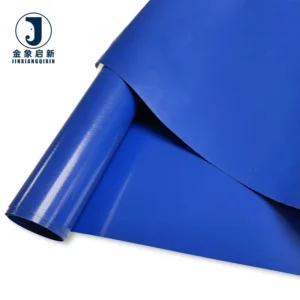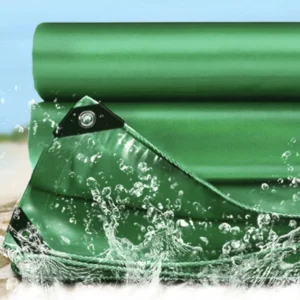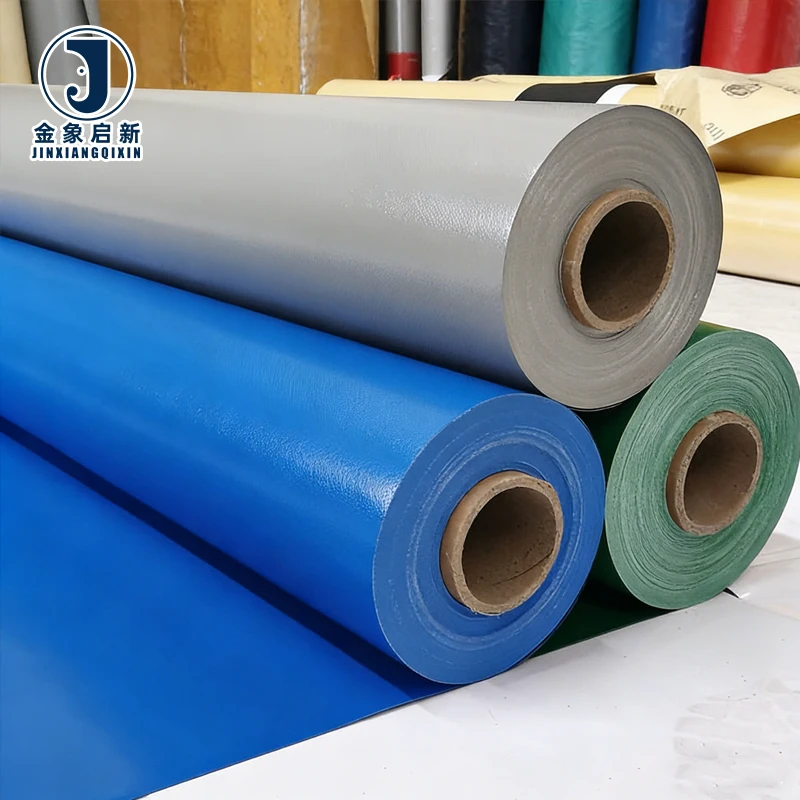
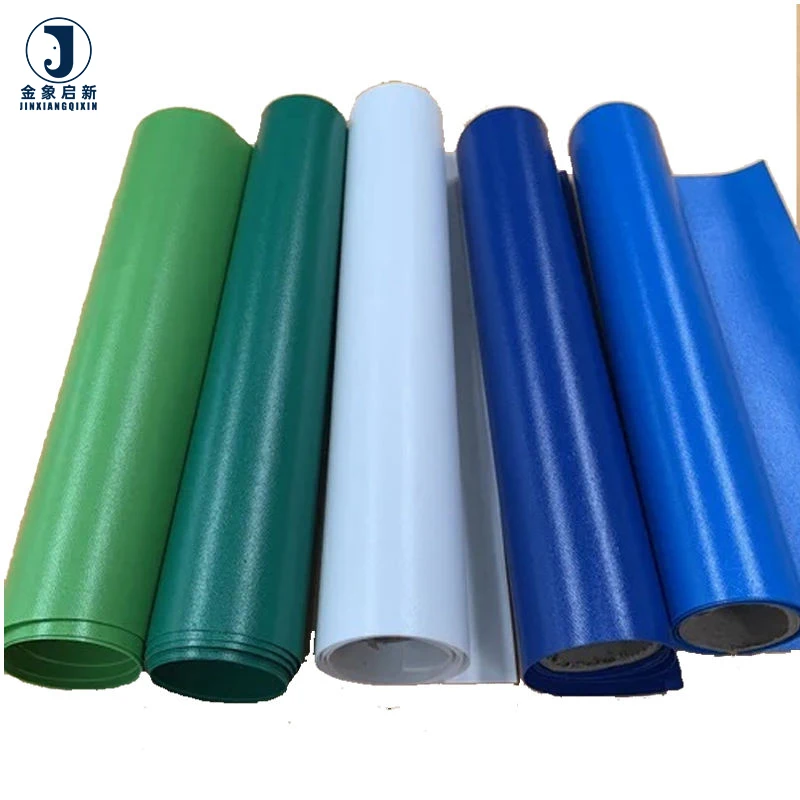
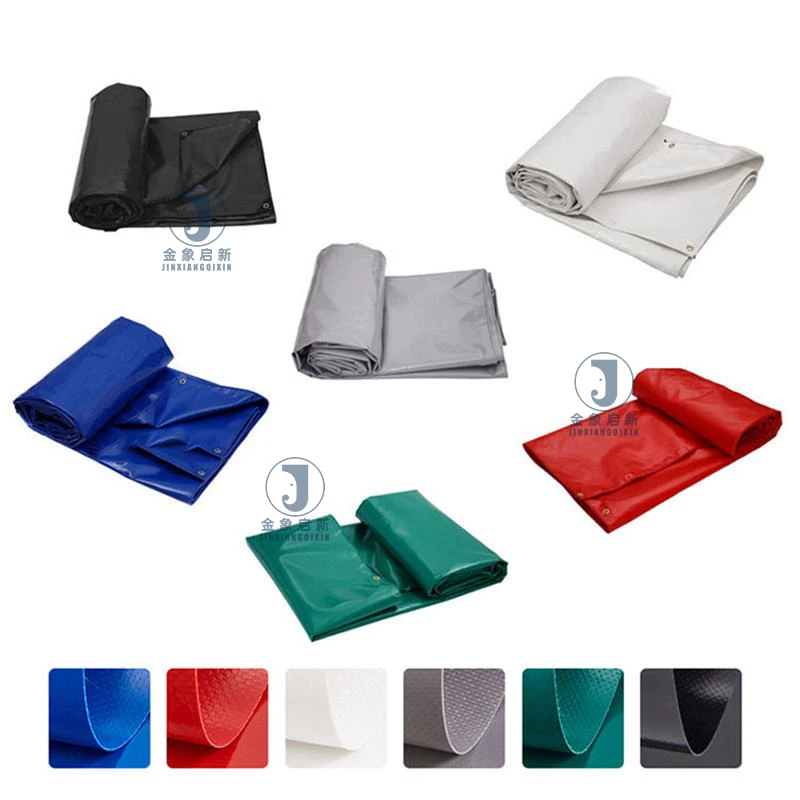
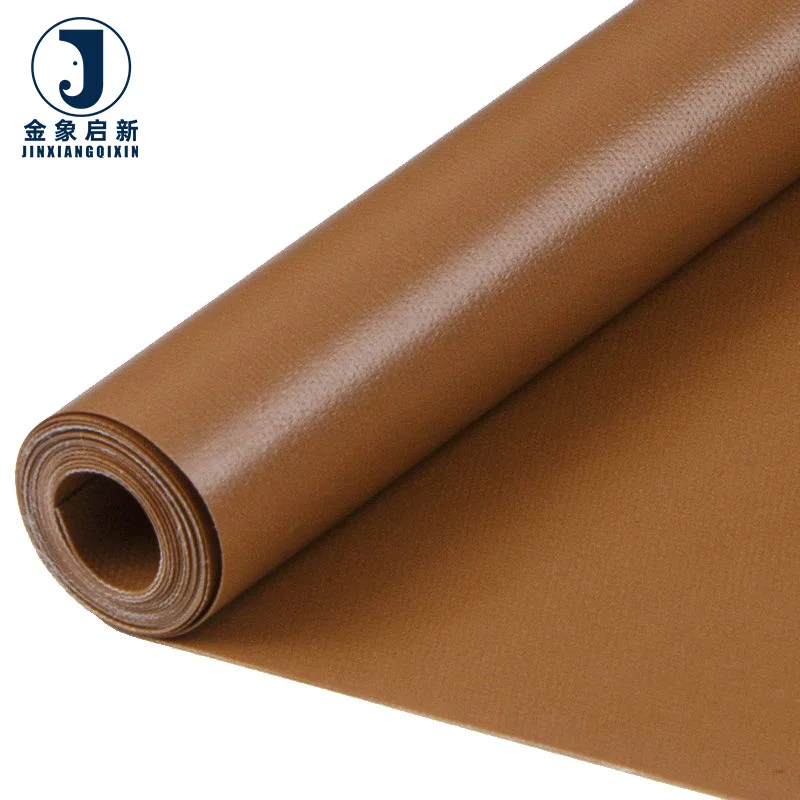
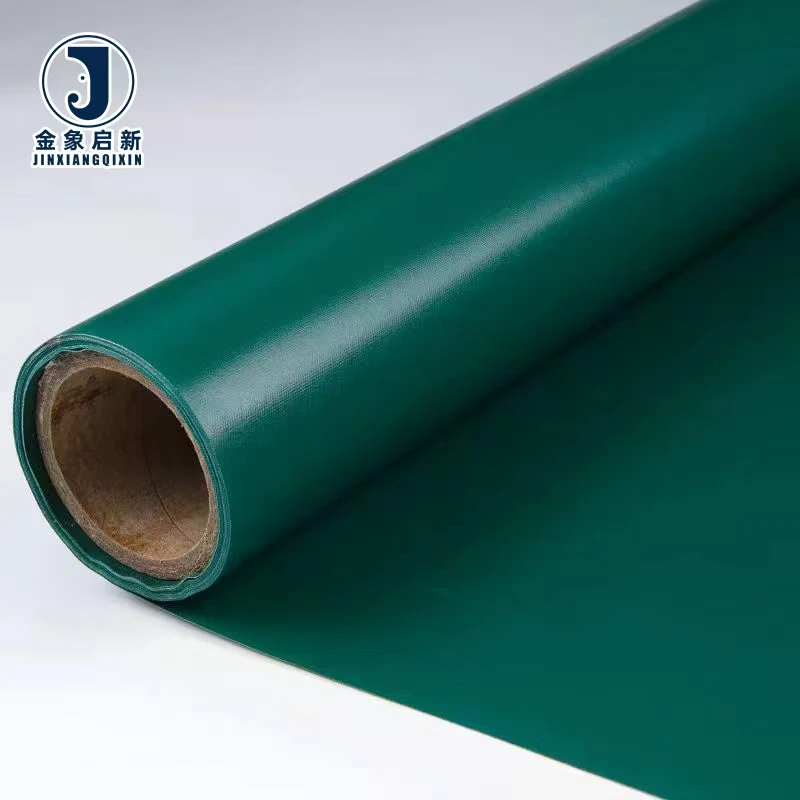
PVC Tarpaulin Roll – available in 510gsm, 610gsm, 650gsm, 680gsm and 800gsm with water-resistant, fire-retardant and anti-UV treatment.
- PVC coated polyester fabric in roll format, ripstop woven base for tear resistance under tension and flex
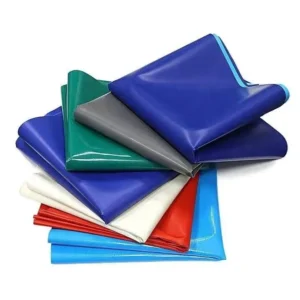
- Full customisation on width, length, colour, pattern printing and fabrication from design to delivery
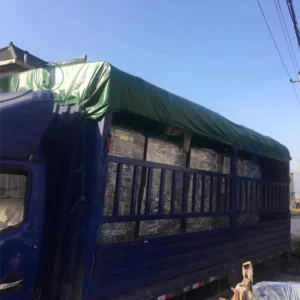
- Specifying for truck covers, tents, awnings or industrial covers — GSM grade and treatment matched to your application load and exposure
- Dedicated QA/QC at every production stage with 100% inspection before shipment and full documentation provided
Description
Coated Fabric Expertise — nearly 30 years of PVC coating process control ensures every roll meets the stated weight, adhesion and treatment specification before dispatch.
Technical Specifications
| Parameter | Value |
|---|---|
| Product Type | PVC Coated Tarpaulin Roll |
| Weight Range | 510gsm, 610gsm, 650gsm, 680gsm, 800gsm |
| Base Material | PVC Coated Polyester Fabric |
| Weave Pattern | Ripstop Woven |
| Water Resistance | Fully waterproof coated construction |
| Fire Retardant | Available in flame retardant grades — confirm the grade required for your market |
| Anti-UV Treatment | Available with anti-UV treatment — request test documentation for your climate zone |
| Tensile Strength | High tensile strength — verify grade per application load |
| Roll Format | Supplied in roll format for fabricator cutting and welding |
| Certification | ISO, CE |
Application Suitability
| Application | Exposure & Requirement |
|---|---|
| Truck and trailer side curtains | Constant flexing at hinge points, road debris abrasion, sustained UV and weather exposure |
| Tent and awning structures | Tension loading on fabric panels, wind flutter fatigue, seasonal UV and rain cycles |
| Outdoor protective covers | Prolonged sun exposure, pooling water on flat surfaces, mechanical wear from access |
| Inflatable products | Internal air pressure stress, repeated inflation cycles, abrasion at ground contact |
| Industrial equipment covers | Heavy object contact, chemical splash, dust ingress prevention on site |
Why the GSM Number on Your Quote May Not Match What Arrives
GSM accuracy depends on coating discipline, not just the base fabric weight.
A PVC coated tarpaulin roll quoted at 650gsm can arrive lighter when the coating weight is reduced to offset material cost, leaving the buyer with a fabric that handles differently on the welding table and under load [NEED_CITE: tensile and tear test methods for coated fabrics per ISO 1421]. We have seen procurement teams sign off samples that pass weight checks, only for the production batch to show variation once the rolls are cut and compared side by side. As a PVC Coated Tarpaulin Roll manufacturer, we address this through in-process coating weight checks at every production stage, not just a final weigh-off before packing.
Selecting the Right Grade for Your Fabrication Line
Each GSM grade in this range serves a different structural purpose. Lighter grades around 510gsm suit temporary covers and short-term site protection, while 610gsm and 650gsm provide the body needed for tensioned awning panels and standard truck side curtains. The 800gsm grade is specified where the fabric must resist concentrated point loads or sustained mechanical stress. Choosing the correct PVC tarpaulin roll aftermarket supplier means matching the grade to the actual load case, not defaulting to the heaviest option available.
Treatment Options and What to Verify Before Committing
Anti-UV and flame retardant treatments are available across this roll range, but the test basis must be confirmed against your local compliance requirement [NEED_CITE: DIN 4102 fire classification for building materials]. A fabric specified for an indoor inflatable structure has a different fire classification demand than one used for a mining ventilation enclosure or a public event tent. Request the test report that corresponds to the grade you are quoting against, and verify that the treatment is consistent through the coating layer rather than applied as a surface finish only.
How Coating Weight and Base Fabric Interact
GSM alone does not define performance — it is the relationship between the polyester base fabric density and the PVC coating weight that determines how the material behaves under tension and at the weld line. A 650gsm roll built on a coarse denier base with heavy coating may show good weight figures but lower tear propagation resistance than a roll with a tighter ripstop woven structure at the same GSM. The coating method influences peel strength and thermal welding behaviour, which directly affects how reliably fabricated seams hold under field conditions. Width and roll length then determine how many panels must be joined and where those seams fall relative to the stress points in the finished product.
The Cost of Specifying Without Application Data
Ordering PVC coated tarpaulin rolls by weight alone, without defining the expected flex cycles, UV exposure duration or fire compliance target, leads to field failures that are blamed on the material rather than the specification [NEED_CITE: coating adhesion and weld strength testing standards]. Rolls that are too light for a truck curtain application will crack at the fold line within months. Fabric delivered without the fire retardant grade required by the site inspector will be rejected at handover, regardless of material quality. Colour variation between rolls in a single order becomes visible once panels are installed adjacent to each other, forcing rework across an entire project.
What This Production Line Delivers
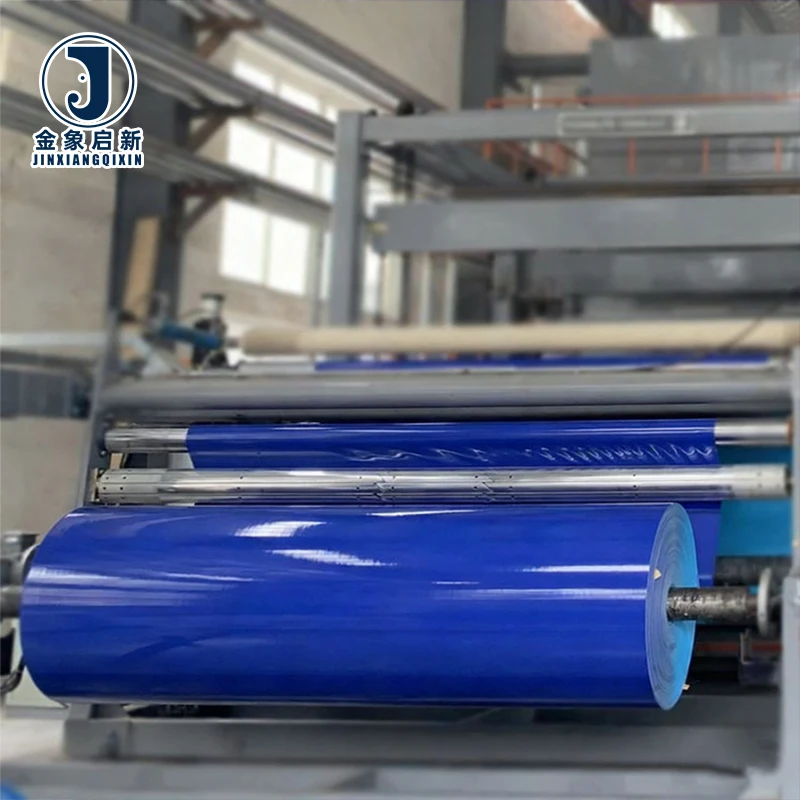
Three full production lines and 36 sets of professional equipment support bulk roll output with consistent coating weight across the batch. The 10-person R&D team handles material selection, custom width development and pattern printing from sample stage through to full production runs. Dedicated quality control runs at every coating and winding stage, with 100 percent inspection before dispatch. Samples for custom widths, colours and treatments are developed within days so that buyers can verify the material before committing to volume. ISO and CE certified processes underpin the production workflow.
Documentation & Verification
- Material specification sheet stating base fabric denier, coating weight and target GSM for each roll
- Pre-shipment inspection record verifying weight, colour reference and roll count against order
- Fire retardant and anti-UV test reports provided against the specific grade supplied
- Roll packing list with individual roll dimensions and net weight for container planning
- Certificate of origin and customs documentation aligned with destination market requirements
Fabrication, Handling & Storage
- Heat welding parameters must be calibrated to the specific GSM grade — 800gsm requires higher dwell time than 510gsm to achieve full seam adhesion
- Store rolls upright on pallets to prevent flat-spotting on the coating surface, particularly on heavier 650gsm and 800gsm grades
- Cut panels should be welded within a reasonable period after cutting to avoid edge contamination affecting bond strength
- Avoid dragging rolls across abrasive surfaces during unloading — the ripstop woven base is tear resistant but the PVC coating surface can scuff
- Clean fabricated products with mild detergent only; solvent-based cleaners may degrade the PVC coating plasticiser over time
What to Include in Your Enquiry
Provide the end-use application, expected environmental exposure and any fire or safety compliance targets required in your market. Specify the roll width, GSM grade and annual volume so that production scheduling and pricing can be aligned to your project timeline. If you require custom colour matching, printed branding or finished cut sizes rather than raw roll stock, include artwork files and dimensional drawings with your initial enquiry to accelerate sample development.
Frequently Asked Questions
Q: How do I choose the right GSM grade for my application?
A: Match the grade to the mechanical load and exposure conditions. Lighter grades suit temporary covers and low-stress applications, while 650gsm and 800gsm serve truck curtains, tensioned awnings and structures subject to sustained load. Provide your application details and we recommend the grade with supporting specification data for your review before sampling.
Q: Can I get a sample roll before placing a bulk order?
A: Yes. Samples are developed within days for custom widths, colours and treatment requirements. We produce a sample roll or cut piece to your specification so you can verify weight, colour, weld behaviour and surface finish on your own fabrication equipment before committing to full production volume.
Q: What fire-retardant and anti-UV certifications do you provide?
A: Flame retardant and anti-UV treatments are available across this product range, supported by test reports matching the grade supplied. Specify the fire classification standard required in your destination market — such as M2, B1 or NFPA 701 — and we confirm the achievable grade with documentation before production begins.
Q: What custom widths, colours and printing options are available?
A: Rolls are produced in custom widths and lengths beyond standard stock dimensions. Colour matching, pattern printing and branded logos are handled in-house by the R&D team. Provide Pantone references, artwork files and dimensional requirements with your enquiry to receive a sample and production timeline.
Q: How do you ensure colour consistency across multiple rolls in one order?
A: Colour reference is set at sample approval stage and held as the production standard for the entire batch. In-process checks during coating and winding catch variation before rolls are packed. A pre-shipment inspection record confirms that every roll in the order matches the approved colour reference before dispatch.
Related products
-
Custom Reinforced Edges Rip-Stop Rubberized PVC Tarpaulin Industry Covering Vinyl Coated Polyester Tarps for Trucks
¥8.00 Select options This product has multiple variants. The options may be chosen on the product page -
Wholesale Pricehigh Quality Outdoor Waterproof Tarp Customized Pvc Tarpaulin Roll
¥1.20 Add to cart -
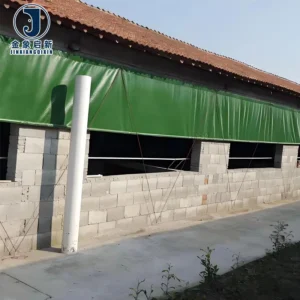
JX PVC Coated Tarpaulin/Cover for Farm Waterproof Warp Knitted Tent Pig Broiler Sheep Chicken Farm Plain Style
¥1.40 Add to cart -
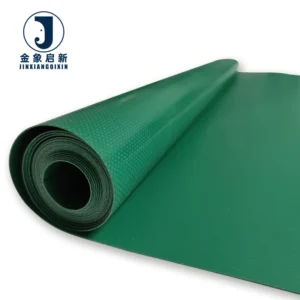
High Quality Windproof Waterproof PVC Coated Plain Tarpaulin for Industrial Shelter Use
¥0.53 Add to cart