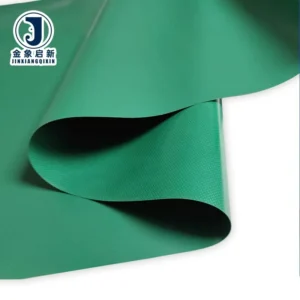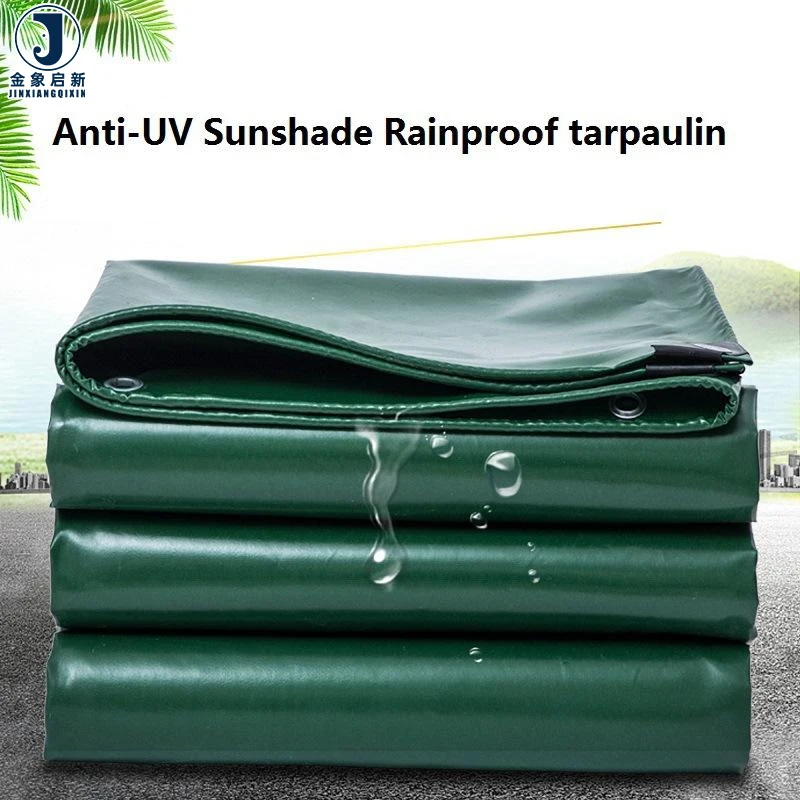
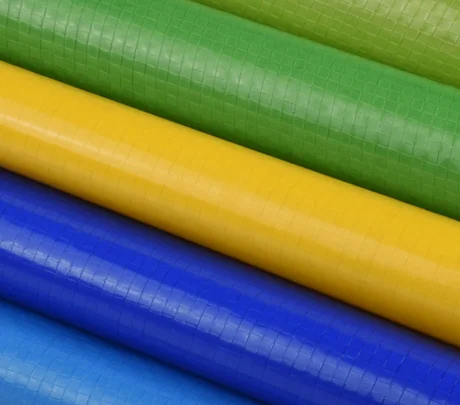
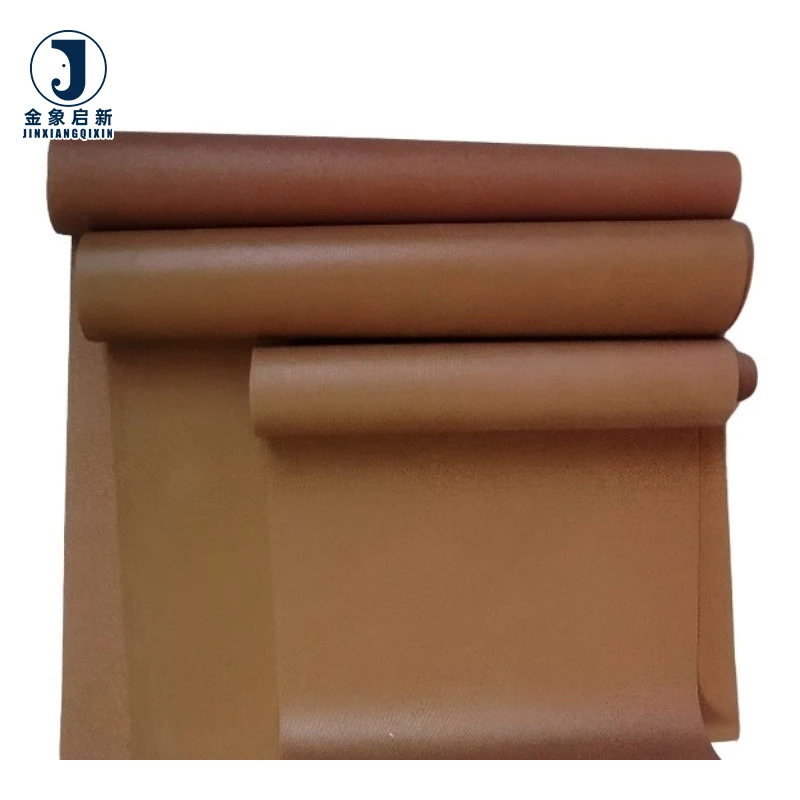
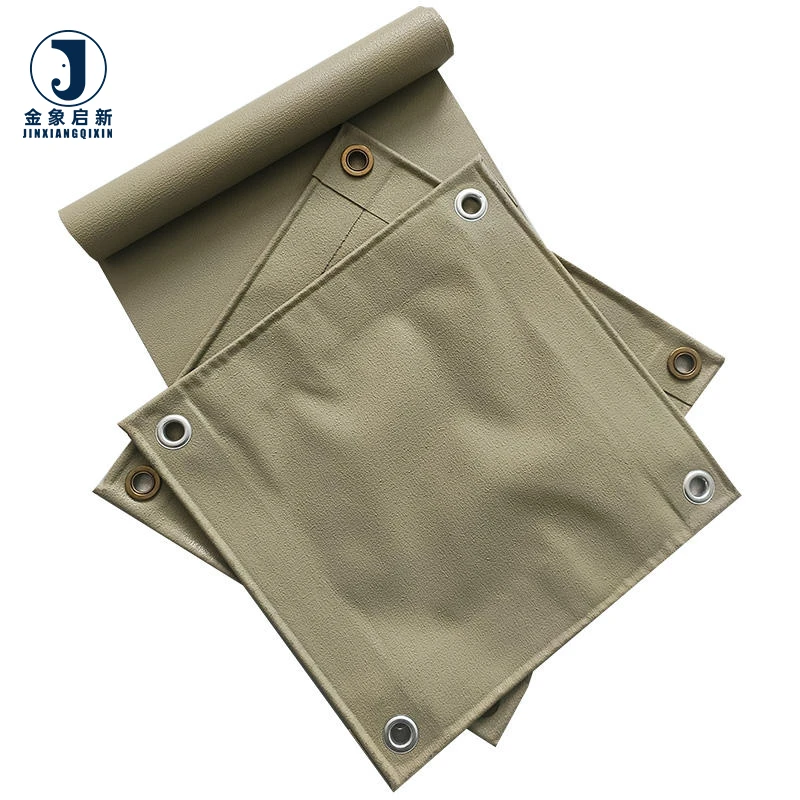
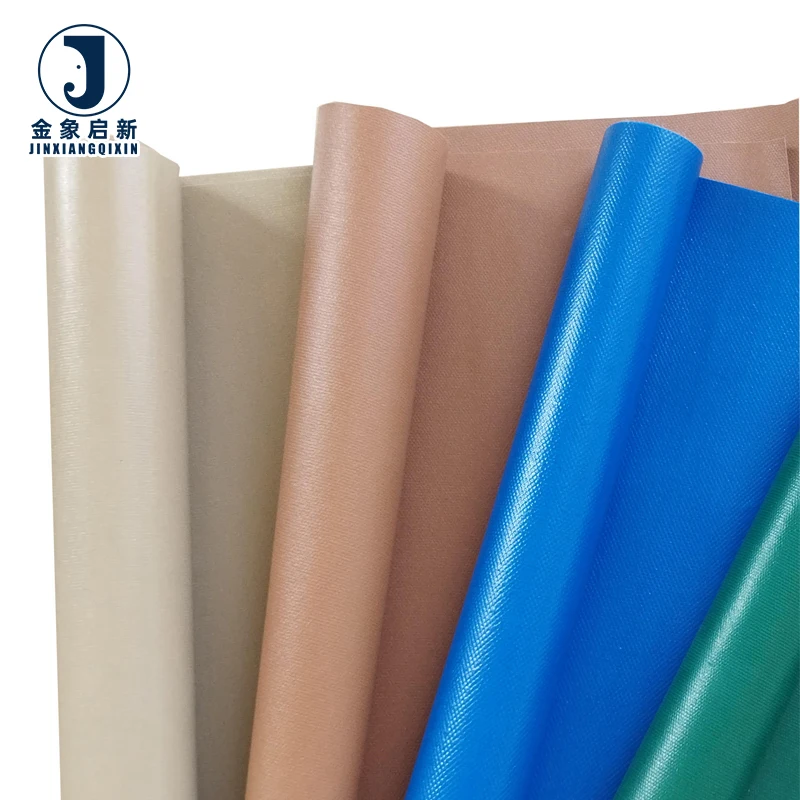
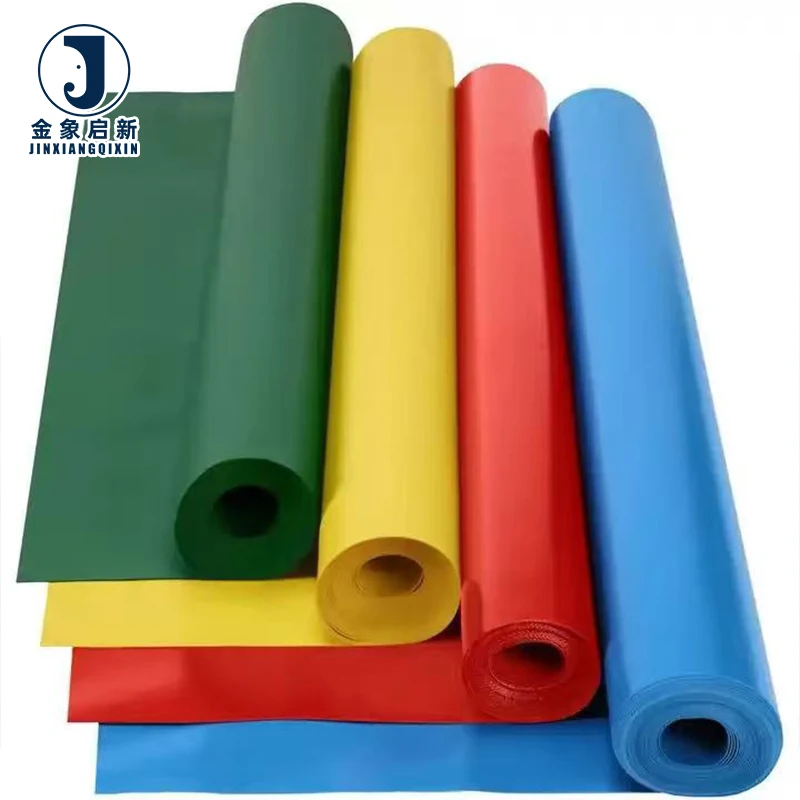
PVC Coated Tarpaulin Roll for Tent and Awning, 350gsm–750gsm weight range, high-strength polyester mesh base, hot-melt coated with laminated technology. Available in glossy or matte finish with optional flame retardant, anti-static and UV resistant treatments. Hot-melt adhesion between PVC and base fabric delivers strong weld seams that outlast the material at flex points. Width rolls up to 2.1m support efficient cut-and-sew production for tent and awning manufacturers. Backed by 36 sets of professional equipment, 10-person R&D support, and 100% pre-shipment inspection.
Description
Process-Controlled Coating Expertise — dedicated QA/QC at every production stage with 100% inspection before shipment ensures the stated weight and treatment grade match what arrives on your container.
Technical Specifications
| Parameter | Value |
|---|---|
| Product Type | PVC Coated Tarpaulin |
| Material | PVC + High-strength polyester mesh fabric |
| Coating Method | Laminated technology & Hot-melt Coating technology |
| Weight Options | 350gsm / 420g / 500gsm / 550gsm / 600gsm / 750gsm |
| Total Thickness | 0.32mm / 0.35mm / 0.4mm / 0.45mm / 0.5mm / 0.65mm |
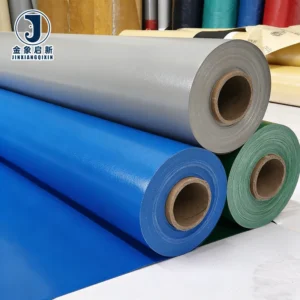
| Colour | Blue / Red / Yellow / Light blue / Grey (Customized) |
| Width | 2m / 2.1m |
| Roll Length | 75m (for 2m width) / 50m (for 2.1m width) |
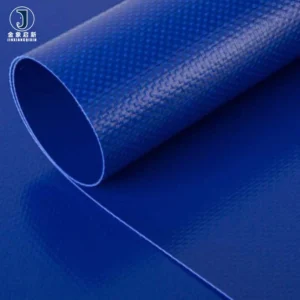
| Surface Finish | Glossy or matte |
| Key Features | Waterproof, cold crack resistant, anti-mildew; flame retardant, anti-static and anti-UV treatments available — confirm the grade required for your market |
| Cold Crack Resistance | Yes |
| Service Life | 3–7 years under normal circumstances |
| Printing Option | Custom printing of brand on products |
| Standards | ISO / CE certified |
Application Suitability
| Application | Exposure & Requirement |
|---|---|
| Tent and awning fabrication | Repeated assembly and teardown, UV exposure, wind load, welded seam integrity during cut-and-sew production |
| Inflatable and membrane structures | Internal air pressure, flex stress at seam lines, sustained weathering in installed position |
| Construction scaffold enclosure | Wind-driven rain, abrasion against steel tube, UV exposure across project duration |
| Equipment and temporary industrial covers | Dust ingress, weather exposure, handling and repositioning by site crews |
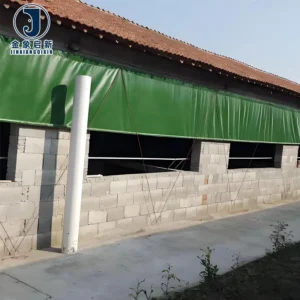
| Agricultural and aquaculture covers | Continuous moisture contact, biological growth pressure, sunlight degradation |
| Truck awning and cargo ship covers | Road or marine UV, salt exposure, flex at tie-down points |
Why the Stated GSM Does Not Guarantee the Strength You Need
Coating adhesion and base fabric construction determine real-world performance far more than weight alone.
Buyers frequently specify a 550gsm or 600gsm PVC coated tarpaulin roll based on quotation weight, only to discover the material behaves differently once it reaches the cutting table. A roll that tests at the correct weight but relies on heavy filler loading rather than proper coating penetration will delaminate at the weld line or crack during cold-weather handling. The problem is compounded when treatment claims such as flame retardant or anti-UV are stated without a verifiable test report — the fabric passes visual inspection but fails compliance on site [NEED_CITE: tensile and tear test methods for coated fabrics per ISO 1421]. Sourcing a PVC coated tarpaulin roll with full batch documentation eliminates this gap between quoted specification and delivered performance.
Laminated and Hot-Melt Coating Technology Explained
The manufacturing process directly affects how well the PVC layer bonds to the high-strength polyester mesh fabric. Laminated technology fuses separate PVC films to the base cloth under heat and pressure, while hot-melt coating applies liquid PVC compound directly into the weave. Both methods are used across the PVC Coated Tarpaulin Roll product family, and the choice between them influences peel strength, weld behaviour, and surface smoothness. Hot-melt coated rolls generally offer better adhesion at the coating-to-yarn interface, which matters when the fabric flexes repeatedly at a welded seam.
Colour and Finish Consistency Across a Multi-Roll Order
When tent manufacturers or tarpaulin distributors buy multiple rolls for a single project, colour variation between rolls becomes visible once panels are installed side by side. Batch-level colour control during compounding and coating ensures that a blue or grey specified at the sample stage matches the production run. Glossy and matte finish options serve different end uses — matte surfaces reduce glare on scaffold enclosure and tent panels, while glossy finishes support easier cleaning on equipment covers. Requesting a pre-production sample roll confirms both colour reference and finish before the full order enters the production line [NEED_CITE: colour fastness testing methods for coated textile products].
How GSM, Base Fabric and Coating Weight Interact
Understanding the relationship between these three parameters prevents costly specification errors. A 500gsm roll with a denser base fabric and thinner coating will tear more reliably at the weld line than a 500gsm roll with a heavier coating and lighter base cloth — yet both carry the same weight label. Total thickness values from 0.32mm to 0.65mm across the product family reflect different balances of coating mass and base fabric denier. Hot-melt coating tends to penetrate deeper into the mesh, producing stronger adhesion and better weld performance than surface-only lamination. The width and roll length — 2m by 75m or 2.1m by 50m — also affect fabrication yield; narrower panels cut from a 2.1m roll produce less waste when the finished panel width is close to 2m, while the longer 75m roll reduces splice seams on continuous runs such as scaffold wrapping.
The Hidden Cost of Specification Shortcuts
Accepting a PVC coated tarpaulin roll without verifying the base fabric denier or coating adhesion strength leads to failures that appear months after installation. Welded seams on tent panels and truck awnings fail first when the coating-to-fabric bond is weak, even if the PVC layer itself remains intact. Rolls specified with flame retardant or anti-static treatment but delivered without a corresponding test report create compliance risk on regulated sites such as mining operations or public event venues [NEED_CITE: fire classification standards for temporary structures and tents]. Colour batch inconsistency discovered after the rolls are cut and sewn forces either acceptance of a visible mismatch or a full re-order, both of which cost more than sample-stage verification.
What This Supply Chain Delivers
Three full production lines and 36 sets of professional equipment support bulk volume across all GSM grades without sacrificing on-time delivery. A 10-person R&D team handles material selection, custom width requests, pattern printing and sample development — samples for PVC Coated Tarpaulin Roll orders are typically developed within days for colour matching and treatment confirmation. Dedicated QA/QC inspection at every production stage catches weight deviation and coating defects before the roll is packed. Material specification sheets accompany each order, stating the exact GSM, base fabric details, coating information, colour reference and test reports where applicable. Full documentation support includes ISO and CE certificates, certificate of origin and customs documentation for export markets.
Documentation & Verification
- Material specification sheet confirming exact GSM, base fabric and coating details for every roll
- Test reports for UV, flame retardant and anti-static grades where specified in the order
- Pre-shipment inspection record with roll-by-roll weight verification against stated GSM
- Roll packing list with batch traceability for container loading verification
- Certificate of origin and customs documentation supporting export clearance
Fabrication, Handling & Storage
- Hot-air welding temperature should be adjusted to the specific coating method — hot-melt coated rolls typically bond at slightly different settings than laminated
- Store rolls upright on pallets to prevent flat-spot deformation on the outer layers of 2m and 2.1m width rolls
- Unroll in temperatures above the cold crack threshold to avoid surface creasing during fabrication
- Matte finish surfaces accept screen printing and heat-transfer branding differently than glossy — confirm print method at sample stage
- Cut panels with allowance for thermal expansion on large-format tent and awning sections exceeding 2m in width
- Seal cut edges on 750gsm and 600gsm grades to prevent moisture wicking into the base fabric at exposed hems
Before You Send an Enquiry
To match the correct grade from the PVC Coated Tarpaulin Roll range, share your end-use application, the environmental exposure conditions at the installation site, and any fire or safety compliance standards your market requires. Specify the roll width and colour you need, along with estimated annual volume, so the quotation reflects realistic lead times and production scheduling. If your project involves custom printing or a non-standard colour, requesting a sample roll first ensures the finish and treatment match your specification before bulk production begins.
Frequently Asked Questions
Q: How is GSM verified on each roll before shipment?
A: Every roll is weighed and measured during the 100% pre-shipment inspection process. The measured GSM is recorded against the material specification sheet for that order, and any roll falling outside the agreed tolerance is pulled from the batch before packing. This verification applies across all weight options from 350gsm to 750gsm.
Q: What width and roll length options are available, and can I order custom widths?
A: Standard rolls are supplied at 2m width by 75m length or 2.1m width by 50m length. Custom widths can be produced subject to production line capability and minimum order requirements. Confirming your finished panel dimensions at the enquiry stage helps determine which standard or custom width gives the best cutting yield.
Q: How do you ensure batch-to-batch colour consistency across rolls?
A: Colour is controlled at the compounding stage using reference standards, and each production batch is checked before coating. For orders requiring multiple rolls of the same colour — such as tent fabricators cutting panels from several rolls — a pre-production sample confirms the colour match before the full run proceeds.
Q: What flame-retardant and anti-UV test reports can you provide?
A: Test reports are supplied for flame retardant and anti-UV treatments where these are specified in your order. The available grades depend on your market requirements, so share the relevant standard — such as a local fire code or UV exposure test method — at the enquiry stage to ensure the correct treatment is applied and documented.
Q: What is the sample development process for custom requirements?
A: Samples are developed within days of receiving your specification. The sample roll confirms colour, GSM, surface finish and any treatment you have requested. Once you approve the sample, bulk production follows with the same material and process parameters locked in from the sample stage.
Related products
-
PVC Tarpaulin Waterproof Triangular Tarpaulin Folha De Tarpaulina Truck Tarpaulin
¥0.90 Select options This product has multiple variants. The options may be chosen on the product page -
Heavy Duty Fire Retardant Waterproof PVC Coated Tarpaulin Rolling Tarp Materials for Truck Cover Tents Outdoor Usage
¥1.40 Add to cart -
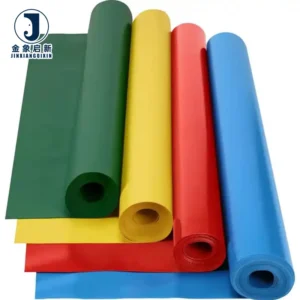
Stock PVC Tarpaulin Fabric Rolls 500D*500D 18*17 Hot Selling Colors in Stock China Manufacture Wholesale Fabrics Best Price
¥1.26 Select options This product has multiple variants. The options may be chosen on the product page -
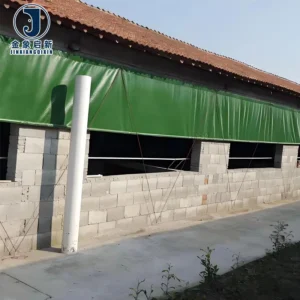
JX PVC Coated Tarpaulin/Cover for Farm Waterproof Warp Knitted Tent Pig Broiler Sheep Chicken Farm Plain Style
¥1.40 Add to cart