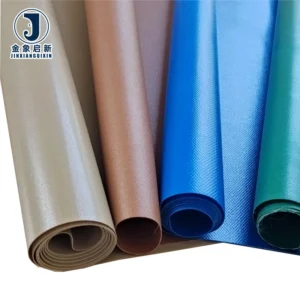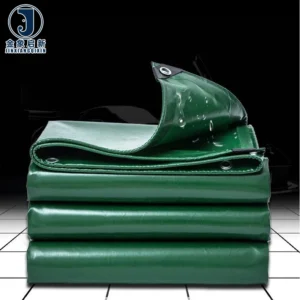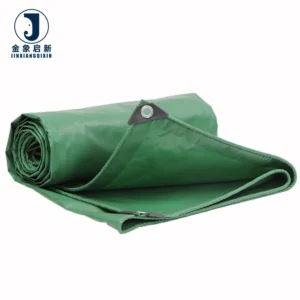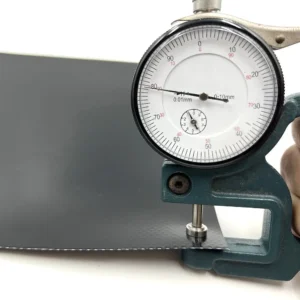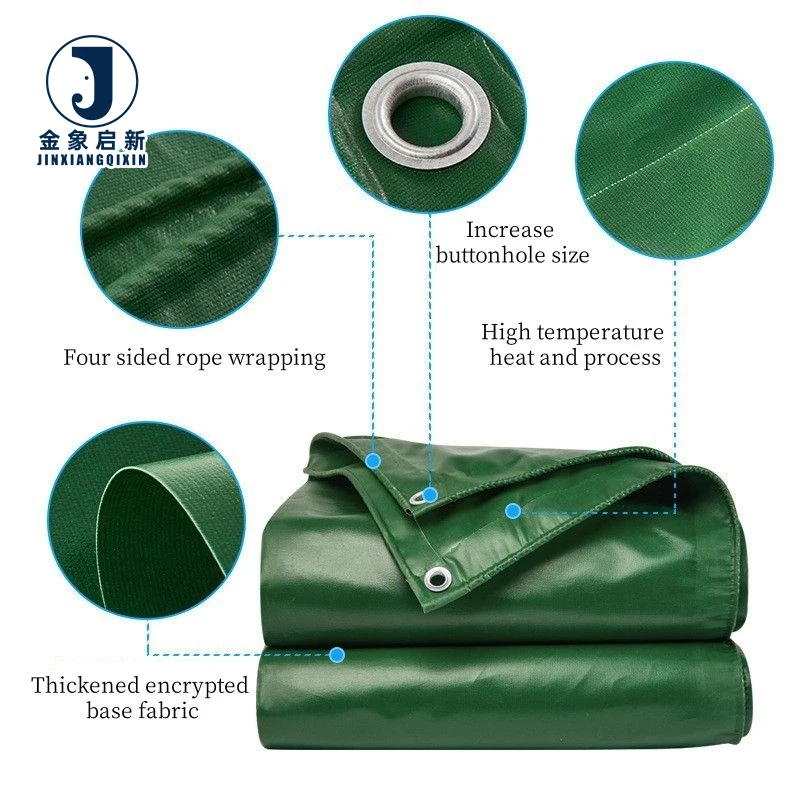
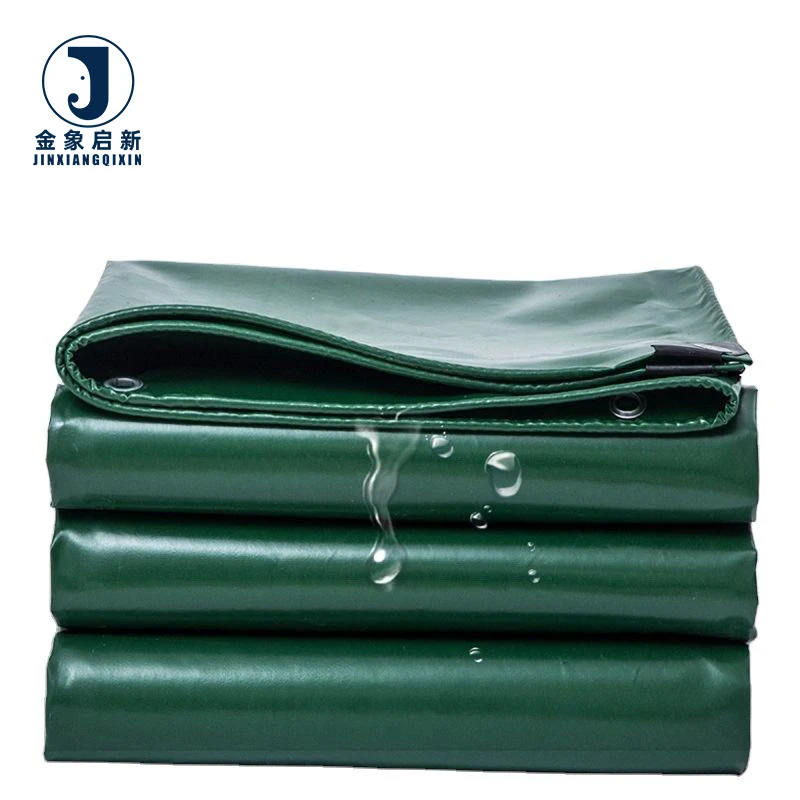
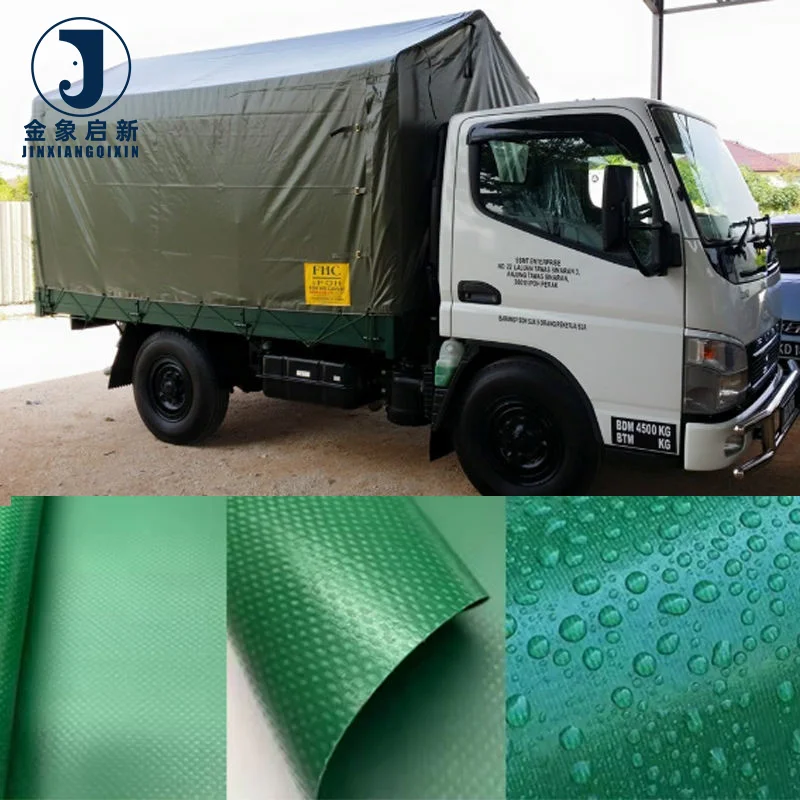
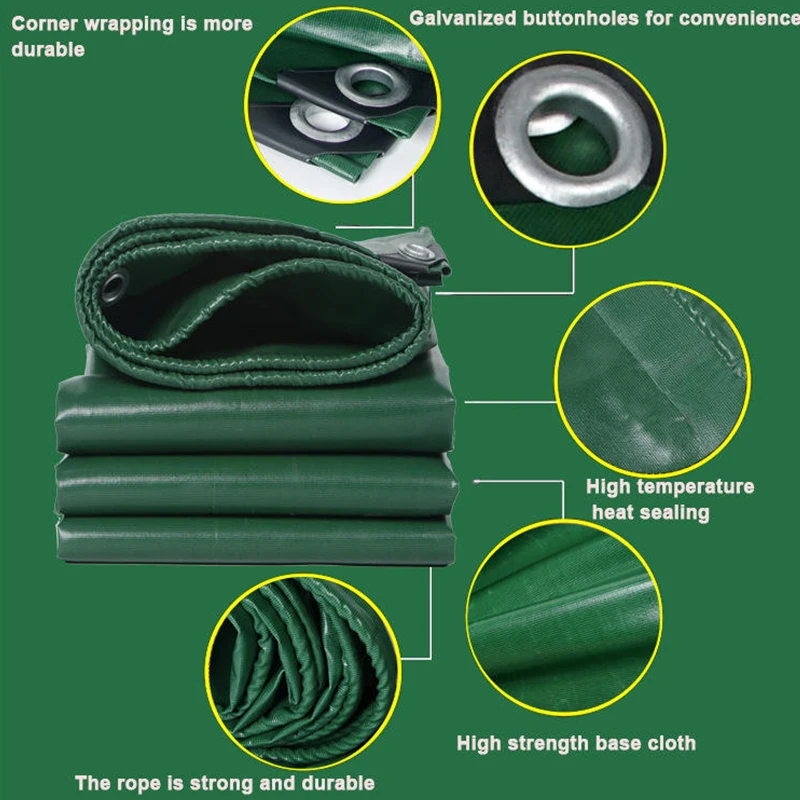
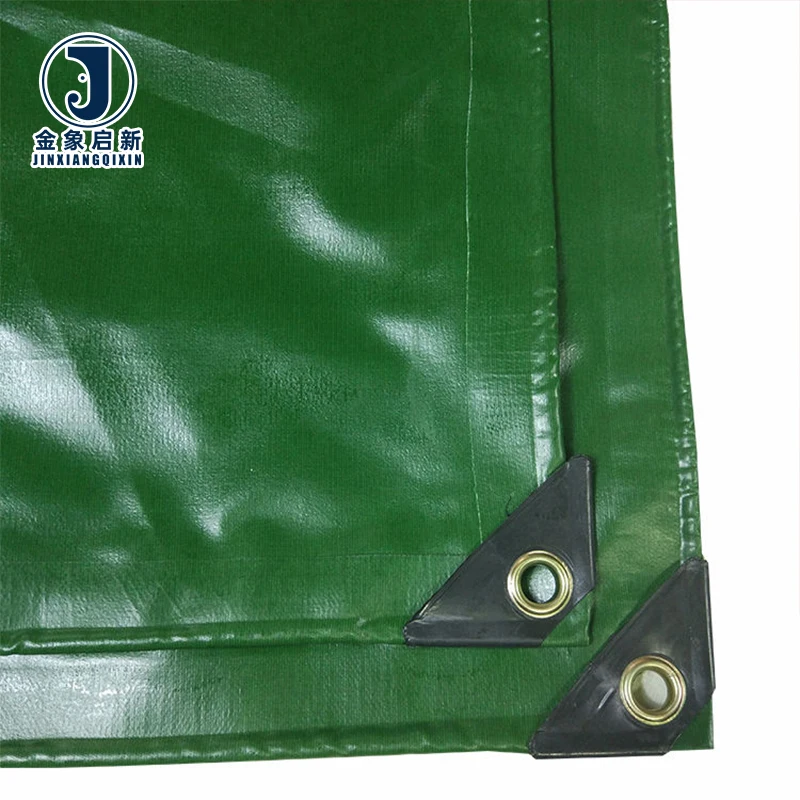
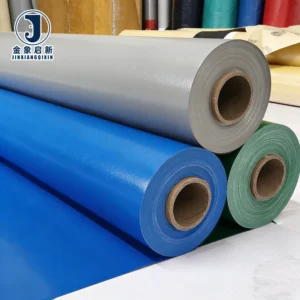
PVC Tarpaulin Roll — 500GSM PVC coated polyester, waterproof ≥20KPa, low-temp flexibility to -30°C.
- Woven plain industrial tricot base with coated finish delivers balanced tensile and tear performance for truck covers and heavy-duty outdoor protection
- Custom widths available with roll-to-roll colour consistency verified before dispatch; anti-UV and anti-corrosion treated for acid, alkali and brine exposure
Backed by 100% pre-shipment inspection on every roll, dedicated QA at each production stage, and samples developed within days for custom requirements.
Description
Deep Coating Expertise — Nearly 30 years focused on PVC coated fabric with full process control over coating weight, adhesion, and roll-to-roll consistency across the entire product range.
Technical Specifications
| Parameter | Value |
|---|---|
| Product Type | PVC Tarpaulin Roll |
| Coating Material | PVC |
| Base Fabric | Woven Plain Industrial Tricot |
| Weight | 500GSM |
| Waterproof Rating | Anti-permeable ≥20KPa |
| Flame Retardant | ≤10 seconds (grade not stated — confirm certification for your market) |
| Low-Temperature Flexibility | Not fractured by pliers at -30°C |
| Surface Treatment | Anti-UV treatment, anti-corrosion (acid, alkali, brine) |
| Mildew Resistance | Mildew proofing |
| Finish | Coated |
| Certifications | ISO, CE |
Application Suitability
| Application | Exposure & Requirement |
|---|---|
| Truck and trailer cargo covers | Road abrasion, wind flexing, UV exposure, tie-down stress at hems and eyelets |
| Pool and reservoir covers | Permanent water contact, chemical treatment in water, puncture risk from debris |
| Heavy-duty outdoor equipment covers | Rain, dust, UV, temperature cycling across seasons |
| Open-air storage protection | Continuous weather exposure, wind load, mildew in humid climates |
Why the Quoted GSM Does Not Guarantee the Cover You Need
GSM alone tells you nothing about weld integrity, coating adhesion, or how the fabric behaves at -30°C.
When a logistics fleet orders PVC coated tarpaulin custom manufacturer rolls at a stated weight, the number on the quotation often becomes the only checkpoint. The rolls arrive, they feel about right, and they go into service. Months later, the seams split at the flex points while the fabric itself is still intact. The GSM was correct — but the coating bond was not matched to the mechanical stress of a highway trailer bouncing over potholes. Buyers who focus only on weight miss the failure modes that actually end a cover’s service life. [NEED_CITE: coating adhesion test methods per ISO 1421]
Full Custom PVC Coated Tarpaulin Capability
This PVC coated tarpaulin roll supports a complete customization path from material selection through final delivery. The base woven tricot fabric is coated with PVC to achieve the 500GSM target weight, and the finished roll can be supplied in custom widths and lengths depending on your production requirements. Whether you need raw roll stock for your own fabrication line or pre-cut panels with specific edge treatments, the production setup accommodates both approaches without prohibitive minimums.
Batch Consistency Across Container Loads
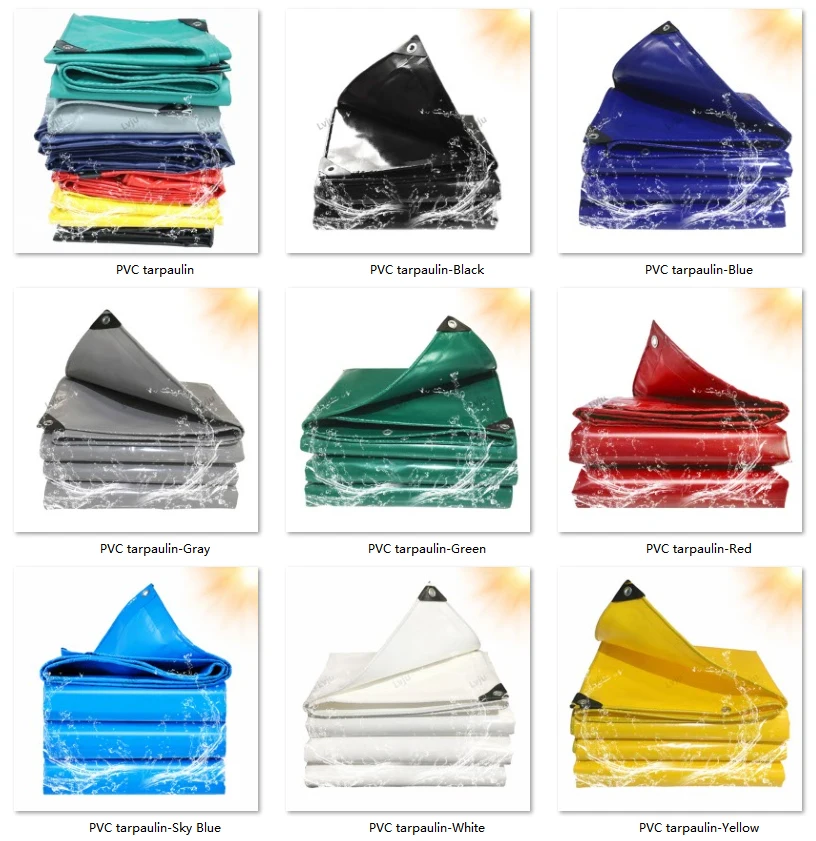
Colour variation between rolls in the same order is one of the most visible failures once covers are installed side by side on a fleet. The production process addresses this through dedicated QA/QC checks at every stage, with 100% inspection before dispatch. Each roll is verified against the colour reference specified at the order stage, so when you open a container, the material across every roll matches. This matters for PVC coated tarpaulin custom manufacturer orders where visual consistency is a baseline expectation from your own end customers. [NEED_CITE: colour consistency standards for coated textiles]
Reading the Specification Sheet Beyond GSM
The 500GSM weight figure is a starting point, not a performance guarantee. What determines how this fabric actually behaves in service is the relationship between the woven plain industrial tricot base and the PVC coating applied to it. A heavier base fabric with denser warp and weft yarns resists tear propagation better than a lighter base at the same total GSM, because the yarn structure — not just the coating mass — absorbs the energy of a puncture or cut.
The anti-permeable rating of ≥20KPa means water under pressure cannot penetrate the coating layer, which is critical for pool covers and reservoir liners where hydrostatic pressure builds over time. The low-temperature flexibility specification — not fractured by pliers at -30°C — indicates the PVC formulation retains plasticity in cold climates, preventing the brittle cracking that destroys covers during winter transport or storage.
Surface treatments including anti-UV and anti-corrosion protection against acid, alkali, and brine extend service life in environments ranging from coastal salt air to agricultural chemical exposure. Mildew proofing prevents biological degradation in humid storage conditions.
What Happens When Specifications Are Not Verified
Rolls that arrive lighter than quoted are more than a commercial problem — they represent missing coating mass that directly reduces waterproofing performance and mechanical protection. A PVC coated tarpaulin custom manufacturer order that skips pre-shipment weight verification leaves the buyer discovering the shortfall only when covers fail prematurely in the field.
Flame retardant claims without a supporting test report create a different risk: covers that do not meet the fire classification required by local building or transport regulations get rejected at inspection, forcing a complete replacement order. Colour inconsistency across rolls in a single shipment means visible panel differences on finished truck covers, triggering complaints from fleet operators who expect a uniform appearance. Welded seams that fail before the fabric does point to a mismatch between the thermal welding parameters and the actual coating composition — a problem that only surfaces under load. [NEED_CITE: common failure modes in PVC coated tarpaulin applications]
Why Source This PVC Coated Tarpaulin Here
Three full production lines with 36 sets of professional equipment provide the capacity to handle container-volume orders with consistent lead times, so your supply chain does not stall waiting for roll stock.
A dedicated 10-person R&D team handles material selection, custom sizing, and sample development, turning around samples within days when you need to validate a specification before committing to a production run.
Every roll undergoes 100% pre-shipment inspection with documented weight and coating verification, eliminating the GSM discrepancy problem before material leaves the factory.
Deep process control over coating weight and adhesion — built through nearly 30 years of focused production — means the PVC bond to the woven tricot base is controlled at every stage rather than left to chance.
Full documentation accompanies each shipment, from material specification sheets to test reports, giving you the paper trail your own customers or compliance teams require.
Documentation & Verification
- Material specification sheet confirming GSM, base fabric, coating type, and colour reference per roll
- Test report for flame retardant grades where applicable, matched to destination market requirements
- Pre-shipment inspection record with roll-by-roll weight verification against the stated 500GSM
- ISO and CE certificates included with every dispatch
- Certificate of origin and full customs documentation for export shipments
Fabrication, Handling & Storage
- Heat welding parameters must match the PVC coating composition to prevent seam failure under flex load
- Store rolls upright on pallets to avoid compression marks on the coated 500GSM surface
- Allow cold-stored rolls to acclimatise before unrolling to prevent coating stress at low temperatures
- Use compatible PVC adhesives for field repairs on the coated tricot base fabric
- Clean with mild detergent only — harsh solvents degrade the anti-UV and anti-corrosion surface treatment
- Plan cut patterns to maximise yield from custom-width rolls and minimise welded seam count
What We Need to Quote Accurately
To provide a specification that matches your actual application, share the end-use environment including exposure conditions such as UV intensity, temperature range, and chemical contact. Confirm whether your market requires a specific flame retardant grade or fire classification certificate. Specify the roll width, length, and annual volume you need, along with any colour or printing requirements, so the PVC coated tarpaulin custom manufacturer team can confirm availability and lead time.
Frequently Asked Questions
Q: How is the 500GSM weight verified before shipment?
A: Every roll undergoes pre-shipment inspection with documented weight checks against the stated GSM on the material specification sheet. The inspection record travels with your shipment, so you can verify on arrival that the rolls match what was quoted. This eliminates the common problem of material arriving lighter than agreed.
Q: What flame retardant certifications are available for this PVC tarpaulin roll?
A: Flame retardant treatment is available with a burn time of ≤10 seconds, but the specific grade depends on your destination market requirements. Confirm the fire classification your application needs — such as a building code or transport regulation — and the appropriate test report will be provided with your order documentation.
Q: How do you ensure colour consistency across multiple rolls?
A: Colour reference is confirmed at the order stage and verified during 100% pre-shipment inspection. Each roll in your batch is checked against the agreed colour standard, so panels cut from different rolls will match when installed side by side on truck covers or equipment wraps.
Q: What custom widths and roll lengths can be produced?
A: Custom widths and lengths are supported without prohibitive minimums, allowing you to order roll dimensions that match your fabrication setup and reduce waste. Share your required dimensions and annual volume so the production team can confirm the optimal roll configuration for your operation.
Q: What reinforcement options exist for truck cover applications?
A: Edge treatments and reinforcement specifications are discussed during the sample development stage based on your tie-down system and trailer configuration. The R&D team works with you to define hem construction and load-bearing details that match the mechanical stress points of your specific cover design.
Related products
-
Nylon-coated Trailer Tarpaulin. Waterproof Canvas. Heavy-duty PVC Tarpaulin for Truck Tents
¥1.04 Add to cart -
Wholesale 650 Gsm Waterproof Outdoor Tarp Roll Pvc Coated Industrial Tarpaulin Roll for Tent
¥1.26 Select options This product has multiple variants. The options may be chosen on the product page -
Tarp Factory 610gsm 650gsm 800gsm Awnings Tent PVC Coated Fabric Waterproof Bache Lona PVC Tarpaulin Roll
¥1.45 Select options This product has multiple variants. The options may be chosen on the product page -
PVC Tarpaulin Glossy 650GSM 1000D*1000D 23*23 1.50*50M/R for Multi-purpose Cover SAMPLE FREE
¥2.70 Add to cart