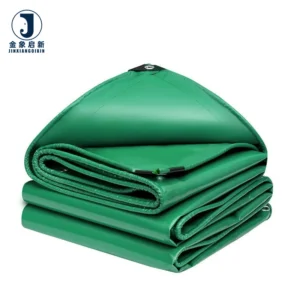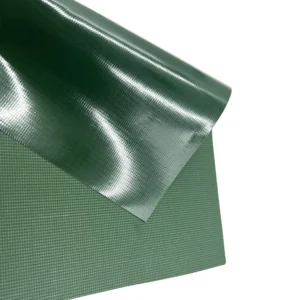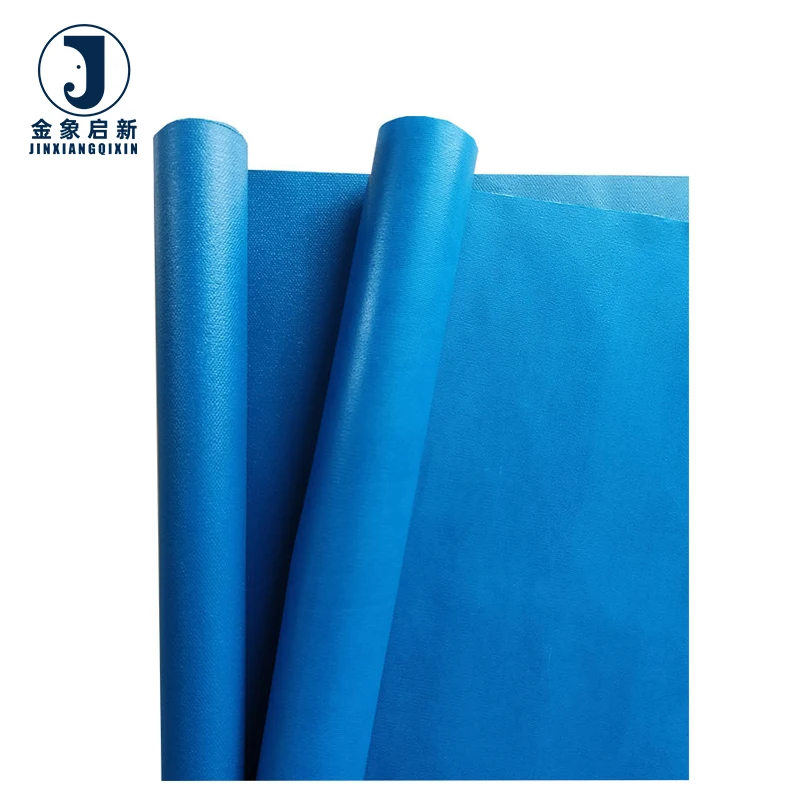
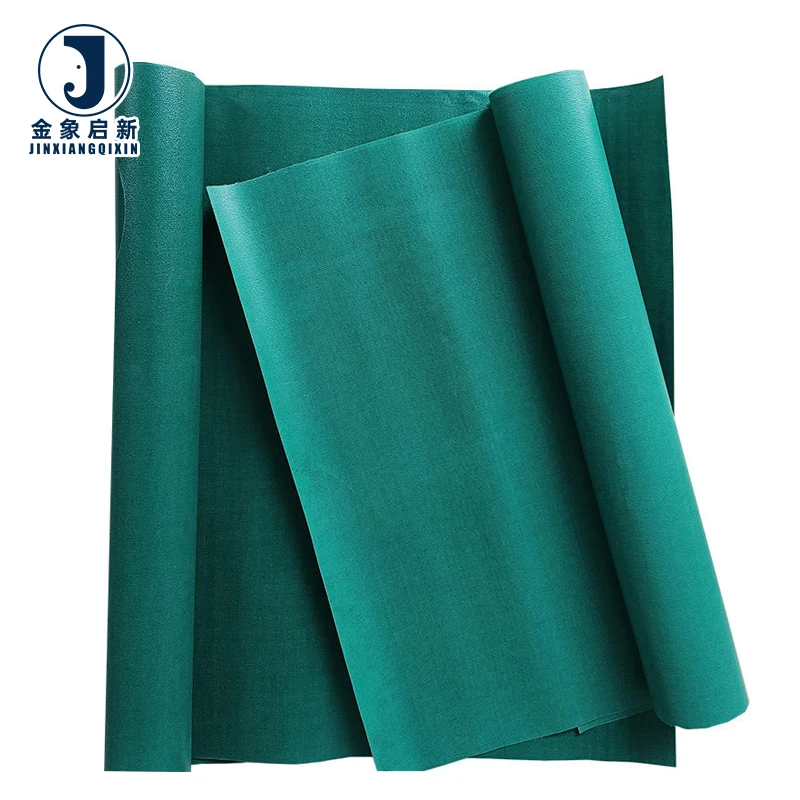
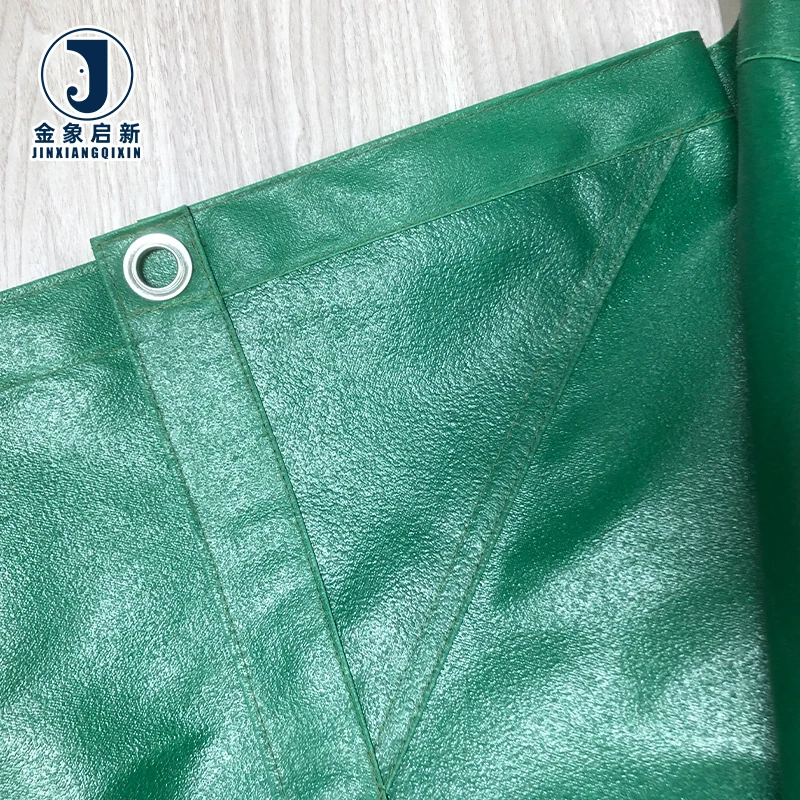
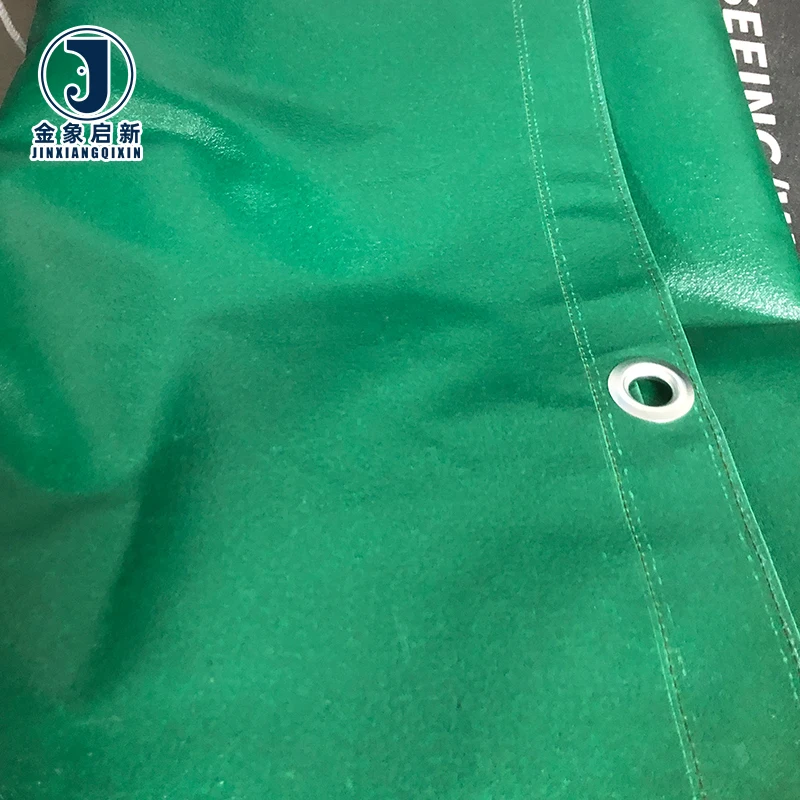
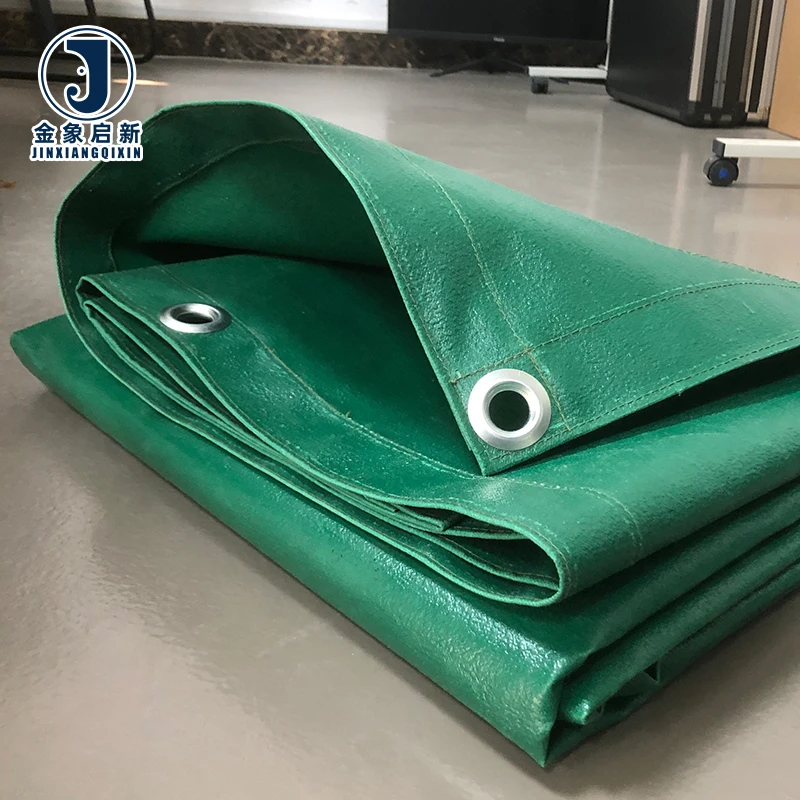
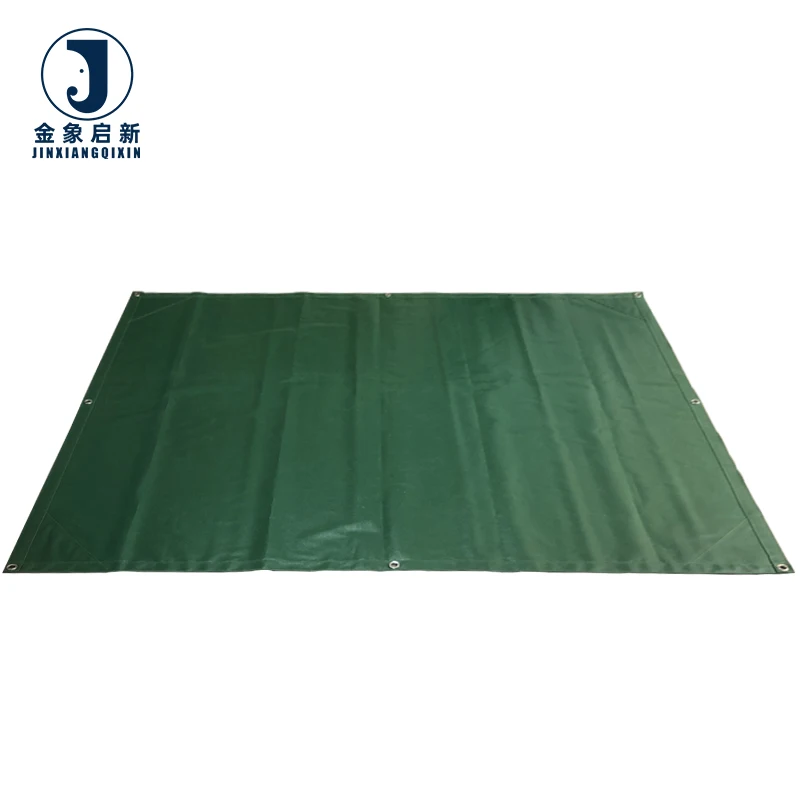
PVC Tarpaulin Roll — 350gsm to 750gsm, hot-melt coated on high-strength polyester mesh, available in 2m and 2.1m widths.
- Full roll stock range with consistent GSM control and batch-to-batch colour matching across your entire order
- Laminated and hot-melt coating options delivering reliable peel strength and clean heat-welded seams at flex points
- Flame retardant, anti-static and anti-UV treatments available with test reports on request
Backed by nearly 30 years of coated fabric process control, three full production lines for on-time bulk delivery, and 100% pre-shipment inspection with documentation.
Description
Deep Coating Process Control — nearly three decades focused on PVC coated fabric, with every roll verified for coating adhesion and weight consistency before it leaves the line.
Technical Specifications
| Parameter | Value |
|---|---|
| Product Type | PVC Tarpaulin Roll |
| Material | PVC + High-strength polyester mesh fabric |
| Weight Options | 350gsm / 420gsm / 500gsm / 550gsm / 600gsm / 750gsm |
| Thickness Options | 0.32mm / 0.35mm / 0.4mm / 0.45mm / 0.5mm / 0.65mm |
| Roll Width | 2m / 2.1m |
| Roll Length | 75m (at 2m width) / 50m (at 2.1m width) |
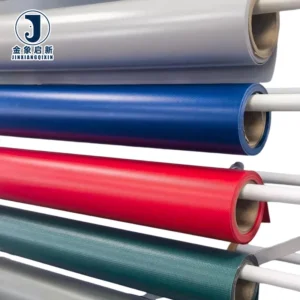
| Colour Options | Blue / Red / Yellow / Light Blue / Grey (Customized) |
| Coating Technology | Laminated technology & Hot-melt coating technology |
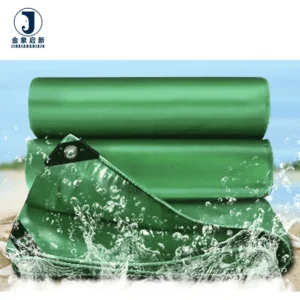
| Key Features | Cold crack resistance, anti-mildew, anti-static treatment, waterproof, sunproof |
| Special Treatments Available | Flame retardant, anti-static, anti-cold, anti-mildew, 3P |
| Service Life | 3–7 years under normal circumstances |
| Certifications | ISO, CE |
Application Suitability
| Application | Exposure & Requirement |
|---|---|
| Construction site enclosure | Wind load, UV exposure, scaffolding abrasion, repeated installation and removal |
| Temporary industrial equipment covers | Outdoor weathering, dust ingress, forklift and crane contact during placement |
| Agricultural and aquaculture covers | Constant moisture contact, biological growth, chemical runoff from feed and fertiliser |
| Tent and awning fabrication by the roll | Consistent colour across multiple rolls, clean heat-welded seams, dimensional stability under tension |
| Truck awning and side curtain fabric | Road vibration, constant flexing at fold points, diesel fume exposure, UV degradation |
| Marine and offshore maintenance wraps | Salt spray, high humidity, deck chemical contact, heavy handling by rigging crews |
Why the Wrong PVC Tarpaulin Roll Fails Before the Season Ends
Coating weight and base fabric must be engineered as one system — neither alone determines field performance.
I once shipped a container of coated rolls to a European tent fabricator. The GSM on the paperwork matched what they ordered. But when they heat-welded the panels, the seams peeled apart under moderate tension. The coating had not bonded fully to the base mesh. [NEED_CITE: coating adhesion failure mechanisms in PVC coated polyester per ISO 2411]. They reworked the entire order at their own cost, then sent us the rejected rolls. That incident changed how I approach every production run — the PVC tarpaulin roll aftermarket supplier relationship depends on what happens at the weld line, not just the scale reading.
Full-Range Roll Stock with Batch-to-Batch Consistency
Buying PVC tarpaulin roll stock by the container means every roll in that shipment must behave identically on the fabrication floor. Colour shift between rolls in the same order is one of the most frequent complaints from awning and tent manufacturers — two panels hung side by side reveal a visible tone difference that no amount of post-installation adjustment can hide. Our hot-melt coating line holds colour reference within tolerance roll by roll, so your production team cuts, welds and installs without sorting or rejecting panels mid-job.
Treatment Options Backed by Test Documentation
Construction enclosures and mining ventilation wraps frequently require flame retardant or anti-static performance that must be documented before the site safety officer signs off. We supply PVC tarpaulin fabric rolls with special treatments including flame retardant, anti-static, anti-cold and anti-mildew — each available with the test report that confirms the grade. [NEED_CITE: flame retardant classification standards for temporary building enclosures]. Confirm the specific grade your market or site requires before placing the order, so the documentation matches the compliance check on arrival.
Reading the Spec Sheet: What GSM, Coating Method and Thickness Actually Mean Together
A 550gsm roll made with laminated technology behaves very differently from a 550gsm roll produced with hot-melt coating. Laminated construction bonds a pre-formed PVC film to the polyester mesh under heat and pressure — it is cost-effective and works well for flat covers and light-duty enclosures. Hot-melt coating forces molten PVC into the weave of the base fabric, filling the gaps between yarns and creating a mechanical lock that substantially improves peel strength at the weld line. For any application where panels will be heat-welded and flexed — truck side curtains, tensile structures, inflatable membranes — hot-melt coated stock delivers a seam that holds longer than the surrounding fabric. Thickness readings of 0.32mm through 0.65mm reflect both the coating build and the base fabric denier, which together govern how the material drapes, folds and resists tear propagation across the weave.
The Hidden Cost of Specifying on Price Per Kilogram Alone
When procurement decisions reduce PVC coated fabric to a cost-per-kilogram comparison, the first casualty is usually coating adhesion. A roll that meets the GSM target on the warehouse scale can still fail at the weld line if the coating was applied too fast or at insufficient temperature. [NEED_CITE: peel strength testing methods for coated fabrics per ISO 2411]. Fabricators who discover weak seams after cutting and welding dozens of panels face rework costs that dwarf the savings from choosing the cheaper roll. Colour inconsistency across a batch forces the same painful calculation — reject the off-tone rolls and delay the project, or install them and absorb the client complaint.
What Distinguishes This Supply Source
Three full production lines and 36 sets of professional equipment mean roll stock orders move through coating, inspection and packing without queuing behind unrelated product runs. The ten-person R&D team develops custom colour matches and treatment formulations in-house, producing samples within days rather than weeks. Every roll undergoes coating weight and thickness verification before packing — the inspection record travels with the shipment so you can cross-check against your own incoming QC. ISO and CE certified production ensures that documentation aligns with import requirements across North American, European and Asian markets. Custom widths and lengths are handled on the same lines as standard stock, so lead times stay manageable even for non-standard roll dimensions.
Documentation & Verification
- Material specification sheet stating GSM, base fabric and coating type for each roll
- Weight verification per roll against the stated GSM before dispatch
- Flame retardant and anti-static test reports provided where treatments are specified
- ISO and CE certificates included with certificate of origin
- Pre-shipment inspection record covering coating adhesion and colour consistency
- Roll packing list with customs support documentation
Fabrication, Handling & Storage
- Hot-melt coated rolls accept high-frequency and hot-air welding across the full 350gsm–750gsm range
- Store rolls upright on pallets to prevent flat-spot creases across the 2m or 2.1m width
- Allow cold-stored rolls to reach ambient temperature before unrolling to avoid coating crack
- Cut panels with a minimum 20mm weld overlap to ensure seam strength on heavier 600gsm and 750gsm grades
- Clean finished surfaces with mild detergent only — solvent-based cleaners degrade the PVC top coat
What to Include with Your Inquiry
Send us the application, the environment the fabric will face, and the annual volume you plan to source. If your market requires a specific flame retardant or anti-static grade, name the standard — we will confirm the matching treatment and supply the test report with the quotation. For custom colour or width, a target delivery date helps us slot the production run efficiently.
Frequently Asked Questions
Q: How is GSM verified before the rolls ship?
A: Each roll is sampled at multiple points across its width and length. Coating weight and total GSM are measured and recorded on the pre-shipment inspection record, which is included in the documentation package. This lets your receiving team cross-check the figures against the specification sheet without waiting for third-party lab results.
Q: Can I expect consistent colour across multiple rolls in one container?
A: Yes. Hot-melt coating parameters and pigment dosing are locked for each production batch. Rolls within the same order are matched to the approved colour reference before packing. If your project requires panels installed side by side, we recommend ordering the full quantity in a single batch to guarantee visual uniformity.
Q: What flame retardant documentation comes with the rolls?
A: When flame retardant treatment is specified, we supply a test report confirming the grade achieved. The exact classification depends on the treatment formulation selected for your market. Confirm the standard your site or local authority requires at inquiry stage so the correct grade is produced and documented.
Q: What are the lead time and minimum order for custom widths?
A: Custom widths and colours are produced on the same lines as standard stock. Minimum order quantities and lead times depend on the width and treatment combination requested. Submit your required dimensions and annual volume at inquiry and we will respond with specific scheduling and minimums in the quotation.
Related products
-
Hot Selling Heavy Duty Waterproof Large Camping Tarp Outdoor Use 500gsm Pvc Laminated Tarpaulin Tent
¥3.20 Add to cart -
JX Manufacturer Direct Sales PVC Coated Swimming Pool Cover. Durable Waterproof and UV Resistant Floor Swimming Pool Cover Cloth
¥1.78 Select options This product has multiple variants. The options may be chosen on the product page -
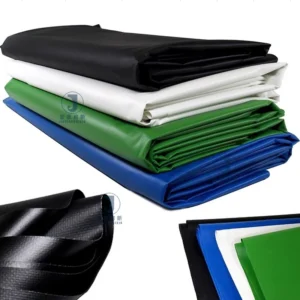
Best Quality 650gsm Waterproof Polyester Heavy Duty Bache PVC Tarpaulin Manufacturer
¥1.25 Select options This product has multiple variants. The options may be chosen on the product page -
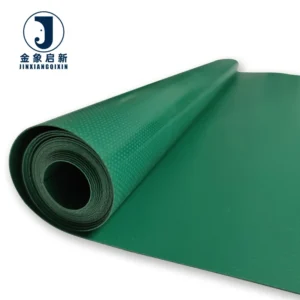
Wholesale Pricehigh Quality Outdoor Waterproof Tarp Customized Pvc Tarpaulin Roll
¥1.20 Add to cart