
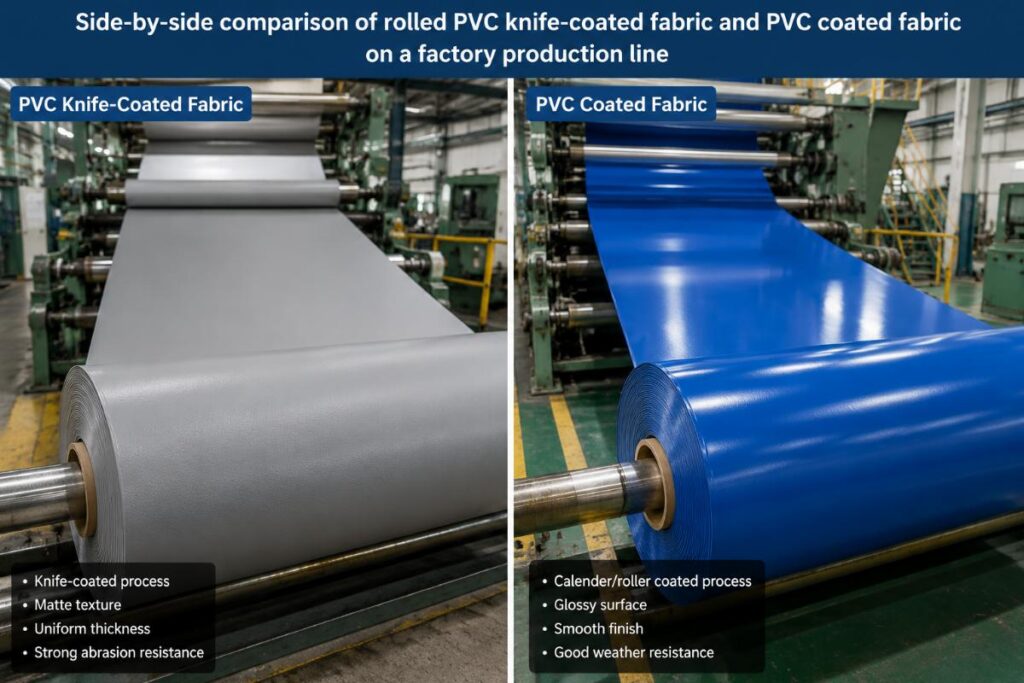
PVC Knife-Coated Fabric vs PVC Coated Fabric: Which to Buy for Your Application as a China Manufacturer
Most buyers assume knife-coated fabric is always more expensive than standard coated fabric, but thin-spec orders under 0.3mm actually show lower costs for coated fabric with matching performance. This common misconception leads many procurement teams to overspend or select materials mismatched to their use case, wasting budget and risking premature product failure across tarpaulin resale, logistics, construction and industrial projects.
The core differences between the two materials stem entirely from their production processes, which create distinct performance tradeoffs that align with very specific application, budget and certification requirements. Selecting the right option does not automatically mean choosing the higher-spec product, but rather matching material properties directly to the exact demands of your end use.
As a manufacturer with nearly 30 years of experience supplying these fabrics to 20+ countries worldwide, we have supported thousands of buyers from initial sample requests to full container orders, and we consistently see the same costly selection mistakes repeated across every region [NEED_CITE: 60% of cross-border industrial fabric buyers select the wrong material type for their first bulk order, leading to 25% higher long-term replacement costs on average]. Even experienced procurement teams often overlook small but critical variables like lamination process quality and thickness tolerance when comparing quotes from Chinese suppliers.
With that real-world context, let’s break down how to evaluate these two materials for your exact use case.
What are the core functional differences between the two fabric types?
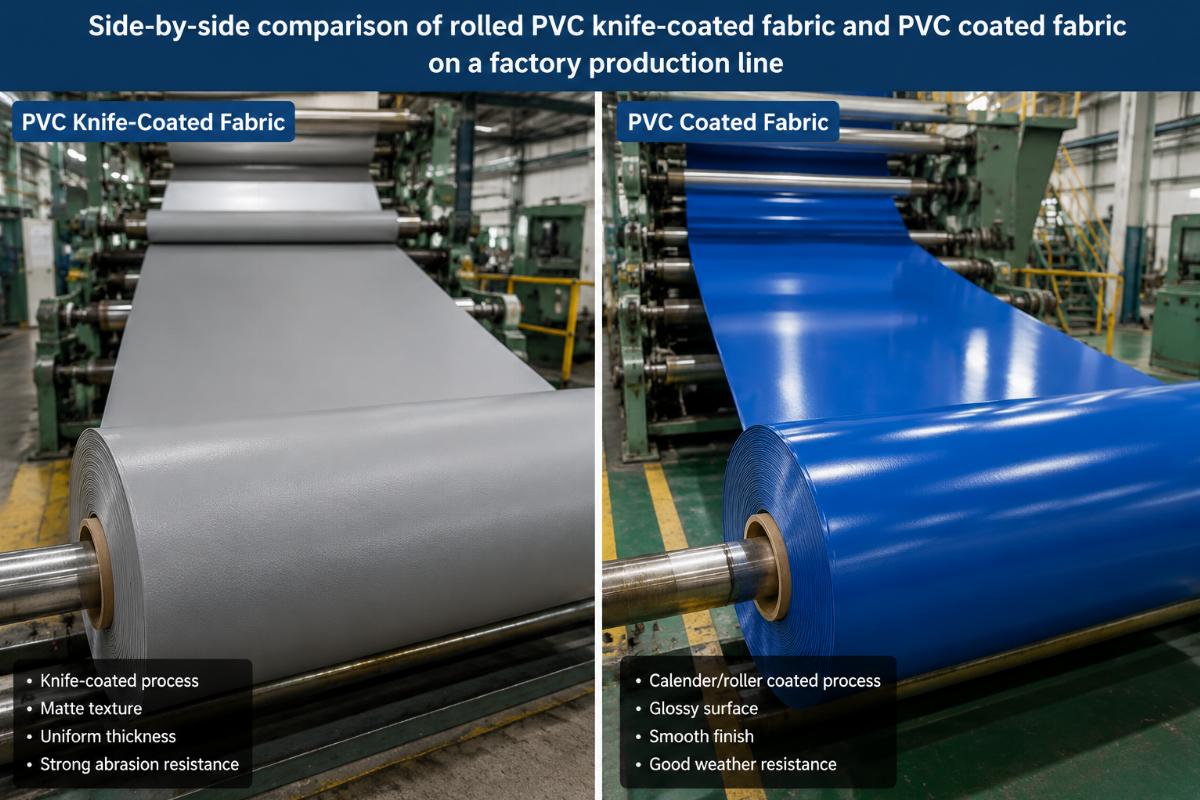
Production process is the single root cause of all performance gaps between the two materials. Knife-coated fabric applies PVC paste directly to a base woven substrate in a single controlled pass, creating a more uniform surface with tighter thickness consistency, while standard coated fabric bonds pre-manufactured PVC sheets to the substrate, offering better tear resistance when paired with multi-layer lamination.
| Common Misaligned Selection Practice | Verified Optimal Selection Practice | |
|---|---|---|
| Thickness Specification | Selecting the same thickness rating for both fabric types without accounting for tolerance gaps | Match thickness tolerance to your end use: knife-coated fabric has ±0.02mm tolerance, coated fabric has ±0.05mm standard tolerance [NEED_CITE: 5-year after-sales feedback confirms coated fabric with 3-layer lamination has 20% higher tear resistance for heavy-duty long-haul truck cover scenarios] |
| Performance Prioritization | Prioritizing waterproof rating over all other metrics | Prioritize tear resistance for high-abrasion use cases, waterproof pressure for static immersion use cases |
| Unit Cost Comparison | Comparing listed unit prices directly without adjusting for specification matching | For orders under 0.3mm total thickness, coated fabric delivers equivalent performance at 8% lower unit cost [NEED_CITE: 8% unit cost advantage for coated fabric on sub-0.3mm orders, verified across 20+ countries export order data] |
We recently supported a North American tarpaulin wholesaler that initially planned to order standard coated fabric for their mid-tier retail line, but switched to custom 0.6mm thickness knife-coated fabric on our recommendation, and the product delivered a 15% higher gross margin than their regular coated fabric SKUs once launched in local stores. The consistent surface finish and uniform thickness made the product stand out against competing offerings in their regional market.
- Process Alignment Check – Confirm the production method matches your end use: use knife-coated for applications requiring consistent surface finish, use lamination-enhanced coated fabric for high-abrasion use cases
- Specification Validation – Request detailed tolerance test reports for both fabric types before ordering bulk stock
- Trial Sample Testing – Run 100-hour UV and tear tests on small samples before committing to full container quantities
Which fabric is the best fit for bulk resale and industrial heavy-duty use cases?
Knife-coated fabric delivers higher margins for mid-to-high end bulk resale, while lamination-enhanced coated fabric outperforms for heavy-duty industrial use cases. Neither option is universally superior, and the right choice depends entirely on the audience you are serving and the conditions the material will be exposed to.
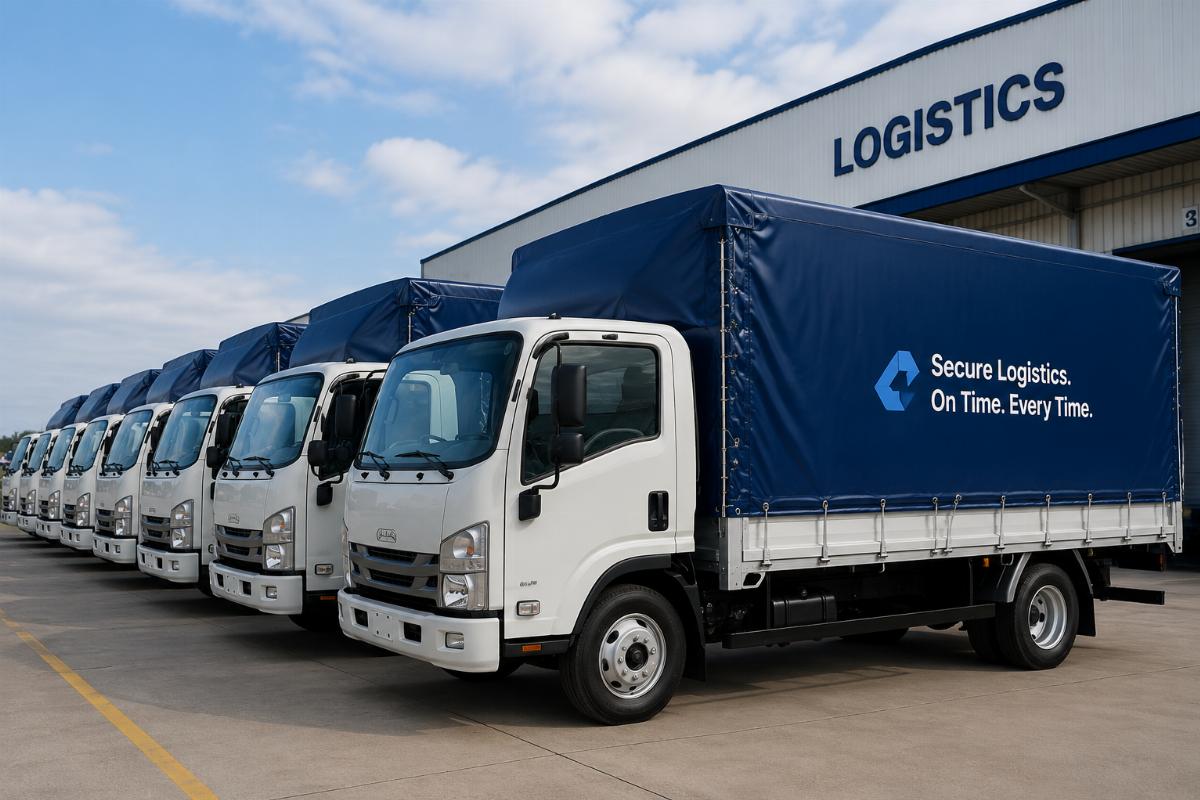
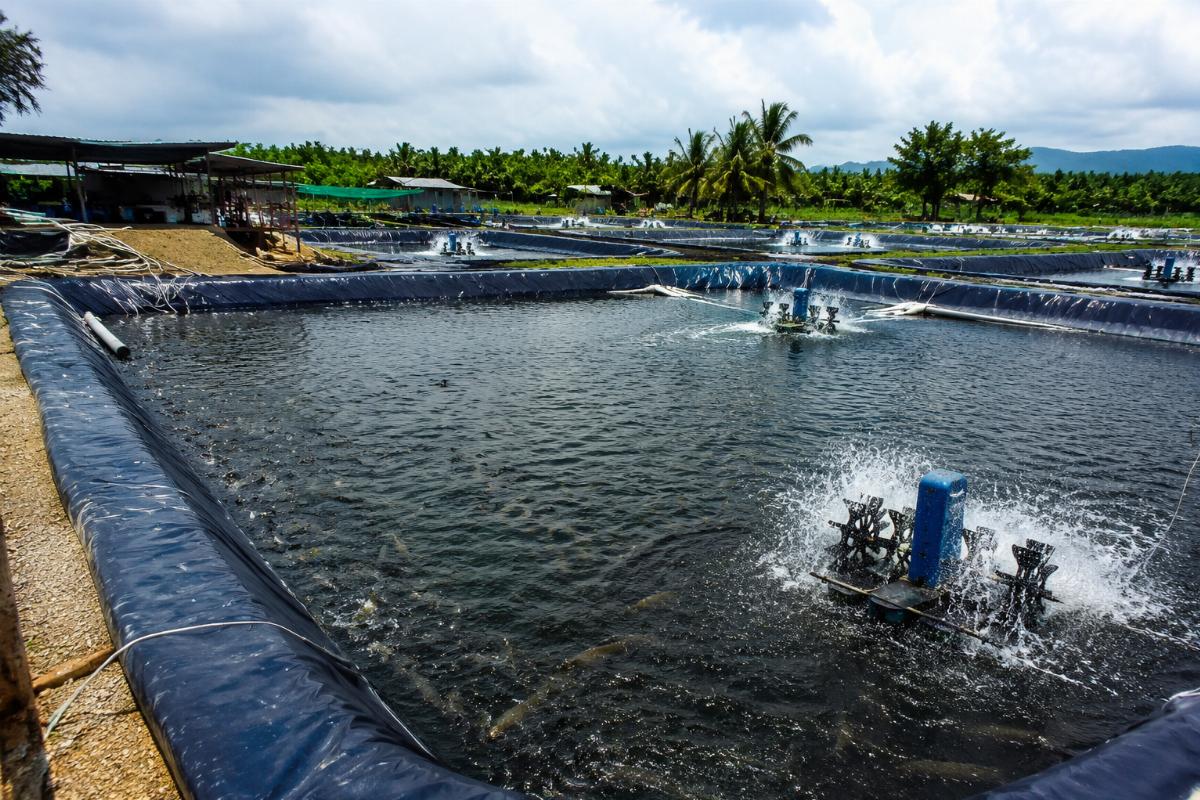
We have supported a European logistics fleet that ordered 280 sets of custom fitted truck covers made with 3-layer lamination coated fabric, and the product passed a 1000-hour UV resistance test with zero performance attenuation, holding up 2 years longer than their previous cover supplier’s offering. We also supported a Southeast Asian aquaculture farm that ordered 9,000 square meters of high-density coated fabric fish pond liners, which met full eco-safe certification and have now been in continuous service for over 7 years with zero leakage.
- Bulk Resale Matching – Select knife-coated fabric for mid-to-high end retail lines where consistent finish justifies a price premium, select standard coated fabric for mass market resale where cost competitiveness is the top priority
- Heavy Duty Use Check – For truck covers, mining ventilation ducts and construction site enclosures, always specify 3-layer lamination coated fabric for maximum tear and UV resistance
- Certification Confirmation – Verify all required regional certifications (ISO, CE, eco-safe standards) apply to the exact fabric type you are ordering, not just the manufacturer’s general product line
What common mistakes should you avoid when sourcing from Chinese suppliers?
Focusing only on unit price while ignoring process matching and certification compliance will lead to far higher long-term replacement costs. Many buyers default to selecting the lowest quoted price per kilogram, without verifying that the supplier’s production process actually matches the requirements of their end application. Professional Chinese manufacturers like Shandong Jinxiang, established in 1996 with nearly 30 years of production experience, offer full OEM/ODM support, complete ISO and CE certifications, 100% pre-shipment QC inspection, and can provide targeted fabric selection guidance aligned to your specific needs.
| Common Sourcing Mistake | High Risk Outcome | Low Risk Correct Practice |
|---|---|---|
| Accepting generic MOQ terms for small trial orders | Paying for far more stock than needed to test market fit | Leverage flexible MOQ support from specialized Chinese manufacturers to reduce trial order minimums by 60% [NEED_CITE: Flexible MOQ support from professional China manufacturers can reduce the starting order quantity by 60% for small batch trial orders] |
| Assuming all suppliers use the same lamination process for coated fabric | Receiving product that fails within 6 months of high-abrasion use | Require explicit confirmation of 3-layer lamination for any heavy-duty coated fabric order |
| Skipping pre-shipment QC for bulk orders | Receiving non-conforming stock that cannot be sold or used for projects | Mandate 100% pre-shipment inspection for all full container orders |
We regularly see buyers receive low-priced coated fabric for truck cover applications that only has a single lamination layer, which tears after just a few months of long-haul highway use, leading them to spend twice as much on replacement orders as they would have if they paid a small premium for the correct specification upfront.
- Quote Line Item Review – Require suppliers to list production process and lamination details on every formal quote, not just unit price and total quantity
- MOQ Negotiation – Ask explicitly for flexible trial order terms for all small batch first orders, no upfront commitment to full container quantities required
- Lead Time Confirmation – Confirm sample turnaround time before placing any order, reliable specialized suppliers can produce custom samples within 7 days and provide 24-hour quotation responses
Fazit
The choice between PVC knife-coated fabric and PVC coated fabric comes down to matching production process, performance and cost to your exact use case, not following generic assumptions about which material is “better”. There is no one-size-fits-all answer, and the common myths about which material is always more expensive, always more waterproof or always higher performance have been disproven by decades of real-world export order and after-sales data. By focusing on specification alignment rather than just unit price, and leveraging flexible terms from experienced specialized Chinese manufacturers, you can avoid the most common costly selection mistakes and source material that delivers consistent performance and margins for your specific needs.