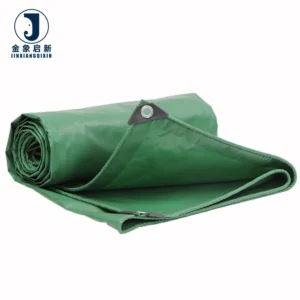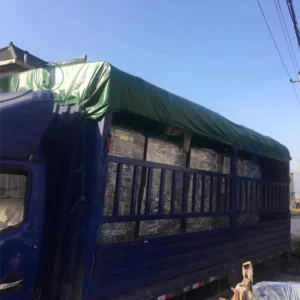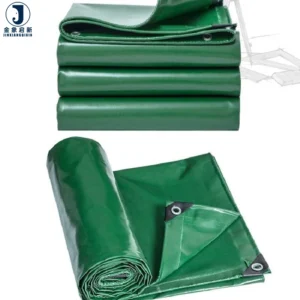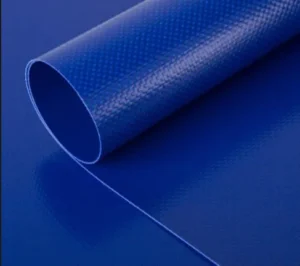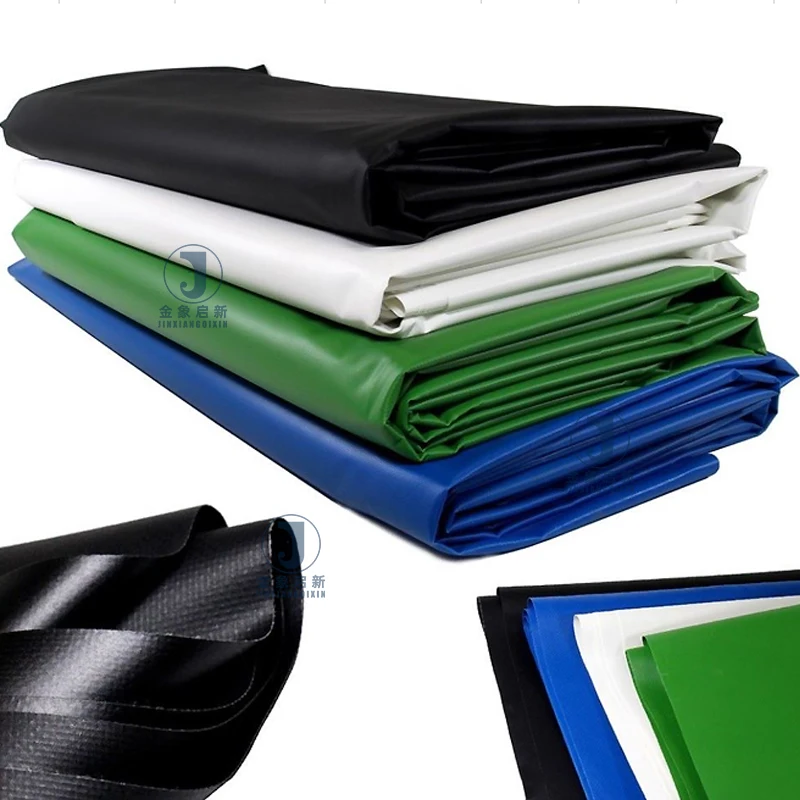
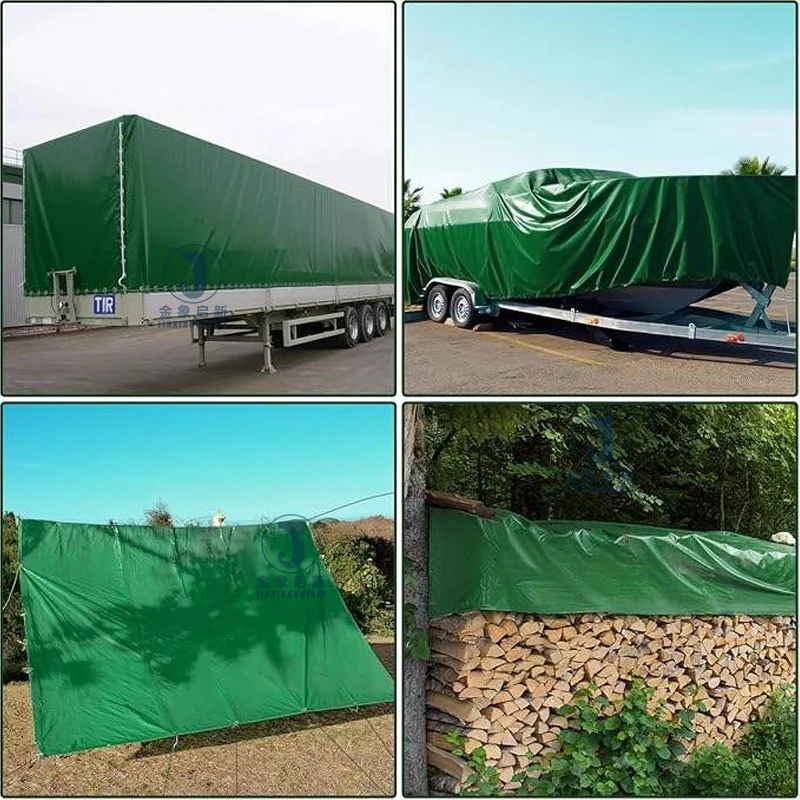
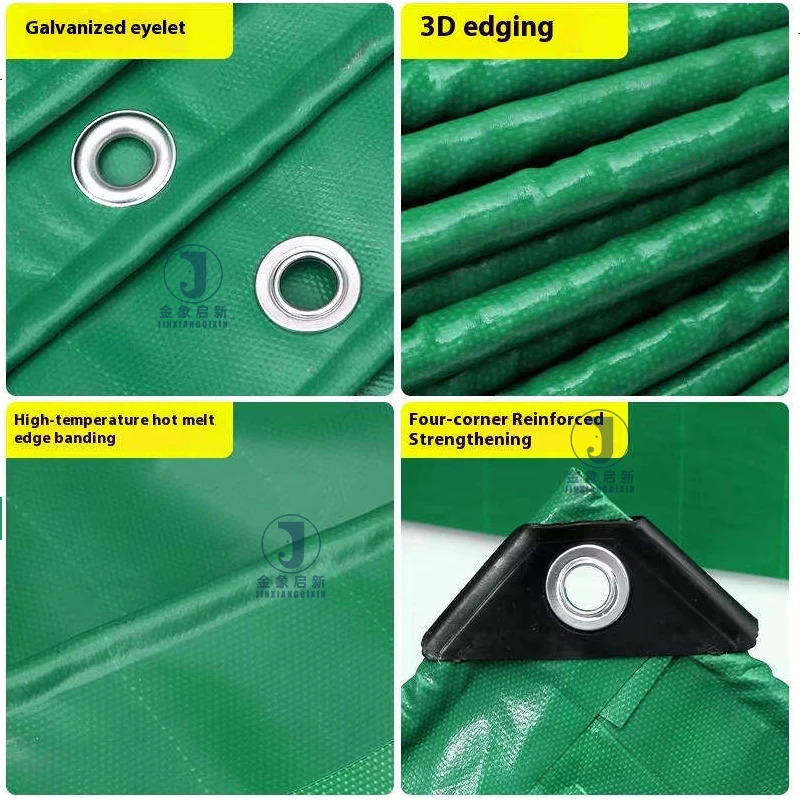
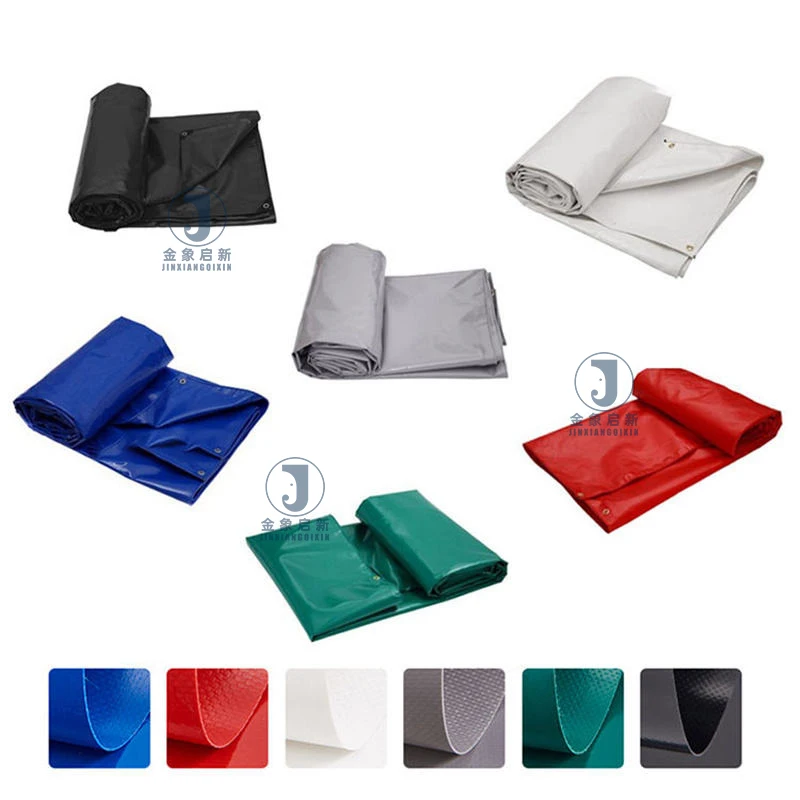
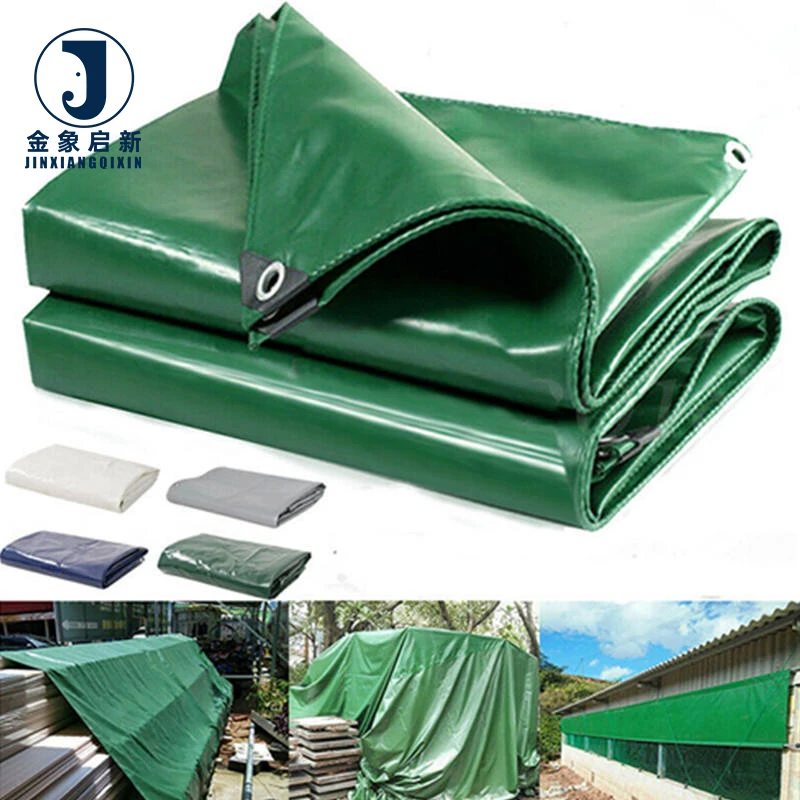
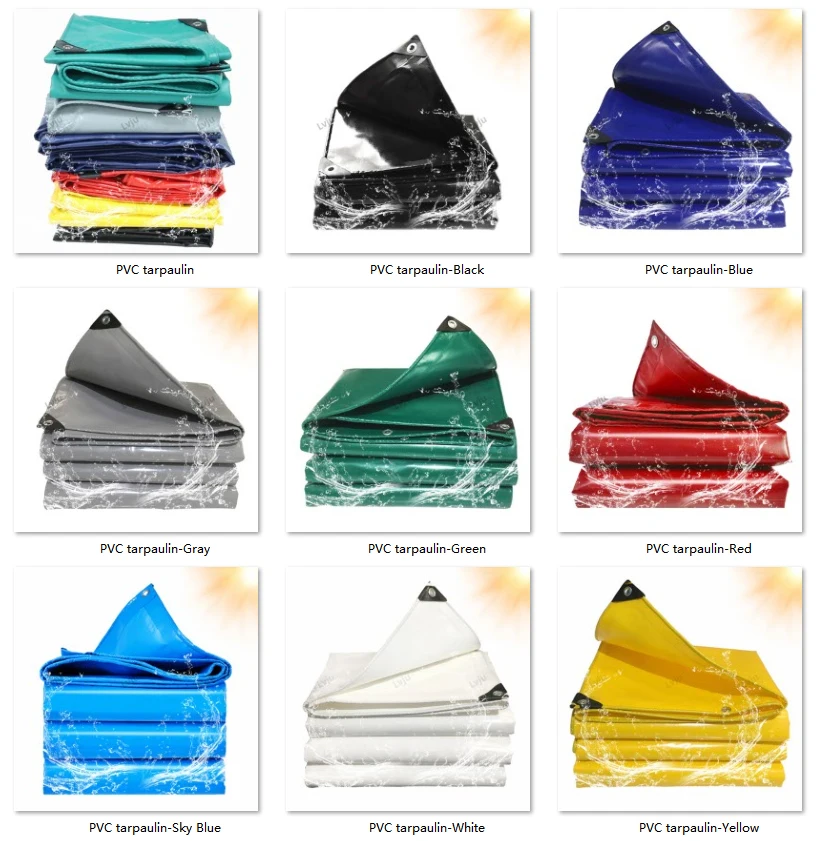
PVC Coated Tarpaulin Fabric 650 GSM — laminated & hot-melt coated on 100% high tenacity polyester base, with flame retardant, anti-static, anti-cold, anti-mildew and 3P surface treatment options. Waterproof and cold crack resistant for 3–5 years outdoor service life.
- Engineered for truck covers, caravan awnings, digital printing banners, pond liners and inflatable structures where consistent coating adhesion and reliable welded seam strength are critical across the full roll length.
Backed by dedicated QA/QC at every production stage, 100% pre-shipment inspection, and a 10-person R&D team delivering custom width, colour and print samples within days.
Description
Coating Weight Control — every roll of 650gsm PVC coated tarpaulin fabric passes through in-process QA checkpoints that verify GSM before it leaves the line, so what you specify is what you receive.
Technical Specifications
| Parameter | Value |
|---|---|
| Product Type | PVC Coated Tarpaulin Fabric |
| Weight | 650 GSM |
| Base Fabric | 100% high tenacity polyester yarns |
| Coating Material | PVC |
| Coating Method | Laminated & Hot-melt Coating |
| Waterproof | Yes |
| Cold Crack Resistance | Yes (grade not stated in source) |
| Anti-Mildew | Yes |
| Anti-Static Treatment | Yes (standard or surface resistance not stated in source) |
| Flame Retardant | Available as special treatment (grade not stated in source) |
| Anti-Cold Treatment | Available as special treatment (grade not stated in source) |
| UV Treatment | Available (test basis not stated in source) |
| Color Fastness | High (quantitative grade not stated in source) |
| Outdoor Service Life | 3–5 years (source value — verify against manufacturer catalog) |
| Printing Option | Digital printing |
| Key Features | Waterproof, anti-mildew, cold crack resistant, weldable |
Application Suitability
| Application | Exposure & Requirement |
|---|---|
| Truck bed tarp cover | Abrasion from shifting loads, road debris impact, UV and rain exposure |
| Truck side curtain | Constant flexing at tie-down points, wind load, repeated rolling and unrolling |
| Caravan tent and awning fabric | Prolonged sun exposure, folding and packing stress, occasional high wind |
| Pick-up truck bed cover | Direct cargo contact, highway-speed wind uplift, temperature swings |
| Advertising banner and signage | UV saturation, wind loading on large spans, digital print colour fidelity |
| Waterproof industrial cover | Standing water, chemical dust, puncture from sharp-edged equipment |
| Pond and reservoir liner | Permanent water contact, soil chemistry, puncture from substrate |
| Inflatable and membrane structure | Internal air pressure stress, seam integrity under tension, UV degradation |
Why Stated GSM Is Not Enough Without Coating Adhesion Data
A 650gsm reading means little if the PVC layer separates from the polyester base under real-world flex load.
Purchasing teams regularly receive PVC coated tarpaulin rolls that meet the quoted weight on a small swatch yet delaminate within months once installed on a truck side curtain or tensioned awning frame. The failure rarely shows up on the data sheet — it shows up at the weld line or at the fold point where coating and fabric are pulled in opposite directions. Without documented adhesion strength, two rolls at identical GSM can perform completely differently in service [NEED_CITE: tensile and peel test methods for coated fabrics per ISO 2411].
Full-Catalogue Customisation From One Production Floor
The 650gsm PVC coated tarpaulin sits within a complete fabric range that runs from lightweight to heavy-duty grades, all produced on the same three-line facility. This means a single supplier can serve your truck cover line, your awning fabric orders, and your digital printing stock without introducing colour or quality variance that comes from splitting spend across multiple sources. Width, length, single or double-side colour, glossy or matte finish, and pattern printing are all handled in-house, and samples for custom specifications are typically developed within days so you can confirm hand-feel and weld behaviour before committing a full container.
Treatment Options That Must Match Your Compliance Environment
Flame retardant, anti-static, anti-cold, and anti-mildew treatments are available across this PVC coated tarpaulin range, yet the grade behind each claim determines whether the fabric passes inspection on a mining site, an aviation hangar, or a European event structure. Always confirm the specific grade required for your market — a general "flame retardant" statement does not satisfy a building authority asking for classification under DIN 4102 or NFPA 701 [NEED_CITE: DIN 4102 fire classification for building materials]. Requesting the matching test report at the quotation stage avoids costly re-ordering later.
Reading the Spec Sheet Beyond the Weight Figure
GSM tells you how much material is in a square metre, but the base fabric denier and weave density govern how that weight translates into tear propagation resistance. A 650 GSM fabric woven from high-tenacity polyester yarns with a tight warp-weft count will resist a small puncture from spreading, while a looser weave at the same weight tears more easily along the bias. Coating method adds another variable: hot-melt and lamination technology creates a bond between the PVC and the polyester that influences both peel strength and the temperature window for heat welding. If your fabrication process relies on hot-air or wedge welding, the coating formulation and plasticiser content must match your machine settings — a mismatch causes either weak seams or burnt coating edges. Surface finish also matters: a glossy face accepts digital printing ink with sharper dot gain, whereas a matte or acrylic-lacquered surface sheds dirt more effectively in long-term outdoor installations. Width and roll length decisions directly affect your cutting yield; ordering a width that nests your panel dimensions with minimal off-cut reduces waste and lowers effective cost per finished piece.
The Cost Hidden in a Batch Colour Mismatch
Colour variation between rolls within a single order is one of the most visible — and most expensive — defects a PVC coated tarpaulin buyer encounters. When two panels hang side by side on a truck curtain or a tensioned awning, even a slight hue shift is obvious to the end customer and triggers rejection of the entire installation. The root cause is often inconsistent pigment dispersion or temperature drift during coating, and it can only be caught by roll-by-roll inspection under controlled lighting before dispatch [NEED_CITE: colour consistency inspection standards for coated textile batches]. Receiving a pre-shipment colour check record with your packing list is the practical safeguard.
What Process Depth Means for Your Order
Three full production lines and 36 sets of professional equipment give this PVC coated tarpaulin manufacturer the capacity to hold delivery dates on repeat orders without sacrificing the individual roll inspection that protects your quality. A 10-person R&D team handles material selection, colour matching, and custom sizing requests, which means a change in width or treatment does not require re-qualifying a new factory — it stays on the same lines with the same QA checkpoints. Every roll is inspected before shipment, not sampled after, so weight verification, surface defect scanning, and colour review all happen before the packing list is issued. This matters most when your production schedule cannot absorb a rejected batch and a multi-week re-order delay.
Documentation & Verification
- Material spec sheet confirming 650 GSM, base fabric denier, and coating method per roll
- UV and flame retardant test reports matched to the grade specified at order placement
- Pre-shipment inspection record covering weight, colour, and surface quality roll by roll
- Roll packing list with net and gross weight per item for container load planning
- Certificate of origin and customs documentation included with every consignment
Fabrication, Handling & Storage
- Set hot-air welder temperature to match the laminated and hot-melt PVC formulation before seaming
- Allow 650 GSM rolls to acclimatise to workshop temperature before unrolling to prevent coating creasing
- Store rolls upright on pallets to avoid flat-spotting the high-tenacity polyester base fabric
- Use sharp rotary blades when cutting to prevent fraying the polyester yarns at panel edges
- Clean digital-printed faces with mild detergent only; avoid solvent-based cleaners that attack the PVC coating
- Plan panel nesting against the available roll width to minimise weld seams and off-cut waste
Tell Us What the Data Sheet Cannot
To move from a generic quote to an accurate specification, share the end-use environment and the compliance framework your market requires. Let us know whether you need flame retardant or anti-static certification, the roll width and length that fits your cutting table, and whether single-side or double-side colour is necessary. If digital printing is planned, provide the artwork or Pantone references so we can run a print swatch on the exact 650 GSM construction before bulk production.
Frequently Asked Questions
Q: How is the 650 GSM weight verified before shipment?
A: Each roll passes through weight checks at multiple production stages. A dedicated QA team measures GSM per roll and records the result on the pre-shipment inspection report. You receive this documentation with your packing list so you can cross-check on arrival without waiting for a third-party lab result.
Q: Can I order a width or colour outside your standard stock range?
A: Yes. Custom widths, lengths, single or double-side colours, and glossy or matte finishes are produced on the same lines as standard stock. A 10-person R&D team develops samples within days, allowing you to confirm colour, hand-feel, and weld behaviour before authorising the full production run.
Q: Will colour remain consistent if I reorder the same specification months later?
A: Roll-by-roll colour inspection under controlled lighting is recorded before dispatch, and the inspection report accompanies your shipment. For repeat orders, the production team references the original batch colour data and issues a new comparison check to maintain continuity across separate purchase orders.
Q: What flame retardant or anti-static grades are available, and how do I confirm the right one?
A: Flame retardant, anti-static, and anti-cold treatments are offered as special finishes. The specific grade must match your local regulation — for example, DIN 4102 for European building use or site-specific mining standards. State the grade at enquiry so the correct test report is generated and shipped with your documentation.
Q: How fast can a sample be produced for a custom print or treatment?
A: Custom samples, including digital print proofs and special-treatment swatches, are developed within days rather than weeks. Approving the sample locks in the exact coating formulation, colour reference, and treatment parameters that the production lines will follow for your bulk order.
Related products
-
PVC Coated Tarpaulin Outdoor Poly Tarp Plastic Canvas Tarpaulin Roll 650 Gsm for Truck Tent. Roof Cover
¥2.70 Add to cart -
Stock PVC Tarpaulin Fabric Rolls 500D*500D 18*17 Hot Selling Colors in Stock China Manufacture Wholesale Fabrics Best Price
¥1.26 Select options This product has multiple variants. The options may be chosen on the product page -
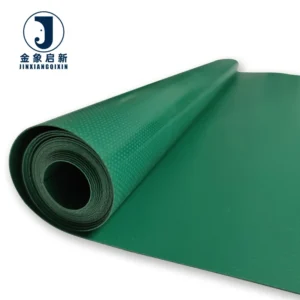
Wholesale Pricehigh Quality Outdoor Waterproof Tarp Customized Pvc Tarpaulin Roll
¥1.20 Add to cart -
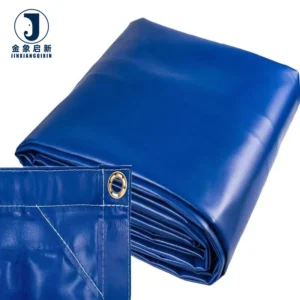
Custom Reinforced Edges Rip-Stop Rubberized PVC Tarpaulin Industry Covering Vinyl Coated Polyester Tarps for Trucks
¥8.00 Select options This product has multiple variants. The options may be chosen on the product page