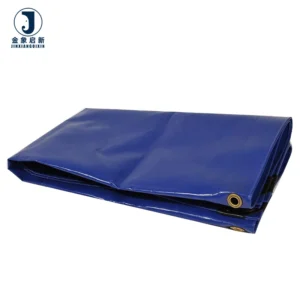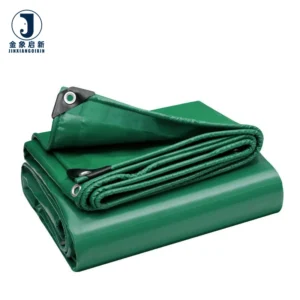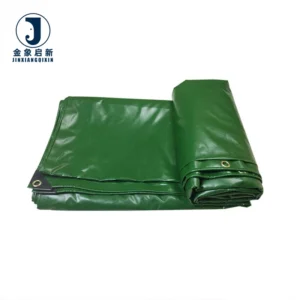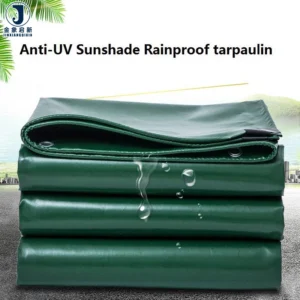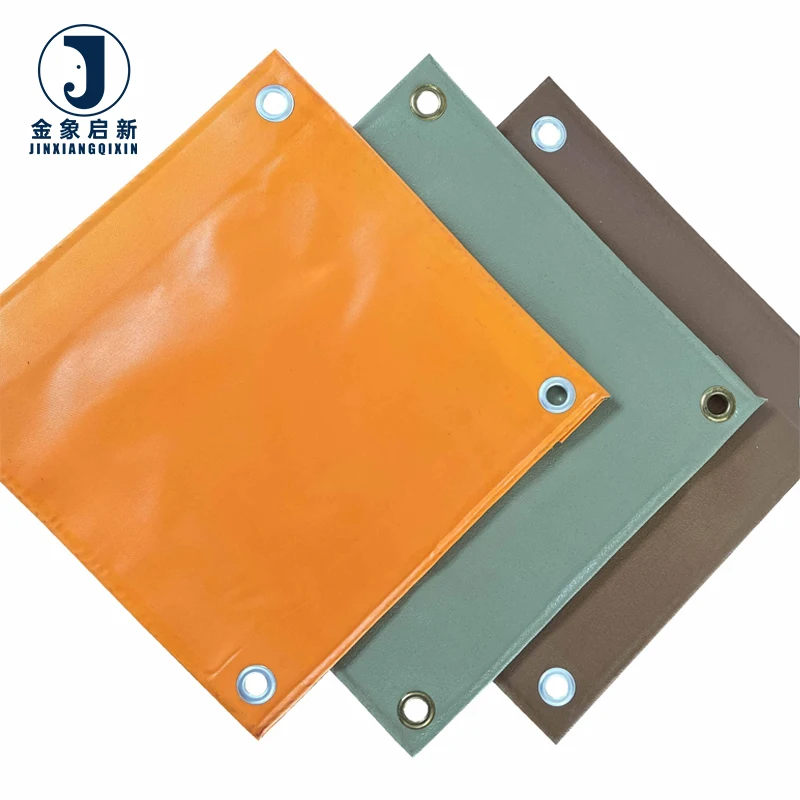
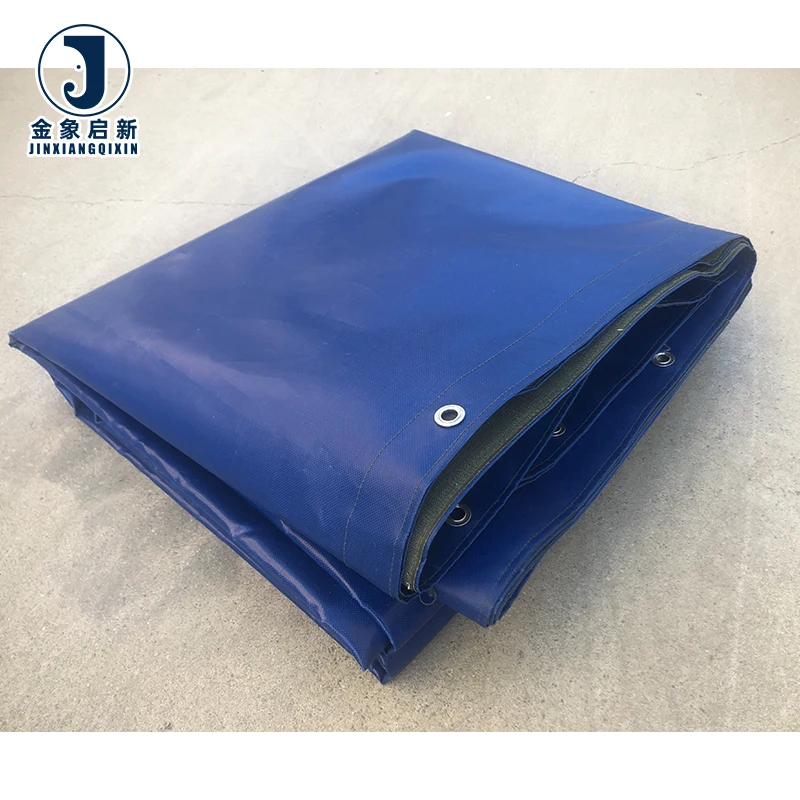
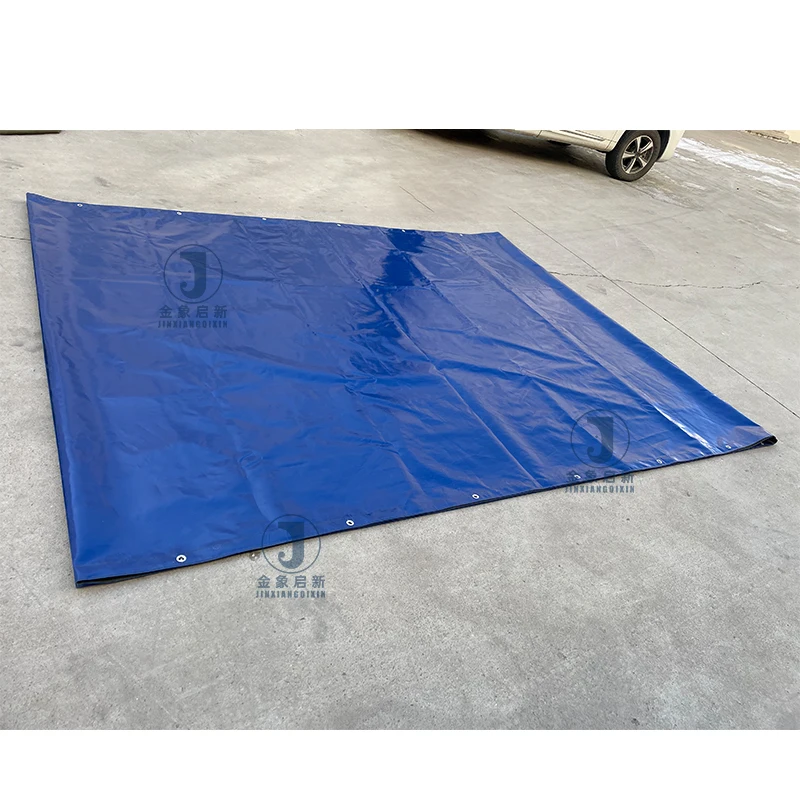
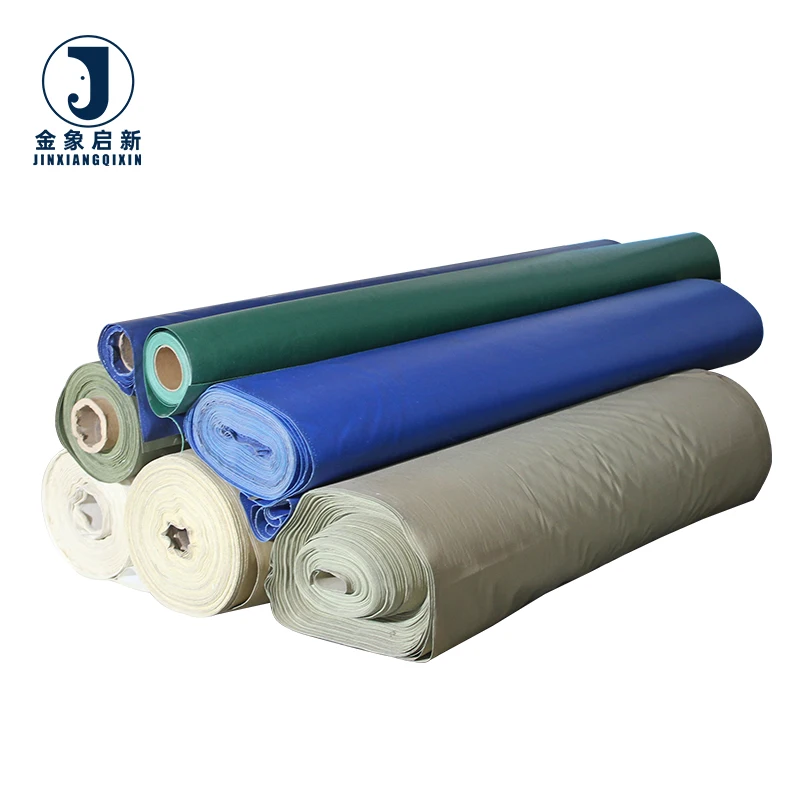
Anti-Static Printable PVC Coated Tarpaulin — 400-1500 g/m², 500D-2000D polyester base, hot melt coated for consistent adhesion and weld performance across the full roll length.
- Lamination and hot melt coating process ensures roll-to-roll GSM and colour consistency, so every roll matches the spec sheet on arrival
- Anti-static and flame retardant surface treatments available where supported by test report
- Custom width, length, colour and pattern printing handled from a single production source
10-person R&D team develops samples within days for exhibition backdrops, truck curtains and tensioned membrane structures.
Description
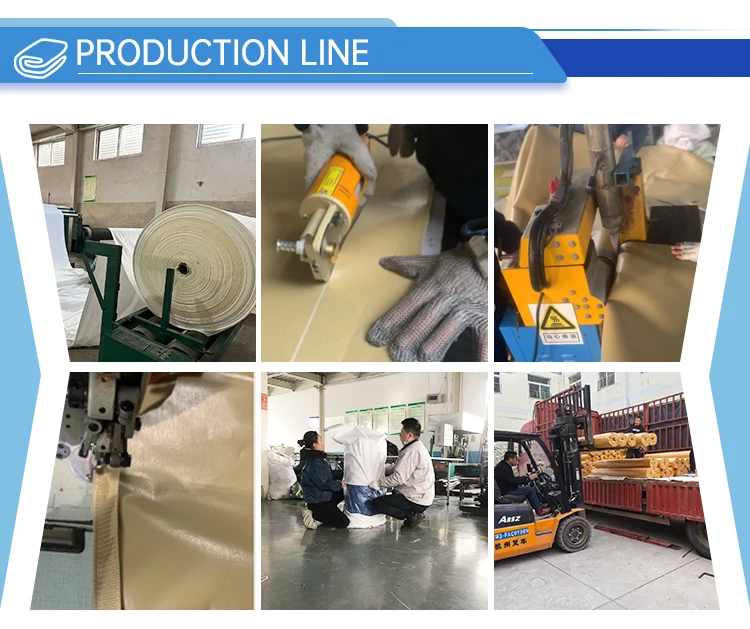
Deep Process Control — Coating weight and adhesion managed across three dedicated production lines with in-process QA at every stage, ensuring each roll of this anti-static printable PVC coated tarpaulin meets the specification stated on your order.
Technical Specifications
| Parameter | Value |
|---|---|
| Product Type | PVC Coated Tarpaulin |
| Base Fabric | 100% high toughness polyester yarn |
| Base Fabric Denier | 500D / 1000D / 2000D (grade-dependent) |
| Coating Material | PVC |
| Coating Method | Lamination technology and hot melt coating technology |
| Weight Range | 400–500 g/m² (medium) / 700–1000 g/m² (heavy-duty) / 1100–1500 g/m² (super heavy) |
| Thickness | 0.35–0.45 mm / 0.70–1.0 mm / 1.2–1.5 mm |
| Tensile Strength | Longitude 1500–3000 / Latitude 1200–2800 N/5cm (grade-dependent) |
| Anti-Static | Treated (surface resistance value — confirm the grade required for your market) |
| Cold Crack Resistance | -30°C |
| Waterproof | Yes |
| Mold Proof | Yes |
| Printing Suitability | Printable surface for wide-format digital printing |
| Outdoor Durability | Suited to extended outdoor exposure |
| Flame Retardant | Available in flame retardant grades — confirm the grade required for your market |
| UV Treatment | Available with UV treatment — confirm the test standard required for your market |
| Width | Wide width available (confirm exact width for your application) |
Application Suitability
| Application | Exposure & Requirement |
|---|---|
| Exhibition booth backdrop | Indoor lighting, large-format print clarity, dust-free anti-static surface, panel-to-panel colour consistency |
| Event and conference stage backdrop | Repeated rigging and de-rigging, tensioned mounting, wide-width coverage without visible seams |
| Trade show tensioned display | Flex at mounting points, close-up viewing demanding smooth printable surface |
| Inflatable exhibition structure | Internal air pressure stress, anti-static coating to prevent dust attraction on display surface |
| Outdoor promotional banner | UV and weather exposure, wind load on hems and welds, colour fastness under direct sunlight |
Why Colour Varies Between Rolls — and What That Costs an Event Fabricator
Batch-to-batch colour drift is a coating formulation and curing consistency problem, not a base fabric issue.
When a PVC coated tarpaulin manufacturer custom run delivers three rolls for a single exhibition backdrop and each panel reads a slightly different shade under trade show lighting, the entire installation is compromised. The complaint is rarely about the colour itself — it is about the mismatch once the panels hang side by side. This happens when coating pigment is metered inconsistently across production runs or when oven temperature zones vary between batches. For event fabricators printing large-format graphics, even a minor hue shift between rolls forces panel rejection and reprint, wasting both material and the narrow installation window before the show opens. [NEED_CITE: colour consistency standards for coated fabrics in display applications]
Printable Surface Quality Starts at the Coating Line
An anti-static printable PVC coated tarpaulin must present a surface free of dust adhesion and coating irregularities to accept wide-format digital ink evenly. The hot melt coating and lamination technology used on this fabric produces a uniform top layer that supports high-resolution print output without ink pooling or dot gain variation. Anti-static treatment reduces particulate attraction during storage and transport, so the surface remains clean from warehouse to print shop. This matters most when multiple panels are printed across different rolls and joined on-site — any surface inconsistency becomes visible at the seam line under exhibition lighting.
Wide-Width Panels Reduce Seams in Backdrop Installations
Event and exhibition backdrops often span several metres without interruption. The wide-width availability of this PVC coated tarpaulin means fewer horizontal or vertical welds are needed to cover a standard booth wall or stage backdrop. Each eliminated weld removes a potential failure point during tensioned mounting and a visible line that can distort printed graphics. For fabricators producing modular booth systems, sourcing a single wide-width roll per panel simplifies both the printing workflow and the on-site assembly sequence. [NEED_CITE: wide-format printing requirements for coated fabric substrates]
How Base Fabric Denier and Coating Weight Interact on a Tensioned Display
The structural behaviour of a tensioned exhibition backdrop depends on the relationship between base fabric denier, knitting density, and coating weight. A 1000D polyester base with a 700–1000 g/m² coating provides sufficient dimensional stability for panels that are clamped or tracked into aluminium framing systems. The hot melt coating penetrates the yarn structure during lamination, bonding the PVC to the polyester and distributing tension loads across the weave rather than concentrating them at individual yarn crossover points. This bond strength directly affects how the fabric behaves when stretched across a frame — inadequate adhesion leads to coating delamina*tains a flat, wrinkle-free display surface. Tensile strength values in the longitude and latitude directions indicate how evenly the fabric will hold tension without distortion. Uneven tensile balance between warp and weft causes the printed image to skew when the panel is mounted, which is unacceptable for close-up exhibition viewing.
What Happens When Specification Choices Miss the Application
Selecting a medium-grade 400–500 g/m² fabric for a tensioned outdoor banner that faces sustained wind load invites premature failure at the hem welds, where the load concentrates. Conversely, specifying a super-heavy 1100–1500 g/m² grade for an indoor exhibition booth adds unnecessary weight that complicates rigging and increases transport cost without improving display performance. Colour inconsistency across rolls in a multi-panel backdrop order forces the fabricator to either reject panels and delay installation or accept a visible mismatch that undermines the client’s brand presentation. Anti-static treatment that is not verified with a surface resistance test may not perform as expected in dry exhibition environments where dust attraction degrades print clarity within hours of installation. [NEED_CITE: coated fabric specification errors in exhibition and display applications]
Why Sourcing This Fabric from a Dedicated Coating Line Matters
Three full production lines with dedicated equipment allow this PVC coated tarpaulin manufacturer to run custom colour and anti-static orders without cross-contamination from other coating formulations on the same line. A 10-person R&D team handles colour matching and sample development in-house, producing trial rolls for print testing before bulk production begins. Every production stage carries dedicated QA/QC checkpoints, with 100% inspection before shipment to catch coating weight deviation and colour drift before rolls leave the facility. Roll packing lists include batch identification, giving fabricators full traceability when matching panels from different rolls in a single installation. Custom width, length, and pattern printing are managed from the same production source, eliminating the coordination risk of sourcing fabric and printing from separate suppliers.
Documentation & Verification
- Material specification sheet stating GSM, base fabric denier, coating method, and colour reference for each roll
- Anti-static test report confirming surface resistance values where treatment is specified
- Pre-shipment inspection record with 100% roll-by-roll weight and visual check before dispatch
- Roll packing list with batch identification for colour traceability across multi-roll backdrop orders
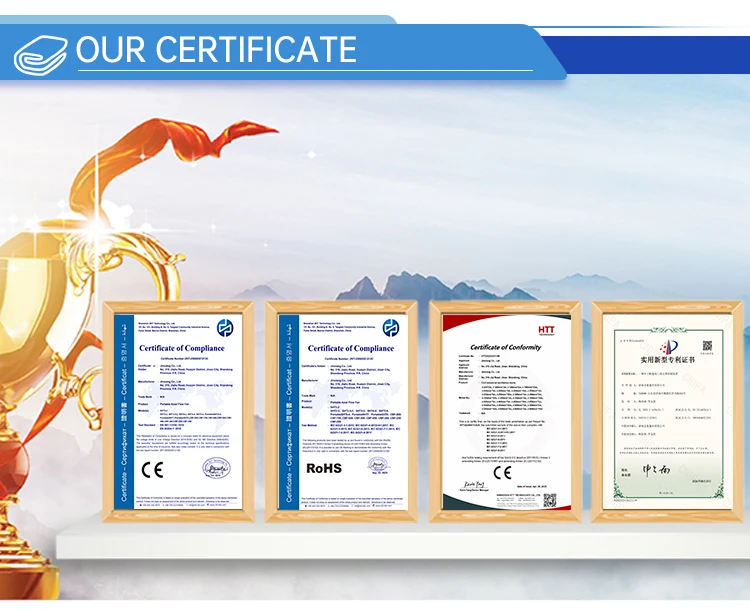
- ISO and CE certificates supporting quality management and product compliance
Fabrication, Handling & Storage
- Hot air welding at temperature settings matched to the specific coating thickness ensures weld strength equals fabric tear strength
- Store rolls upright on pallets in a dry environment to prevent flat-spot deformation on the printable PVC surface
- Allow cold-stored rolls to reach ambient temperature before unrolling to avoid coating crack at -30°C threshold
- Use PVC-compatible cleaners only to protect the anti-static treatment layer from chemical degradation
- Plan panel cutting layout to maximise wide-width utilisation and minimise cross-grain welds in the finished backdrop
Requesting the Right Specification for Your Project
Provide the exhibition or event application, the total backdrop dimensions, and whether panels will be tensioned in a frame or hung from a truss system. Specify the printing method and resolution you require so the surface finish can be matched accordingly. If your venue requires fire-retardant certification, state the applicable standard for your market so the correct grade can be quoted. Confirm whether you need rolls only or finished cut-and-hemmed panels with eyelets or keder edges.
Frequently Asked Questions
Q: How is colour consistency controlled across multiple rolls in a single backdrop order?
A: Each production run uses matched pigment formulation and controlled oven curing zones to minimise hue variation between rolls. A pre-shipment inspection checks colour under standardised lighting, and the roll packing list records batch identification so fabricators can trace which panels came from which roll. Samples can be produced for visual approval before bulk coating begins.
Q: What anti-static test standard applies to this printable PVC fabric?
A: The fabric is treated for anti-static performance, but the specific surface resistance value depends on the grade selected. Request the test report for the anti-static grade that matches your exhibition venue requirements. Your sales contact can confirm the available grades and the corresponding measurement standard.
Q: How is GSM verified before shipment on custom orders?
A: Every roll undergoes weight verification as part of the 100% pre-shipment inspection. The material specification sheet states the quoted GSM alongside actual measured values per roll. This documentation accompanies the shipment so you can cross-check the received material against the original order specification.
Q: What custom printing and sizing options are available for exhibition backdrops?
A: Wide-width rolls are available to reduce seams on large panels. Custom colour matching and pattern printing are handled on the same production line as the coating, ensuring print adhesion is compatible with the PVC surface. Confirm your required width, length, and print specification so the minimum order and lead time can be quoted accurately.
Q: Can samples be developed for custom colour and print before bulk production?
A: Yes. Sample rolls are produced using the same coating and lamination process as bulk orders, allowing you to test print quality, colour accuracy, and anti-static performance before committing to full production. The R&D team adjusts formulation and surface treatment based on sample feedback to match your exact exhibition requirements.
Related products
-
Waterproof Heavy Duty Tarpaulin Water Proof Cover Tarpaulin Manufacturer
¥1.48 Add to cart -
450gsm Green Heavy-duty Waterproof Tarps & Groundsheets Pvc Tarpaulin
¥1.25 Select options This product has multiple variants. The options may be chosen on the product page -
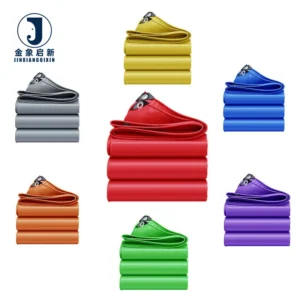
PVC-coated Waterproof Heavy-duty Vinyl Industrial Outdoor Reinforced Tarpaulins for Tents and Truck Covers
¥1.45 Add to cart -
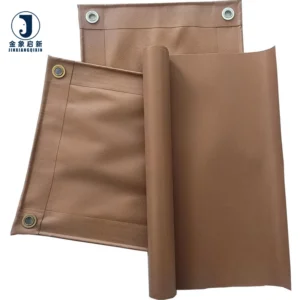
Waterproof Custom 1000D 550GSM/900GSM Self Clean PVC Coated Tarpaulin for Truck. Tent. Roof Cover Flood Barrier
¥0.99 Select options This product has multiple variants. The options may be chosen on the product page