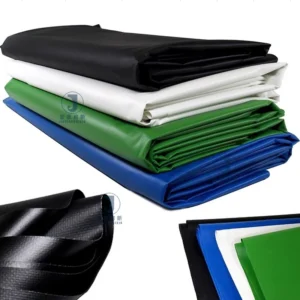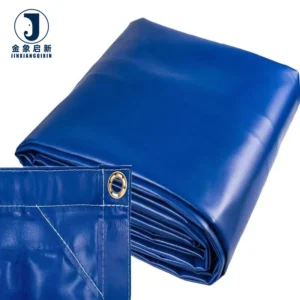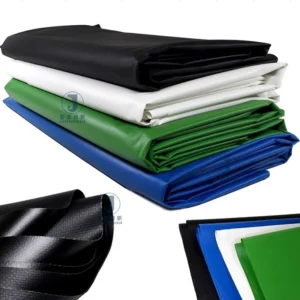
Backed by a 10-person R&D team handling custom diameter and length specifications, with sample development completed within days for airport-specific configurations.
Description
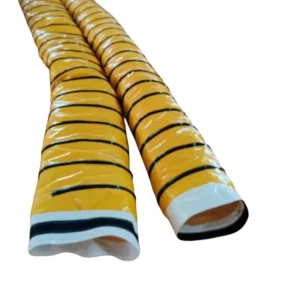
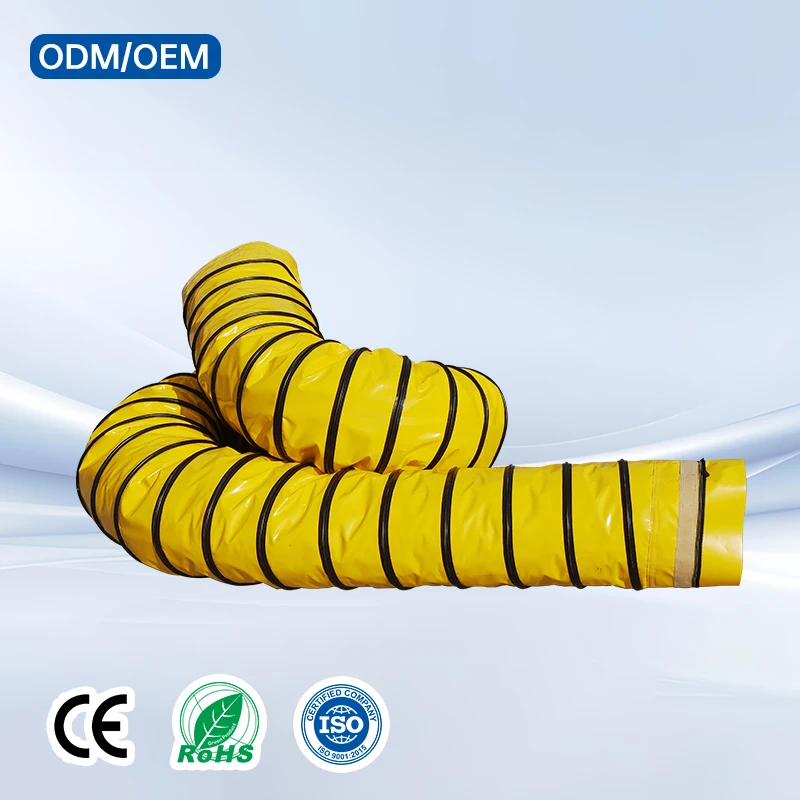
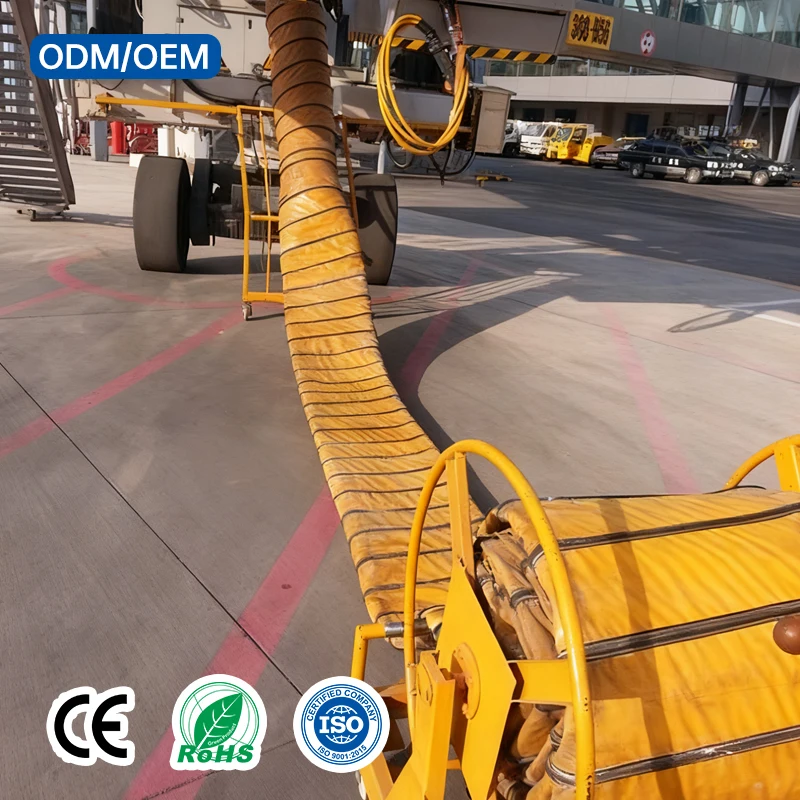
[Precision-Coated Aviation Ducting] — Backed by 30 years of PVC coating expertise, our aircraft PCA hose delivers verifiable thermal and mechanical performance for ground air supply systems, with every roll inspected before dispatch.
Technical Specifications
| Parameter | Value |
|---|---|
| Product Type | Aircraft PCA Hose / Air Conditioning Duct |
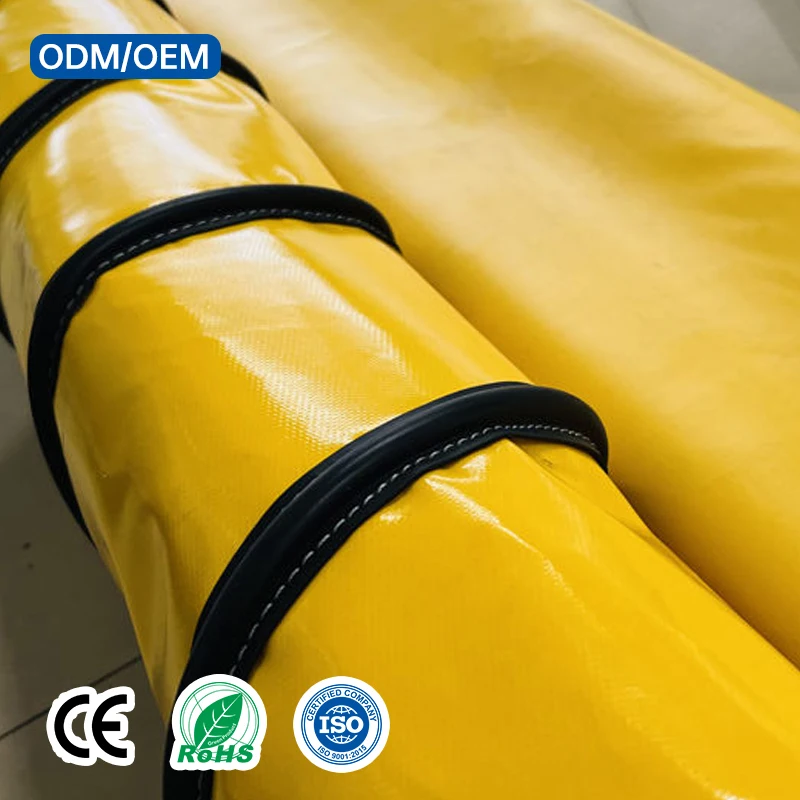
| Coating Material | PVC + fabric-reinforced layer / aluminum foil |
| Insulation Layer | Built-in aluminum foil bubble film |
| Temperature Range | -30°C to 150°C (source value — verify against manufacturer catalog) |
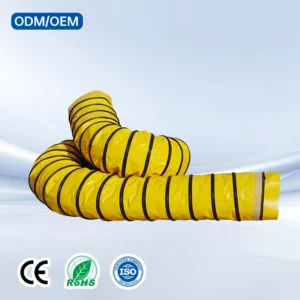
| Outer Layer Coloring | Yellow-black alternating protective coloring |
| Mildew Resistance | Yes (grade not stated) |
| Waterproof | Yes (water resistance stated, rating not specified) |
| Connection Method | Zipper, Velcro link for disassembly |
| Folding & Storage | Foldable design |
| Customization | Style, pattern, logo, outer packaging (MOQ 100 for customization) |
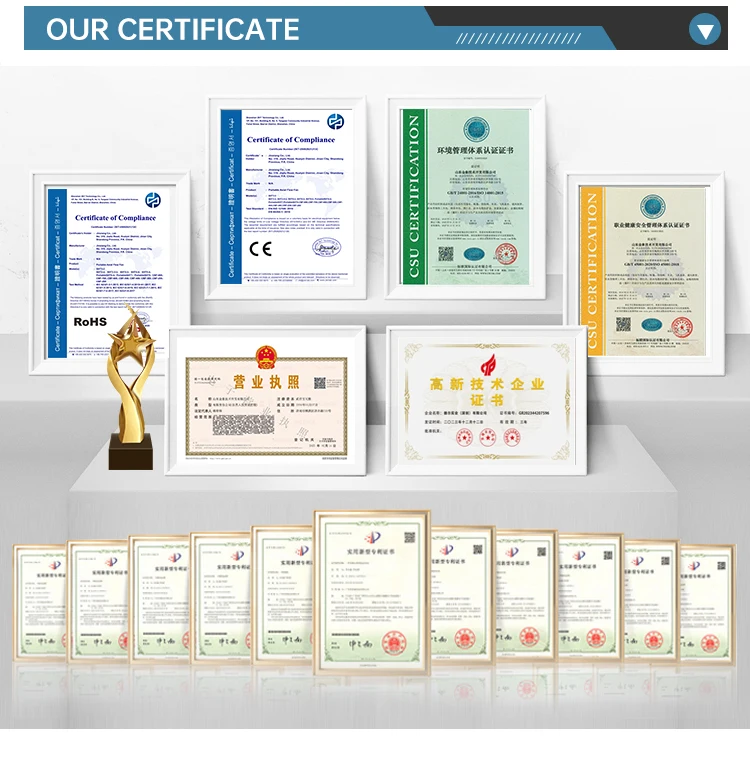
| Standards | ISO and CE certified |
Application Suitability
| Application | Exposure & Requirement |
|---|---|
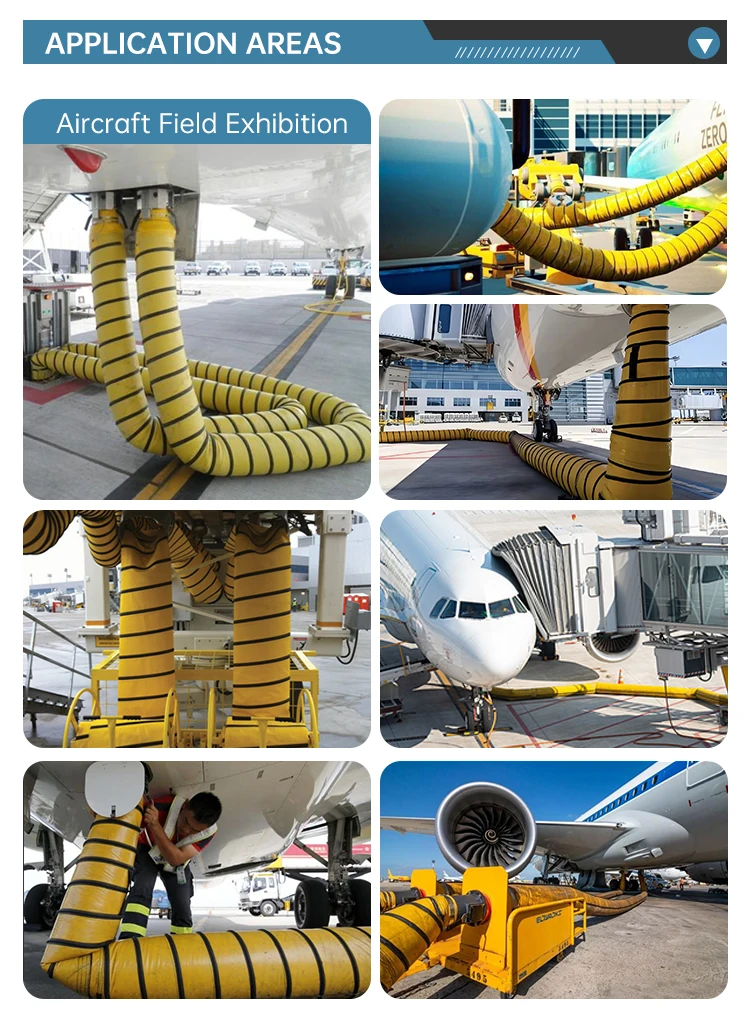
| Airport apron PCA unit connection | Constant outdoor temperature swings, UV exposure, jet blast proximity, ground vehicle traffic abrasion |
| Aircraft cabin air conditioning interface beneath cabin door | Repeated coupling and decoupling, flex stress at connection points, seal integrity under positive pressure |
| Ground support equipment fleet deployment | Drag across tarmac surfaces, folding and unfolding cycles, storage in unsheltered equipment bays |
| Aviation maintenance facility duct replacement | Compatibility with existing PCA connectors, certification documentation for regulatory audits |
Why Aviation Air Duct Certification Gaps Cost You Turnaround Time
A duct without verifiable fire-retardant and anti-static documentation is a liability the moment an inspector asks for it.
Ground support equipment operators regularly discover that the aviation air duct they procured arrives without the compliance paperwork their airport authority demands. The hose may perform adequately on the tarmac, but without a test report matching the specified grade, it cannot be cleared for use [NEED_CITE: airport ground equipment fire safety compliance standards]. Procurement teams then face emergency re-sourcing while aircraft sit at the gate waiting for conditioned air. The delay compounds: missed departure slots cascade into crew scheduling conflicts and passenger rebooking costs that dwarf the original hose price.
Thermal Insulation Engineering for Apron Temperature Extremes
The built-in aluminum foil bubble film insulation layer serves a specific purpose in aircraft PCA hose construction. Airport tarmac surfaces radiate intense heat during summer operations while winter apron temperatures drop well below freezing. This insulation barrier prevents thermal loss as pre-conditioned air travels from the PCA unit to the aircraft cabin interface, maintaining the temperature differential that cabin climate systems depend on. Without adequate insulation, the air arriving at the aircraft door has already equalized toward ambient conditions, forcing the PCA unit to work harder and extending turnaround duration.
Mechanical Durability Under Repeated Deployment Cycles
The PVC coated fabric-reinforced outer layer addresses the physical abuse that aviation air ducts endure during every turnaround. Ground crews drag these hoses across concrete and asphalt surfaces, fold them into storage compartments, and expose them to jet fuel mist and deicing fluid residue. The fabric reinforcement within the coating structure distributes mechanical stress across a wider area rather than concentrating it at flex points. The yellow-black alternating protective coloring serves dual duty: high visibility for ground personnel safety and a pigmented barrier against UV degradation [NEED_CITE: UV degradation effects on PVC coated fabrics in outdoor ground support applications].
Connection System Design for Maintenance Efficiency
The zipper and Velcro connection system represents a deliberate engineering choice for aviation maintenance workflows. Traditional clamped or bolted duct connections require tools and extended downtime for inspection or replacement. This disassembly method allows maintenance technicians to separate duct sections quickly, inspect internal insulation integrity, clean accumulated debris, and reassemble without specialized equipment. For fleets operating tight turnaround schedules, this translates to reduced ground time during routine maintenance intervals. The connection points also serve as natural break locations for customizing overall duct length to match specific aircraft configurations and gate layouts.
What Specification Ambiguity Costs Ground Support Fleets
When an aviation air duct arrives with temperature ratings that cannot be traced to a test standard, procurement teams face an uncomfortable choice: deploy the hose and accept unknown risk, or quarantine it and source a replacement under time pressure. Hoses that lack documented insulation performance may delaminate at the aluminum foil interface after repeated thermal cycling, exposing the internal bubble film to mechanical damage [NEED_CITE: thermal cycling delamination failure modes in multi-layer coated fabrics]. Mildew accumulation inside poorly sealed insulation layers creates biological contamination that gets transmitted directly into aircraft cabin air supplies. Generic-sized ducts that do not match specific PCA unit flange dimensions leak conditioned air at connection points, reducing system efficiency and extending the cooling or heating cycle.
Why Procurement Teams Source Aviation Ducting Here
Three full production lines with 36 sets of professional equipment support consistent output volume for aviation air duct orders, whether you need replacement stock or fleet-wide rollout quantities. The 10-person R&D team handles pattern customization, dimensional adaptation to specific aircraft interfaces, and material specification alignment with your airport authority requirements. Dedicated QA/QC inspection at every production stage catches coating adhesion issues, insulation layer continuity defects, and connection system alignment problems before they reach your equipment bay. Samples are developed within days for custom requirements, allowing your technical team to validate fitment and performance before committing to full production runs. Pre-shipment inspection records document every unit, providing the traceability that aviation compliance audits demand.
Documentation & Verification
- Material specification sheet stating PVC coating composition, aluminum foil insulation type, and verified temperature range
- Test reports for fire-retardant and anti-static grades applicable to aviation ground equipment standards
- Pre-shipment inspection record with dimensional verification and connection system function check
- ISO and CE certificates available with documentation for regulatory compliance submissions
- Roll packing list detailing unit count, customization specifications, and batch reference numbers
Fabrication, Handling & Storage
- Zipper and Velcro connection points require alignment verification before each deployment to prevent air leakage at joints
- PVC coated fabric surface tolerates mild detergent cleaning but avoid solvent-based degreasers that attack the coating matrix
- Fold along manufacturer-designated crease lines to prevent permanent deformation of the aluminum foil insulation layer
- Store in dry conditions with adequate ventilation to prevent mildew formation on the fabric-reinforced outer surface
- Inspect connection hardware after each deployment cycle for wear that compromises seal integrity under positive pressure
Request a Technical Specification Review
Provide your aircraft interface dimensions, PCA unit connection type, and the temperature extremes your airport experiences across seasons. Share any specific fire-retardant or anti-static grades your airport authority mandates for ground support equipment. Let us know your annual consumption volume and whether you need custom branding, coloring, or dimensional adaptation beyond standard configurations.
Frequently Asked Questions
Q: What fire-retardant or anti-static certifications are available for these aviation air ducts?
A: Our aviation air ducts are produced under ISO and CE certified manufacturing processes. Specific fire-retardant and anti-static test reports are available upon request — confirm the exact grade your airport authority requires so we can match documentation to your compliance framework before production begins.
Q: Can I order custom lengths or diameters to match specific aircraft configurations?
A: Yes. Customization covers style, dimensions, pattern, and logo application with a minimum order of 100 pieces. Provide your aircraft interface drawings or PCA unit specifications, and our R&D team will develop a sample for fitment validation before full production.
Q: How do I verify the temperature rating matches my airport’s operational extremes?
A: Request the material test report documenting the -30°C to 150°C range validation. Cross-reference this with your airport’s recorded ambient temperature data and PCA unit output specifications to confirm the insulation layer meets your thermal performance requirements.
Q: What is the typical service life before replacement is needed?
A: Service life depends on deployment frequency, storage conditions, and exposure intensity at your specific airport. Regular inspection of the PVC coating surface, insulation layer integrity, and connection hardware provides the most reliable indicator for replacement timing.