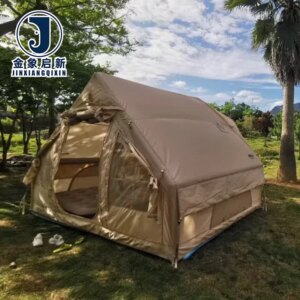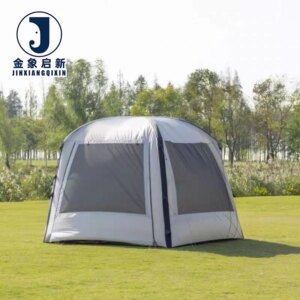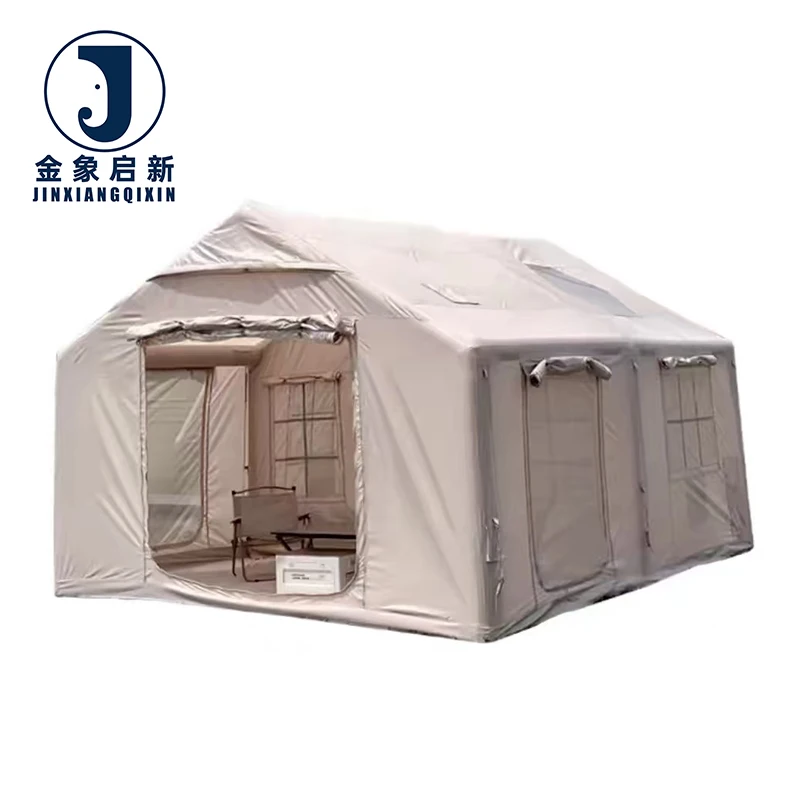
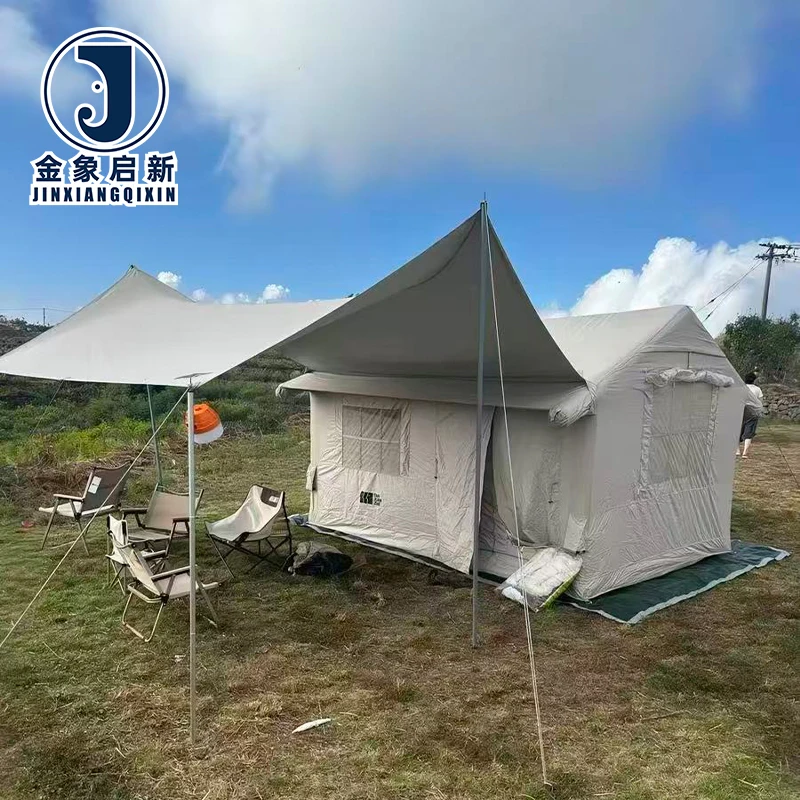
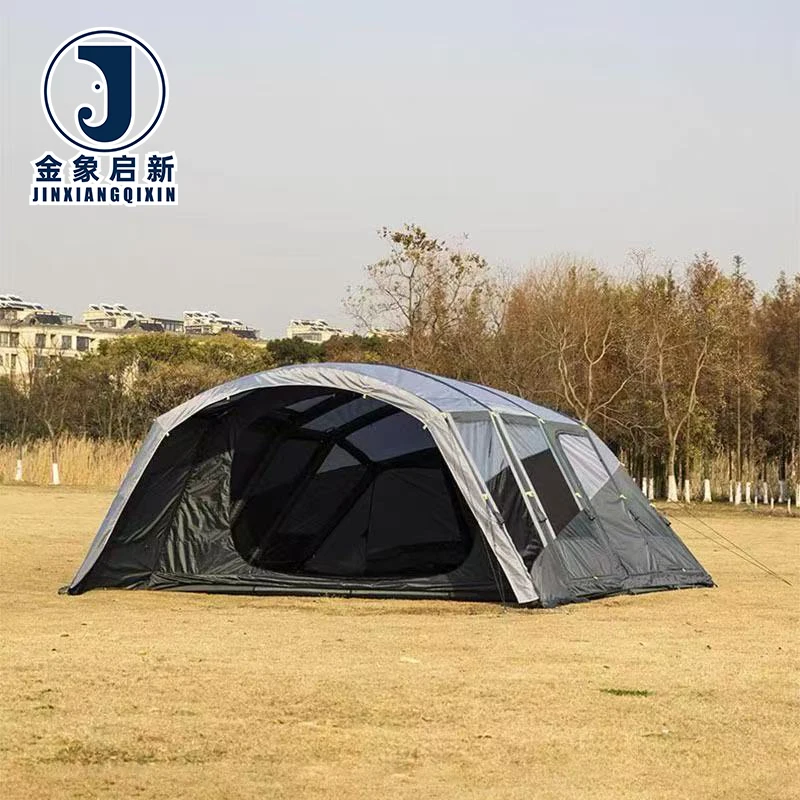
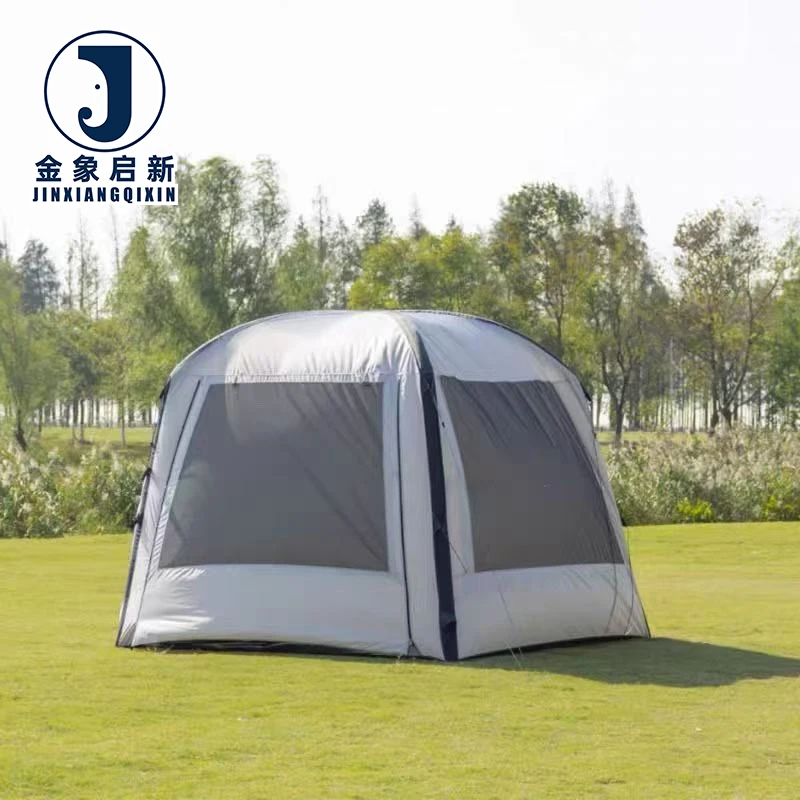
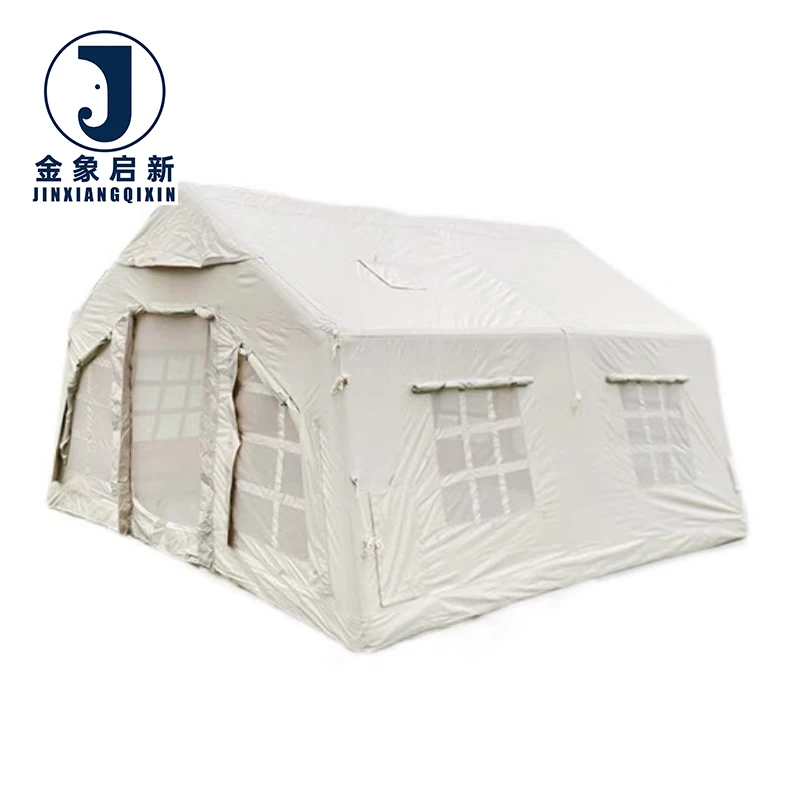
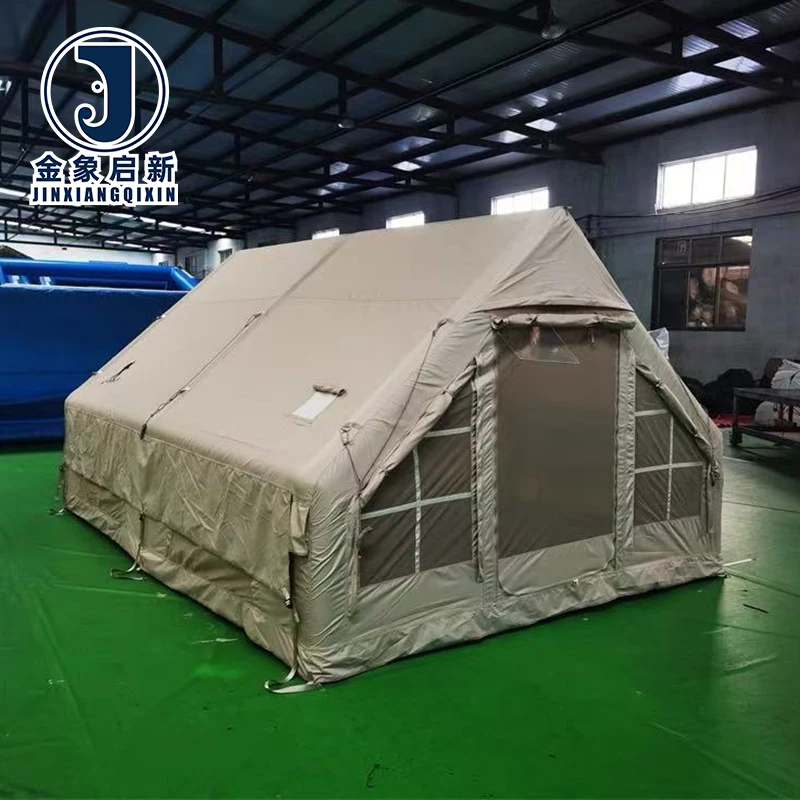
Automatic Inflatable PVC Tent — waterproof, UV-protected, and tear-resistant (200N/5cm) for rapid deployment in disaster relief and emergency shelter applications.
- Core PVC tarpaulin construction delivers reliable four-season thermal stability from -20°C to 60°C across harsh field conditions.
- Engineered for consistent batch quality and dimensional accuracy, with full OEM customization on thickness (0.4mm–1.2mm), dimensions, and branding.
- Dedicated QA/QC at every production stage with 100% pre-shipment inspection and batch-specific test documentation for international procurement compliance.
Description
Deep Coating Process Control — every PVC layer applied on our 3-line facility is monitored for adhesion and weight consistency, ensuring the inflatable tent you receive matches the material specification sheet.
Technical Specifications
| Parameter | Value |
|---|---|
| Product Type | Automatic Inflatable Four-season PVC Tent 3-5 Person |
| Core Material | PVC Tarpaulin |
| Capacity | 3-5 Person |
| Construction | Single Layer, Automatic Inflatable |
| Material Thickness | 0.4mm to 1.2mm (customizable) |
| Temperature Range | -20°C to 60°C |
| Waterproof Rating | ≥3000mmH₂O (hydrostatic pressure testing) |
| Flame Retardant Grade | UL94 V-2 |
| Tear Strength | 200N/5cm (test standard not stated in source) |
| UV Protection | Available (test basis not stated in source) |
| Customization | OEM & ODM, pattern printing, valve system modifications |
| Certifications | ISO 9001, ISO 14001, ISO 45001, CE, RoHS |
Application Suitability
| Application | Exposure & Requirement |
|---|---|
| Disaster relief operations | Rapid deployment, multi-climate resistance, immediate weather barrier |
| Emergency response centers | High traffic, repeated inflation cycles, command post durability |
| Temporary site shelters | Construction debris impact, prolonged UV exposure, wind load |
| Equipment storage | Puncture resistance from sharp tools, moisture ingress prevention |
| On-site command posts | Four-season thermal stability, lighting integration, structural integrity |
Why Certification Paperwork Matters More Than the Tent Price
The most expensive automatic inflatable PVC tent becomes a liability if the site safety officer rejects it for missing fire-retardant documentation. Compliance is verified on paper, not on the fabric surface.
Project sites increasingly demand batch-specific test reports before a single shelter is inflated. We frequently see procurement teams approve a vendor based on a generic "flame retardant" claim, only to face work stoppages when the local inspector asks for the UL94 V-2 certificate and it does not arrive with the shipment. Our documentation package closes that gap before dispatch. [NEED_CITE: UL94 V-2 standard for flammability of plastic materials]
From Material Roll to Rapid-Deployment Shelter
Selecting the right automatic inflatable PVC tent manufacturer requires looking beyond the brochure capacity rating. The PVC tarpaulin core dictates how the structure handles wind loading at the anchor points and repeated folding during transport. Material thickness from 0.4mm to 1.2mm covers the range from lightweight emergency stockpiling to heavy-grade site shelters that face daily abrasion.
Engineering the Airframe for Real Conditions
The valve system and bladder design determine how fast the tent reaches operating pressure and how well it holds that pressure across a temperature swing. A shelter deployed in a disaster relief zone may experience freezing nights and hot days, demanding material that stays flexible at -20°C without becoming brittle and remains stable at 60°C without excessive softening. Every automatic inflatable PVC tent unit we produce undergoes 24-hour inflation testing before shipment to confirm airframe integrity. [NEED_CITE: hydrostatic pressure testing methods for coated textiles]
Reading the Specs Beyond the Marketing Sheet
The waterproof rating of ≥3000mmH₂O, verified through hydrostatic pressure testing, means the PVC tarpaulin surface resists water penetration under sustained rainfall rather than just shedding a surface drizzle. Flame retardancy at UL94 V-2 indicates the material self-extinguishes within a defined time after ignition source removal, which is critical for disaster relief camps where heating equipment operates near fabric walls. Tear strength at 200N/5cm reflects resistance to propagation once a puncture occurs — important when construction equipment or debris contacts the shelter wall. The temperature range from -20°C to 60°C defines the operational envelope, and buyers should note that UV protection is available but the test basis is not stated in the source documentation; confirm the specific UV rating required for your deployment region.
The Cost of Specifying on Price Alone
Inflatable shelters that arrive lighter than the quoted material thickness fail at the seams first — the bladder tubes flex thousands of times during inflation and deflation cycles, and thin PVC coating cracks at the fold line before the base fabric gives way. Shelters deployed without verified flame retardant documentation face immediate rejection on regulated sites, leaving project managers scrambling for replacements while crews stand idle. [NEED_CITE: seam failure analysis in coated fabric structures]
Production Capability You Can Audit
Nearly 30 years of coated fabric focus means our 9,180 m² facility runs 3 full production lines with 36 sets of processing equipment dedicated to PVC tarpaulin conversion. Our 10-person R&D team handles valve system modifications, custom dimensions, and pattern printing — not outsourced design. The 16 quality checkpoints throughout production, culminating in a 24-hour inflation hold test on every unit, mean dimensional consistency across a 50-unit emergency stockpile order is managed in-process, not checked after packing.
Documentation & Verification
- Material specification sheet stating PVC tarpaulin thickness, base fabric, and coating weight per unit
- Batch-specific test reports for waterproof rating, flame retardant UL94 V-2, and tear strength
- ISO 9001, ISO 14001, ISO 45001, and CE certificates included with every shipment
- 24-hour inflation test record signed by QA staff for each tent dispatched
- RoHS compliance documentation for PVC components available on request
Fabrication, Handling & Storage
- Hot-air welding parameters must match the 0.4mm to 1.2mm PVC tarpaulin thickness range to avoid cold joints at bladder seams.
- Store rolled inflatable tents vertically to prevent permanent creasing in the PVC tarpaulin surface.
- Clean PVC tarpaulin surfaces with mild detergent; solvent-based cleaners may degrade the coating layer.
- Allow frozen units to acclimatize before inflation to prevent low-temperature cracking at fold lines.
- Field repairs require compatible PVC tarpaulin patches and heat-weld equipment for structural integrity.
- Pattern printing must account for material stretch during inflation to avoid distorted branding.
What We Need to Quote Your Project
Provide the deployment environment and temperature range so we can recommend the appropriate PVC tarpaulin thickness and confirm flame retardant documentation matches your local code. Specify whether you need OEM branding or standard configurations, the target unit count for your emergency inventory, and whether samples are required before the bulk production run.
Frequently Asked Questions
Q: What customization options are available for the automatic inflatable tent?
A: We offer material thickness adjustments from 0.4mm to 1.2mm, custom tent dimensions, valve system modifications for different inflation equipment, and pattern printing for OEM branding. Our 10-person R&D team develops samples within days for custom requirements, and production tolerances are held to ±2cm for tent dimensions across bulk orders.
Q: How are flame retardancy and waterproof ratings verified?
A: Flame retardancy is confirmed to UL94 V-2 rating, and waterproof performance is verified at ≥3000mmH₂O through hydrostatic pressure testing. Batch-specific test reports covering both parameters are included with every shipment, allowing site compliance officers to verify the automatic inflatable PVC tent meets local fire safety and weather protection codes before deployment.
Q: What certifications ship with each order?
A: Every shipment includes ISO 9001, ISO 14001, ISO 45001, and CE certificates alongside the material specification sheet and 24-hour inflation test record. RoHS compliance documentation for PVC components is available on request. These documents support international procurement requirements and site-level compliance audits for disaster relief and construction applications.
Q: How does the factory maintain consistency across bulk orders?
A: Our 3 full production lines run 16 quality checkpoints throughout manufacturing, with dedicated QA and QC staff inspecting each stage. Every automatic inflatable PVC tent unit undergoes 24-hour inflation testing before packing. Production tolerances of ±2cm for tent dimensions ensure that a 50-unit emergency stockpile order delivers uniform fit and performance across all shelters.
Q: What is the lead time for custom inflatable tent orders?
A: Standard models carry typical multi-week lead times, while samples are developed within days for evaluation. Custom designs require additional development time depending on complexity of dimension changes, valve modifications, and printing requirements. Confirm your project timeline during inquiry so we can align production scheduling with your deployment date.
Related products
-
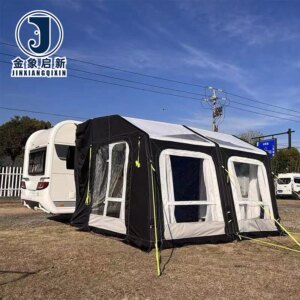
Outdoor Camping Inflatable Tent Luxury All-Season Use PVC Waterproof Quick Automatic Opening Rainproof Insulated
Read more -
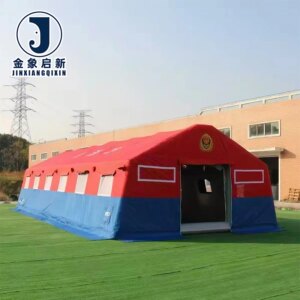
Inflatable PVC Camping Tent Four-Season Waterproof CE Certified Quick Automatic Opening 3000mm+ Factory Direct Sale
Read more -
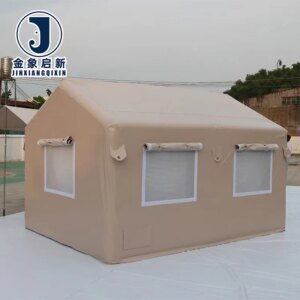
Inflatable Camping Tent PVC Waterproof Four-Season Outdoor Air Tent with Quick Automatic Opening for 3-4 Person
Read more -
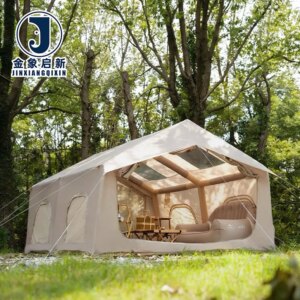
Camping Tent Inflatable UV Resistant Customizable Four-season Waterproof PVC Eco-Friendly Windproof Foldable Quick Automatic
Read more