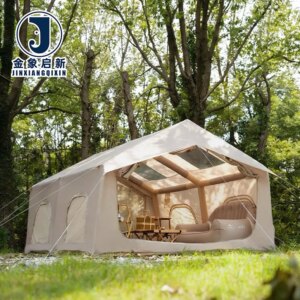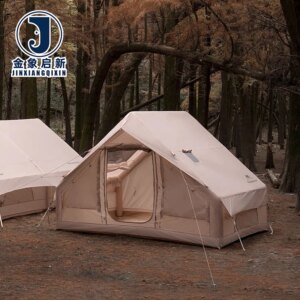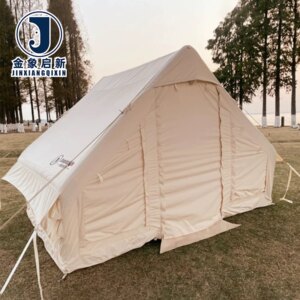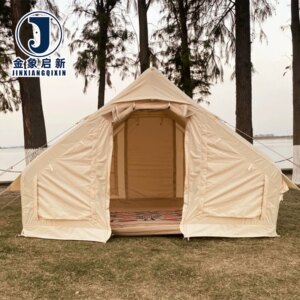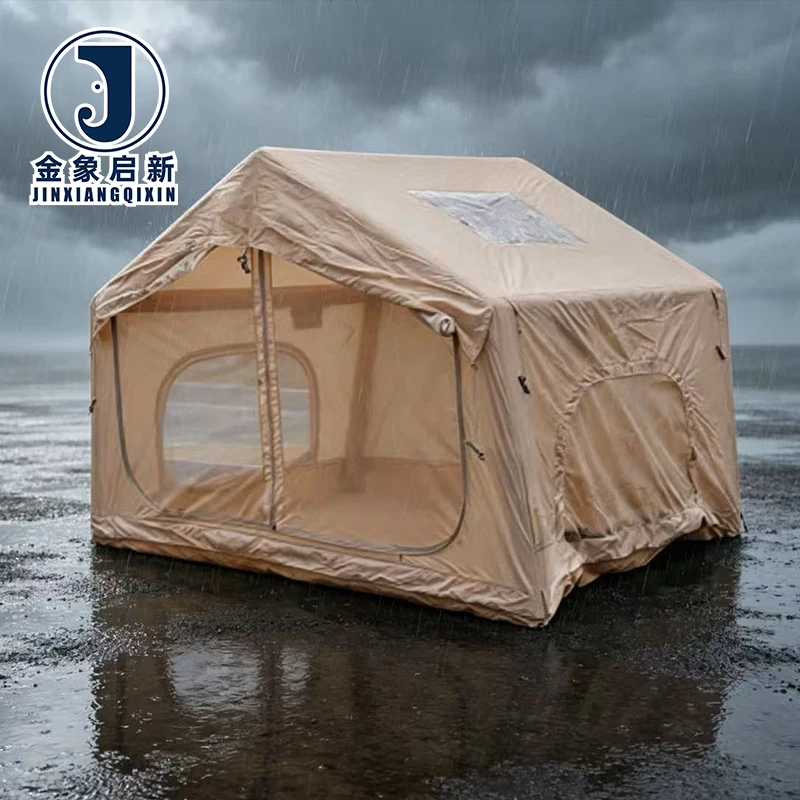
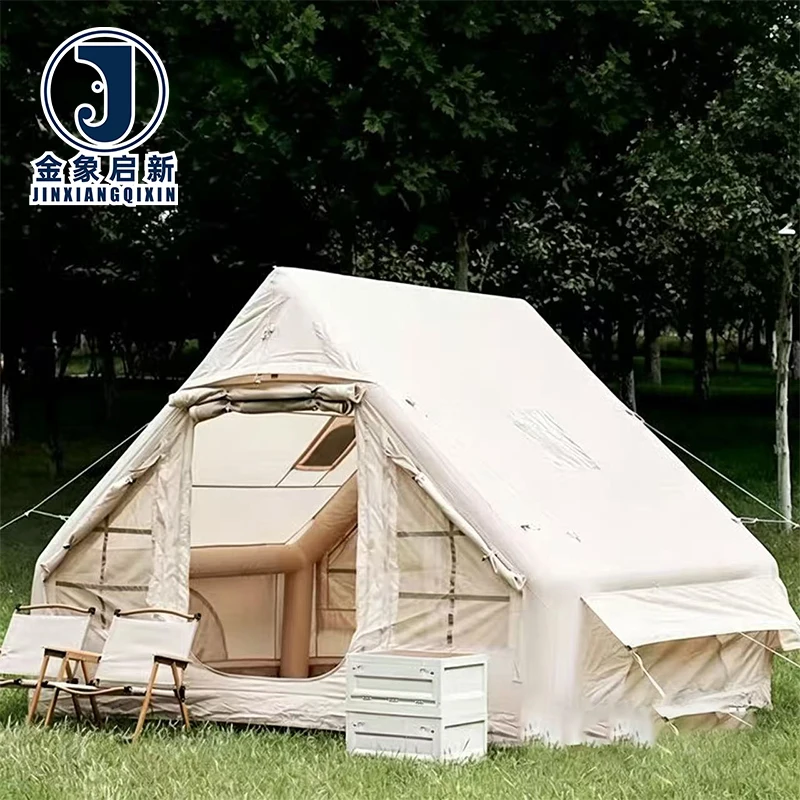
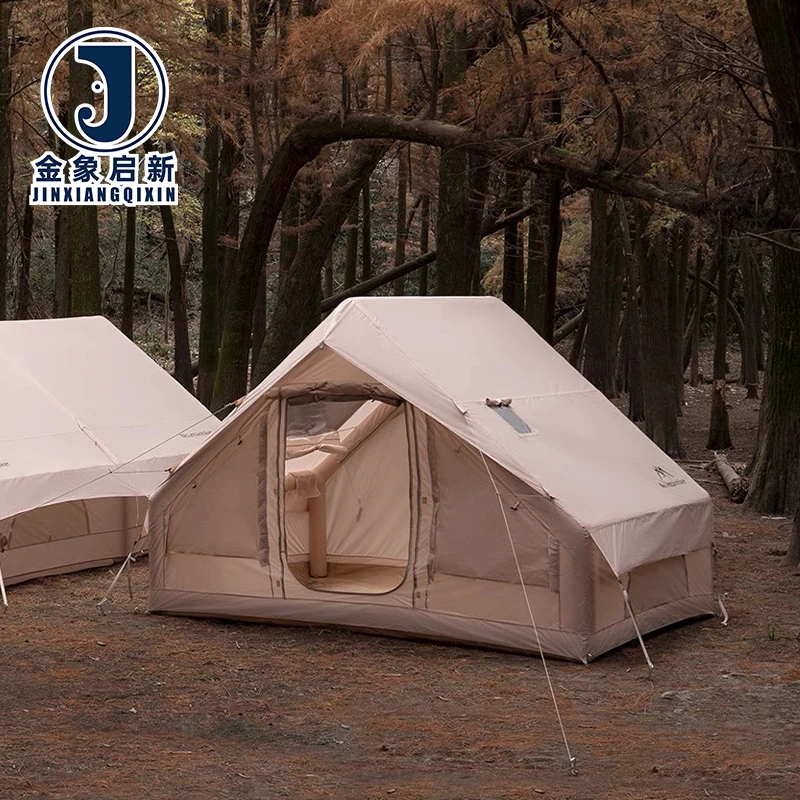
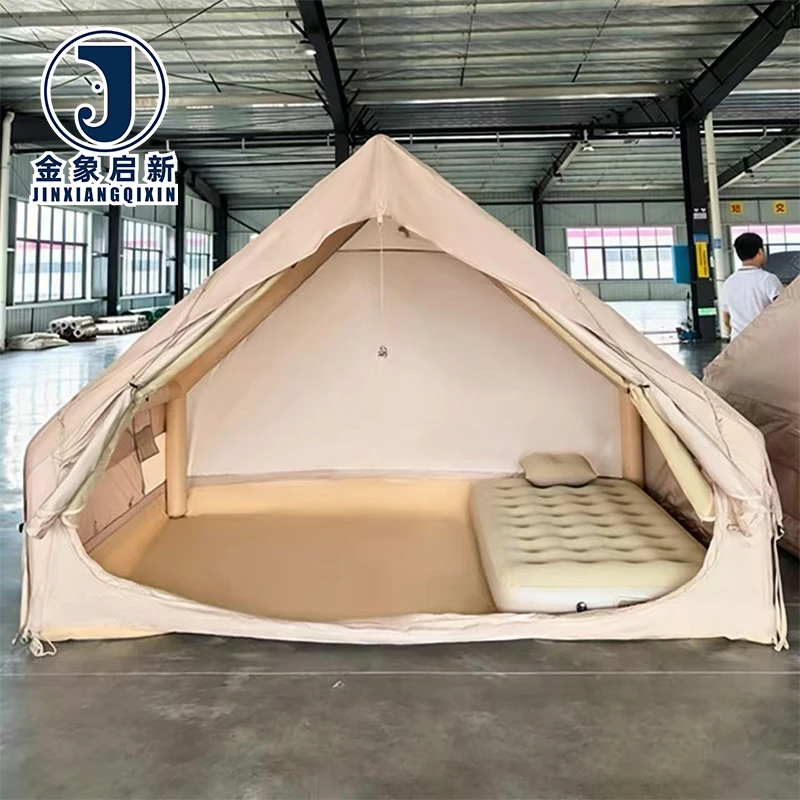
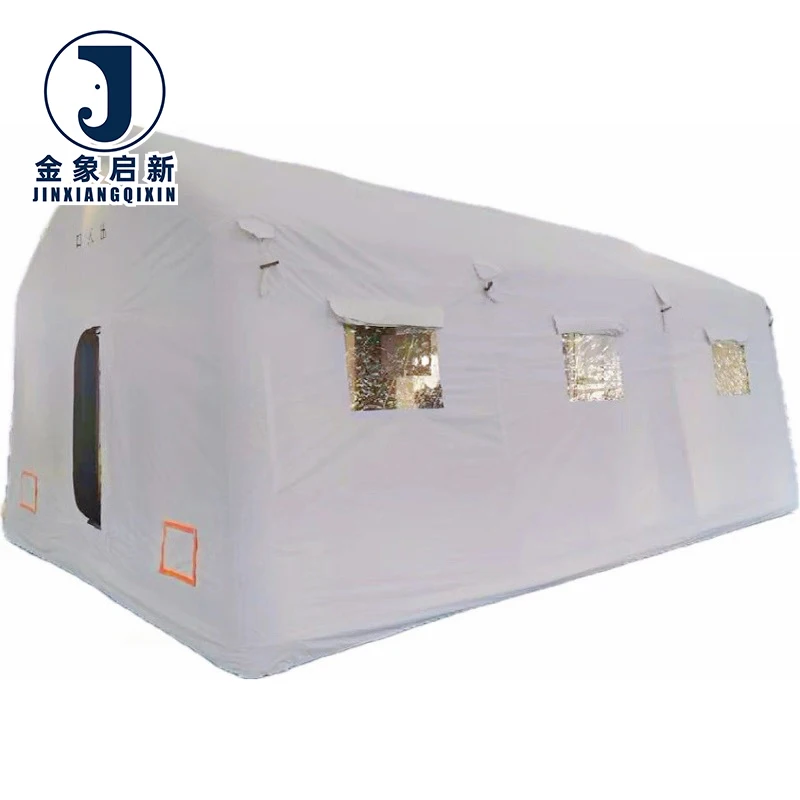
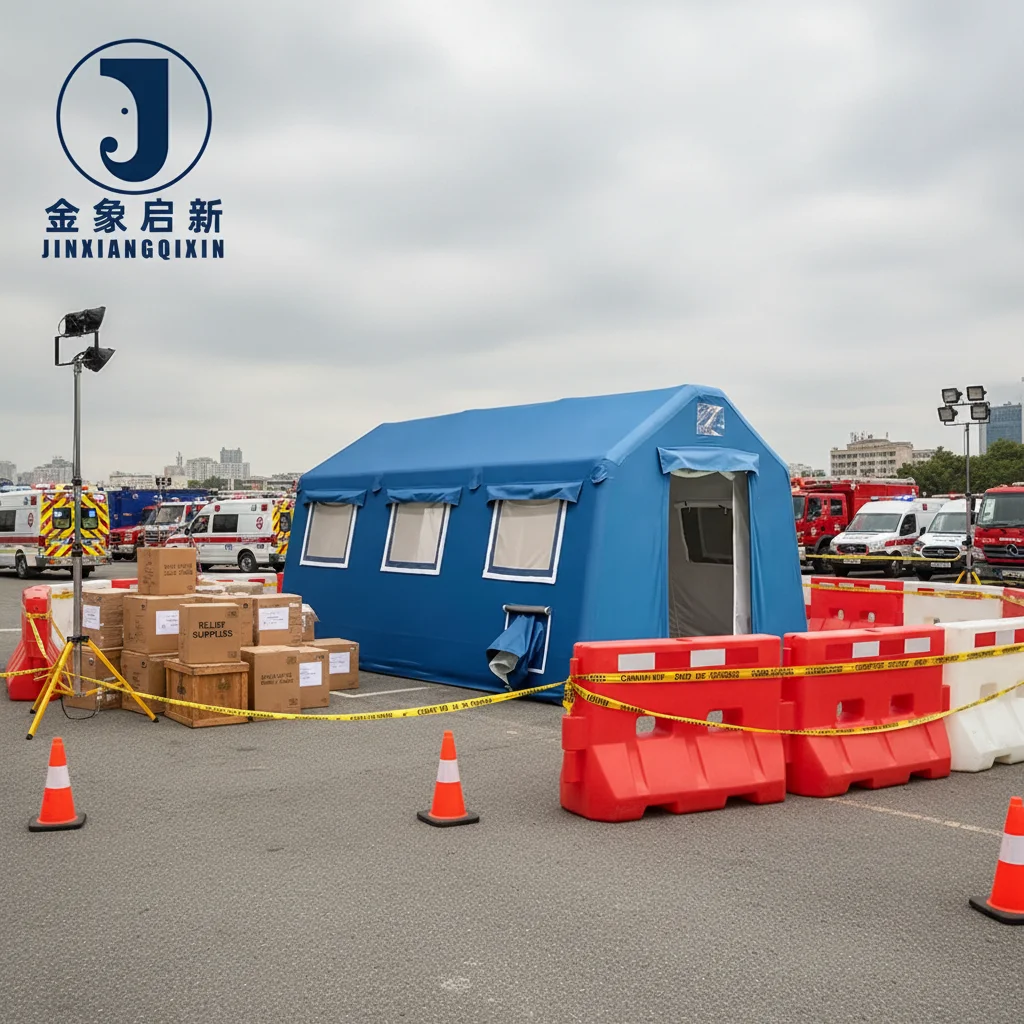
Inflatable Tent — Waterproof, UV-Resistant, Tear-Resistant PVC Fabric, Single Layer, Four-Season Design with Quick Automatic Opening.
- Material specification covers PVC base fabric denier, weave and coating weight matched to target GSM
- Seam welding at flex points prevents failure before fabric; OEM/ODM supports custom sizing, pattern printing and branding
- Full customization from design to delivery, backed by 30 years of coated fabric expertise, 10-person R&D and 100% pre-shipment inspection
Description
Complete Custom Capability — From PVC fabric selection and pattern printing to finished inflatable tent sizing, backed by nearly 30 years of coated fabric process control and a dedicated technical team.
Technical Specifications
| Parameter | Value |
|---|---|
| Product Type | Inflatable Camping Tent / Outdoor Shelter Tent |
| Core Material | Waterproof UV-Resistant PVC Fabric |
| Construction | Single Layer |
| Design | Four-Season, Extended Type, Quick Automatic Opening |
| Key Performance | Waterproof, UV-Resistant, Tear-Resistant |
| UV Treatment | UV-Resistant (test basis not stated — verify grade required) |
| Customization | OEM & ODM (sample customization, pattern printing) |
| Certifications | ISO9001, ISO14001, ISO45001, CE |
Application Suitability
| Application | Exposure & Requirement |
|---|---|
| Temporary site shelters for construction projects | Wind load, debris impact, repeated setup and teardown cycles |
| Mobile storage facilities for logistics operations | Constant UV exposure, ground moisture, mechanical abrasion from loading |
| Emergency response units for disaster management | Rapid deployment, extreme weather, reliability under field conditions |
| Commercial camping equipment manufacturing | Brand consistency across production batches, consumer-grade finish quality |
| Industrial outdoor shelters | Long-term weathering, chemical exposure from industrial environments |
Why Colour Consistency Across Rolls Matters More Than Price Per Metre
Batch colour drift is the defect that only shows up after installation — when two panels sit side by side in daylight.
Tent manufacturers and event contractors frequently discover that rolls from the same purchase order carry slightly different hues, a problem invisible on the warehouse floor but glaring once the structure is erected. This forces selective panel matching, wasteful re-cuts, or complete order rejection on site. [NEED_CITE: colour fastness and batch consistency standards for coated fabrics]. Sourcing a custom inflatable camping tent with verified batch traceability removes this risk before production begins.
How Inflatable Tent Fabric Is Selected for Structural Integrity
The membrane of an inflatable camping tent carries the entire structural load once the air beams are pressurised. This means the PVC-coated fabric must resist both steady internal pressure and dynamic wind-induced flexing without delaminating or tearing at the seam lines. An Inflatable Tent manufacturer selects base fabric denier and weave density to match the intended operating pressure and environmental exposure, ensuring the material performs reliably through repeated inflation cycles.
Balancing Portability and Durability in Outdoor Shelter Design
A single layer construction keeps the packed weight manageable for transport and rapid field deployment, while still providing the waterproof barrier required for extended outdoor use. The four-season design and quick automatic opening feature demand a fabric that remains pliable in cold conditions and dimensionally stable in heat. Choosing the right coating weight and surface finish directly affects how the tent folds, packs, and performs across varying temperatures. [NEED_CITE: low-temperature flexibility testing for PVC coated textiles].
Reading the Specifications That Actually Matter
Waterproof performance in a PVC inflatable tent depends on the coating continuity and seam welding quality rather than the fabric weight alone. A heavier GSM does not automatically mean better water resistance if the base fabric weave leaves gaps that the coating cannot bridge uniformly. Tear resistance is governed by the base yarn denier and the ripstop grid pattern, which stop a small puncture from propagating into a structural failure. UV-resistant treatment slows surface degradation and colour fading, though the specific test basis should be confirmed against your regional compliance requirements before placing an order. The single layer construction reduces trapped moisture between plies, which matters in humid or marine environments where mould growth between layers compromises air quality inside the shelter.
What Happens When the Seam Fails Before the Fabric Does
Welded seams on inflatable structures endure concentrated stress at the points where the air beam meets the canopy, and these junctions flex every time wind loads shift. If the welding temperature or dwell time is not calibrated to the specific PVC formulation, the bond line becomes the weakest element in the entire assembly. Contractors replacing failed tents in the field consistently find the tear initiating at a weld edge, not across the body of the fabric. [NEED_CITE: hot-air welding parameters and peel strength for PVC coated fabrics]. Specifying the correct coating type and confirming weld compatibility during the sample phase prevents this failure mode from reaching production.
Why Sourcing Directly from the Coating Line Changes the Outcome
Working with a manufacturer that controls the coating process from base fabric inspection through to finished roll packing means every specification on the data sheet is traceable to a production parameter. The 10-person R&D team develops material selections and sample prototypes within days, allowing tent brands to validate colour, hand feel, and weld behaviour before committing to bulk. Three full production lines and 36 sets of professional processing equipment support volume orders while maintaining batch-to-batch consistency. Dedicated QA and QC staff inspect every stage, and a 100% pre-shipment inspection catches deviations that in-line checks might miss. This depth of process control is what separates a reliable custom Inflatable Camping Tent supply partner from a trader reselling unverified stock.
Documentation & Verification
- Material specification sheet confirming PVC base fabric type, coating method, and colour reference per order
- UV resistance and flame-retardant test reports provided where the specific grade is confirmed at inquiry
- Pre-shipment inspection record with batch quality data traceable to order number
- ISO and CE certificates included in the documentation package for customs clearance
- Roll packing list detailing net weight, gross weight, and dimensions for container loading
Fabrication, Handling & Storage
- Hot-air welding temperature must match the PVC coating formulation to achieve full peel strength at beam junctions
- Store rolls vertically on end-caps to prevent permanent creasing across the coated surface
- Use compatible PVC adhesive for field repairs on single layer panels to maintain waterproof integrity
- Avoid dragging cut panels across abrasive ground during tent assembly to protect the coating face
- Clean with pH-neutral detergent only, as solvents may degrade the UV-resistant surface treatment
What to Include in Your Next Inquiry
Provide the intended application environment — whether the inflatable tent will serve as a construction site shelter, a commercial camping product, or an emergency response unit — along with your target market’s compliance requirements. Specify the fabric width, annual volume, and whether you need finished cut-and-sewn components or full rolls for your own fabrication line. If colour matching or pattern printing is required, share your Pantone or RAL reference so the sample phase can address consistency directly.
Frequently Asked Questions
Q: What customization options are available for inflatable tent sizing, printing, and design?
A: The OEM and ODM service covers custom dimensions, pattern printing, branding, and material selection across the full PVC fabric range. Samples are developed to your specification for approval before bulk production begins, ensuring the finished custom Inflatable Camping Tent matches your design and performance requirements.
Q: How is UV resistance verified and what test basis supports the claim?
A: UV-resistant treatment is applied during the coating process, but the specific test standard and exposure hours should be confirmed against your market’s regulatory requirements at the inquiry stage. Request the applicable test report before finalising your order to ensure compliance documentation is complete.
Q: What is the sample development process and typical lead time for custom inflatable tents?
A: Once your application, size, and material requirements are confirmed, the R&D team develops a sample for design and performance validation. Approval of the sample triggers bulk production with in-process QA checks throughout, reducing the risk of specification deviations reaching shipment.
Q: How is batch colour consistency controlled across large orders?
A: Colour reference is locked at the sample approval stage, and production runs are monitored to maintain consistency across all rolls in the order. Pre-shipment inspection includes visual batch comparison, and a roll packing list provides traceability for every unit shipped.
Q: What certifications and documentation ship with each order for customs and compliance?
A: Each shipment includes ISO9001, ISO14001, ISO45001, and CE certificates, along with a material specification sheet, pre-shipment inspection record, and packing list. Additional test reports for UV or flame-retardant grades are provided where the grade was specified and confirmed during the inquiry process.
Related products
-
Inflatable Camping Tent PVC Waterproof Four-Season Outdoor Air Tent with Quick Automatic Opening for 3-4 Person
Read more -
Outdoor Camping Inflatable Tent Luxury All-Season Use PVC Waterproof Quick Automatic Opening Rainproof Insulated
Read more -
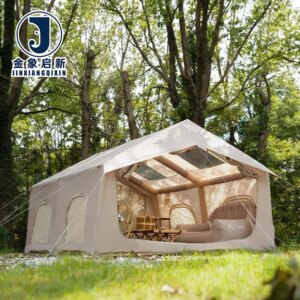
Camping Tent Inflatable UV Resistant Customizable Four-season Waterproof PVC Quick Automatic Opening 2-3 Person Outdoor
Read more -
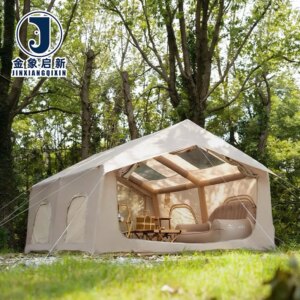
Camping Tent Inflatable UV Resistant Customizable Four-season Waterproof PVC Eco-Friendly Windproof Foldable Quick Automatic
Read more