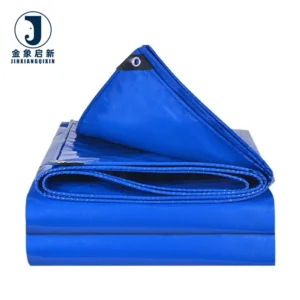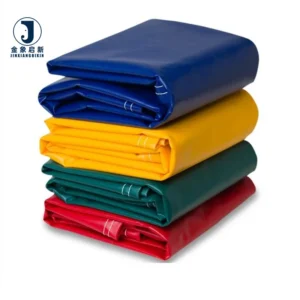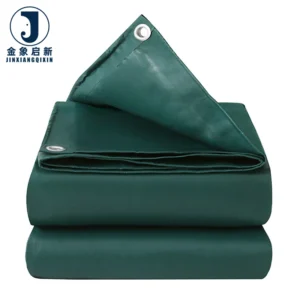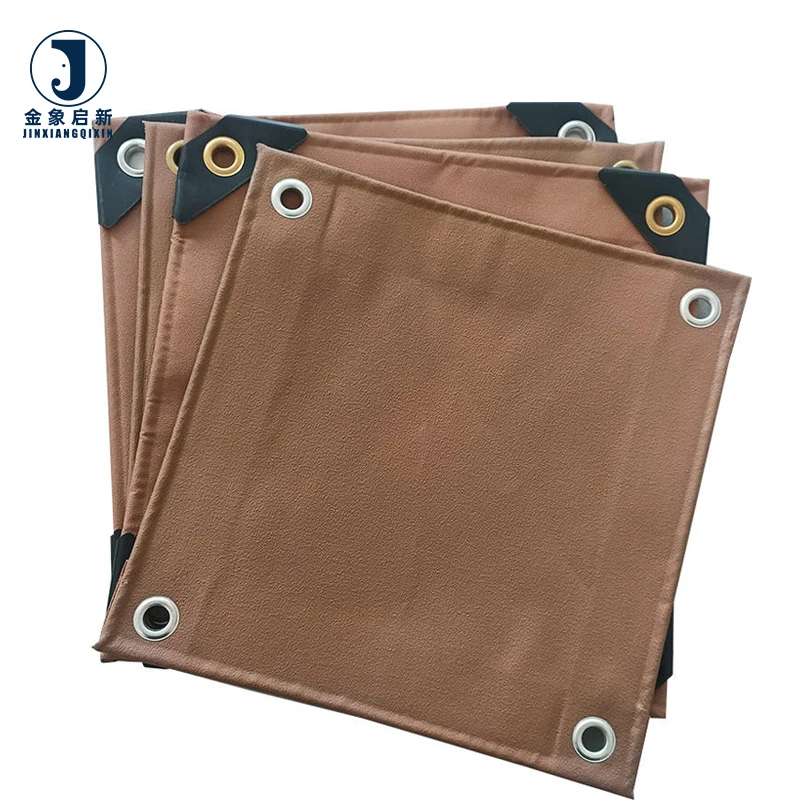
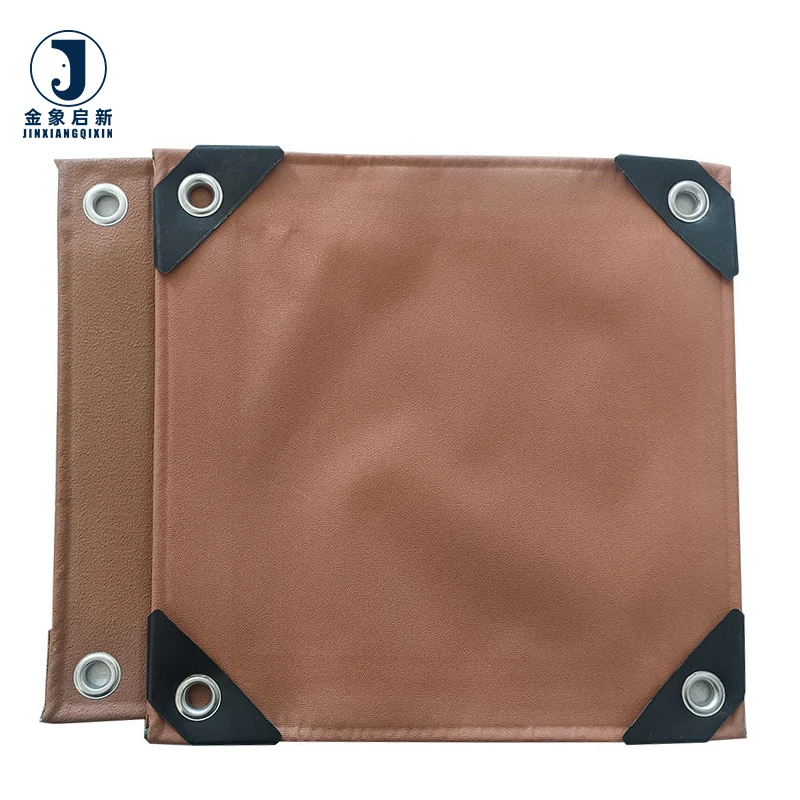
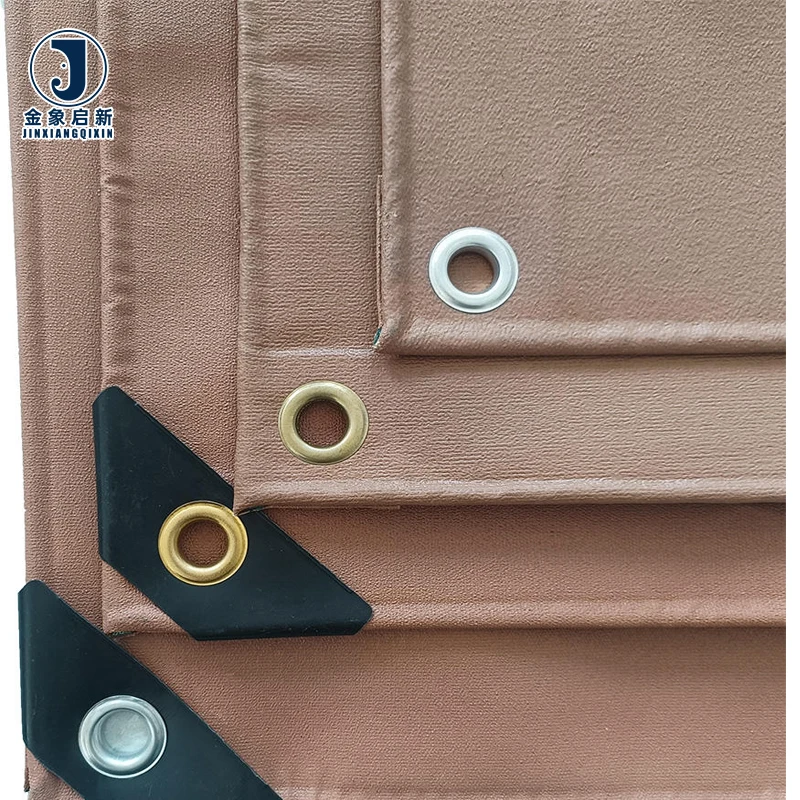
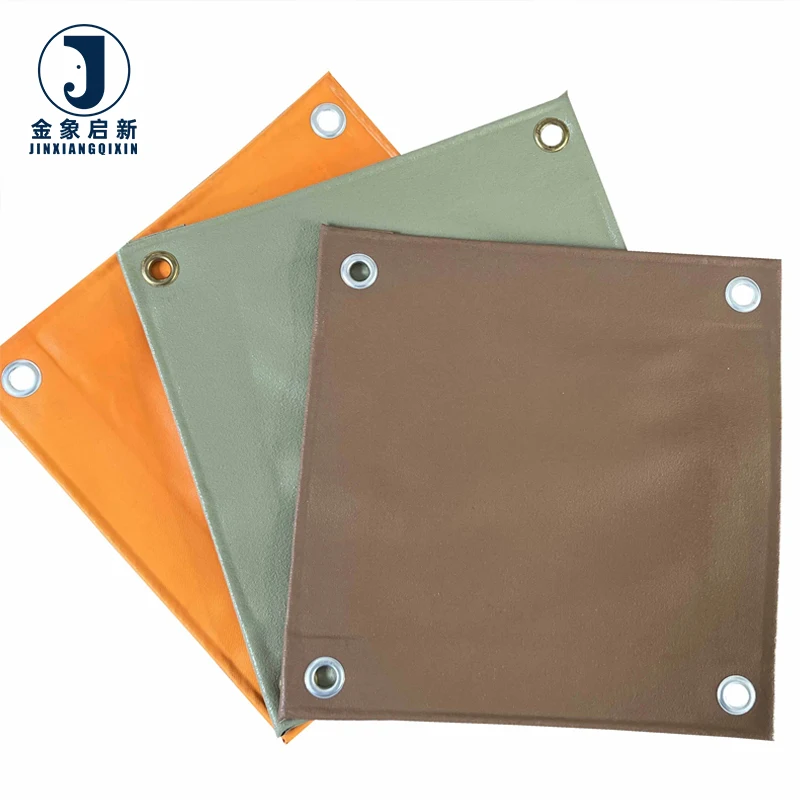
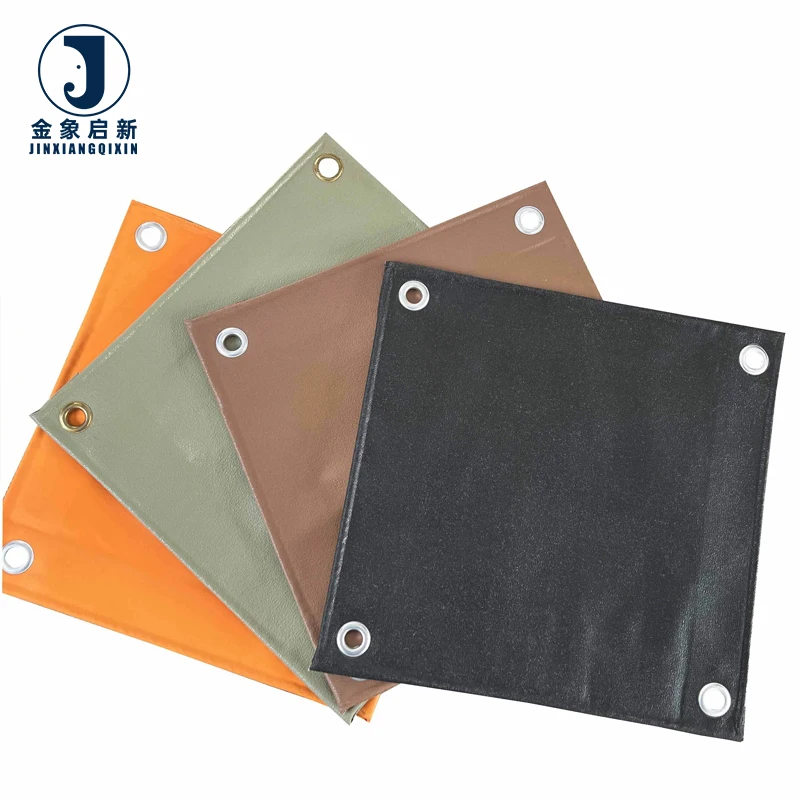
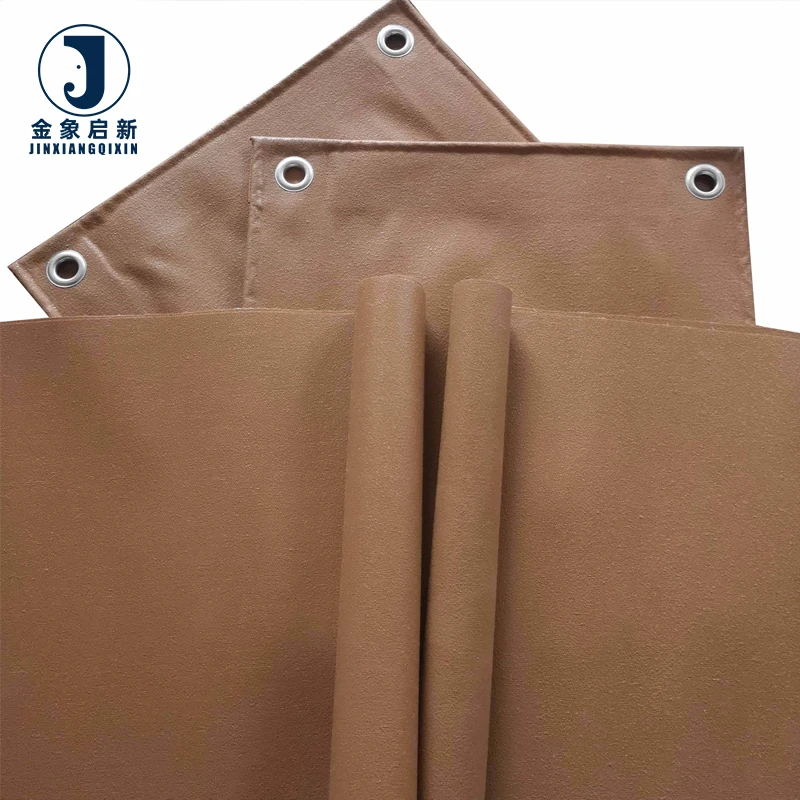
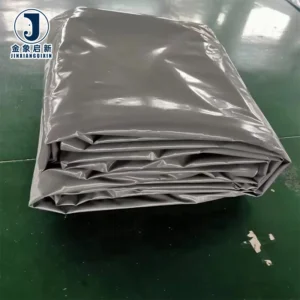
PVC Coated Tarpaulin Waterproof Truck Cargo Cover — available in 500gsm to 900gsm weights with flame retardant, anti-static and anti-mildew treatments for demanding transport and industrial environments.
- Coating weight and base fabric selection directly influence tensile performance and weld integrity at flex points
- Custom sizing with consistent colour across rolls reduces on-site waste and rework
Supported by 100% pre-shipment inspection, dedicated QA at every stage, and samples developed within days for custom specs.
Description
Verified Coating Adhesion — every roll of 500gsm 600gsm PVC coated tarpaulin undergoes dedicated coating weight checks before leaving the line, matching the specification sheet provided with your order.
Technical Specifications
| Parameter | Value |
|---|---|
| Product Type | PVC Coated Tarpaulin |
| Weight (GSM) | 500gsm / 600gsm (confirm exact grade per order line) |
| Coating Material | PVC |
| Waterproof | Yes |
| Flame Retardant | Available (grade not stated — request test report for your market) |
| Anti-Static | Available (standard not stated — request certification where required) |
| Anti-Cold | Available |
| Anti-Mildew | Available |
| Weather Resistance | Suited to 1–3 years outdoor exposure |
| Application Form | Truck cargo cover / Roll stock |
Application Suitability
| Application | Exposure & Requirement |
|---|---|
| Truck and trailer cargo covers | Constant road vibration, UV exposure, rain ingress, flex-point abrasion at tie-downs |
| Construction site equipment covers | Outdoor weathering, dust ingress, periodic handling and folding |
| Tarpaulin distributor roll stock | Batch colour consistency, uniform GSM across rolls, brand printing surface |
| Agricultural stock covers | Moisture exposure, mildew risk, seasonal deployment and storage |
What Happens When Quoted GSM Does Not Match the Roll You Receive
The coating weight on the invoice means nothing if the material on the dock weighs less.
Buyers regularly approve a PVC coated tarpaulin specification at quotation stage, only to find the delivered rolls fall short of the agreed GSM once weighed on-site. Lighter coating reduces the overall thickness and compromises the bond between the PVC layer and the base fabric. The result is premature delamination at stress points — particularly where truck cargo covers flex under tie-down straps or where welded seams carry the full load during transit. A PVC coated tarpaulin manufacturer custom specification must be backed by roll-level verification, not a blanket claim on the data sheet. [NEED_CITE: coating weight deviation tolerance in PVC tarpaulin production per ISO 2286]
Coating Weight and Its Relationship to Field Durability
The GSM rating of a PVC coated tarpaulin reflects the combined mass of the base fabric and the applied PVC layers. A 500gsm grade suits lighter-duty truck cargo covers and short-term site protection, while a 600gsm grade provides additional coating mass for heavier handling and longer outdoor exposure. The critical factor is that the coating must penetrate and encapsulate the base yarns uniformly — insufficient penetration leaves exposed fibres vulnerable to moisture ingress and mildew formation over repeated wet-dry cycles.
Treatment Options That Must Be Backed by Documentation
Flame retardant, anti-static, anti-cold and anti-mildew treatments are all available across this PVC coated tarpaulin range. However, specifying "flame retardant" without naming the applicable grade leaves compliance gaps when your end market requires certification to a particular standard. Anti-static treatments similarly need a stated test basis if the fabric will be used in environments where static discharge is a safety concern. Request the relevant test report before confirming your order so that the delivered PVC coated tarpaulin fabric aligns with the regulatory framework of your destination market. [NEED_CITE: flame retardant classification systems for coated textiles]
How Base Fabric and Coating Work Together Under Load
A 500gsm or 600gsm PVC coated tarpaulin relies on two structural elements: the woven polyester base fabric providing tensile and tear strength, and the PVC coating protecting those yarns from abrasion, UV degradation and moisture. Coating weight alone does not determine how the fabric performs under tension — the denier and weave density of the base cloth govern how a tear propagates once initiated. A heavier coating on a loosely woven base may resist water effectively but still tear easily along the warp. Conversely, a tightly woven base with thin coating may show high tensile readings but fail when surface abrasion wears through to the exposed yarns. Understanding this balance is essential when selecting between 500gsm and 600gsm grades for truck cargo covers that face constant strap pressure and road debris impact. [NEED_CITE: tensile and tear test methods for coated fabrics per ISO 1421]
The Cost of Specifying the Wrong Grade or Treatment
When a transport fleet orders PVC coated tarpaulin for side curtains or cargo covers and receives a grade lighter than what the load demands, the first signs of failure appear at the welded seams and eyelet zones. The fabric itself may hold, but the seams — where the material flexes most under wind load and tie-down tension — begin to peel. Similarly, if flame retardant treatment was specified but no test report was requested, the material may fail a site inspection at a construction or mining facility, leading to rejection of the entire batch and project delays. Colour variation between rolls in the same shipment is another consequence of insufficient production control — visible immediately when two panels are installed side by side on a trailer or structure. [NEED_CITE: common failure modes in PVC tarpaulin field use]
Why Coating Process Control Matters at This GSM Range
Producing consistent 500gsm and 600gsm PVC coated tarpaulin requires precise control over coating application speed, oven temperature and blade gap settings. Inconsistent blade pressure creates thin spots where the base fabric is inadequately covered — these weak points become visible only after weeks of outdoor exposure when UV and moisture attack the unprotected yarns. Our three full production lines and 36 sets of professional equipment maintain tight tolerances across each run, ensuring that every metre of PVC coated tarpaulin leaving the facility meets the stated coating weight. A 10-person R&D team develops custom formulations when buyers need specific treatment combinations — such as flame retardant plus anti-mildew — and validates them with test documentation before bulk production begins. Every roll is subject to dedicated QA/QC with pre-shipment inspection, so the coating weight, colour reference and treatment performance match the specification sheet you approved.
Documentation & Verification
- Material specification sheet stating exact 500gsm or 600gsm grade, base fabric denier and coating composition per order
- Test report for flame retardant or anti-static treatment — request the applicable standard before order confirmation
- Pre-shipment inspection record confirming coating weight and visual quality across all rolls in the dispatch
- Roll packing list with individual roll weights and dimensions for dock-side verification
- Certificate of origin and customs documentation supporting international shipment clearance
Fabrication, Handling & Storage
- Heat-weld PVC coated tarpaulin seams at temperature settings matched to the 500gsm or 600gsm grade to avoid delamination
- Reinforce eyelet zones with additional PVC patches at strap contact points to distribute tie-down load across the coating
- Store rolls upright on pallets in dry, shaded conditions to prevent permanent creasing of the PVC surface
- Allow cold-stored rolls to reach ambient temperature before unrolling to prevent coating crack in anti-cold treated grades
- Use mild detergent and soft brush for cleaning — avoid solvents that degrade the PVC coating bond to the base fabric
- Plan cutting layouts to minimise waste from standard roll widths and reduce the number of welded joins in large covers
What to Include in Your Inquiry
Provide the intended application — truck cargo cover, site protection or roll stock resale — along with the exposure conditions the fabric will face. Specify whether your market requires flame retardant or anti-static certification and name the applicable standard. Confirm whether you need roll stock at standard widths or custom cut sizes with hem and eyelet finishing. If colour matching or branded printing is required, share the Pantone or RAL reference and the expected annual volume so that sample development can proceed before bulk commitment.
Frequently Asked Questions
Q: How is the GSM weight verified on arrival and what documentation supports it?
A: Each roll is weighed and measured during pre-shipment inspection to confirm the 500gsm or 600gsm specification matches your order. A packing list with individual roll weights accompanies every dispatch. You can conduct your own verification on-site using a scale and a measured sample cut — the documentation provides the baseline for comparison.
Q: What flame retardant grade applies to my market and can a test report be provided?
A: Flame retardant treatments are available in multiple grades. The grade required depends on your destination market — European, North American and Asian markets each reference different standards. Request the applicable test report during the inquiry stage so the correct formulation is applied to your PVC coated tarpaulin order before production begins.
Q: How do I specify custom width, length, eyelet spacing and hem reinforcement?
A: Provide the finished dimensions, eyelet spacing interval and hem construction preference — welded or stitched with reinforcement tape. Our R&D team reviews the specification against the selected 500gsm or 600gsm grade and produces a sample for your approval before bulk cutting proceeds, ensuring the finished truck cargo cover fits the intended trailer or equipment profile.
Q: What is the sample development process and lead time for custom colour or printed tarpaulin?
A: Submit your Pantone or RAL colour reference and any print artwork. Samples are developed within days and shipped for your review. Once colour and print quality are approved against your reference standard, bulk production follows using the confirmed formulation to maintain consistency across all rolls in the order.
Q: How is batch colour consistency controlled across rolls in a single order?
A: All rolls in a single order are produced from the same coating batch with controlled pigment dosing and oven conditions. A colour reference check is performed during pre-shipment inspection to ensure no visible variation between panels when installed side by side on trucks or structures.
Related products
-
PVC Fabric Material Woven Tarpaulin Waterproof Woven Fabric Tarpaulin
¥0.50 Add to cart -
Pvc Coated Waterproof Tarpaulin Heavy Duty Tarp for Tent Roof Stocklot Lumber
¥1.60 Add to cart -
Waterproof Custom 1000D 550GSM/900GSM Self Clean PVC Coated Tarpaulin for Truck. Tent. Roof Cover Flood Barrier
¥0.99 Select options This product has multiple variants. The options may be chosen on the product page -
630 Gsm Blue/Grey/Orange Pvc Tarpaulin Roll Pvc Tarpaulin Truck Tarpaulin Pvc Coated Tarpaulin
¥1.66 Add to cart