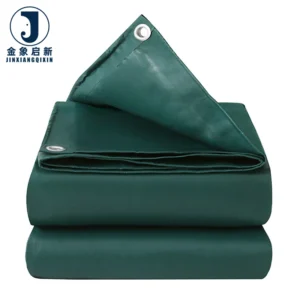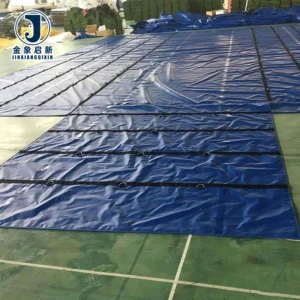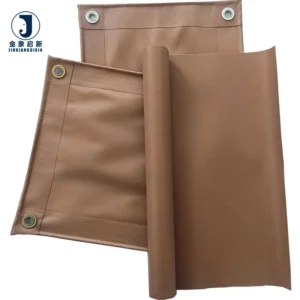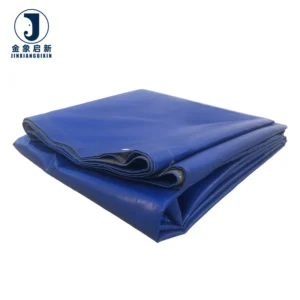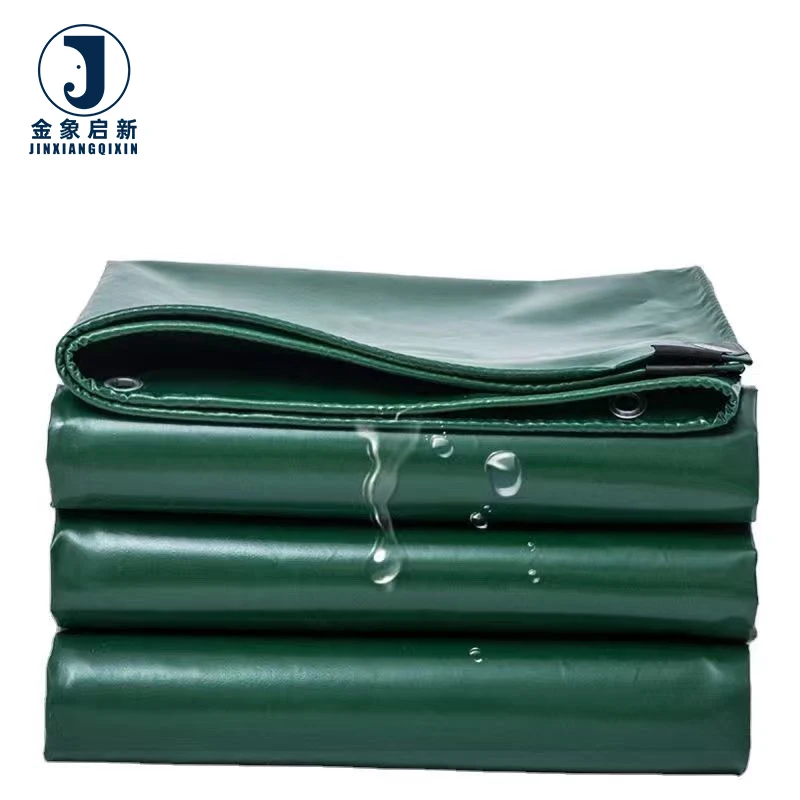
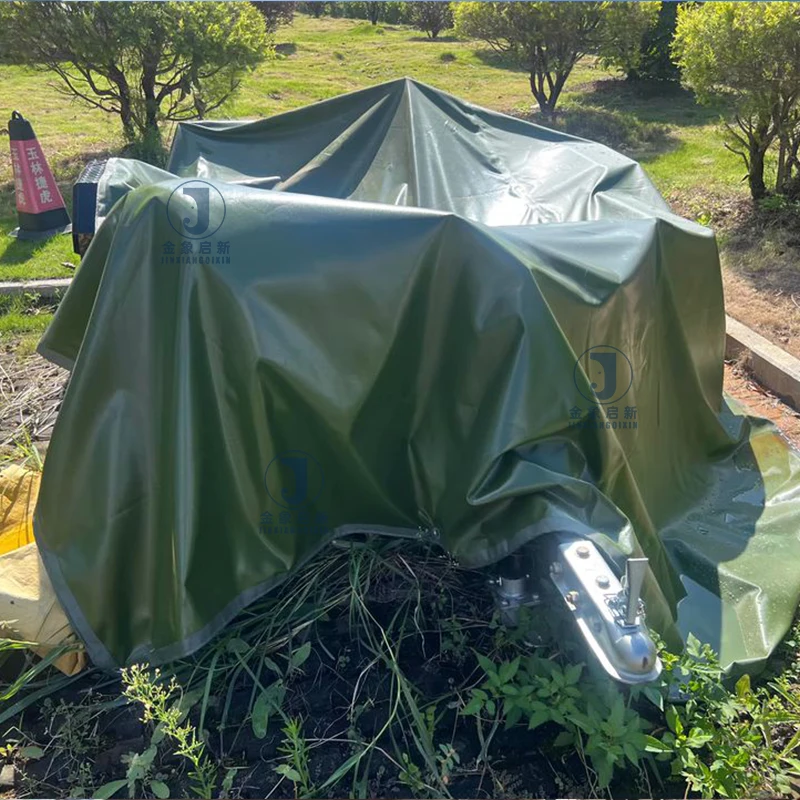
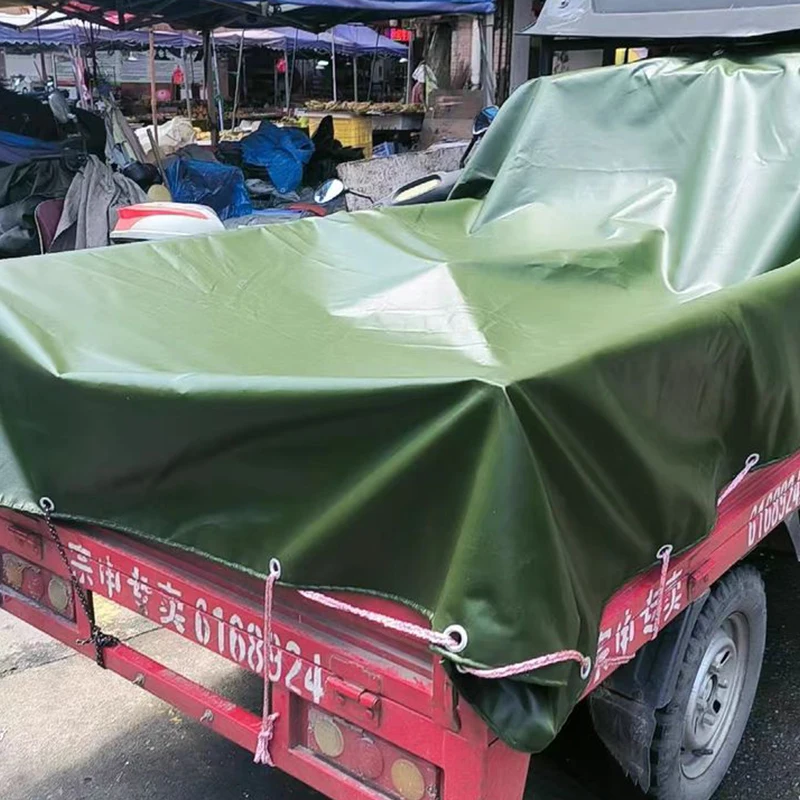
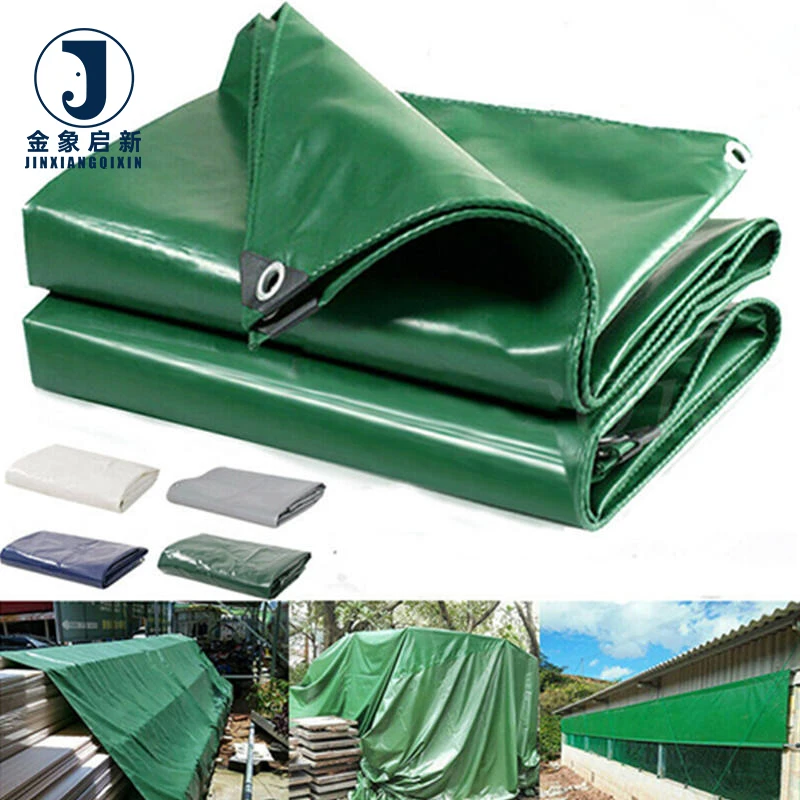
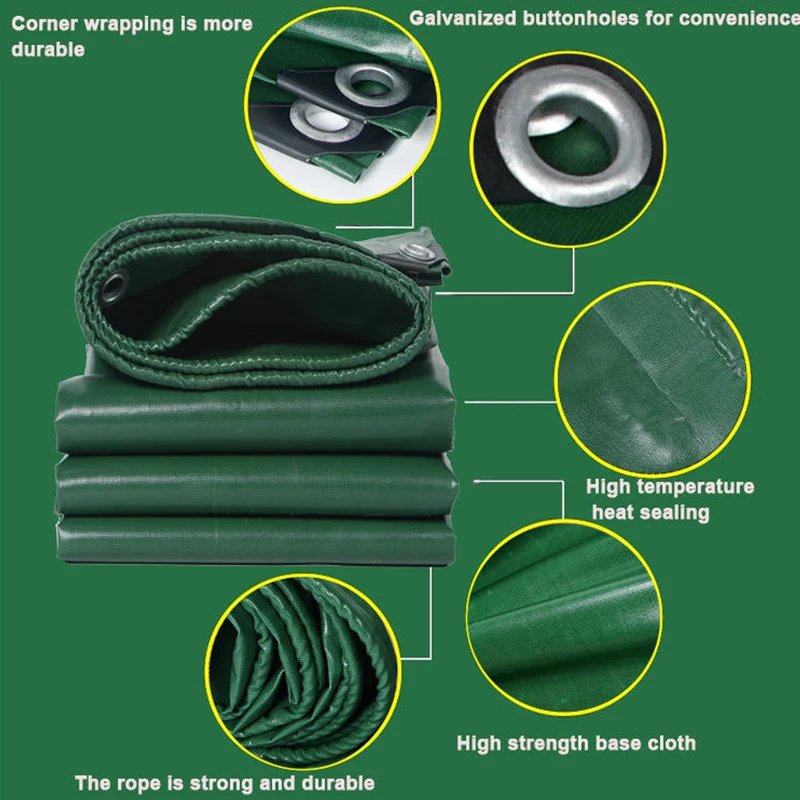
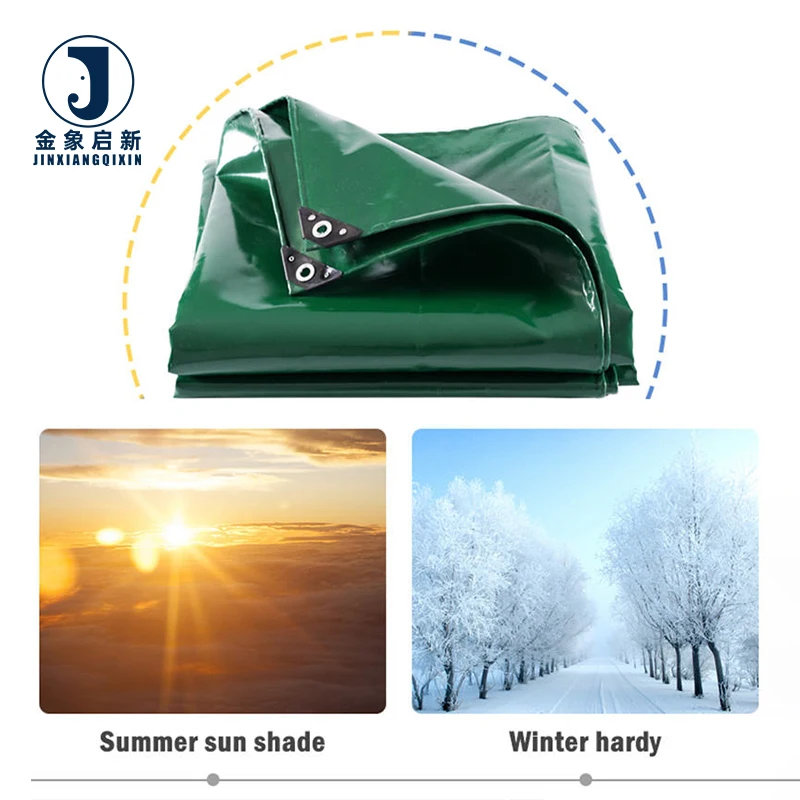
PVC Coated Tarpaulin — 250gsm-1500gsm, 200D×300D to 1000D×1000D base, glossy or matte finish, waterproof with UV, FR and anti-fungal treatment options.
- Base fabric denier and coating weight matched to your tensile and tear requirements, not a one-spec-fits-all approach
- Coating adhesion controlled in-process so the GSM on the spec sheet is the GSM on the scale
- Backed by 10-person R&D, 3 full production lines and 100% pre-shipment inspection
Description
Verified Coating Control — every roll of PVC coated tarpaulin leaves the line with documented GSM, batch-matched colour and treatment certificates tied to the production lot, not a generic download.
Technical Specifications
| Parameter | Value |
|---|---|
| Product Type | PVC Coated Tarpaulin |
| Weight Range | 250 gsm – 1500 gsm |
| Base Fabric Denier | 200D×300D, 500D×500D, 840D×840D, 1000D×1000D |
| Standard Sizes | 3×4 m, 6×8 m, 8×10 m, 10×12 m or custom made |
| Surface Finish | Glossy or matte |
| Available Colours | Blue, yellow, black, green, white and custom options |
| Treatment Options | Waterproof, UV, flame retardant and anti-fungal (grade not stated — confirm the grade required for your market) |
| Temperature Range | -15 °C to 70 °C |
| Key Features | Water-proof, rain-resistant, tear-resistant, flexible, strong adhesion, abrasion-resistant |
| Standards | ISO, CE |
Application Suitability
| Application | Exposure & Requirement |
|---|---|
| Tent roof and sidewall panels | Tensioned fabric, wind load, sustained UV exposure, rain ingress prevention |
| Truck and trailer cover | Road abrasion, flexing at tie-down points, weather and debris impact |
| Lumber and stockpile cover | Long-term outdoor storage, moisture barrier, UV degradation resistance |
| Site and equipment cover | Construction dust, rain, temporary enclosure, puncture from sharp edges |
| Pond and reservoir liner | Permanent water contact, soil chemistry, puncture from substrate |
| General heavy-duty outdoor cover | Multi-season weathering, mechanical handling, fold and drape stress |
Why a Quoted GSM Is Not the Full Story for PVC Coated Tarpaulin Buyers
The number on the quotation only matters if it matches the roll on the scale — and if the coating adhesion behind that number actually holds up under field stress.
I have watched containers get rejected at destination because the PVC coated tarpaulin aftermarket supplier stated one weight on the spec sheet but the material that arrived measured noticeably lighter. [NEED_CITE:] Buyers assume the gsm they ordered dictates the tensile and tear performance they will get, yet coating weight and base fabric density are two separate variables. A lighter base fabric with a heavier coating can hit the same gsm as a denser weave with a thinner coat, but the tear propagation behaviour is completely different. The only way to avoid this is to see both values documented and verified before the container ships.
Base Fabric Denier and Weave Density Determine How Tears Propagate
When selecting a PVC coated tarpaulin aftermarket supplier, the denier and weave count of the base fabric tell you more about real-world durability than gsm alone. A 1000D×1000D base provides substantially higher resistance to tear propagation than a 200D×300D construction, even when the finished weight is similar. For applications like tensioned tent roofs or truck side curtains where the fabric flexes and bears point loads, the warp and weft density of the polyester scrim is what prevents a small puncture from becoming a split. Matching denier to the actual mechanical demand of the application is the first step in specification.
Coating Adhesion and Process Control Separate Functional Fabric from Laminated Film
The PVC coating must bond to the base fabric well enough to survive repeated folding, welding and tensioning without delaminating. Whether the coating is applied by knife, calender or lamination, the adhesion strength is what determines whether the material holds together at welded seams — the exact points where load flex is greatest. [NEED_CITE:] A coating that peels under stress leaves the base fabric exposed and the seam compromised. Our in-process control on coating weight and adhesion ensures the stated gsm is what the scale reads, and the bond strength survives the fabrication process and years of field use.
Reading the Specification Sheet: What the Numbers Actually Mean in Service
Weight in gsm reflects the combined mass of base fabric and coating, but it does not directly translate to tensile or tear strength — those are governed by denier and weave. The temperature range of -15 °C to 70 °C sets the operational boundary: below this, PVC stiffens and becomes vulnerable to crack damage during folding; above it, the coating softens and may allow the fabric to stretch under load. Surface finish choices between glossy and matte affect more than appearance — glossy surfaces shed dirt and water more readily, while matte surfaces reduce glare and accept printing inks with better adhesion. Available treatments for UV, flame retardant and anti-fungal protection must be specified at inquiry stage, and the relevant test documentation should be confirmed for the destination market before production begins.
The Real Cost of Getting the Specification Wrong
When gsm is under-delivered, the fabric fails earlier than expected — not in years, but often within the first season of exposure. A flame retardant claim without a matching batch test report can cause an entire shipment to be held at customs or rejected on site when the inspector asks for documentation. [NEED_CITE:] Colour variation between rolls in a single order becomes visible the moment panels are installed side by side on a tent or awning frame, forcing a full replacement rather than a partial fix. And when welded seams are set with incorrect temperature or pressure for the actual coating thickness, the joint separates before the fabric itself shows any wear.
Why Buyers Come Back for Repeat Orders of This PVC Tarpaulin Range
Nearly 30 years of focused production on coated fabric gives us process depth that shows up in consistent coating weight and reliable adhesion across every roll. Three full production lines with 36 sets of professional equipment support bulk capacity and on-time dispatch even during peak demand periods. The 10-person R&D team handles material selection, sample development and custom sizing before a production order is confirmed, reducing back-and-forth. A dedicated QA/QC process with 100% pre-shipment inspection catches weight deviation, colour drift and coating defects before the goods leave the facility. Samples for custom requirements are typically developed within days, so buyers can validate material and finish before committing to container volumes.
Documentation & Verification
- Material spec sheet listing gsm, base fabric denier, coating type and colour reference per order
- UV and flame retardant test reports matched to the specific production batch, not a generic file
- Pre-shipment inspection record confirming weight and dimensional check per roll
- Roll packing list with individual roll identification for traceability at destination
- Certificate of origin and customs documentation to support smooth import clearance
- ISO and CE certificates available for market compliance requirements
Fabrication, Handling & Storage
- Heat-weld seams at temperatures matched to the 250–1500 gsm coating thickness for full adhesion
- Reinforce eyelet and hem zones at flex points with additional PVC strip or webbing layers
- Store rolls upright on pallets in dry conditions to avoid permanent crease marks on the coating
- Allow cold-stored rolls to acclimatise above -15 °C before unrolling to prevent coating crack
- Clean glossy surfaces with mild detergent; avoid solvents that attack the PVC top layer
- Lay flat and avoid dragging on abrasive ground during site deployment to protect coating integrity
What We Need to Quote Accurately
Send us the end-use application and the specific exposure conditions the fabric will face — wind load, UV intensity, temperature extremes and mechanical stress all influence which denier and gsm combination is correct. Let us know the target market so we can match the relevant fire or compliance documentation to your requirements. Confirm whether you need roll stock in standard widths or finished cut-to-size panels with hems and eyelets, and provide colour references or print artwork if branding is required. We will respond with a specification recommendation, sample availability and lead time.
Frequently Asked Questions
Q: How do you verify the gsm I ordered is the gsm I receive?
A: Every roll is weighed and recorded during the pre-shipment inspection. The inspection report lists the measured weight per roll against the stated gsm on the specification sheet. If any roll falls outside the agreed tolerance, it is pulled from the shipment before packing. We share the inspection record with the buyer so the data is transparent before the container is sealed.
Q: Can you supply a test report for UV and flame retardant treatment with my batch?
A: Yes. When UV or flame retardant treatment is specified at the inquiry stage, the production batch is tested and the report is issued against that specific lot number. We do not provide generic or recycled test certificates. The report is included in the shipping documentation so your site inspector or customs authority can cross-reference it with the material received.
Q: What is the minimum order for a custom width, colour or printed branding?
A: Minimum order quantities depend on the specific customisation — a standard colour from our range carries a lower minimum than a Pantone-matched colour or a full printed logo. Custom widths outside the standard production range require a line change and therefore a higher minimum. We confirm the exact minimum and lead time once the specification and artwork are finalised.
Q: How do you keep colour consistent across multiple rolls in one order?
A: All rolls for a single order are produced from the same coating batch using the same colour formulation. Before packing, rolls are checked side by side under controlled lighting to identify any visible shade variation. Rolls that fall outside the accepted colour window are separated and not included in the shipment, so the panels you install match from first roll to last.
Q: Which denier and gsm do you recommend for a tensioned tent roof versus a flat lumber cover?
A: A tensioned tent roof experiences continuous point loads and wind uplift, so a higher denier base fabric like 840D×840D or 1000D×1000D provides better tear resistance under stress. A flat lumber cover primarily needs moisture protection and UV resistance, so a mid-range denier with a heavier coating may be more cost-effective. We recommend the exact combination once we know the frame design and expected wind conditions at your site.
Related products
-
900GSM Heavy Duty PVC Coated Tarpaulin Panama Tarpaulin Curtains for Lorries
¥7.78 Add to cart -
JX Fireproof 500gsm 600gsm Customizable PVC Tarpaulin Waterproof Truck Cargo Cover
¥0.79 Select options This product has multiple variants. The options may be chosen on the product page -
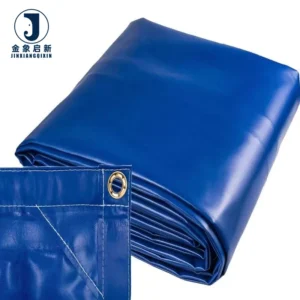
Heavy Duty Outdoor Tarpaulin Thickened for Outdoor Waterproof Large Tarpaulin with 3 Meter Width
¥7.78 Add to cart -
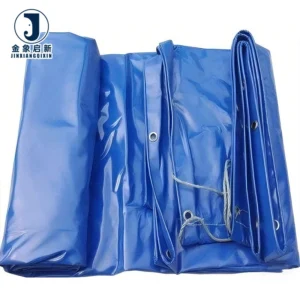
PVC Fabric Material Woven Tarpaulin Waterproof Woven Fabric Tarpaulin
¥0.50 Add to cart