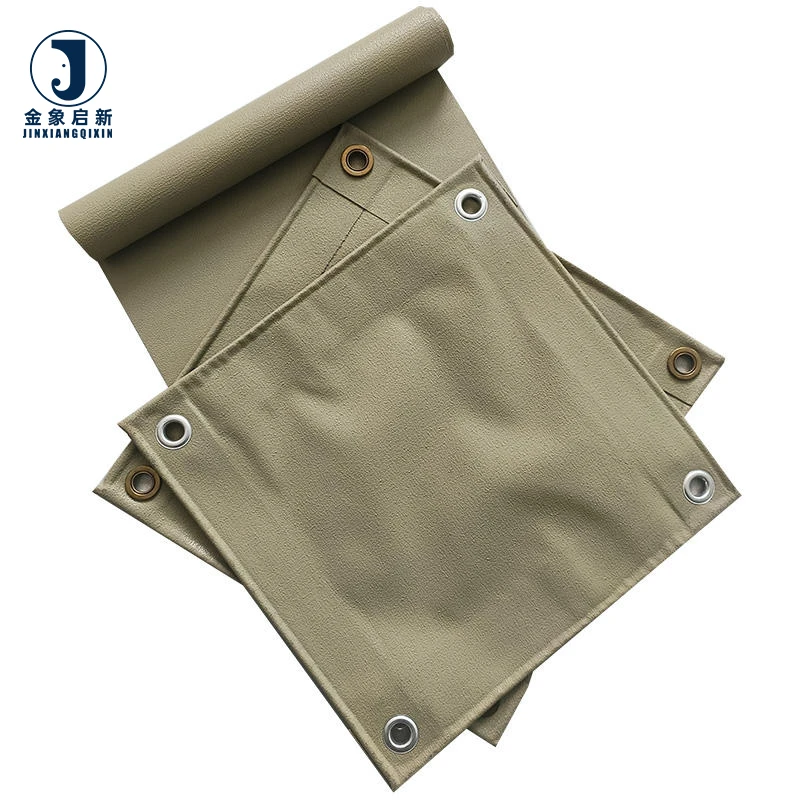
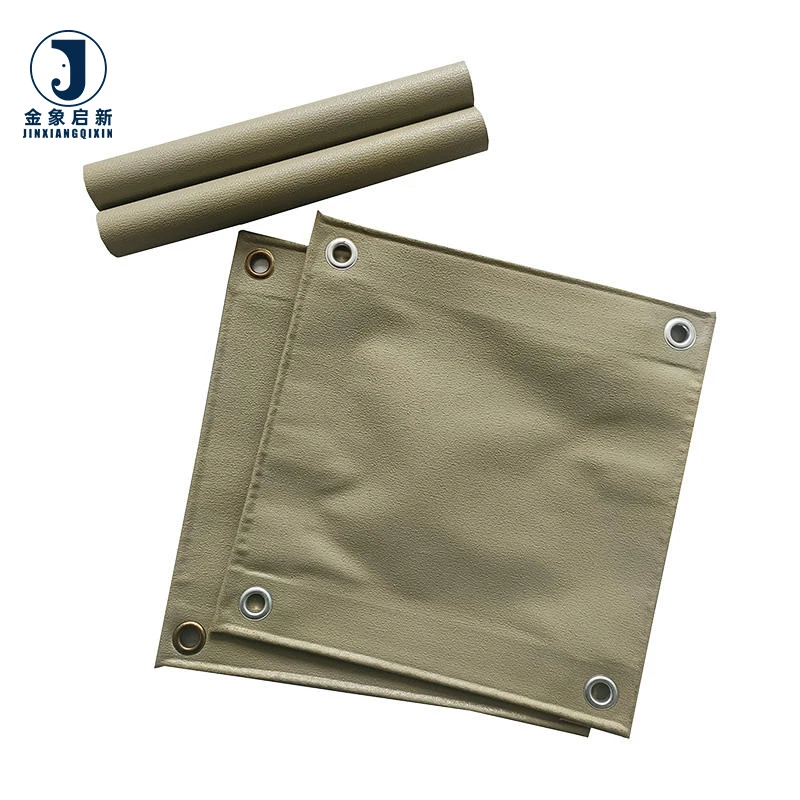
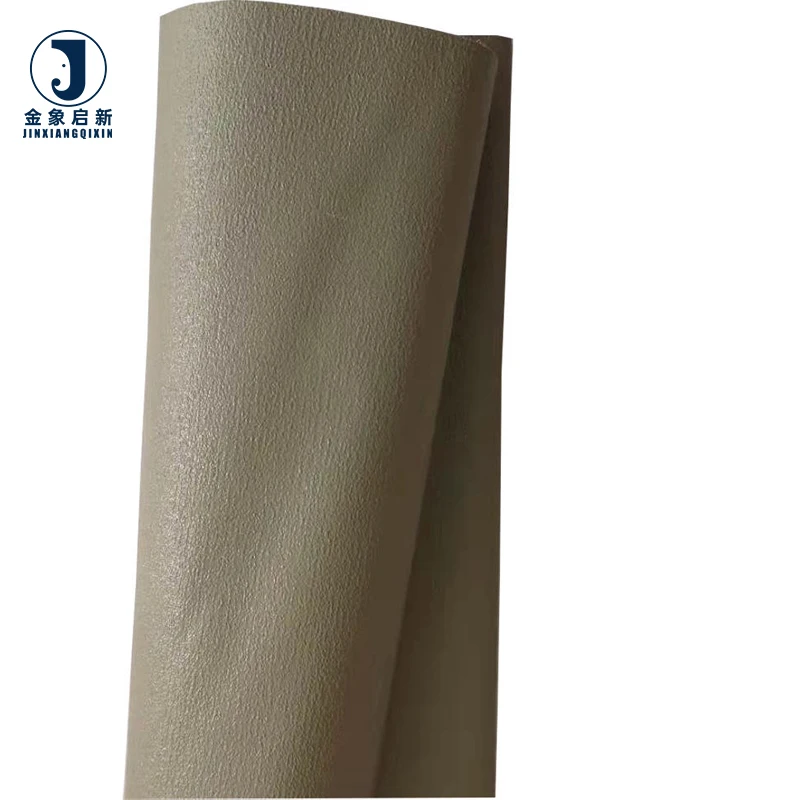
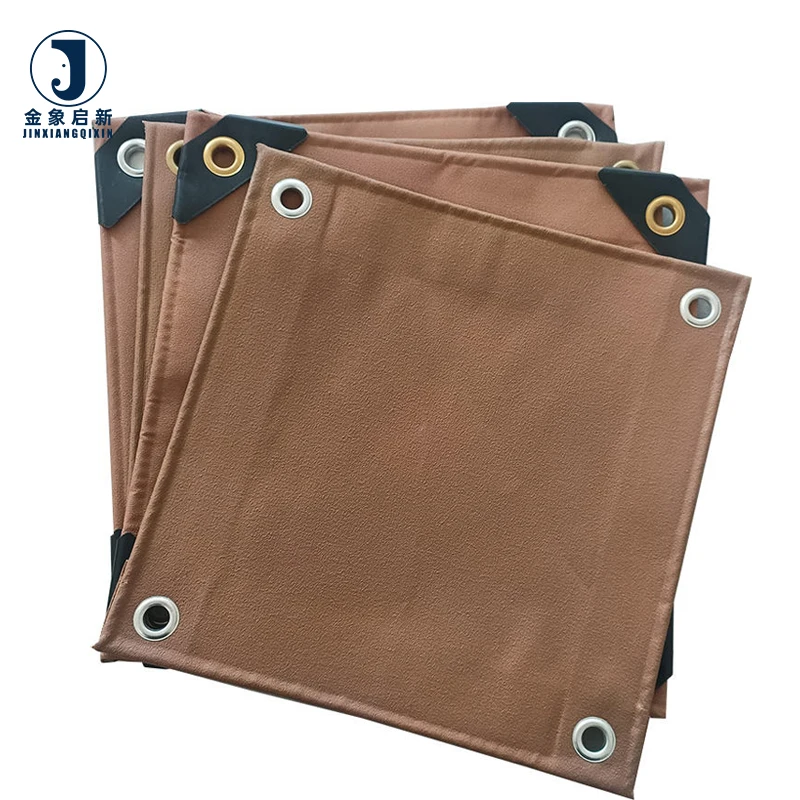
PVC Coated Tarpaulin Truck Cargo Cover, 700gsm–900gsm with Flame Retardant & Anti-Static Options — fully customizable for transport fleet load protection.
Deep process control over coating weight and adhesion ensures batch-to-batch consistency, while a dedicated R&D team handles custom width, eyelet placement and reinforced hems to match your exact trailer dimensions.
- Backed by nearly 30 years of coated fabric expertise with 100% pre-shipment inspection on every roll.
Description
Specification Control — coating weight verified per roll against the quoted GSM with dedicated QA checkpoints before dispatch.
Technical Specifications
| Parameter | Value |
|---|---|
| Product Type | PVC Coated Tarpaulin |
| Material | PVC Coated Fabric |
| Weight Options | 700gsm / 850gsm / 900gsm |
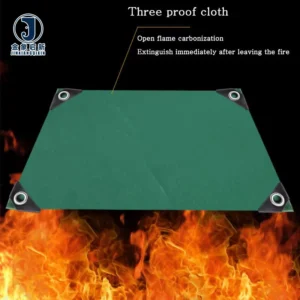
| Treatment Options | Flame retardant (grade not stated); Anti-static (standard not stated); Anti-cold; Anti-mildew |
| Surface Finish | Waterproof |
| Weather Resistance | Outdoor life 1-3 years (source value — verify against manufacturer catalog) |
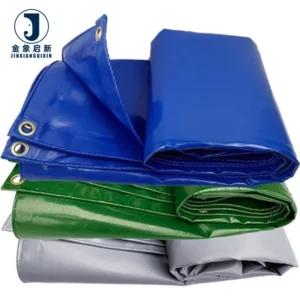
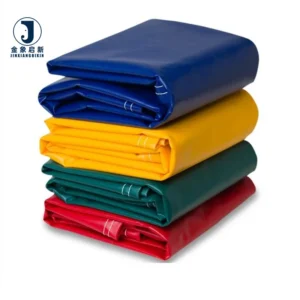
| Customization | Customizable dimensions and specifications |
Application Suitability
| Application | Exposure & Requirement |
|---|---|
| Truck cargo cover | Constant road vibration, UV exposure, wind load, flexing at tie-down points |
| Transport fleet load protection | Weather resistance, abrasion from cargo contact, repeated folding and deployment |
| Outdoor equipment covering | Rain ingress prevention, mildew resistance during prolonged storage, UV degradation |
| Industrial weather protection | Chemical exposure from site environments, mechanical puncture from handling |
Why a Quoted GSM Does Not Guarantee Cargo Cover Durability
Weight consistency across every roll is verified before dispatch, not assumed from the quotation.
When a PVC coated tarpaulin manufacturer custom builds a truck cover, the stated GSM often reflects the target specification rather than the measured output. Coating weight can drift during production, leaving a cover that feels lighter at the edges or thinner at the weld lines. For fleet operators, this specification drift shows up as premature tearing at stress points or seam failure within the first season of road use [NEED_CITE: tensile and tear test methods for coated fabrics per ISO 1421].
Full Product Range from Lightweight to Heavy-Duty Grades
The complete PVC coated tarpaulin range covers multiple weight classes suited to different transport and logistics demands. Lighter grades serve short-haul or seasonal covering needs where weight savings matter for manual handling. Heavier grades address long-haul fleet operations requiring sustained abrasion resistance and structural stability under highway wind loads. This tiered approach allows buyers to match material investment to actual service conditions rather than defaulting to the heaviest option available.
Treatment Matrix for Industry-Specific Compliance
Available treatment options span flame retardant grades, anti-static formulations, anti-cold flexibility, and anti-mildew protection. Each treatment addresses a specific operational requirement — mining site ventilation compliance, cold-climate folding without cracking, or humid storage conditions during ocean freight. Confirm the specific grade or standard required for your target market before specifying, as regional fire safety and anti-static regulations vary significantly across jurisdictions [NEED_CITE: flame retardant classification standards for transport covers].
How Coating Weight Interacts with Base Fabric Construction
GSM alone does not determine how a truck cargo cover performs under load. The base fabric denier and weave density work together with coating weight to produce the final tensile and tear characteristics. A 700gsm fabric with a high-density base weave may outperform a 900gsm fabric built on a loose scrim in tear resistance. The PVC coating method — whether knife-coated, laminated, or calendered — affects peel strength at welded seams, which is often the first failure point on a fitted truck cover. Bright or matte surface finish influences cleaning ease and printed branding adhesion over repeated wash cycles. Width selection determines how many welded seams are needed for a given trailer dimension, directly affecting fabrication time and potential leak paths.
What Happens When Roll Consistency Fails in a Fleet Order
Colour variation between rolls in the same order becomes visible once covers are installed side by side on adjacent trailers. For fleet operators maintaining a uniform brand appearance, this batch inconsistency forces selective replacement or acceptance of a mismatched fleet presentation. Welded seams that fail before the fabric itself tears typically indicate insufficient coating adhesion or incorrect heat-seal parameters during fabrication, not a material defect [NEED_CITE: peel strength testing for PVC coated fabric welds]. These failures concentrate at flex points where the load shifts during transit, creating concentrated stress that exposes any process inconsistency in the coating line.
Why Procurement Verification Matters for Coated Fabric Orders
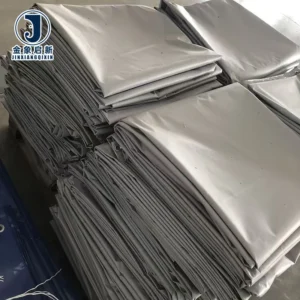
Dedicated QA/QC inspection at every production stage catches coating weight drift before it reaches the packing line. A 10-person R&D team supports sample development within days for custom width, colour, or treatment requirements, allowing physical approval before bulk production commits material. Production lines with professional equipment capacity handle bulk orders while maintaining roll-to-roll consistency across the batch. The pre-shipment inspection process verifies each roll against the agreed specification, with inspection records available for buyer review before container loading. Documentation packages travel with every dispatch, providing traceability from raw material through finished roll.
Documentation & Verification
- Material specification sheet stating exact GSM, base fabric type, coating material, and colour reference per roll
- Weight verification measured per roll against the quoted specification before dispatch authorization
- Test reports for flame retardant or anti-static treatments issued where applicable to the ordered grade
- Pre-shipment inspection record documenting visual and measured checks completed on the production batch
- Certificate of origin and customs documentation prepared for international shipment clearance
- Roll packing list detailing dimensions, weight, and roll count for container loading verification
Fabrication, Handling & Storage
- Heat-seal temperature and dwell time must match the specific GSM grade to achieve full coating fusion at seams
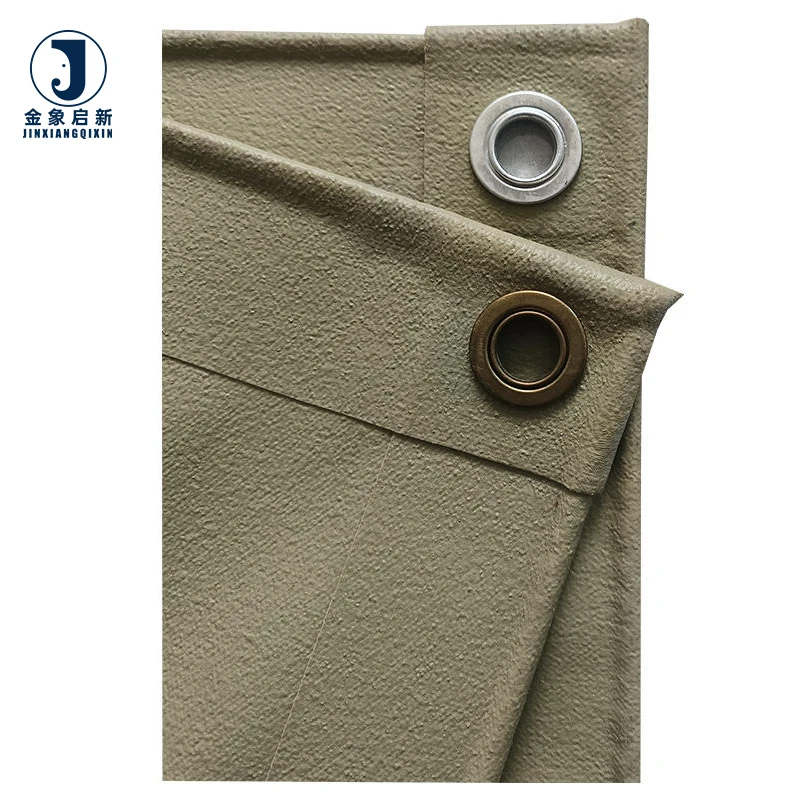
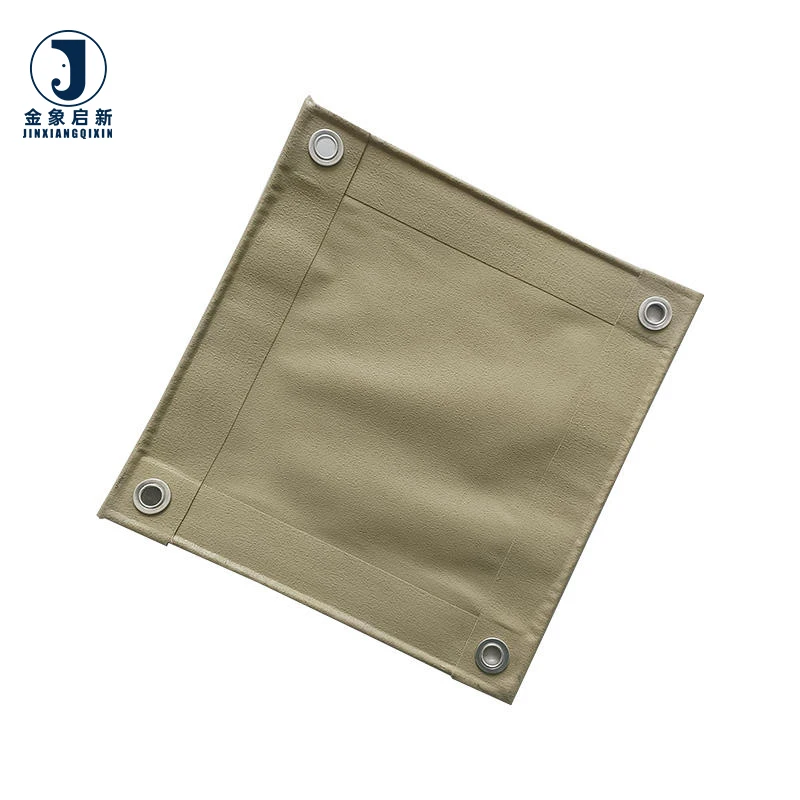
- Reinforced hem construction should account for tie-down load concentration at grommet spacing intervals
- Store rolls vertically on end caps to prevent permanent creasing in the PVC coating layer
- Allow cold-stored rolls to reach ambient temperature before unrolling to prevent coating crack damage
- Use mild detergent cleaning agents compatible with PVC surface finish to preserve coating integrity
- Field repairs require PVC-compatible adhesive and patch material matching the original coating weight
What to Include in Your PVC Coated Tarpaulin Inquiry
Specify the trailer dimensions or cover application, the GSM grade suited to your service conditions, and any treatment requirements tied to regional compliance standards. Indicate whether you need rolls for your own fabrication or finished cut sizes with hem and grommet work completed. Colour references and printed branding requirements should include Pantone or RAL codes for batch matching. Request a sample for physical approval before committing to production volume, especially for custom widths or treatment combinations.
Frequently Asked Questions
Q: How is GSM verified on arrival and what documentation supports the quoted weight?
A: Each roll is weighed and measured during pre-shipment inspection against the agreed specification. A material specification sheet ships with the order stating the exact GSM, base fabric construction, and coating type. Inspection records documenting these measurements are available for buyer review before dispatch, providing traceability from production through delivery.
Q: What flame retardant grades are available and how do they align with regional fire safety standards?
A: Flame retardant treatment is available, but the specific grade must be confirmed against your target market requirements. Regional standards vary significantly — specify whether you need compliance with European, North American, or other jurisdictional fire classifications. Test reports are issued for the grade applied, allowing verification against your local regulatory framework.
Q: How is batch-to-batch colour consistency controlled across multiple rolls in the same order?
A: Colour matching is controlled through formulation records and in-process inspection during coating production. Rolls within a single order are produced in continuous sequence to minimize variation. For fleet orders requiring visual uniformity across installed covers, sample approval before bulk production confirms the colour reference matches your specification.
Q: What custom sizing, eyelet and hem reinforcement options are available for truck-specific fitment?
A: Custom width, length, and finished dimensions are developed based on your trailer model specifications. Hem reinforcement and eyelet placement are configured to match tie-down point locations and load distribution requirements. The R&D team develops samples for custom configurations within days, allowing physical verification of fitment before production proceeds.
Q: What is the sample development process and lead time for custom width, colour or print requirements?
A: Samples for custom specifications are developed within days once requirements are confirmed. This includes custom widths, colour references, treatment combinations, and printed branding layouts. Sample approval gates production, ensuring the bulk order matches the confirmed specification before material commitment.
Related products
-
Tarpaulin Hot Selling 30M X 30M Finished PVC Tarpaulin for Farming Tarpaulin
¥1.48 Add to cart -
450gsm Green Heavy-duty Waterproof Tarps & Groundsheets Pvc Tarpaulin
¥1.25 Select options This product has multiple variants. The options may be chosen on the product page -
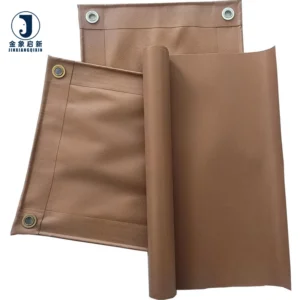
Waterproof Custom 1000D 550GSM/900GSM Self Clean PVC Coated Tarpaulin for Truck. Tent. Roof Cover Flood Barrier
¥0.99 Select options This product has multiple variants. The options may be chosen on the product page -
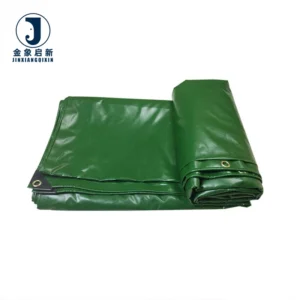
500gsm MULTI-PURPOSE Green Waterproof Green Tarp for Emergency Rain Shelter. Outdoor Cover
¥7.72 Select options This product has multiple variants. The options may be chosen on the product page