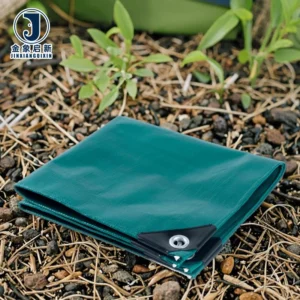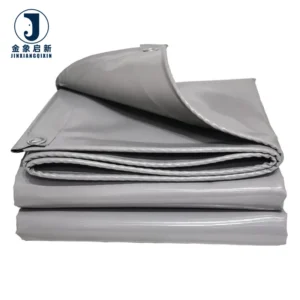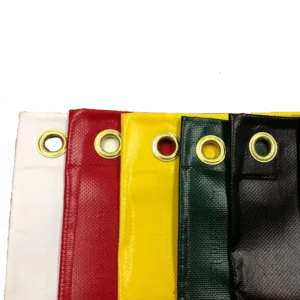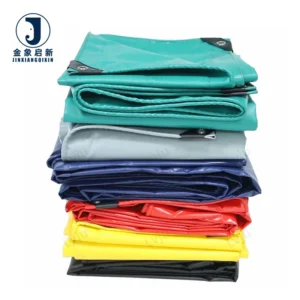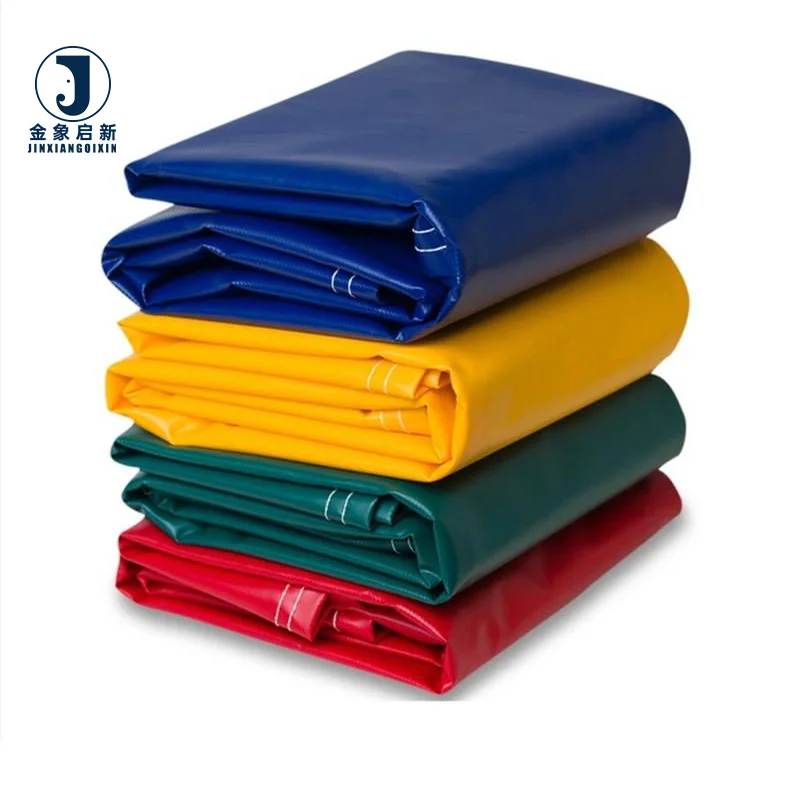
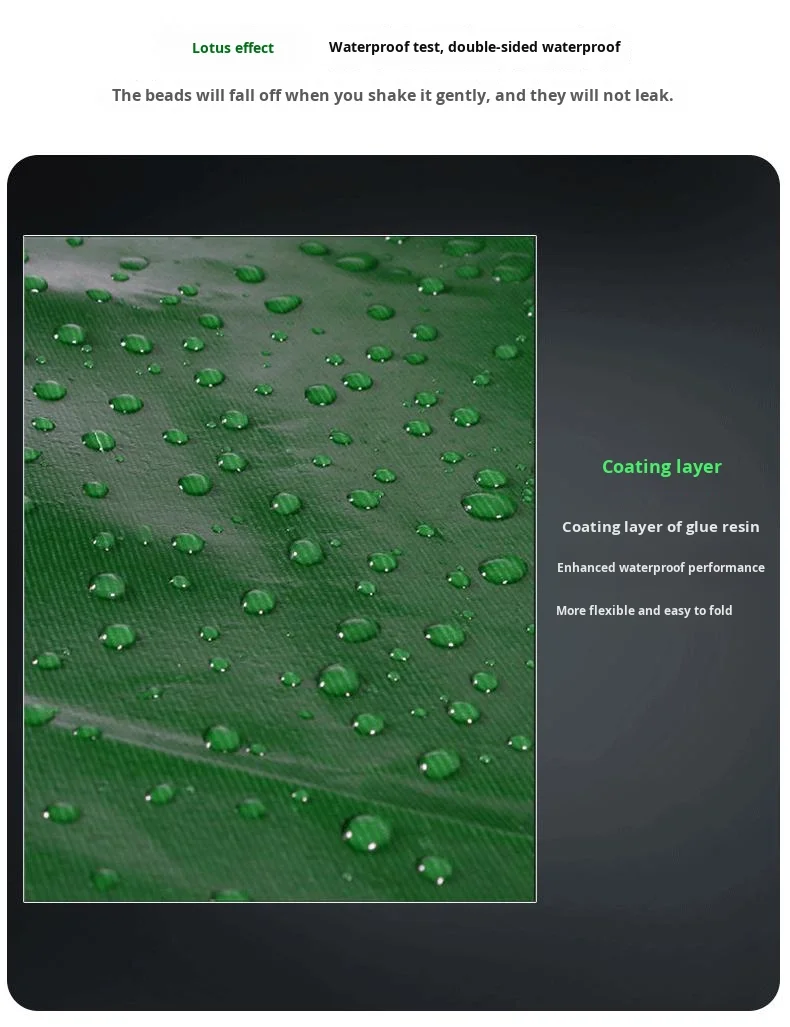
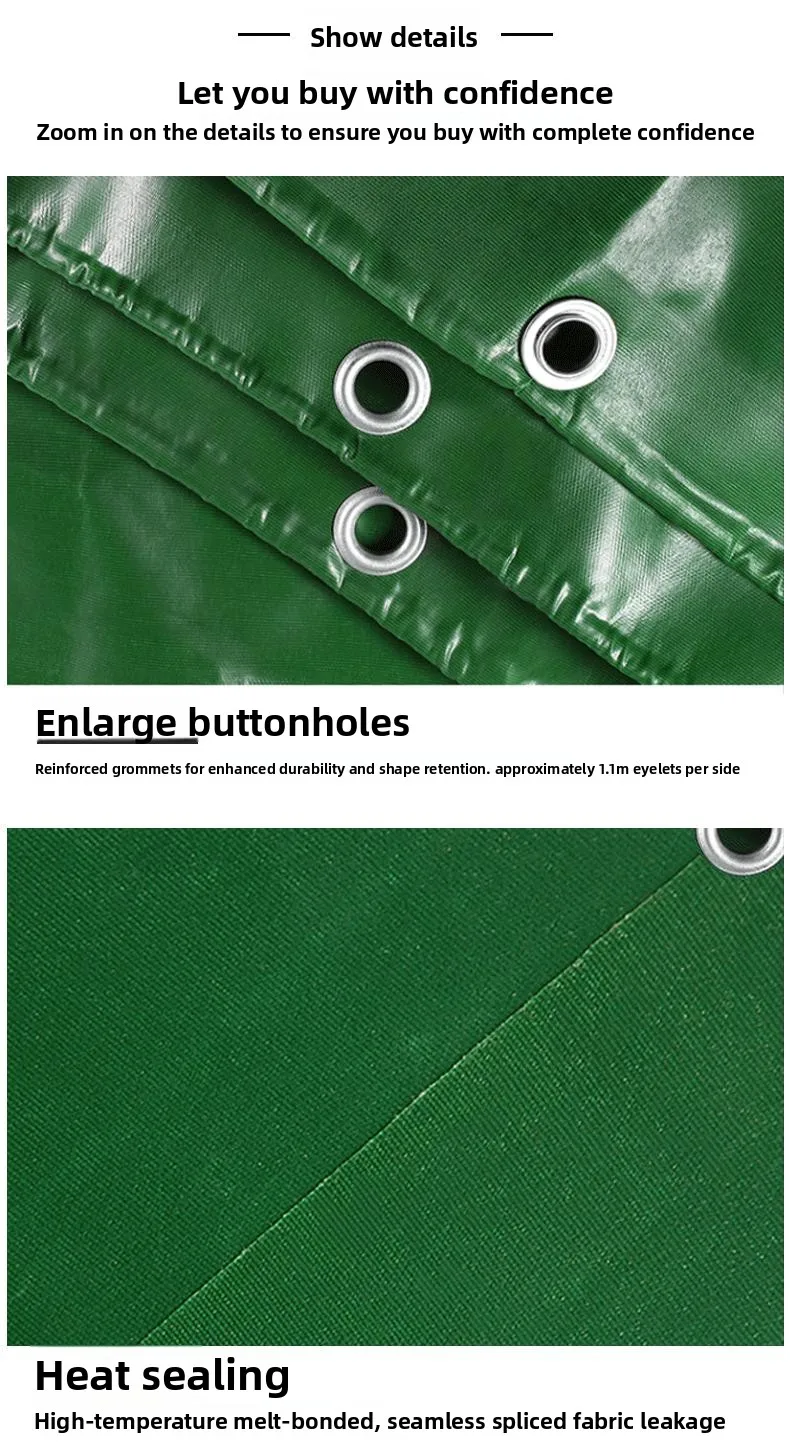
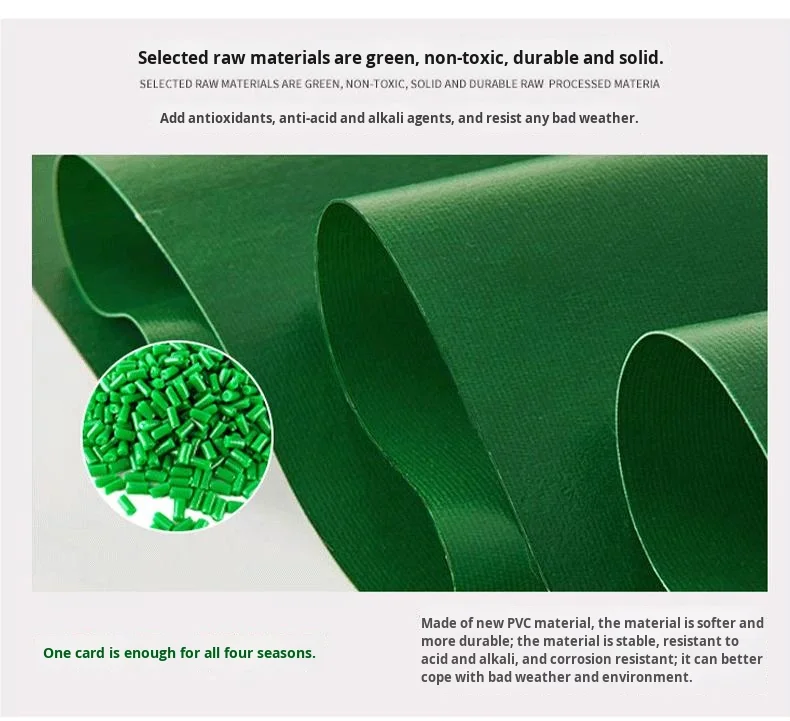
PVC Knife-Coated Fabric available in 350gsm to 750gsm, with high-strength polyester mesh base and hot-melt coating technology for consistent adhesion. Waterproof, cold-crack resistant and anti-mildew treated for reliable outdoor performance.
- Coating weight and base fabric denier jointly determine tensile and tear behaviour — spec by application load, not GSM alone
- Knife-coated construction delivers stronger peel strength at welded seams versus laminated alternatives
- Roll width options support efficient panel layout with fewer heat-welded joints
Backed by 30 years of coated fabric process control, 100% pre-shipment inspection, and sample development within days.
Description
Near three decades of coated fabric focus — dedicated QA/QC at every production stage with 100% pre-shipment inspection ensures the coating weight and adhesion you specify are verified before dispatch, not just stated on the quotation.
Technical Specifications
| Parameter | Value |
|---|---|
| Product Type | PVC Coated Tarpaulin |
| Base Fabric | High-strength polyester mesh fabric |
| Coating Material | PVC |
| Coating Method | Laminated technology & Hot-melt Coating technology |
| Weight Options | 350gsm / 420gsm / 500gsm / 550gsm / 600gsm / 750gsm |
| Thickness Options | 0.32mm / 0.35mm / 0.4mm / 0.45mm / 0.5mm / 0.65mm |
| Roll Size | 2m width × 75m length / 2.1m width × 50m length |
| Color Options | Blue / Red / Yellow / Light blue / Grey (Customized) |
| Key Features | Cold crack resistance, anti-mildew, waterproof, sunproof (test basis not stated), anti-static treatment (grade not stated) |
| Certifications | ISO, CE |
Application Suitability
| Application | Exposure & Requirement |
|---|---|
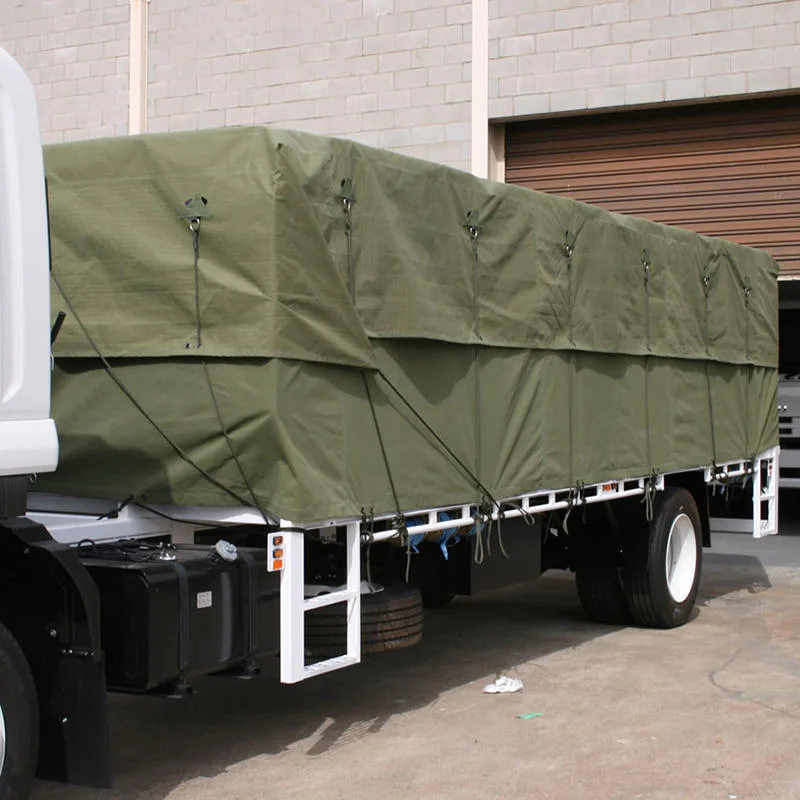
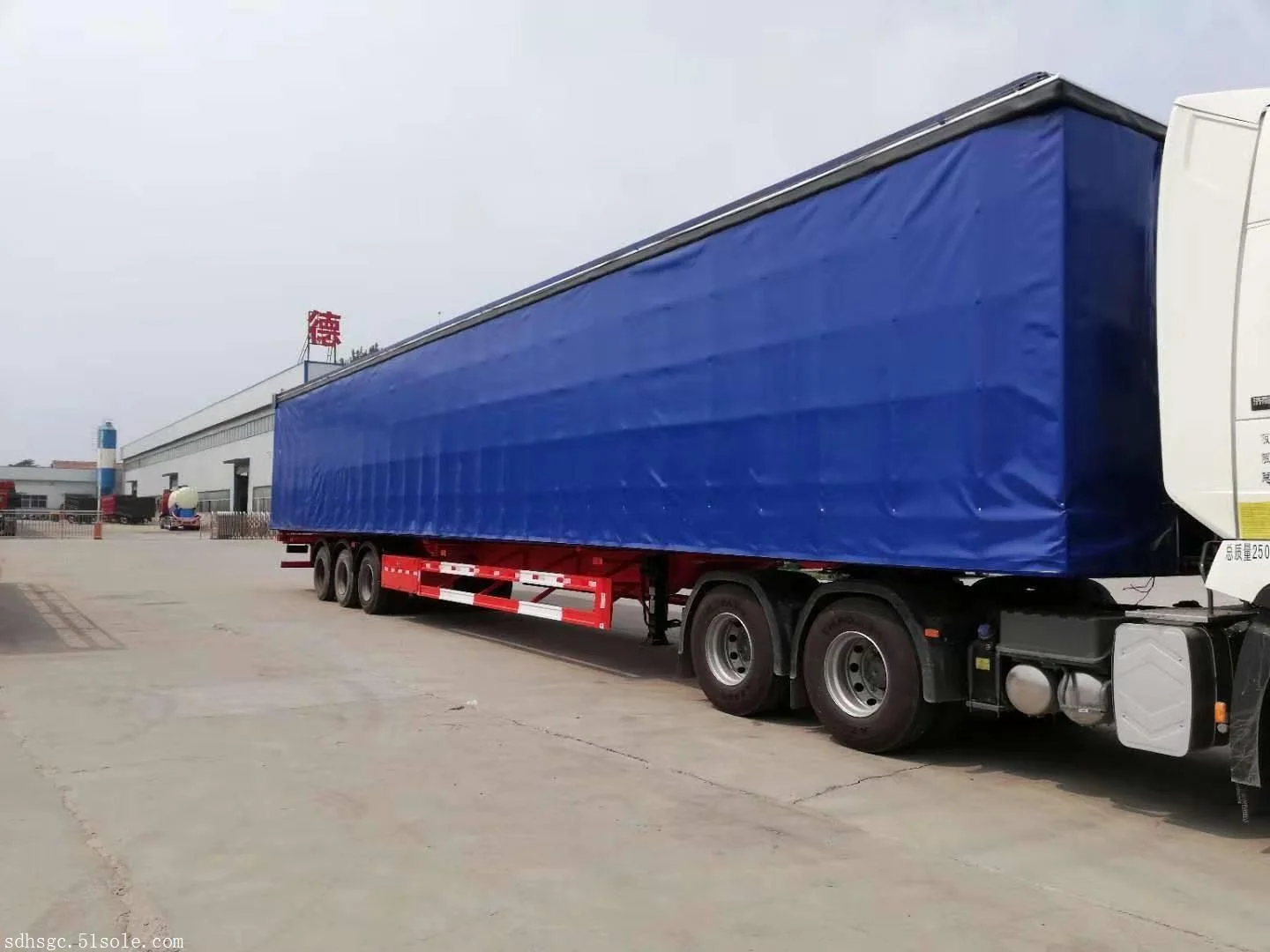
| Truck and trailer cargo covers | Constant road vibration, flex-point stress at load shifts, weather and UV exposure, tie-down abrasion |
| Truck canopy and awning fabrication | Repeated deployment and retraction, sun exposure, wind load, water runoff |
| Cargo ship deck covers | Salt spray, permanent moisture contact, heavy wind load, UV degradation |
| Construction site coverage | Puncture from debris, wind uplift, extended outdoor weathering, ground contact |
Why Your Truck Cover Fails at the Seams Before the Fabric Does
Welded seam failure is a fabrication problem, not a material problem — but it starts with coating adhesion quality.
A PVC coated truck tarpaulin can show perfect tensile strength in a lab test yet still split at the hem after weeks on a moving trailer. The stress at flex points — where the fabric wraps a corner or meets a tie-down — concentrates load into a narrow band. If the coating has not bonded uniformly to the base fabric during the laminated or hot-melt coating process, the heat applied during welding can further weaken that bond. [NEED_CITE: tensile and tear test methods for coated fabrics per ISO 1421]. The result is a cover that tears along the weld line long before the main body shows wear.
Coating Adhesion and Weld Integrity at Flex Points
When specifying PVC Knife-Coated Fabric for transport applications, the relationship between coating weight and base fabric determines how well a welded seam will hold under repeated flexing. The high-strength polyester mesh base used in this PVC Coated Tarpaulin range provides a stable substrate for the PVC coating to penetrate and lock into. Laminated technology bonds the coating layers to each face of the mesh, while hot-melt coating adds additional adhesion strength. This matters most at the hem and eyelet zones, where the fabric must carry concentrated loads without delaminating.
Color Consistency Across a Multi-Roll Fleet Order
Fleet operators ordering covers for dozens of trailers need every panel to match when parked side by side. Shade variation between rolls in the same batch is a common complaint in coated fabric procurement — one roll pulls slightly warmer, another cooler, and the difference is immediately visible once installed. This PVC Coated Tarpaulin range is available in Blue, Red, Yellow, Light Blue, Grey, and custom colors, with color fastness controlled across the production run. Confirming your color reference against a physical sample before bulk commitment is the most reliable way to lock in consistency. [NEED_CITE: color fastness assessment methods for coated textiles]
Reading GSM and Thickness Together, Not in Isolation
A common mistake in tarpaulin specification is selecting a product based on GSM alone. Weight in grams per square meter tells you how much material is present, but the base fabric denier and weave density determine how that weight translates into tear and tensile performance. A 550gsm fabric with a loosely woven base may tear more easily than a 500gsm fabric with a tighter, higher-denier mesh. Similarly, thickness options from 0.32mm to 0.65mm correlate with puncture resistance and stiffness — a thicker gauge resists abrasion from cargo edges but may be less pliable for complex canopy shapes. Cold crack resistance becomes critical when covers are deployed in freezing conditions; a material that stiffens and cracks at low temperatures will fail regardless of its lab-rated tensile strength. The laminated and hot-melt coating methods used here affect how the PVC remains bonded to the polyester mesh through temperature cycling.
The Hidden Cost of Batch-to-Batch GSM Drift
Quotation documents may state 600gsm, but if the incoming rolls consistently arrive lighter, the entire fleet specification is compromised. Lighter material means thinner coating, reduced tear resistance, and shorter service intervals. This is not a defect visible on arrival — it only becomes apparent after months of road use when covers begin to fail prematurely. The same applies to anti-UV and flame-retardant claims made without supporting test reports. When a site inspector or port authority requests documentation and none is available, the entire shipment can be rejected. [NEED_CITE: coating weight verification standards for industrial tarpaulin]
Process Control That Shows Up in the Finished Cover
The production of this PVC Coated Tarpaulin is supported by three full production lines and 36 sets of professional equipment, giving the factory the capacity to maintain coating weight consistency across long runs. A 10-person R&D team handles material selection, custom sizing, and sample development — meaning you can request a sample in your target GSM and color before committing to a bulk order. QA/QC checkpoints run at every production stage rather than only at final inspection, catching adhesion or weight deviations before the roll is wound. ISO and CE certified processes back the documentation that ships with your order. Roll sizes of 2m × 75m or 2.1m × 50m are standard, with custom finish product sizes available for cut-to-fit truck covers.
Documentation & Verification
- Material specification sheet stating exact GSM, base fabric type, and color reference per roll
- Pre-shipment inspection record verifying weight and dimensions against the purchase order
- ISO and CE certificates included in dispatch documentation package
- Sample approval record retained for custom color and sizing orders
- Roll packing list with batch traceability for each container load
Fabrication, Handling & Storage
- Heat welding parameters should match the laminated and hot-melt coating method — test a scrap piece from the same roll before full production runs
- Store rolls horizontally on pallets to prevent flat spots and permanent creasing on the PVC coating surface
- When cutting 2.1m wide rolls for trailer covers, plan panel layout to minimize offcuts and reduce the number of welded seams
- Anti-mildew treatment is built into the coating; avoid storing fabricated covers in sealed, damp conditions for extended periods
- Cold crack resistance allows deployment in low temperatures, but allow rolls to acclimate before unrolling to prevent coating stress
What to Include in Your Inquiry
Provide the specific trailer dimensions or canopy frame measurements you need covered, along with your target GSM range and preferred color. If your market requires flame-retardant or anti-static certification, state the standard your site or port authority demands so the correct grade can be matched. Confirm whether you need roll stock for your own fabrication or finished cut sizes with hems and reinforcements already applied. Requesting a physical sample in your chosen GSM and color before production is recommended.
Frequently Asked Questions
Q: How do I verify the GSM stated on the quotation matches the material on arrival?
A: Every roll undergoes weight verification during pre-shipment inspection, and a record is provided with dispatch documentation. You can also request a material specification sheet stating the exact GSM, base fabric, and coating type for each roll in your order, giving you a baseline to cross-check on receipt.
Q: What color fastness controls prevent visible shade variation between rolls?
A: Color references are locked during sample approval, and production batches are monitored for consistency across rolls. If your fleet order spans multiple containers, requesting a master sample retained at the factory ensures a physical benchmark is available for every subsequent run.
Q: Can truck covers be cut to fit a specific trailer model instead of a generic size?
A: Yes, finish product sizes are produced to custom dimensions based on your trailer measurements. The R&D team handles pattern development and sizing, and samples can be produced within days so you can confirm fit before bulk fabrication begins.
Q: What documentation ships with the order for customs and compliance?
A: Each dispatch includes a material specification sheet, roll packing list with batch traceability, ISO and CE certificates, certificate of origin, and a pre-shipment inspection record. Additional customs support documentation is available depending on your destination market requirements.
Related products
-
Awning Canvas Heavy Duty Waterproof Lona PVC Coated Membrane Structures Fabric Tarpaulin Truck Cover Tarps Roll
¥1.48 Add to cart -
Customizable PVC Knife-Coated Tarpaulin for Tents – Full Range
Read more -
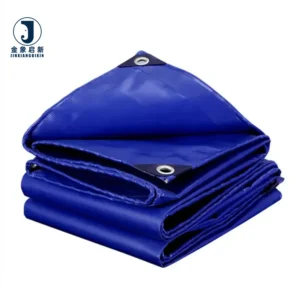
Custom Made PVC Knife-Coated Fabric for Truck Canopy
Read more -
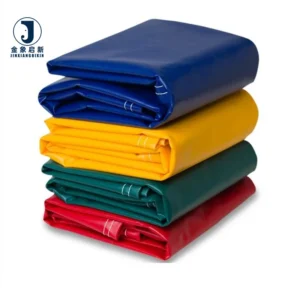
500gsm 600gsm Plain PVC Waterproof Truck Cargo Cover Tarpaulin Canopy for Boys & Girls
¥3.00 Select options This product has multiple variants. The options may be chosen on the product page