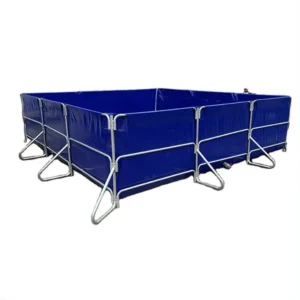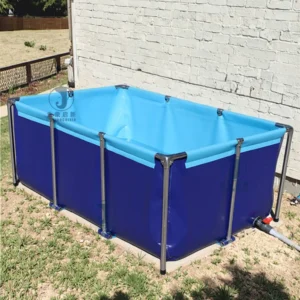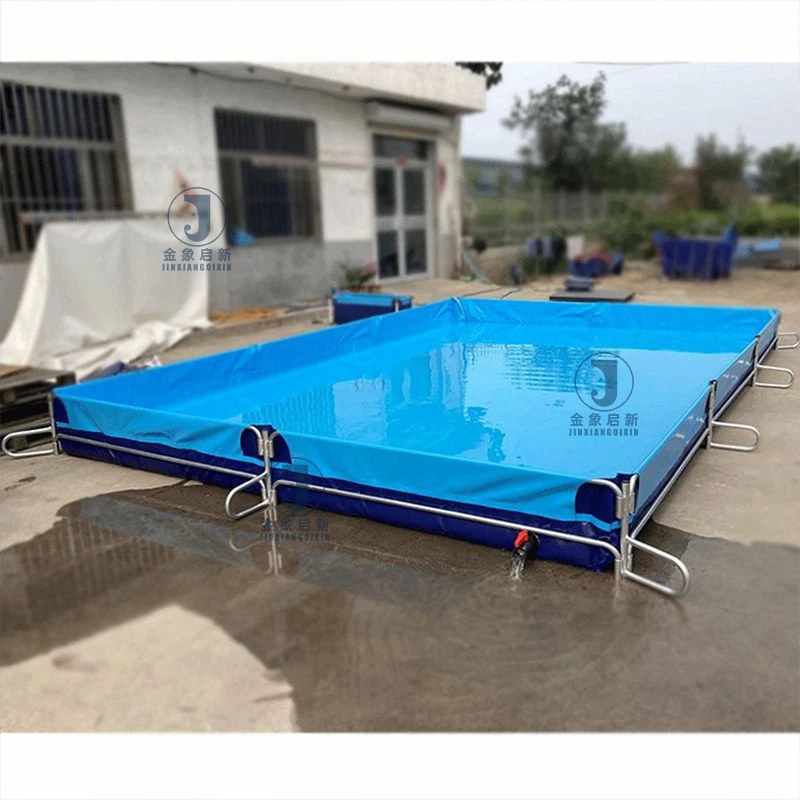
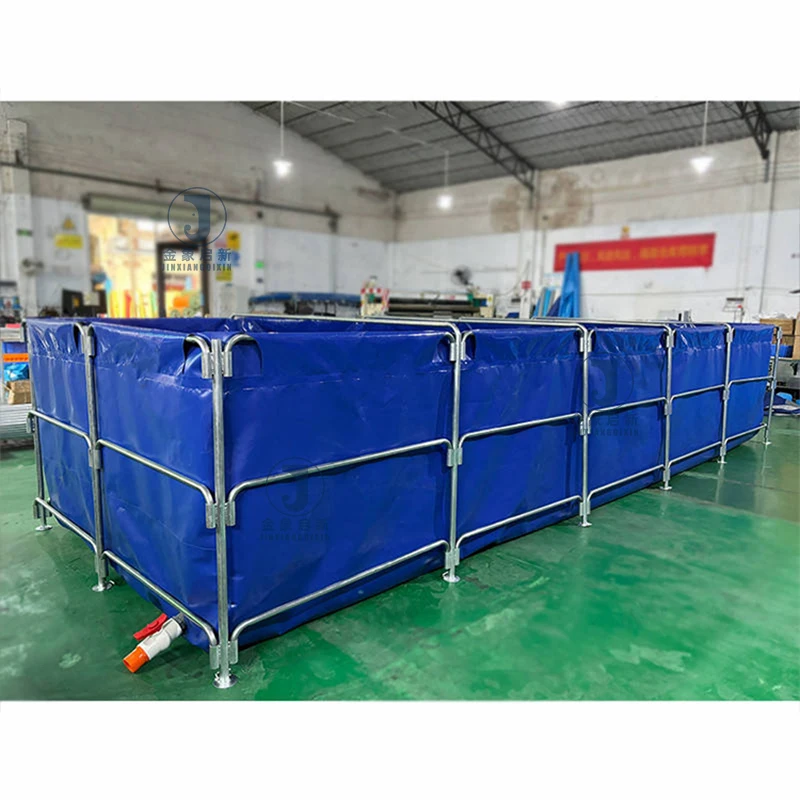
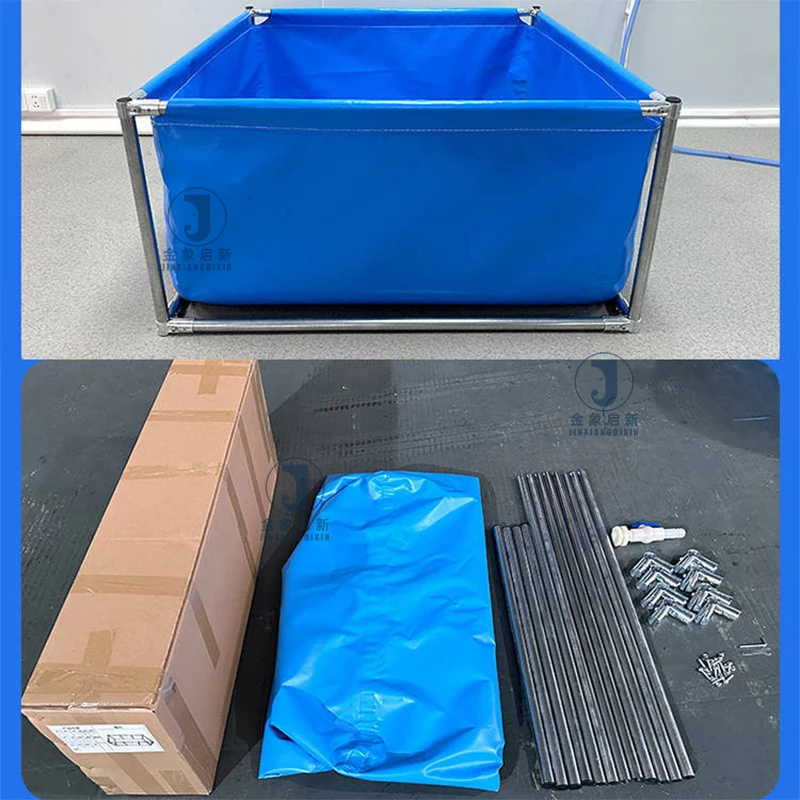
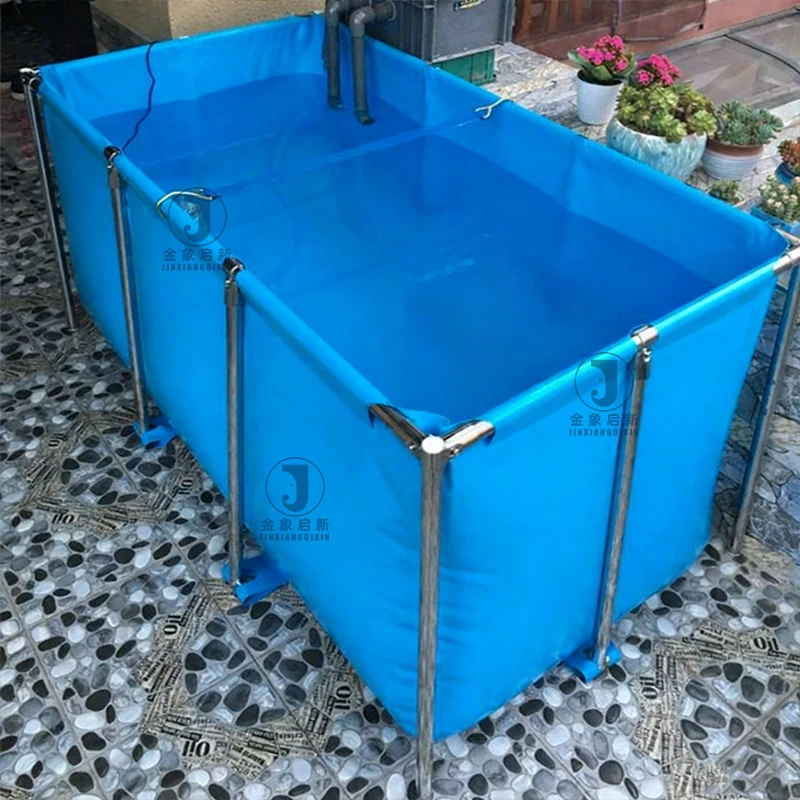
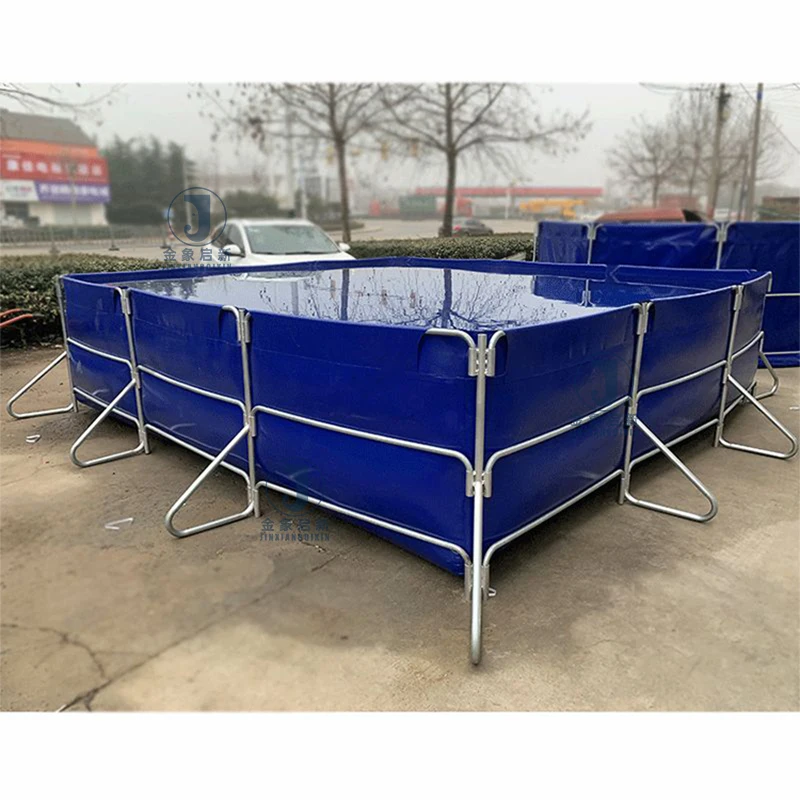
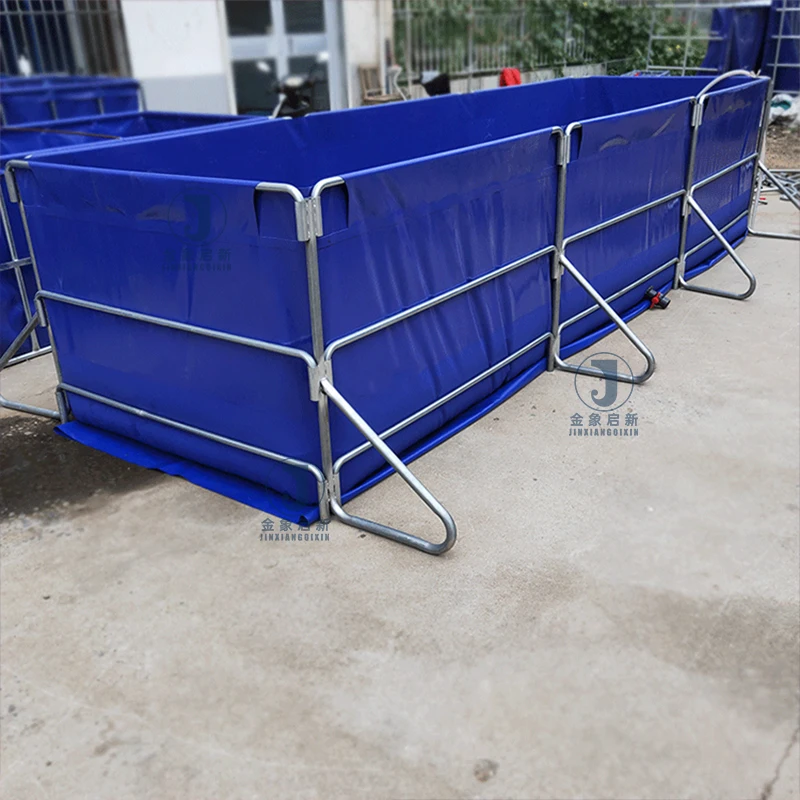
PVC Tarpaulin Pond Liner, 450-900 g/m², Water Resistant, Anti-UV — engineered for aquaculture with full customization in size, color, and treatment grade. Base fabric structure and coating adhesion are verified at each production stage, with heat-welded seams designed to outperform at flex points. Batch consistency ensures uniform color across panels installed side by side. Backed by 100% pre-shipment inspection, material specification sheets with GSM traceability, and dedicated QA support from sample to dispatch.
Description
Deep Process Control Over Coating Weight and Adhesion — dedicated QA inspection at every production stage ensures the PVC pond liner you receive matches the specification you approved, with 100% pre-shipment verification on every roll or cut sheet.
Technical Specifications
| Parameter | Value |
|---|---|
| Product Type | PVC Tarpaulin Pond Liner |
| Base Fabric Denier | 500D-500D Polyester |
| Coating Material | PVC Double-Sided Coating |
| Weight Range | 450-900 g/m² |
| Surface Characteristics | Smooth, Leather-Like Texture |
| Water Resistance | Fully Waterproof Construction |
| Flame Retardant | Available in flame retardant grades — confirm the grade required for your market |
| UV Resistance | Anti-UV treatment available — test basis to be confirmed per order |
| Seam Repairability | Hot Air Welding Compatible |
| Standards | ISO, CE |
Application Suitability
| Application | Exposure & Requirement |
|---|---|
| Commercial fish farming ponds | Permanent water contact, soil chemistry exposure, puncture risk from substrate |
| Foldable aquaculture tanks | Repeated folding and unfolding, flex stress at fold lines, seasonal deployment |
| Agricultural water containment | UV exposure, temperature fluctuation, irrigation chemical contact |
| Shrimp and prawn pond lining | Saline water exposure, high biological load, cleaning between cycles |
Why Your PVC Fish Pond Liner Spec Sheet Matters More Than the Quoted GSM
A quoted weight means nothing if it is not verified against the roll that actually ships.
I have reviewed too many pond liner procurement files where the material specification sheet stated one weight and the delivered rolls measured lighter. The gap is not always dramatic, but in water containment applications, even a marginal reduction in coating weight compromises the tensile integrity at seam lines where hydrostatic pressure concentrates [NEED_CITE: tensile and tear test methods for coated fabrics per ISO 1421]. For aquaculture operators running seasonal cycles, a liner that fails mid-season means lost stock, emergency replacement costs, and production downtime that no supplier credit covers. The PVC fish pond liner custom option you specify must arrive with documented weight verification, not just a quotation reference.
Coating Adhesion That Holds Under Hydrostatic Load
Pond liners face constant outward pressure from water volume, and that load transfers directly to the coating-to-fabric bond. The double-sided PVC coating on a 500D-500D polyester base provides structural continuity across the panel. When coating adhesion is insufficient, delamination begins at stress points and water migrates between the coating and the base fabric, invisible from the surface until the liner bulges or splits. Every PVC fish pond liner custom order from this production line goes through in-process adhesion checks during coating, so the bond strength is confirmed before the material reaches the fabrication stage.
Welded Seams Engineered for Water Containment
Stitched seams create needle holes that compromise waterproof integrity in pond applications. Hot-air welding fuses the PVC coating across the seam line, creating a continuous waterproof join that matches the surrounding material. The welding temperature and speed must be calibrated to the specific PVC fish pond liner custom weight being joined — too hot and the coating degrades, too cool and the bond fails under water pressure. This calibration is part of the in-process QA protocol, and pre-shipment inspection records document weld integrity before dispatch.
Understanding What the Specification Numbers Actually Control
The 500D-500D polyester base fabric provides the tensile backbone of the liner. Denier alone does not determine strength — the weave density and yarn count per centimetre in both warp and weft directions work together to resist tear propagation when the liner is stretched over uneven ground or stressed by water load. The 450-900 g/m² weight range reflects different coating thicknesses applied to this base. Heavier coating adds puncture resistance and extends service life in permanent installations, while lighter grades serve foldable and temporary tank applications where weight and flexibility matter more. The smooth, leather-like surface finish supports easy cleaning between aquaculture cycles and resists biofilm adhesion better than textured surfaces. Coating weight and base fabric density together determine how the material behaves during hot-air welding — heavier grades require adjusted welding parameters to achieve full seam fusion [NEED_CITE: welding parameter calibration for PVC coated fabrics].
What Happens When Pond Liner Specifications Are Wrong
Selecting a coating weight too low for the pond depth and water volume leads to premature failure at the seams and base, particularly where the liner contacts sharp substrate features. Operators who skip UV treatment verification find the coating surface becomes brittle and cracks after extended sun exposure, allowing water loss and contaminant ingress. Colour inconsistency across rolls in the same order becomes visible once panels are welded side by side in large pond installations, creating aesthetic issues for commercial operations that host visitors or buyers [NEED_CITE: batch colour consistency standards for coated fabrics]. Welded seams that fail before the fabric itself indicate incorrect welding calibration for the specified coating weight, a problem that only appears once the pond is filled and pressure loads the joints.
Why Aquaculture Operators Source This PVC Pond Liner Here
Nearly 30 years of focused coated fabric production means the coating weight and adhesion parameters for pond liner applications are established from historical production data, not trial and error. Three full production lines and 36 sets of professional equipment support bulk capacity so that large aquaculture projects receive all panels from matched production runs. The 10-person R&D team develops samples within days for custom sizing, colour, and treatment requirements, allowing you to verify material behaviour before committing to full production volume. Dedicated QA/QC at every production stage, with 100% pre-shipment inspection, ensures that GSM verification, visual checks, and weld integrity documentation are completed before the PVC fish pond liner custom order leaves the facility.
Documentation & Verification
- Material specification sheet stating GSM, 500D-500D base fabric denier, and PVC coating type per order
- Pre-shipment inspection record confirming weight verification against quoted GSM before dispatch
- Test report for UV and flame retardant grades where applicable to the specified pond liner
- Roll packing list with batch traceability for multi-roll pond liner orders
- Certificate of origin and customs documentation for international shipment
Fabrication, Handling & Storage
- Hot-air welding temperature must be calibrated to the specific 450-900 g/m² coating weight for full seam fusion
- Store pond liner rolls upright on pallets to prevent compression creases that weaken the PVC coating
- Avoid dragging PVC pond liner panels over sharp substrate during installation to protect coating integrity
- Clean liner surfaces between aquaculture cycles with mild detergent compatible with PVC coating chemistry
- Repair field punctures by hot-air welding a PVC patch matching the original liner coating weight
- Unfold liner panels at ambient temperature to prevent cracking of the PVC coating in cold conditions
Requesting the Right Specification for Your Pond
Provide the pond dimensions, water depth, and whether the installation is permanent or foldable so that the appropriate coating weight from the 450-900 g/m² range can be recommended. Specify any UV exposure requirements or flame retardant grades required by your local aquaculture regulations. Confirm whether you need roll stock for on-site fabrication or pre-cut panels with welded seams to your pond dimensions. Request a sample if colour matching or treatment verification is needed before placing the full order.
Frequently Asked Questions
Q: How is GSM verified before shipment and on arrival?
A: Every PVC fish pond liner custom order undergoes weight verification at the production stage and again during pre-shipment inspection. The inspection record documents the measured GSM against the quoted specification. On arrival, you can verify using a calibrated scale and a measured sample cut from the roll edge, comparing against the supplied material specification sheet.
Q: What UV test basis supports long-term outdoor pond exposure?
A: Anti-UV treatment is available for pond liner applications, but the specific test basis depends on the grade selected for your market and exposure conditions. Request the test report when confirming your specification so that the UV performance data matches the regulatory or operational requirements of your installation region.
Q: What custom pond dimensions are available and what is the MOQ?
A: Full custom sizing is available for rectangular, round, or irregular pond shapes, cut from the 500D-500D PVC coated fabric. Minimum order quantities depend on whether you are ordering roll stock or fabricated panels with welded seams. Submit your pond dimensions and quantity for a specific lead time and MOQ confirmation.
Q: How are seams welded to prevent leaking under water pressure?
A: Hot-air welding fuses the PVC coating across the join, creating a continuous waterproof seam without needle holes. Welding parameters are calibrated to the specific coating weight of the pond liner being joined, and weld integrity is checked during pre-shipment inspection to confirm the seam holds under expected hydrostatic load.
Q: How do you ensure colour consistency across multiple pond liners?
A: All panels for a single order are produced from matched batches to minimise colour variation. Pre-shipment inspection includes a visual check across rolls or cut panels installed side by side. If your project requires strict colour uniformity, request a sample for approval before full production begins.
Related products
-
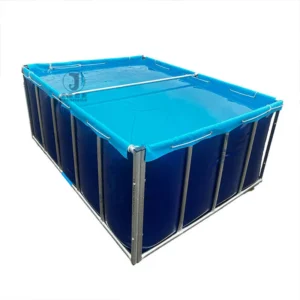
Coated PVC Laminated Tarpaulin Above Ground Swimming Pool Metal Frame High Tensile Foldable Tarp
¥1.00 Select options This product has multiple variants. The options may be chosen on the product page -
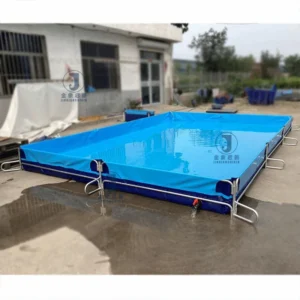
Custom Blackout Plain Flexible Foldable PVC Tarpaulin Fish Tank 500gsm PVC Coated Roll
¥1.00 Select options This product has multiple variants. The options may be chosen on the product page -
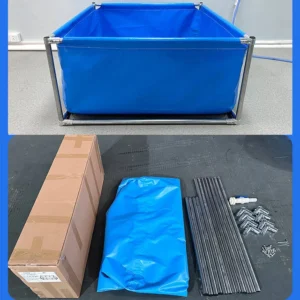
Custom Made PVC Tarpaulin Fish Pond for Aquaculture
Read more -
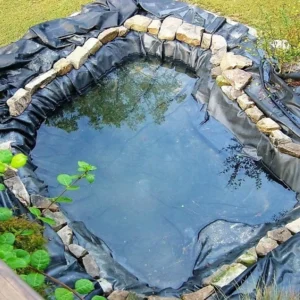
Waterproof Heavy Duty Coated Blackout Fish Pond Tarpaulin Truck Cover Sheet Tent Swimming Pool Liner Anti UV
¥1.00 Select options This product has multiple variants. The options may be chosen on the product page