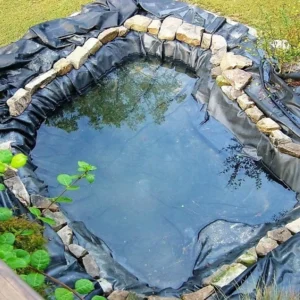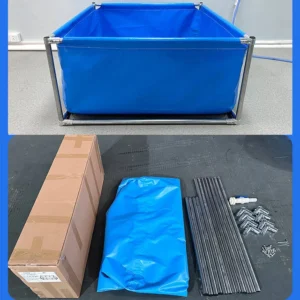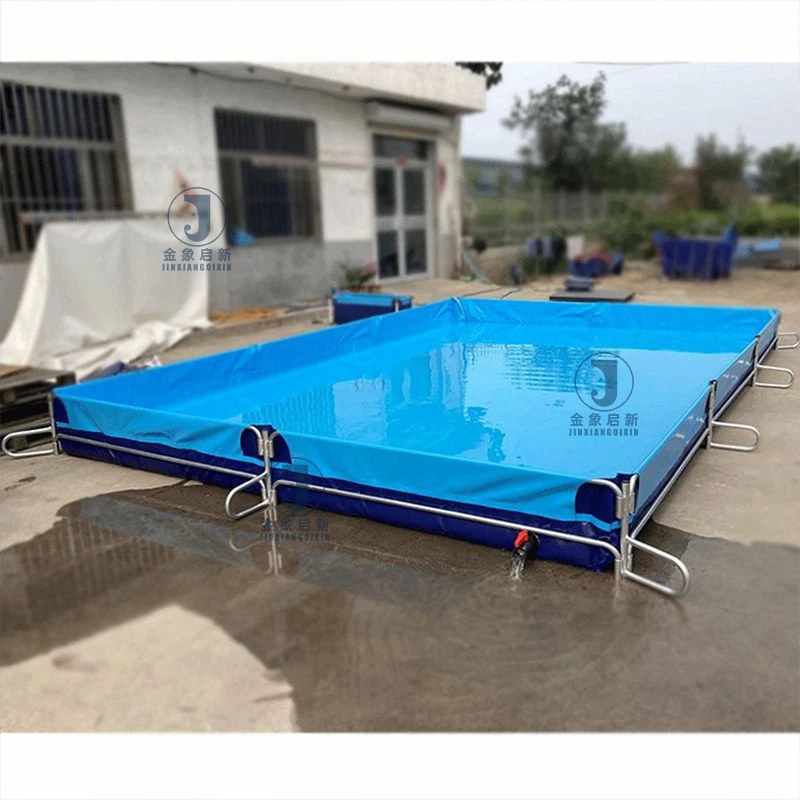
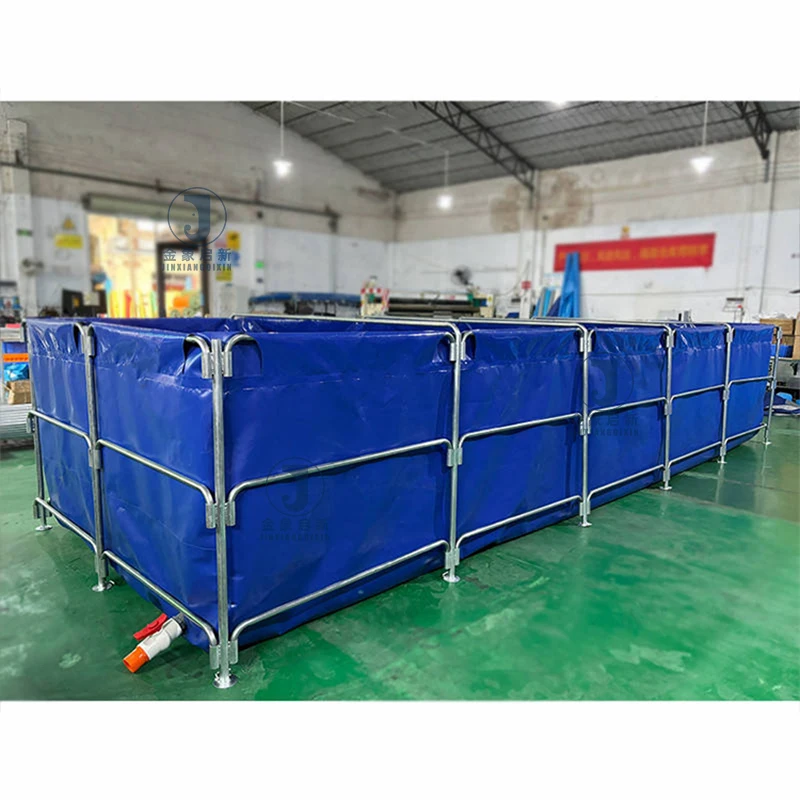
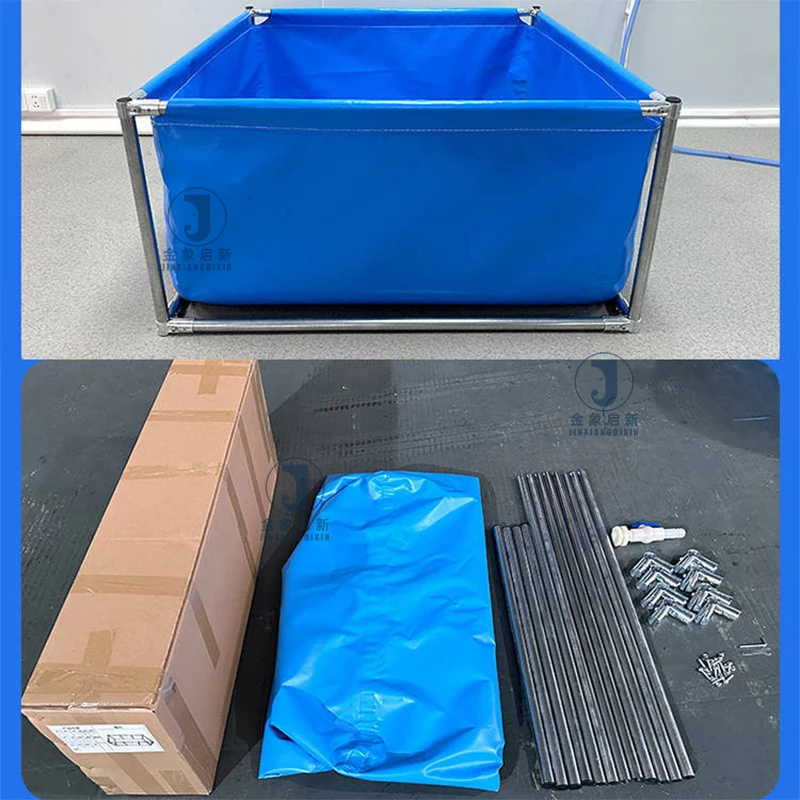
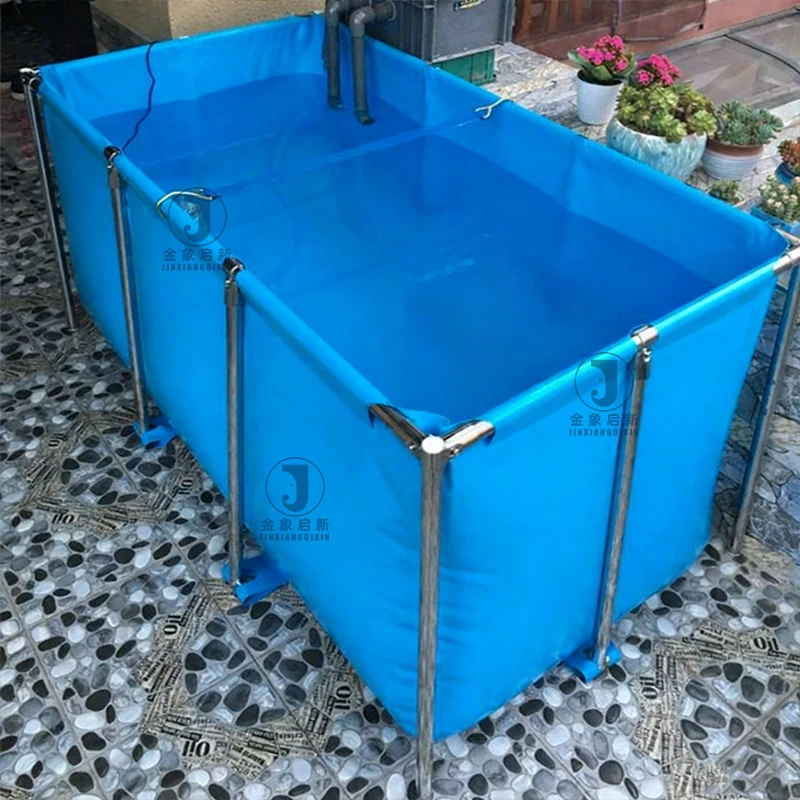
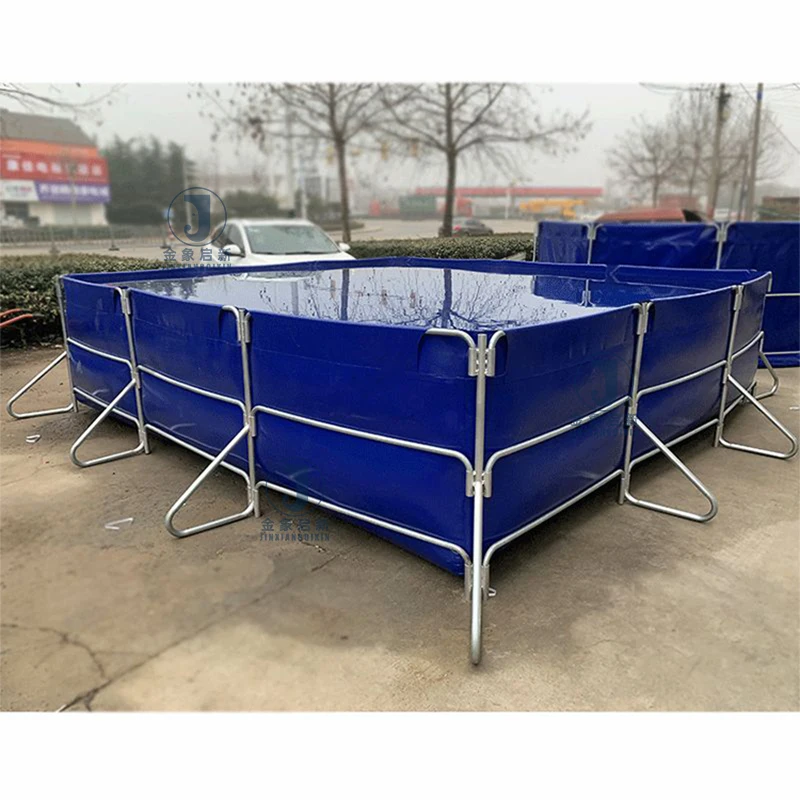
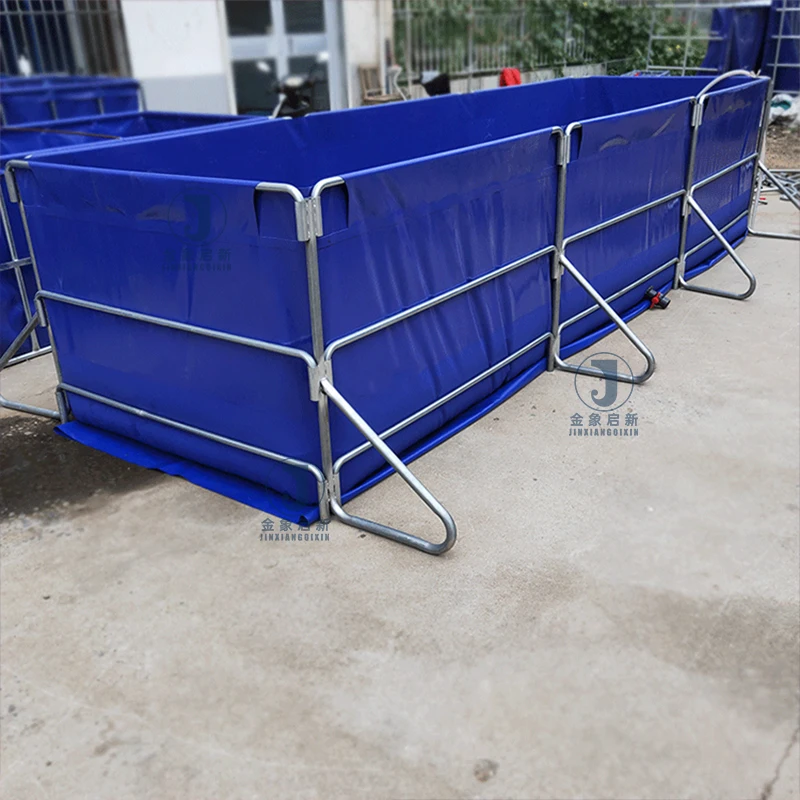
PVC Tarpaulin Fish Pond Liner with 450–900 g/m² coating weight, 500D×500D polyester base, and smooth leather-like surface for aquaculture containment.
- Double-sided PVC coating delivers full waterproof sealing under hydrostatic pressure
- Hot-air welded seams match fabric tear strength at critical flex points
- Custom cut-to-size with reinforced eyelets and hems for secure anchoring
- Anti-UV treated for extended outdoor service in open-water environments
Supported by dedicated QA/QC with 100% pre-shipment inspection and verified GSM weight on delivery.
Description
Deep Coating Process Control — every roll of PVC Tarpaulin Fish Pond Liner is weighed on the line to confirm the coated weight matches the quoted specification before it leaves the factory.
Technical Specifications
| Parameter | Value |
|---|---|
| Product Type | PVC Tarpaulin Fish Pond Liner |
| Base Fabric | 500D-500D Polyester |
| Weight Range | 450-900 g/m² |
| Surface Finish | Smooth, leather-like texture |
| Waterproof Performance | Fully coated, overall sealing |
| Abrasion Resistance | Very strong |
| UV Resistance | Anti-UV treated — confirm test report for your exposure requirements |
| Flame Retardant | Available in flame retardant grades — confirm the grade required for your market |
| Service Life Expectancy | Suited to extended outdoor and aquatic exposure (3–5 years typical under standard aquaculture conditions) |
| Repair Method | Hot air welding |
| Assembly | Foldable for transport and seasonal deployment |
| Certification | ISO, CE |
Application Suitability
| Application | Exposure & Requirement |
|---|---|
| Commercial aquaculture earthen ponds | Permanent water contact, hydrostatic pressure, soil chemistry, puncture from substrate |
| Frame-supported fish farming tanks | Constant water load on seams, UV exposure on above-water surfaces, flex stress at frame joints |
| Foldable seasonal pond tanks | Repeated folding and unfolding, abrasion at fold lines, rapid deployment and teardown |
| Agricultural water containment reservoirs | Long-term UV exposure, algae and biological contact, anchoring tension at perimeter |
| Livestock irrigation storage | Sediment abrasion, fluctuating water levels, mechanical contact from pumps and equipment |
Why a Quoted GSM Does Not Guarantee a Leak-Free Pond Liner
The weight printed on the quotation only matters if the roll on your dock actually matches it.
I worked the coating line for years before moving to customer-facing work. Last year, a Middle East client received a shipment of pond liners where the actual weight fell well below what was agreed. The entire batch came back. Freight cost more than the fabric itself. In aquaculture, a liner that fails means an entire stock of fish is lost — not just a delayed project. When sourcing a PVC Tarpaulin Fish Pond Liner aftermarket supplier, buyers need documentation that proves the roll was weighed and verified, not just a spec sheet that states a target number. Hydrostatic pressure exposes thin spots within the first filling cycle [NEED_CITE: hydrostatic testing protocols for flexible containment liners].
How Double-Sided Coating Secures Water Containment
The 500D-500D polyester base provides the tensile backbone, but the coating is what holds water. Both faces of the fabric receive a PVC layer, creating a fully sealed barrier that prevents water migration through the weave. This double-sided construction also protects the polyester yarns from biological growth and chemical exposure in pond environments. The smooth, leather-like surface finish resists algae adhesion, making seasonal cleaning less labour-intensive for aquaculture operators who drain and refill between cycles.
Welded Seams vs. Stitched Seams Under Water Load
Stitched seams create needle holes — each one a potential leak path under sustained hydrostatic pressure. Hot air welding fuses the PVC coating layers together, forming a continuous bond that matches or exceeds the tear strength of the fabric itself. This matters most at the flex points where the liner meets the pond wall or where a frame-supported tank bends under load. A PVC Tarpaulin Fish Pond Liner that fails at the seam is far more common than one that fails in the body of the fabric [NEED_CITE: seam failure modes in flexible pond containment systems].
Reading the Specification Sheet for Pond Liner Procurement
The 500D-500D yarn count defines the base fabric density, which directly influences how the material resists tear propagation when punctured by sharp substrate or anchoring hardware. The 450-900 g/m² weight range covers light-duty nursery tanks through heavy-duty commercial reservoirs, and selecting within that range depends on pond depth, substrate conditions, and expected mechanical contact. Heavier grades provide more coating mass, which increases abrasion tolerance against sediment and improves the material’s ability to bridge small irregularities in the pond floor. The anti-UV treatment must be verified by a test report matched to your local solar exposure conditions, because open-water UV intensity accelerates degradation on the exposed perimeter [NEED_CITE: ISO 4892 methods for UV weathering of coated fabrics]. Foldability across the full weight range means seasonal operators can drain, fold, and store the liner without cracking the PVC layer, provided storage temperature remains moderate.
The Cost of Underspecifying a Pond Liner
Choosing a lighter grade to save on the initial purchase often shows up as a seam split or a puncture tear within the first season. When the liner fails under a full pond, the loss includes the water, the stock, the labour to drain and replace, and the downtime while a new liner is sourced and installed. Colour inconsistency across rolls in the same order becomes visible once the liner is laid out and filled — acceptable in a temporary irrigation tank, but a problem when the pond is part of a visible commercial aquaculture facility. Liners supplied without the flame retardant documentation required by local regulation can halt a project at the inspection stage, regardless of how well the material performs in the water [NEED_CITE: fire classification requirements for agricultural containment structures].
What This Production Line Delivers for Pond Liner Buyers
Three full production lines and 36 sets of professional equipment support bulk orders with consistent coating weight roll to roll. The 10-person R&D team handles custom cut-to-size requirements, reinforced edge details, and sample development within days rather than weeks. Every roll passes through dedicated QA/QC at each production stage, with a full pre-shipment inspection confirming weight, colour, and weld integrity before dispatch. Coating process control built over nearly three decades of working with PVC means the adhesion between the coating and the base fabric is managed at the line level, not left to chance. ISO and CE certified production provides the documentation framework that international aquaculture buyers require for import clearance and site compliance.
Documentation & Verification
- Material specification sheet stating base fabric denier, coating type, and confirmed weight per roll
- UV and flame retardant test reports matched to the grade specified on the purchase order
- Pre-shipment inspection record confirming colour consistency and surface quality across all rolls
- Roll packing list with individual weights for dock-side verification against the quotation
- Certificate of origin and customs documentation for cross-border shipment
Fabrication, Handling & Storage
- Hot air welding temperature must match the PVC coating thickness to achieve full seam fusion without burning through
- Reinforced hems distribute anchoring load across a wider area of the 500D-500D base fabric
- Store rolls upright on a flat surface to prevent permanent creasing in the coated layers
- Allow folded liners to acclimate to ambient temperature before unfolding to avoid cracking the PVC surface
- Use mild, non-solvent cleaners on the smooth leather-like finish to preserve the coating integrity
- Field repairs on punctures are achievable with a hot air welder and a patch of matching grade material
What to Include in Your Pond Liner Enquiry
Specify the pond dimensions, water depth, and substrate type so the correct weight within the 450-900 g/m² range can be recommended. Indicate whether the liner will be used in a permanent installation or a foldable seasonal tank, as this affects edge reinforcement and anchoring requirements. If your local regulations require flame retardant or specific UV performance documentation, state the standard or grade needed so the correct test report is included with the shipment. Confirm whether you need the PVC Tarpaulin Fish Pond Liner supplied as finished cut-to-size panels or as roll stock for on-site fabrication.
Frequently Asked Questions
Q: What GSM weight is recommended for different pond depths and sizes?
A: Deeper ponds exert greater hydrostatic pressure on the liner floor and walls, requiring a heavier grade from the 450-900 g/m² range. Larger surface areas also increase total load on seams. Share your pond dimensions, depth, and substrate type so the appropriate weight can be matched to your containment requirements and local conditions.
Q: How do welded seams compare to stitched seams for pond liner longevity?
A: Hot air welding fuses the PVC coating into a continuous bond without needle holes, eliminating leak paths that stitched seams create under water pressure. Welded seams match the fabric’s tear strength and hold up better at flex points where the liner bends around pond walls or frame joints during sustained water loading.
Q: Can the liner be custom cut to fit irregular pond shapes?
A: Yes. The R&D team can develop cut-to-size panels based on your pond drawings, including curved corners and penetrations for inlet and outlet pipes. Custom shapes are welded from the same PVC-coated polyester base, maintaining consistent waterproof performance across the entire lined surface.
Q: What anchoring and installation methods work with PVC tarpaulin liners?
A: Perimeter anchoring typically involves burial trenches, batten bars, or weighted edges depending on the pond structure. The reinforced hems on the liner distribute tension from tie-down points. Share your anchoring system details so edge reinforcement can be configured to match the load pattern at your site.
Q: How do I verify the UV treatment claim before committing to a bulk order?
A: Request the UV test report that corresponds to the specific anti-UV grade applied to your order. The report references the test method used and the exposure conditions evaluated. A sample from the production run can also be submitted to an independent lab for confirmation before the full order ships.
Related products
-
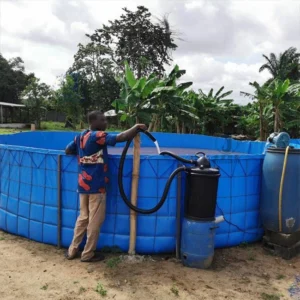
PVC Tarpaulin 0.65mm Industrial Woven Fabric Plain Style Waterproof Coating for Fish Pond Tank Pool From Vietnam
¥0.50 Add to cart -
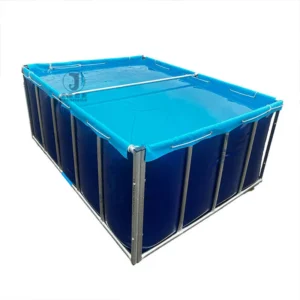
PVC Coated Tarpaulin for Fish Pond – Custom Made
Read more -
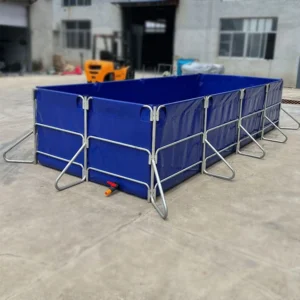
Custom PVC Tarpaulin Fish Pond Liner for Aquaculture – Manufacturer
Read more -
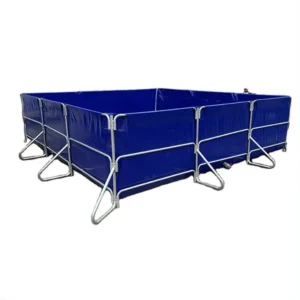
Foldable Circular Rectangular PVC Tarpaulin Fish Pond Tarpaulin for Fish tank
¥0.53 Select options This product has multiple variants. The options may be chosen on the product page