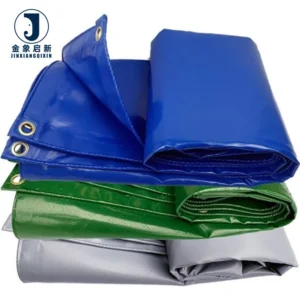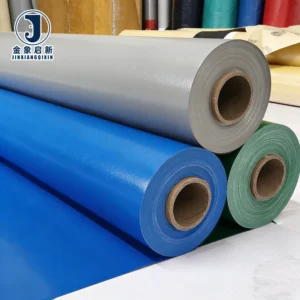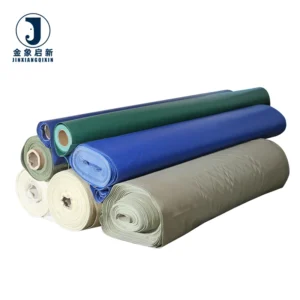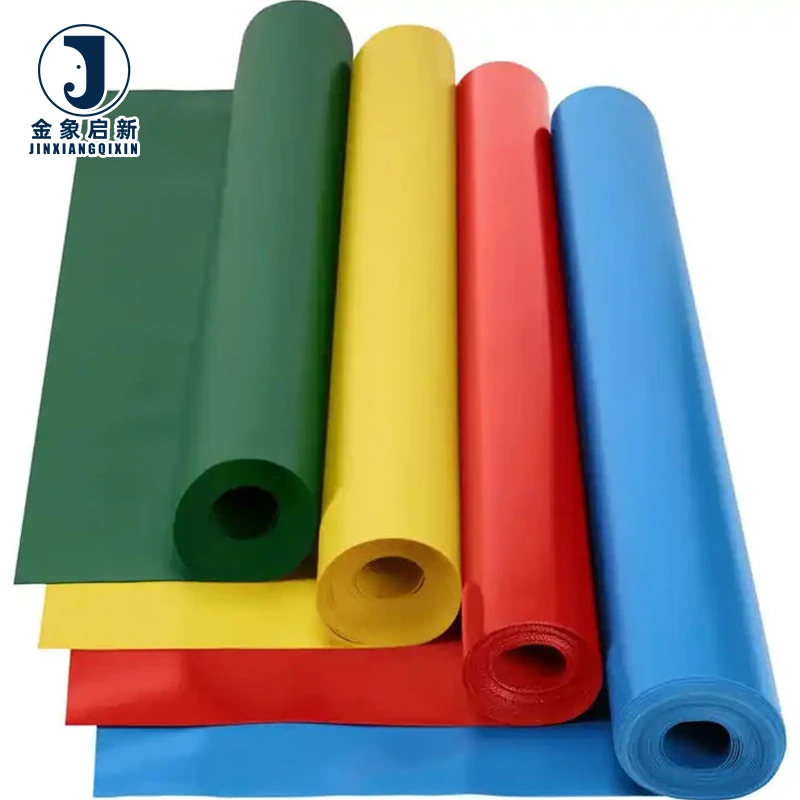
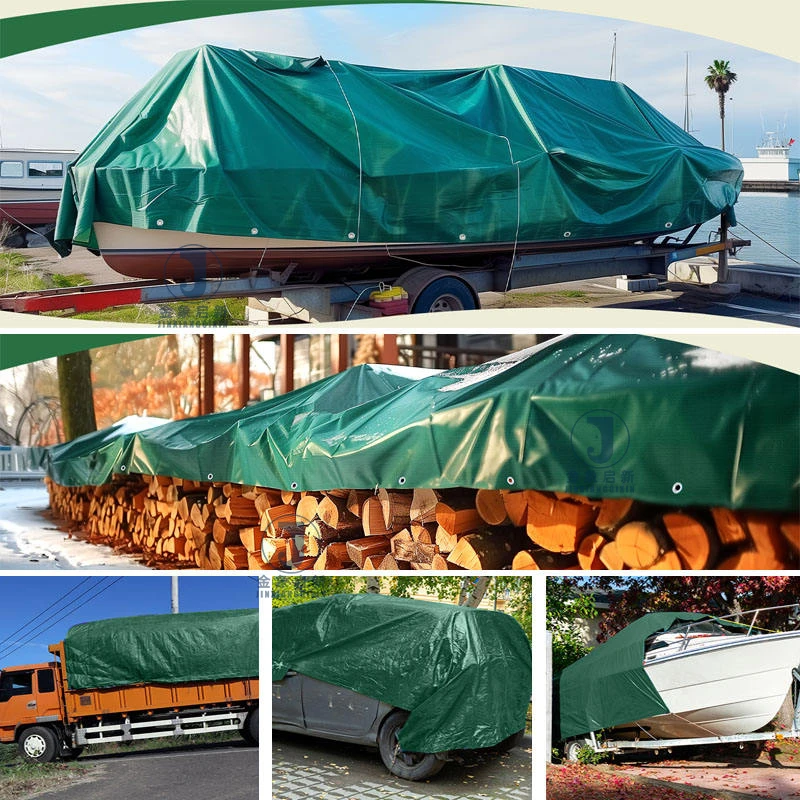
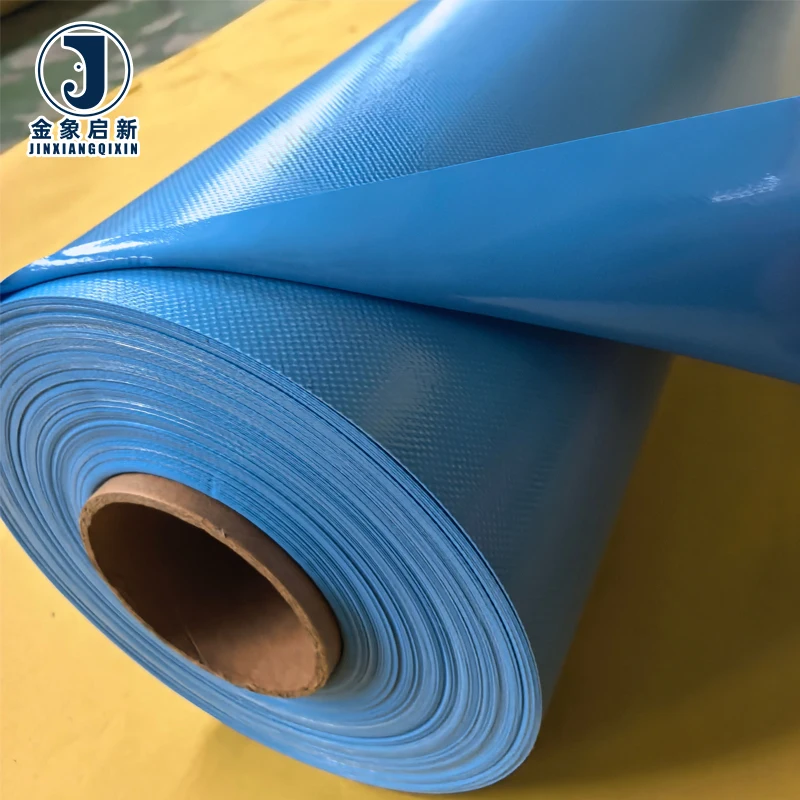
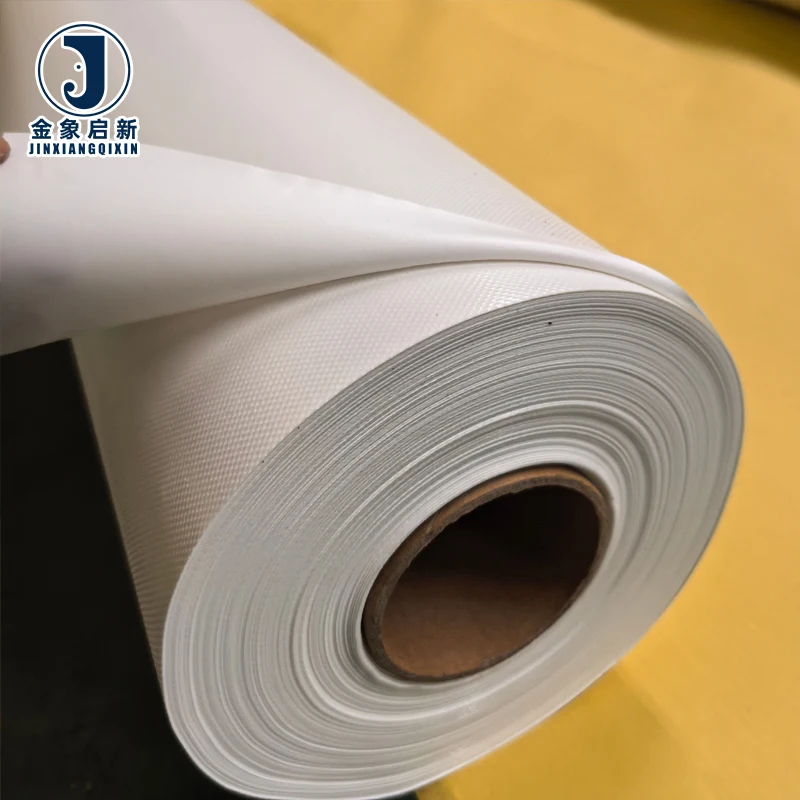
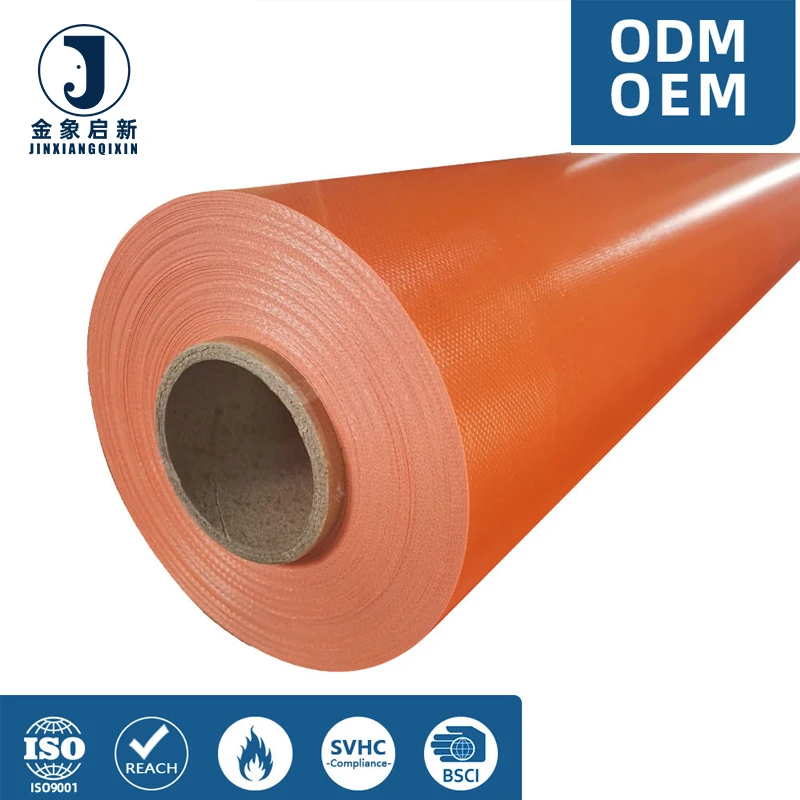
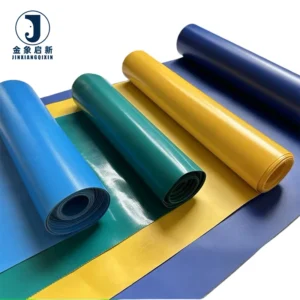
PVC Coated Tarpaulin Roll, 650GSM, 1000D×1000D 23×23, 1.50m×50m — glossy surface with waterproof coating, available in full roll or custom cut sizes for multi-purpose cover applications.
- Deep process control over coating weight and adhesion ensures the stated 650GSM matches verified delivery weight across every roll, so you get consistent tensile and tear performance without underweight surprises.
Backed by a 10-person R&D team, 100% pre-shipment inspection, and ISO & CE certified production for reliable roll-to-roll quality.
Description
Proven Coating Control — nearly 30 years of PVC coating process expertise ensures every 650GSM 1000D×1000D roll delivers the verified weight and adhesion your fabrication line depends on.
Technical Specifications
| Parameter | Value |
|---|---|
| Product Type | PVC Coated Tarpaulin Roll |
| Weight | 650GSM |
| Base Fabric Denier | 1000D×1000D |
| Mesh Count | 23×23 |
| Coating Material | PVC |
| Width | 1.50M |
| Roll Length | 50M |
| Finish | Glossy (matte available on request) |
| Colour | Blue, yellow, black, green, white (custom colours available) |
| Temperature Range | -15ºC to 70ºC |
| UV Treatment | Customized — confirm the UV grade required for your market |
| Flame Retardant | Available in flame retardant grades — confirm the grade required for your market |
| Key Features | Waterproof, anti-fungal treated, good flexibility, abrasion resistance |
| Standards | ISO 14001, ISO 45001, CE, RoHS |
| Working Life | 3–10 years depending on usage environment |
| OEM/ODM | Accepted |
Application Suitability
| Application | Exposure & Requirement |
|---|---|
| Truck and trailer covers | Constant flexing at load points, road debris abrasion, prolonged UV exposure |
| Construction site enclosures | Wind loading, scaffold contact, rain and dust ingress, seasonal temperature swings |
| Agricultural and pond liners | Permanent water contact, soil chemistry, puncture risk from substrate |
| Tent and awning fabrication | Repeated folding, sun exposure, tensile load at grommets and ridge lines |
| Industrial equipment covers | Chemical splash, oil mist, outdoor storage across temperature ranges |
| Inflatable and membrane structures | Internal air pressure, wind-induced flutter, UV degradation at seam lines |
Why a PVC Coated Tarpaulin Roll Fails Before the Fabric Does
Most coated fabric failures originate at the seam, not the body of the material.
When a PVC coated tarpaulin roll is cut, welded, and installed, the welded seam carries the highest stress concentration. If the coating adhesion is inconsistent or the heat-seal parameters are misaligned with the PVC formulation, the weld line peels under flex load long before the 1000D×1000D base fabric reaches its tensile limit. Buyers have reported covers splitting at the hem within months while the main body remained intact — a problem rooted in coating-to-fabric bonding, not GSM alone. [NEED_CITE: tensile and tear test methods for coated fabrics per ISO 1421]
What the 1000D×1000D Base Fabric Actually Delivers
The 1000D×1000D denier paired with a 23×23 mesh count creates a dense, high-tensile base that resists tear propagation. Each yarn intersection acts as a crack arrest point — when a puncture occurs, the tight weave prevents the tear from running across the roll width. This PVC coated tarpaulin roll gains its structural integrity from this base construction, which supports the 650GSM coating weight without delamination risk during fabrication or field use.
Coating Weight Verification Across Every Production Run
Consistent 650GSM delivery depends on controlled coating application at every stage. The PVC compound must be metered evenly across the 1.50M width so that no section of the roll falls below the specified weight. Batch-to-batch variation in coating thickness is a common source of field failure — one section performs as expected while another, lighter section degrades prematurely under UV exposure. Our QA protocol checks coating weight at multiple points per roll before it leaves the production line. [NEED_CITE: coating weight measurement standards for PVC tarpaulin]
How GSM, Denier, and Mesh Count Work Together
A 650GSM reading alone tells you how much the material weighs per square metre, but it does not tell you how that weight is distributed between base fabric and coating. A roll with a lighter 500D base and heavier coating may hit 650GSM yet lack the tear resistance of a 1000D×1000D construction. The 23×23 mesh count further refines performance — higher thread density means more yarn-to-yarn contact points, improving both tensile strength and the surface area available for PVC adhesion. The glossy finish on this roll also affects fabrication: it provides a smooth surface for heat welding and resists dirt adhesion during outdoor service, while a matte option is available for applications requiring reduced glare or improved print adhesion.
The Hidden Cost of Unverified Material Claims
When a quotation states a specific GSM but the delivered roll weighs less, the buyer absorbs the gap in performance without realising it until the cover fails in service. Colour variation between rolls in the same shipment becomes visible once installed side by side on a truck fleet or construction hoarding. Flame retardant treatment claimed without a supporting test report can mean a failed site inspection or rejected building permit. These are not cosmetic issues — they translate into rework costs, delayed project timelines, and damaged buyer credibility with end users. [NEED_CITE: common field failures in PVC coated fabrics due to specification gaps]
Why Fabricators Source This PVC Coated Tarpaulin Roll Here
Deep process control over coating weight and adhesion has been refined across nearly 30 years of focused PVC production, ensuring the 650GSM you specify is the 650GSM you receive. Three full production lines and 36 sets of professional equipment provide the capacity to fill container-load orders with consistent roll-to-roll quality. The 10-person R&D team develops custom colour matches, width adjustments, and treatment formulations with samples turned around within days. Dedicated QA/QC at every production stage with 100% pre-shipment inspection means each roll is checked before packing — not sampled from a batch. ISO 14001, ISO 45001, CE, and RoHS certifications are maintained as baseline documentation, not optional extras.
Documentation & Verification
- Material specification sheet confirming 650GSM, 1000D×1000D denier, 23×23 mesh, and coating type with every roll shipment
- Test reports for UV and flame retardant grades provided where applicable — request before order confirmation
- Pre-shipment inspection record documenting 100% roll-by-roll weight and visual check before dispatch
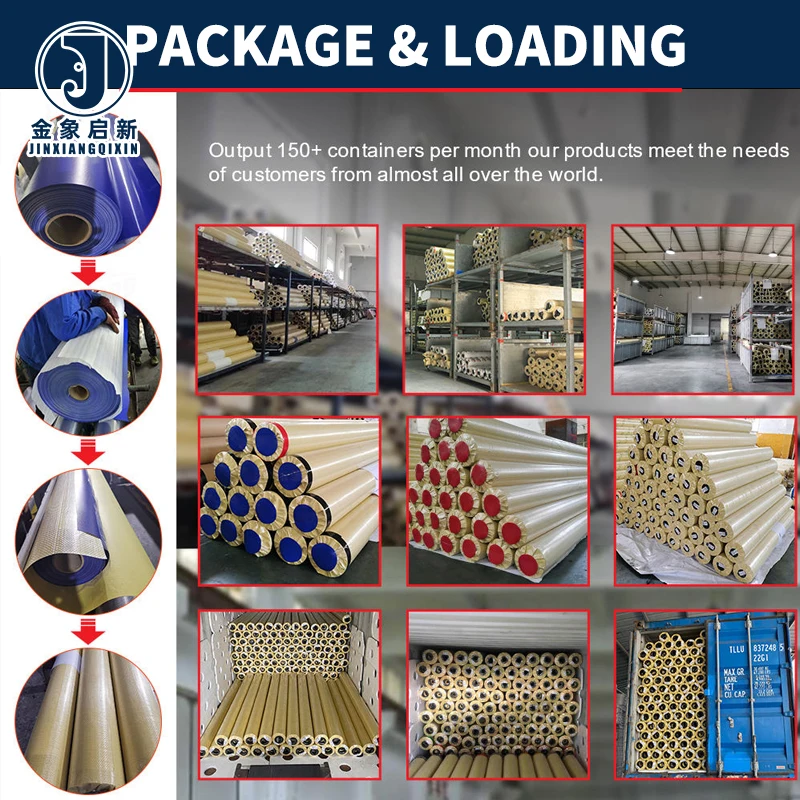
- Roll packing list with individual roll weights and dimensions for container loading verification
- Certificate of origin and customs documentation included for international shipments
Fabrication, Handling & Storage
- Heat-weld at temperatures matched to the glossy PVC coating formulation to avoid surface scorching or weak bonds
- Store rolls upright on pallets in shaded, dry conditions to prevent compression marks on the 1.50M width
- Allow cold-stored rolls to reach ambient temperature before unrolling to prevent coating cracking below -15ºC
- Use compatible PVC adhesive for field repairs on the 1000D×1000D base fabric at seam and hem areas
- Plan cutting layout across the 50M roll length to minimise offcuts and maximise panel yield per roll
- Clean glossy surfaces with mild, non-solvent detergents to preserve coating integrity and surface finish
Start Your Specification
Provide your target application, exposure conditions, and any fire classification or UV stability requirements for your market so we can confirm the right treatment package. Specify whether you need full rolls at 1.50M width or custom widths, along with colour references and annual volume estimates. If you require printed branding or custom cut sizes fabricated from this roll stock, include your artwork and panel dimensions for sample development.
Frequently Asked Questions
Q: How is the 650GSM weight verified and what documentation accompanies shipment?
A: Every roll undergoes coating weight checks at multiple points during production. A material specification sheet confirming 650GSM, 1000D×1000D base fabric, and coating type ships with each order. A pre-shipment inspection record with roll-by-roll weight data is provided before dispatch, giving you documented proof that the weight quoted is the weight delivered.
Q: What UV treatment options are available and what test basis supports the claim?
A: UV treatment is customised based on your target market and exposure conditions. We supply test reports for the specific UV grade applied to your production batch. Confirm the UV stability standard your end users or regulators require — such as hours of accelerated weathering or a specific test method — so we can align the formulation accordingly.
Q: Can I order custom width, colour, or printed branding on this roll?
A: Yes. Custom widths beyond the standard 1.50M, bespoke colours matched to your reference, and printed branding or pattern designs are all available. The 10-person R&D team develops samples within days for your approval before bulk production. Minimum order quantities vary by customisation level — provide your requirements for a specific quotation.
Q: How do you control colour consistency across multiple rolls in the same order?
A: Pigment dosing and PVC compound mixing are controlled at the batch level to eliminate shade variation. Rolls within a single order are produced from the same compound batch wherever possible, and visual inspection under standardised lighting conditions is part of the pre-shipment QA check. This ensures consistent colour when rolls are installed side by side.
Q: What is the process for requesting and approving a sample before bulk production?
A: Submit your specification — GSM, width, colour, finish, and any treatment requirements — and we produce a sample roll or swatch for your evaluation. Once you approve the sample, bulk production proceeds to the same formulation and process parameters. This eliminates specification gaps between what you tested and what arrives in your warehouse.
Related products
-
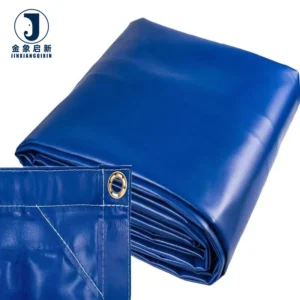
Custom Reinforced Edges Rip-Stop Rubberized PVC Tarpaulin Industry Covering Vinyl Coated Polyester Tarps for Trucks
¥8.00 Select options This product has multiple variants. The options may be chosen on the product page -
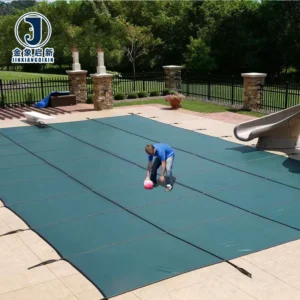
JX Manufacturer Direct Sales PVC Coated Swimming Pool Cover. Durable Waterproof and UV Resistant Floor Swimming Pool Cover Cloth
¥1.78 Select options This product has multiple variants. The options may be chosen on the product page -
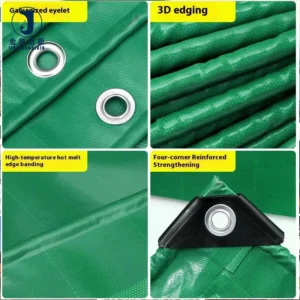
PVC Tarpaulin Waterproof Triangular Tarpaulin Folha De Tarpaulina Truck Tarpaulin
¥0.90 Select options This product has multiple variants. The options may be chosen on the product page -
Heavy Duty Fire Retardant Waterproof PVC Coated Tarpaulin Rolling Tarp Materials for Truck Cover Tents Outdoor Usage
¥1.40 Add to cart