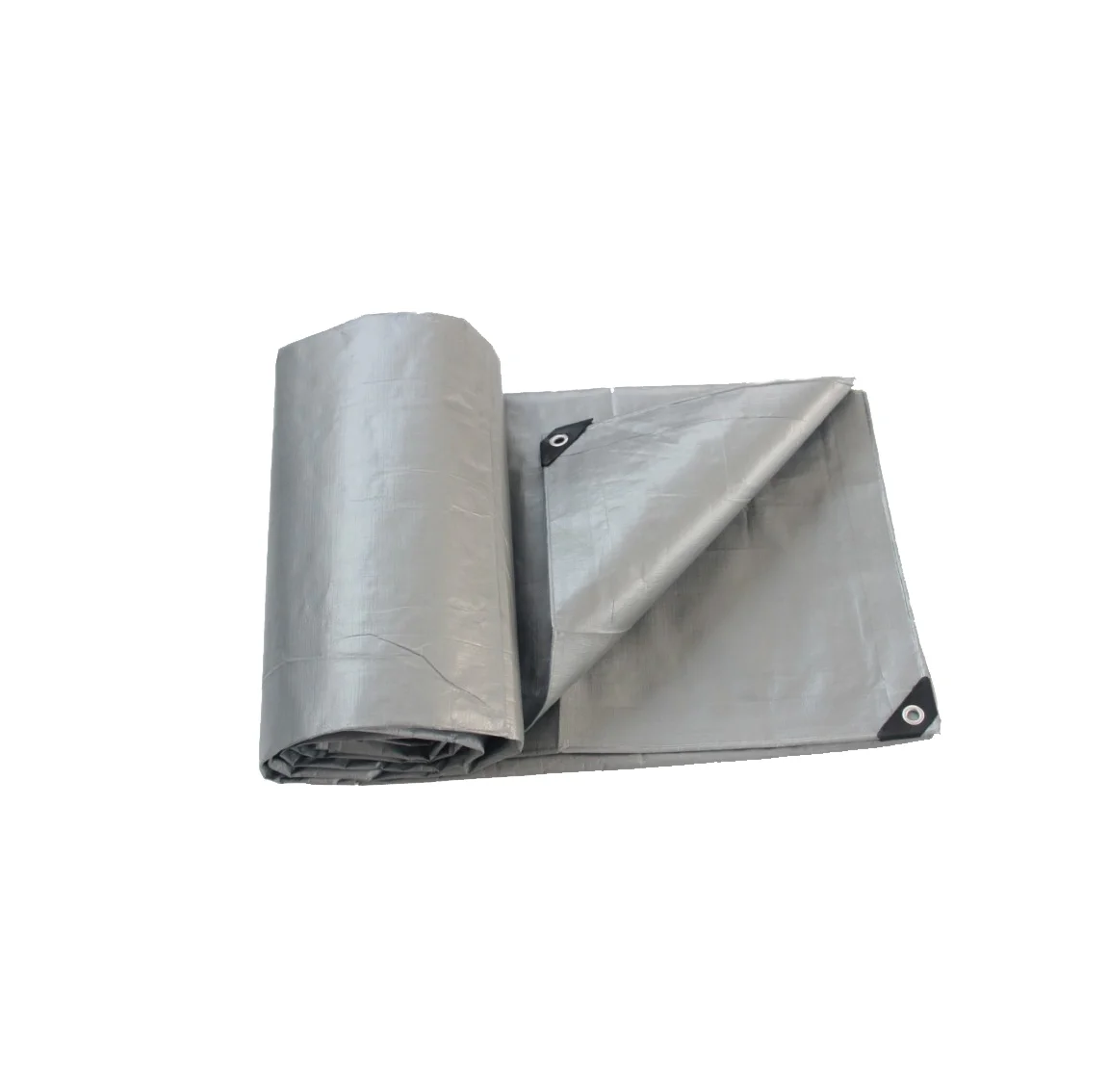
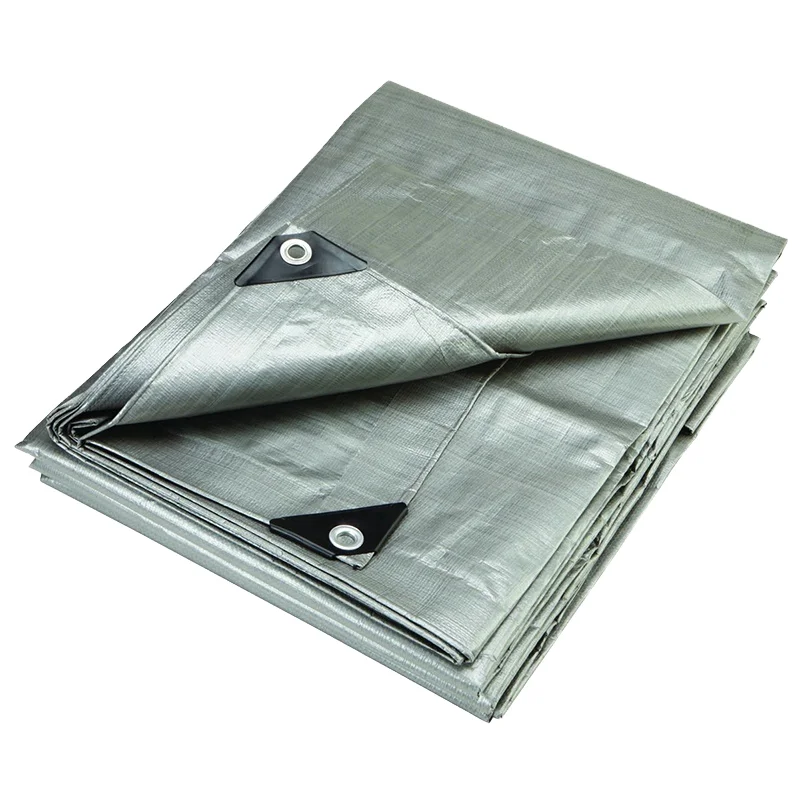
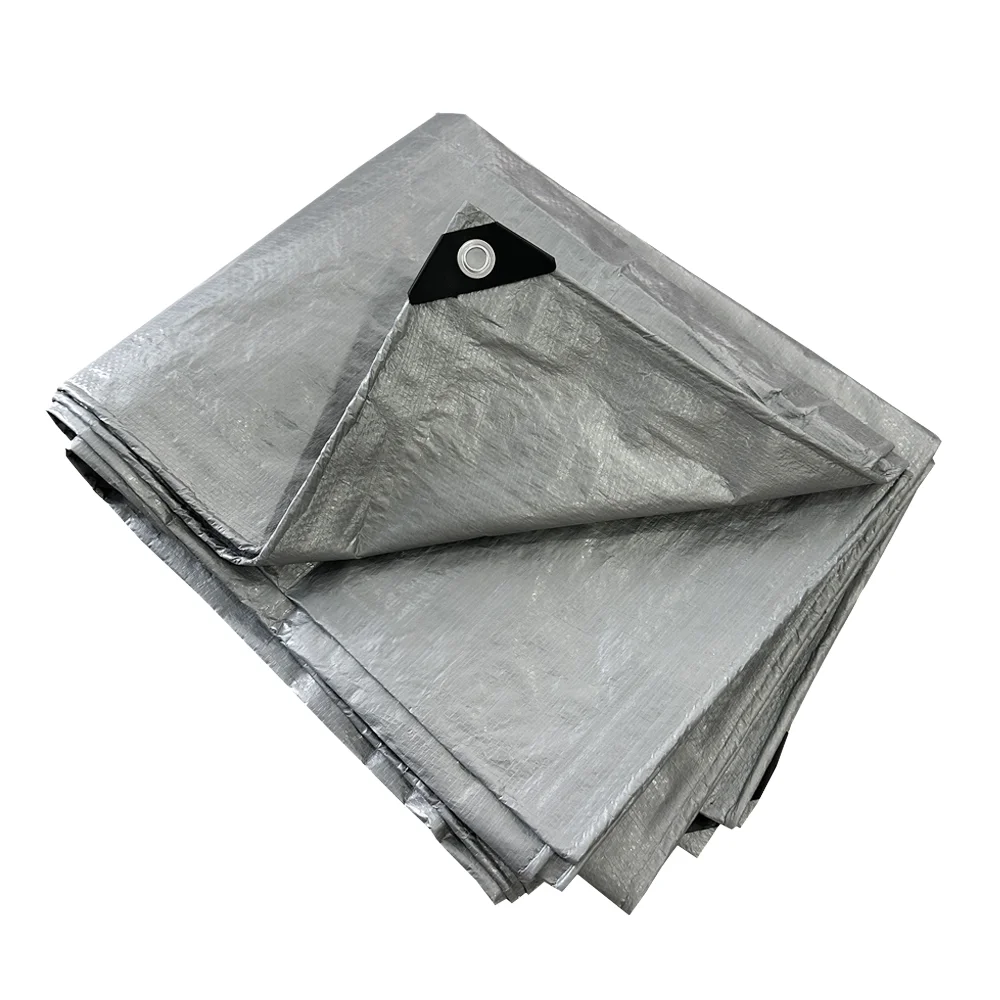
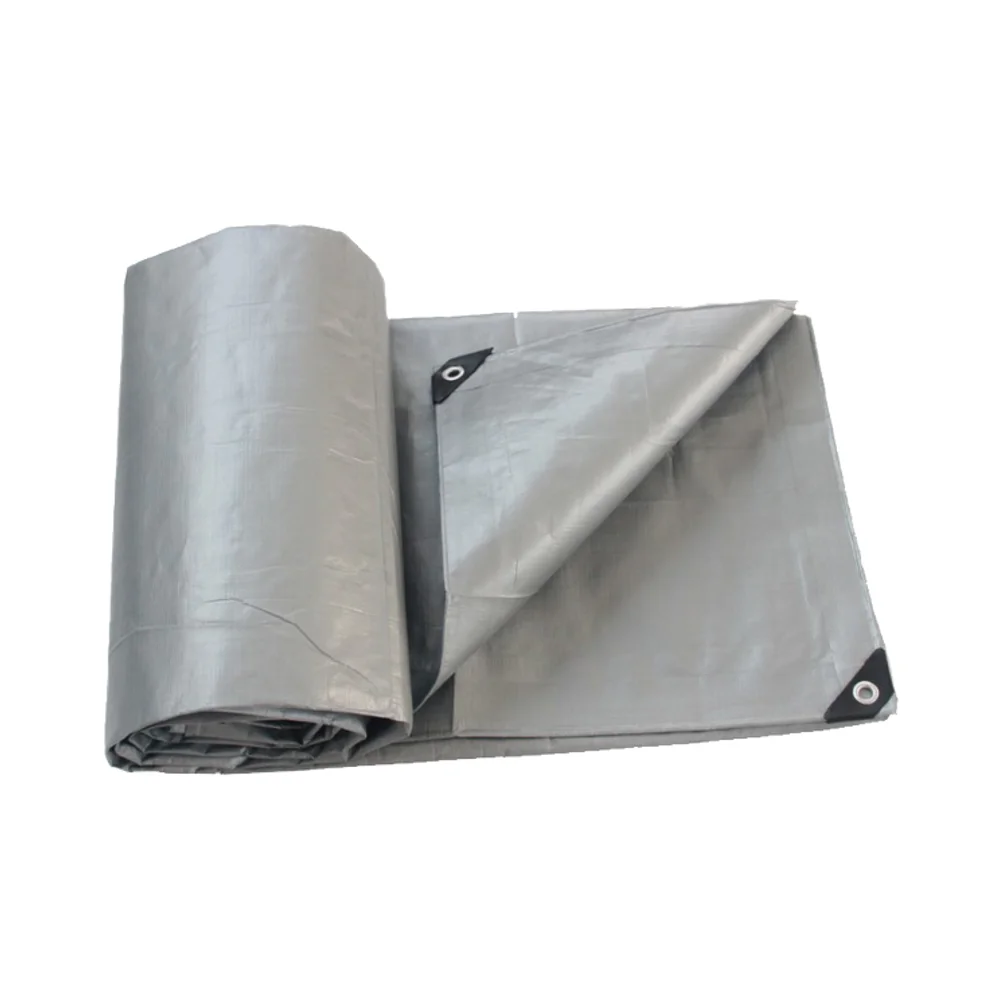
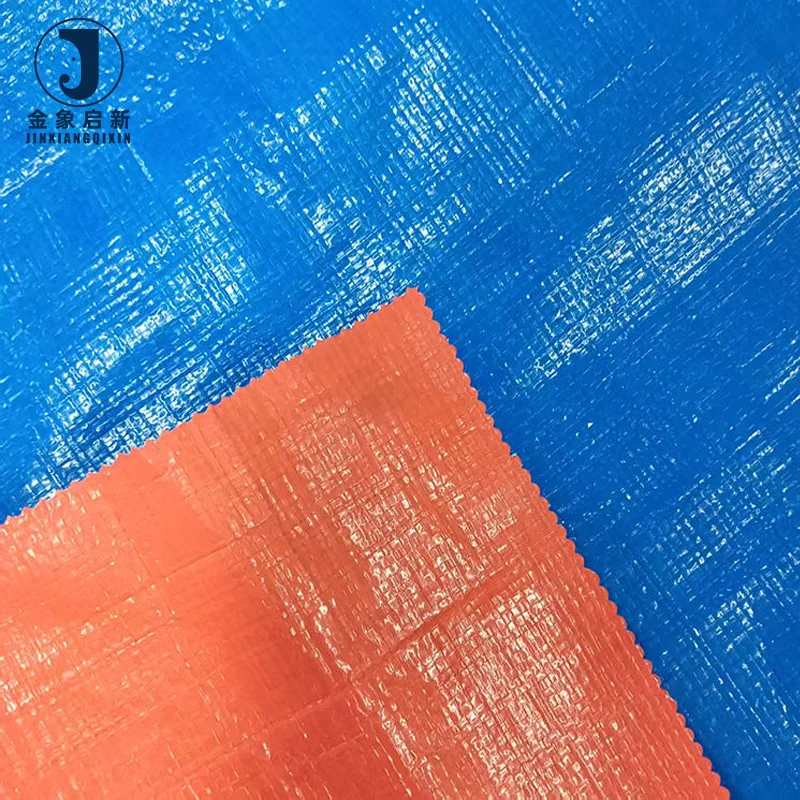
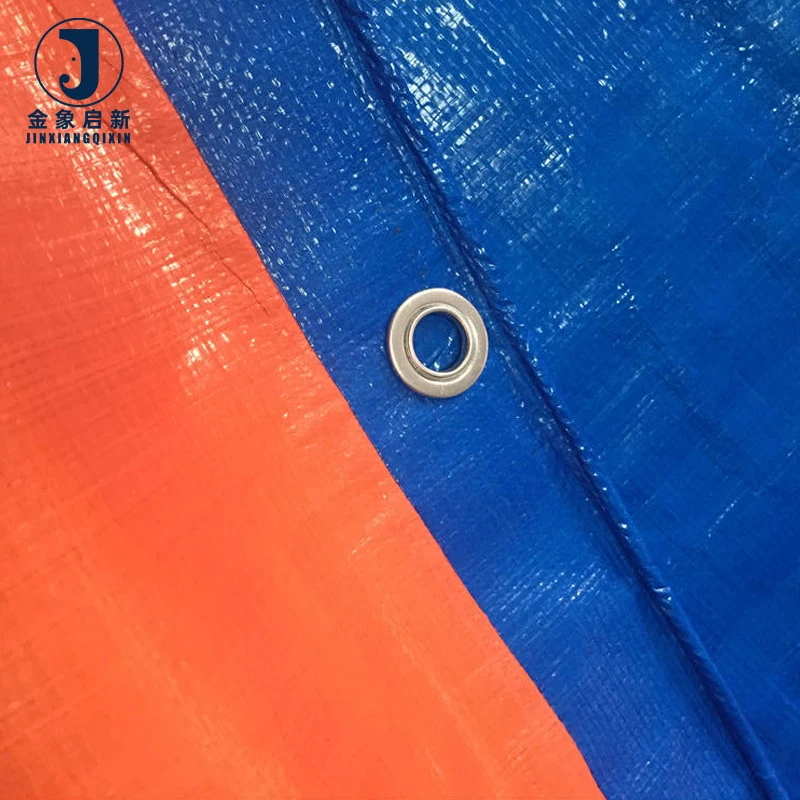
PE Tarpaulin Waterproof Outdoor Garden Sheet — HDPE woven with LDPE lamination, 50–220 gsm, roll widths up to 6m.
- Eight weave densities from 6×6 to 14×16 map directly to GSM grades, letting buyers specify by verified weight rather than vague thickness claims
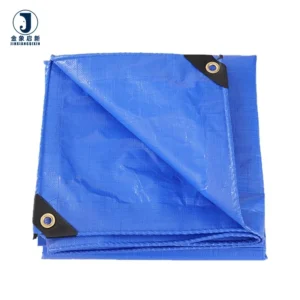
- Reinforced PP rope hem on all four edges with galvanized eyelets at 1m intervals and plastic corner patches for tie-down durability
- Sourced from a 30-year coated fabric specialist running three full production lines with 100% pre-shipment inspection and dedicated QA at every stage
Description
Verified Weight Consistency — every roll of PE tarpaulin is checked against stated GSM before dispatch, eliminating the gap between quotation and arrival.
Technical Specifications
| Parameter | Value |
|---|---|
| Product Type | PE Tarpaulin Roll / Finished PE Tarpaulin |
| Base Fabric | HDPE woven |
| Coating Method | LDPE lamination, both sides |
| Weight Range | 50 gr/m² to 220 gr/m² (confirm grade for your application) |
| Total Thickness | 0.2–0.4 mm (8–16 mil) or custom |
| Mesh Count Options | 6×6, 6×7, 7×7, 7×8, 8×8, 9×9, 8×10, 10×10, 12×12, 14×14, 14×16 |
| Roll Width | 6 ft, 8 ft, 10 ft, 12 ft, 2 m, 4 m, 6 m |
| Roll Length | 100 yards, 100 meters, or custom |
| Finished Sheet Sizes | 2×2 m up to 8×10 m, plus custom cuts |
| Edge Reinforcement | PP rope in hem on all four edges |
| Eyelet Spacing | Galvanised eyelets every 3 ft or 1 m |
| Corner Treatment | Reinforced plastic corners |
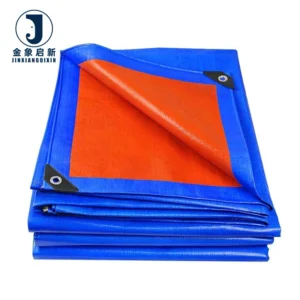
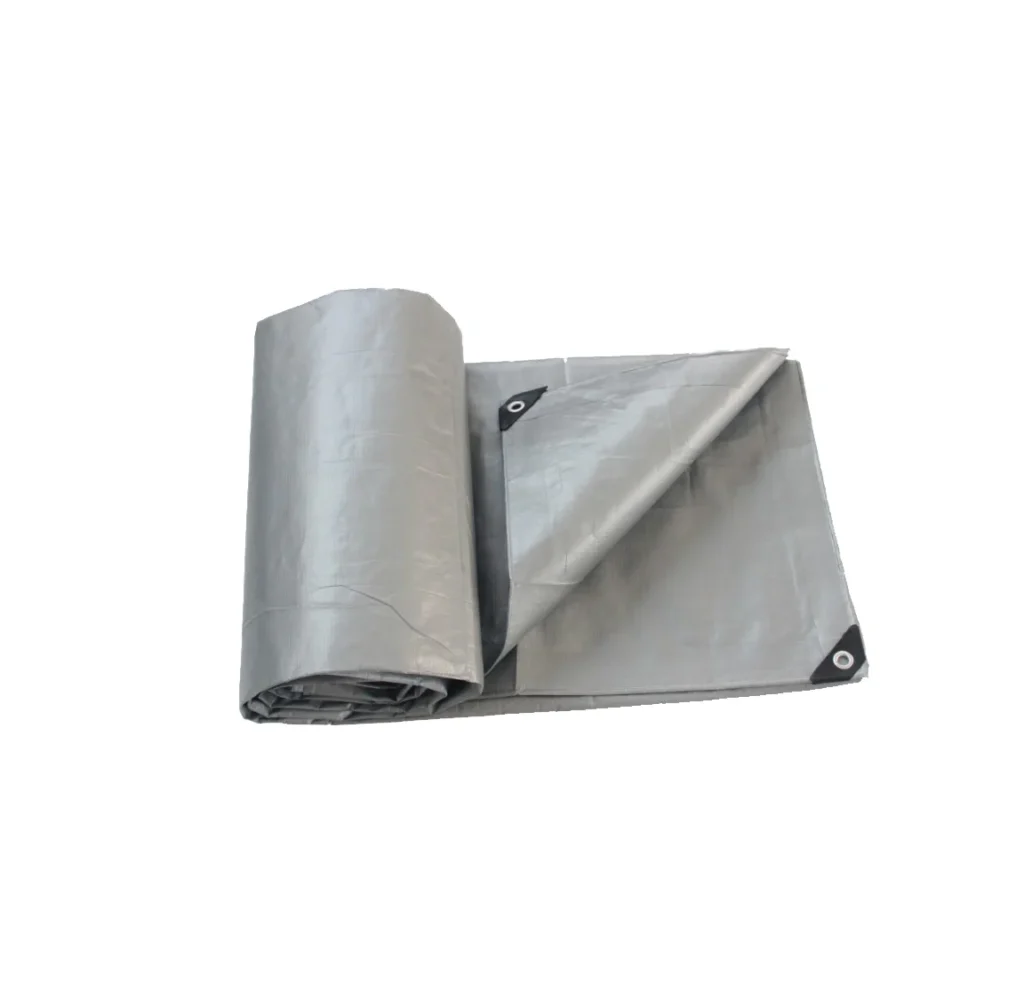
| Colour Options | Blue, Blue/Orange, Green, Grey, Black, Clear, Grey/Green, Orange, or custom |
| UV Treatment | Available (test basis not stated — request report) |
| Waterproof | Yes |
| Anti-Mildew | Yes |
| Standards | ISO, CE certified |
Application Suitability
| Application | Exposure & Requirement |
|---|---|
| Truck and trailer load covers | Highway wind flex, road spray, UV exposure, repeated tie-down at eyelets |
| Boat and container wraps | Salt-laden moisture, stacking abrasion, long idle periods under sun |
| Hay, timber and crop covers | Ground moisture ingress, fungal growth risk, wind lift across large spans |
| Scaffolding and site enclosures | Constant UV, scaffold tube abrasion, wind load on tied seams |
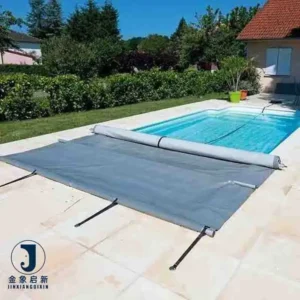
| Garden furniture and pool covers | Backyard UV, seasonal folding, mildew from trapped humidity |
| Pond and reservoir liners | Continuous water immersion, soil chemistry, puncture from substrate |
Why the GSM on Your Last PE Tarpaulin Order Did Not Match What Arrived
Weight verification must happen before the roll leaves the factory, not after it lands on your dock.
Buyers regularly specify a PE tarpaulin grade by GSM, only to find the delivered material feels noticeably lighter. The coating thickness can vary across the roll width, and some suppliers rely on average batch readings rather than measuring individual rolls. When the fabric is thinner than agreed, the tear resistance at eyelet points drops and the sheet fails earlier than expected in field use [NEED_CITE: typical GSM deviation observed in coated fabric shipments]. A documented pre-shipment inspection removes that uncertainty.
How Base Fabric Density Drives Real-World Strength
The HDPE woven base fabric is where the mechanical strength lives. Mesh count options run from 6×6 for lightweight garden sheets up to 14×16 for industrial-grade covers that face sustained wind load and abrasion. Higher mesh density distributes stress across more yarns, reducing the chance that a single puncture propagates into a full tear. Selecting a custom PE Tarpaulin starts with matching weave density to the actual forces the fabric will encounter.
Lamination Quality and the Waterproof Seal
Both sides of the fabric receive LDPE lamination, which locks out moisture and prevents the woven structure from wicking water. The consistency of that lamination directly affects how the material handles folding and re-folding in the field. Uneven coating can create thin spots where water penetrates or where the lamination peels away from the base yarns after repeated flexing [NEED_CITE: lamination adhesion test methods for PE laminated fabrics]. Every roll passes through inspection before leaving the production line to catch these defects early.
Reading the Numbers: GSM, Mesh Density and Actual Performance
GSM alone tells you how much material is present per square metre, but it does not reveal how that weight is distributed between base fabric and coating. A 120 gr/m² PE tarpaulin woven at 10×10 may outperform a 140 gr/m² sheet at 7×7 in tear resistance, because the tighter weave arrests crack propagation more effectively. Thickness readings between 0.2 mm and 0.4 mm give a rough feel, but the mesh count is the more reliable indicator of mechanical behaviour. Edge construction also matters: PP rope in the hem distributes tie-down loads across the full border, while galvanised eyelets at 3 ft or 1 m intervals prevent localised stress concentration. Reinforced plastic corners add extra material at the highest-stress points. When comparing grades, always look at GSM, mesh density and edge finishing together rather than treating weight as the single deciding factor.
What Happens When the Specification Does Not Match the Job
A hay cover ordered at 60 gr/m² with 6×6 weave will struggle against sustained wind uplift across a wide stack, tearing at the eyelets within a single season. Conversely, specifying 250 gr/m² for a temporary garden furniture cover adds unnecessary cost and weight without extending service life in that low-stress role. Colour inconsistency between rolls can also create visible banding when sheets are installed side by side on a large site — a problem that only appears after installation, when returning the batch is no longer practical [NEED_CITE: roll-to-roll colour consistency standards in coated fabric production]. Getting the grade right at the enquiry stage prevents both field failures and commercial disputes.
Why Sourcing Your PE Tarpaulin Here Makes Sense
Three full production lines and 36 sets of professional equipment give this facility the capacity to handle bulk roll orders alongside short-run custom cuts without sacrificing lead time reliability. A 10-person R&D team manages material selection, pattern printing and sample development, so custom width, colour and branding requests move from enquiry to sample quickly. QA/QC sits at every production stage, not just at final packing — weight, colour and lamination consistency are checked in-process. Every order ships with a 100 percent pre-shipment inspection record, so the documentation you receive reflects what was actually produced.
Documentation & Verification
- Material specification sheet stating GSM, HDPE weave density and LDPE coating for each roll
- Pre-shipment inspection record confirming weight and colour against the agreed specification
- UV treatment test report provided when UV-resistant grades are specified
- ISO and CE certificates included with every shipment
- Roll packing list with net weight, roll count and dimensions for container planning
- Certificate of origin for customs clearance in destination markets
Fabrication, Handling & Storage
- Heat-seal temperature should match the LDPE lamination grade — confirm settings before full production runs
- Eyelet setting must account for PP rope hem thickness to avoid crushing the reinforced border
- Store rolls upright on pallets to prevent flat spots that create permanent creases in the HDPE weave
- Unfold finished sheets in moderate temperatures; cold-stiffened LDPE can crack if forced open in freezing conditions
- Clean with mild detergent only — solvents can degrade the LDPE lamination adhesion on both sides
- Cut sheets on flat surfaces using a sharp blade to avoid fraying the woven HDPE base yarns at the edge
Getting Your Specification Right
Provide your application, expected wind load, and whether the cover will be permanently installed or repeatedly deployed and folded. Confirm the roll width or finished sheet dimensions you need, along with any colour or printed branding requirements. If your market requires documented UV or fire performance, state the test standard so the correct grade is matched. Samples are developed for approval before bulk production begins.
Frequently Asked Questions
Q: How is the GSM of my PE tarpaulin order verified before shipment?
A: Every roll is weighed and measured during a 100 percent pre-shipment inspection. The recorded GSM is compared against the value stated in your material specification sheet, and the inspection record ships with the order. This means you receive documented proof that the delivered weight matches what was quoted, not just a batch average.
Q: How do you control colour consistency across multiple rolls in one order?
A: Colour is checked at the lamination stage and again during final inspection. Rolls intended for side-by-side installation are grouped and compared under controlled lighting before packing. If you require a specific colour reference or custom shade, a sample is produced and approved before the full run proceeds.
Q: What roll width and length should I choose for my application?
A: Roll widths from 6 ft to 6 m and lengths of 100 yards or 100 metres are standard, with custom options available. Wider rolls reduce the number of welded seams on large covers, improving waterproof integrity. Your cutting layout and finished sheet dimensions determine the most efficient roll width to minimise waste.
Q: What eyelet and edge options are available for finished PE tarpaulin sheets?
A: Standard finished sheets include PP rope in the hem on all four edges, galvanised eyelets spaced at 3 ft or 1 m intervals, and reinforced plastic corners. Spacing and reinforcement can be adjusted based on tie-down load and wind exposure. Confirm your fixing method so the edge construction matches your hardware.
Q: Can I get custom printing or branding on rolls and finished sheets?
A: Custom colour, pattern printing and branding are available across both roll stock and finished pieces. The R&D team prepares a print sample for your approval before bulk production. Provide artwork files and colour references at the enquiry stage so the sample matches your requirements accurately.
Related products
-
PE Tarpaulin Waterproof Outdoor Garden Sheet HDPE Laminated PVC Coating for Liner Covering Truck Cover Tent Awnings Plain Woven
¥0.31 Select options This product has multiple variants. The options may be chosen on the product page -
Woven Coated Plain Anti-UV Waterproof PE Tarpaulin Roll Customized for Car Outdoor Tent Awning Truck & Industrial Cover
¥0.29 Select options This product has multiple variants. The options may be chosen on the product page -
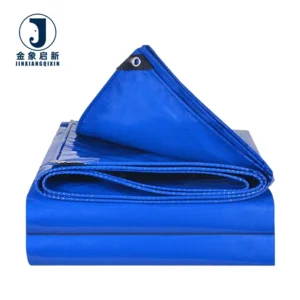
Hot Selling Heavy Duty PVC Coated Tarpaulin Covers Waterproof Plastic for Truck Tent Outdoor
¥3.10 Select options This product has multiple variants. The options may be chosen on the product page -
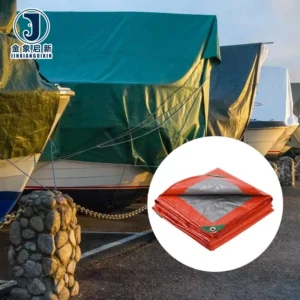
PE Coated Blackout Tarpaulin Poly Tarp with UV Protection Standard Size Fabric Sheet for Agriculture & Industrial Use
¥0.35 Select options This product has multiple variants. The options may be chosen on the product page