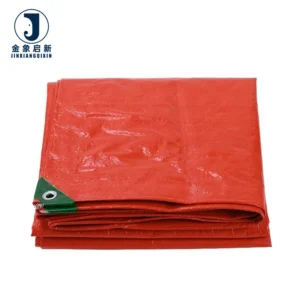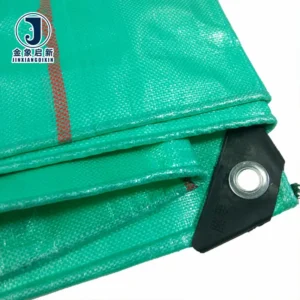
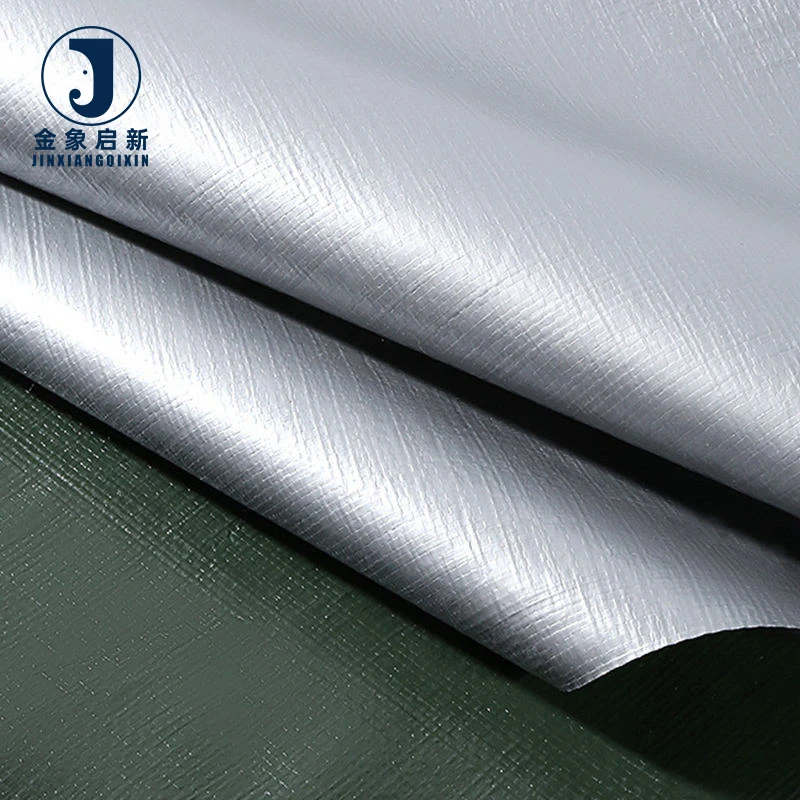
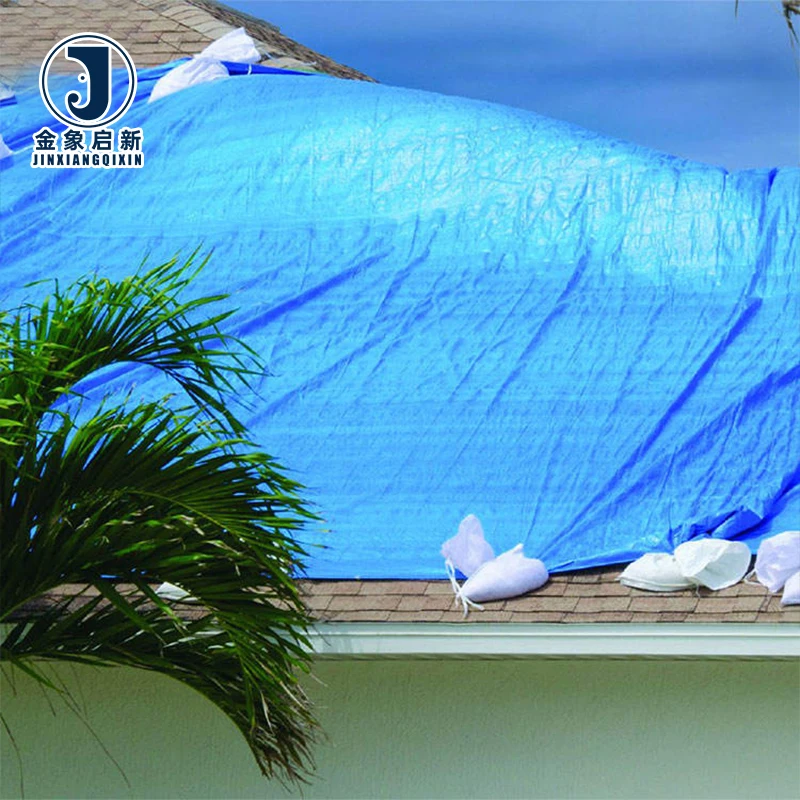
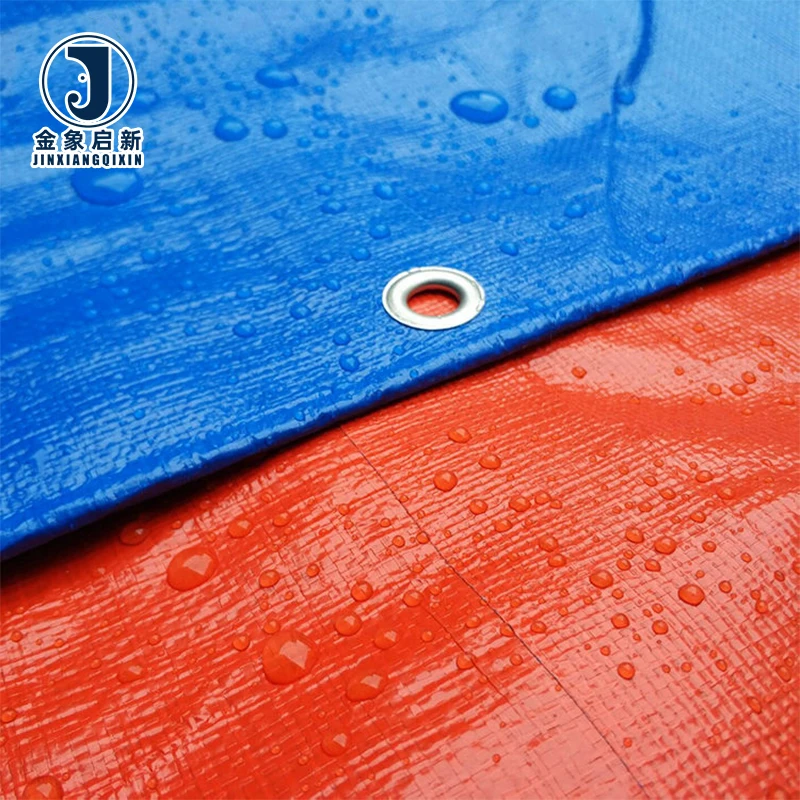
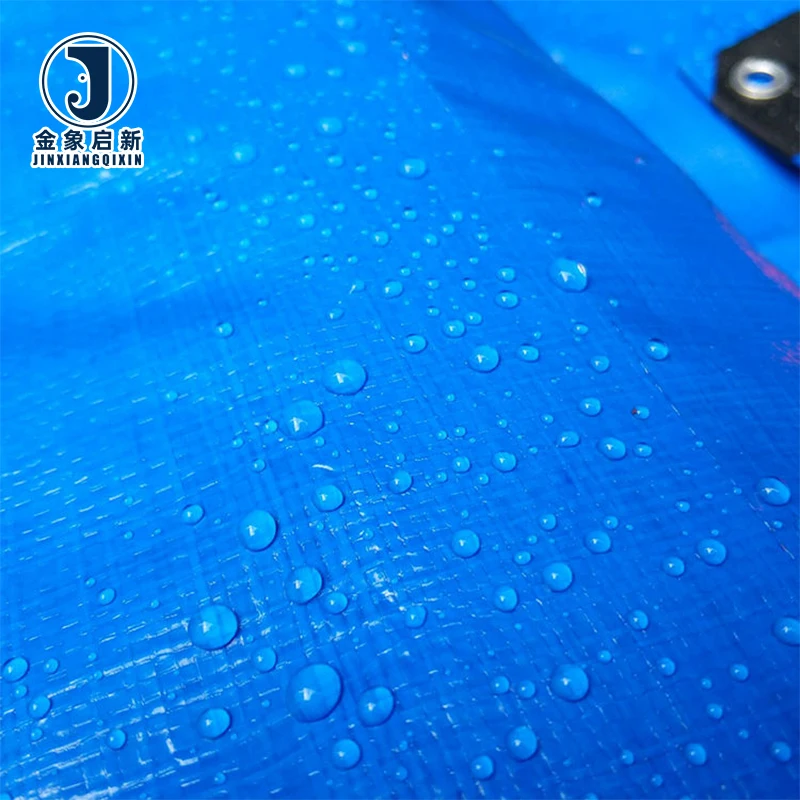
PE Tarpaulin Roll and Finished Cover — HDPE woven with LDPE lamination, 45gsm–400gsm, weave counts 6×6 to 14×14.
- Complete range from lightweight to heavy-duty grades, supplied as roll stock or cut-to-size finished covers with roped hems, galvanised eyelets and reinforced corners
- UV treatment and NFPA701 flame-retardant options available with test documentation, colour matched across rolls for batch consistency
Three full production lines and 36 sets of equipment ensure bulk capacity with reliable on-time delivery from our 9,180 m² facility.
Description
In-House Coating Control — Every roll runs on one of three dedicated production lines with lamination weight monitored at the line and verified again before dispatch.
Technical Specifications
| Parameter | Value |
|---|---|
| Product Type | PE Tarpaulin Roll and Finished Cover |
| Base Fabric | HDPE woven fabric |
| Coating / Lamination | LDPE lamination, both sides |
| Fabric Weight Range | 45 gsm – 400 gsm |
| Weave Count Options | 6×6, 8×8, 10×10, 12×12, 14×14 |
| Thickness | 0.2 mm – 0.4 mm (8 mil – 16 mil) |
| Roll Width Options | 2 m, 4 m, 6 m / 6 ft, 8 ft, 10 ft, 12 ft |
| Roll Length | 100 m, 100 yd, or custom |
| Flame Retardant Treatment | NFPA 701 |
| UV Treatment | Available |
| Hemming | 4 cm margin, all four sides roped with PP rope |
| Eyelets | PC, brass, or aluminium; galvanised, spaced every 1 m or 3 ft |
| Corner Guards | PP or PE reinforced plastic |
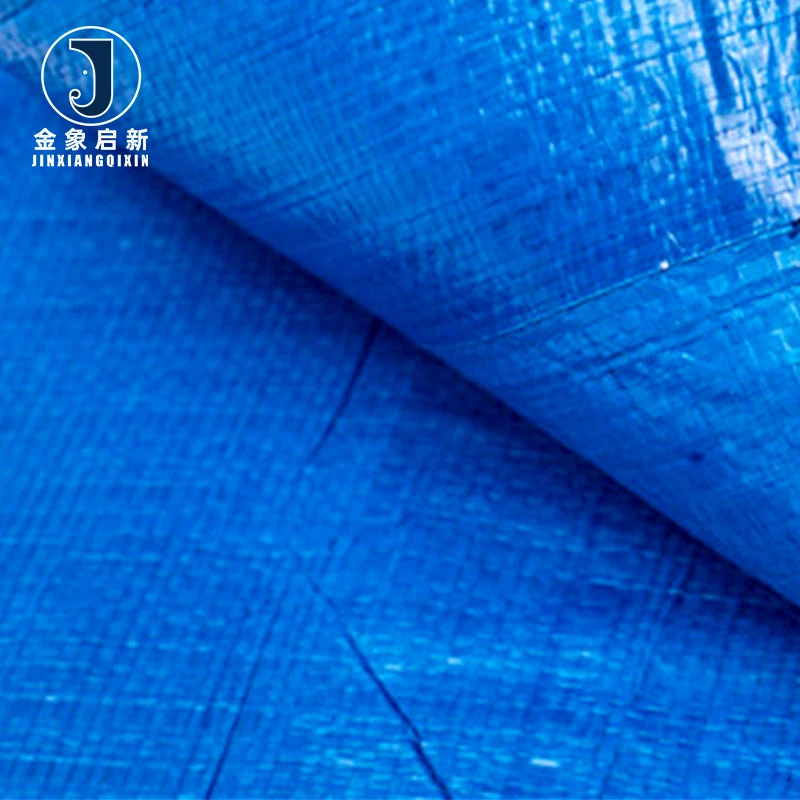
| Colour Range | Any Pantone; stock includes Blue, Blue/Orange, Green, Grey, Black, Clear, Grey/Green, Orange |
| Key Features | Waterproof, washable, tear resistant, mildew proof, anti-aging |
Application Suitability
| Application | Exposure & Requirement |
|---|---|
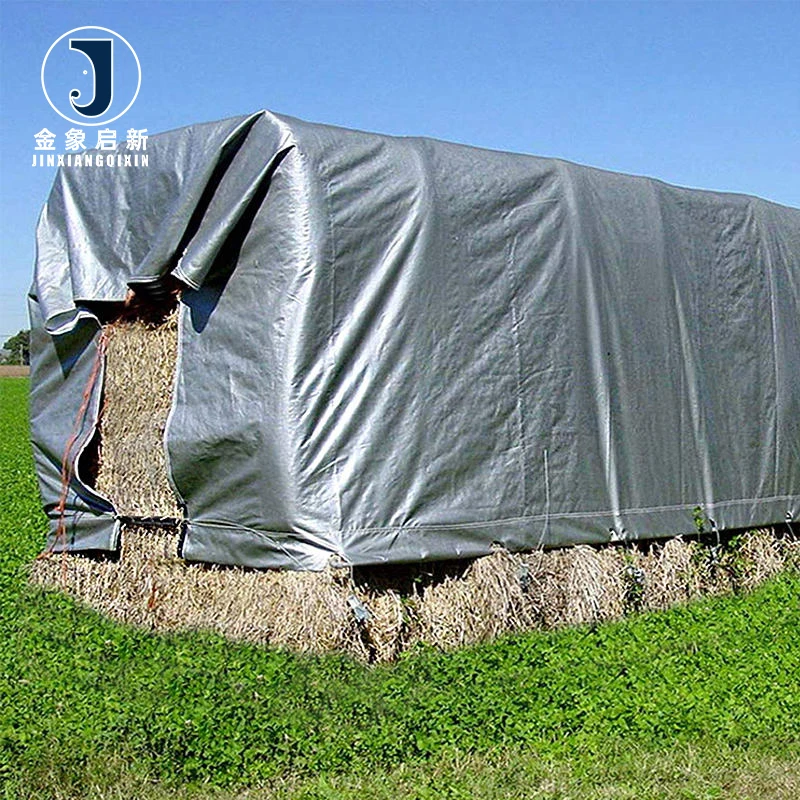
| Truck and trailer load covers | Road vibration, wind flap at flex points, tie-down stress at eyelets, continuous UV exposure |
| Outdoor tent and awning covers | Sun and rain exposure, repeated setup and takedown, colour appearance in public view |
| Construction site and equipment covers | Abrasive contact with scaffolding and machinery, dust and debris loading, UV and weather cycles |
| Agricultural and aquaculture pond liners | Permanent water immersion, soil chemistry, puncture risk from substrate irregularities |
| General cargo and stockpile protection | Outdoor weathering, stacking pressure, handling and repositioning |
Why Stated GSM Without Roll-by-Roll Proof Leaves PE Tarpaulin Buyers Exposed
GSM on the quotation must match the roll on the scale — no exceptions.
I worked a container order some years back where the purchase order specified a mid-range weight for the full run. When the buyer tested on arrival, the material came in well under what was agreed. The entire container was rejected, freight costs were written off, and the project timeline slipped by weeks. That experience shaped how we handle every PE tarpaulin aftermarket supplier order today: each roll is weighed, recorded, and photographed before it leaves the loading bay. [NEED_CITE: coated fabric weight verification methods per ISO 3801]
The problem runs deeper than honest mistakes. Some suppliers offset rising raw material costs by running the base weave slightly lean and compensating with heavier lamination on the outer layers — a trick that keeps the total GSM within tolerance but shifts the strength balance away from the woven core. By the time you see the difference, the tarp has already split at a hem under load.
Sizing the Weave Count to the Application, Not Just the Price List
The weave count — from 6×6 up to 14×14 — determines how many HDPE tapes cross per square inch in each direction. A lighter 6×6 weave suits temporary covers and short-term stockpile protection where the tarpaulin PE tarpaulin aftermarket supplier product will be deployed and removed within a season. Higher counts like 12×12 and 14×14 build a denser fabric grid that distributes tie-down loads across more yarns, reducing the chance of a single tape failure propagating into a full tear.
For a PE tarpaulin aftermarket supplier, matching weave to end-use is a conversation we have at the sample stage. A truck fleet covering flatbeds daily needs the denser weave because the side panels flex every time the driver brakes or corners. A contractor draping a tarp over a pallet stack for a weekend does not.
How Lamination Weight and Base Fabric Work Together
The LDPE lamination applied to both faces of the HDPE woven core is what makes the fabric waterproof and gives it a cleanable surface. But lamination weight and base fabric density are not interchangeable. A heavier coating over a sparse 6×6 weave adds mass without adding tear resistance — the coating bridges the gaps between tapes, but under stress the underlying weave gives way first. Conversely, a tight 14×14 weave with thin lamination will have excellent mechanical strength but may allow moisture ingress at the crossover points of the tapes after prolonged UV exposure. [NEED_CITE: relationship between weave density and coating adhesion in laminated fabrics]
This is why we specify both the weave count and the target GSM range together, and why samples are developed within days so buyers can physically compare how different combinations feel, drape, and hold up to a fold test. The thickness range of 0.2 mm to 0.4 mm reflects these combinations — lighter constructions at the lower end for indoor or short-term covers, heavier builds at the upper end for pond liners and long-term outdoor use.
What Happens When Roll Colour Drifts Across a Container
Colour consistency sounds cosmetic until a buyer installs two rolls side by side on a truck fleet or an awning frame and sees a visible shade shift at the seam. With PE tarpaulin bought in volume, even a single container can contain rolls from slightly different lamination batches. If the pigment dosing was not locked in at the compound stage, the variation shows up immediately in sunlight.
This is why we treat colour matching as a production control issue, not a post-production sorting exercise. For large orders in a single Pantone reference — whether that is a standard blue or a corporate colour — the lamination compound is mixed as one batch and reserved for the full run. Rolls are then compared against the approved sample under controlled lighting before packing. [NEED_CITE: colour consistency standards for coated and laminated textiles]
When colour drift is caught only after installation, the buyer faces partial removal, re-ordering of a single replacement roll that may itself not match, and a credibility problem with their own end customer. None of that adds value to anyone in the chain.
Why Procurement Teams Consolidate PE Tarpaulin Supply Here
Three full production lines and 36 sets of equipment mean roll stock and finished covers run in parallel without one displacing the other on the schedule. A distributor buying container-load volumes of standard widths gets the same attention to batch consistency as a fleet operator ordering cut-to-fit truck covers.
The ten-person R&D team develops samples within days for custom widths, Pantone colours, or printed branding, so buyers can approve the physical material before committing to bulk production. This removes the guesswork from colour matching and GSM tolerance before the production run starts.
Dedicated QA/QC at every stage — from incoming HDPE tape inspection through weaving, lamination, hemming, and eyelet insertion — means defects are caught on the line, not at the loading dock. Every roll is inspected before shipment, with weight data and photographs retained against the order record.
Documentation & Verification
- Material specification sheet listing the exact GSM, weave count, and lamination type for each roll
- NFPA 701 test report supplied with every flame-retardant treated order
- UV treatment confirmation with test documentation where applicable
- Pre-shipment inspection record showing weight verification against stated GSM
- Roll packing list with individual roll dimensions, weight, and batch reference
- Certificate of origin and customs documentation prepared for export shipments
Fabrication, Handling & Storage
- Heat-weld hems at temperatures matched to the LDPE lamination layer to avoid delamination at seam lines
- Space galvanised eyelets at 1 m or 3 ft intervals as standard; reduce spacing for heavy-grade covers above 300 gsm
- Store rolls vertically on pallets to prevent flat-spot deformation of the HDPE core under their own weight
- Avoid dragging finished covers across abrasive substrates; the 4 cm roped hem protects edges but not the face
- Clean with mild detergent and water; solvent-based cleaners can degrade the LDPE lamination surface over time
- Allow rolled stock to acclimatise before unrolling in cold conditions to prevent crease cracking at low temperatures
Specifying Your PE Tarpaulin Order
Send us the application and the exposure conditions — truck fleet side curtains, construction stockpile covers, pond liners, or awning panels — along with the target GSM or thickness and the required colour or Pantone reference. If your market requires NFPA 701 compliance or UV treatment, state that upfront so the correct compound is used from the sample stage onward. Let us know whether you need roll stock in standard 2 m, 4 m, or 6 m widths, or finished covers cut to specific dimensions with eyelets and roped hems.
Frequently Asked Questions
Q: What GSM range do you recommend for truck covers versus pond liners?
A: Truck and trailer covers typically run in the mid-range GSM with a higher weave count like 12×12 or 14×14 to handle flexing and tie-down stress. Pond liners prioritise puncture resistance and benefit from heavier lamination on a stable base weave. We recommend samples in two or three GSM options so you can compare drape, weight, and handling before committing to a production run.
Q: Can you match a specific Pantone colour across an entire container order?
A: Yes. The lamination compound is mixed as a single batch against your Pantone reference and reserved for the full order quantity. Rolls are compared against the approved sample before packing. We recommend ordering the full container quantity at once rather than splitting across shipments, as this guarantees the compound batch remains consistent across every roll in the order.
Q: Do you supply finished tarps with eyelets and hems, or only roll stock?
A: Both. Roll stock ships in standard widths of 2 m, 4 m, or 6 m at 100 m or 100 yd lengths. Finished covers are cut to your dimensions with all four sides roped and hemmed, galvanised eyelets at your specified spacing, and reinforced PP or PE corner guards. Gussets are available on heavy-duty covers where additional reinforcement is needed at stress points.
Q: What documentation comes with a flame-retardant or UV-treated order?
A: Flame-retardant orders include the NFPA 701 test report along with the material specification sheet and pre-shipment inspection record. UV-treated orders ship with treatment confirmation documentation. Both are included in the standard documentation package with the roll packing list, certificate of origin, and customs paperwork for your destination market.
Q: What is the lead time and minimum for a custom width or printed roll?
A: Lead times depend on the customisation scope and current line scheduling. Custom widths and Pantone colours require sample approval before bulk production, which adds a short development window at the front of the order. Printed rolls follow the same process with print proofs for sign-off. Contact us with your required dimensions, quantity, and design to receive a specific schedule for your order.
Related products
-
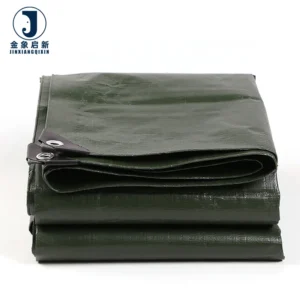
Heavy Duty Poly Tarps 5/10/12/16/20 Mil Waterproof Tarpaulin Cover 701 Fire Retardant Anti-UV and Windproof for Cars Tents
¥0.20 Select options This product has multiple variants. The options may be chosen on the product page -
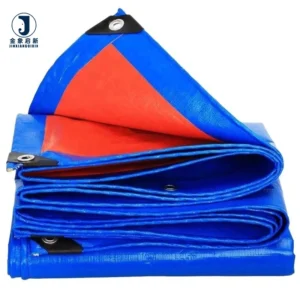
Tarpaulin Manufacture Scaffolding Heavy Duty Camping Waterproof Cover Sheet Coated Plastic Roll Pe Tarp
¥1.80 Select options This product has multiple variants. The options may be chosen on the product page -
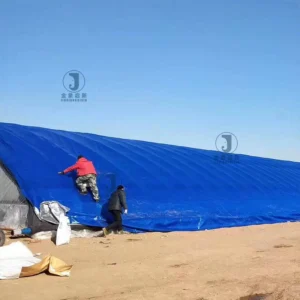
Wholesale Organic Breathable PVC Waterproof Oilcloth Blackout Fabric Sun Protection Tarpaulin Outdoor Awning Industrial Tent
¥0.89 Select options This product has multiple variants. The options may be chosen on the product page -
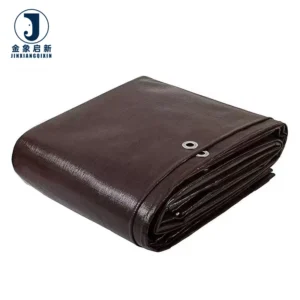
Multi Use Organic Breathable Plain Water Resistant PE Coated Blackout Heavy Duty Woven Canvas Tarpaulin UV Resistant Industrial
¥0.40 Select options This product has multiple variants. The options may be chosen on the product page