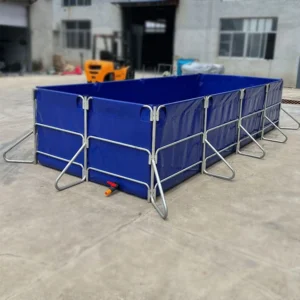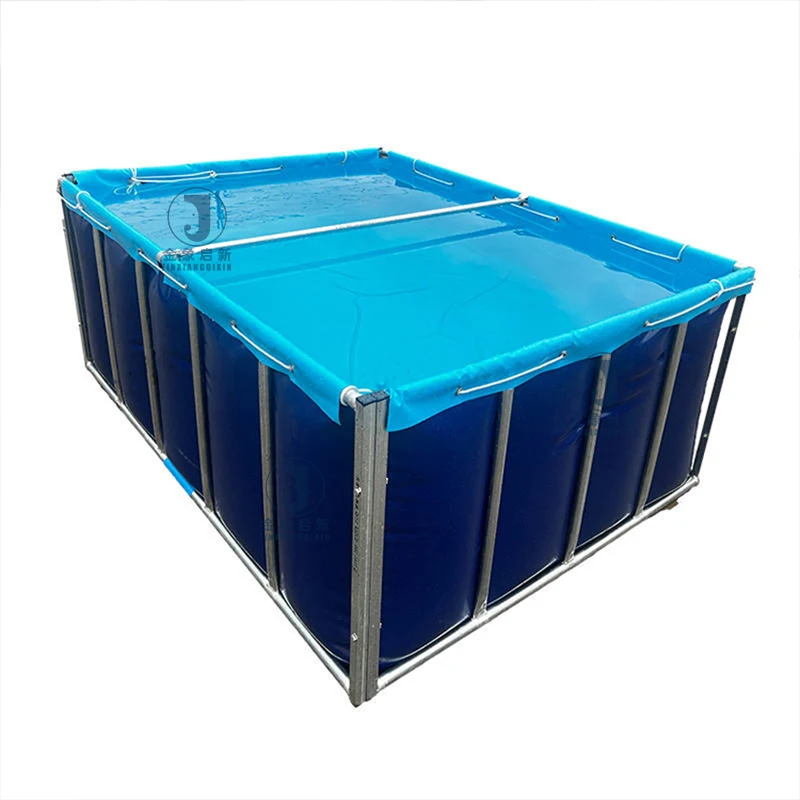
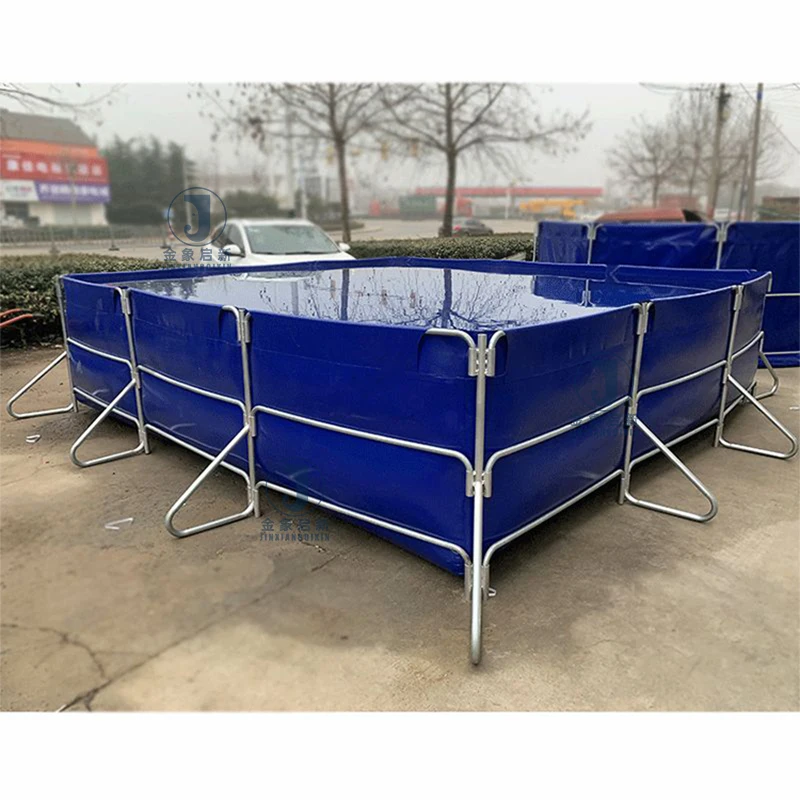
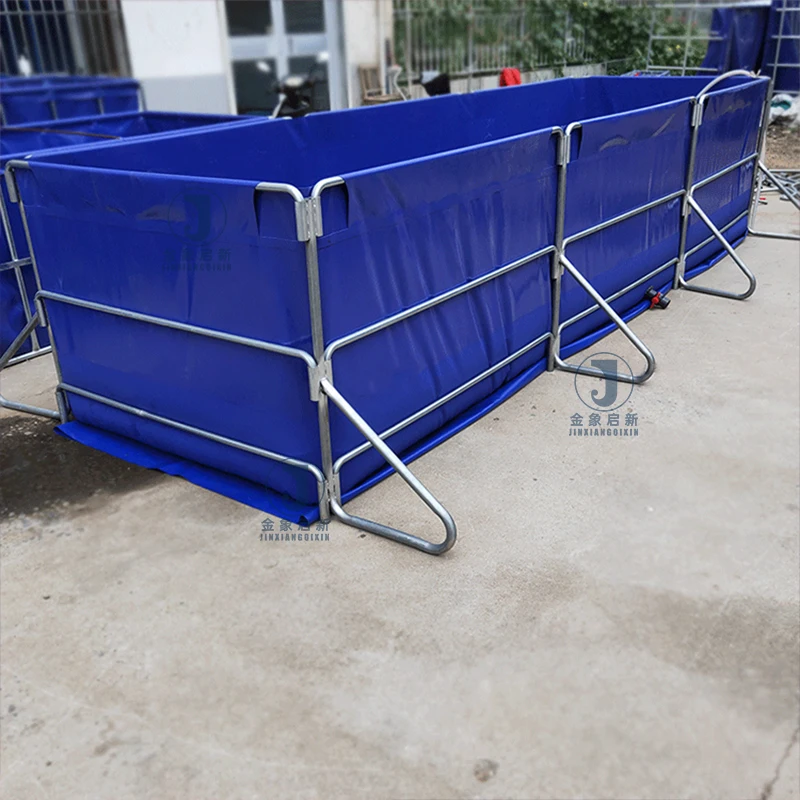
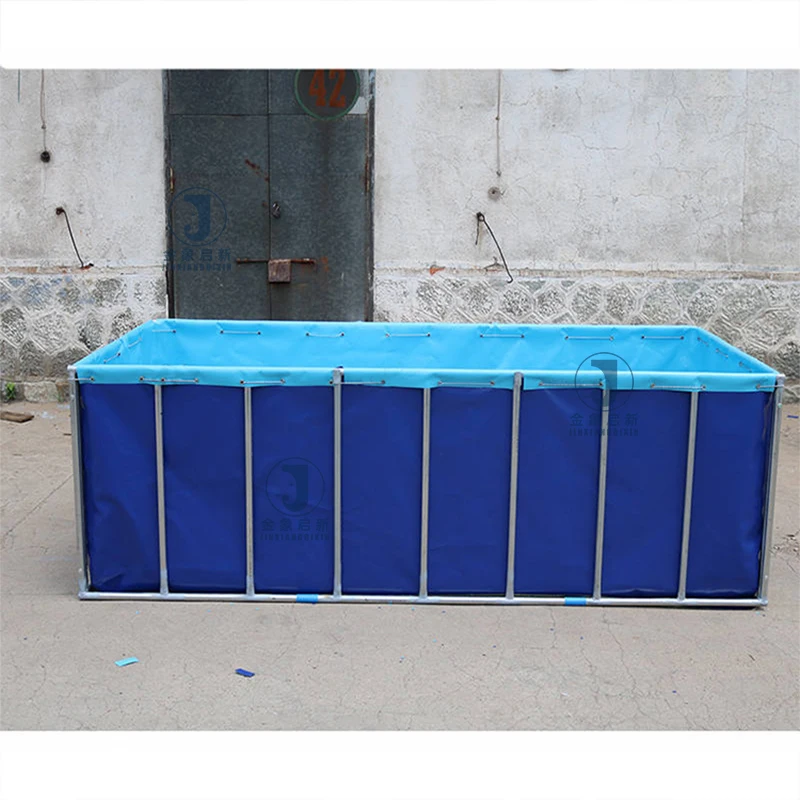
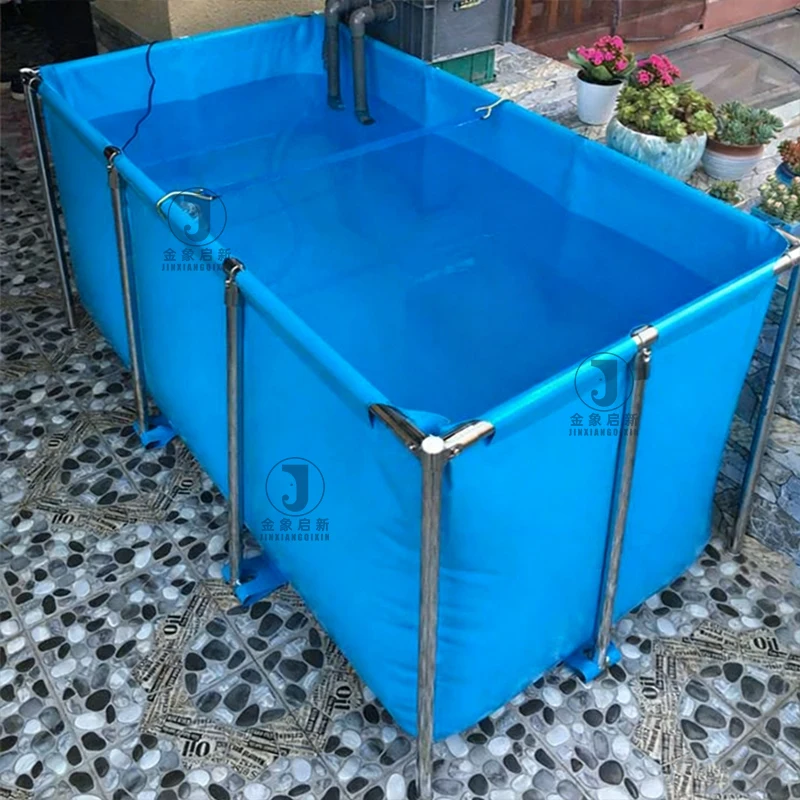
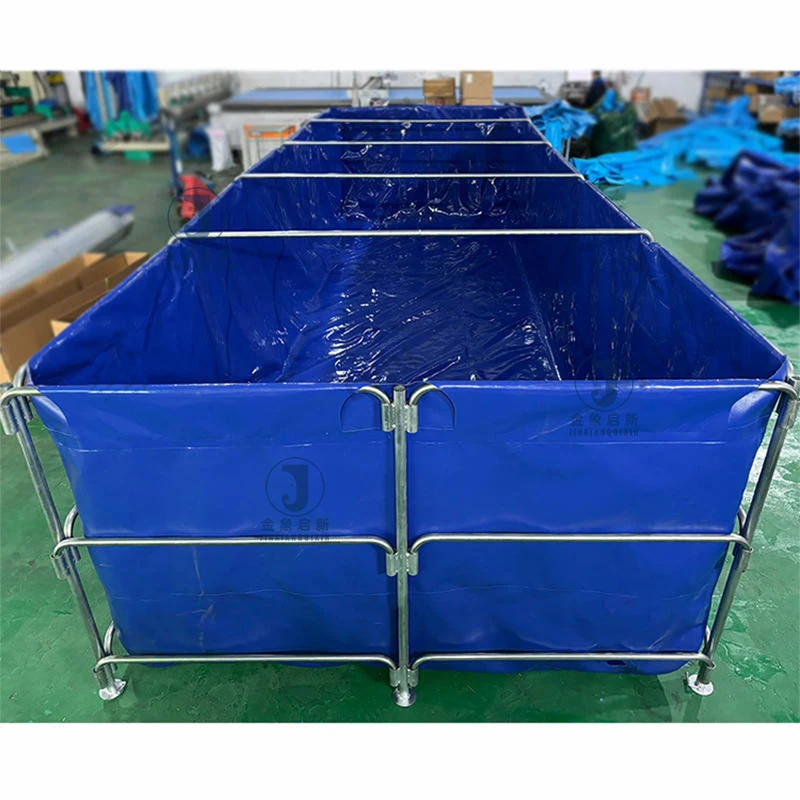
PVC Coated Tarpaulin 350–750gsm, High-Strength Polyester Mesh, Custom Width — hot-melt coated with cold-crack, anti-mildew and waterproof performance for fish ponds, reservoir liners and aquaculture pools.
GSM and coating weight verified at every stage so the roll you receive matches the spec sheet. Base fabric denier and weave paired with coating method control tensile, tear and weld strength for watertight pond seams.
- Thickness: 0.32mm to 0.65mm
- Colors: Blue, Red, Yellow, Light Blue, Grey or custom
- Roll stock and cut-to-size available
- Samples developed in-house within days for custom colour, width or print approval
Description
Verified Coating Weight — Every roll of PVC Coated Fish Pond Liner is checked against the stated GSM at production and again before dispatch, so the material arriving at your site matches the specification you approved.
Technical Specifications
| Parameter | Value |
|---|---|
| Product Type | PVC Coated Tarpaulin |
| Material | PVC + High-strength polyester mesh fabric |
| Coating Method | Laminated Technology & Hot-melt Coating Technology |
| Weight (GSM) | 350gsm / 420gsm / 500gsm / 550gsm / 600gsm / 750gsm |
| Total Thickness | 0.32mm / 0.35mm / 0.4mm / 0.45mm / 0.5mm / 0.65mm |
| Roll Width | 2m / 2.1m |
| Roll Length | 75m / 50m |
| Color Options | Blue / Red / Yellow / Light Blue / Grey (customized colors available) |
| Key Features | Waterproof, Anti-Mildew, Anti-Static treatment, Cold Crack Resistance, Sunproof (test basis not stated) |
| Special Treatments Available | Flame Retardant (grade not stated), Anti-Static, Anti-cold, Anti-mildew, 3P |
| Standards | ISO / CE |
Application Suitability
| Application | Exposure & Requirement |
|---|---|
| Above ground fish ponds | Permanent water immersion, algae and microbial growth, puncture risk from substrate and stock movement |
| Aquaculture reservoirs | Continuous hydrostatic pressure, soil chemistry contact, UV exposure on exposed edges |
| Ornamental fish tanks and pools | Visible surface appearance, cleanability, watertight welded seams at corners |
| Agricultural water containment | Seasonal temperature swings, mechanical damage during installation, long-term water holding |
Why the GSM on the Quotation Must Match the Roll on the Dock
A quoted GSM that does not arrive is a liner that fails before the first stock cycle finishes.
You specify a 550gsm PVC Coated Fish Pond Liner for an aquaculture installation, but the roll that shows up measures lighter when you cut a sample and weigh it. The coating was thinned to cut cost, and the pond walls now flex under hydrostatic load in ways the design never accounted for. This is not a marginal problem — material substitution on coated fabrics happens often enough that experienced buyers weigh every roll on arrival [NEED_CITE: coating weight verification practices for imported tarpaulin]. When the GSM is short, tensile and tear values drop with it, and the liner cannot hold the shape the pond frame demands.
Laminated and Hot-Melt Coating for Pond Liner Adhesion
Pond liners sit under continuous water pressure, and the bond between the PVC coating and the polyester base fabric determines whether delamination starts at the seams or the folds. This PVC Coated Tarpaulin is produced using both laminated technology and hot-melt coating technology, giving the coating layer a mechanical and chemical bond to the high-strength polyester mesh. Hot-melt coating drives the PVC into the weave under heat and pressure, filling the gaps between yarns and producing a fabric that holds together when welded at the seams.
Polyester Mesh Base and Tear Propagation
The base fabric in this PVC coated pond liner material is a high-strength polyester mesh, and its denier and weave density control how a puncture or cut spreads once the liner is under load. A pond liner with a loose weave will let a small tear travel across the panel, while a tighter mesh arrests the tear at the next yarn intersection. For aquaculture installations where stock movement and substrate contact create constant abrasion, the base fabric construction matters as much as the coating weight [NEED_CITE: tear propagation testing methods for coated fabrics per ISO 1421].
Reading GSM, Thickness and Coating Method Together
GSM alone does not define how a pond liner performs — it must be read alongside thickness and coating method. A 500gsm fabric at 0.4mm thickness produced by hot-melt coating will have different peel strength and weld behaviour than a 500gsm fabric at the same thickness made by lamination. The hot-melt process produces higher adhesion between coating and base, which matters when the liner is heat-welded into a three-dimensional pond shape. Thickness, measured from surface to surface, indicates how much PVC sits above and below the mesh — a thicker coating resists puncture from sharp substrate but adds weight and cost. Cold crack resistance and anti-mildew treatment extend the functional range of the material in cold-water and tropical installations alike, but these treatments are only effective when the coating is thick enough to carry the additives through the full depth of the layer.
What Happens When the Wrong Grade Goes Into the Pond
Specifying a lighter GSM than the pond depth requires leads to wall bulging and seam stress that shows up weeks after filling. A pond liner rated for shallow ornamental use will stretch under the hydrostatic head of a commercial aquaculture pool, pulling welded seams apart at the exact points where the water pressure concentrates. Colour variation between rolls in a large installation becomes visible once the liner is unfolded and laid side by side — a problem that cannot be fixed after the pond is filled [NEED_CITE: batch colour consistency standards for PVC coated fabrics]. Anti-mildew treatment that was claimed but not applied means algae colonises the surface within the first season, degrading appearance and accelerating coating breakdown.
Why Buyers Source This PVC Coated Pond Liner Here
The coating weight and adhesion on every roll are controlled through dedicated QA/QC at each production stage, so the 350gsm through 750gsm range ships with consistent properties across the entire order. Three full production lines and 36 sets of professional equipment support bulk pond liner orders with reliable scheduling, whether you need container loads of roll stock or custom-cut panels. The 10-person R&D team develops samples for custom widths, colours and GSM grades within days, letting you confirm the material before committing to a full production run. A 100% pre-shipment inspection checks GSM, colour, coating adhesion and roll dimensions against your purchase order before the container is sealed.
Documentation & Verification
- Material specification sheet stating exact GSM, base fabric denier and coating weight per roll
- Pre-shipment inspection record covering GSM verification and visual check on every roll
- Roll packing list with batch number for traceability back to the production run
- ISO and CE certificates included with each dispatch for customs and site compliance
- Test reports for flame retardant and UV grades supplied when the treatment is specified
Fabrication, Handling & Storage
- Heat-weld seams at temperatures matched to the hot-melt or laminated coating type for full adhesion
- Store rolls upright on pallets to prevent flat-spot creases on the 2m and 2.1m widths
- Allow cold-stored rolls to reach ambient temperature before unrolling to protect cold crack resistance
- Cut panels with a small overlap to account for material take-up during welded seam formation
- Clean installed liners with mild detergent only to preserve anti-mildew and anti-static surface treatment
What to Include in Your Pond Liner Enquiry
Provide the pond dimensions, water depth and whether the installation is above ground or in-ground so we can recommend the right GSM grade and thickness from the 350gsm to 750gsm range. Specify if you need roll stock or finished panels with welded seams, and confirm the colour and any custom printing requirement. Let us know the destination market so we can align flame retardant and anti-static treatments with local compliance standards.
Frequently Asked Questions
Q: How do you verify the GSM on each pond liner roll before it ships?
A: Every roll undergoes a weight check during production and again at the 100% pre-shipment inspection. The material specification sheet included with your order states the exact GSM, base fabric and coating weight, so you can reconcile the roll against your purchase order on arrival.
Q: Is the anti-mildew treatment effective for continuous water immersion in fish ponds?
A: The anti-mildew treatment is incorporated into the PVC coating and designed for prolonged water contact in aquaculture environments. For installations with specific microbial or water-quality requirements, confirm the treatment specification with our R&D team before production.
Q: What custom widths and lengths are available for pond liner orders?
A: Standard roll widths are 2m and 2.1m with lengths of 50m or 75m. Custom widths and lengths can be developed for specific pond dimensions. Samples are produced within days so you can verify fit and weld behaviour before the full order runs.
Q: What is the difference between hot-melt coating and laminated coating for pond liners?
A: Hot-melt coating drives PVC into the polyester mesh under heat and pressure, producing higher adhesion and better weld strength at seams. Laminated coating bonds a pre-formed PVC film to the mesh. Both are available across the GSM range, and the right choice depends on your seam construction and installation method.
Related products
-
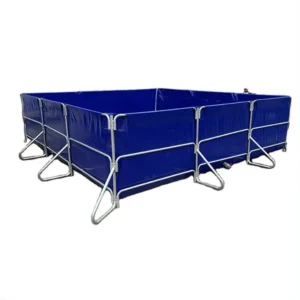
Custom Made PVC Fish Pond Tarpaulin for Circular & Rectangular Tanks
Read more -
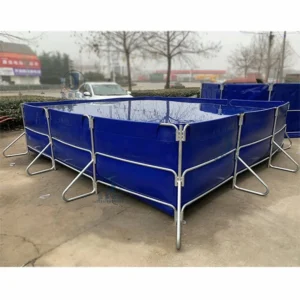
Foldable Circular Rectangular PVC Tarpaulin Fish Pond Tarpaulin for Fish tank
¥0.53 Select options This product has multiple variants. The options may be chosen on the product page -
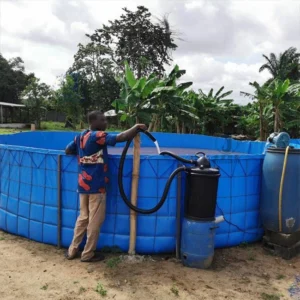
PVC Tarpaulin 0.65mm Industrial Woven Fabric Plain Style Waterproof Coating for Fish Pond Tank Pool From Vietnam
¥0.50 Add to cart -
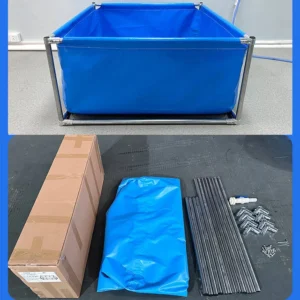
Custom Made PVC Tarpaulin Fish Pond for Aquaculture
Read more