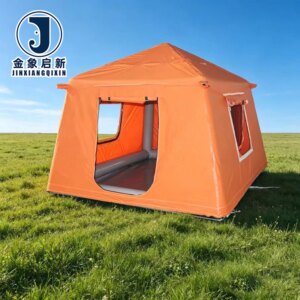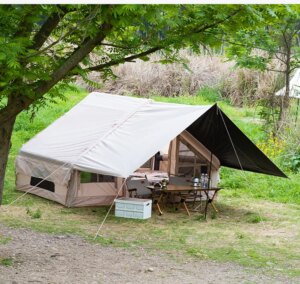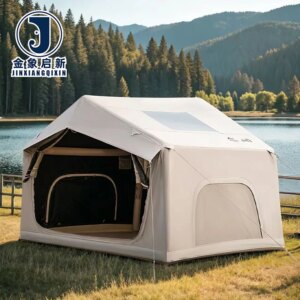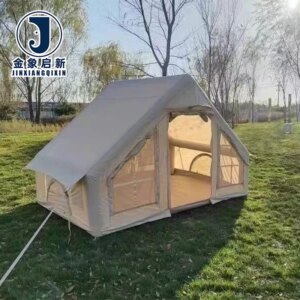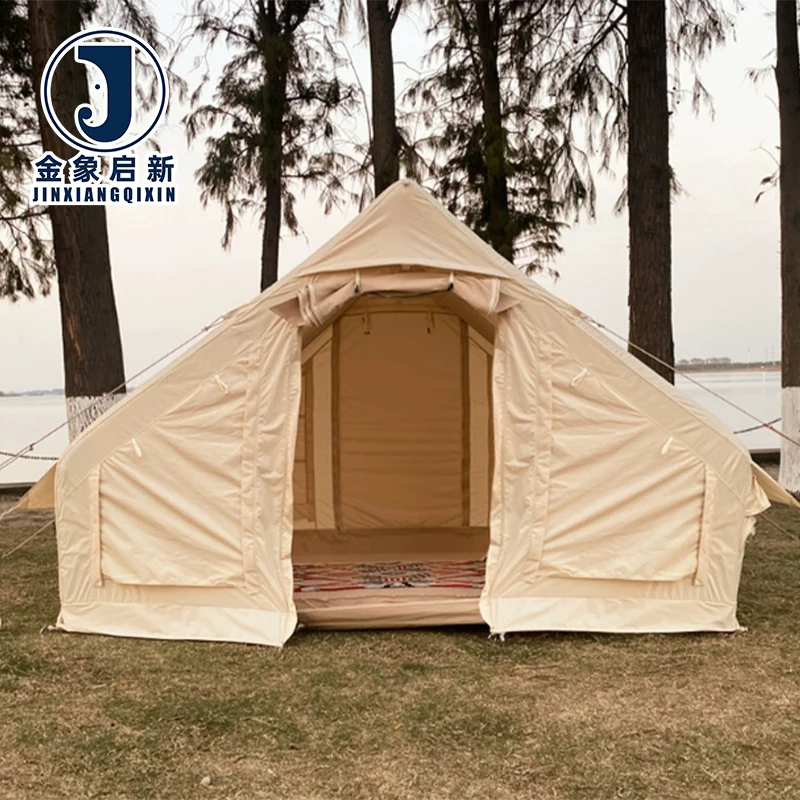
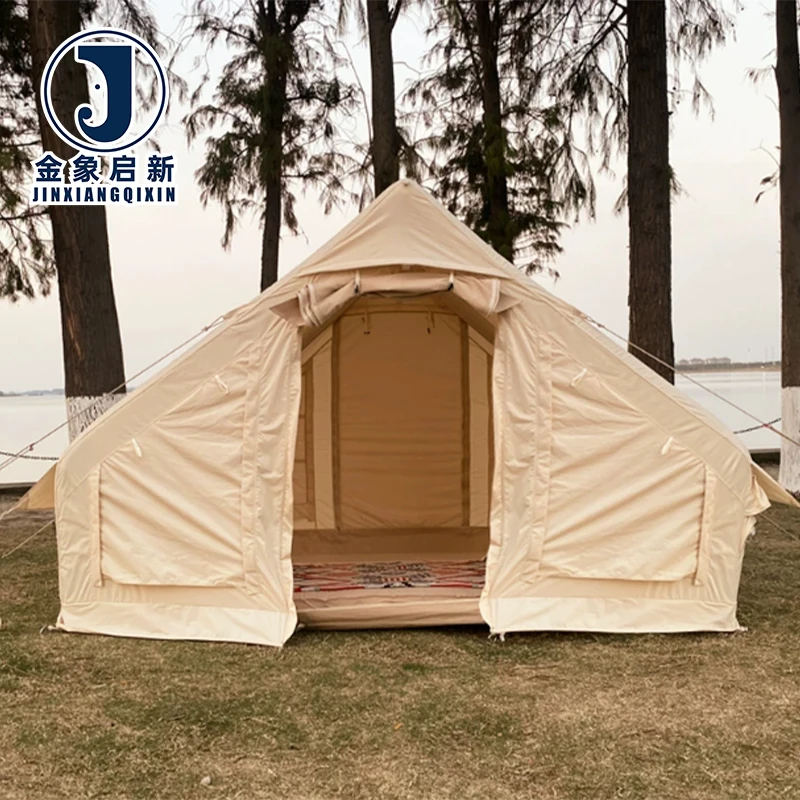
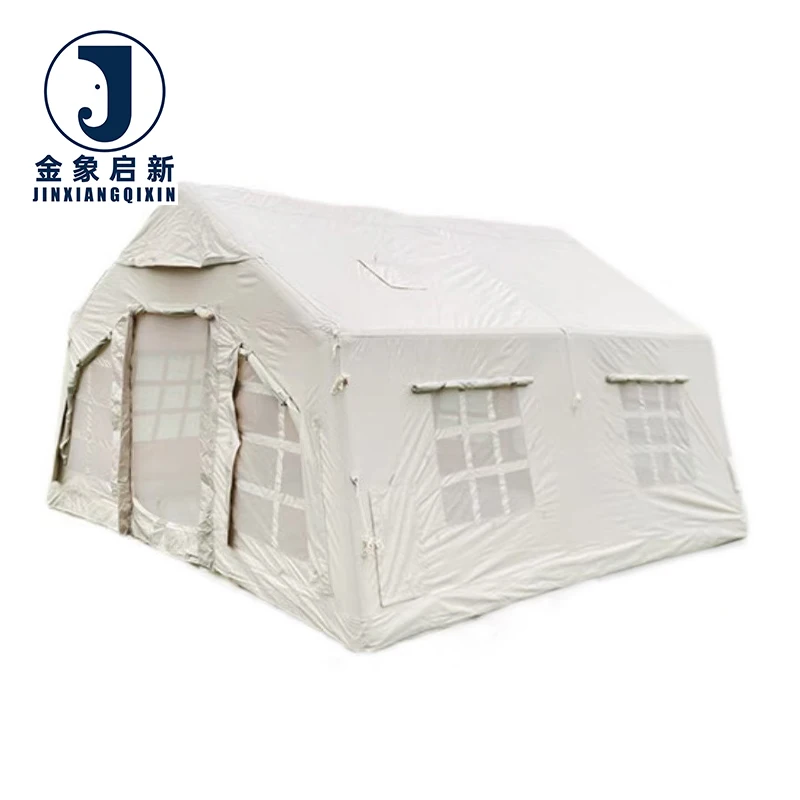
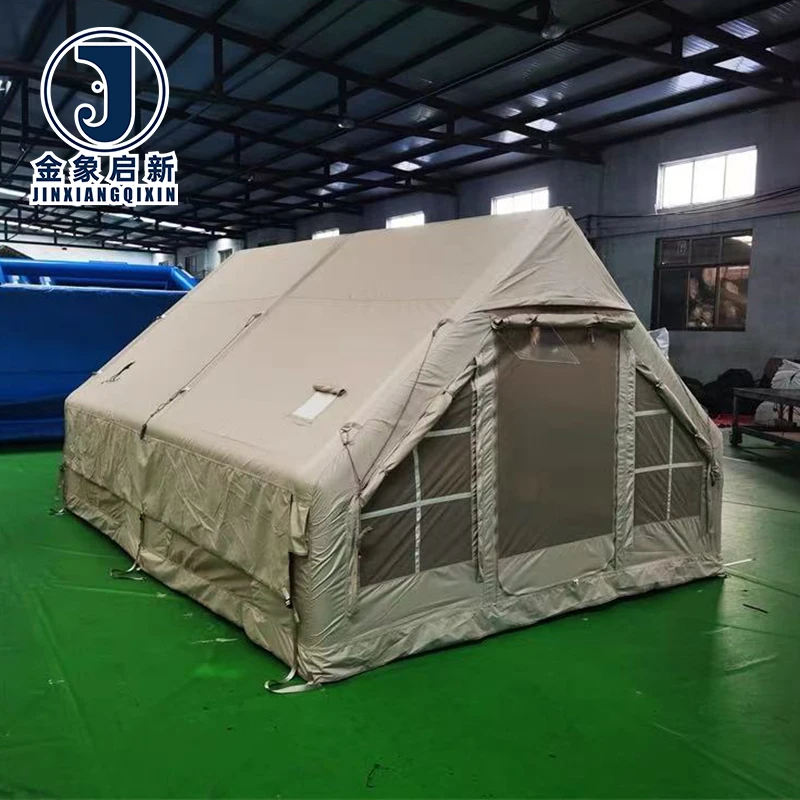
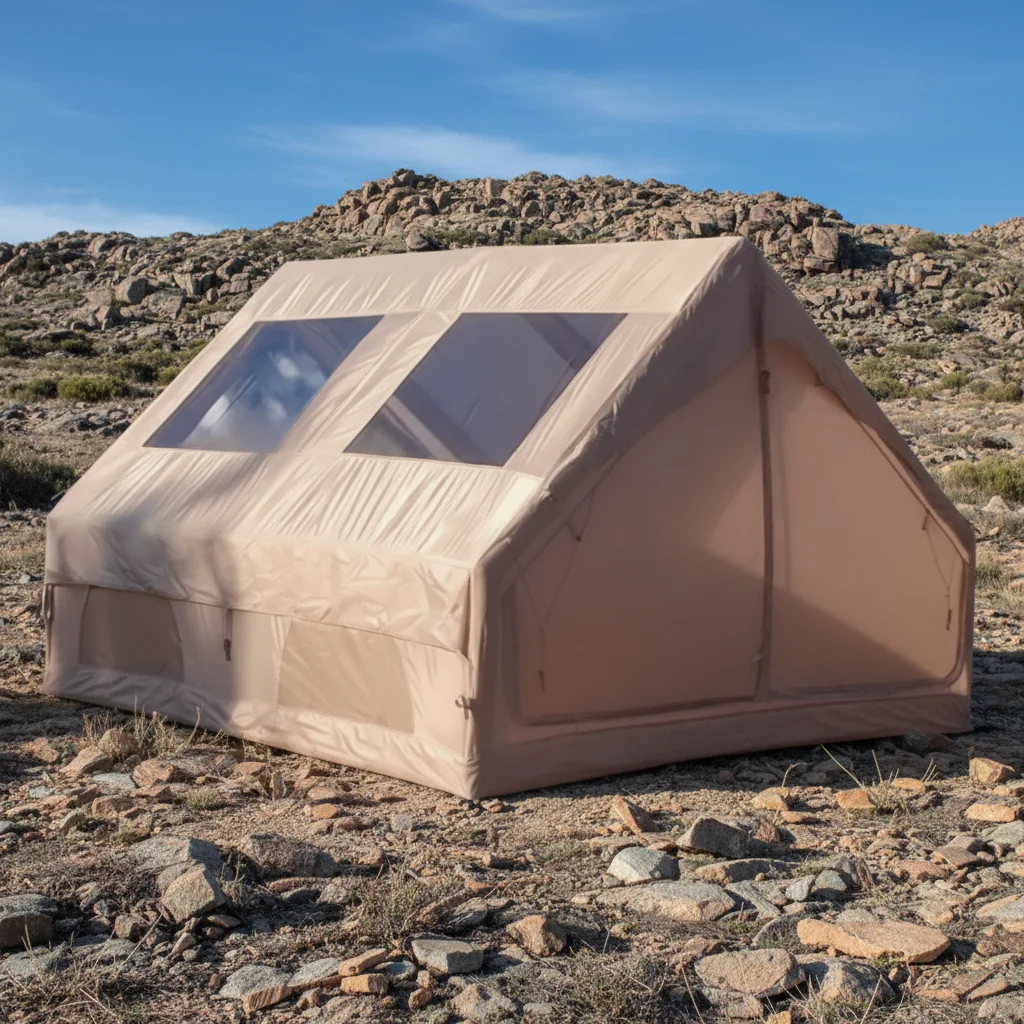
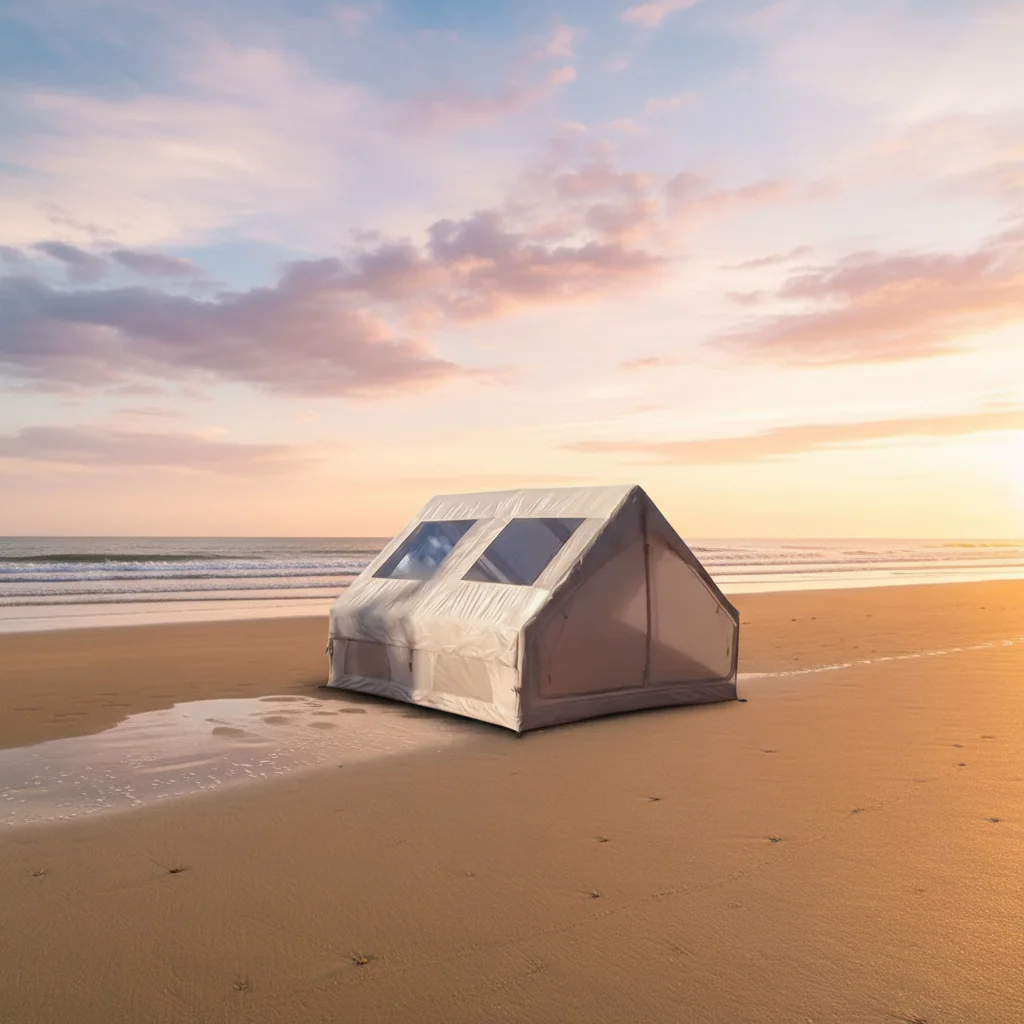
Custom PVC Inflatable Tent — waterproof, UV-resistant, fire-retardant fabric with OEM & ODM support for commercial outdoor structures. Coating weight and base fabric denier are matched to inflatable structural load requirements, ensuring reliable seam integrity at high-flex inflation chambers. Roll-to-roll colour consistency is verified under dedicated QA/QC at every production stage, so panels align visually once installed. Backed by 3 full production lines and 36 sets of professional equipment, with samples developed within days for custom requirements.
Description
Coated Fabric Process Control — dedicated QA/QC at every production stage with 100% pre-shipment inspection securing batch consistency across large custom inflatable tent fabric orders.
Technical Specifications
| Parameter | Value |
|---|---|
| Product Type | Inflatable Tent Fabric |
| Core Material | PVC tarpaulin |
| Construction | Single-layer |
| Season Rating | Four-season |
| Waterproof | Yes |
| UV Resistance | Available — confirm the grade required for your market |
| Fire Retardancy | Available — confirm the grade required for your target market |
| Anti-static | Available — confirm the standard applicable to your site |
| Tear Resistance | Yes — confirm the test standard for your specification |
| Customization | OEM & ODM (sample customization, pattern printing, material selection, product design) |
| Certifications | ISO9001, ISO14001, ISO45001, CE |
Application Suitability
| Application | Exposure & Requirement |
|---|---|
| Resort and glamping structures | Continuous outdoor weathering, guest safety compliance, seasonal temperature swings |
| Beach party and event shelters | High UV exposure, salt spray, rapid setup and teardown cycles |
| Outdoor exhibition enclosures | Crowd safety fire codes, branded surface printing, multi-day wind loading |
| Equipment rental inventory | Repeated inflation and deflation, transport abrasion, long-term storage |
| Family camping ground installations | Four-season temperature variation, ground moisture, puncture resistance |
Why Coated Fabric Consistency Matters More Than a Quoted Weight for Inflatable Tents
Matching the stated GSM at dispatch is only useful when colour, coating adhesion and fire-retardant treatment stay identical from the first roll to the last.
When sourcing PVC inflatable tent fabric for a commercial order spanning dozens of rolls, buyers frequently discover that the material arriving on site is lighter than the quotation suggested, or that colour shifts between rolls become visible once panels are heat-welded side by side on a finished structure. These inconsistencies are not cosmetic — a panel with lower coating weight will fail at a flex point during inflation, and a batch lacking the documented fire-retardant grade will stall a venue safety inspection. [NEED_CITE: coated fabric weight and adhesion test methods per ISO 1421]
How Roll-to-Roll Consistency Protects Your Inflatable Tent Production Line
As a custom PVC inflatable tent fabric manufacturer, the priority is delivering material where every roll in the shipment matches the approved sample in weight, colour depth and surface finish. For inflatable tent and membrane structure manufacturers buying coated fabric by the roll, even a slight variation in coating weight between batches can change the heat-welding temperature window, forcing line operators to recalibrate equipment mid-run. Maintaining tight process control over coating application and curing ensures the welding parameters established during sampling remain valid through full-scale production.
Matching Fire-Retardant and Anti-static Grades to Venue Compliance
Commercial inflatable tent structures installed at public events or resort sites must meet the fire safety classification enforced by the local authority. Fire-retardant and anti-static treatments are available across different grades, and the correct specification depends entirely on the market where the structure will operate. A fabric that passes inspection in one jurisdiction may not satisfy the requirements of another, which is why confirming the applicable standard before production begins avoids costly rejections at the venue handover stage. [NEED_CITE: fire classification standards for temporary event structures]
Reading Beyond the GSM Number on the Specification Sheet
GSM alone does not predict how an inflatable tent panel will behave under the cyclic stress of repeated inflation. The base fabric denier and weave density work together with the coating weight to determine tensile and tear performance — a lighter base fabric with a heavy coating may resist puncture but tear more easily once a cut propagates. The coating method influences peel strength between the PVC layer and the base cloth, which directly affects how well heat-welded seams hold at the high-flex inflation chambers where the structure bends most during pressurisation. Surface finish selection — glossy or matte — determines both the ease of cleaning after outdoor deployment and the adhesion quality of any pattern printing applied for branded event structures.
The Hidden Cost of Overlooking Weld Integrity in Inflatable Chambers
A recurring failure point in inflatable tent structures is the welded seam at the inflation chamber, where cyclic flexing concentrates stress. If the heat-weld temperature or pressure is not matched to the specific coating weight and formulation of the PVC tarpaulin, the bond between the coating and the base fabric degrades faster than the fabric itself. Buyers who specify material without requesting a pre-production weld test on the actual production batch risk discovering seam failure only after the structure has been inflated and deflated through several rental cycles. [NEED_CITE: weld strength testing for PVC coated fabric seams]
Why Procurement Teams Source Inflatable Tent Fabric Here
Three full production lines and 36 sets of professional processing equipment support bulk output without sacrificing the coating consistency that inflatable tent structures demand. A 10-person R&D team handles material selection, pattern printing and custom sizing from the initial inquiry through sample approval, reducing the back-and-forth that delays commercial tent projects. Dedicated QA/QC staff inspect every roll at each production stage, with 100% pre-shipment coverage ensuring the PVC inflatable tent fabric that leaves the facility matches the specification sheet. Pre-production samples are developed within days, allowing buyers to verify colour, weld behaviour and surface finish before committing to a bulk run. ISO9001, ISO14001, ISO45001 and CE certification documentation accompanies each shipment.
Documentation & Verification
- Material specification sheet confirming base fabric, coating weight and colour reference per roll
- UV stability and flame-retardant test reports matched to the production batch where applicable
- Pre-shipment inspection record covering 100% of rolls before dispatch
- ISO9001, ISO14001, ISO45001 and CE certificates included with shipment paperwork
- Certificate of origin and customs support documentation for cross-border delivery
Fabrication, Handling & Storage
- Heat-weld temperature and dwell time must be validated against the specific coating weight of each batch before full production
- Store rolls horizontally on pallets in a dry, shaded area to prevent pressure marks on the single-layer PVC surface
- Allow cold-stored rolls to reach ambient temperature before unrolling to avoid coating micro-cracking
- Use compatible PVC-based adhesives for field repairs, matching the coating formulation of the inflatable tent fabric
- Plan cutting layouts to minimise seam count across large inflatable chamber panels
Preparing Your Inquiry for Custom Inflatable Tent Fabric
Share the target fire-retardant or anti-static classification your market requires, along with the total square metreage and any pattern printing specifications. Confirm whether you need rolls in standard widths or custom widths cut to match your existing welding equipment. If batch colour consistency is critical for a multi-panel structure, request a pre-production sample for sign-off before the full run is scheduled.
Frequently Asked Questions
Q: Can you supply PVC inflatable tent fabric in custom widths and GSM grades?
A: Custom widths and GSM grades are available through the OEM and ODM programme. Provide the target weight, width and any surface finish preference, and a sample will be developed for approval before bulk production. The material specification sheet confirms the actual GSM of each roll against the quoted value.
Q: Do you provide test reports for UV resistance and flame retardancy with each batch?
A: Test reports for UV stability and flame retardancy are supplied where applicable to the grade specified in the order. Confirm the fire-retardant classification and UV exposure standard required by your target market during the inquiry stage so the correct treatment and documentation are aligned to your batch.
Q: How do you ensure colour consistency across multiple rolls in one order?
A: Dedicated QA/QC staff check colour depth at each production stage, and 100% pre-shipment inspection compares every roll against the approved sample reference. This process prevents visible colour variation when panels from different rolls are installed side by side on a finished inflatable structure.
Q: What is the sample development lead time for custom inflatable tent specifications?
A: Samples for custom size, colour and printed branding are typically developed within days once the specification is confirmed. This allows buyers to validate material weight, weld behaviour and surface finish before committing to the full production run.
Q: Which fire-retardant and anti-static standards do your inflatable structure fabrics meet?
A: Fire-retardant and anti-static treatments are available across different grades. The applicable standard depends on the market and venue type where the inflatable tent will be deployed. Share your target classification during inquiry so the correct treatment grade and supporting test documentation are prepared.
Related products
-
Campingzelt aufblasbar PVC wasserdicht UV-beständig Vier-Jahreszeiten schnell automatisch öffnend anpassbar 2-3 Personen
Read more -
Luxury Inflatable Tent for Glamping Outdoor Waterproof Air Tent with Pump
Read more -
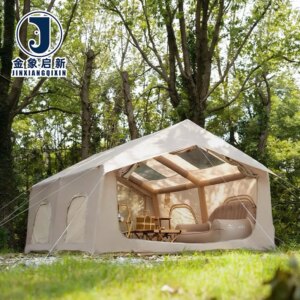
Inflatable Camping Tent Waterproof PVC Outdoor Air Tent Easy Setup Family Camping Shelter
Read more -
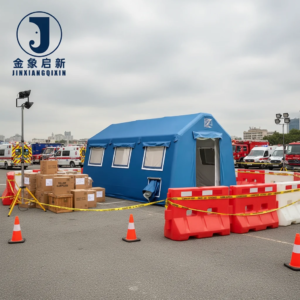
Aufblasbares Campingzelt Wasserdicht PVC Outdoor Luftzelt Einfacher Aufbau Familiencamping Schutz Vier-Jahreszeiten >3000mm Wasserdicht Schnell
Read more