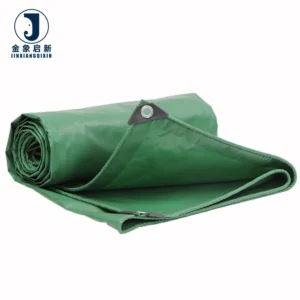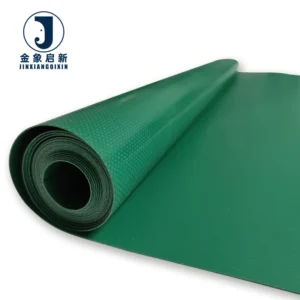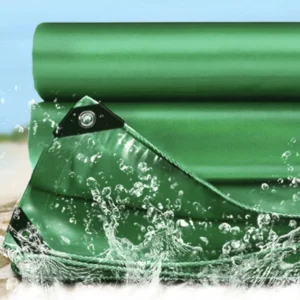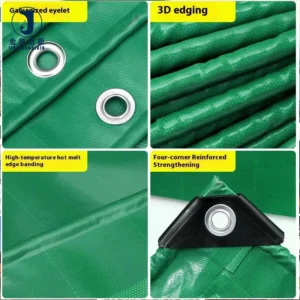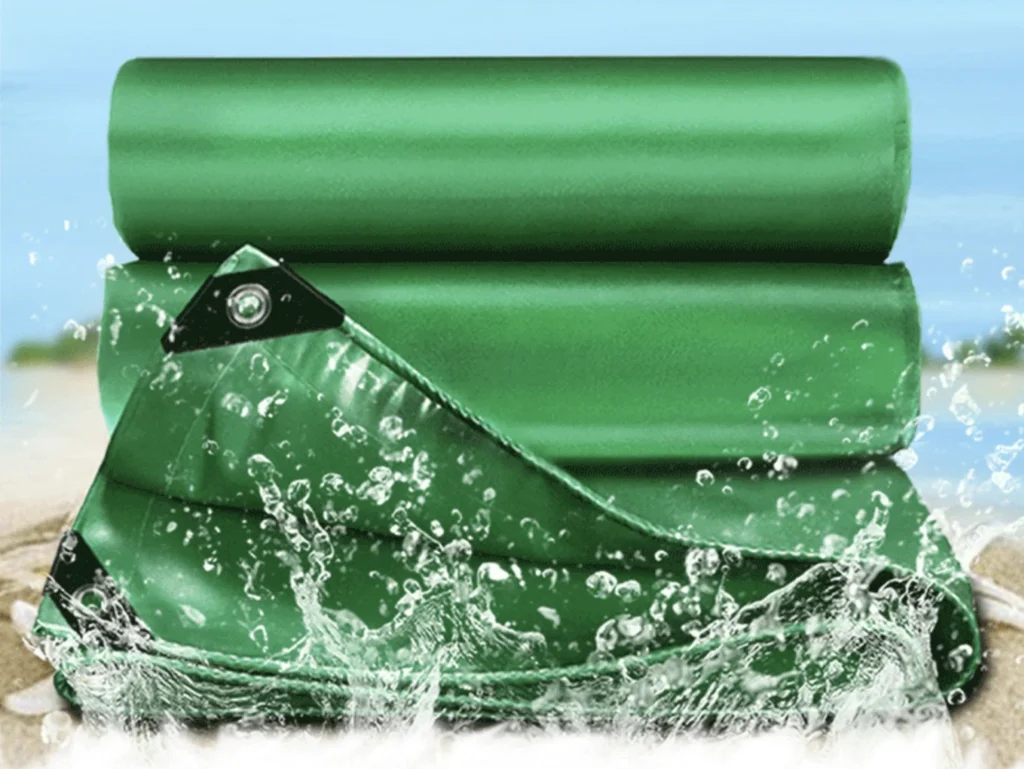
PVC Knife Coated Fabric — self-cleaning, UV resistant, fire retardant surface with HF, hot air and sewing compatibility.
Designed for buyers surveying the full tarpaulin range before specifying, this roll stock supports tensile structures, truck covers and portable storage. Knife coating ensures consistent adhesion between base fabric and PVC layers across the full treatment menu.
Backed by a 10-person R&D team for custom sample development, 100% pre-shipment inspection on every roll, and nearly 30 years of coating process control.
Description
Deep process control over coating weight — verified at every production stage with 100% pre-shipment inspection to ensure the PVC knife coated tarpaulin you receive matches the approved specification exactly.
Technical Specifications
| Parameter | Value |
|---|---|
| Product Type | PVC Coated Tarpaulin |
| Material | PVC knife coated fabric |
| Coating Method | Knife coated |
| Welding Compatibility | HF, hot air, sewing |
| Flame Retardant | Available in flame retardant grades — confirm the grade required for your market |
| UV Treatment | Available with UV stabilisation — request test report for your target climate |
| Surface Properties | Self-cleaning, antibacterial, mildew proof, oil and stain resistant, acid and alkali resistant |
| Temperature Resistance | High temperature and cold resistant |
| Flexibility | Highly flexible, resistant to cracking |
| Fire Retardant | Yes (grade not stated in source) |
| Weather Resistance | Anti-oxidation, weather-resistant |
Application Suitability
| Application | Exposure & Requirement |
|---|---|
| Tensile and stadium architectural structures | Long-term weather exposure, wind load, UV degradation, membrane tension stress |
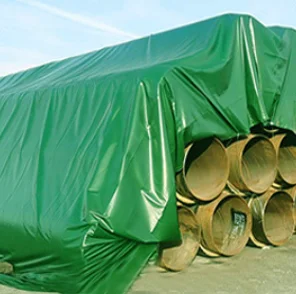
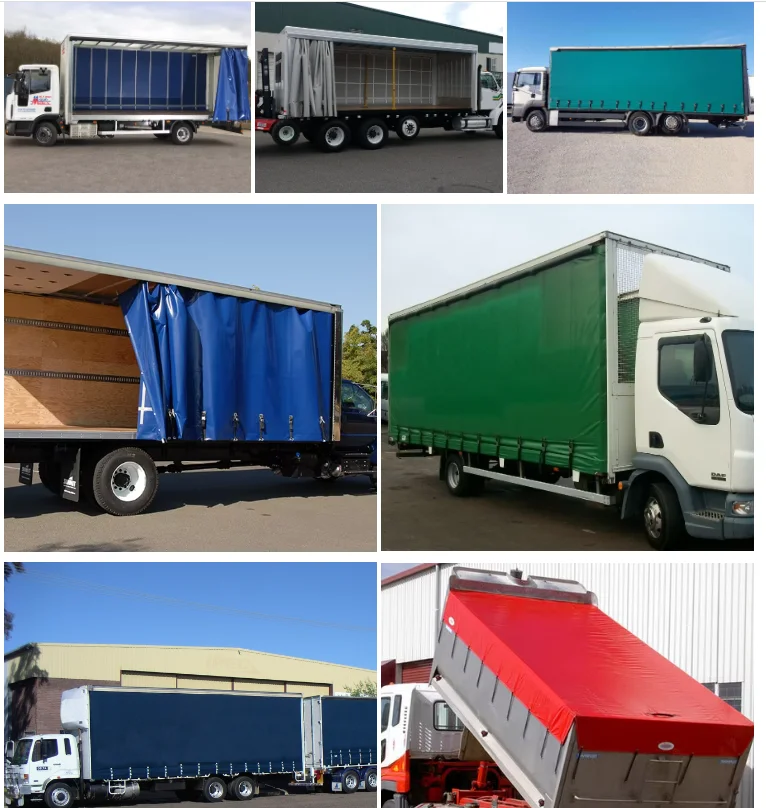
| Truck covers and side curtains | Constant flexing, road abrasion, UV exposure, rain and debris impact |
| Portable storage structures | Permanent outdoor exposure, wind uplift, waterproofing, repeated assembly |
| Airport hangars and shade systems | Large-span tension, UV and heat reflection, chemical exposure from aircraft operations |
| Outdoor tents and event structures | Frequent folding and transport, rain ingress prevention, fire safety compliance |
Why "Flame Retardant" Without a Grade Creates Procurement Risk
A PVC knife coated tarpaulin custom manufacturer should always pair a fire performance claim with a documented grade. Flame retardant is not a single property — it is a range of classifications that vary by market and application.
Many fabric buyers have received material labelled "flame retardant" only to discover during site inspection that the test method does not match the fire code their project must satisfy. A warehouse canopy in one region may require NFPA 701 compliance, while a stadium membrane in Europe may demand classification to DIN 4102. Without the grade specified on the quotation and verified by a test report, the fabric cannot be approved by the building inspector or the client’s safety officer [NEED_CITE: DIN 4102 fire classification for building materials].
Coating Method and What It Means for Fabricators
The knife coated process deposits PVC paste directly onto the base fabric under controlled blade pressure, producing a uniform coating layer that bonds into the yarn structure. This method delivers strong adhesion between the PVC and the base fabric, which matters directly when fabricators heat-weld seams on a PVC knife coated tarpaulin custom manufacturer order. Poor adhesion causes the coating to delaminate at the weld line before the base fabric reaches its tensile limit.
Fabricators working with tensile structures or truck side curtains need to know the coating will hold through HF and hot air welding without blistering or separating. Knife coated fabric typically provides the consistent surface required for clean weld seams.
Treatment Selection Matched to End-Use Environment
The full treatment menu — UV stabilisation, antibacterial, anti-mildew, oil and stain resistance, acid and alkali resistance — allows buyers to specify only the options their application demands. A shade system in a coastal climate faces salt spray and high UV, so UV treatment and acid resistance become priorities. A portable storage structure in a humid region needs anti-mildew and antibacterial treatment to prevent biological degradation of the coating surface.
Requesting test reports for each claimed treatment is standard procurement practice. A UV stabilisation claim should be supported by a test method and exposure hours relevant to your installation latitude [NEED_CITE: tensile and tear test methods for coated fabrics per ISO 1421].
Reading Beyond GSM: Base Fabric, Coating Weight and Performance
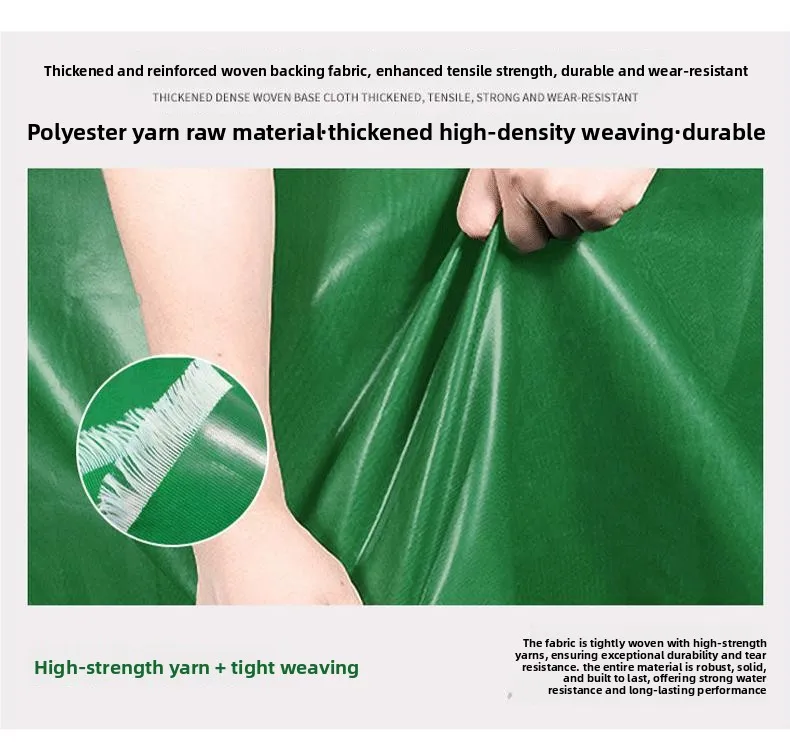
GSM alone does not predict how a PVC knife coated tarpaulin will perform under load. The base fabric denier and weave density determine tensile and tear strength, while the coating weight contributes to abrasion resistance, waterproofing and surface durability. Two rolls with identical GSM can behave very differently if one uses a heavier base fabric with lighter coating and the other uses a lighter base with heavier coating.
The knife coated process allows precise control over how much PVC is applied per square metre, giving manufacturers the ability to balance coating thickness against base fabric selection. For tensile membrane structures, the base fabric weave density determines how the material handles biaxial tension across curved surfaces. For truck covers subjected to repeated folding, the coating must remain flexible without cracking, which depends on the PVC formulation and the plasticiser system used.
Self-cleaning surface treatment reduces dirt accumulation on installed membranes, lowering maintenance frequency for stadium roofs and large shade canopies.
The Cost of Specification Gaps at Receiving
Buyers who approve a quotation without verifying the material specification sheet often discover discrepancies only after the container arrives. Colour variation between rolls in the same order becomes visible once the fabric is installed side by side on a truck fleet or a tensile canopy, forcing partial rejection or complete rework [NEED_CITE: colour consistency verification across production batches].
Welded seams failing before the fabric itself is a common consequence of coating adhesion that was not tested under the fabricator’s specific welding parameters. A seam that holds on a sample piece may fail on production panels if the heat settings differ. Confirming weld compatibility during sample approval avoids costly line stoppages.
Why Source This PVC Knife Coated Tarpaulin Here
Three full production lines and 36 sets of professional equipment support bulk roll orders with consistent output across batches. Dedicated QA/QC at every production stage means coating weight and adhesion are monitored during manufacturing, not only at final inspection.
A 10-person R&D team handles material selection, treatment matching and sample development, producing samples within days for custom width, colour or treatment requirements. Pre-shipment inspection covers every roll before dispatch, with results documented in the inspection record you receive.
The production facility maintains ISO and CE certification, providing the documentation framework that procurement teams in regulated markets require for project submissions.
Documentation & Verification
- Material specification sheet stating GSM, base fabric denier, coating method and colour reference per roll
- Test reports for UV and flame retardant grades supplied where applicable — match grade to market requirement
- Pre-shipment inspection record documenting coating weight verification and visual check per roll
- Roll packing list with individual roll identification for batch traceability at receiving
- Certificate of origin and customs documentation for international shipment clearance
Fabrication, Handling & Storage
- HF and hot air welding both compatible — confirm heat settings against coating thickness before production runs
- Sewing option available for applications where mechanical seams are specified over welded joints
- Store rolls upright on pallets to prevent flat-spot deformation of the PVC coating surface
- Avoid dragging knife coated fabric across abrasive surfaces during unloading to protect the self-cleaning layer
- Clean with mild detergent only — solvents may degrade antibacterial and oil-resistant surface treatment
- Allow cold-stored rolls to reach ambient temperature before unrolling to prevent coating stiffness and cracking
What to Include in Your Enquiry
Specify the end-use application and the environmental exposure conditions the fabric will face — this determines which treatment options are necessary and which flame retardant grade your market requires. Provide the required roll width, colour reference and whether you need pattern printing or branding applied during production.
Indicate your annual volume and whether you require finished cut-to-size panels or roll stock only. If the project demands a specific fire classification or UV test standard, state the exact norm so the PVC knife coated tarpaulin custom manufacturer can confirm compliance before sampling.
Frequently Asked Questions
Q: How do I verify GSM and coating weight when the rolls arrive?
A: Request a material specification sheet with your order that states the GSM, base fabric denier and coating weight. On arrival, cut a measured sample from each roll and weigh it against the stated value. The pre-shipment inspection record included with your documentation confirms the weight verified at the factory before dispatch.
Q: Which flame retardant grades are available and how do I choose?
A: Multiple flame retardant grades are available depending on your target market and application. Confirm the specific fire safety norm your project must meet — such as DIN 4102, NFPA 701 or a local building code — and the manufacturer will supply the matching grade with a valid test report for your approval.
Q: What does the UV treatment test basis mean for outdoor service life?
A: UV treatment extends the fabric’s resistance to solar degradation but service life depends on installation latitude, orientation and local climate intensity. Request the UV test report with your sample to review the exposure hours and method used, then cross-reference against the environmental conditions at your installation site.
Q: Can I order custom width, colour or printed branding on roll stock?
A: Yes, custom width, colour matching and pattern printing are available across roll orders. Provide your Pantone or RAL colour reference and required width during enquiry. Samples are developed within days for approval before bulk production begins, ensuring colour consistency across all rolls in your order.
Q: Which welding method should I use for my fabrication process?
A: HF welding, hot air welding and sewing are all compatible with this knife coated fabric. The optimal method depends on your seam design, production equipment and end-use requirements. Test weld settings on sample material first to confirm seam strength and coating adhesion under your specific machine parameters.
Related products
-
Awning and Tents Waterproof Fabric PVC Tarpaulin
¥1.50 Add to cart -
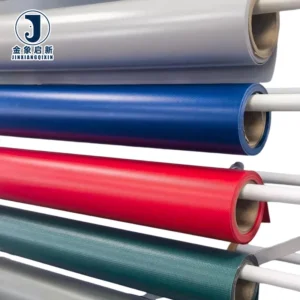
PVC Tent Fabric Shelter Blackout Anti-UV PVC Tarpaulins 1000D for Tent Fabric for Event Exhibition Shade Tents
¥1.45 Select options This product has multiple variants. The options may be chosen on the product page -
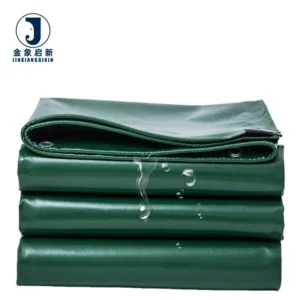
PVC Tarpaulin Industry Fabric PVC Tarpaulin 620gsm for Fish Pond Factory Swimming Pools Cover PE Tarpaulin
¥0.90 Select options This product has multiple variants. The options may be chosen on the product page -
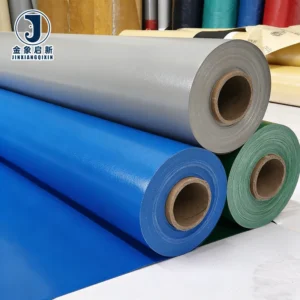
Wholesale PVC Coated Breathable Tarpaulin Fabric Rolls Waterproof Fire-Retardant for Boys & Girls Outdoor Use
¥0.79 Select options This product has multiple variants. The options may be chosen on the product page