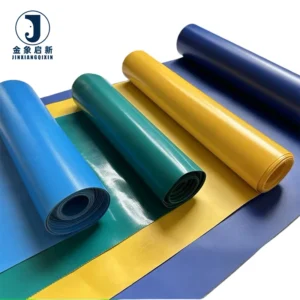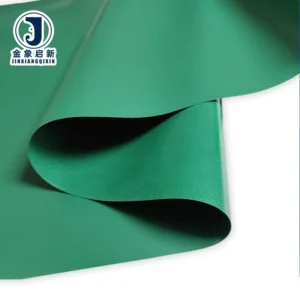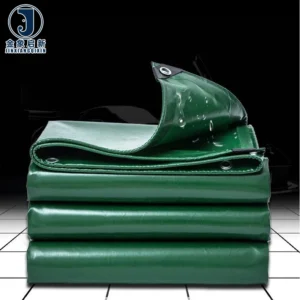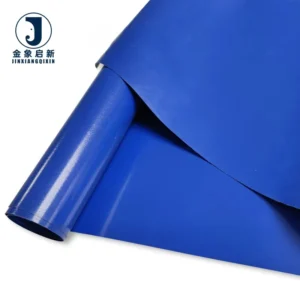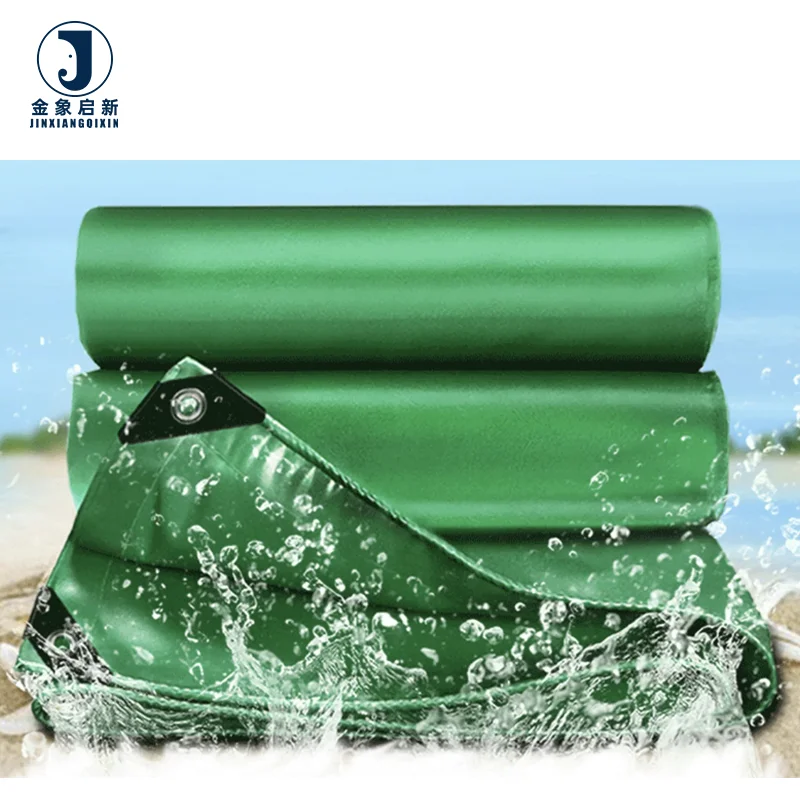
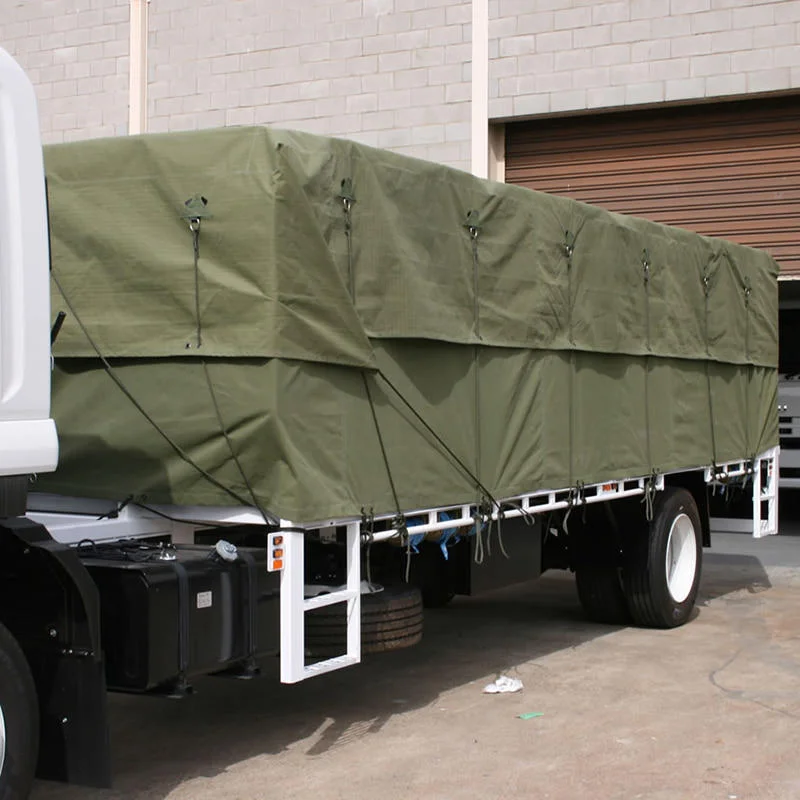
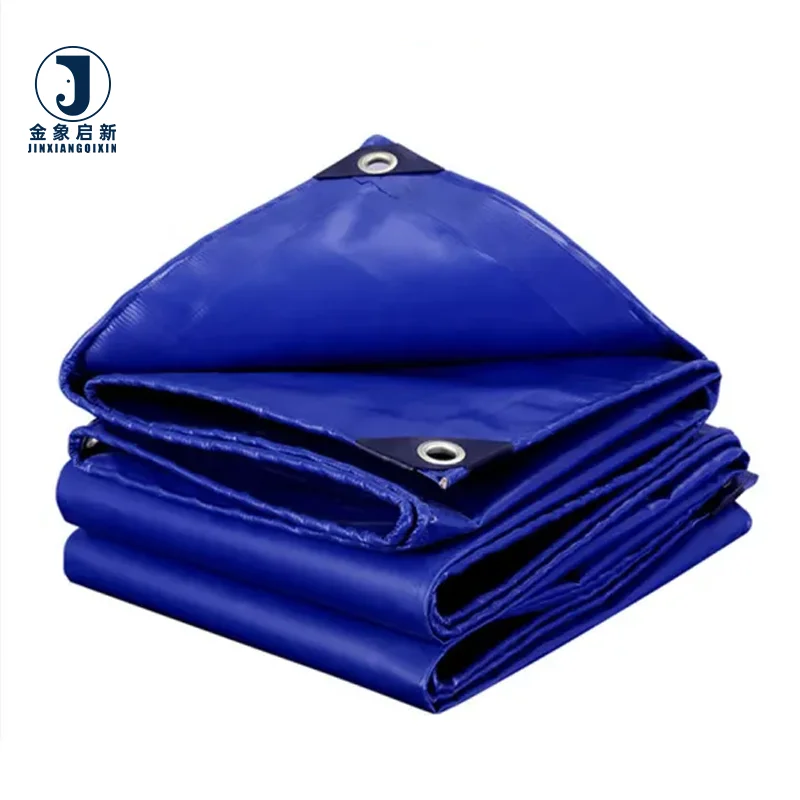
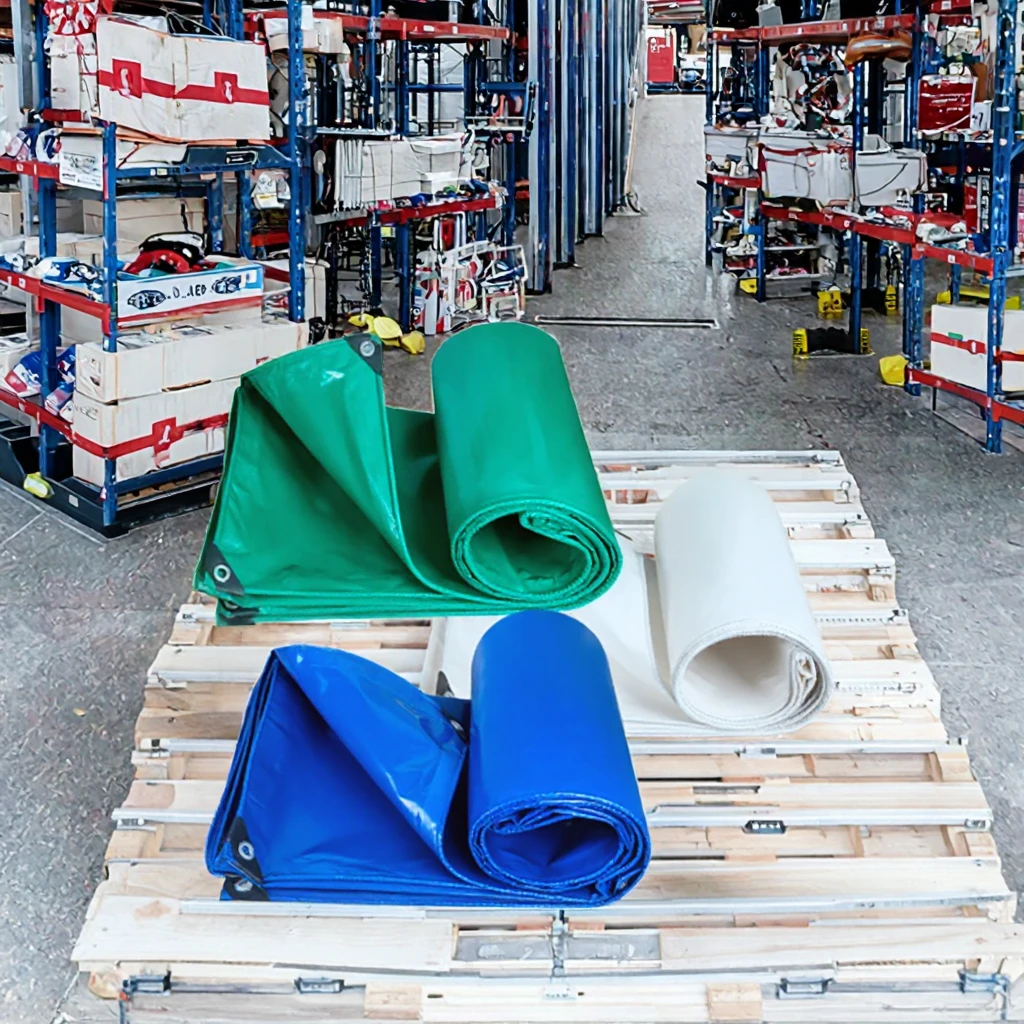
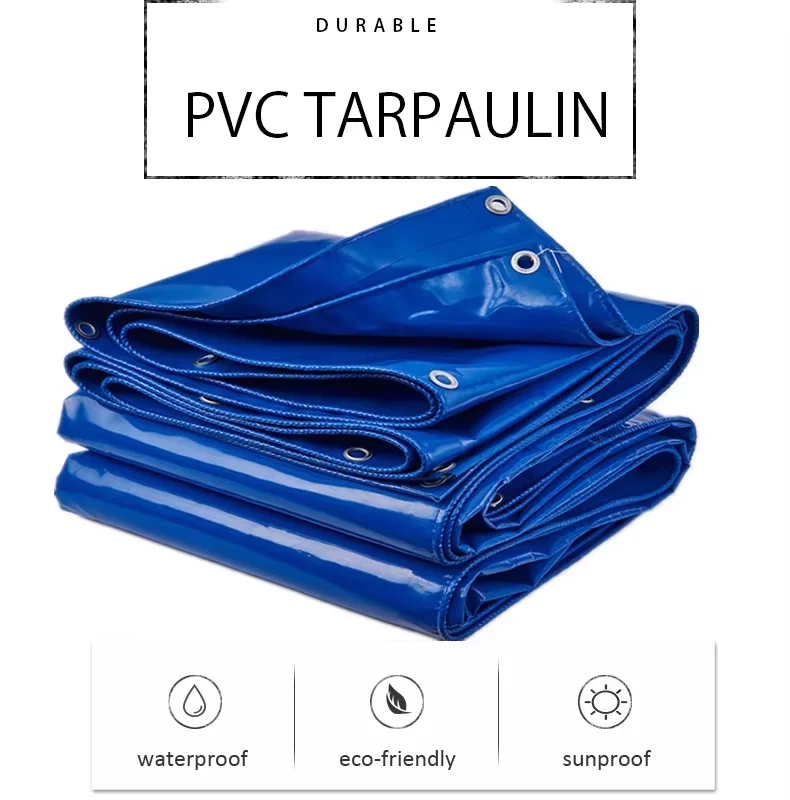
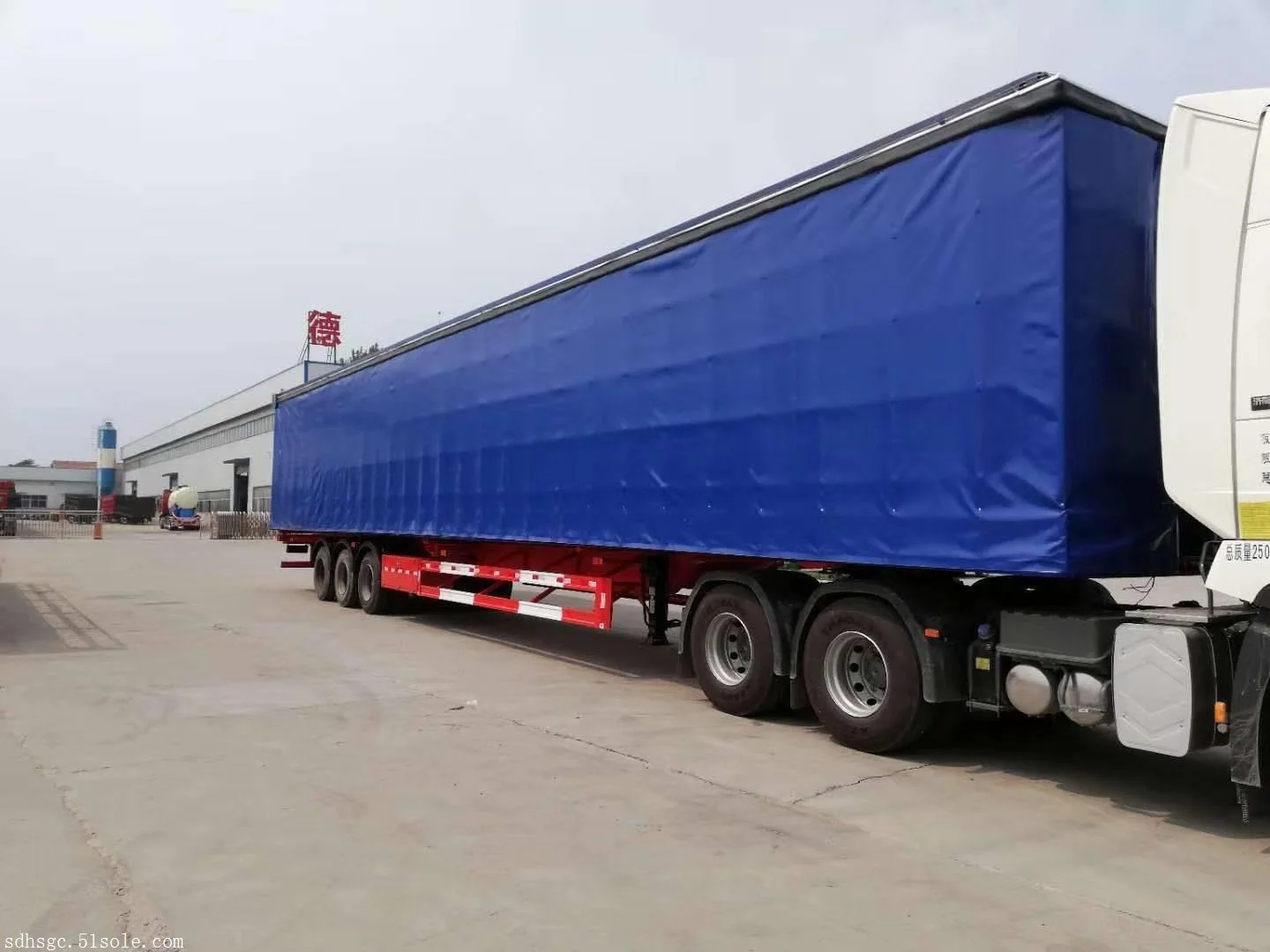
PVC Tarpaulin Roll — available in 250GSM to 1000GSM weights with 500D×500D to 2000D×2000D base fabrics, laminated and hot-melt coated options for truck covers and industrial applications.
Complete range supports spec matching across weight, denier, and weave density — hot-melt coating delivers stronger adhesion at flex points where loads stress the material most. Custom widths, colors, and pattern printing with batch consistency across rolls.
Backed by 30 years of coating expertise, 100% pre-shipment inspection, and a 10-person R&D team handling custom sizing and sample development.
Description
Established Process Control — Nearly 30 years of coating weight and adhesion expertise ensures every PVC Coated Tarpaulin Roll leaves the facility with verified GSM, matched base fabric denier, and batch-consistent colour across the full container load.
Technical Specifications
| Parameter | Value |
|---|---|
| Product Type | PVC Coated Tarpaulin Roll |
| Weight Options | 250GSM / 300GSM / 350GSM / 400GSM / 420GSM / 450GSM / 500GSM / 560GSM / 600GSM / 650GSM / 680GSM / 750GSM / 950GSM / 1000GSM |
| Total Thickness | 0.32mm to 0.65mm |
| Base Fabric | High-strength polyester mesh fabric |
| Base Fabric Denier | 500D×500D / 500D×1000D / 840D×840D / 1000D×1000D / 2000D×2000D |
| Weave Density | 15×15 / 18×18 / 18×25 / 20×20 / 23×24 / 30×17 / 30×30 |
| Coating Technology | Laminated technology & Hot-melt coating technology |
| Roll Size Options | 2m width × 75m length / 2.1m width × 50m length |
| Colour Options | Blue / Red / Yellow / Light blue / Grey (Customizable) |
| Key Features | Waterproof, Cold Crack Resistance, Anti-Mildew, Anti-Static treatment (grade not stated) |
| Flame Retardant | Available in flame retardant grades — confirm the grade required for your market |
| Sun Resistance | Anti-UV treatment available — request test report for your specification |
| Service Life | 3–7 years under normal circumstances |
| Standards | ISO, CE certified manufacturing |
Application Suitability
| Application | Exposure & Requirement |
|---|---|
| Truck side curtain cover | Constant flexing at load points, road debris abrasion, weather and UV exposure, wind load stress on seams |
| Goods yard cover | Prolonged outdoor storage, rain pooling, forklift and equipment contact, UV degradation over extended periods |
| Cargo ship cover | Saltwater spray, heavy wind load, UV exposure at sea, abrasion from cargo movement during transit |
| Push and pull tent | Repeated folding and unfolding, tension stress at frame contact points, rain and wind exposure |
| Fish tank / pool liner | Permanent water contact, UV exposure, puncture risk from substrate, chemical exposure from water treatment |
| Liquid storage tank | Constant liquid pressure, chemical compatibility, weld seam integrity under load |
| Breed farm waste transport | Liquid and particulate containment, abrasion from loading, repeated cleaning cycles |
| Dust cover | Abrasive particle containment, wind load, moderate UV exposure during outdoor storage |
Why the Stated GSM Does Not Always Match What Arrives
Buyers frequently discover that the PVC Coated Tarpaulin Roll weight quoted at order stage does not match the material on the dock. This mismatch rarely stems from a single production error — it usually traces back to unclear specification language, where a target GSM is agreed without defining how and when it will be measured.
When coating weight is verified only at the production line rather than at dispatch, material can lose adhesion or gain surface contaminants that alter the reading. Rolls stored in humid conditions before shipment may also show inflated weight readings that do not reflect actual PVC content. I have seen situations where the base fabric denier was substituted with a lighter mesh to hit a price point while maintaining the quoted GSM through heavier coating — a material that fails at the weld line rather than through the fabric itself. [NEED_CITE: coating weight verification methods for PVC coated fabrics]
The practical consequence is clear: a roll that meets the quoted GSM on paper can still underperform in the field if the base fabric structure does not carry the load.
Coating Technology and Its Impact on Field Performance
The PVC Coated Tarpaulin Roll range uses two distinct coating methods — laminated technology and hot-melt coating technology — each producing different adhesion characteristics. Laminated construction bonds the PVC film to the polyester mesh under heat and pressure, creating a uniform coating weight that holds well for flat applications such as pond liners and static covers. Hot-melt coating forces PVC into the mesh structure under high temperature, producing deeper penetration and stronger bond at the fibre level.
For truck side curtains and tensioned tent structures where the fabric flexes repeatedly, hot-melt coating resists delamination at the fold line far more effectively. Specifying the correct coating method at inquiry stage eliminates field failures that appear months after installation.
Controlling Colour Consistency Across Multiple Rolls
When a single order spans multiple rolls for a fleet of truck covers or a large tent installation, visible colour variation between adjacent panels undermines the professional appearance of the finished project. Colour matching begins at the pigment dispersion stage — inconsistent mixing produces rolls that appear identical under warehouse lighting but show clear differences once installed outdoors in natural daylight.
Batch consistency controls track pigment lot, mixing time, and coating temperature across every roll in a production run. For the PVC Coated Tarpaulin Roll range, each batch is assigned a colour reference that appears on the material specification sheet shipped with the order. [NEED_CITE: colour consistency standards for coated fabric production runs]
Understanding the Relationship Between Denier, Mesh Count, and Strength
GSM alone tells only part of the performance story. A 650GSM roll built on a 500D×500D base with a 15×15 mesh count achieves its weight through heavy coating rather than strong yarn — the result is a stiff material that cracks at fold points and tears easily once punctured. The same weight built on a 1000D×1000D base with a 20×20 mesh distributes load across stronger yarns with more interlock points per square inch.
The base fabric denier determines how much force a single yarn can absorb before breaking, while the mesh count controls how quickly a tear propagates through the fabric once one yarn fails. Hot-melt coating technology bonds more effectively to higher-denier yarns because the PVC*chanical interlock rather than surface adhesion. When specifying a PVC Coated Tarpaulin Roll for applications involving tension, wind load, or flexing, requesting both the base fabric denier and the mesh count alongside the GSM ensures the material matches the mechanical demands of the end use.
The Cost of Specifying by Weight Alone
Ordering a roll based on GSM without confirming base fabric denier and coating method invites predictable failures. A lighter base fabric overcoated to hit a weight target produces material that passes a scale check but fails at the welded seam — the point where the load concentrates during flexing. I have seen heavy-grade coated rolls fail at the weld line while the surrounding fabric remained intact, a failure pattern that indicates insufficient coating penetration rather than inadequate GSM.
For buyers loading full containers, the cost of discovering this mismatch after shipment extends far beyond material replacement — it includes customs clearance for returned goods, production delays downstream, and the reputational damage of delivering a finished product that fails in the field. [NEED_CITE: common failure modes in PVC coated tarpaulin at welded seams]
Why Buyers Consolidate Their PVC Coated Tarpaulin Roll Sourcing Here
Three full production lines with 36 sets of professional equipment provide the capacity to fill container orders on schedule without splitting production across facilities where batch consistency degrades. The 10-person R&D team handles material selection and sample development for custom GSM, width, colour, and pattern requirements, returning samples within days rather than weeks.
Dedicated QA/QC runs at every production stage — base fabric inspection before coating, coating weight verification during the run, and 100% pre-shipment inspection against the material specification sheet. Roll packing lists detail roll count, individual roll weight, and net/gross weight per pallet, supporting efficient customs clearance and container utilisation calculations. Documentation packages ship with every dispatch, including certificate of origin and test reports for flame retardant or anti-UV grades where applicable.
Documentation & Verification
- Material specification sheet stating GSM, base fabric denier, coating method, and colour reference per roll
- Pre-shipment inspection record confirming weight verification against quoted specification
- Test reports for UV and flame retardant grades supplied with applicable shipments
- Roll packing list with individual roll weight for customs and container planning
- Certificate of origin and ISO/CE manufacturing certification included with dispatch
Fabrication, Handling & Storage
- Hot-melt coated rolls require higher welding temperatures than laminated grades — adjust heat sealer settings accordingly
- Store rolls upright on pallets to prevent permanent creasing across the 2m or 2.1m width
- Unroll heavier grades (750GSM and above) in temperatures above freezing to avoid cold crack at the fold
- Match welding speed to coating method — hot-melt coated fabric tolerates faster travel speeds without bond failure
- Cut higher-denier base fabrics (1000D×1000D and 2000D×2000D) with rotary blades to prevent fraying at the edge
How to Request the Right Specification
Provide the end-use application and the primary mechanical demands — flexing, tension, abrasion, or static load — so the correct base fabric denier and coating method can be matched to the requirement. Confirm whether you need rolls in stock widths (2m or 2.1m) or custom widths, and indicate the annual volume to establish pricing tiers and lead time expectations.
If your market requires flame retardant or anti-UV certification, state the specific grade or standard your end customer requires. Request a sample roll or swatch before committing to container volume — samples are developed within days for custom colour, width, and GSM requirements.
Frequently Asked Questions
Q: How do you verify GSM before shipment and what documentation confirms the weight?
A: Every roll undergoes weight verification during the 100% pre-shipment inspection process. The material specification sheet shipped with your order states the GSM, base fabric denier, coating method, and colour reference for each roll. This document, combined with the roll packing list showing individual roll weights, allows you to cross-check the material against your original specification upon arrival.
Q: How is colour consistency controlled across multiple rolls in the same order?
A: Pigment lot, mixing parameters, and coating temperature are tracked across every roll in a production batch. Each batch receives a colour reference number recorded on the material specification sheet. For large orders spanning multiple production runs, we maintain colour reference standards to ensure rolls produced in different batches match when installed side by side.
Q: What custom widths and roll lengths are available, and what minimums apply?
A: Stock rolls ship in 2m × 75m and 2.1m × 50m configurations. Custom widths and lengths are available for non-stock grades — the 10-person R&D team develops samples within days for custom requirements. Minimum order quantities depend on the specific GSM, base fabric denier, and colour selected, and are confirmed during the quotation stage alongside lead time.
Q: What is the difference between laminated and hot-melt coating technology?
A: Laminated technology bonds PVC film to the polyester mesh under heat and pressure, producing uniform coating weight suited to flat applications like pond liners. Hot-melt coating forces PVC into the mesh at high temperature, creating deeper fibre penetration and stronger adhesion — better suited for flexing applications such as truck side curtains and tensioned tent structures.
Q: Are flame retardant and UV test reports available for all grades?
A: Flame retardant and anti-UV treatments are available across the range, but specific grades depend on the end-market requirement. Test reports are supplied with applicable shipments — request the reports matching your market’s compliance standard before placing your order to confirm the grade meets your specification.
Related products
-
Nylon-coated Trailer Tarpaulin. Waterproof Canvas. Heavy-duty PVC Tarpaulin for Truck Tents
¥1.04 Add to cart -
Custom Reinforced Edges Rip-Stop Rubberized PVC Tarpaulin Industry Covering Vinyl Coated Polyester Tarps for Trucks
¥8.00 Select options This product has multiple variants. The options may be chosen on the product page -
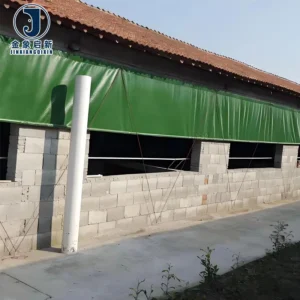
JX PVC Coated Tarpaulin/Cover for Farm Waterproof Warp Knitted Tent Pig Broiler Sheep Chicken Farm Plain Style
¥1.40 Add to cart -
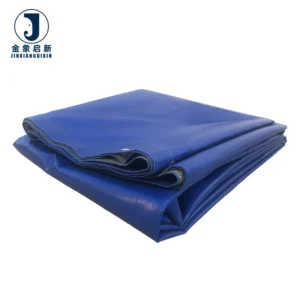
Hot Selling Heavy Duty Waterproof Large Camping Tarp Outdoor Use 500gsm Pvc Laminated Tarpaulin Tent
¥3.20 Add to cart