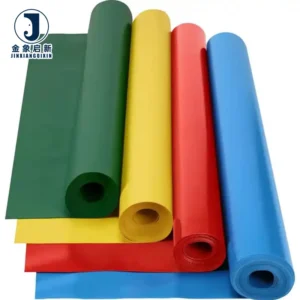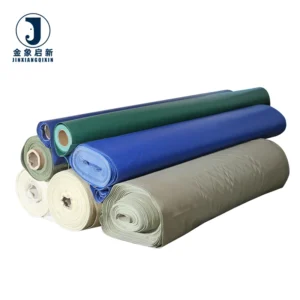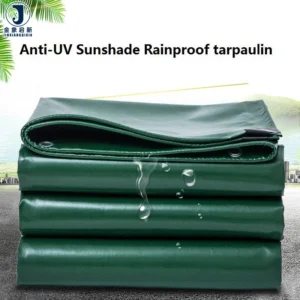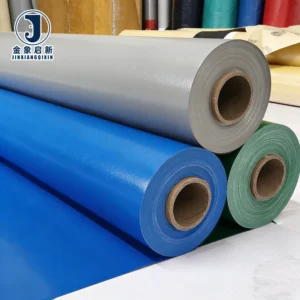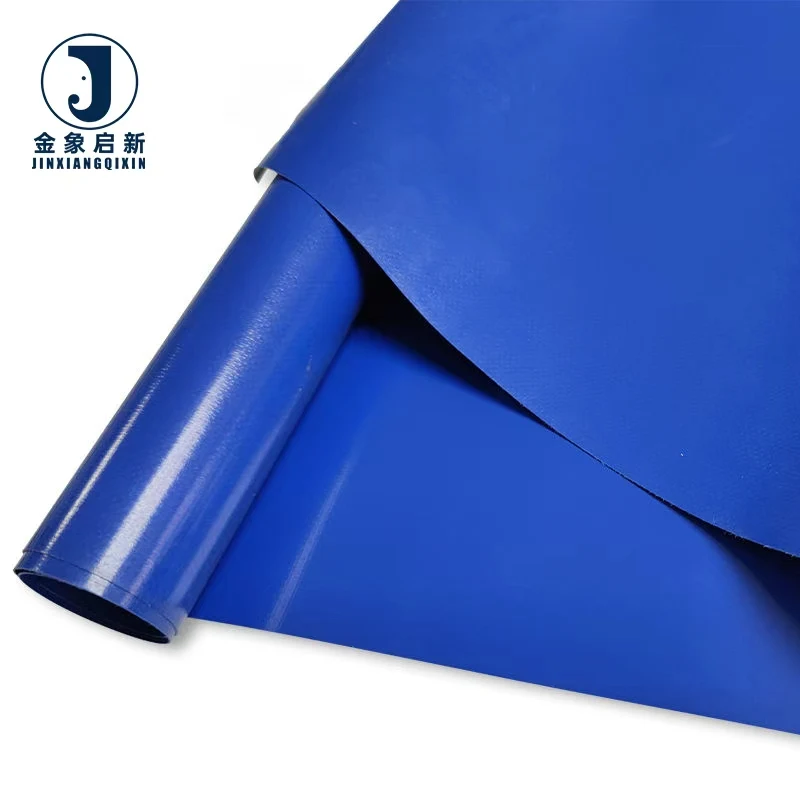
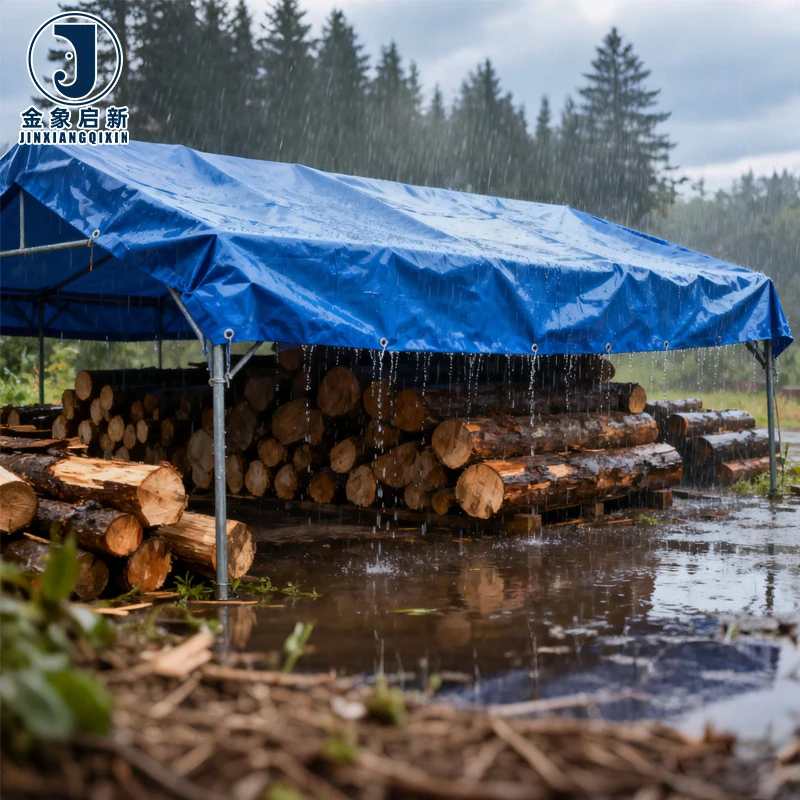
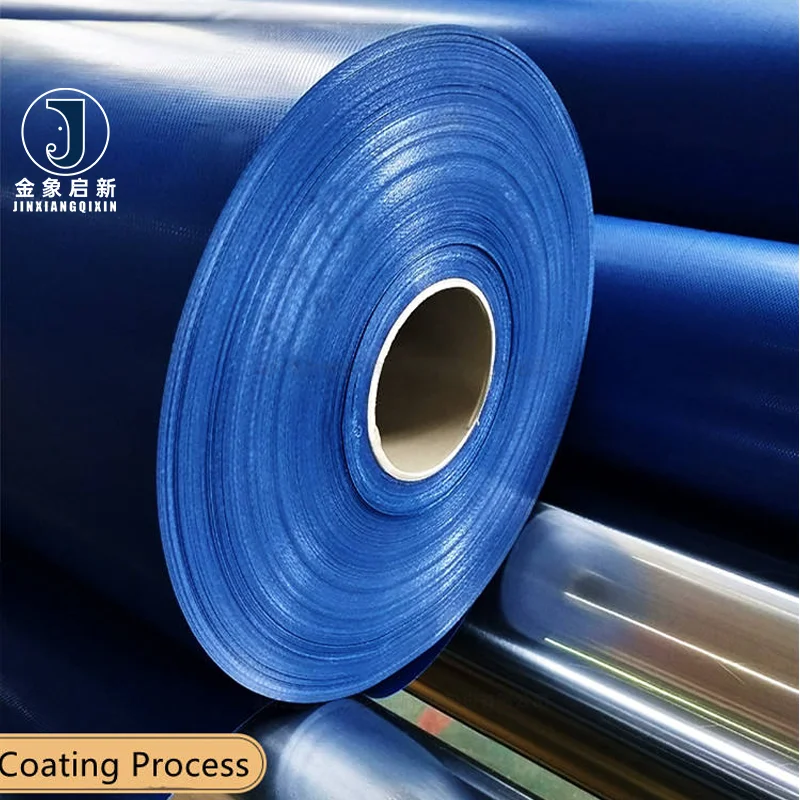
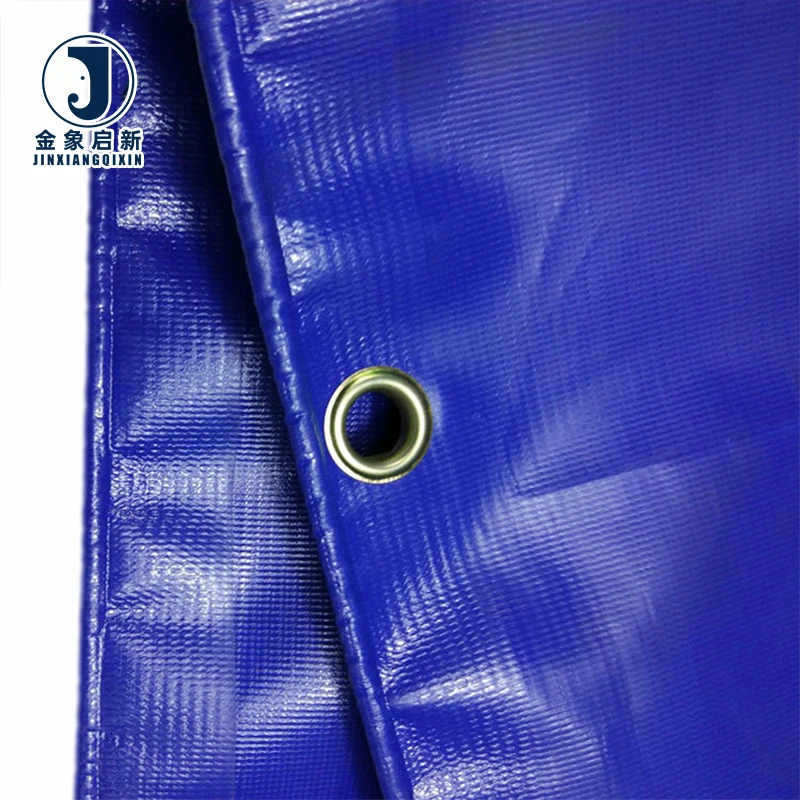
PVC Waterproof Tarpaulin Roll, 50–220 g/m², 0.2–0.4 mm Thickness — HDPE woven base with LDPE lamination, available in 2 m to 6 m widths and 100 m roll lengths. Roll width and length choices directly affect cutting yield and seam count on large truck covers or site enclosures, while GSM selection balances tear strength against handling weight for daily deployment. Backed by nearly 30 years of coating process control, a 10-person R&D team for fast sampling, and 100% pre-shipment inspection across every roll.
Description
Deep Process Control Over Coating Weight — Every PVC and PE tarpaulin roll leaves our facility with a material specification sheet stating exact GSM, base fabric denier, and coating weight, verified through 100% pre-shipment inspection rather than relying on supplier claims alone.
Technical Specifications
| Parameter | Value |
|---|---|
| Product Type | PVC Tarpaulin Roll |
| Material | HDPE weaving with LDPE lamination on both sides |
| Weight (GSM) | 50 gr/m² ~ 220 gr/m² |
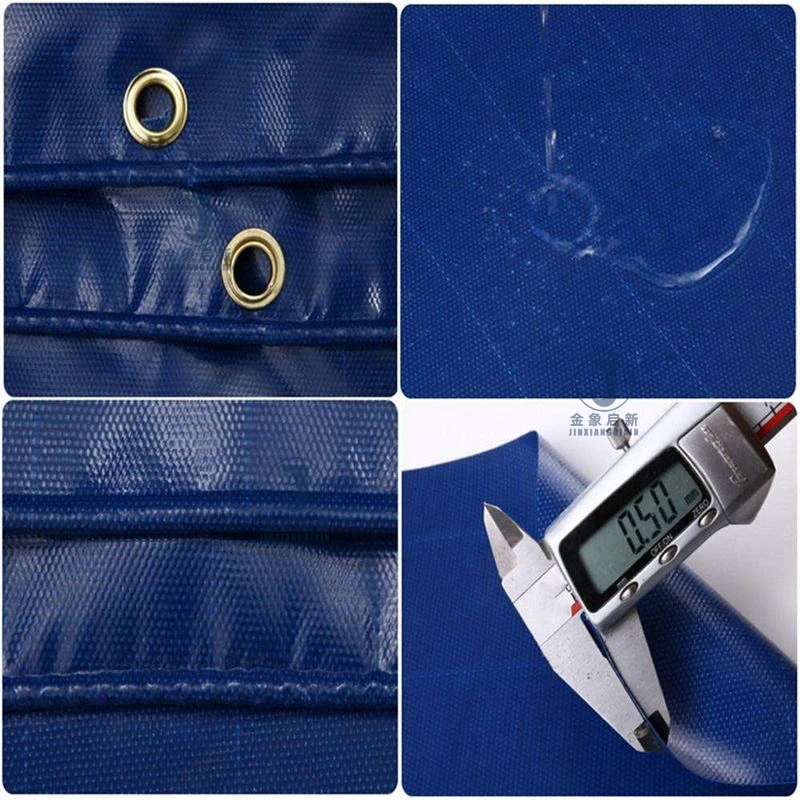
| Thickness | 0.2–0.4 mm / 8 mil–16 mil |
| Roll Width | 6 ft, 8 ft, 10 ft, 12 ft or 2 m, 4 m, 6 m |
| Roll Length | 100 yards, 100 meters, or custom |
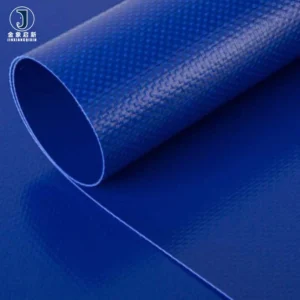
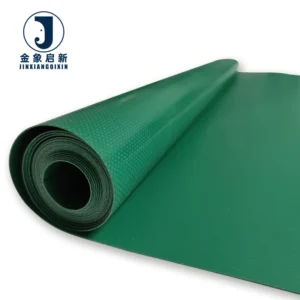
| Color Options | Blue, Blue/Orange, Green, Grey, Black, Clear, Grey/Green, Orange, or custom |
| UV Treatment | Available (test basis not stated — confirm requirement for your market) |
| Flame Retardant Grade | Not stated (available in flame retardant grades — confirm the grade required for your market) |
| Key Features | Waterproof, washable, tear resistant, mildew proof, anti-aging |
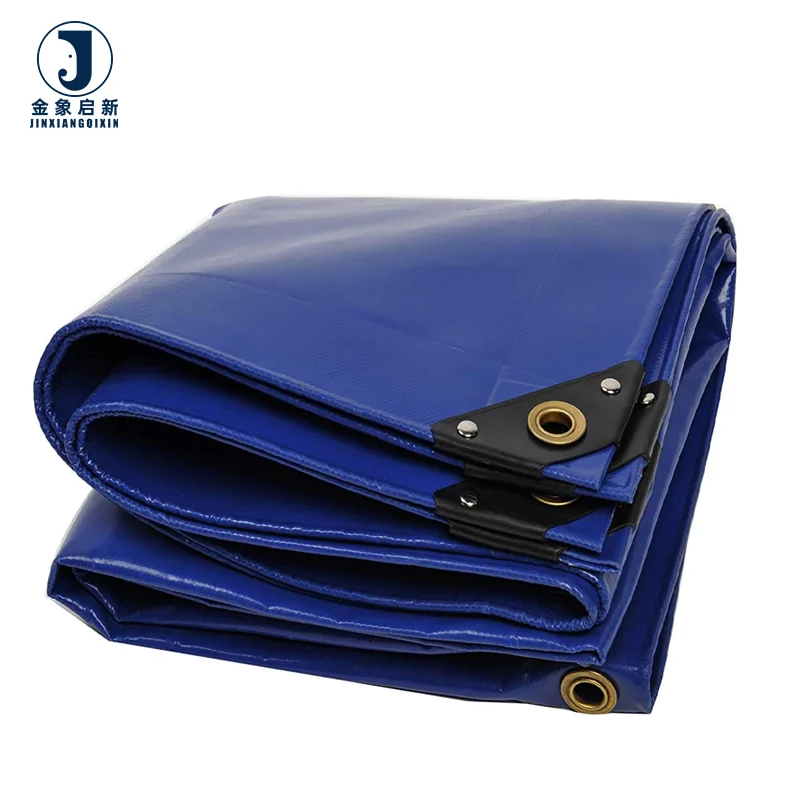
| Finished Tarpaulin Options | PP rope reinforced hems, galvanized eyelets every 3 ft or 1 m, reinforced plastic corners |
Application Suitability
| Application | Exposure & Requirement |
|---|---|
| Truck tarpaulin covers | Constant road vibration, UV exposure, abrasion at tie-down points, repeated folding and unfolding |
| Construction site covers | Debris impact, prolonged sun exposure, wind uplift forces, dust and moisture ingress prevention |
| Agricultural and aquaculture covers | Permanent moisture contact, organic chemical exposure, soil abrasion, seasonal temperature swings |
| Outdoor equipment and camping covers | Intermittent UV exposure, rain and condensation, handling wear, compact storage requirements |
| General cargo protection in transit | Load shifting friction, weather ingress at high speed, edge abrasion from pallet corners |
Why Stated GSM Does Not Guarantee What Arrives on the Dock
Verified weight per roll, documented before dispatch — not assumed from a quotation line.
Buyers across logistics, construction, and agriculture have received rolls that felt noticeably lighter than the specification sheet promised. The GSM figure on a quote means nothing when the coating line runs thin and no one checks before the container seals. A PVC Tarpaulin Roll aftermarket supplier quoting 180 gr/m² but delivering closer to 150 gr/m² leaves the buyer with material that tears at tie-down points months earlier than expected. [NEED_CITE: tensile and tear test methods for coated fabrics per ISO 1421]
Full Catalogue Depth Across Weight Classes
Sourcing a PVC Tarpaulin Roll manufacturer custom capable of spanning from 50 gr/m² lightweight covers to 220 gr/m² heavy-duty grades eliminates the need to qualify multiple vendors for different applications. Lighter grades serve short-term construction enclosures and temporary equipment covers where cost efficiency and handling weight matter. Heavier grades address long-term outdoor exposure on truck beds and agricultural installations. The same facility produces the entire range, which simplifies consolidation for distributors building regional stock across multiple end-use categories.
Custom Width, Length, and Colour in One Production Run
Roll widths extend to 6 m, and lengths run to 100 yards or 100 meters with custom cuts available on request. For container loading, wider rolls reduce the total number of rolls per order while maintaining full coverage width for large-format fabrication such as pond liners and tensioned structures. Custom colour matching runs within the same production batch, meaning multiple rolls destined for a single installation maintain visual consistency across the entire surface once deployed side by side. [NEED_CITE: colour consistency standards across coated fabric production batches]
Understanding GSM, Denier, and Lamination Together
GSM alone does not determine how a roll performs under load. A 220 gr/m² roll woven from high-denier HDPE tape with dense warp and weft spacing resists tear propagation differently than a roll at the same weight built with lower denier and thicker lamination. The HDPE weaving provides the structural skeleton, while the LDPE lamination on both sides seals the fabric against water ingress and contributes to overall stiffness. Thicker lamination increases puncture resistance but can reduce flexibility at low temperatures, which matters for winter deployment on open truck beds. Roll width selection directly affects fabrication waste — specifying 4 m rolls for a project requiring 3.8 m panels produces far less off-cut than cutting from 2 m stock and welding a seam that may fail before the field fabric does.
The Hidden Cost of Specification Shortcuts
A roll that arrives underweight tears at stress concentration points — eyelets, corners, and fold lines — well before the expected service interval. Flame retardant treatment claimed without a test report leads to failed site inspections on construction projects where fire marshals require documented compliance. Batch colour variation across rolls in the same order becomes visible only after installation, when adjacent panels under direct sunlight reveal a noticeable shade difference that forces the buyer to replace entire sections. Welded seams on thinner-than-specified material fail at the exact point where the load flexes most, leaving cargo exposed mid-transit. [NEED_CITE: common failure modes in coated tarpaulin field installations]
Why Procurement Teams Source Here
Three full production lines and 36 sets of professional equipment support bulk volume with consistent output across roll batches. A 10-person R&D team handles material selection, colour matching, and sample development with turnaround measured in days rather than weeks. Dedicated QA/QC runs at every production stage, and every roll undergoes 100% inspection before shipment with documented results. ISO and CE certification provides market compliance documentation for importers distributing across regulated territories. Custom width and colour orders carry practical minimums rather than prohibitive thresholds, allowing buyers to trial new grades without committing to full-container volumes. [NEED_CITE: DIN 4102 fire classification for building materials]
Documentation & Verification
- Material specification sheet stating GSM, base fabric, and LDPE lamination weight per roll
- Pre-shipment inspection record confirming weight verification against stated specification
- Roll packing list detailing width, length, colour, and quantity per roll for customs clearance
- ISO and CE certificates issued for market compliance on request
- Colour reference sheet confirming batch consistency across all rolls in the order
Fabrication, Handling & Storage
- Heat-seal HDPE/LDPE rolls at manufacturer-recommended temperature to avoid lamination delamination at seams
- Space galvanized eyelets at 1 m intervals along PP rope reinforced hems for even load distribution
- Store rolls upright on pallets to prevent permanent creasing across the 6 m width
- Avoid dragging rolls across abrasive surfaces during unloading to protect the LDPE lamination face
- Clean mildew-proof treated surfaces with mild detergent to preserve the anti-aging coating layer
- Plan cut layouts from roll width before fabrication to minimize off-cut waste on custom panel sizes
Before You Request a Quote
Provide the end-use application, expected exposure conditions, and whether the roll will be fabricated into finished tarpaulins or used as-is. Specify target roll width and annual volume so we can match production scheduling and confirm colour availability within the batch window. If your market requires flame retardant or UV-treated grades, state the applicable standard so the correct formulation is selected before sample development begins.
Frequently Asked Questions
Q: How can I verify the actual GSM matches the quotation when the rolls arrive?
A: Every shipment includes a material specification sheet and pre-shipment inspection record documenting verified GSM per roll. You can cross-check these documents against the physical rolls on receipt. We recommend sampling a roll from each production batch for independent weight testing if your market requires third-party validation.
Q: Is UV treatment backed by a third-party test report?
A: UV treatment is available as an option, but the specific test basis should be confirmed before ordering. Request the applicable test report during the sample approval stage so the formulation matches the solar exposure requirements of your target installation environment and regional compliance expectations.
Q: What is the minimum order quantity for custom colours or non-standard widths?
A: Custom colours and widths carry practical production minimums rather than full-container thresholds. The exact minimum depends on the selected GSM, roll width, and colour formulation. Provide your specification during inquiry so we can confirm volume requirements alongside lead time and sample availability.
Q: Will multiple rolls in the same order match in colour?
A: Colour consistency is controlled across the production batch. The colour reference sheet issued with your order documents the shade standard used. For large installations where panels sit side by side, we recommend ordering the full requirement in a single production run to maintain uniformity throughout.
Q: Can finished tarpaulin edges and eyelets be customised to specific spacing?
A: Finished tarpaulin options include PP rope reinforced hems, galvanized eyelets spaced every 3 ft or 1 m, and reinforced plastic corners. Custom spacing and reinforcement specifications can be accommodated. Provide your tie-down load requirements and panel dimensions during inquiry so we configure the edge treatment accordingly.
Related products
-
PVC Coated Tarpaulin Outdoor Poly Tarp Plastic Canvas Tarpaulin Roll 650 Gsm for Truck Tent. Roof Cover
¥2.70 Add to cart -
Heavy Duty Fire Retardant Waterproof PVC Coated Tarpaulin Rolling Tarp Materials for Truck Cover Tents Outdoor Usage
¥1.40 Add to cart -
Nylon-coated Trailer Tarpaulin. Waterproof Canvas. Heavy-duty PVC Tarpaulin for Truck Tents
¥1.04 Add to cart -
High Quality Windproof Waterproof PVC Coated Plain Tarpaulin for Industrial Shelter Use
¥0.53 Add to cart